
Team name: wetlab
Inspiration
Members of our team are interested in projects at the intersection of electrical or mechanical design, medicine, and computer science, and we are very excited to be bringing these skills to HopHacks 2022! We arrived with a few ideas and a large collection of tools and components we could use in our design. Meddi evolved from our team's discussions regarding how difficult it can be for patients and caregivers alike to measure many different medications to be consumed on different timescales. Keeping track of one's pills can be troublesome, and it should be easier.
What it does
Meddi is a part-hardware and part-web application that allows you to easily track and consume your medication.
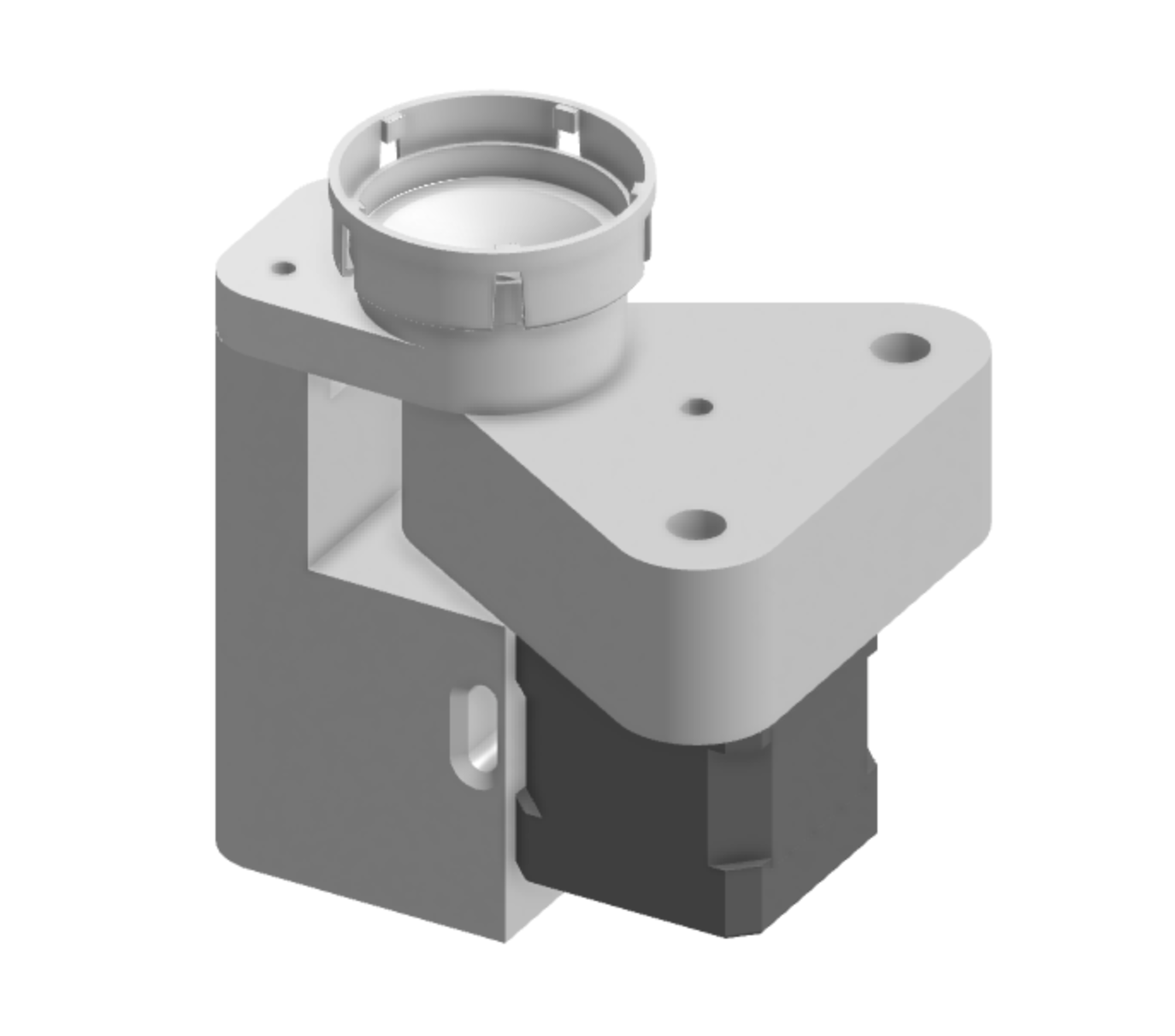
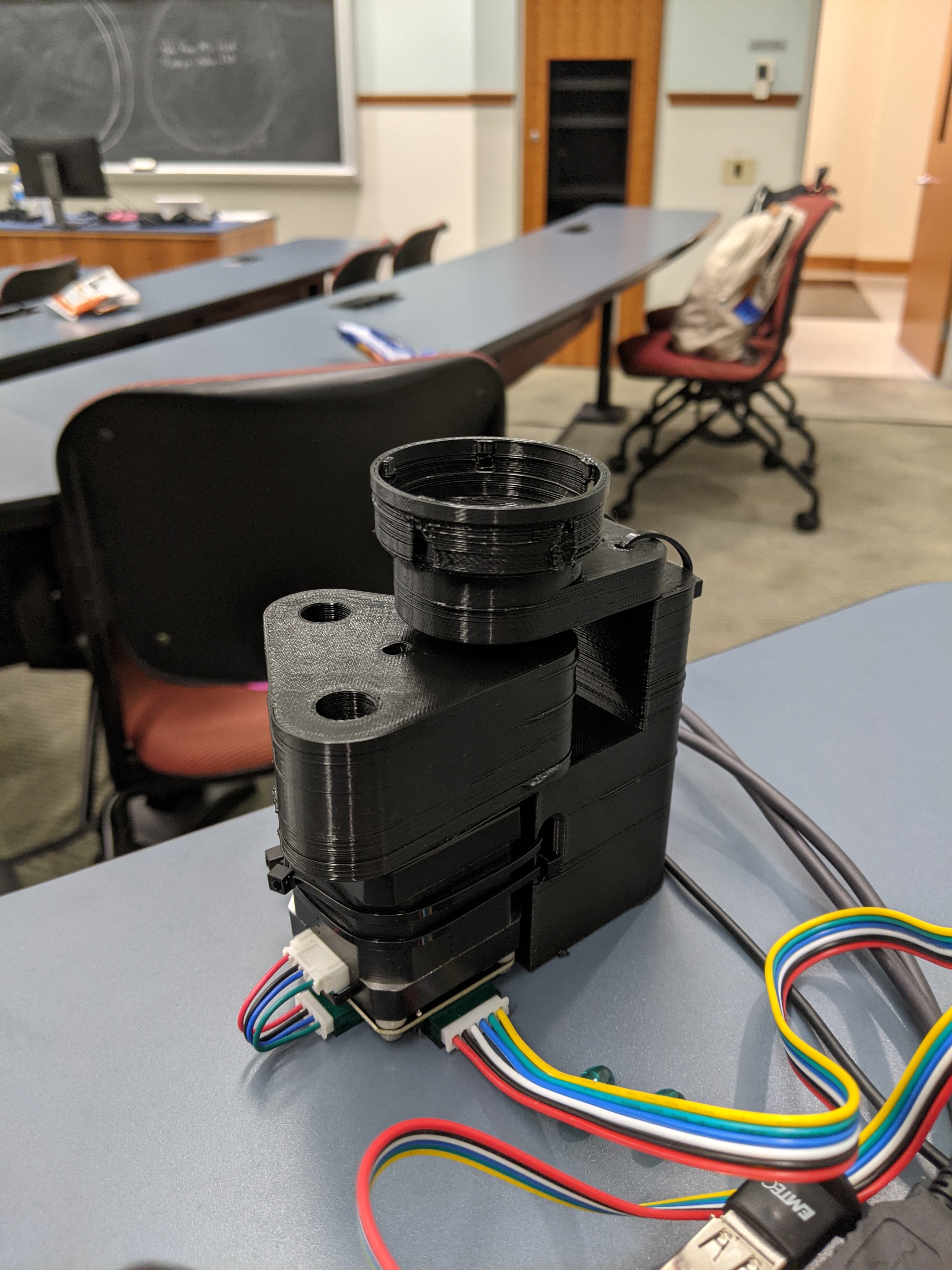
Meddi dispenser
The Meddi dispenser is intelligent and can dispense your dose on time for you to take it, without you having to remember specific instructions or pick at tiny pills. Simply remove the cap from your medication bottle and screw on a single dispenser, then store it upside down over your collection tray. Each Meddi dispenser can deliver one of your medications.
Meddi tracker
The Meddi tracker allows you to register your new medications when they arrive. Simply enter the name of your medication, number of tablets you have in a bottle, and the frequency with which you need to take it.
How we built it
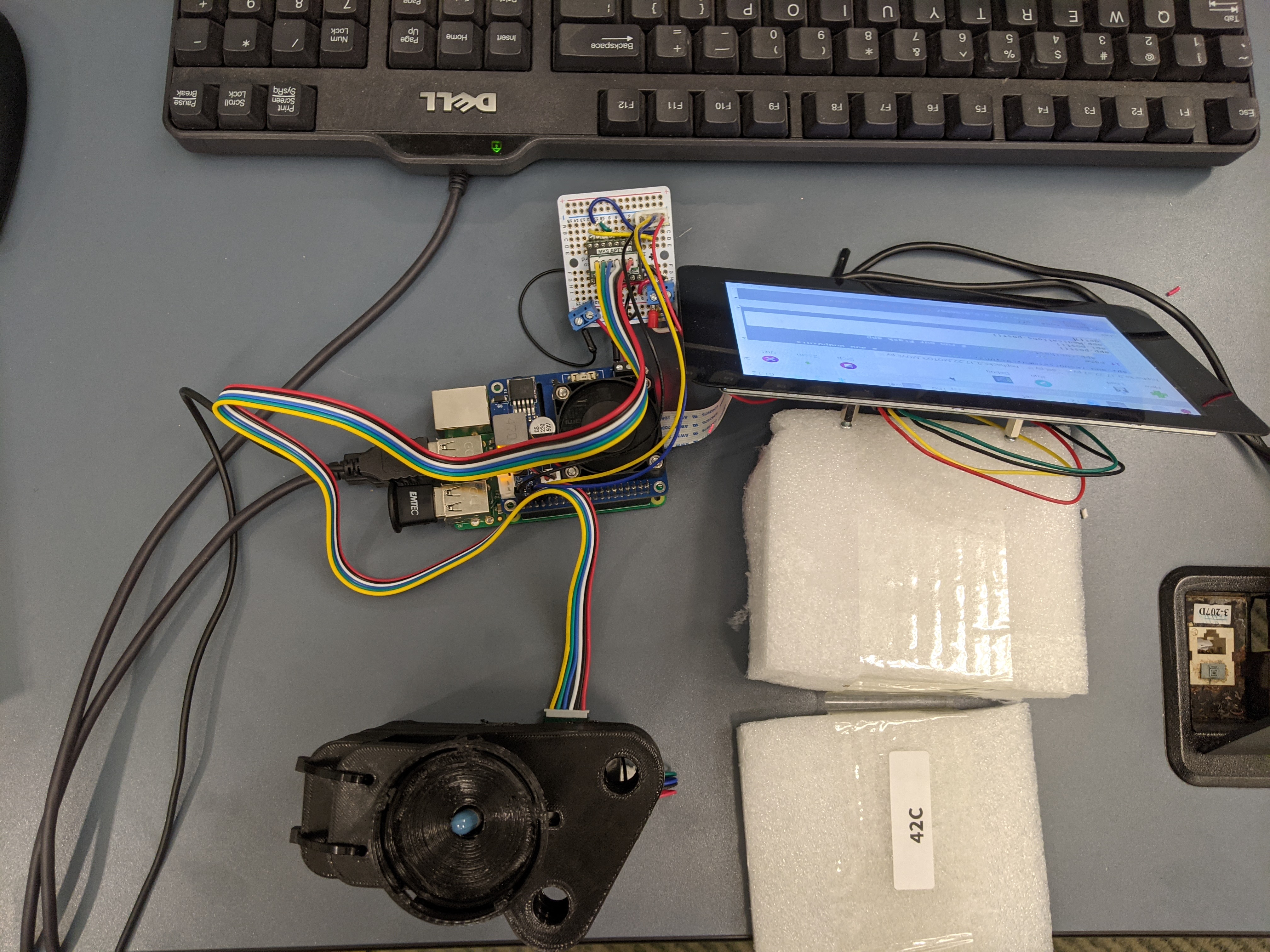
The mechanical components for the dispenser were modeled in Onshape and printed in PLA on a Prusa Mini. Using resources including a 12V power supply salvaged from electronics recycling, soldering station with solder, and a Perma-Proto board from Adafriut, we were able to distribute power to a Raspberry Pi, Raspberry Pi touchscreen, and a Meddi dispenser. The moving component of the Meddi dispenser is a closed-loop stepper motor SERVO42C.
Challenges we ran into
Integration of the frontend web application, backend FLASK Python server, and Raspberry-Pi based mechanoelectrical device proved to be quite a challenge. Some utilities had to be prioritized over others .
Accomplishments that we're proud of
We are excited to have designed, built, and tested both a working pill dispenser and functioning frontend server within the span of the hackathon. We're psyched to have stretched the boundaries of "hacking" by pursuing a hardware component of our project!
What we learned
As developers and engineers with different expertise we learned quite a lot from each other, including the implementation of Python web servers using Flask and GPIO usage on the Raspberry Pi.

Log in or sign up for Devpost to join the conversation.