About the Project
Inspiration
The project was inspired by the potential of autonomous drones to address critical logistical challenges in healthcare and emergency services. The idea of using drones to deliver medical supplies, especially in remote areas, fascinated us. Stories of patients waiting hours for life-saving medicine due to inaccessible terrain motivated us to create a solution that leverages technology to save lives.
What It Does
The system we developed enables autonomous drones to deliver medical supplies efficiently and reliably. It features dynamic route planning, real-time obstacle detection, and secure payload management to ensure that supplies reach their destination safely. Additionally, the drones are equipped with IoT-based sensors for real-time tracking and environmental monitoring.
How We Built It
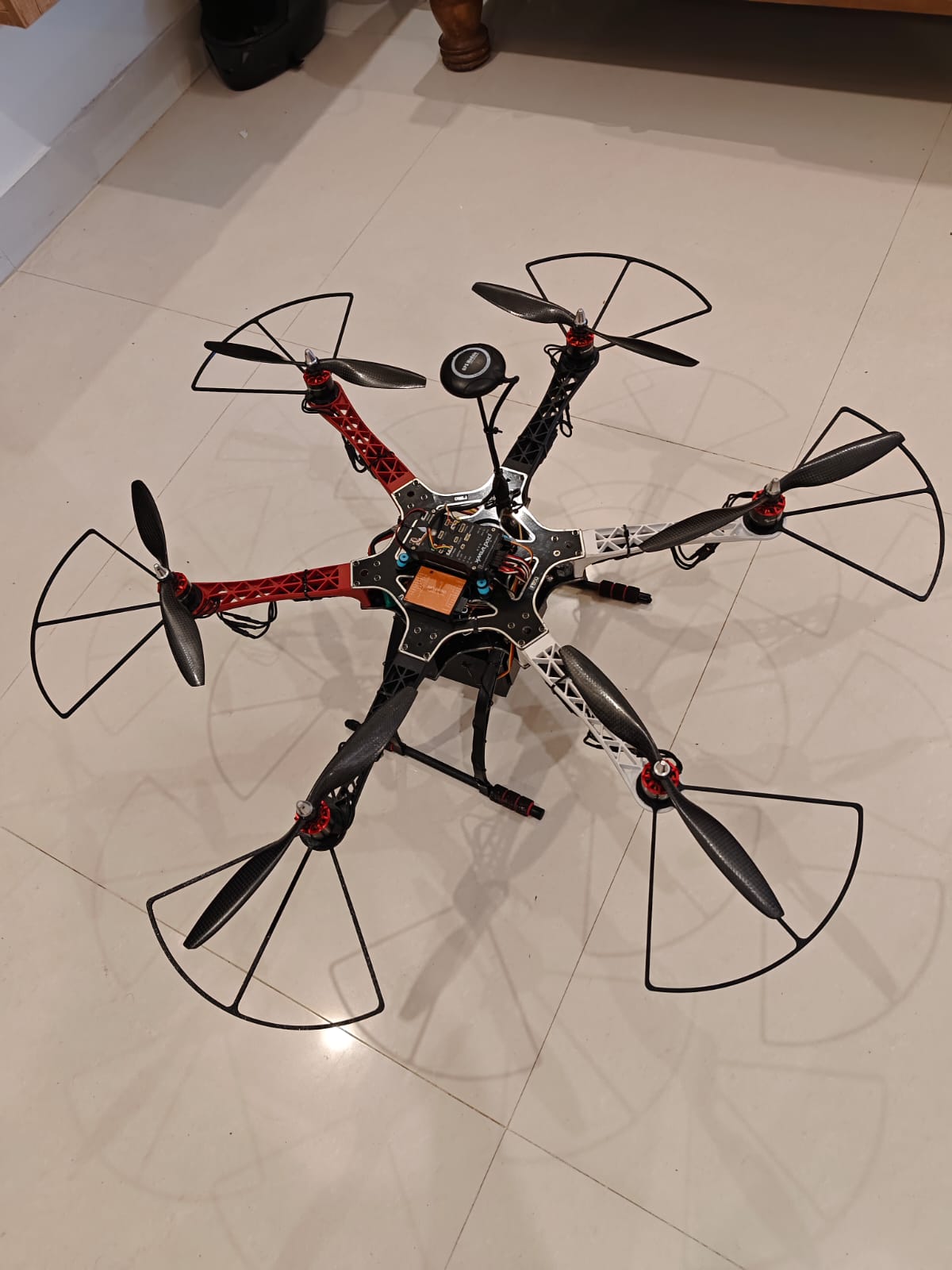
We started with research into existing drone technologies and healthcare logistics. The project was built using Python for software development, ROS (Robot Operating System) for drone navigation, and machine learning models for dynamic route optimization. The hardware includes a drone enhanced with LiDAR sensors for obstacle detection and thermal cameras for situational awareness. The system integrates a cloud-based platform for monitoring drone performance and managing data collected during flights.
Challenges We Ran Into
The project presented several challenges:
- Dynamic Routing: Designing an algorithm that could adapt to changing conditions like weather and air traffic was complex.
- Battery Life: Ensuring long flight times while carrying payloads required extensive testing and optimization.
- Regulatory Compliance: Meeting aviation regulations for drone usage in healthcare was time-consuming and required adjustments to our design.
- Data Processing: Real-time data analytics posed challenges, particularly when managing latency and ensuring robust communication between the drone and the cloud system.
Accomplishments That We're Proud Of
We are proud of achieving a functional prototype that successfully demonstrated autonomous delivery in test environments. Developing a robust obstacle avoidance system and implementing secure payload mechanisms were significant milestones. Additionally, the project brought our team together, showcasing the power of collaboration in solving complex problems.
What We Learned
This journey taught us the intricacies of autonomous systems and the critical role of optimization in ensuring reliability. We gained experience in areas like machine learning, IoT integration, and regulatory compliance. Beyond technical knowledge, we learned the importance of adaptability and teamwork in overcoming challenges.
What's Next for Untitled
Moving forward, we aim to scale the system for real-world deployment. This includes enhancing the AI models for better decision-making, improving energy efficiency, and integrating advanced communication technologies like 5G. We also plan to expand the system's application to include disaster response and other time-sensitive logistics.
Built With
- arduino
- computer-vision
- firebase
- iot
- kotlin
- machine-learning
- xml

Log in or sign up for Devpost to join the conversation.