Inspiration
We were inspired to allow people to easily diagnose their medical symptoms and recieve the proper steps for treatment.
What it does
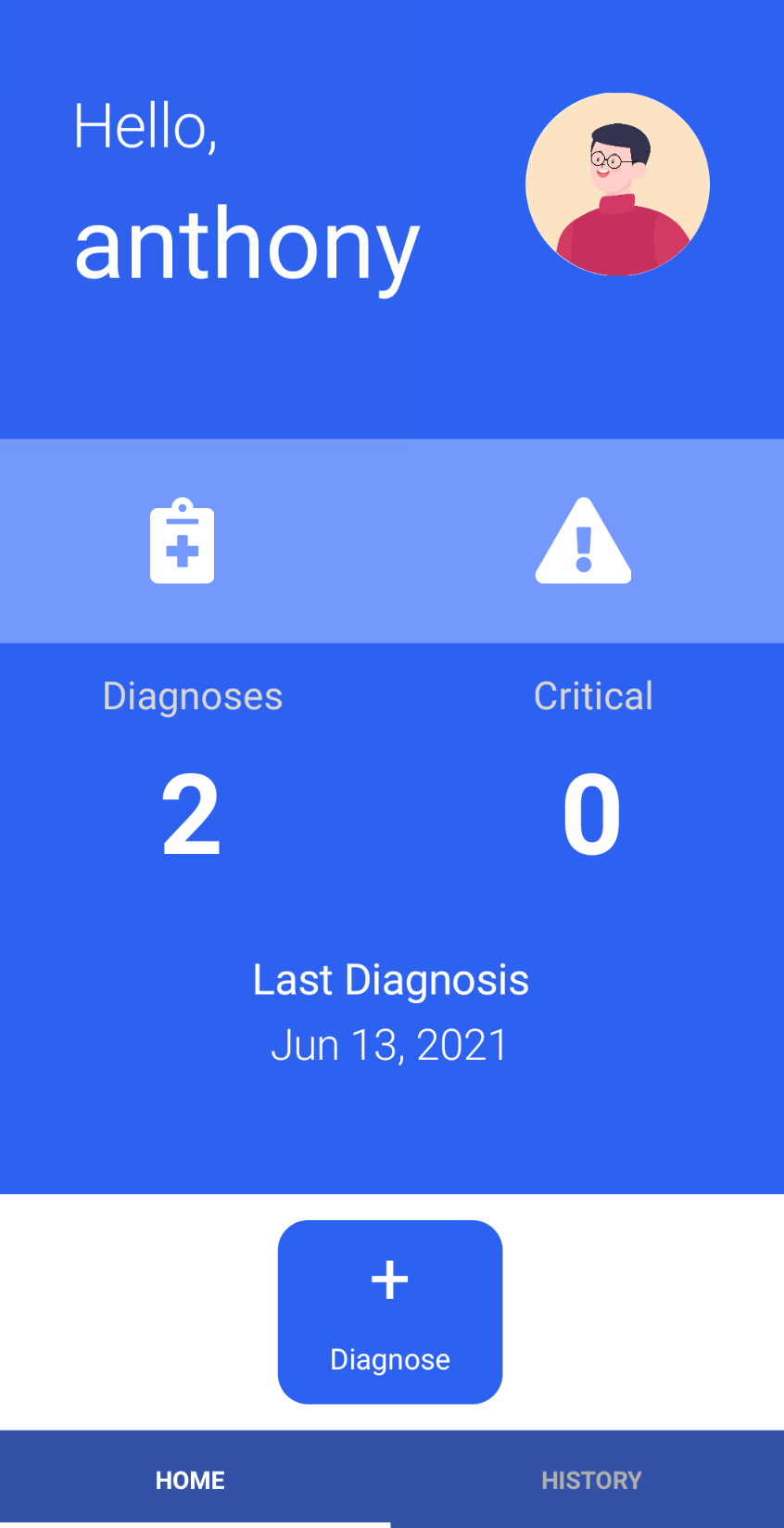
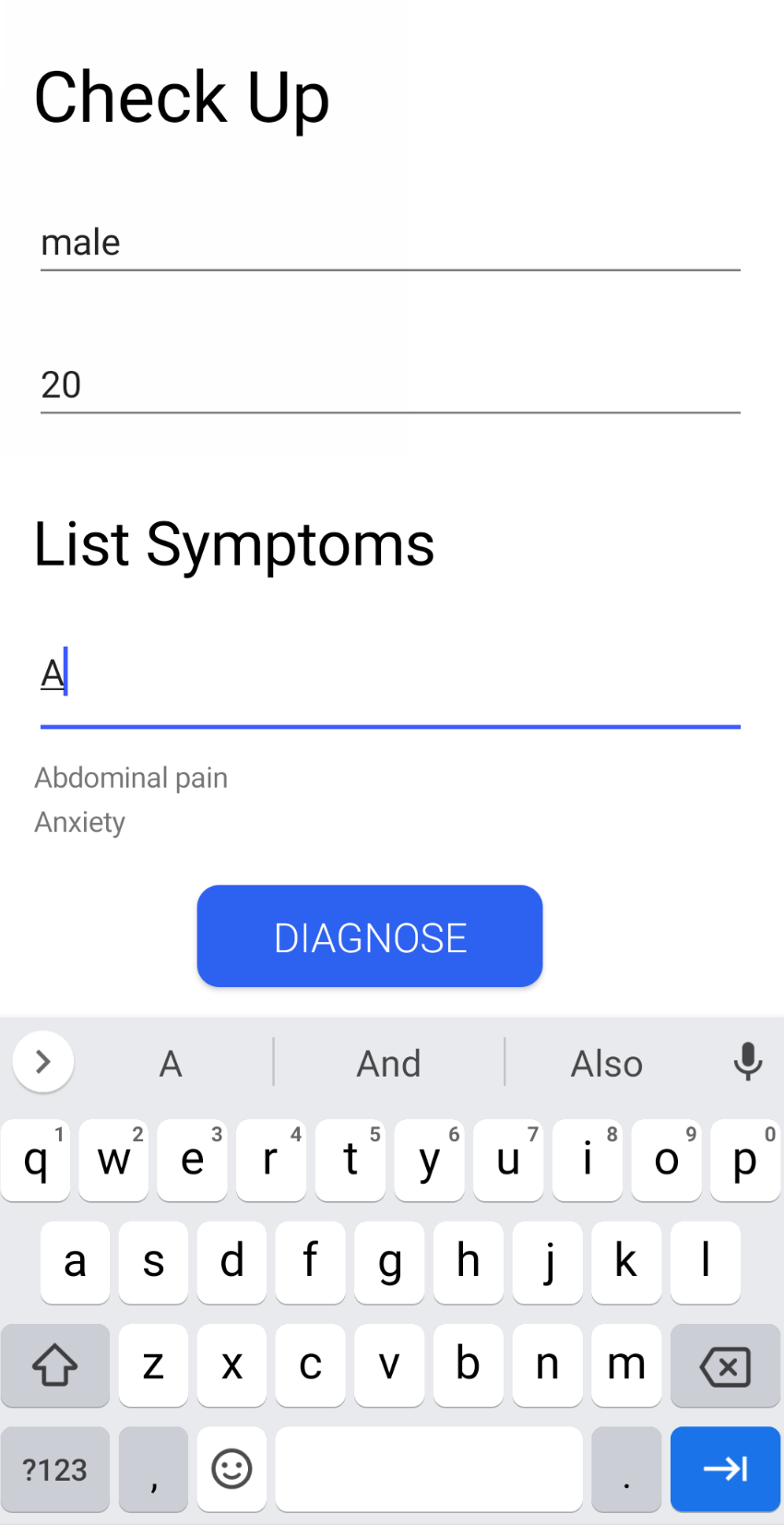
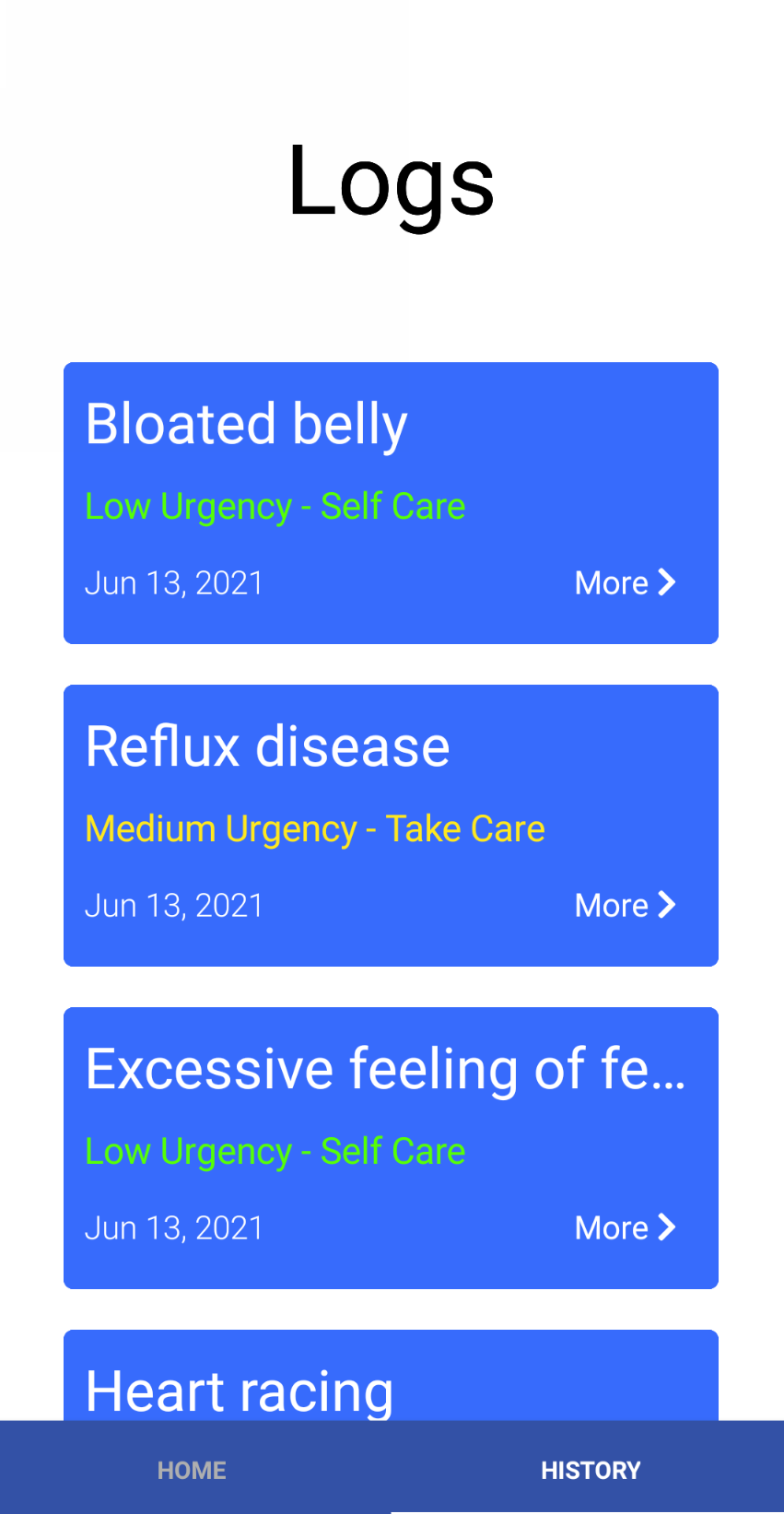
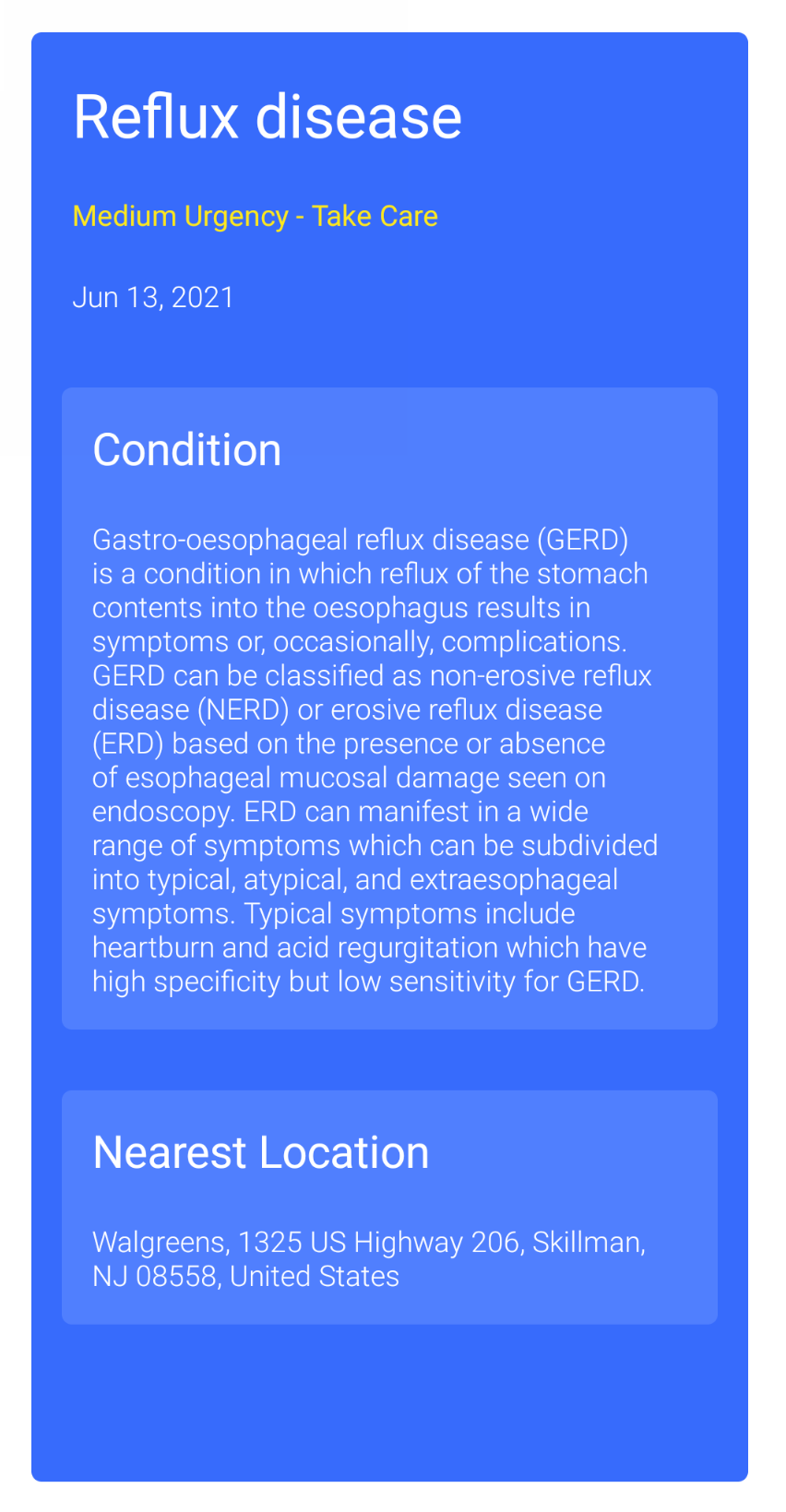
The users input their symptoms into an autocomplete search bar and receive their most likely diagnosis and severity of the condition through a machine learning API. Next, a web-scraper scrapes a medical database to retrieve the most relevant information about the condition, and displays it for the user. Finally, an API filters for the nearest locations that can provide the necessary treatment and provides the address.
How we built it
We used Vue for the front-end of the app, Django for the back-end, and Selenium for the web-scraping portion. The database we used was malacards.org. Our APIs consisted of the APIMedic and the HERE-geocoder API.
Challenges we ran into
Portability was an issue we faced because we were trying to coordinate code on different machines with different dependencies, especially when trying to make the webscraper as robust as possible.
Accomplishments that we're proud of
We are proud to have programmed a fully-functional full-stack application in just twelve hours time.
What we learned
We learned about developing a full-stack app, web-scraping in python, and general research practices to use when dealing with an API. We also got better at reading and understanding documentation.
What's next for MedCheck
We plan to use machine learning to optimize our diagnosis.
Built With
- apimedic
- django
- django-rest-framework
- here-geocoder
- nativescript
- python
- selenium
- vue

Log in or sign up for Devpost to join the conversation.