-
-
MedBlock Logo
-
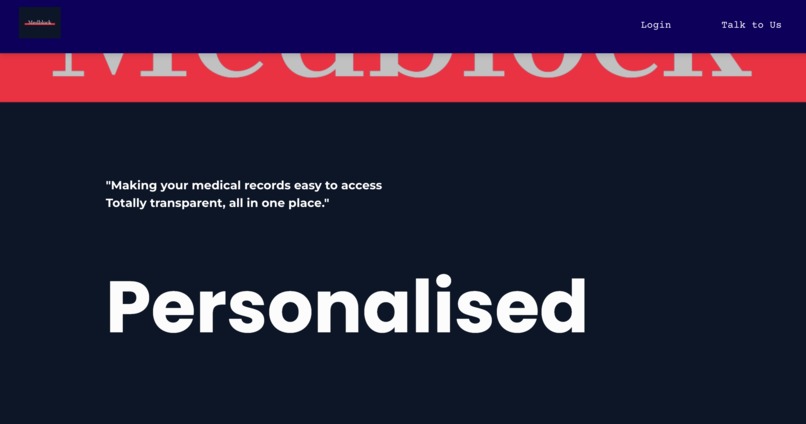
-
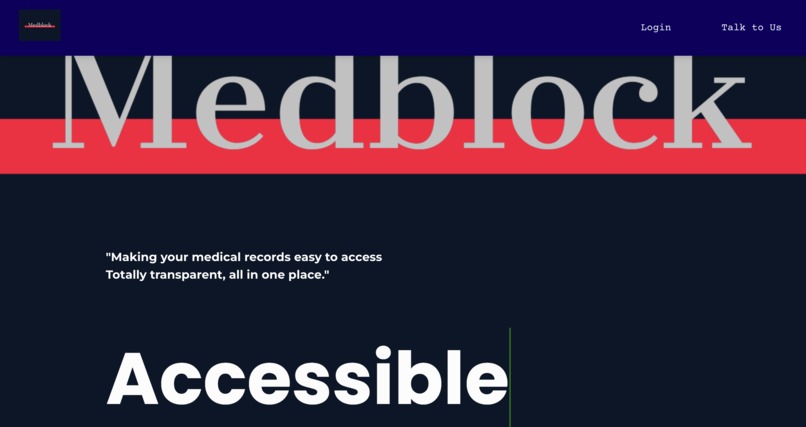
Home page
-
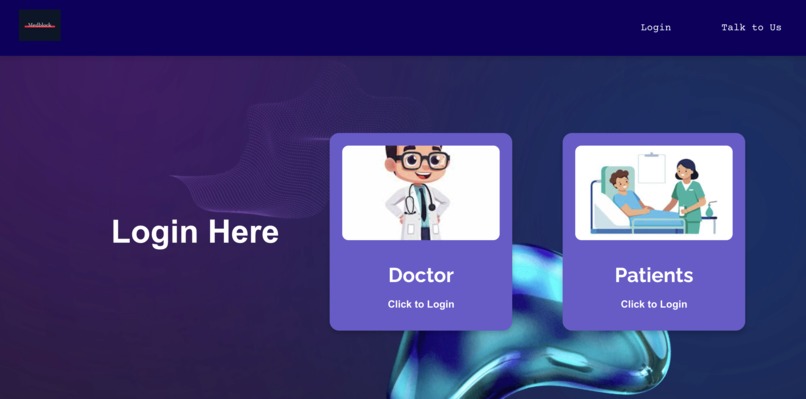
Login Component
-
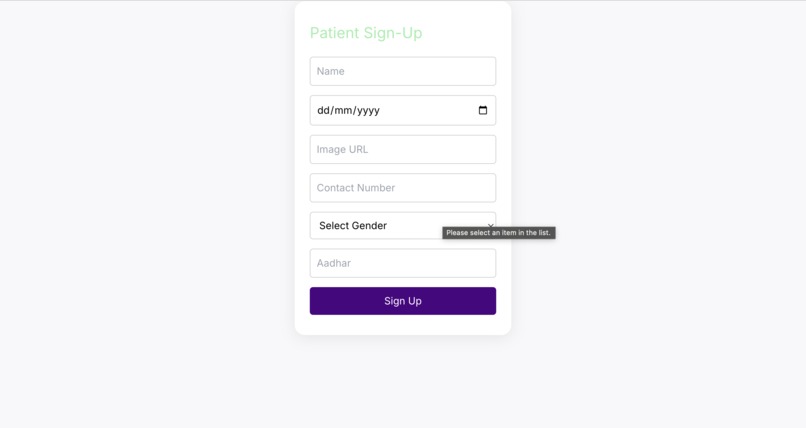
Patient Sign Up page
-
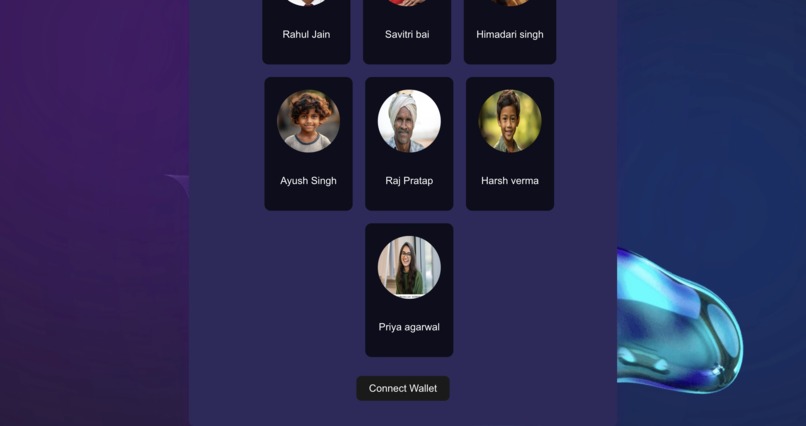
Doctor Dashboard
-
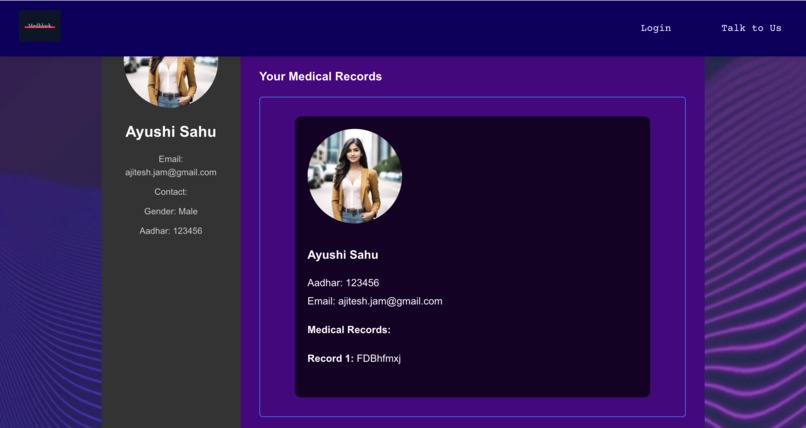
Patient Dashboard


Inspiration
Many of us have watched our families struggle to maintain medical records, often carrying piles of papers to each doctor’s appointment. Poor management of these records can lead to incorrect treatments, sometimes with fatal consequences. In India alone, statistics suggest 400,000 deaths occur each year due to adverse drug reactions, with an additional 720,000 adverse events reported annually (source).
Patients, especially those with chronic conditions, need to remember and communicate their medical histories and prescriptions accurately to avoid life-threatening reactions. For example, a heart patient shouldn’t be prescribed naproxen as a painkiller due to potential adverse effects. These challenges inspired us to build a digitalized solution for medical records—a secure, Smart City-ready system for healthcare.
However, digitalizing medical records presents several key challenges:
- Anonymity: Protecting sensitive information is critical. If medical records are leaked, unauthorized individuals could misuse this information maliciously.
- Immutability: Unauthorized alterations to records must be prevented. Only certified doctors should have the authority to update a patient's records.
- Security: Access to records must be tightly restricted, allowing only authorized medical professionals—no one else, not even us as developers, nor governmental bodies.
What it does
MedBlock is a decentralized solution to the problem of managing medical records. Leveraging blockchain technology along with Web2, it provides a secure and anonymous framework for digitalizing health records.
MedBlock’s design ensures that each patient's records are mapped to their unique public address on the blockchain, while the patient’s name is securely stored in Web2 systems, linking their identity only as needed. This hybrid system guarantees both anonymity and accessibility for verified doctors, who can view and update records as permitted by the patient.
In the same way that cryptocurrencies maintain anonymity in financial transactions (as you can see from the fact that crypto is highly used for illeagle activities), MedBlock uses blockchain's principles of untraceability to safeguard patient identities. This ensures that no one but the authorized doctor can access the records, and any updates made are transparent and permanent.
This will also help us to keep track of what doctor suggest what type of medicines to patients which will help us to determine any malicious Doctors.
How we built it
- Smart Contracts (Solidity): We created smart contracts on the blockchain to securely store medical records, which can only be accessed by authenticated doctors. These contracts prevent unauthorized access and ensure immutability of records.
- Web2 Integration: Patient names are stored in a secure Web2 database, mapped to their blockchain public address for easy lookup by doctors.
- Frontend & Web3 Integration: The user interface is designed to be intuitive, with blockchain and Web3 integration allowing doctors to authenticate and access records seamlessly. -Magic authentication:So that patient no need to be a web3 client ,instead he/she just need an email to sign up as a patient and we will automatically create their web3 public address.
Challenges we ran into
- Ensuring Privacy: Balancing transparency and privacy on the blockchain was challenging. We had to prevent data leaks while allowing doctors to access vital information.
- Doctor Authentication: Verifying doctors securely without compromising patient privacy was complex. Currently this is not done and for now we thought that we will manually verify doctors
- Web2 and Blockchain Synchronization: Integrating blockchain records with a Web2 database required careful handling to maintain consistency and security across systems.
Accomplishments that we're proud of
- Creating an Impactful solution which actually is going the revolutionaize the healthcare system of India.
- Successfully building a prototype that securely digitalizes medical records with blockchain, providing secure, controlled access only to certified doctors.
- Developing a privacy-first approach that keeps patients’ identities anonymous and records immutable.
- Overcoming technical hurdles in Web2 and blockchain integration to achieve a user-friendly, secure platform.
What we learned
- The potential and limitations of using blockchain for private data storage.
- Best practices for secure data management across decentralized and centralized systems.
- Web3 authentication by web2 email.
- Integration of servers and smart contracts with frontend
- New insights into creating decentralized applications (DApps) that align with healthcare privacy standards.
What's next for MedBlock
- Improved Doctor Onboarding: Further refine the onboarding process for doctors with stricter verification protocols. -Treating a patient without telling him that he is a patient: We can implement something known as critical medical records which even a patient don't have access to. For example some things like patient is suffering from mental anxiety should be kept hidden from patient but should be conveyed to any other doctor treating him/her.
- AI-Powered Record Summarization: Implement AI tools to summarize and highlight key details from medical histories for faster consultation.
- Partnerships with Healthcare Providers: Work with healthcare facilities to integrate MedBlock, ensuring a wider reach and better patient care.
Built With
- axios
- blockchain
- firebase
- magic-auth
- node.js
- react
- smart-contract
- typescript
- vite


Log in or sign up for Devpost to join the conversation.