-
-
-
nice work done
-
dizzyyyyyyyyyyyy
Inspiration
The idea for MedARive was born out of a desire to enhance the accessibility of crucial medical information and improve surgical outcomes in high-pressure environments. We recognized that critical notes and procedural instructions are often buried in dense texts or scattered across multiple resources, making it challenging for medical professionals to find and absorb the information they need quickly. With our app, we aim to highlight the critical notes of a specific notebook while providing instant access to step-by-step surgery instruction videos, enabling better visualization and understanding of complex procedures. This innovation ensures that everyone, from experienced surgeons to trainees, can easily access and grasp the most important notes, promoting standardized practices and reducing the likelihood of errors.
What it does
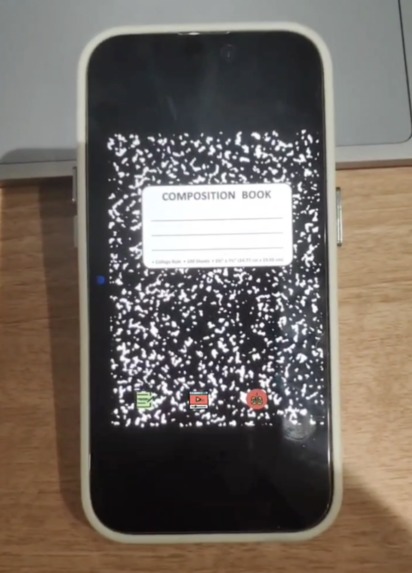
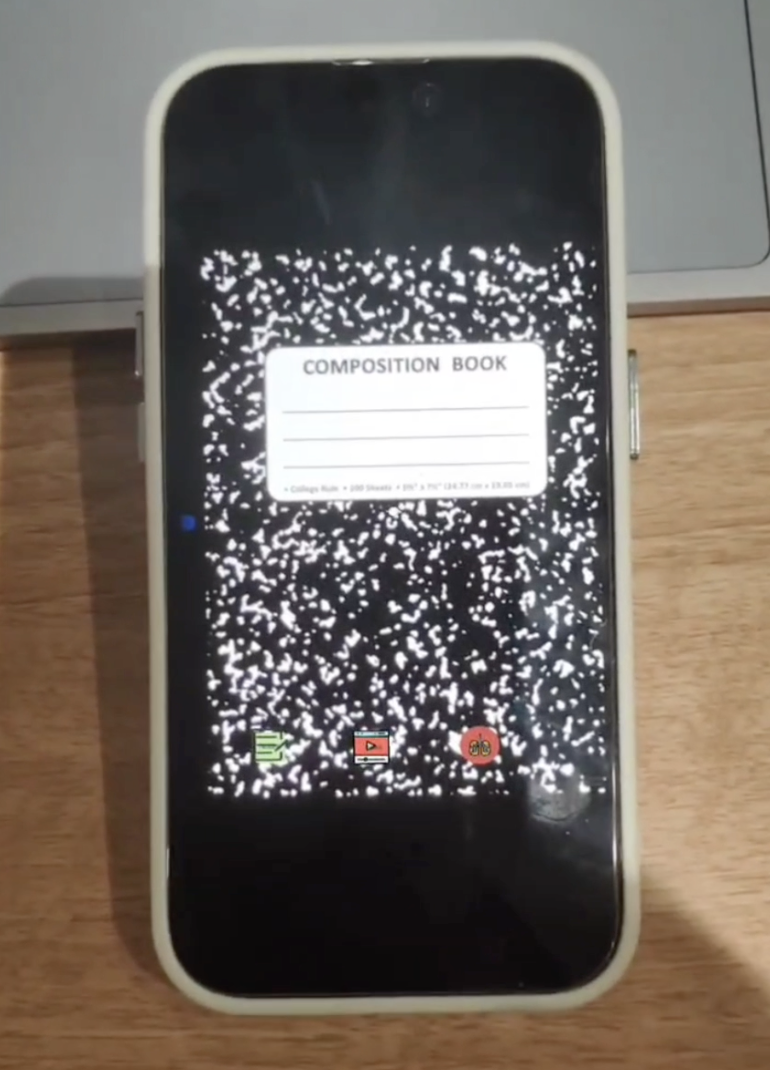
MedARive is an augmented reality app that revolutionizes how medical professionals access vital information during procedures. By simply scanning a notebook, the app instantly displays essential notes and step-by-step surgical instruction videos, enhancing visualization and comprehension of complex procedures. MedARive keeps crucial information readily available, eliminating the need to search through multiple resources and reducing the risk of missed steps or errors. By seamlessly integrating videos and notes, it provides deeper insights and a clearer understanding for users. Additionally, the app can visualize 3D models of different organs, helping users better understand a patient’s specific conditions. By standardizing procedures and reducing cognitive load, MedARive enables every team member to quickly access and grasp key information, ultimately improving decision-making and patient safety in the operating room.
How we built it
We built MedARive using Unity to create a robust augmented reality app for Android devices. Unity's powerful AR Foundation toolkit allowed us to leverage ARCore for seamless AR experiences on Android, ensuring accurate tracking and rendering of augmented content. We used FBX (Filmbox) format for 3D modeling to create detailed visual elements, such as anatomical models and interactive overlays, which are integrated into the AR environment to enhance visualization and understanding of surgical procedures. We designed a user-friendly interface that enables medical professionals to quickly access critical notes and step-by-step surgical videos by simply scanning a notebook.
Challenges we ran into
During the development of MedARive, we faced several challenges that required us to innovate and adapt. One major hurdle was optimizing the image recognition feature to ensure fast and accurate detection of notebook patterns under various conditions, such as different lighting environments or notebook textures. Even minor delays or inaccuracies could impact the app's effectiveness in a surgical setting, so we had to fine-tune our algorithms and conduct extensive testing to enhance performance. Integrating 3D models (in FBX format) into the AR environment presented another challenge, as we needed to ensure they were rendered accurately and interacted seamlessly with real-world surroundings. Achieving smooth and realistic visualization of complex anatomical structures required careful optimization to balance visual quality with performance, especially on different Android devices. Additionally, we encountered difficulties in managing our codebase. The large file sizes, particularly the 3D models and other assets, made it challenging to push all the code to GitHub, often exceeding the platform's size limits. We had to explore alternative methods for managing large files, such as using Git LFS (Large File Storage) or splitting the repositories, to ensure efficient version control and collaboration.
Accomplishments that we're proud of
We are proud of creating MedARive, an augmented reality app that delivers real-time access to critical medical information, improving decision-making and reducing errors in high-pressure environments. Our custom image recognition algorithm enables fast and accurate retrieval of essential notes and surgical videos by simply scanning a notebook. We successfully integrated complex 3D anatomical models into the AR environment, providing clear visualizations that enhance understanding of patient conditions. Additionally, we ensured the app’s smooth performance across various Android devices and optimized it for different conditions like lighting and textures. Overcoming challenges with large files, we managed to push our code to GitHub, maintaining effective version control and collaboration. Ultimately, we are proud of building a tool that standardizes procedures, reduces cognitive load, and enhances patient safety in the operating room.
What we learned
Through the development of MedARive, we learned a great deal about the practical applications of augmented reality in medical settings. We gained a deeper understanding of how AR can enhance access to critical information, reduce cognitive load, and improve procedural accuracy. We also learned the importance of optimizing image recognition algorithms to ensure speed and accuracy under various conditions, which is crucial for real-time use in surgical environments. Our experience taught us how to manage large files and complex assets, like 3D anatomical models, and how to use tools like Git LFS to handle version control effectively. Additionally, we discovered the value of cross-platform development, creating an app that functions seamlessly across different Android devices. Finally, we learned the importance of iterative design and user feedback to create an intuitive and reliable tool that meets the specific needs of medical professionals.
What's next for MedARive
Moving forward, we plan to expand MedARive’s capabilities by integrating it with hospital information systems to access real-time patient data and provide customized information tailored to specific cases. We also aim to refine our image recognition algorithms to perform even better under challenging conditions, such as low light or complex surfaces. Additionally, we intend to build a comprehensive database to store and manage surgical notes, videos, and 3D models, ensuring quick and efficient access to the most up-to-date information. We plan to conduct extensive user testing with medical professionals to gather feedback and make iterative improvements based on their real-world needs. Ultimately, our goal is to deploy MedARive across a wider range of medical settings—from operating rooms to training facilities—to help standardize procedures, reduce medical errors, and improve patient outcomes on a global scale.

Log in or sign up for Devpost to join the conversation.