-
-
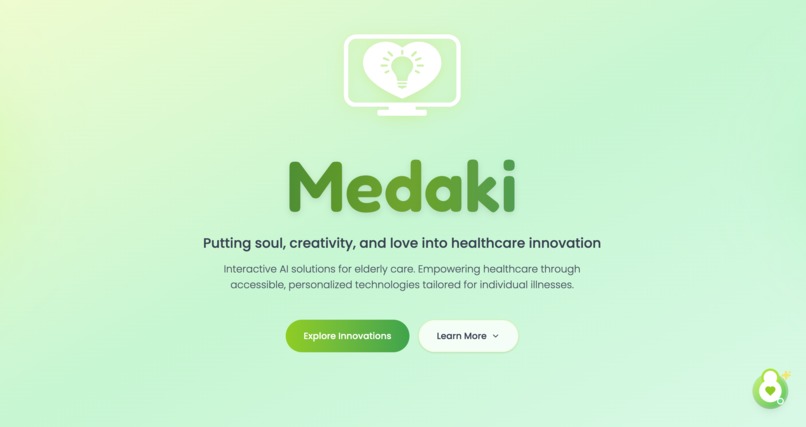
Homepage Interface 1
-
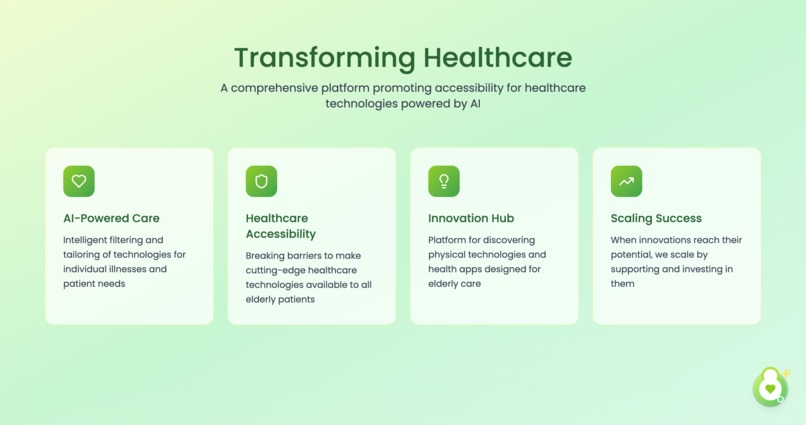
Homepage Interface 2
-
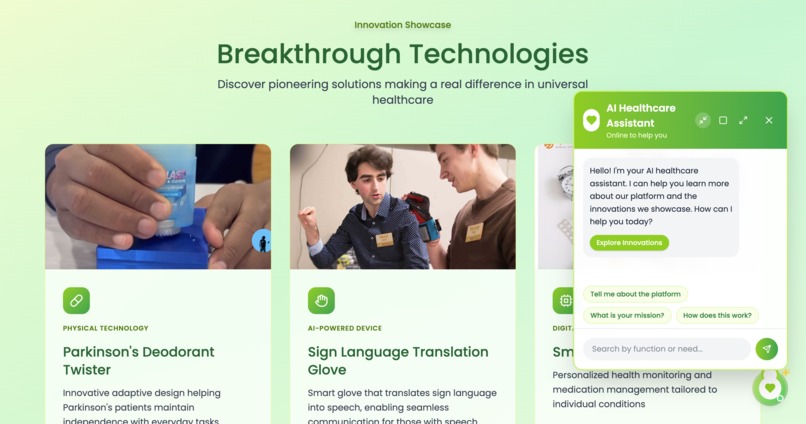
Homepage Interface 3
-
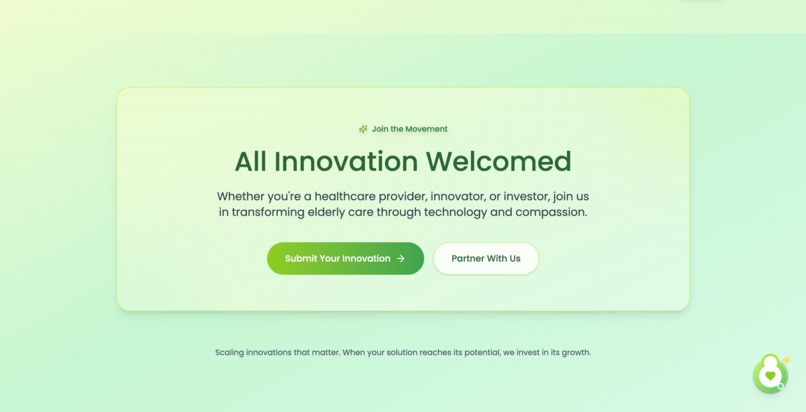
Homepage Interface 4
-
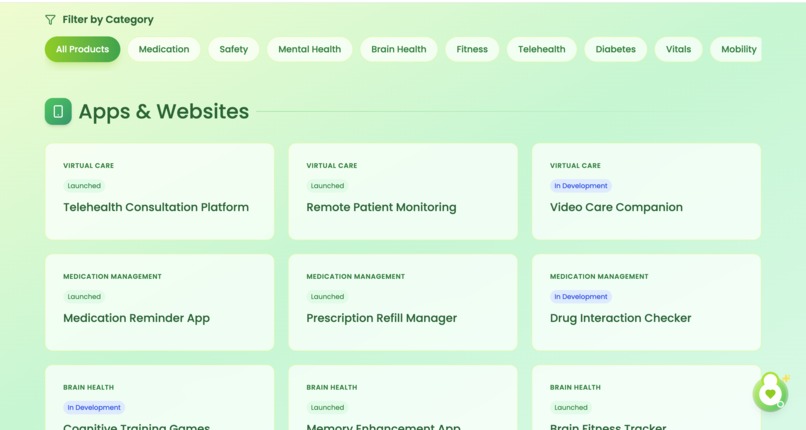
General Search Interface 1
-
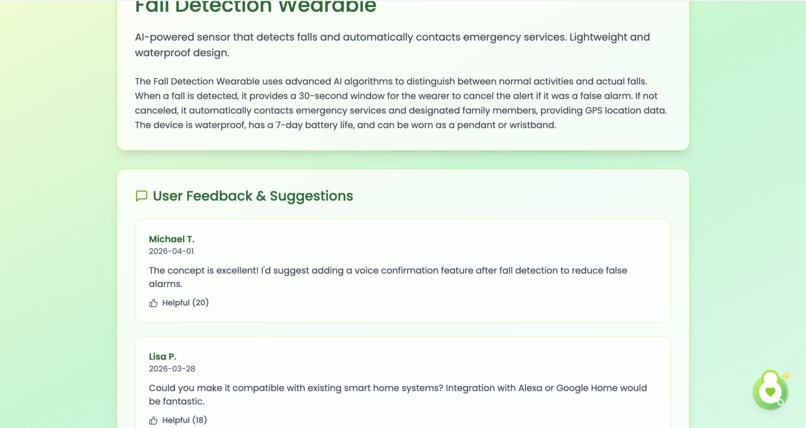
Specific Innovation Interface 2
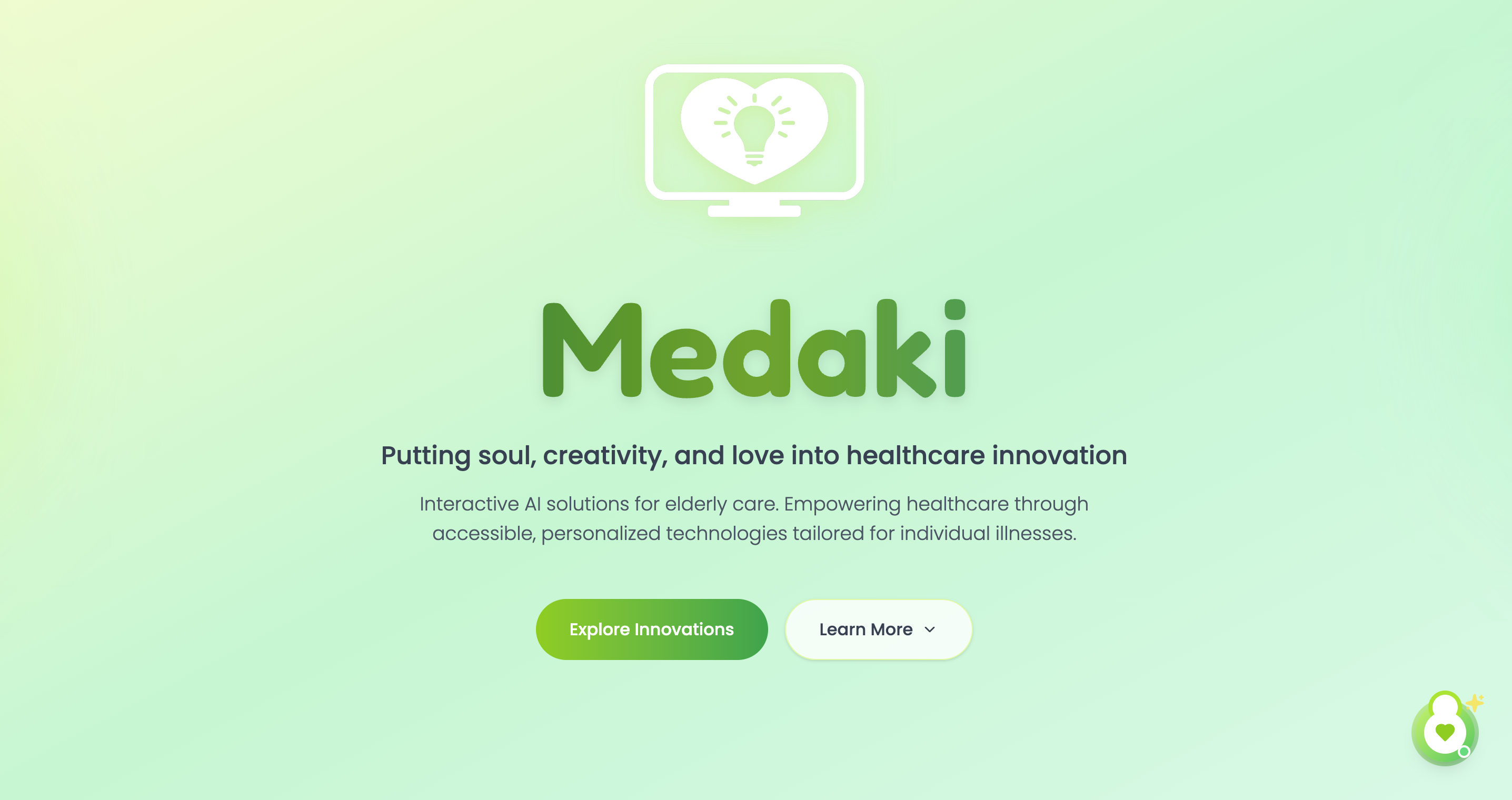
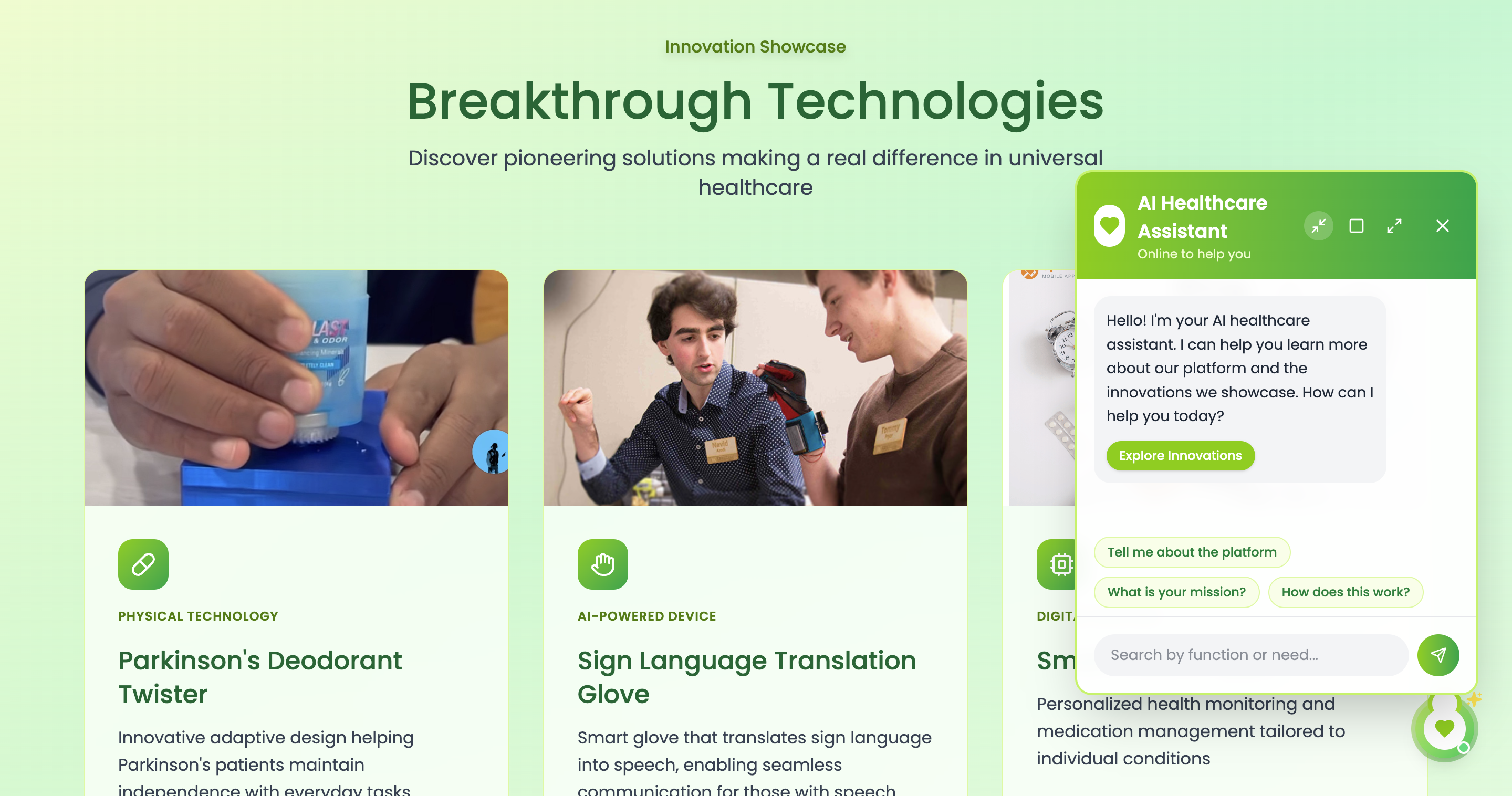
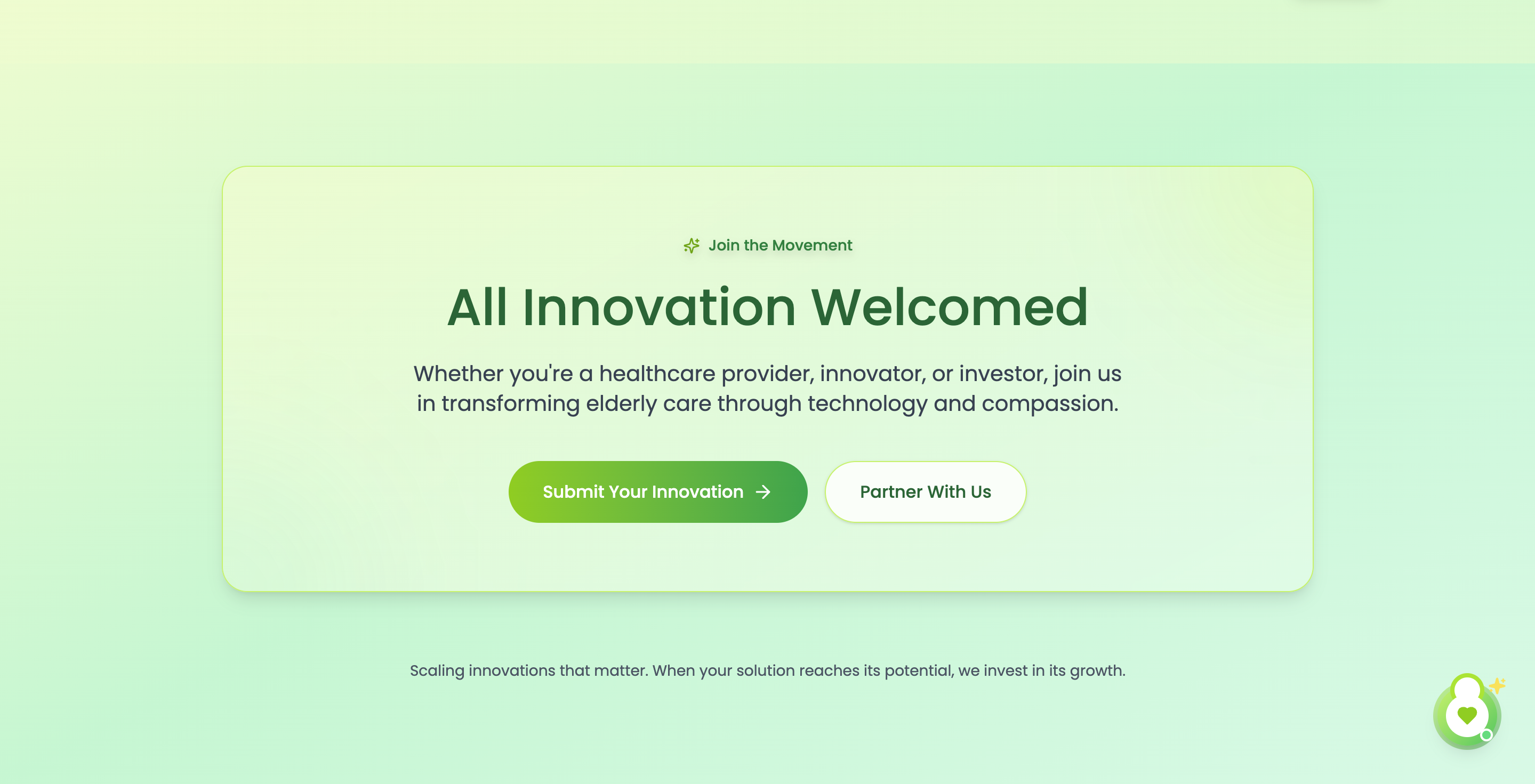
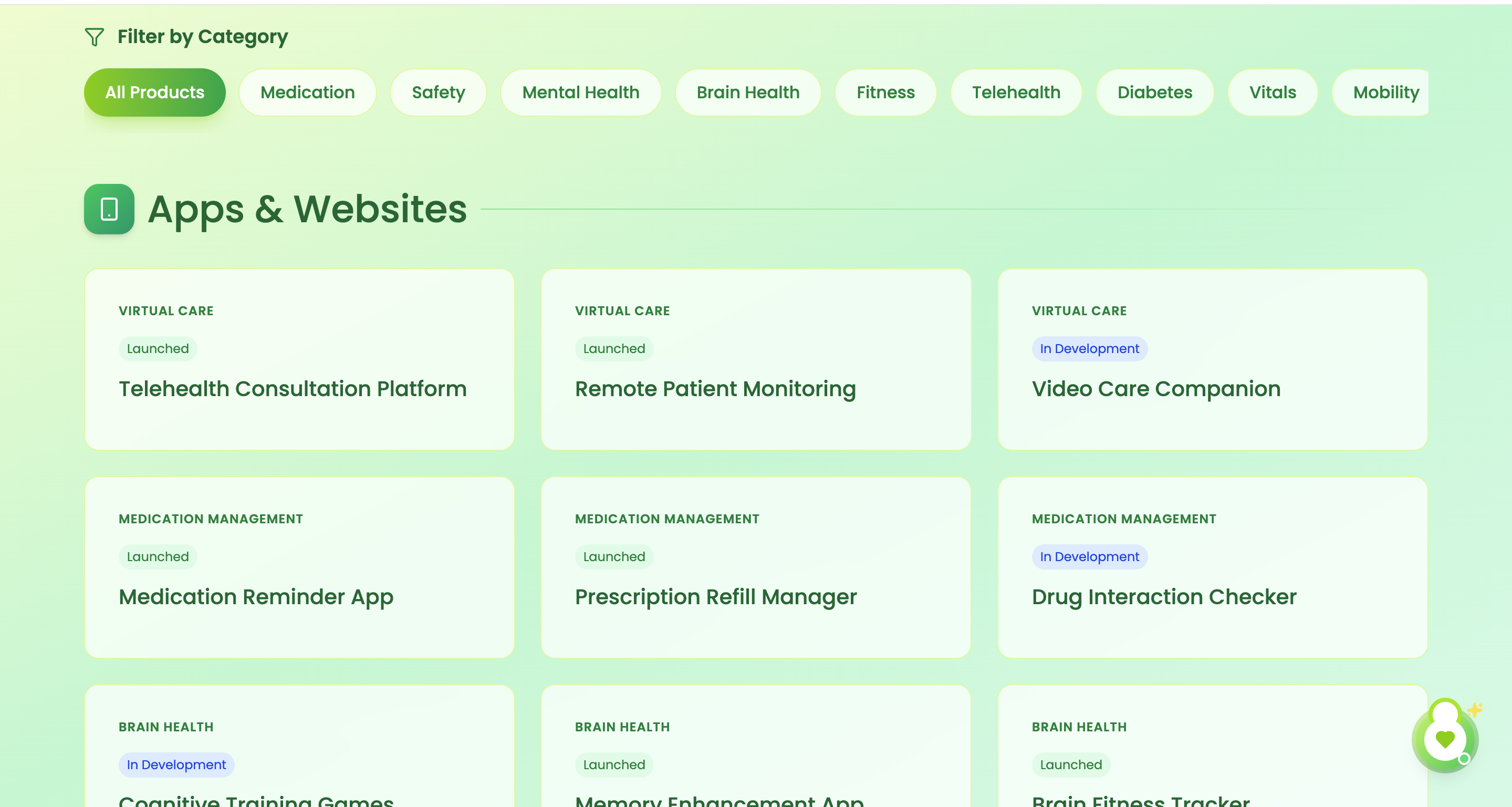
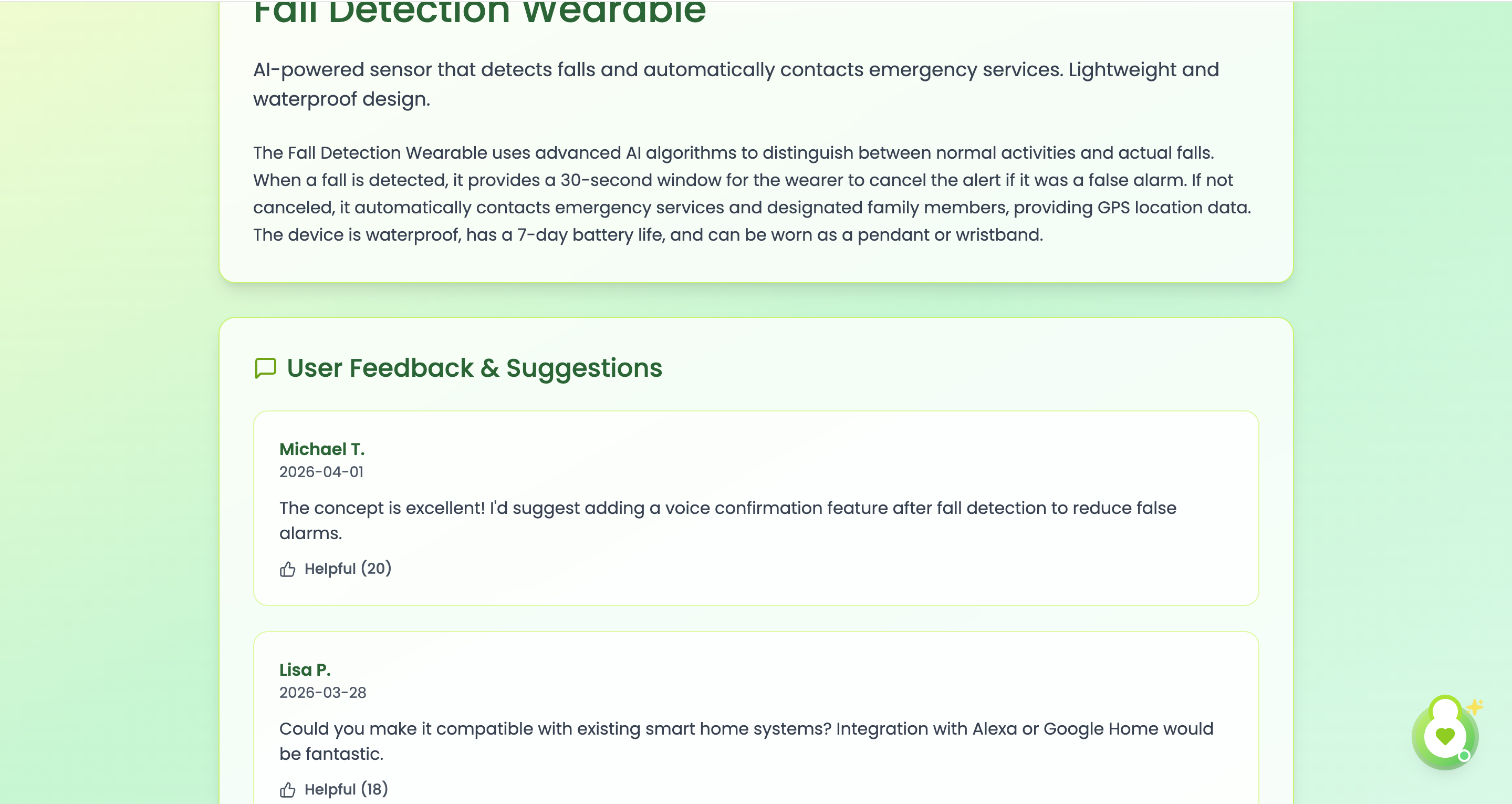
Medaki was inspired by a simple but powerful realization: meaningful healthcare innovations already exist, yet many people never discover them. Coming across examples of assistive technologies, such as tools designed to help individuals with specific conditions perform everyday tasks more easily, these innovations were impactful, BUT surprisingly difficult to find unless you already knew what to search for. This led us to a core insight: the problem in healthcare is not a lack of innovation; it’s a lack of awareness and accessibility. Thus, we wanted to create a platform that ensures these innovations reach the people who actually need them.
We learned that while there are over 350,000 digital health tools available, discovery is often unstructured and overwhelming. We also gained a deeper understanding of....
- The challenges users face when navigating fragmented healthcare systems
- The importance of personalization in healthcare solutions
- How AI techniques like NLP engines can be used to map user needs to relevant technologies
Conceptually, our platform can be thought of as a matching function: f(user needs)→relevant healthcare solutions
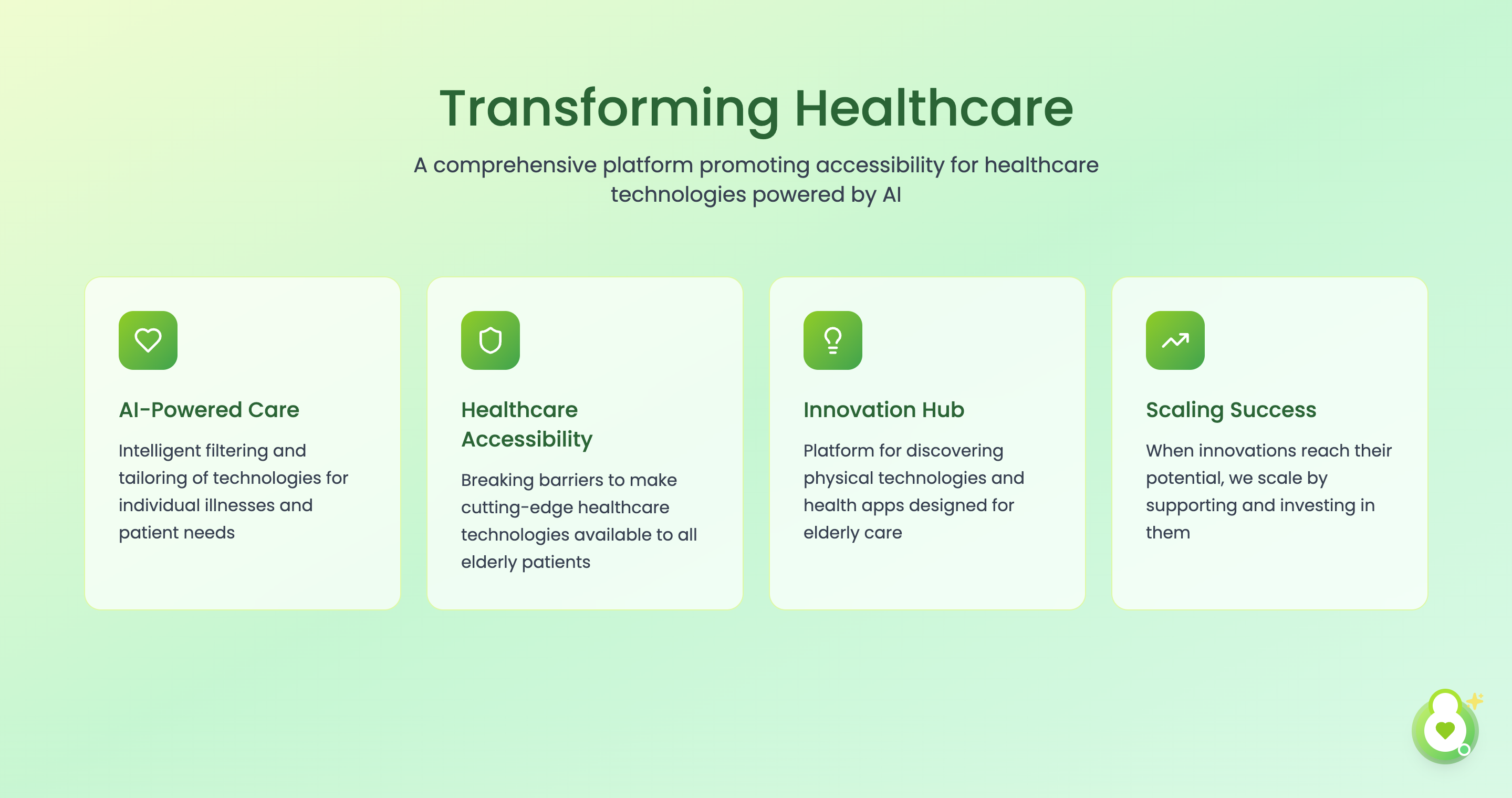
So, how did we build Medaki? Medaki was designed as a centralized, AI-powered platform that helps users discover healthcare technologies tailored to their specific needs. It includes the following... 1. AI Filtering Engine Using Natural Language Processing (NLP), the system interprets user inputs (symptoms, conditions, or goals) and matches them with relevant tools and innovations. 2. Hub Model Instead of creating every product, Medaki aggregates existing healthcare technologies into one platform, making it easier to compare and access them. 3. Scalable Design We structured Medaki to begin as a digital platform (web/app extension) and expand into a broader ecosystem, including marketplace integration and support for emerging innovators.
The future of Medaki represents a shift in how we approach healthcare innovation: not by adding more tools, but by making existing ones easier to find, understand, and use.
Built With
- figma
- figmamake

Log in or sign up for Devpost to join the conversation.