-
-
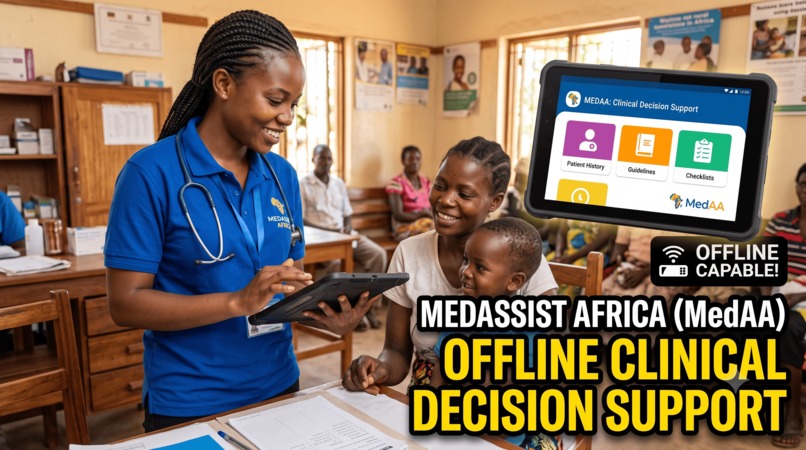
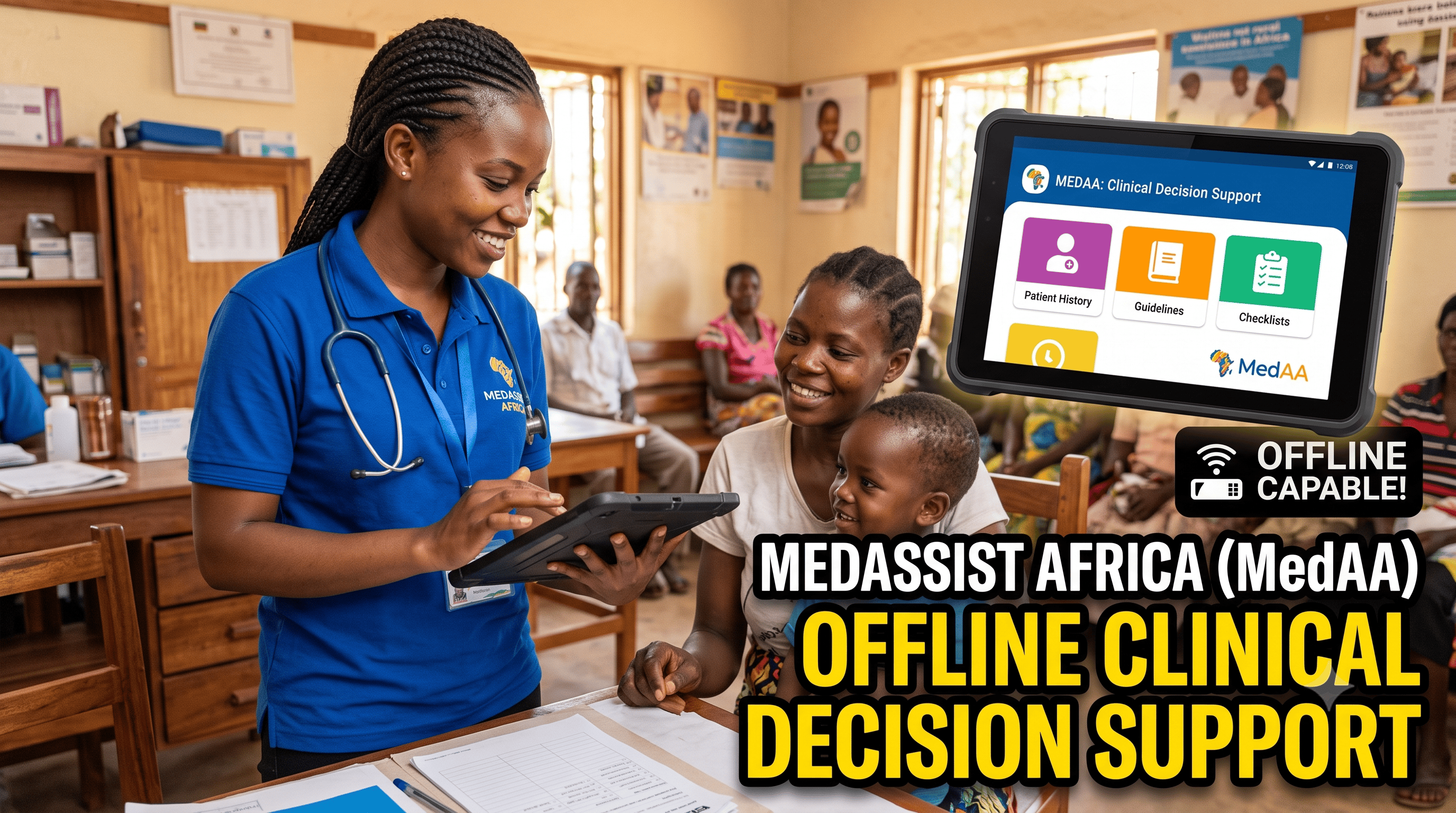
MedAA Image
Here is a complete, ready-to-use project description for your public page, keeping the tone direct, professional, and strictly aligned with MEDAA's true scope.
Inspiration
In remote and rural clinics, healthcare workers often operate on the front lines of medicine with limited resources and spotty internet connection. When facing complex cases, they cannot easily Google a protocol or download a heavy PDF. We built MedAA to bridge this gap, ensuring that critical clinical guidelines and reference materials are always accessible, even in the most disconnected environments.
What it does
MedAA is an offline-first, educational decision-support tool designed specifically for healthcare professionals. It does not diagnose patients or prescribe treatments. Instead, it:
- Works 100% Offline: Runs locally on basic devices in low-connectivity rural clinics.
- Retrieves Guidelines: Fast-tracks access to verified medical reference protocols and local clinical guidelines.
- Supports Differential Diagnosis: Helps workers explore potential clinical avenues by presenting conditions strictly as educational differentials.
- Empowers Providers: Serves as a digital assistant to support—not replace—the clinical judgment of trained healthcare workers.
How we built it
- The Database: We curated and structured standard, open-access medical guidelines and protocols into a lightweight database optimized for local storage.
- Offline Architecture: We built the core application with a local-first architecture (using technologies like PWA caching, SQLite, or IndexedDB) to ensure instant retrieval without an active internet connection.
- The Interface: We designed a clean, low-bandwidth, and highly intuitive UI, prioritizing speed and readability on low-spec mobile devices and tablets.
Challenges we ran into
- Data Compression vs. Utility: Striking the right balance between keeping the database small enough to download/install easily on low-storage devices while retaining comprehensive, high-quality reference data.
- Offline-First Search: Implementing a fast, accurate search algorithm that runs entirely client-side without relying on cloud-based APIs.
- Strict Guardrails: Programming the interface to clearly frame medical information as educational differentials and reference guidelines, preventing any accidental presentation of automated diagnoses or treatment prescriptions.
Accomplishments that we're proud of
- Developing a highly responsive, completely offline search system that loads complex clinical guidelines in milliseconds.
- Designing an interface that strictly adheres to medical safety standards, ensuring the tool acts as a helpful assistant rather than a diagnostic replacement.
- Creating a lightweight, scalable framework that can easily be updated with new guidelines when a connection becomes temporarily available.
What we learned
- Constraints Breed Innovation: Designing for slow hardware and zero connectivity forced us to write highly efficient, clean code and eliminate unnecessary dependencies.
- The Value of Workflow Integration: We learned that healthcare workers don't need a tool that tells them what to do; they need a tool that quickly retrieves the specific reference protocols they already know but need to verify.
What's next for MedAA
- Localized Guideline Packs: Allowing clinics to download specific regional or national guidelines depending on their location.
- Audio/Text-to-Speech Integration: Enabling hands-free navigation so busy healthcare workers can listen to protocol steps while keeping their hands free.
- Real-World Pilot: Partnering with rural health organizations to test MedAA in active, offline clinics and iterate based on direct feedback from frontline workers.

