Inspiration
The main inspiration behind this project was that we wanted to give users a clutter-free environment to find vital information when they need it. Health emergencies are time-sensitive and easily complicated due to lack of information access like allergen information, current medications, etc.
What it does
MedFTW removes all doubt from the equation by giving users reliable access to information that is directly verified by healthcare providers. Using InterSystem's FHIR-based API, we give patients real-time information in a format that is easy to understand.
How we built it
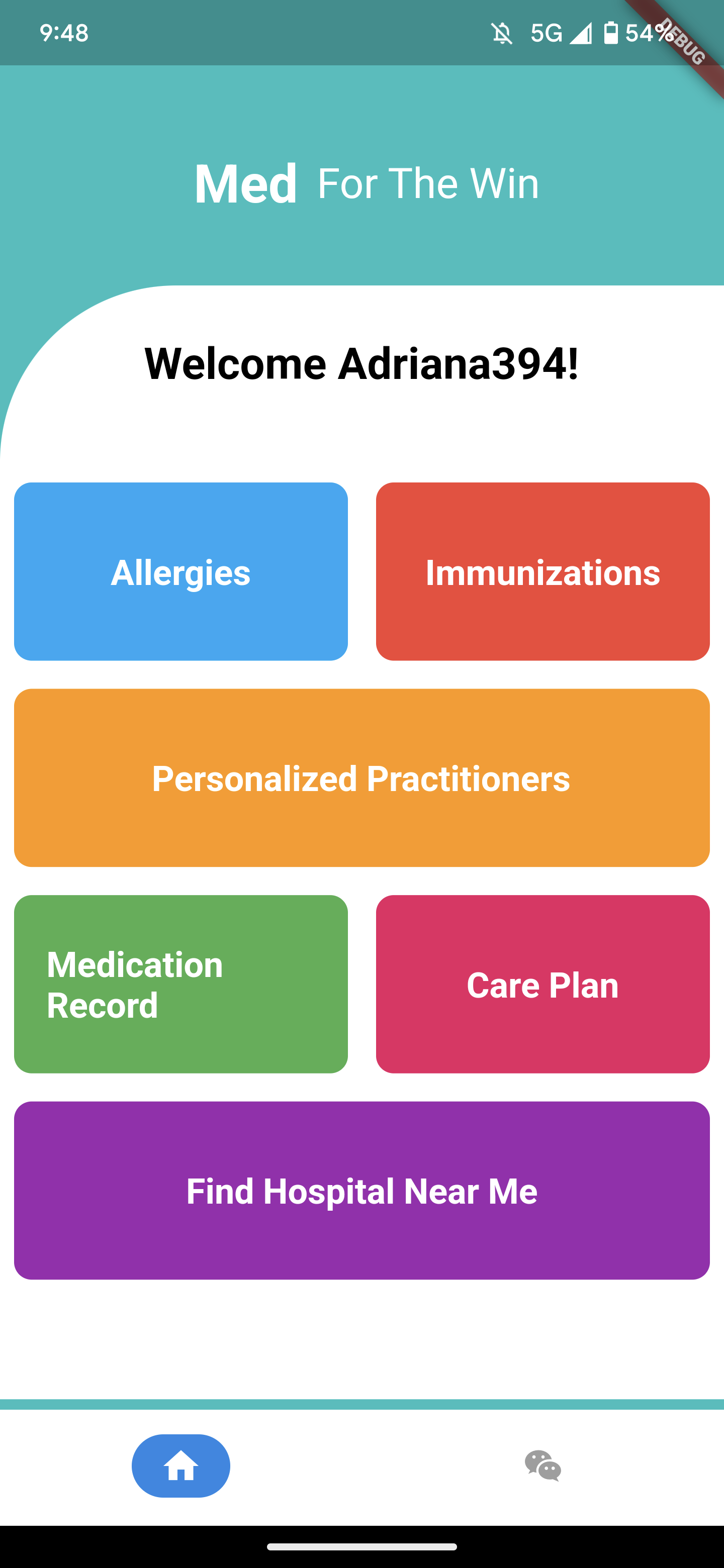
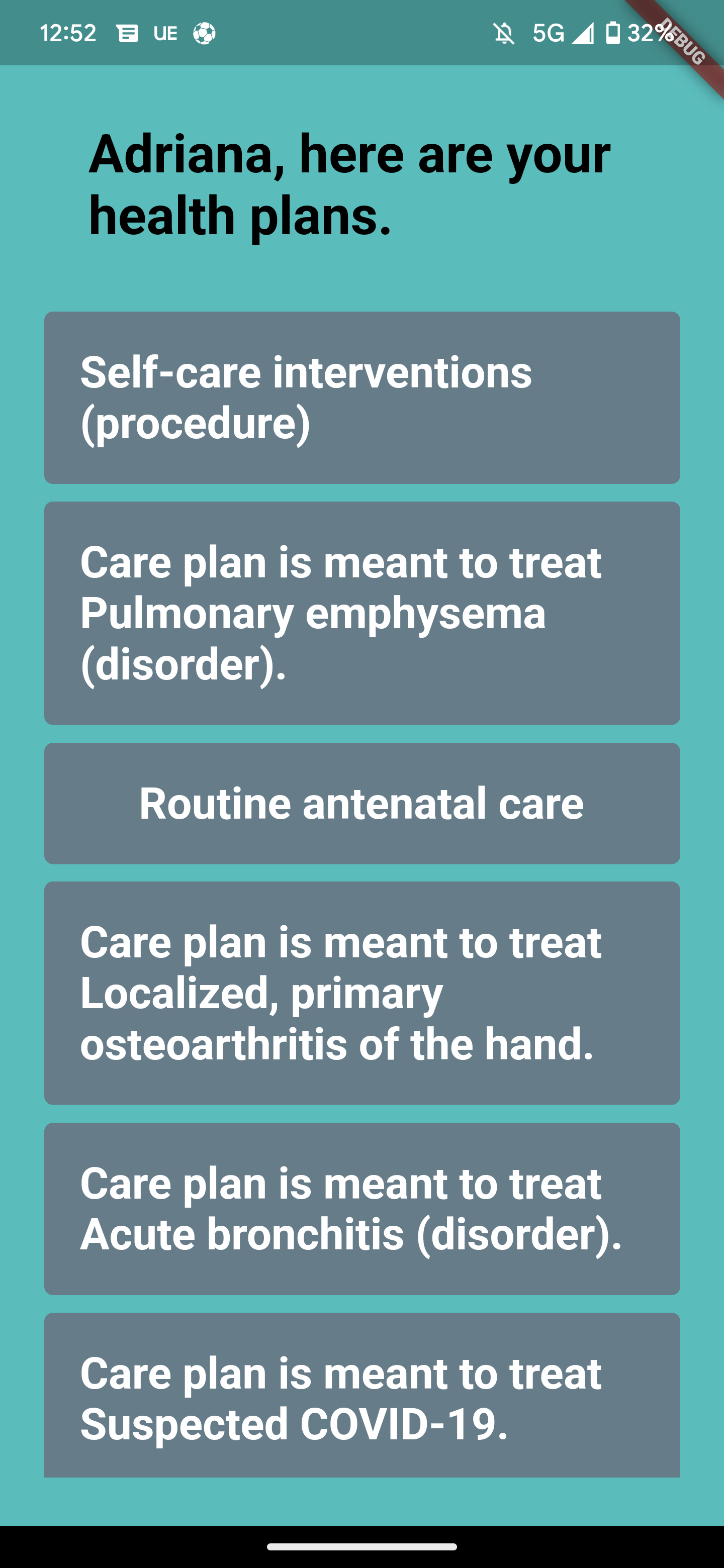
To make our application function as intended, it implements Intersystem's API that includes an extensive database of healthcare Patients, Practitioners, Patient Diagnostics, and other resources. The application fetches all the relevant data for a specific patient when the user inputs a valid patient ID at startup. Once a user gets into their personalized homepage, they will be able to access their health records, such as allergy restrictions (if any exist), personalized practitioners for them, immunization records, medical records, and care plans.
Challenges we ran into
Our main issue was implementing the information we received from our API calls since the FHIR resource types had a complex organization and syntax. We also struggled to implement our back-end Python with our front-end Dart/Flutter so that both models communicated with each other. However, we were able to resolve both of these issues by thoroughly testing our code against errors, speaking to mentors and InterSystem representatives, and consulting the documentation for the resources we implemented.
Accomplishments that we're proud of
We were really proud of the server that connected our backend Python code with our front end model. Another exciting feature that we were really happy that worked was the map feature that found hospitals near a certain user using their location and displayed them on a map. Also with just their ID, the app gives users the location and contact information of the practitioners nearest to them with a click of a button.
What we learned
We learned how to use APIs to access data and retrieve certain data specific to our application. We also learned how to deploy a server on Heroku and use it connect our backend and frontend models.
What's next for Med For The Win
Our primary next steps would be to implement security features to protect user data, and publish our app on the Google Play Store and Apple App Store to begin making a direct influence on people while also getting feedback for features. We also hope to optimize our code to analyze the API returns faster, and apply advanced data analysis and machine learning to develop predictive models for healthcare outcomes like prescription usage, physical therapy progress, etc.


Log in or sign up for Devpost to join the conversation.