MechLink — Roadside Mechanic and Towing Assistance for Ghana
Elevator Pitch
MechLink is a roadside assistance app built for Ghana. It connects stranded drivers with nearby mechanics, auto repair shops, and towing service providers through a map-based request system. The goal is to help drivers get support when their vehicle develops a fault, especially when they are traveling, far from home, or stuck in an unfamiliar location where they do not know who to call.
Inspiration
The inspiration for MechLink came from a real problem many drivers face in Ghana.
When someone is traveling or going on a long journey and their car develops a fault, the biggest problem is not always the fault itself. The bigger problem is that the driver may be in a place where they do not know anyone. They may not know any mechanic nearby, they may not know a towing service, and they may not know which repair shop they can trust.
In Ghana, many people still depend on personal contacts when their vehicle breaks down. If you do not know anyone in that area, you can become stranded and helpless. That experience inspired me to create MechLink: an app that helps drivers quickly find nearby mechanics, mechanic shops, and towing services through their phone.
The main idea is simple: if you are stuck somewhere and you do not know anyone, MechLink should help you find someone nearby who can help.
What it does
MechLink connects three main groups: users, mechanics, and towing service providers.
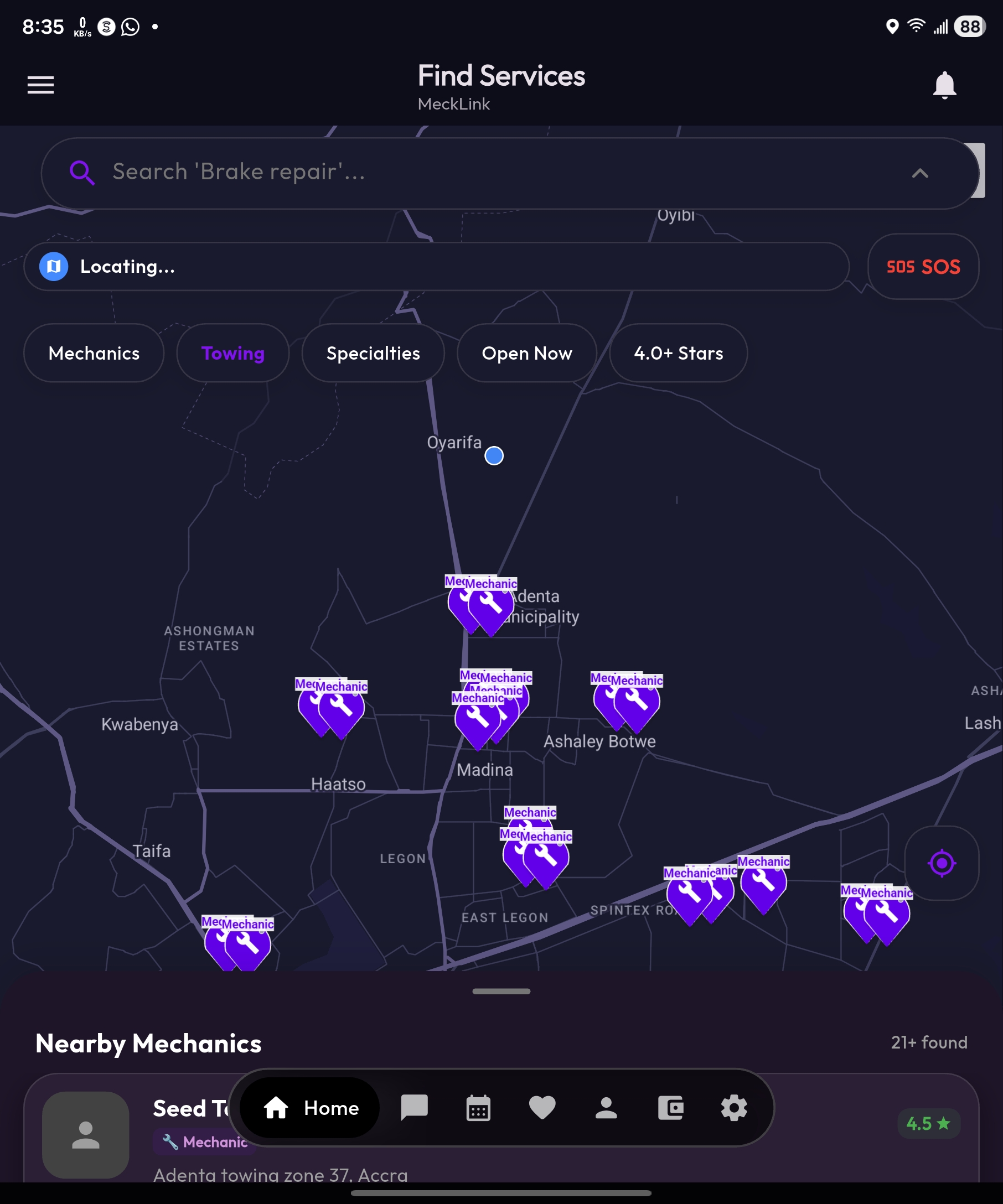
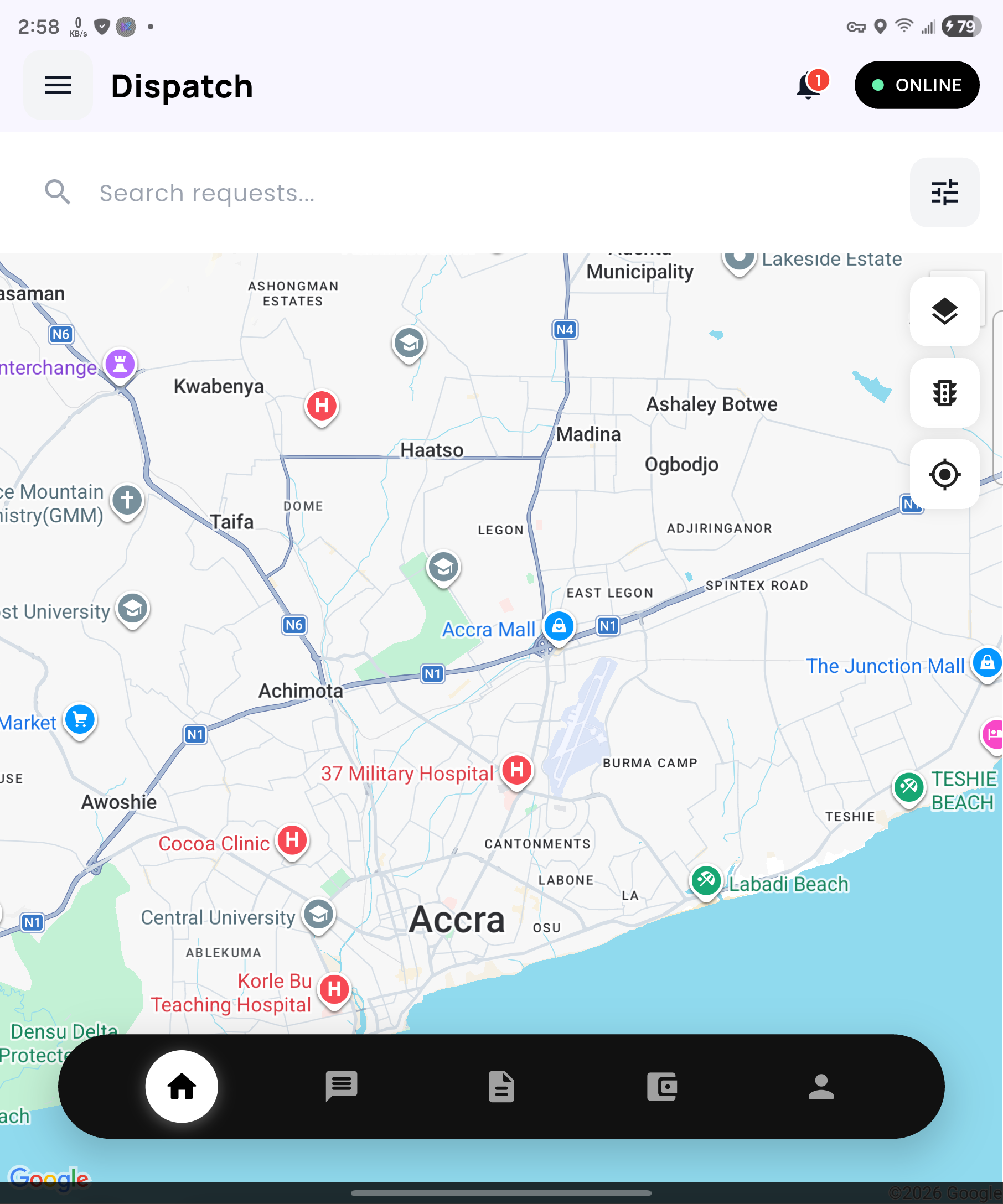
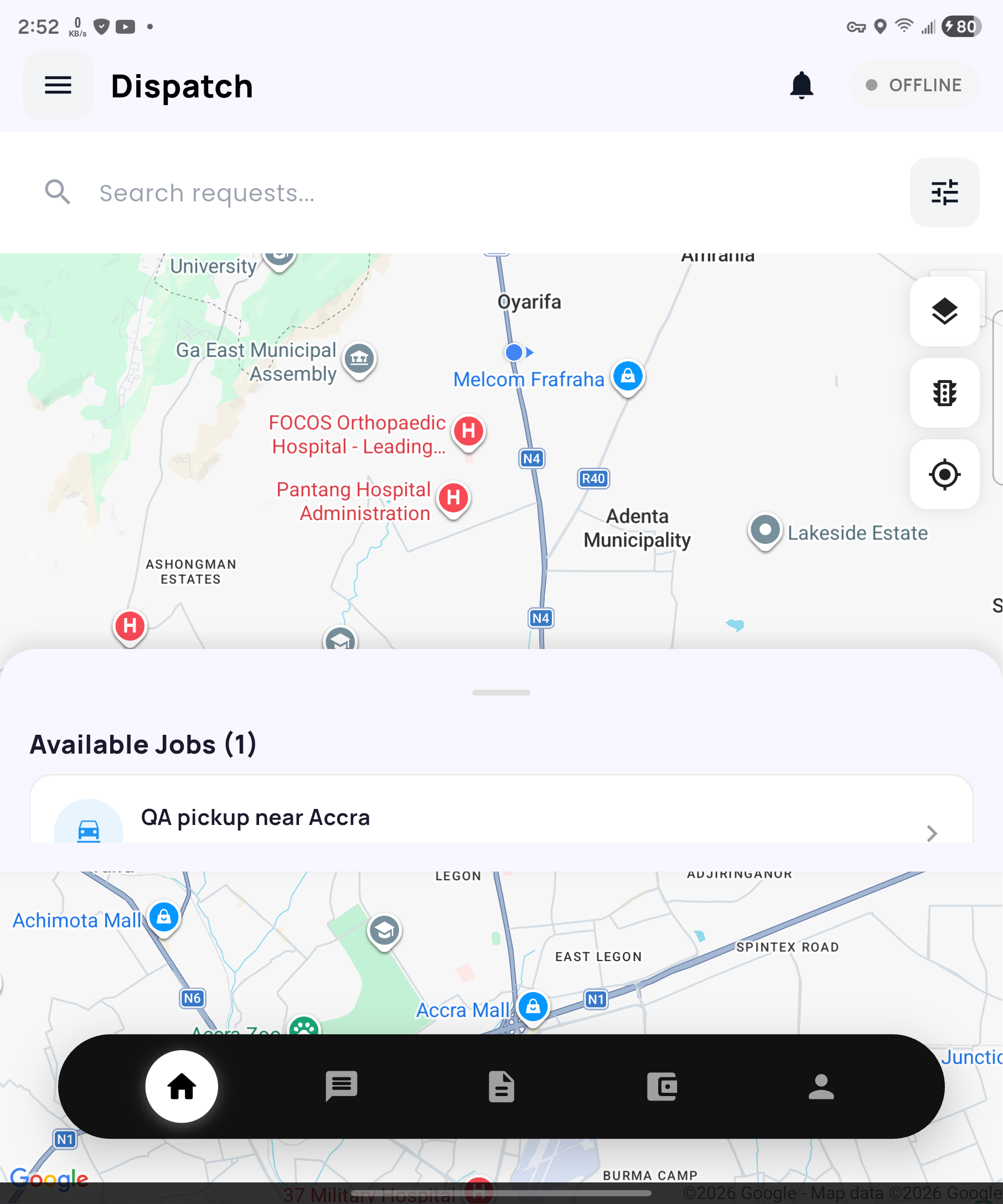
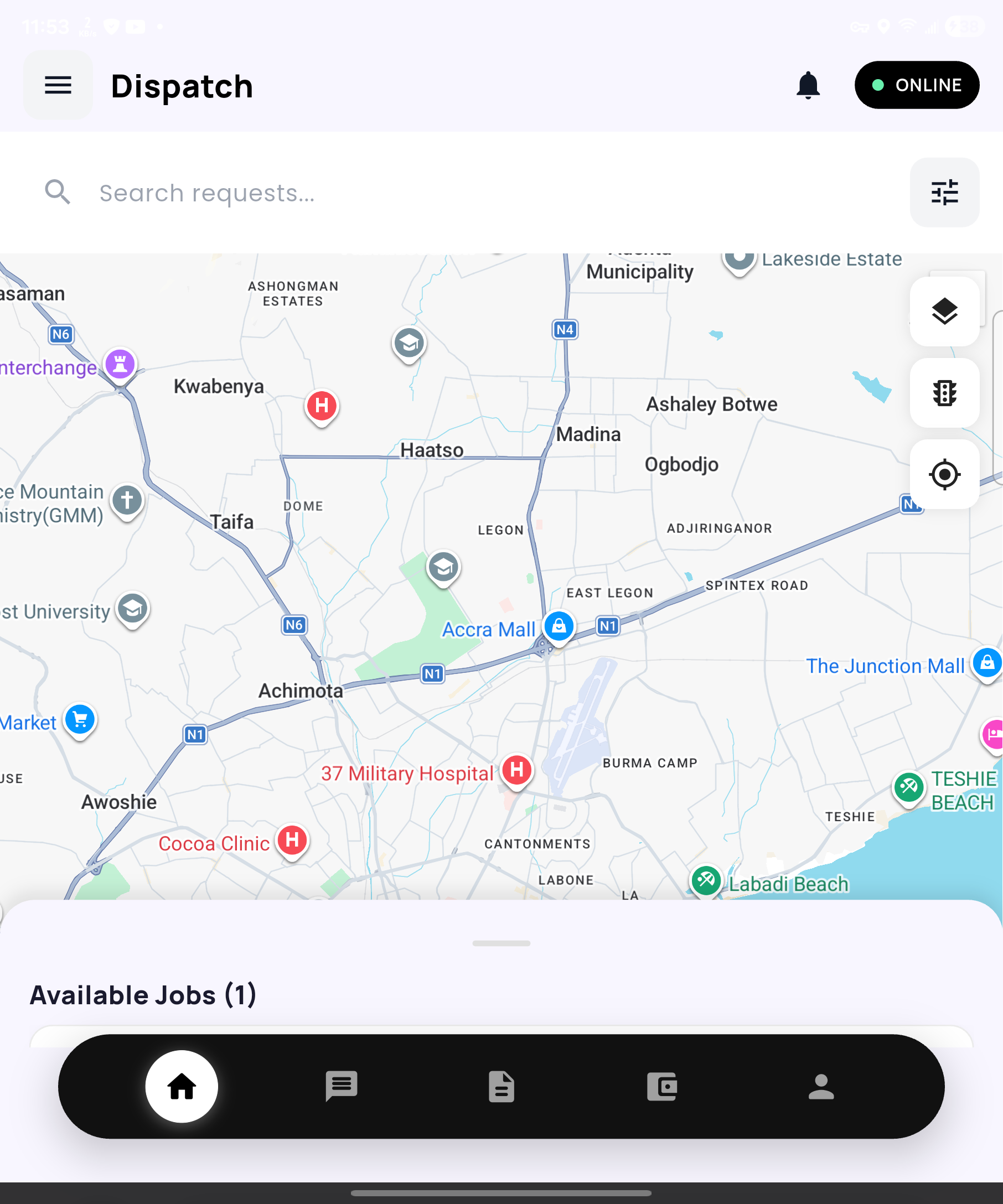
For users, the app allows drivers to find nearby mechanics, towing providers, and auto repair shops on a map. A user can request roadside assistance, share their live location, contact a provider, and get help when their vehicle develops a fault. The app is designed to make the process feel familiar, similar to requesting a service in an app like Uber, but focused on mechanics, towing, and roadside assistance.
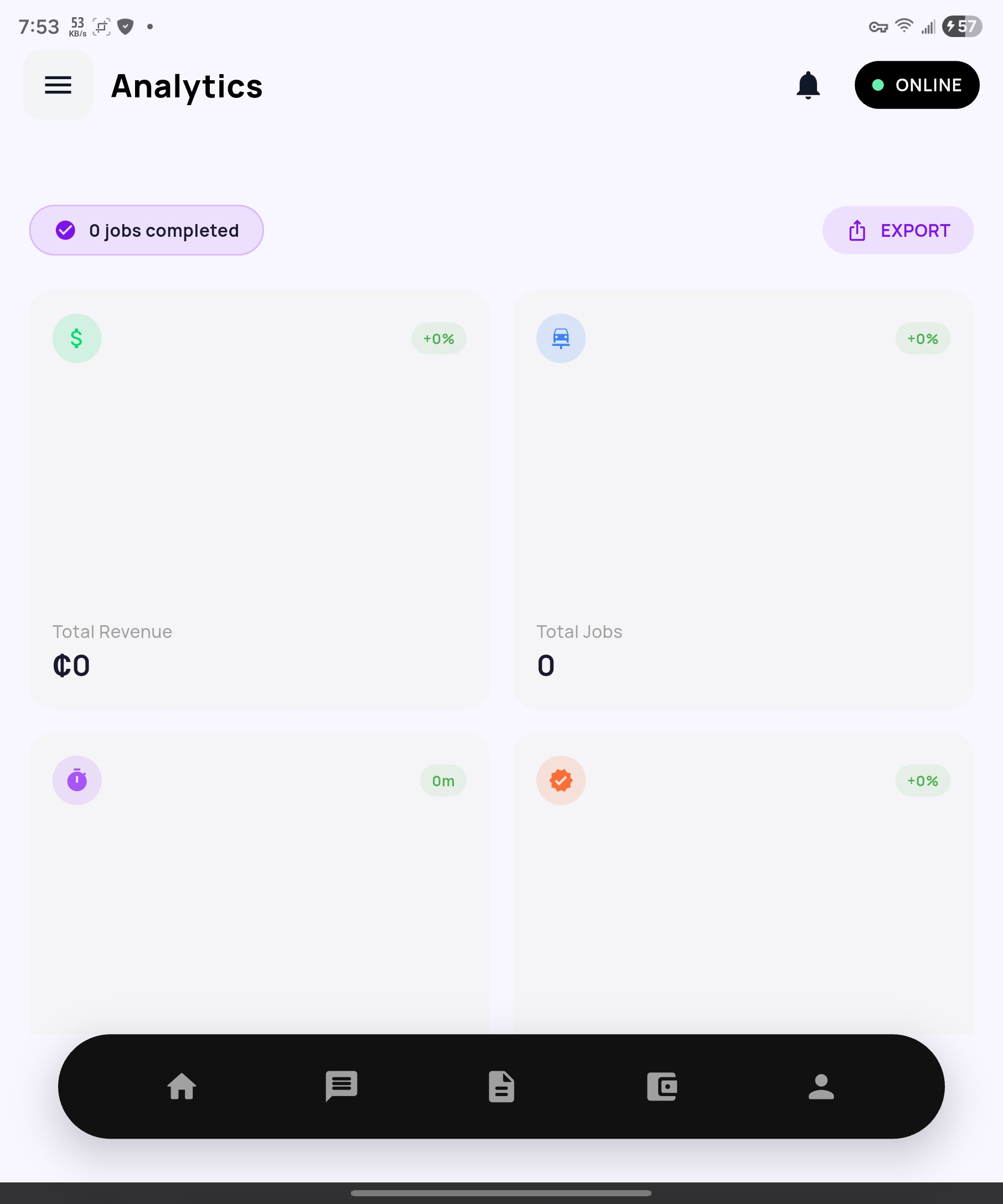
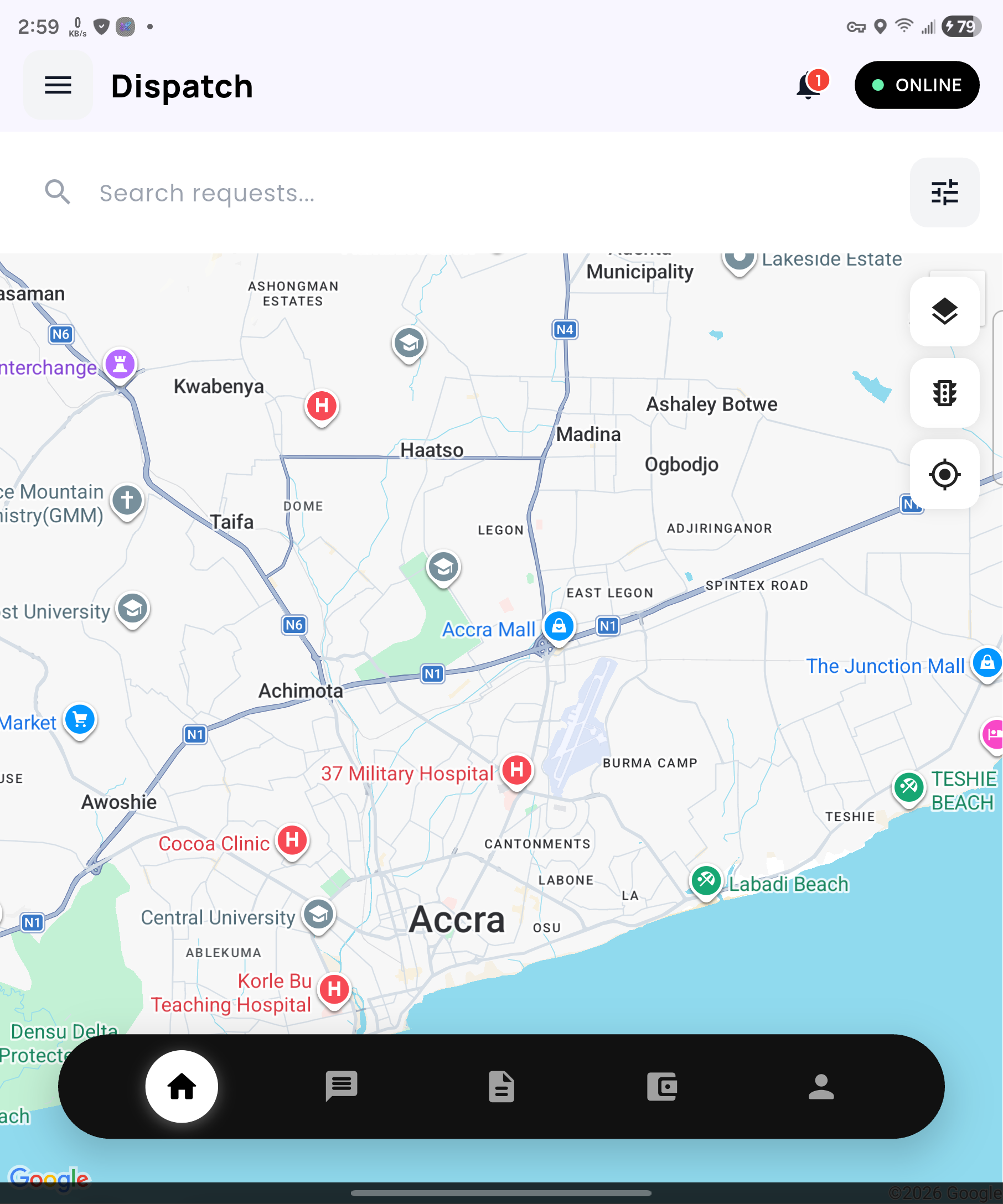
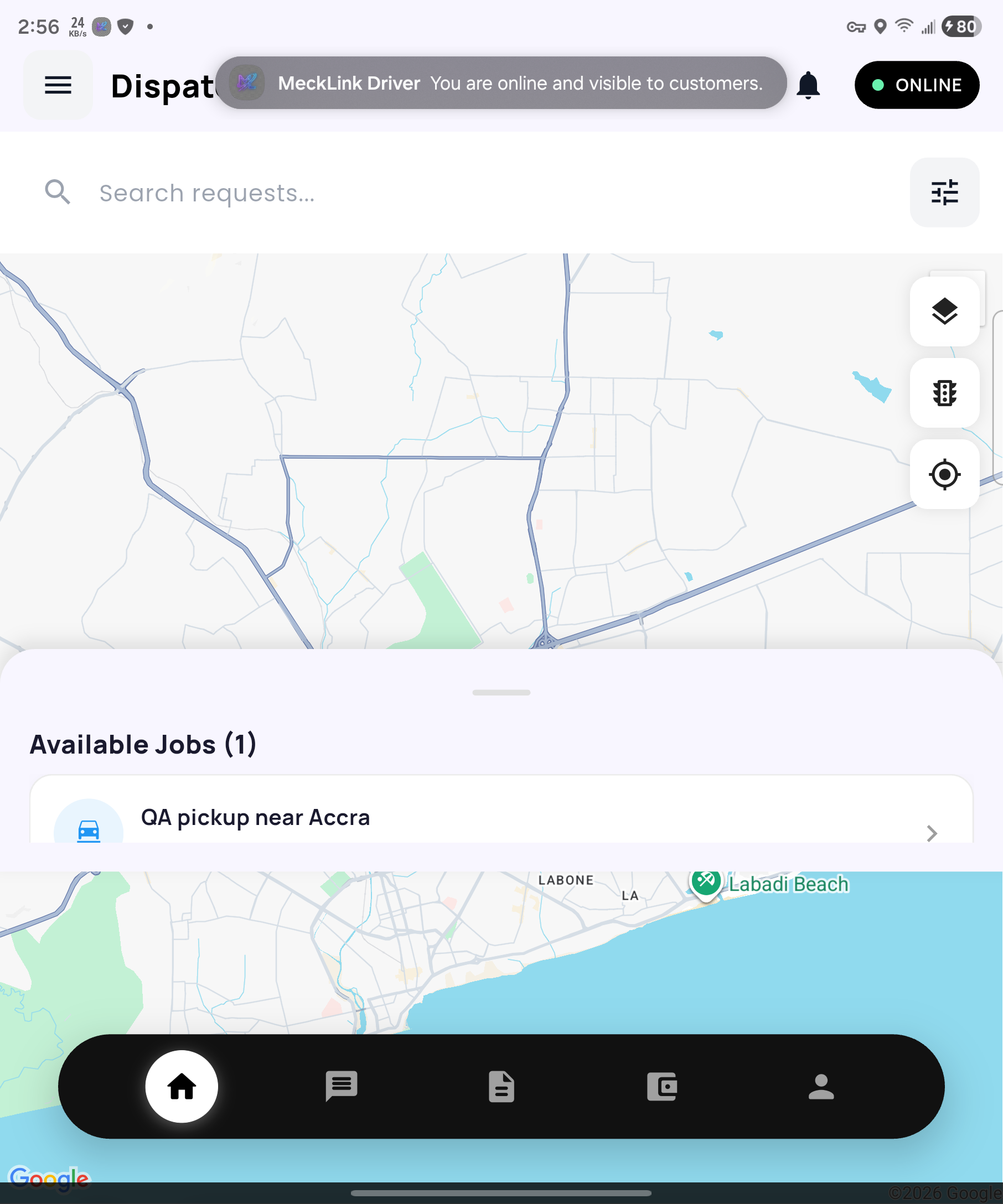
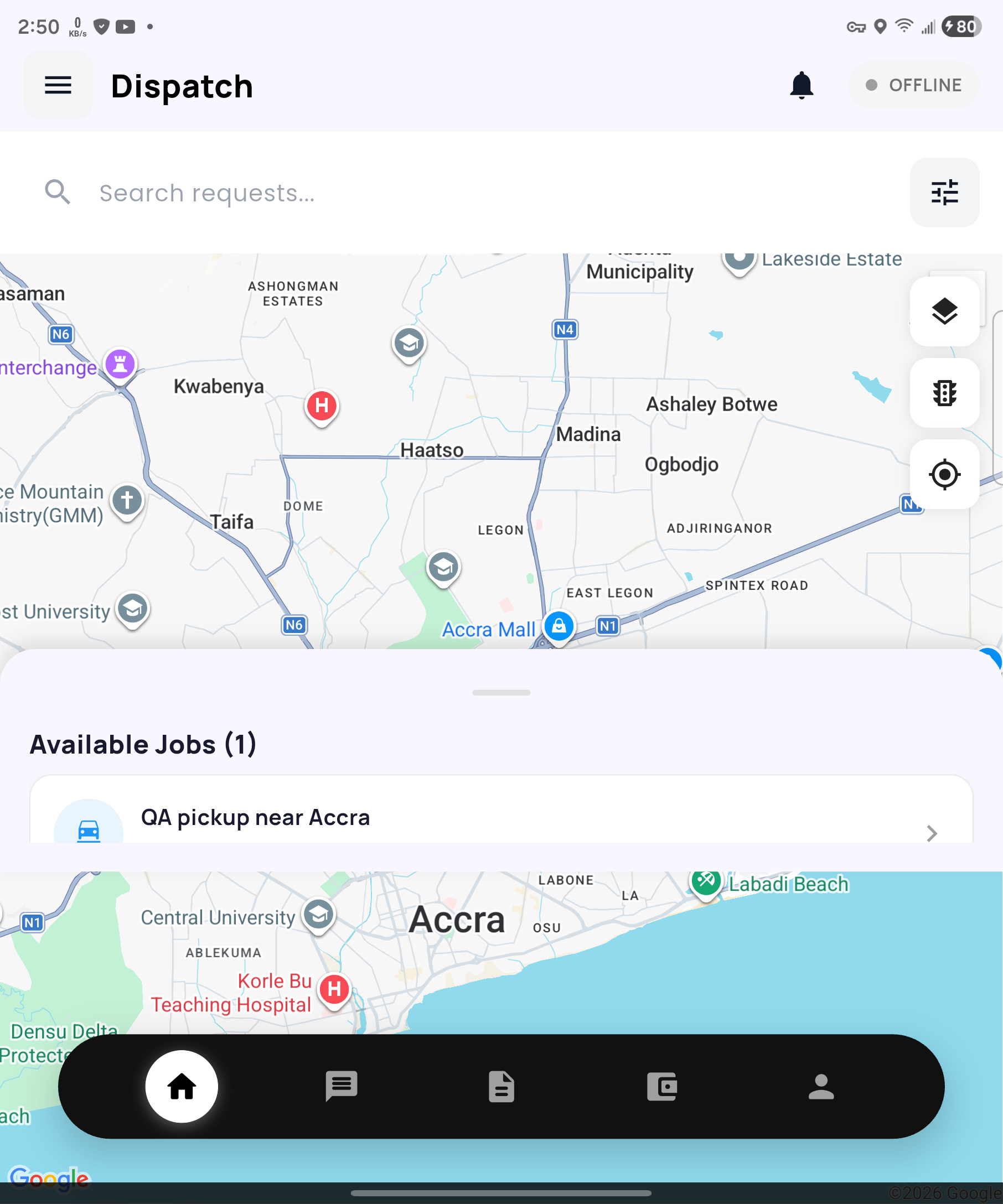
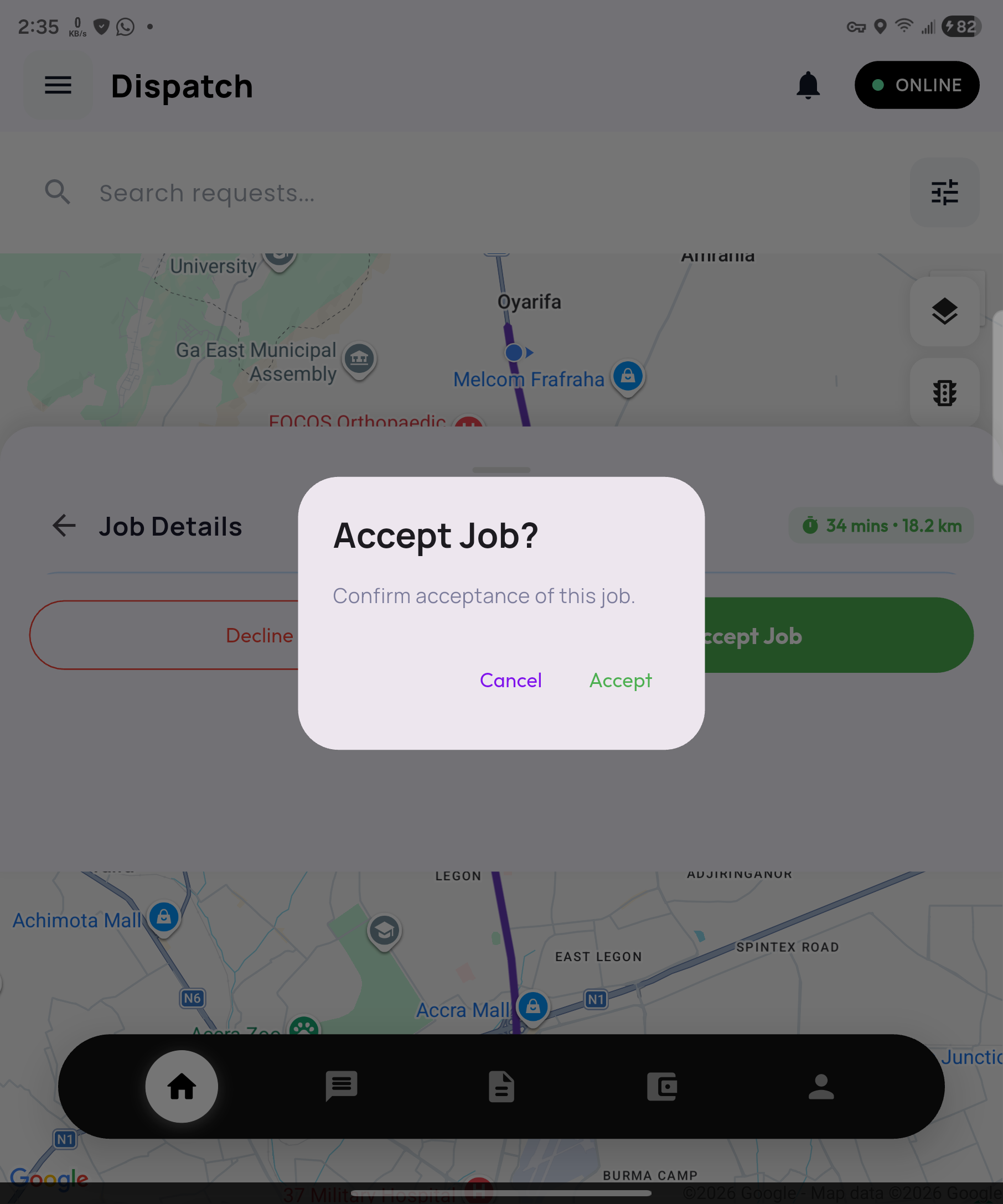
For mechanics, the app allows service providers to register, set up their profile, appear on the map, manage their availability, receive requests, and accept jobs from nearby users. Mechanics can help users directly on the roadside or guide them to a nearby repair shop.
For towing providers, the app provides a dedicated flow for towing services. Towing providers can register, appear on the map, receive towing requests, and help users whose vehicles cannot be fixed on the road.
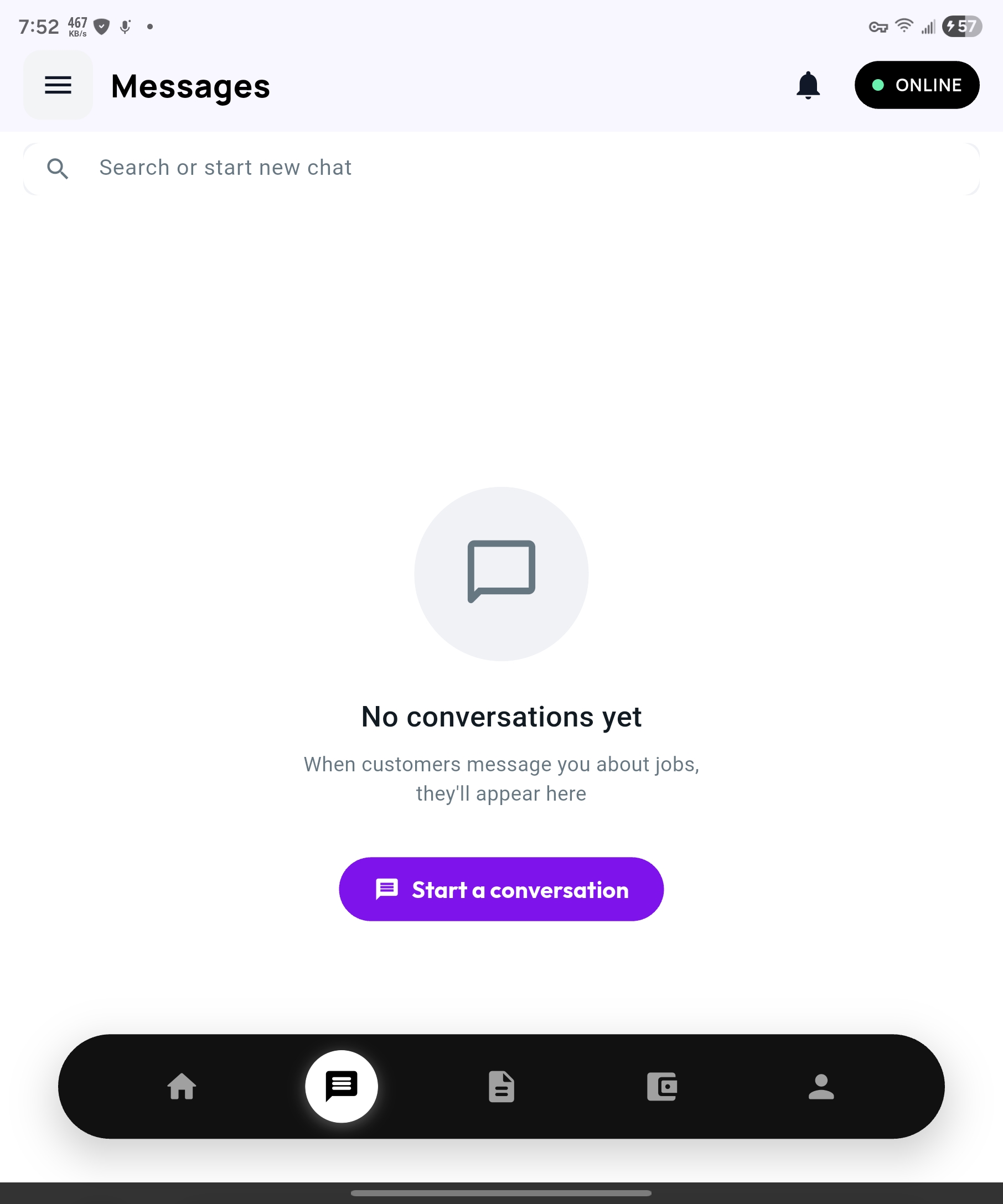
MechLink also includes communication and SMS-related services so users and providers can connect more easily. The long-term goal is to make roadside help more accessible, faster, and more reliable for drivers in Ghana.
Key Features
MechLink includes several important features:
- Map-based discovery of nearby mechanics, repair shops, and towing services.
- SOS / immediate roadside request flow for urgent vehicle problems.
- Separate flows for normal users, mechanics, and towing providers.
- Live location sharing so providers can find the user.
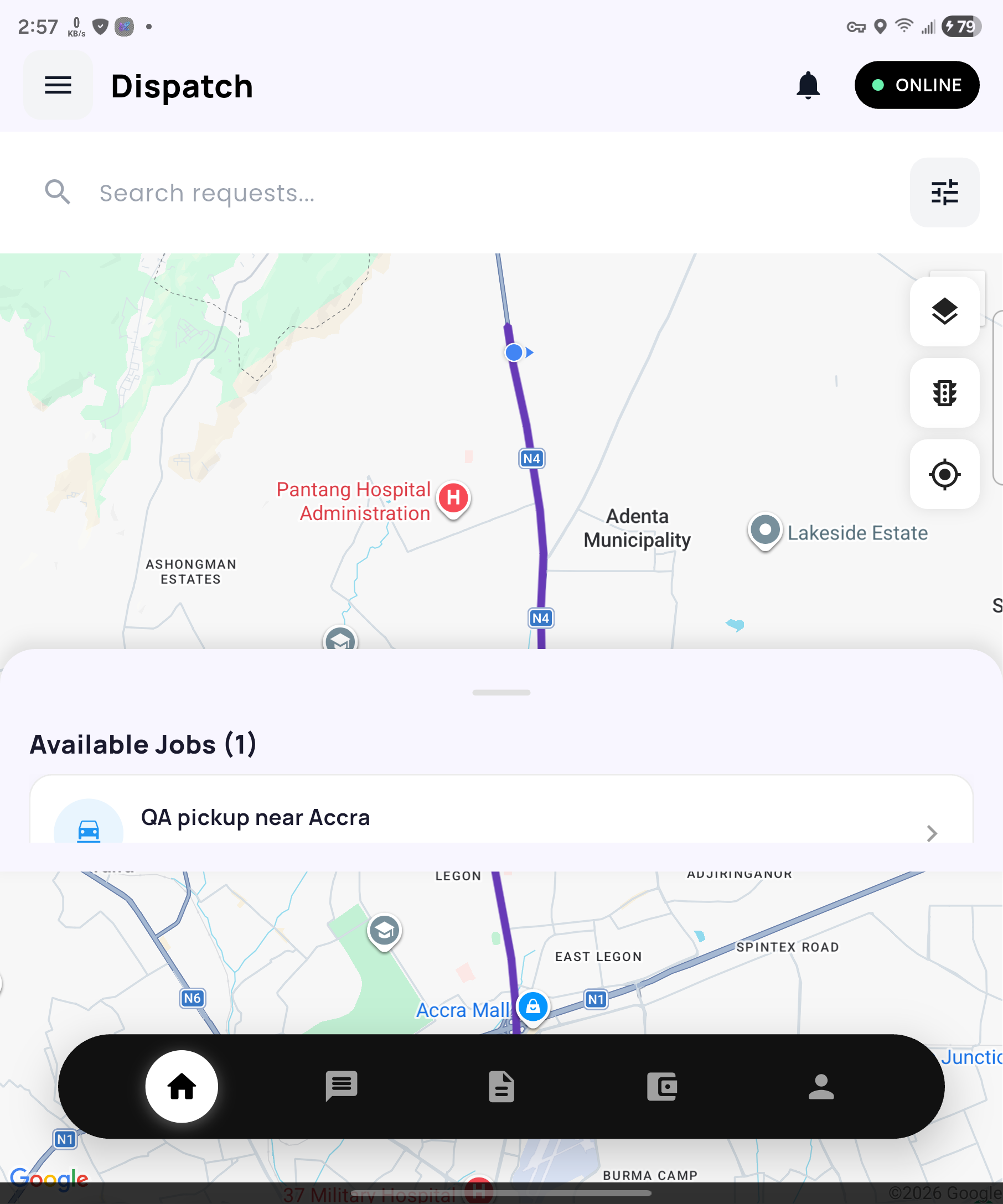
- In-app navigation and tracking for accepted jobs.
- Provider availability controls.
- Mechanic and towing provider profiles.
- User-to-provider communication.
- Booking and appointment-related flows.
- Request acceptance flow so providers can accept jobs.
- Cancellation handling for active requests.
- Security-focused improvements for provider data, user data, and request handling.
- Phone/authentication-related work for user access and account recovery.
- App structure designed for both mechanic support and towing support.
Recently, I used GPT and Codex to help improve several important areas of the app, including the SOS flow, booking consistency, user/mechanic/towing flows, navigation handoff, provider request handling, cancellation behavior, phone-authentication screens, security validation, and general app stability.
How I built it
MechLink did not start as a mobile app. I first started building it as a web app because that felt like the easiest way to begin and test the idea. At first, I tried using React to build the project.
But as the idea became more serious, I realized that MechLink needed a better mobile and map-based experience. The app depends heavily on live location, nearby providers, map tracking, navigation, roadside requests, and real-time service flows. On the web app version, the map and navigation experience did not feel as smooth or reliable as what I wanted. It was difficult to create the kind of native roadside assistance experience I had in mind.
Because of that, I made a difficult decision. I deleted the React version and started rebuilding the app with Flutter. Flutter gave me a better direction for creating a real mobile experience for Android and iOS, especially for location, navigation, request flows, and provider tracking.
The app uses mobile app development, map services, authentication, cloud/backend services, real-time data, and provider/user request flows. I have been using AI tools heavily throughout the process because I am a vibe coder and I did not start as a traditional software developer.
Earlier in the project, I used GPT-5 to help me understand technical problems, debug issues, and build features. Now I am using GPT-5.6 and Codex to improve the project further, fix bugs, strengthen the structure, review security concerns, and make the app more stable.
How I used GPT and Codex
GPT and Codex played a major role in helping me build and improve MechLink.
I used GPT to understand technical concepts that I did not know when I started, including APIs, Firebase, Google Cloud, authentication, map systems, real-time location, security rules, and app architecture. Because I was learning while building, GPT helped me understand what was wrong, why something was failing, and how to approach a better solution.
I also used GPT and Codex to help fix and improve important MechLink features, including:
- Improving the SOS request flow.
- Making provider acceptance behavior more reliable.
- Improving the handoff from request acceptance into the job/navigation screen.
- Working on cancellation behavior for active roadside requests.
- Improving the user, mechanic, and towing flows.
- Fixing booking and appointment consistency.
- Improving navigation-related behavior.
- Strengthening security and validation.
- Reviewing provider data access and user data protection.
- Improving phone authentication and recovery-related screens.
- Debugging build issues and app errors.
- Helping me understand what the code was doing so I could continue building.
Before using these AI tools, many of these problems were difficult for me because I did not have a strong programming background. GPT and Codex helped me keep moving, understand the technical side, and improve the app step by step.
Challenges I ran into
One of the biggest challenges was starting this project without a strong technical background. When I began, I did not fully understand APIs, backend services, security rules, billing, cloud services, authentication, app architecture, or how all these systems work together.
Another major challenge was choosing the right platform. I first started with a web app and tried to build it with React. But because MechLink depends heavily on live location, maps, navigation, and real-time roadside assistance requests, the web app approach did not give me the experience I wanted. I realized that a native mobile app would be better for the problem I was solving. Restarting the project and rebuilding it in Flutter was difficult, but it was necessary.
Building through vibe coding was also challenging. Earlier AI coding tools were not as powerful or reliable as they are now. Sometimes I would ask AI to fix one issue, and it would create another problem somewhere else. That made development slow because I had to keep testing, correcting, and learning from mistakes.
Financial limitations were another serious challenge. MechLink depends on services such as maps, APIs, authentication, backend infrastructure, and Google Cloud services. When billing became a problem or I did not have enough financial support, development could stop for weeks or even up to a month. Without billing, some APIs and services could not work properly, which slowed down testing and improvement.
Another challenge is that I have mostly been building alone. I do not have a full technical team or strong financial support behind the project. Most of the progress has come from persistence, learning, testing, and using AI tools like GPT and Codex to help me understand and build.
Accomplishments that I’m proud of
I am proud that I was able to take a real problem in Ghana and turn it into a serious app idea with working flows.
I started without deep technical knowledge, but I kept learning and improving. I moved from a web app idea, to a React attempt, and then to a Flutter mobile app because I realized the product needed a stronger native mobile experience.
I am also proud that MechLink now has a clearer structure around users, mechanics, and towing providers. The app is more stable than when I started, and I have been able to improve important areas such as SOS requests, booking flows, navigation behavior, provider flows, phone/authentication screens, and security-related concerns with the help of GPT and Codex.
Most importantly, I am proud that the project focuses on solving a real local problem. It is not just a general app idea. It is built around something drivers in Ghana can actually experience: being stranded somewhere and not knowing who to call.
What I learned
Building MechLink taught me that solving a real problem requires more than just an idea. It requires understanding users, choosing the right platform, building reliable flows, thinking about security, managing costs, and testing carefully.
I learned that the platform matters. At first, I thought a web app would be enough, but because MechLink depends on maps, live location, provider tracking, and roadside requests, I realized that a mobile app was the better direction. Moving from React to Flutter was a difficult decision, but it helped make the app more suitable for the real-world experience I wanted to create.
I also learned that AI-assisted coding is powerful, but it still requires careful thinking. GPT and Codex can help explain code, fix errors, and suggest improvements, but I still need to test, make product decisions, and make sure the app solves the actual user problem.
This project also taught me about APIs, Google Cloud, Firebase, maps, authentication, app security, real-time data, and mobile app architecture. I am still learning, but MechLink has helped me grow from someone with an idea into someone who can build and improve a real product with AI support.
What’s next
MechLink is not yet in production, but the next goal is to make it stable enough for real-world testing in Ghana.
The next steps are to:
- Continue improving the SOS and roadside request flow.
- Test the app with real drivers, mechanics, and towing providers.
- Improve provider verification.
- Strengthen security and data protection.
- Improve navigation and live tracking.
- Improve the user experience and app design.
- Make the mechanic and towing dashboards more reliable.
- Prepare the app for a pilot launch.
- Gather feedback from real users and service providers.
The long-term vision is to make MechLink a trusted roadside assistance platform in Ghana, and eventually expand the idea to other African markets where drivers face similar roadside support problems.
OpenAI Build Week Work
MechLink existed before this submission, but during the recent development period I used GPT-5, GPT-5.6, and Codex to meaningfully improve the project.
The recent GPT/Codex-assisted work included:
- Improving the SOS request flow.
- Improving user, mechanic, and towing provider flows.
- Fixing issues around request acceptance and job handoff.
- Improving navigation-related behavior after a provider accepts a request.
- Improving cancellation behavior for roadside requests.
- Reviewing booking and appointment consistency.
- Working on phone-authentication and recovery-related screens.
- Strengthening security-related logic and validation.
- Debugging build errors and app issues.
- Improving the overall stability of the Flutter app.
GPT and Codex helped me understand the problems, review possible solutions, fix bugs, and continue building even though I am a solo vibe coder without a traditional software engineering background.


Log in or sign up for Devpost to join the conversation.