-
-
c
-
-
-
-
-
-
-
-
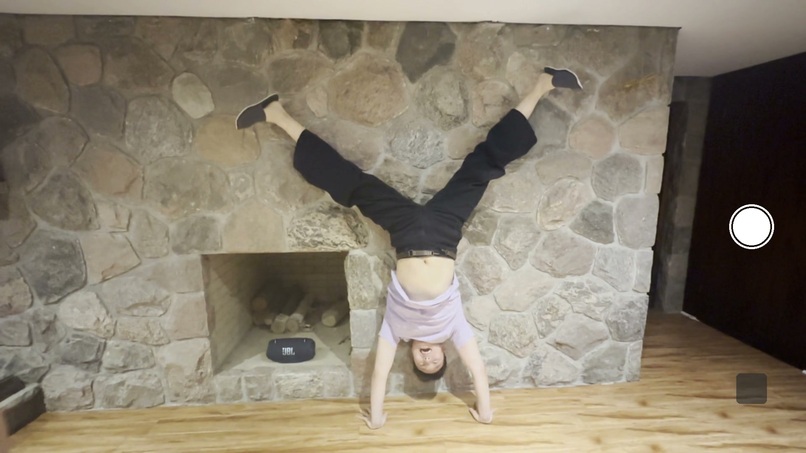
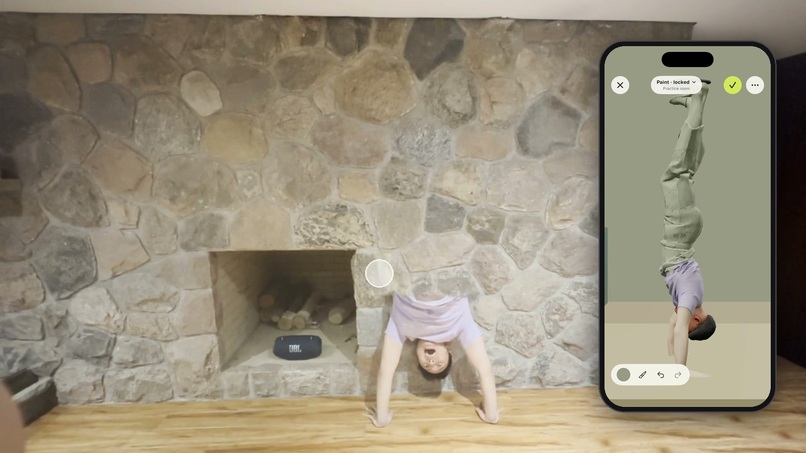
bohan hand stand LOOL
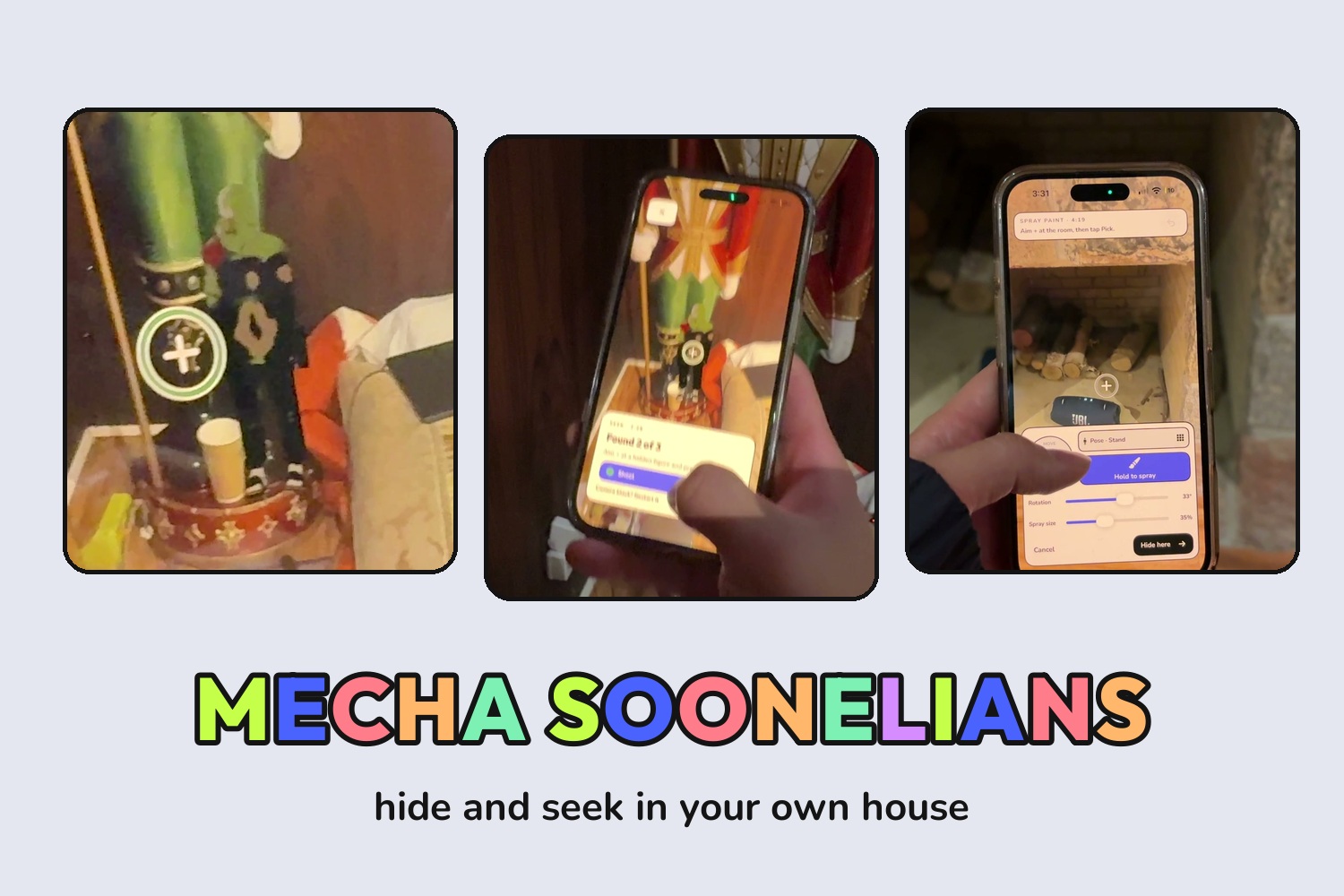
Inspiration
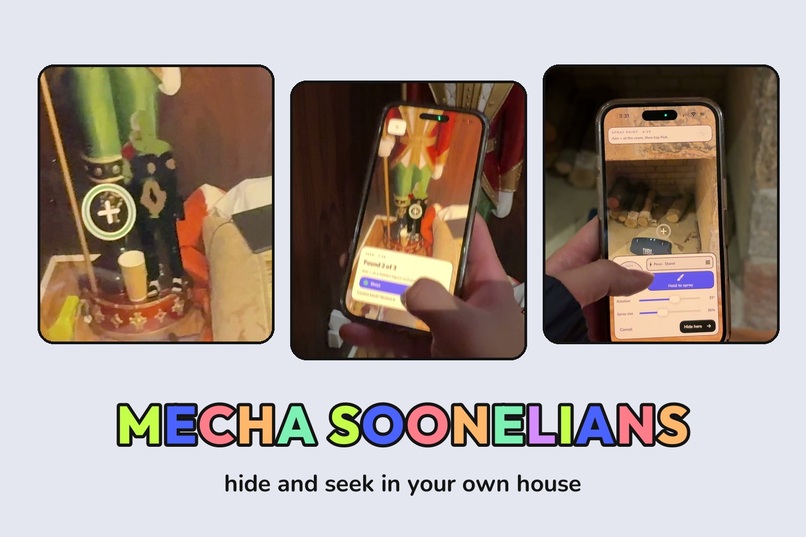
The best way to bond sometimes as a crew are games. One of the more popular games over the last year is Meccha Chameleon, a game where you paint this little white mannequin (yourself) into a scene. These scenes usually contained complex paintings or just funny pieces that you could camo your character into. We really wanted to bring this to life. Especially with the SOON mega mansion.
What it does
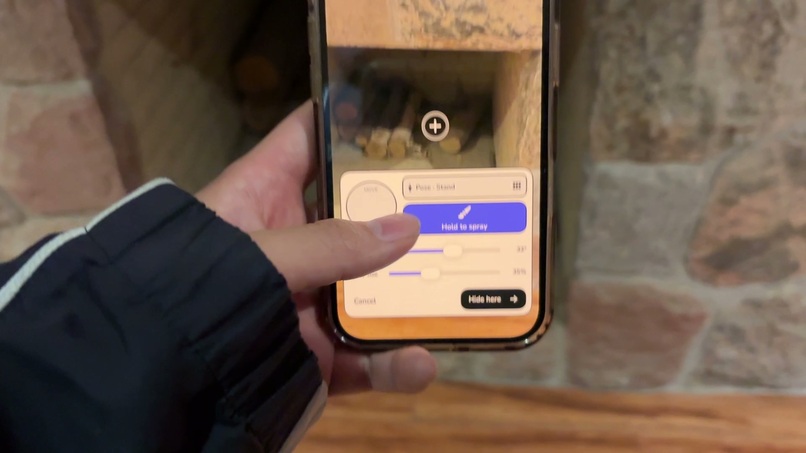
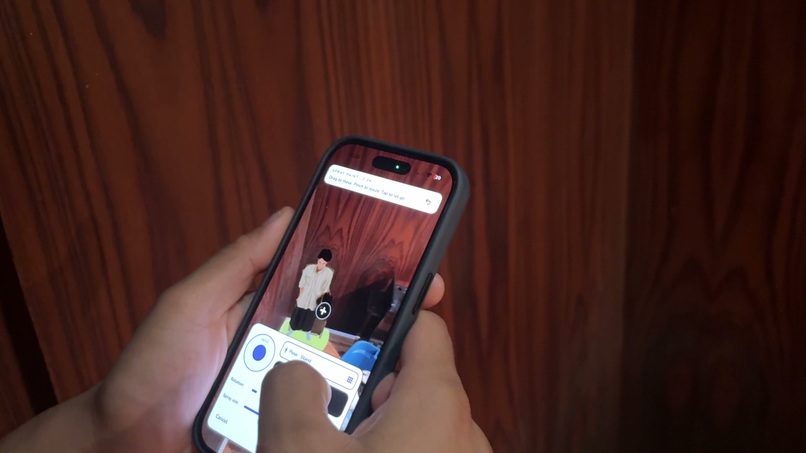
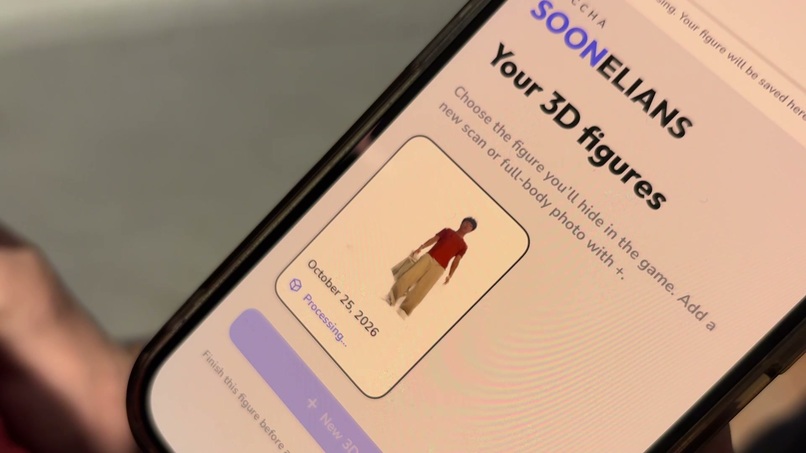
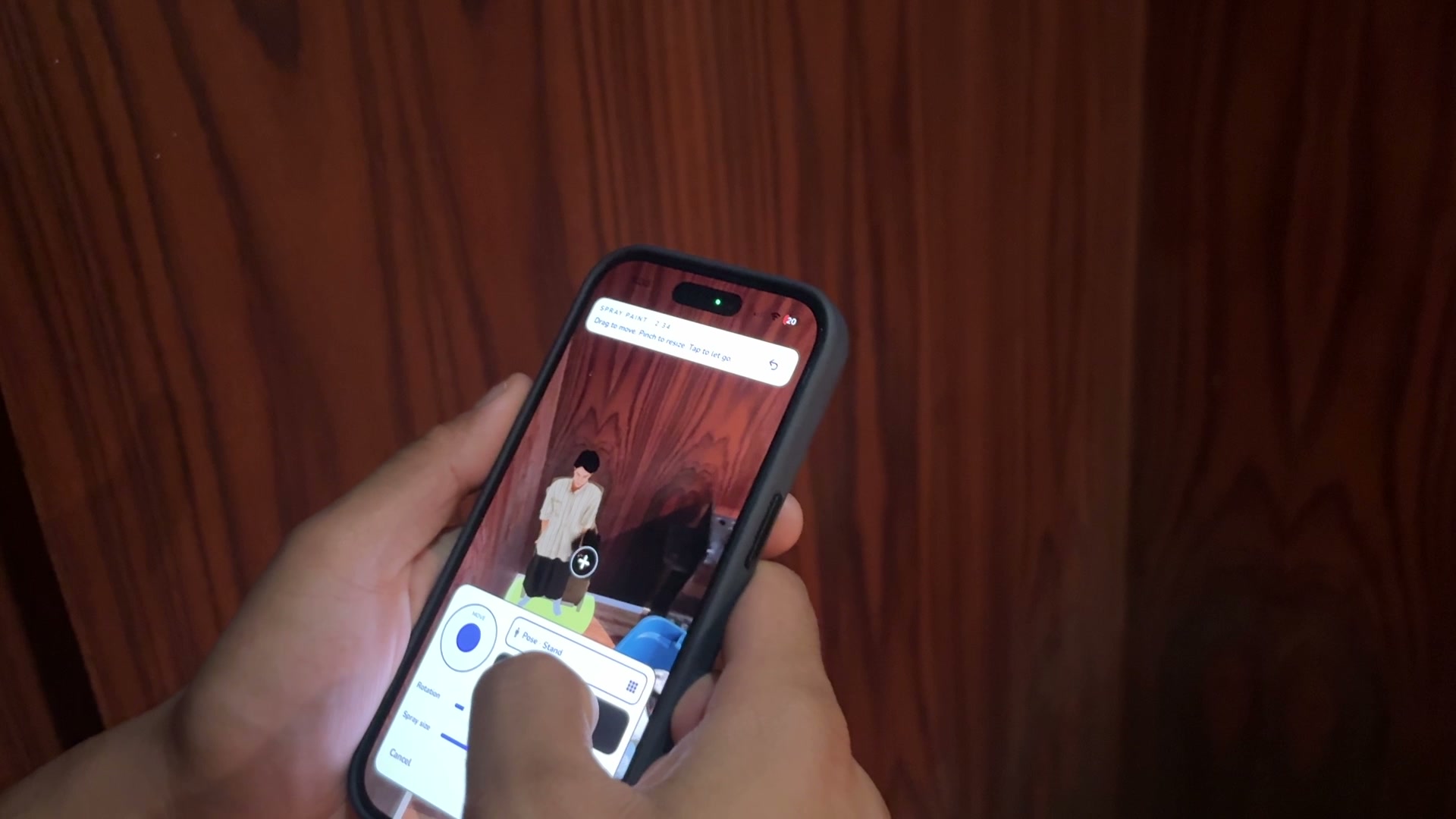
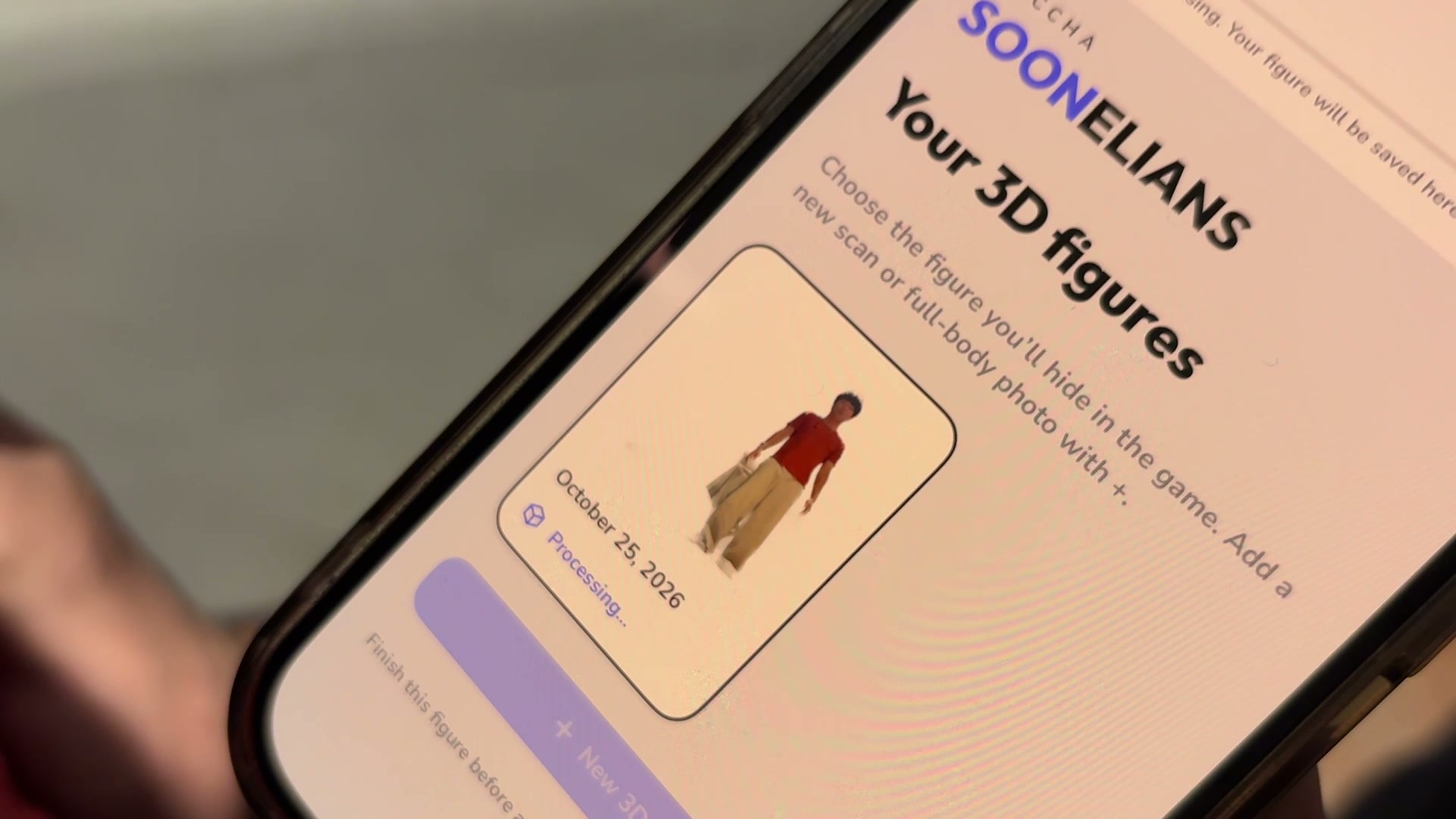
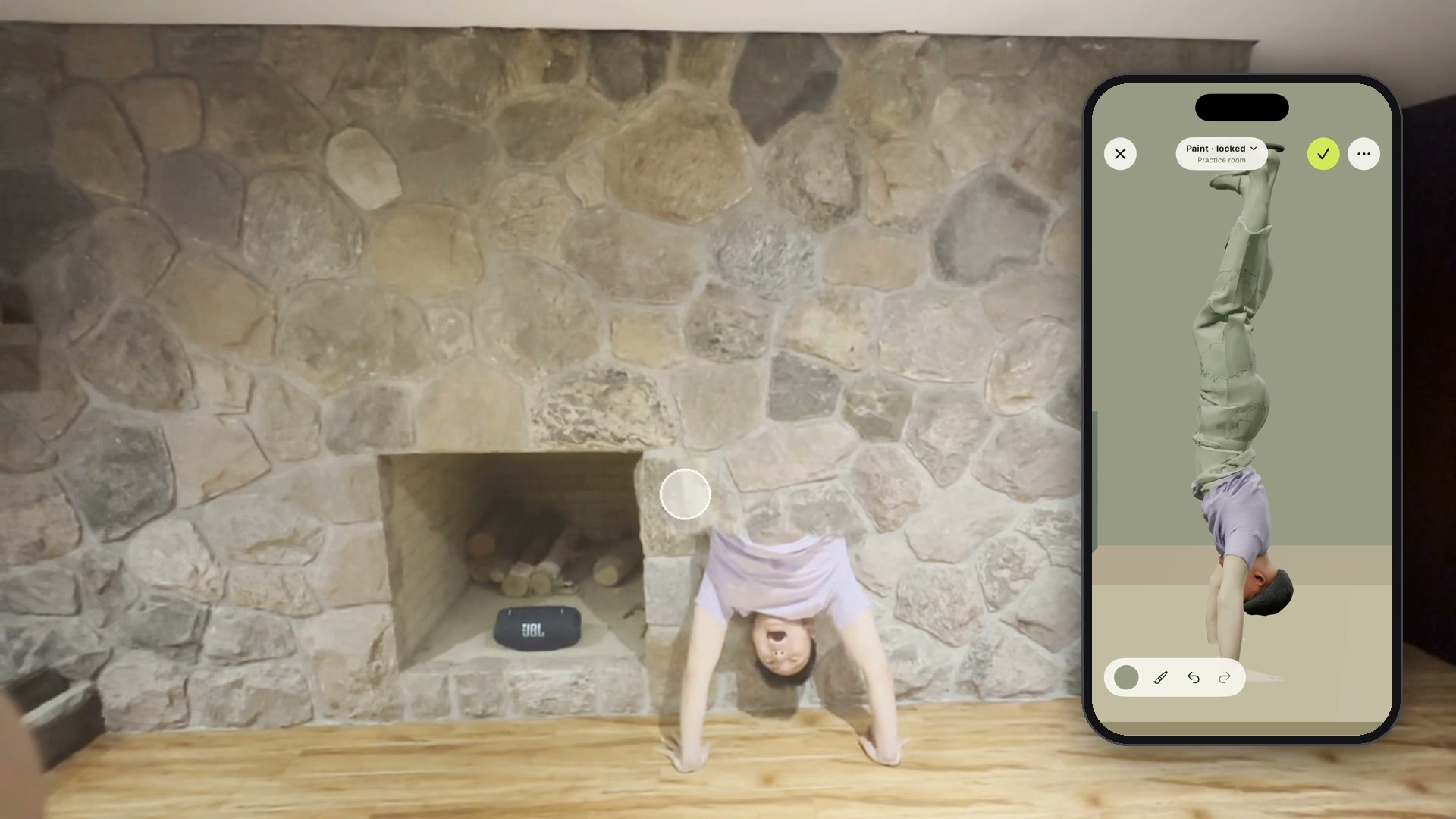
First you scan your house using Lidar (we did it with the Apple ROOM plan to help go around with all the damn people). Afterwards you get your players, players will take a screenshot of themselves, where we use CV to cut out your human as a 2D image. This 2D image then gets thrown into Tripo, where it becomes a 3D model. With this 3D model we apply advanced rigging to your people so you can adjust poses as you go.
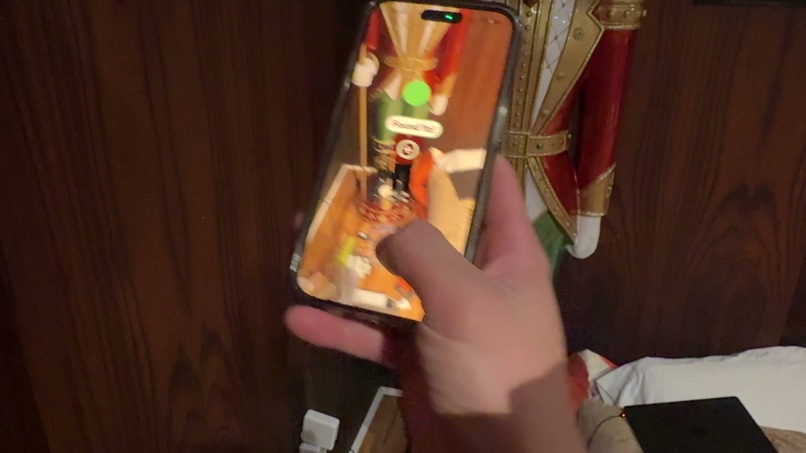
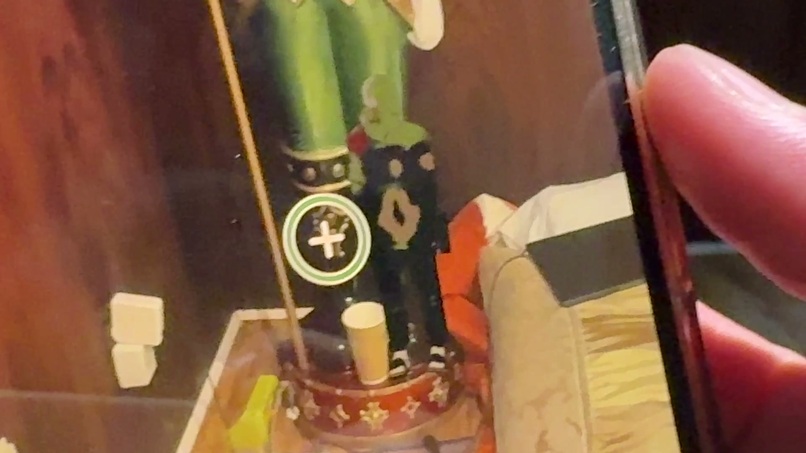
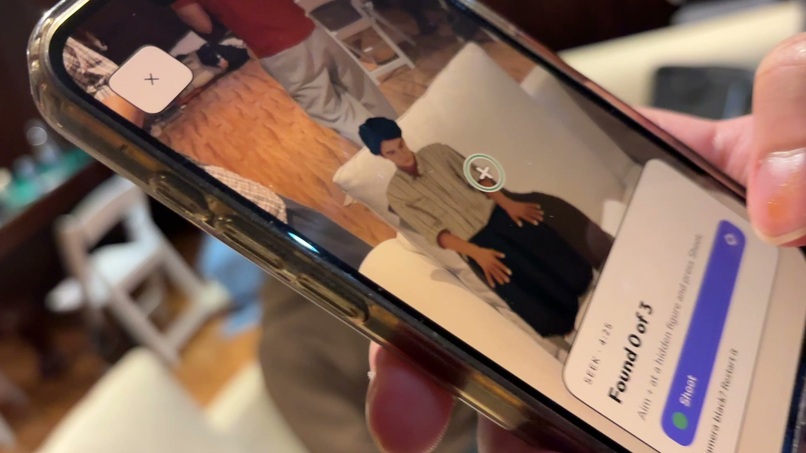
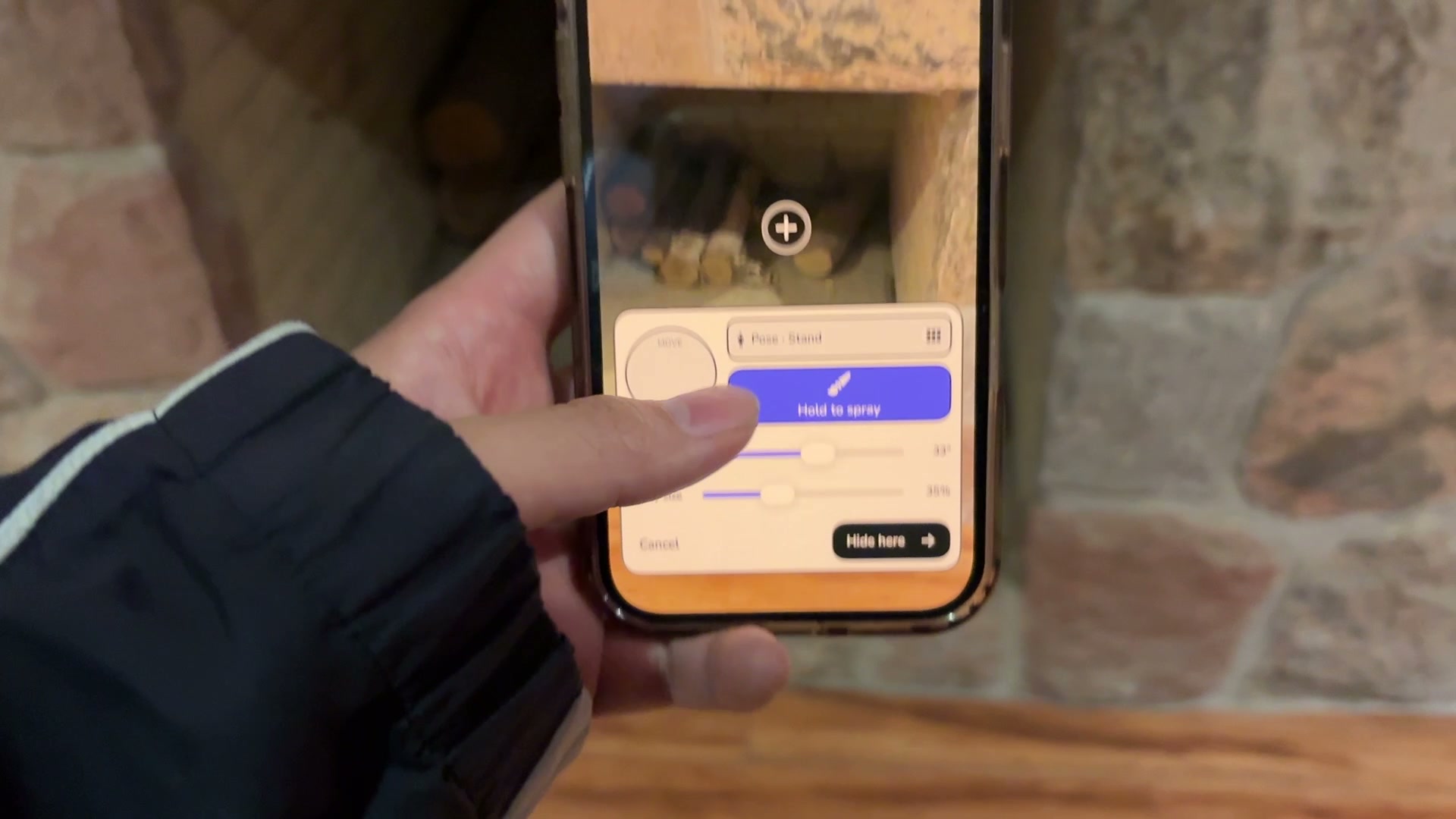
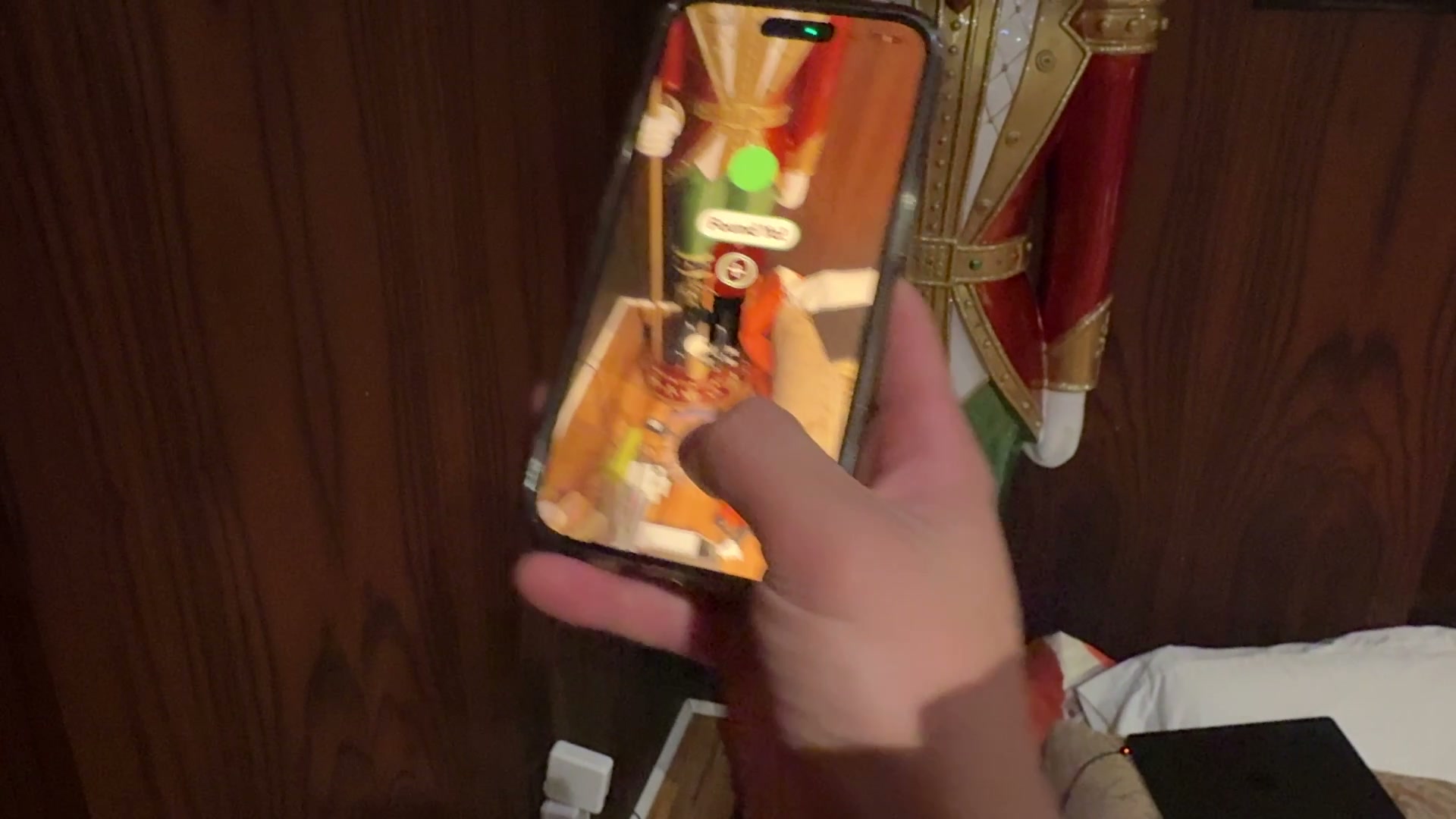
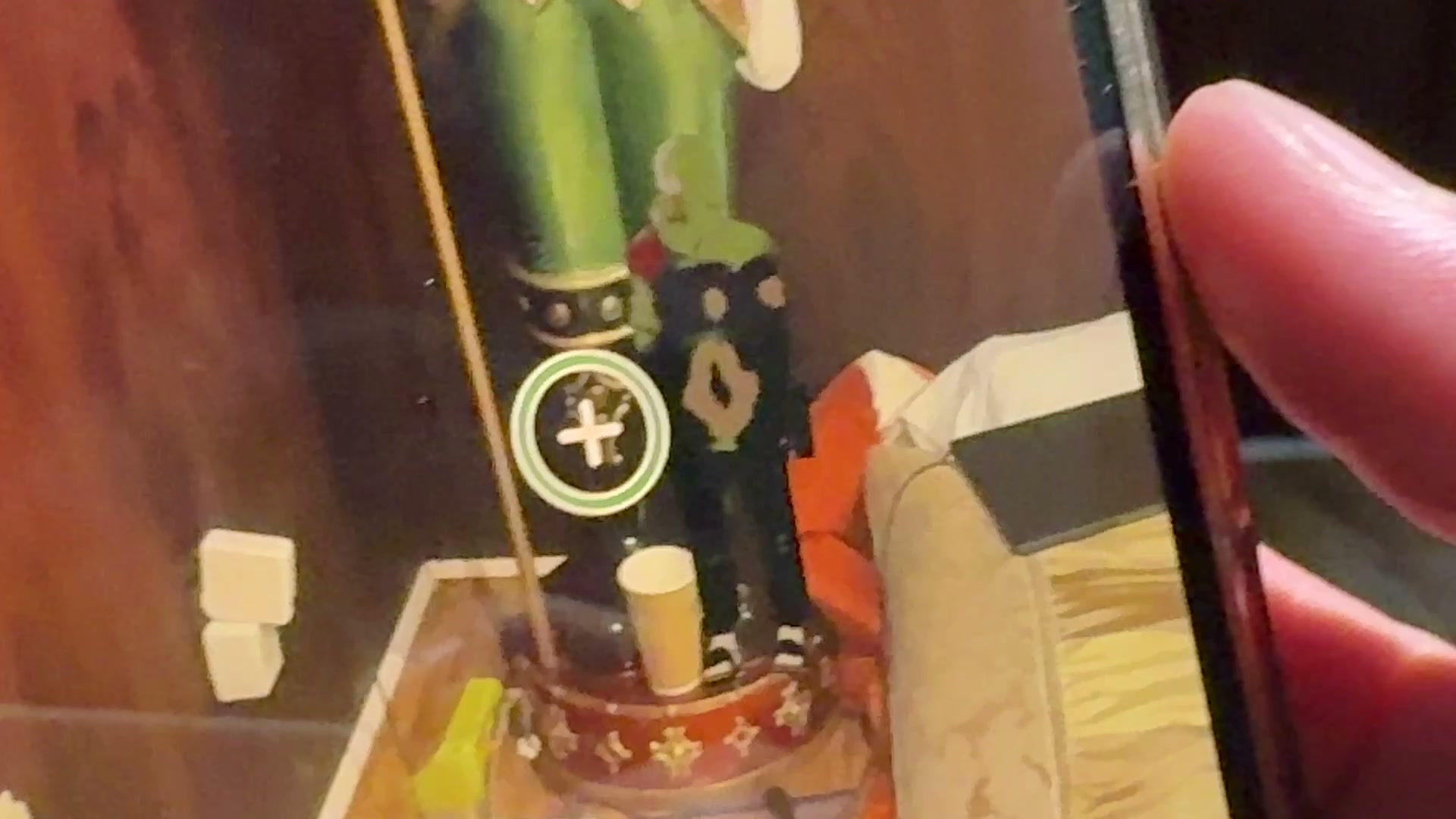
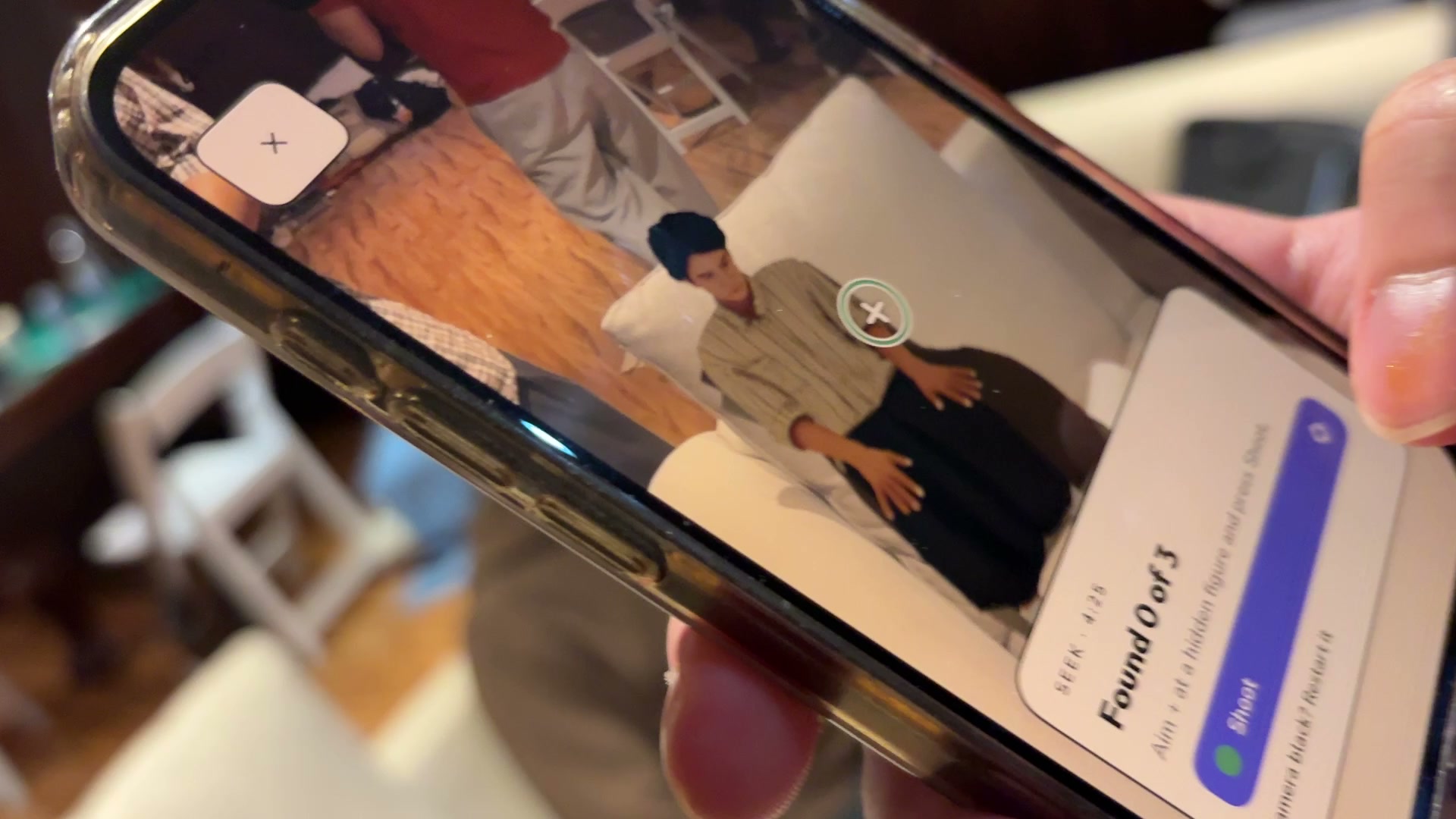
Once everyone is set up, a seeker is decided. The Seeker covers their eyes and wait for the hiders to paint themselves into the scene. We use ray-casting and other 3D techniques so players are properly stuck to walls and connected so they don't phase through. Now if seekers find them they can tap them and they collect points. If they have you in frame, but don't catch you though, you collect points for the leaderboards!
Challenges we ran into
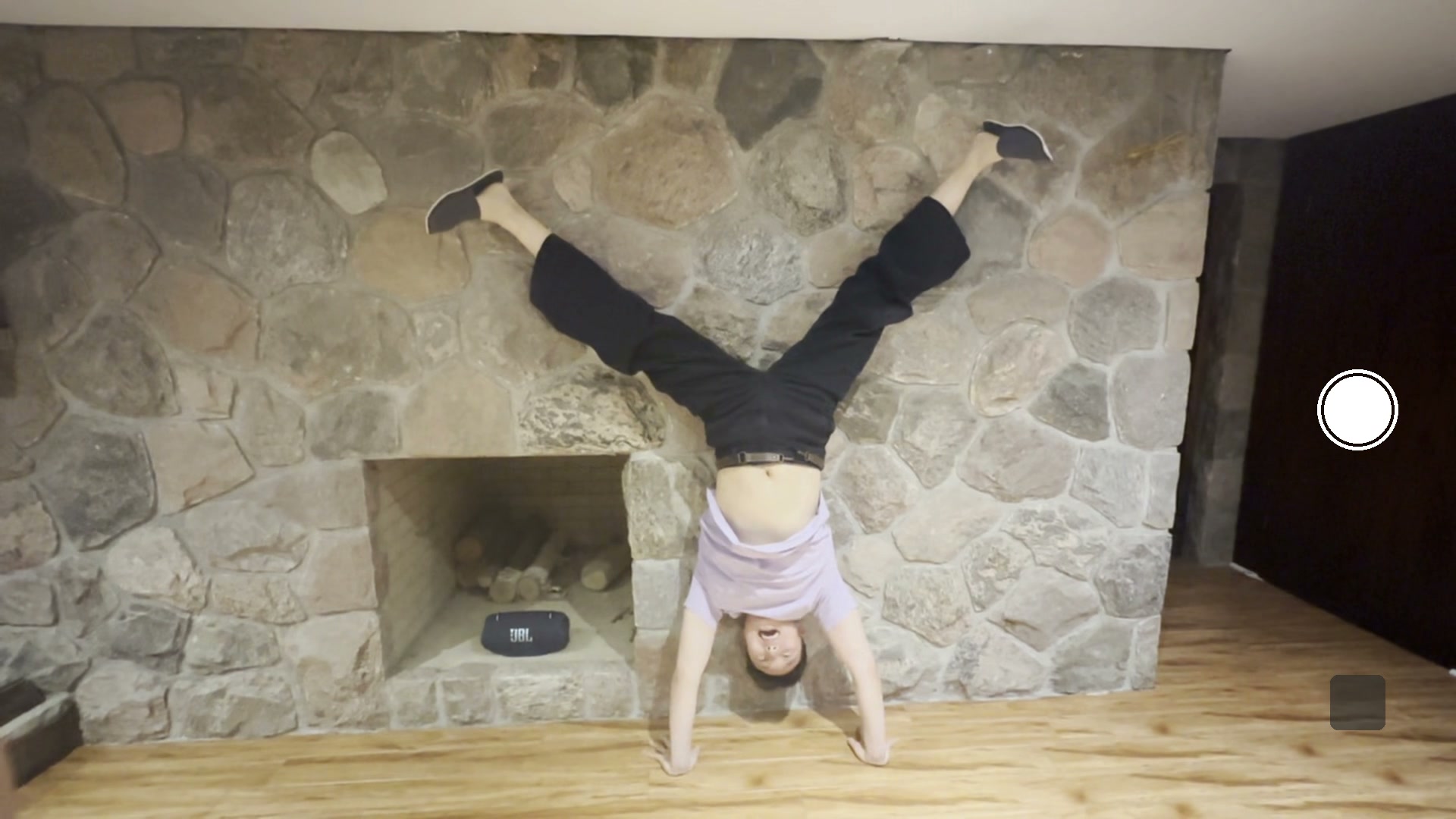
The biggest one was getting a real human from just one selfie into something that you can pose, Tripo only rigs people that are standing up so when we tested with a handstand it just said no, so now we guide the selfie with a timer and check you got your full body in and if the rig fails we still keep the mesh.
Then getting everyone in the same house was hard, the scan is way bigger than what Vercel lets you send so we shipped the house inside the app and send the ghosts straight to supabase storage instead.
We also dont have a server of our own so everything had to be stateless, Tripo takes minutes so every time the phone checks in we move the job one step and make sure two checks never pay for the same model twice.
Then the little stuff that only shows up on real phones, ghosts getting lost when hiding ends while they are still uploading, uploads being 3MB, seeing two of yourself when you hide again, and AR cant be tested in the simulator so we ended up testing everything with 5 phones in the basement.
Accomplishments that we're proud of
It actually works, we played real rounds in the SOON house with 4 phones where you scan your self, paint into the wall and the seeker finds you. Your own body is the hider and your pose and paint show up the same on everyone's phone, and the seeker shoots the real painted body not just a box.
Hiders can chirp as 3D sound from where they are hiding and they get points when the seeker can see them but doesnt catch them.
We also have no backend to run, its just vercel and supabase, and 4 of us made like 76 commits in one weekend with 80+ tests including ones that play a full round on the live server.
What we learned
Photo to 3D works best when your standing with your arms out, and the back of your body is basically an AI guess. Serverless has no memory so everything goes in the database and we use conditional writes so two requests cant both win. Send the smallest thing you can, for us its just a pose name and the paint instead of a whole model. And never fail silently, we added a "loading hiders" message for the seeker because before it just showed nothing. Also test AR on real phones in the real ro
What's next for Mecha Soonelians
We want to add more features and modes like infection, chicken race, decoy clones and emergency eject since we already built most of it, then a real leaderboard across rounds. Saved houses so the whole mega mansion can be played, make capture easier with more poses (maybe even say a pose in words).
Ultimately, we want this to be a game that’s easy to setup and play for any group of friends in their own home. We want every house to feel like a new map, every round to play out differently, and every group of friends to have their own unique experience.
Built With
- ar
- arkit
- next.js
- node.js
- realitykit
- roomplan
- scenekit
- sprite-kit
- swift
- swiftui
- three.js
- tripo
- vercel
- vision

Log in or sign up for Devpost to join the conversation.