Inspiration
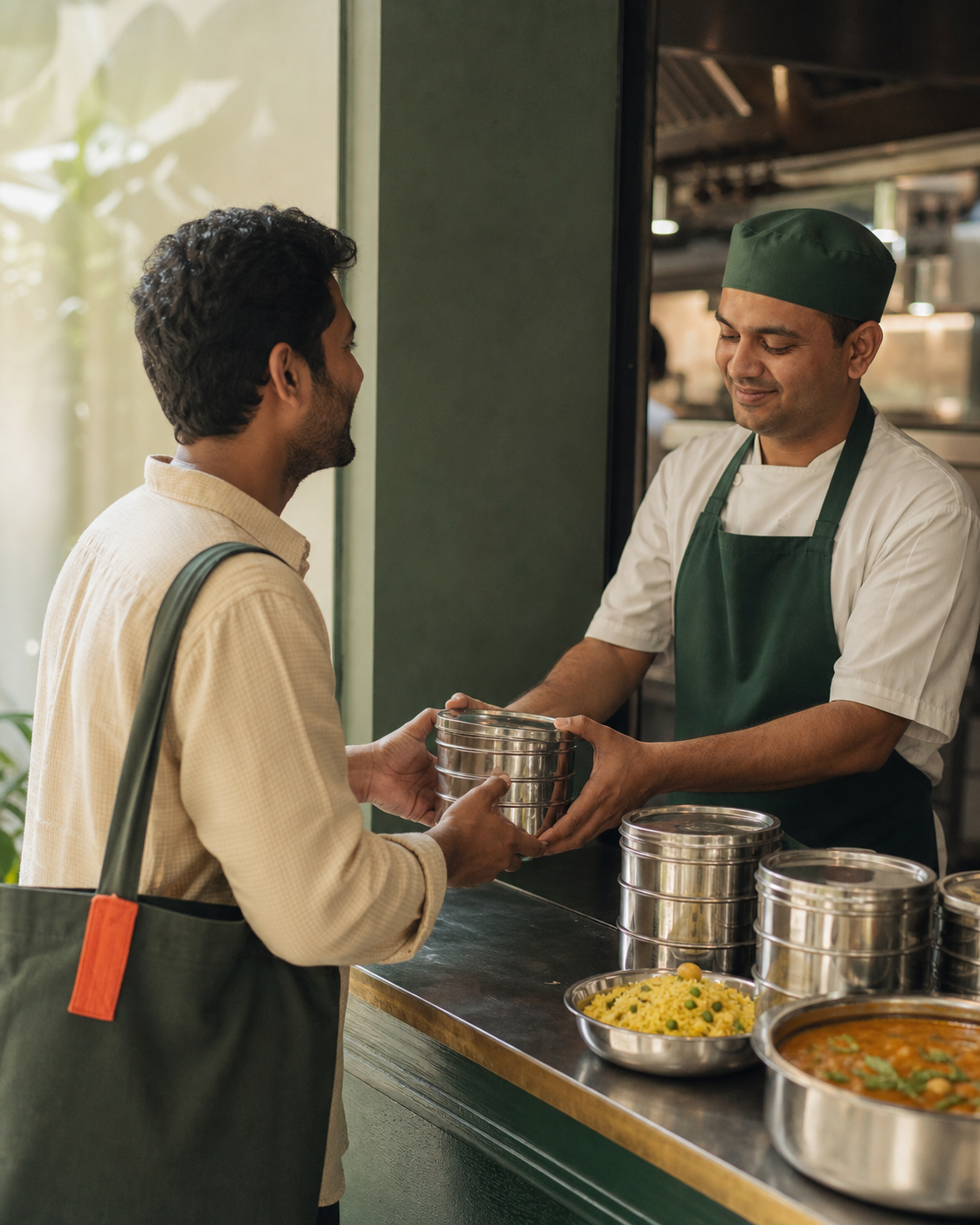
MealPing started with one simple question: what happens when usable food is left after service, but a nearby NGO does not know it exists?
Food waste is often treated as only a food problem. While working on this idea, I kept coming back to the coordination problem behind it. A restaurant may have food ready now. An NGO may have the capacity to collect it. But they may not have a clear, trusted way to find each other in time.
I wanted to build a product that focuses on that one local handoff.
What it does
MealPing connects food businesses with nearby verified NGOs so surplus food can be collected before it becomes waste.
Food partners can create a post with food type, quantity, pickup window, and pickup location. Suitable verified NGOs can view available food based on location, pickup radius, capacity, food preference, and availability. An NGO can accept a post and coordinate the next step.
MealPing also includes an admin workflow for reviewing and verifying food partners and NGOs. This keeps the network more accountable than a public listing board.
Location access is optional. When it is available, it supports more accurate matching. When it is not available, MealPing falls back to the local pickup area and pincode details entered by the organization.
AI in the product
MealPing includes an optional AI helper that turns rough food notes into a clearer donation draft and handoff summary.
The AI does not decide who can receive food, verify an organization, or replace the manual workflow. People still make the important decisions. If the AI helper is busy or unavailable, users can continue with the regular form.
How we built it
I am primarily a UI developer with Angular experience. I led the product idea, user journeys, responsive frontend, visual design, and testing.
I built the frontend with Angular, TypeScript, SCSS, PrimeNG, and GSAP. Supabase provides authentication, PostgreSQL data storage, role-based access rules, and Edge Functions. PostGIS supports the location-based matching logic.
For areas where I had less experience, including backend logic, database structure, security rules, and deployment, I used GPT-5.6 as a development collaborator. It helped me understand unfamiliar areas, compare approaches, and turn an idea I had been thinking about for a long time into a working product. I tested the key workflows myself and made the final product and UX decisions.
Challenges we ran into
The hardest part was building a product that works beyond attractive screens.
First, trust matters. Food partners and NGOs need clear verification and visible status before they coordinate a pickup. I added a manual admin review flow instead of treating every new account as trusted.
Second, location is not always perfect. Users may decline location permission or enter incomplete details. MealPing handles this by using precise location when it is available and a pincode and local-area fallback when it is not.
Third, AI reliability matters. Free-tier AI limits and temporary API errors can happen. I designed the AI helper as an optional assistant, with a manual form that always remains available.
Accomplishments that we're proud of
Built MealPing, an end-to-end platform connecting food donors with verified NGOs through a structured, trust-based system. Developed both frontend and backend features, including location matching, role-based access, and verification mechanisms. Expanded beyond UI into backend and deployment, using AI as support while maintaining full control over design and functionality.
What we learned
I learned that a useful product is not only about its interface. It also needs clear roles, fallbacks, safe defaults, and practical next actions.
I also learned that AI is most useful when it removes small friction without becoming a single point of failure. In MealPing, AI helps prepare information, while people and verified organizations remain responsible for the actual handoff.
What's next for MealPing - Local Food Rescue Network
The next step is to pilot MealPing in one local area with a small group of verified food partners and NGOs.
The goal is to learn from real handoffs, improve verification and pickup coordination, and prove a repeatable local rescue loop before expanding to more areas.

Log in or sign up for Devpost to join the conversation.