-
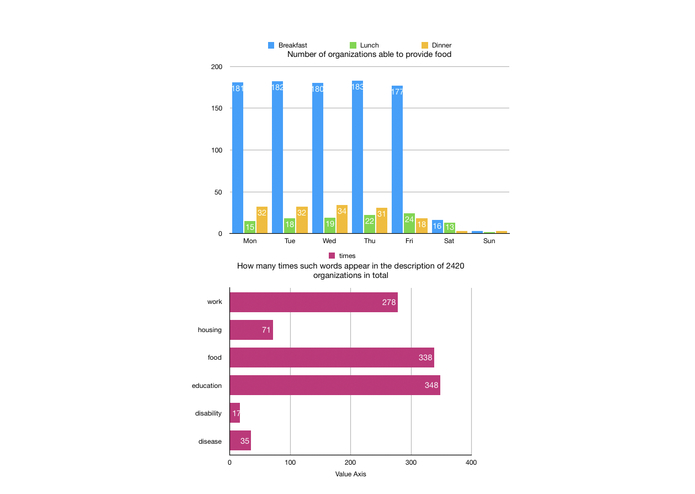
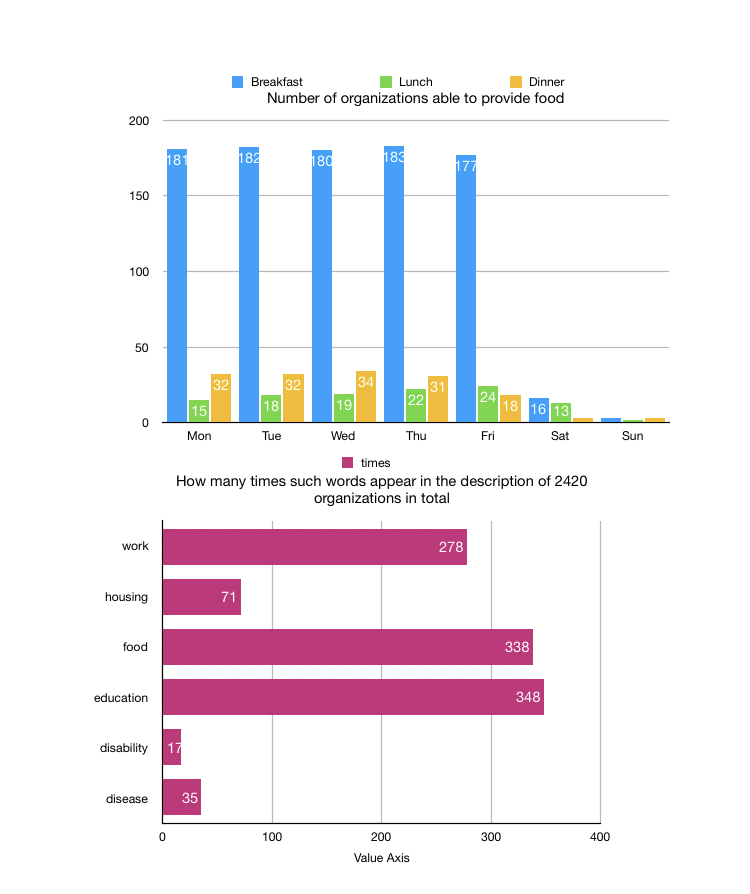
Two action graphs analyzed based on local org data, highlighting problems of food unavailability
-
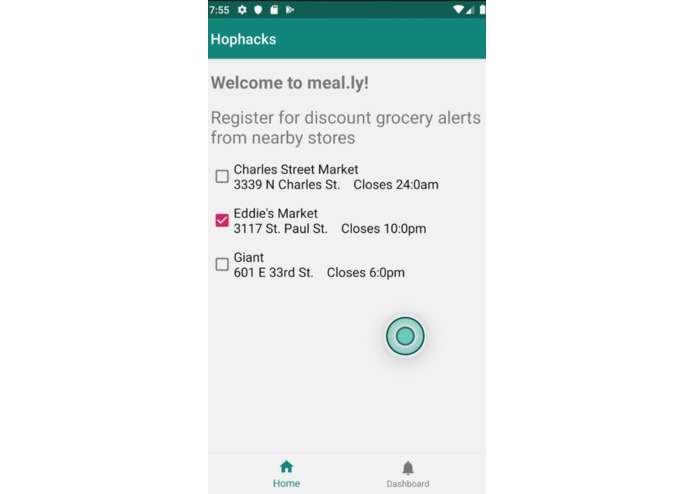
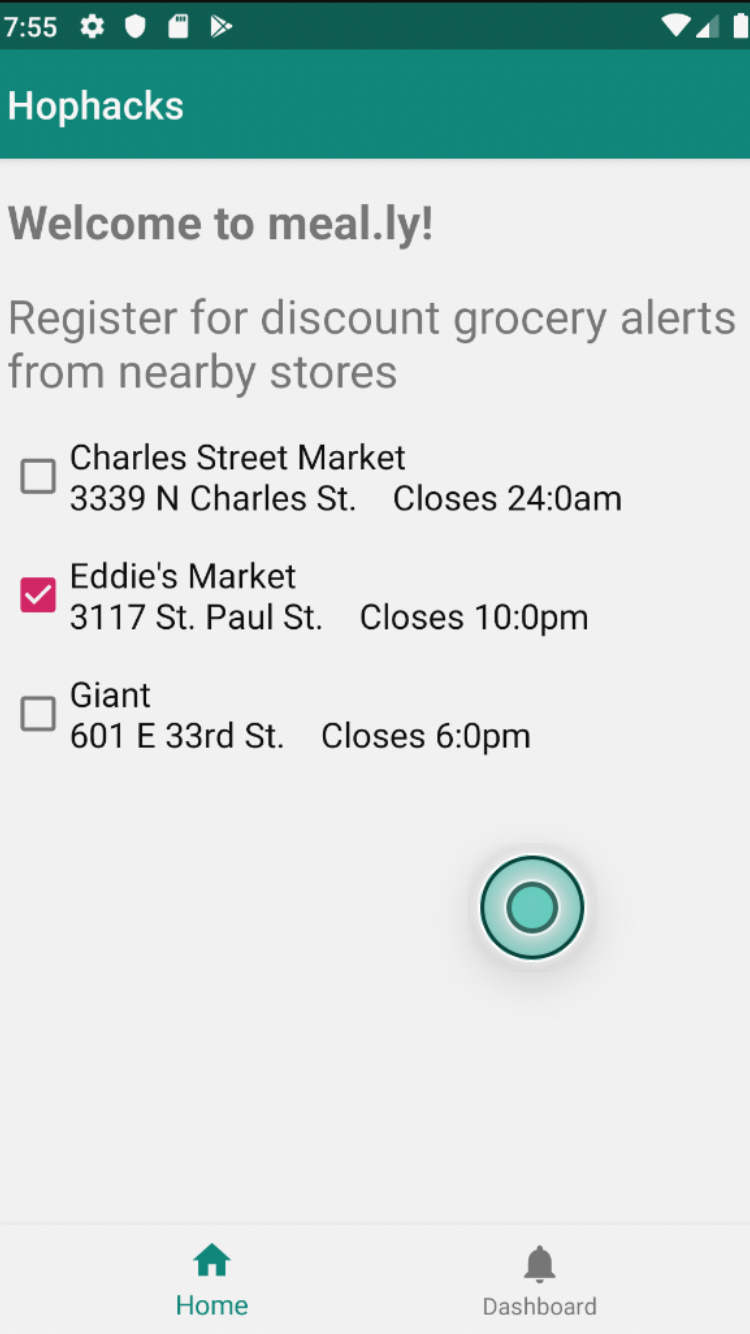
The app's view from people in need's perspective: Prompt to select stores to follow free food info
-
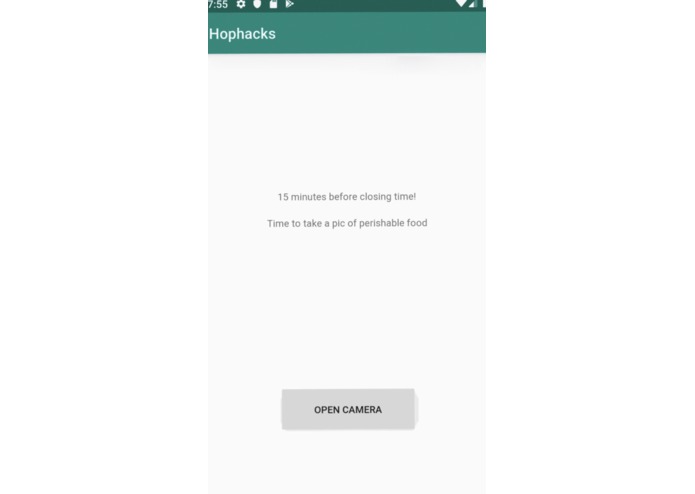
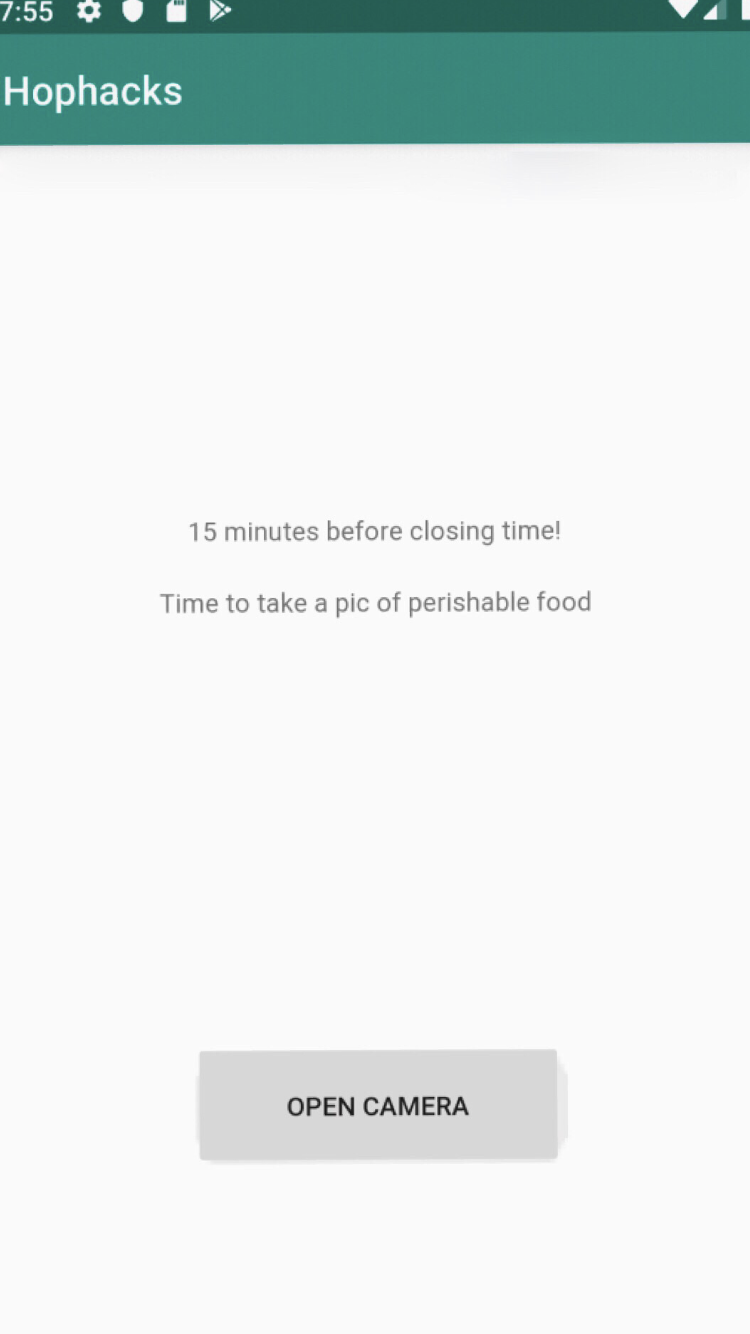
The app's view from the food distributer's perspective: Prompt for the food distributer to take a picture
-
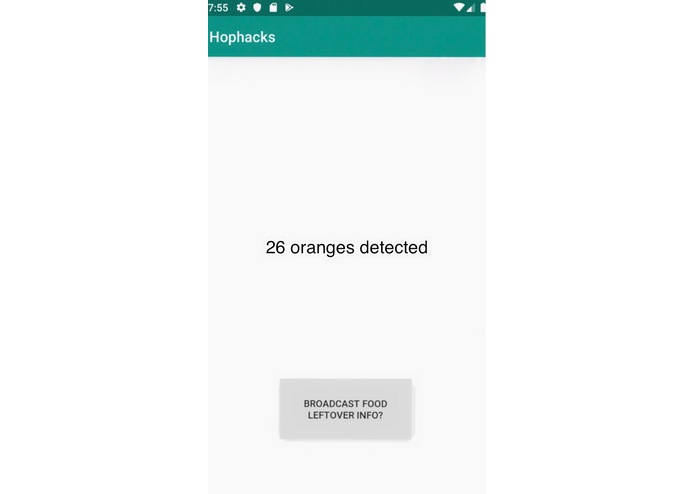
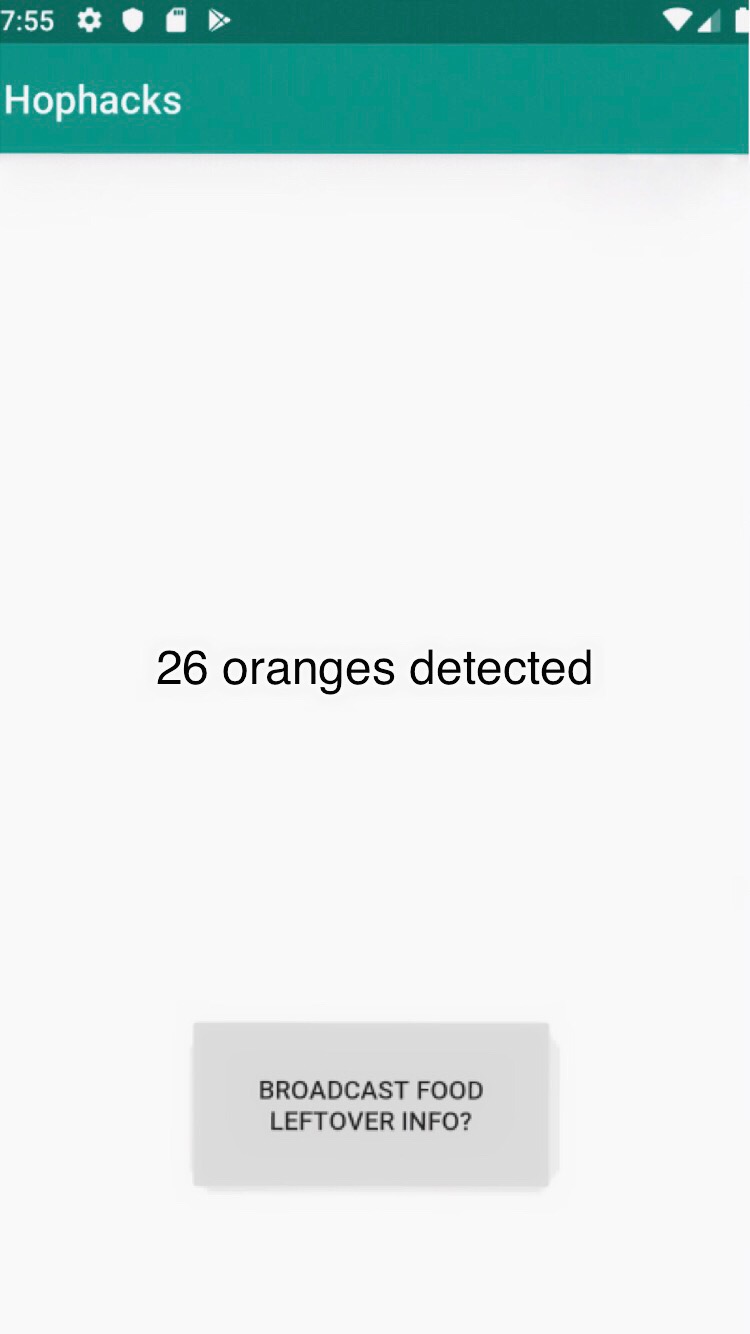
The app's view from the food distributer's perspective: Food resources detected, ready to send out sms messages to people in need
-
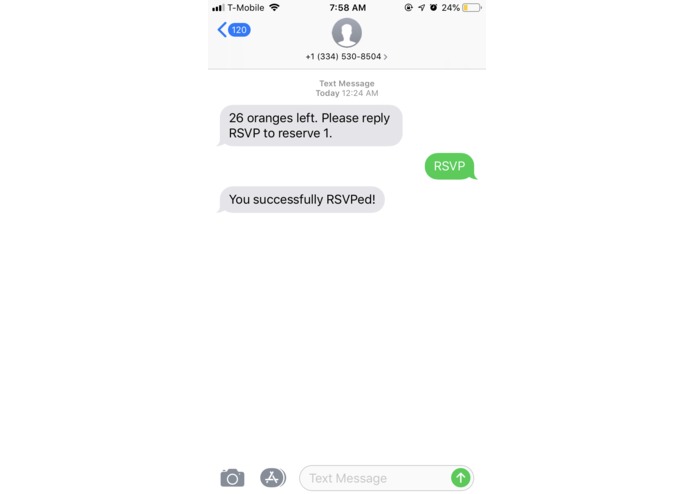
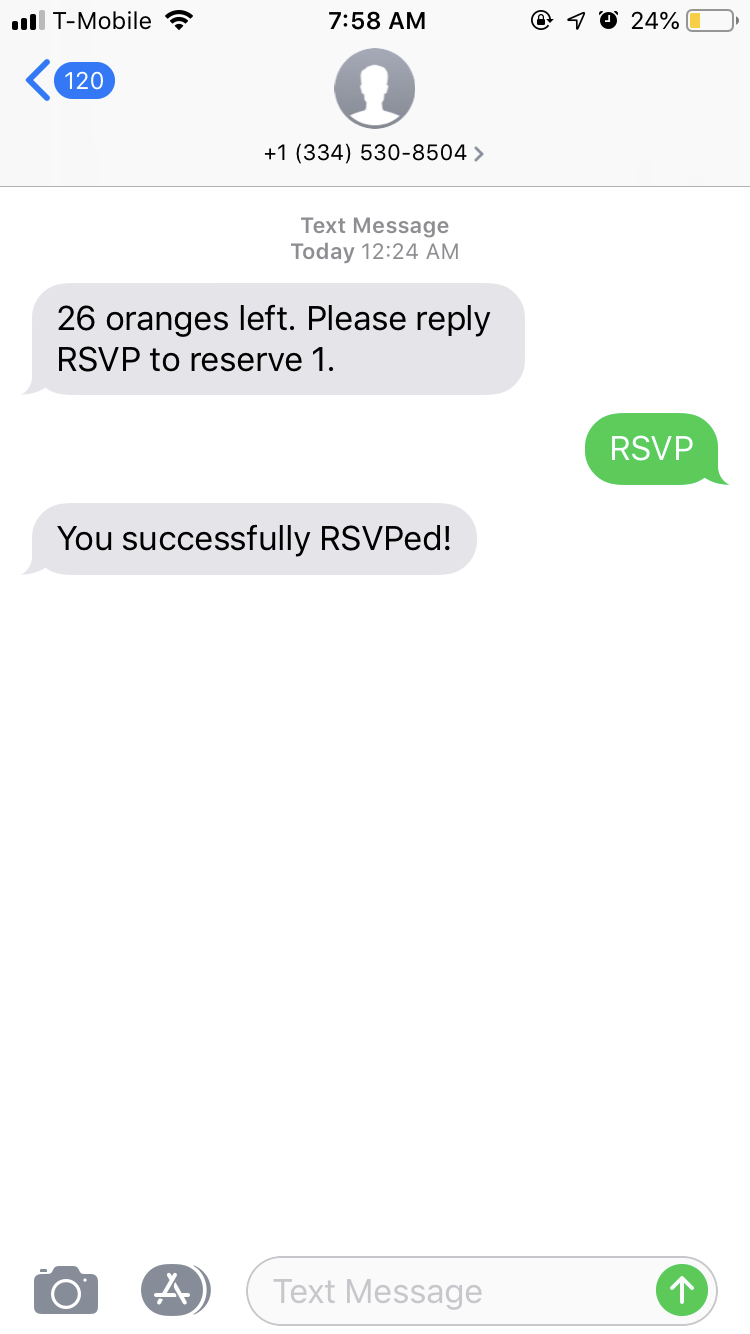
People in need get sms notification on free food info! and RSVPed for an orange
Inspiration
At the St Francis Community Center, people have seen so many cases of how children are saved from death, illnesses, and bad school performance from being able to feed themselves well. The children not enrolled in such programs are much less luckier. However, just a few miles away, the food wastage in supermarkets, groceries, and even that compiled in NGOs, are as prevalent as other cities in the US.
What it does
The app matches excess food with people that need it. The restaurants and organizations agreeing to give out free food at the end of each day have their food kinds and amounts scanned and input by the camera and the image recognition of our app, and all users are alerted of food sources within 15 mins of their closing time.
How we built it
We built the frontend using Android Studio and its native design element and the backend using flask. The image recognition function is realized using Google Cloud Vision API and the communication between frontend and backend is via and open sourced library called okhttp3.
Challenges we ran into
All of our team members completely don't have any app development experiences before
Accomplishments that we're proud of
The things we learned
What we learned
Everything being listed above
What's next for Meal.lly
Verification login page and Operation aspects between offline and online

Log in or sign up for Devpost to join the conversation.