-
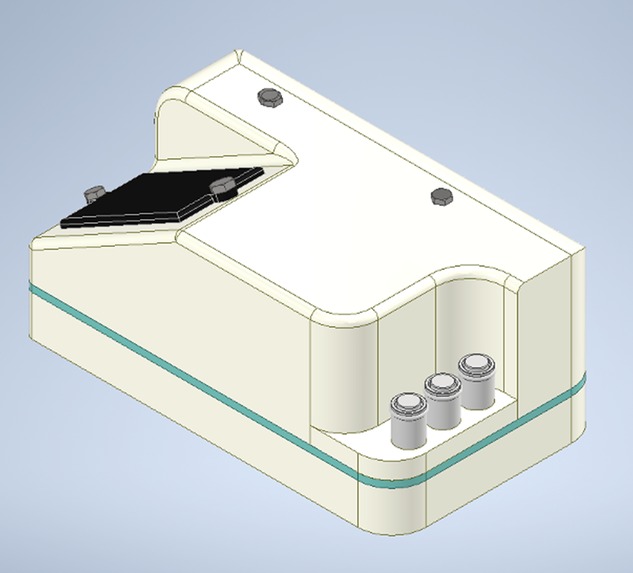
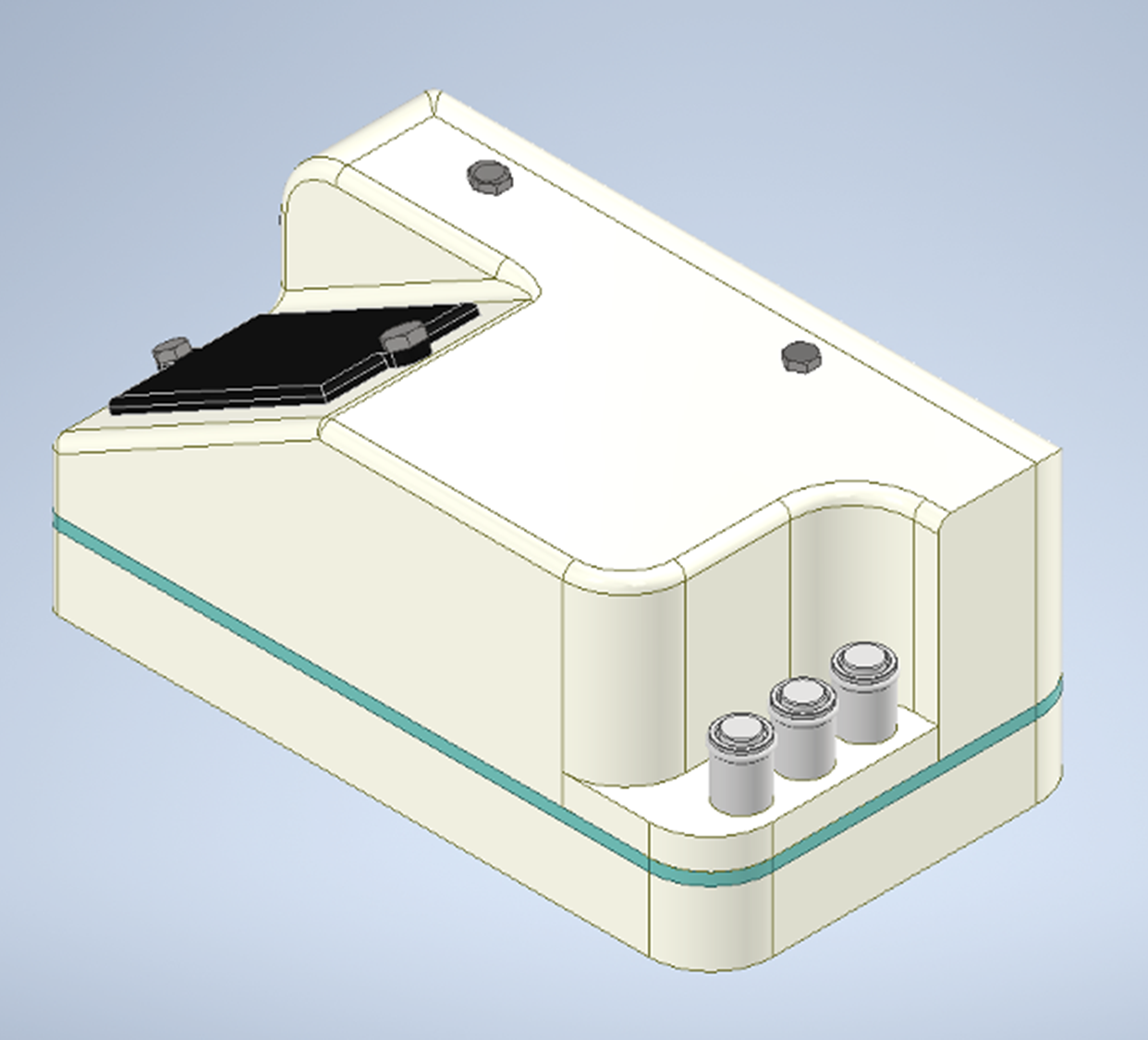
Design #2
-
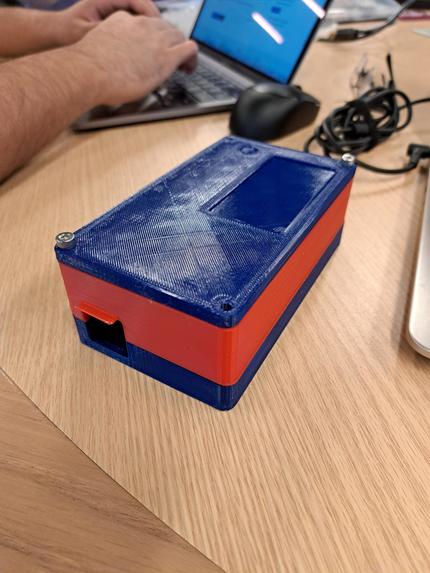
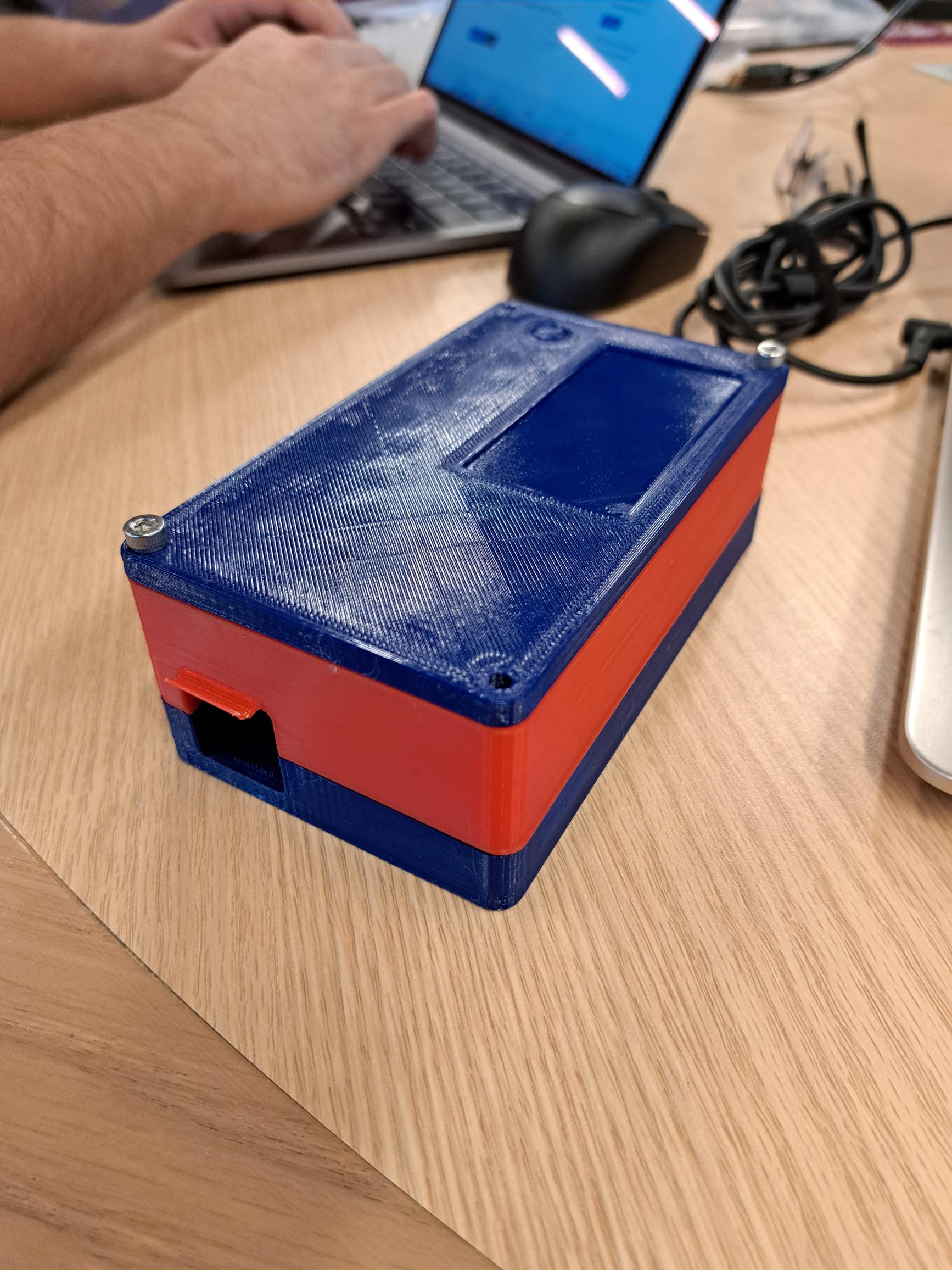
Design #1
Inspiration
At the core of our journey is an unwavering conviction in the potential of transformative medical devices. Our project was driven by the desire to improve and foster the efficiency and ease of use of at home diagnostic devices that were commonly distributed to homes around the world due to the COVID-19 Pandemic. Join us as we embark on a journey to rewrite the narrative of medical at home diagnostics, creating a legacy that echoes the spirit of innovation and user empowerment.
What it does
Our project is an innovative reader designed to seamlessly interface with the diagnostic device's cartridge and accurately capture the results of the LF assay. By incorporating a designated slot for users to insert the diagnostic device, we mitigate the risk of user error. The device features an integrated motor that facilitates a smooth and controlled movement, ensuring uniform mixing of fluids. This innovative approach prioritizes user-friendliness while emphasizing reusability.
How we built it
Our initial approach involved a thorough examination of the issue, engaging in an extensive brainstorming session to generate ideas. Then, we made these conceptualizations into preliminary drawings and designs on paper, drawing inspiration from both our experiences and real-world examples used in various industries. While some concepts proved effective, others fell short but through collaboration, we eventually reached a consensus on a specific idea. This chosen concept featured a designated hole or cavity for users to insert the medical device, reminiscent of a credit card machine, which discreetly takes it away from the user and automatically inserts it at a controlled pace after reaching a specific depth. This chosen concept was then further developed into two distinct designs, each meticulously crafted with its own set of advantages and disadvantages, utilizing Autodesk Inventor for the final design.
Challenges we ran into
We found certain shapes or designs made in the preliminary designs very difficult to implement using Autodesk Inventor, due to the lack of time and difficulty of the geometry.
Accomplishments that we're proud of
We are proud of the innovative ideas that have emerged, blending our commitment to advancing medical self-diagnostics with a passion for engineering. Witnessing the project evolve from conceptualization to a tangible reality has been a truly rewarding experience for us.
What we learned
We learned the invaluable lesson of collaboration, understanding how diverse perspectives fuel innovation. The iterative process of refining ideas to address challenges not only honed our technical skills in Autodesk Inventor but also underscored the significance of adaptability in the dynamic landscape of healthcare solutions.
What's next for LFADR
Some next steps for the project could involve conducting a thorough examination of the PCB boards and exploring the seamless integration of electronics with the mechanical design. Additionally, a subsequent phase could entail incorporating user feedback to enhance the overall user experience and pursuing a visually appealing design refinement.

Log in or sign up for Devpost to join the conversation.