-
-
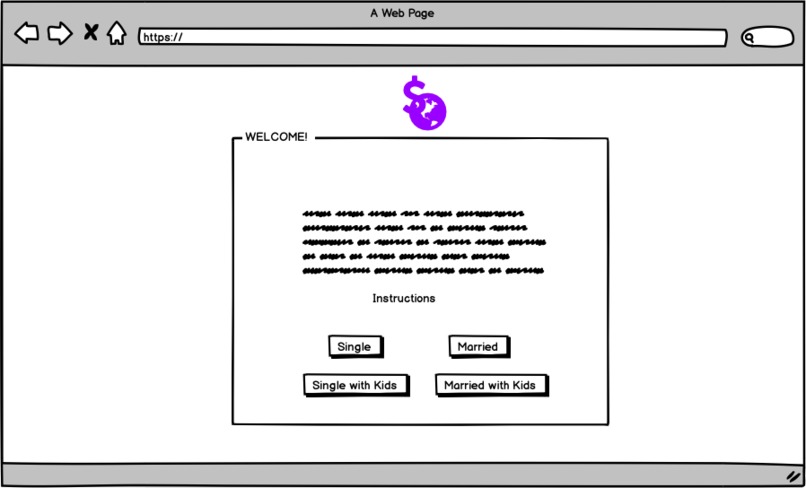
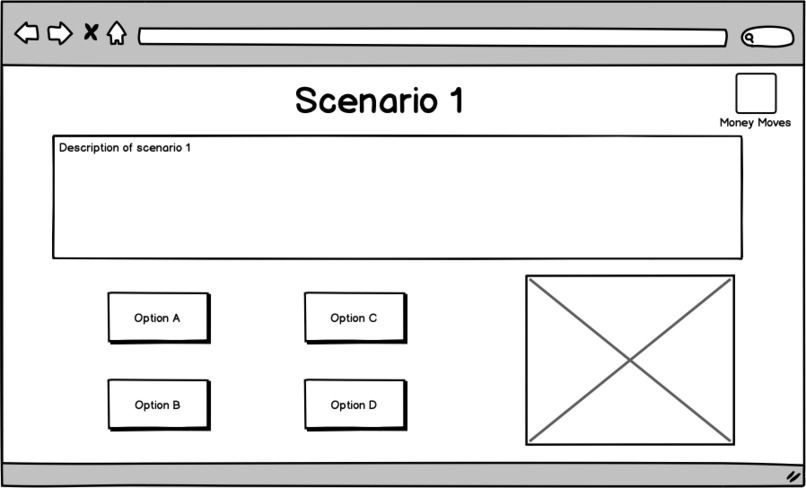
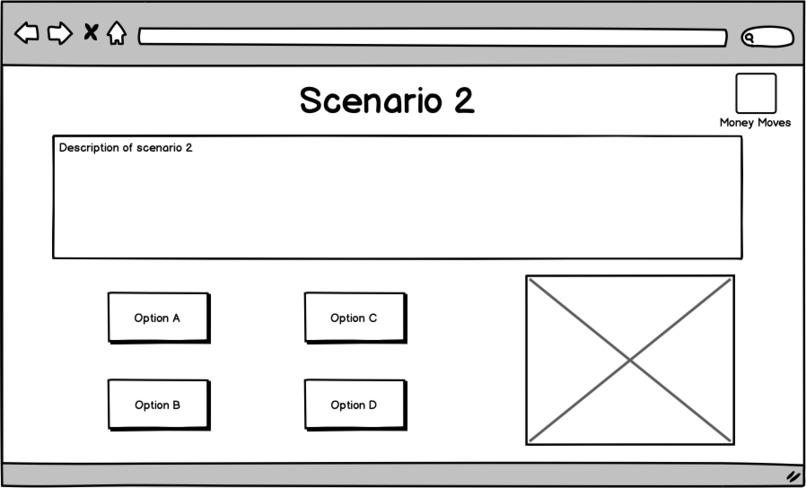
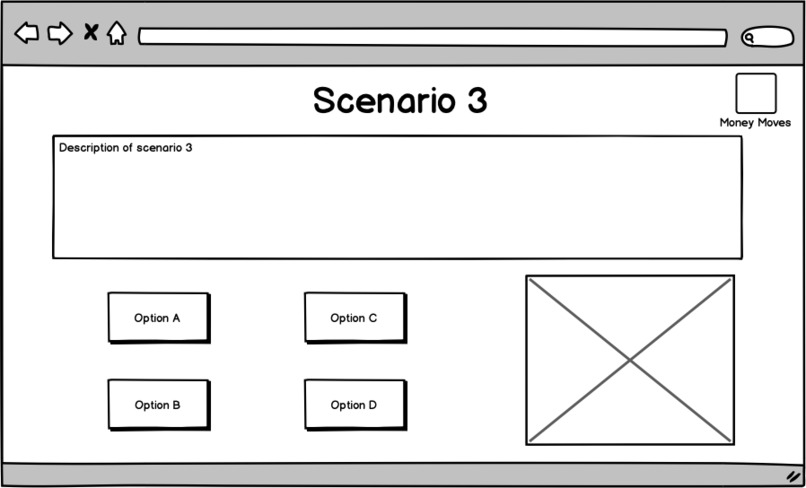
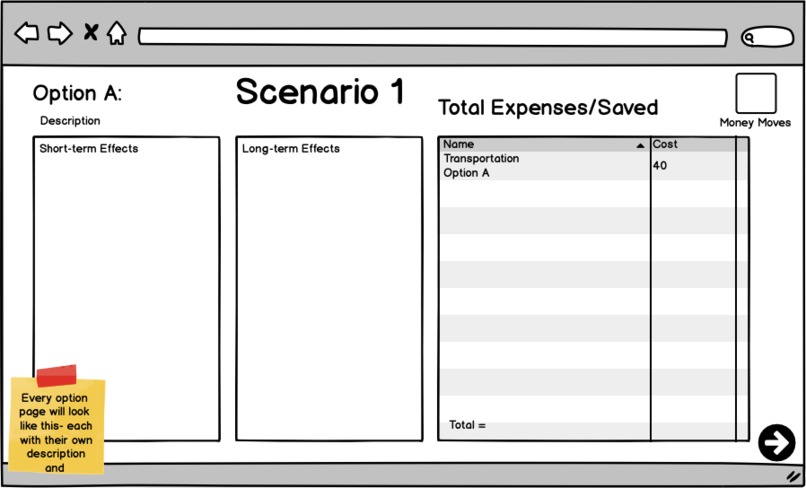
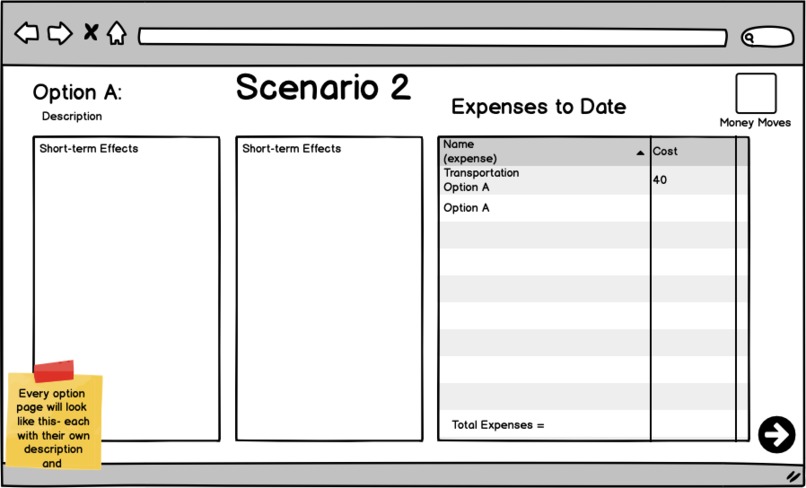
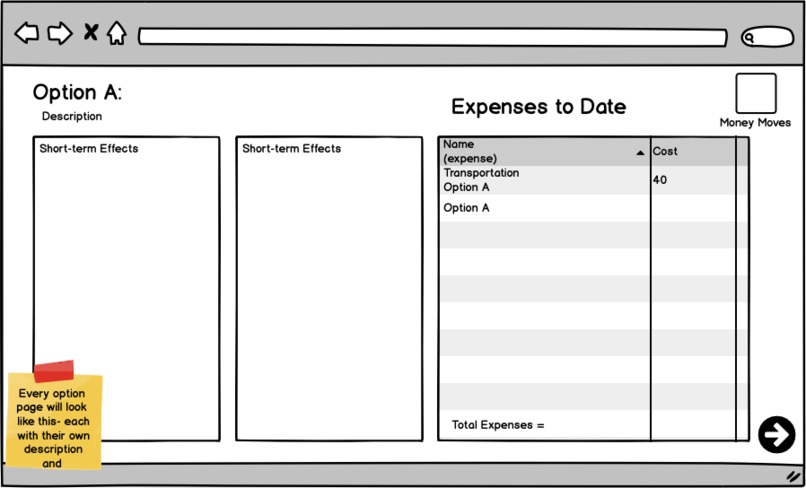
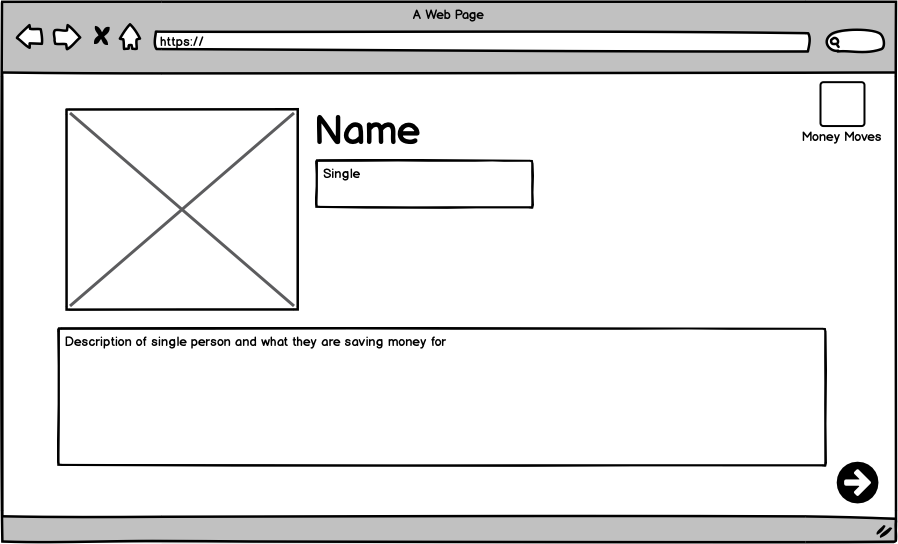
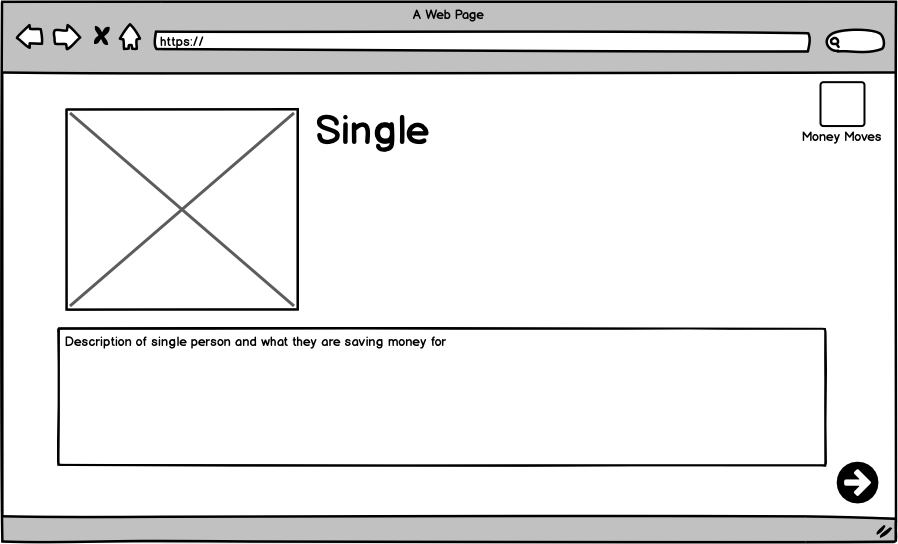
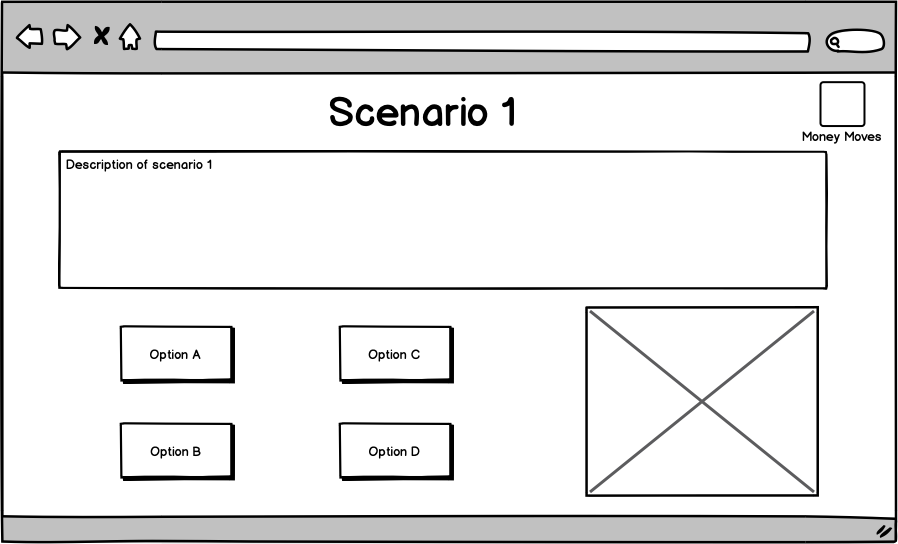
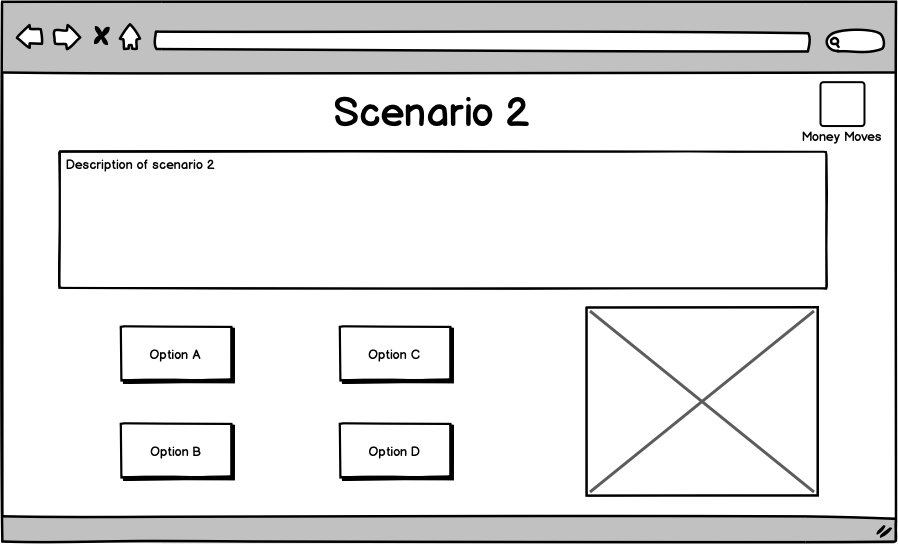
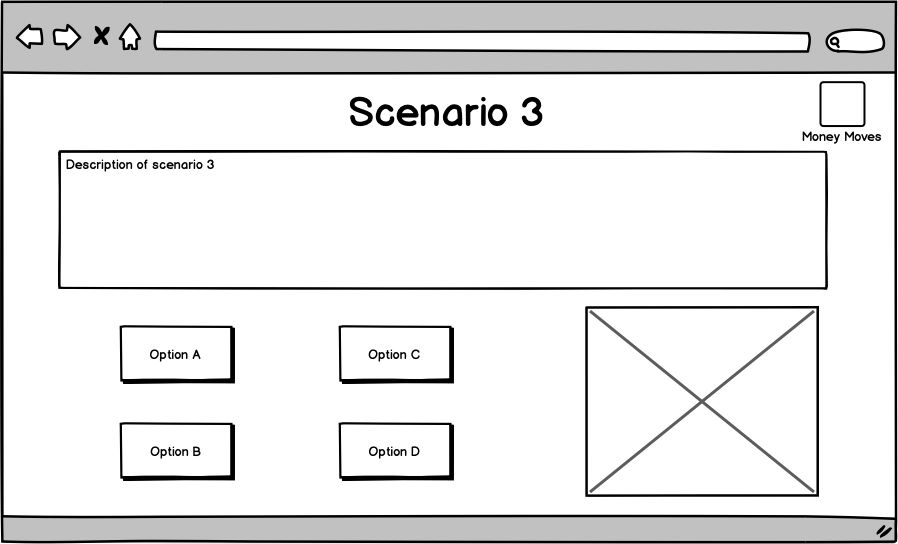
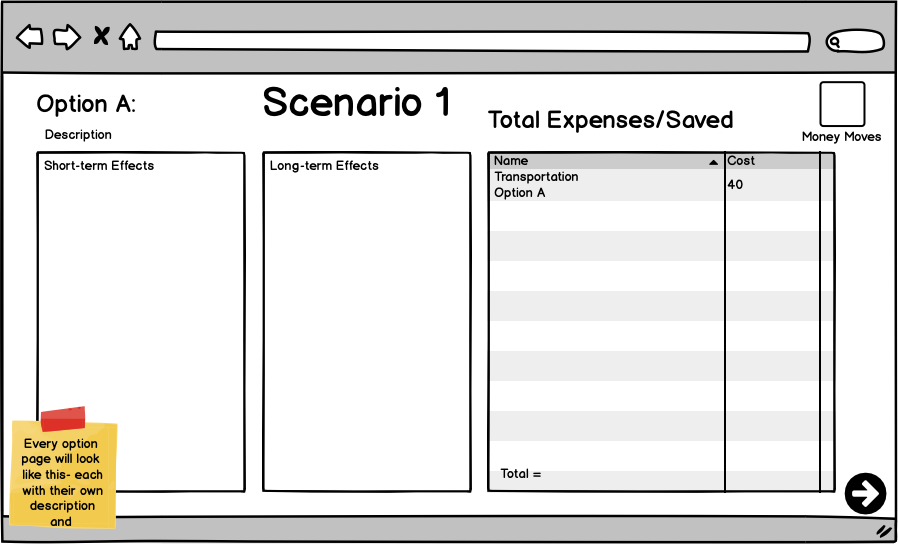
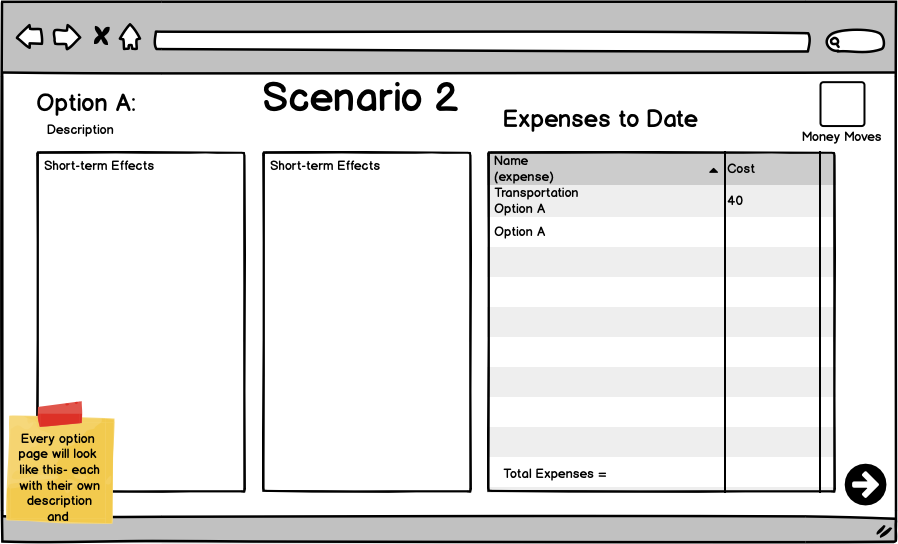
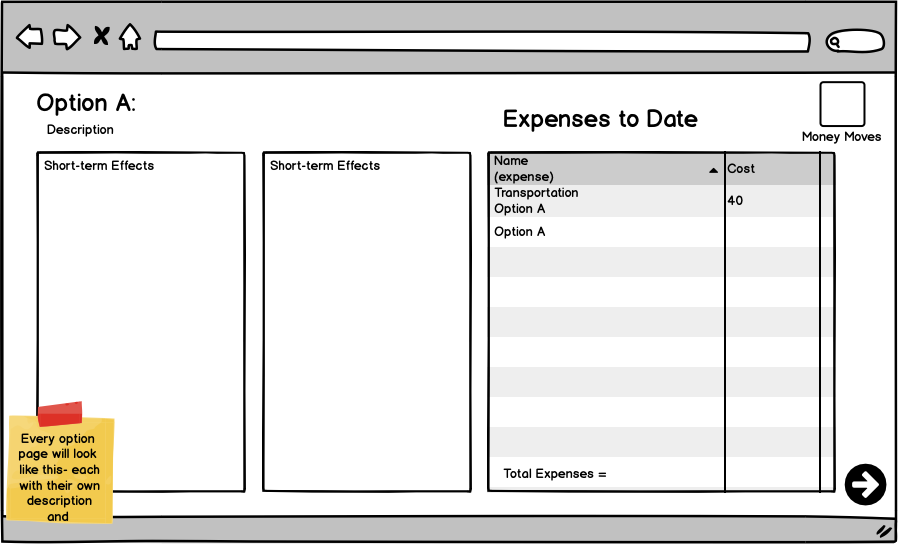
Page of app that displays scenario and option.
-
-
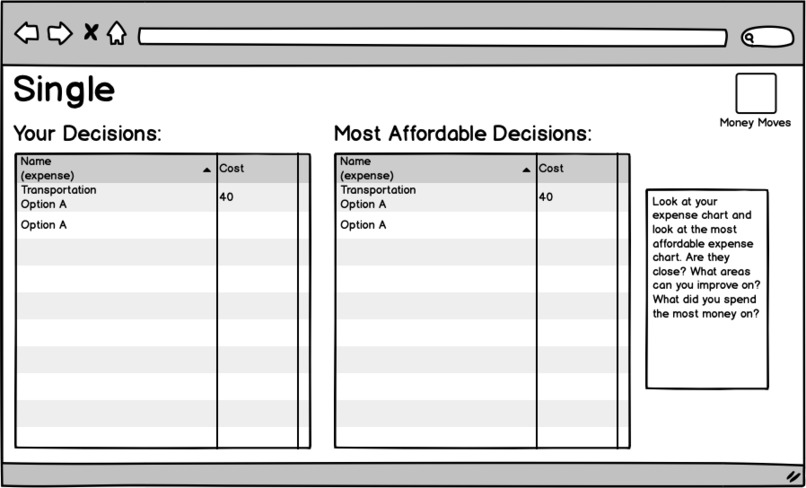
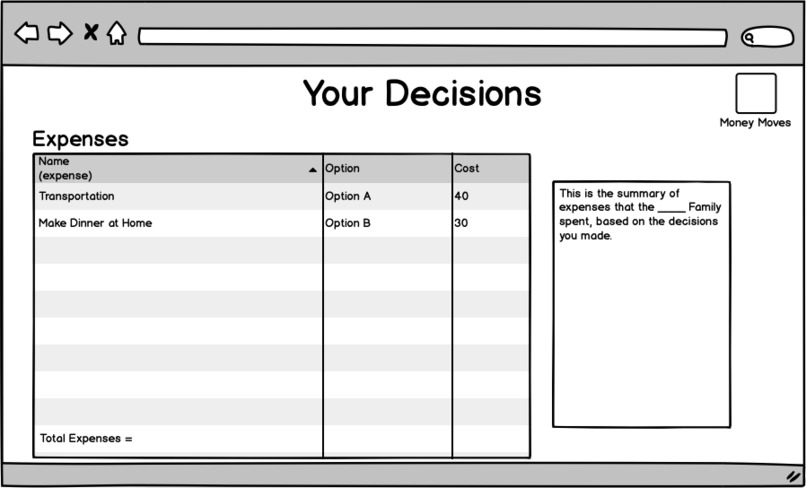
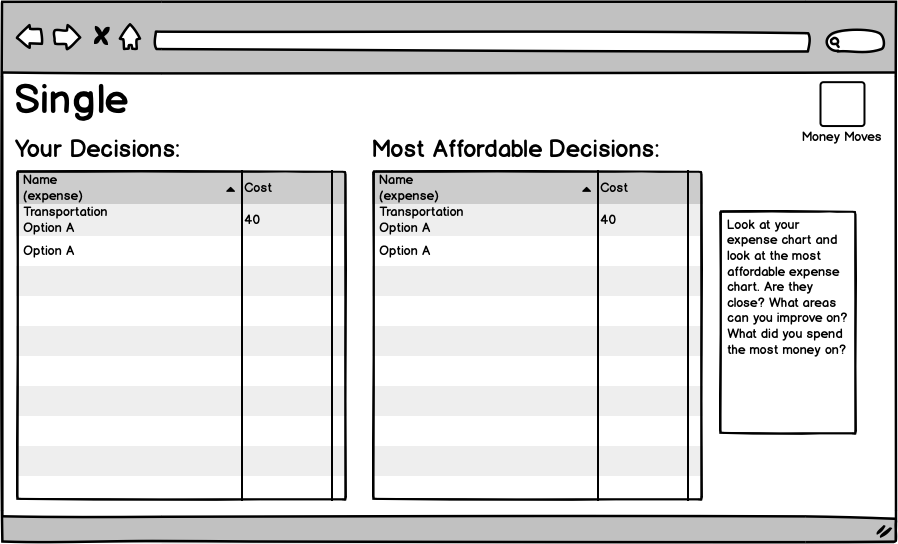
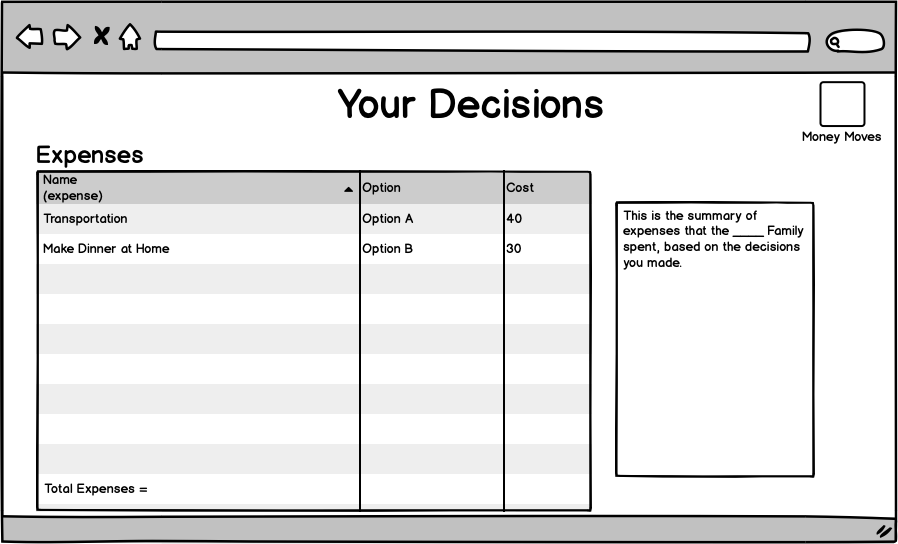
Extension: Shows an accounting summary of user actions vs recommended actions.
-
-
-
-
-
-
-
-
Inspiration
"Financial Literacy is an issue in the United States." - Survey of Financial Advisors
"It is clear that Financial Literacy is one of the factors that separates the haves from the have-nots." - Investmentnews.com
Statements like these expose the issue of Financial illiteracy in the United States. Most high-schoolers and college graduates are unaware of the implications of not saving, the effects of student loan or credit card debt on personal finances or various means of financial investments. MCubed was conceived to tackle the issue of financial literacy in the country and attempt to bridge the gap.
What it does
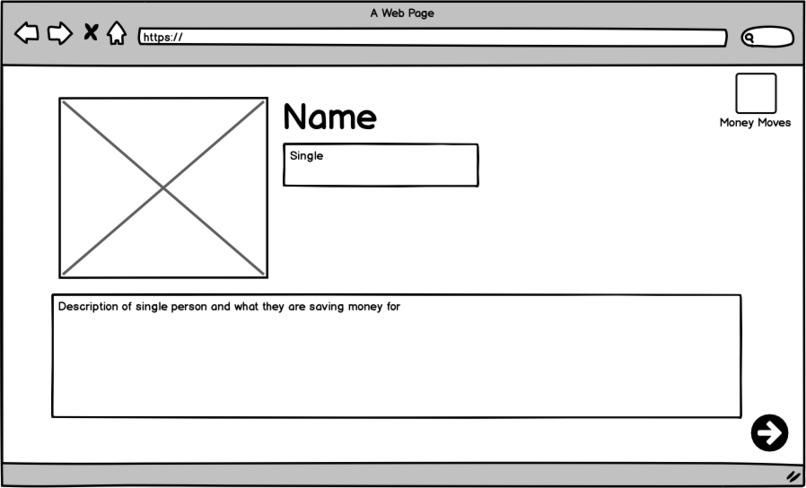
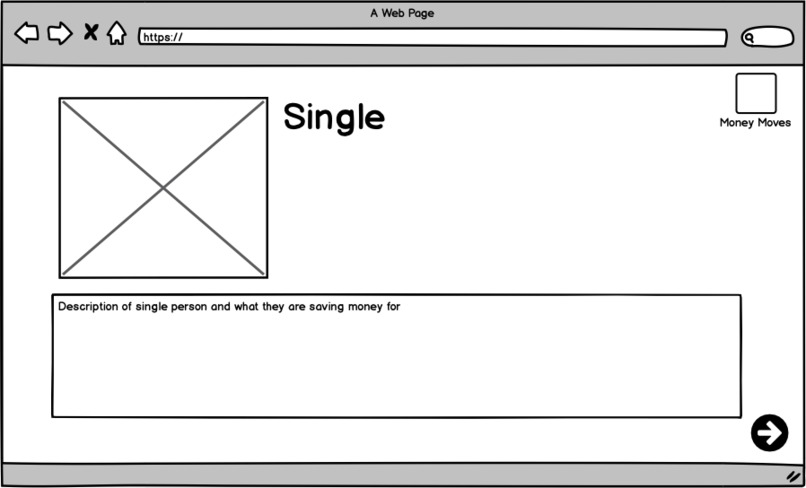
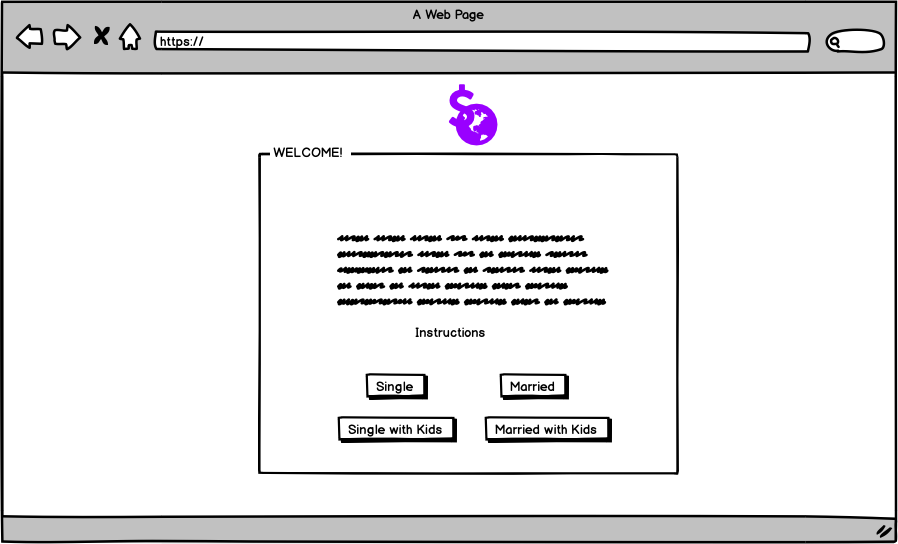
MCubed takes people on a simulated journey into the finances of fictional individuals/characters in various financial positions and encourages the browser to make decisions on behalf of the fictional character. The simulation keeps track of various decisions, what these decisions costs the fictional character and at the end of the simulation, displays how "financially-savvy" the individuals chosen actions were.
These scores are then logged onto the users profiles and then could be used to target specific financial education courses that the user could take to increase their "financially-savvy" score. The long term goal is to build an ecosystem of financial education testing metrics and courses and partner with financial organizations to offer perks for completing specific courses or achieving certain scores.
Individuals - Learn more about money and become financially savvy by taking personalised courses.
Organizations - Promote your brand by being part of peoples financial education journey.
How we built it
We built the simulation using the React framework. The framework uses a database of questions and displays one question at a time to the user with multiple options or "actions" for the user to choose. Each of these actions have a cost associated with them and upon choosing, the cost is deducted from the account of the simulated person. The program keeps track of the users choices and then shows them a personalized recommendation at the end and a score that tracks the "financial savviness" of the user.
Challenges we ran into
Tech Stack - The first issue was to determine the specific tech stack that we could use to build the project on. We made initial attempts to use Flutter and R Shiny to build the project. Neither of them worked out due to lack of experience in the group as well as the complexities involved in personalizing the project. R Shiny, especially, was cumbersome when it came to the personalisation of the UI and the functionality for tracking the scores. We then decided to use the React framework for our project.
Data - The aspect of data is just as important as the technology behind this project. It was particularly challenging to come up with scenarios and analyse the impact of not only each choice, but also each combination of choices and how they impact the simulated character. At the current moment, we have decided to simplify the simulation by limiting the number of choices and the number of questions.
Accomplishments that we're proud of
We now have an initial prototype of what the end product will look like. The quiz functionality, while basic, is functional and displays simple recommendations to the user based on their choices.
Given our limited experience in web app development and having to learn React on the fly, we were able to rely on each other and use the process of trial and error to build the application.
The strength of the team lies in Data Analytics and Accounting. An extension of this product will incorporate an element of Data Analytics and Data Visualisation by displaying the ideal budget of the simulated character and a budget created via the choices of the user in the simulation.
What we learned
With two of four members having a relatively strong web app development experience, two having a strong data analytics experience and one member having a strong Accounting background, we were able to use our interdisciplinary skills to our advantage and build a strong proof of concept. During the process of hacking, we were able to familiarise ourselves with the basics of using React to develop web applications and techniques to assess the awareness of financial literacy for an individual.
What's next for MCubed
Implementing a Machine Learning Model - Provided we can obtain a reasonable amount of data, one of the extension goals is to incorporate a Machine Learning Model in order to aid the generation of specific scenarios, options in a scenario and quantify the financial impact of a particular option and combination of options in the scenario.
Creating Personalised Educational Content - The individual data that we will have access to can be used to create personalized financial education content that users can use to improve their financial literacy scores. We expect that the content will be created by the MCubed team or by collaborating with financial institutions.
Partnerships with Organisations - Another extension of the project will be to partner with financial institutions to encourage and reward users to complete simulations and courses. For example, a simulation that assesses the users knowledge of credit cards can be administered and a personalised course educating them on credit card usage and impact of credit card debt can be taken by the user at the end of the simulation could be sponsored by a credit card company that in turn rewards users with a financial incentive upon completing the program.


Log in or sign up for Devpost to join the conversation.