-
-

MC Render logo
-
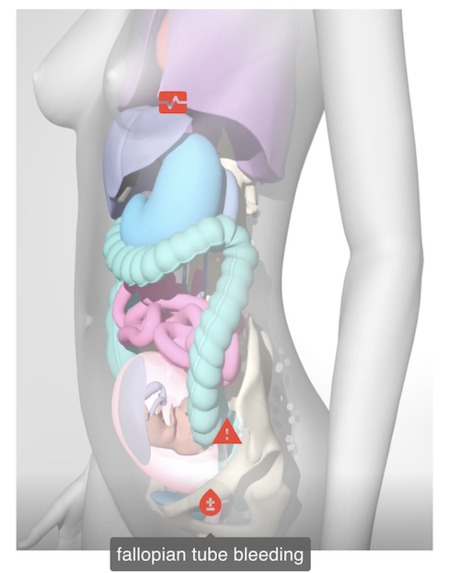
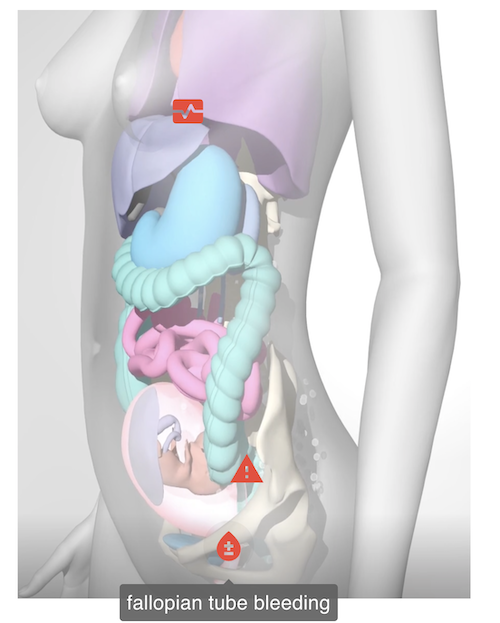
Output of program - visual of pregnancy ER visit note with key issues and anatomically correct
-
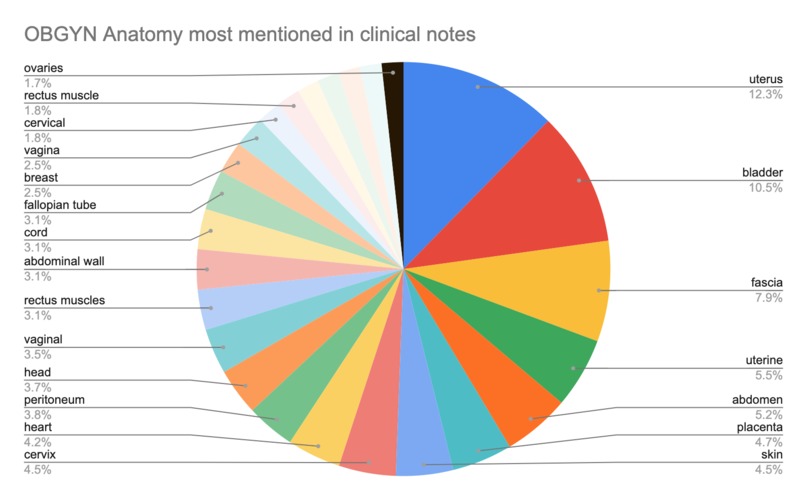
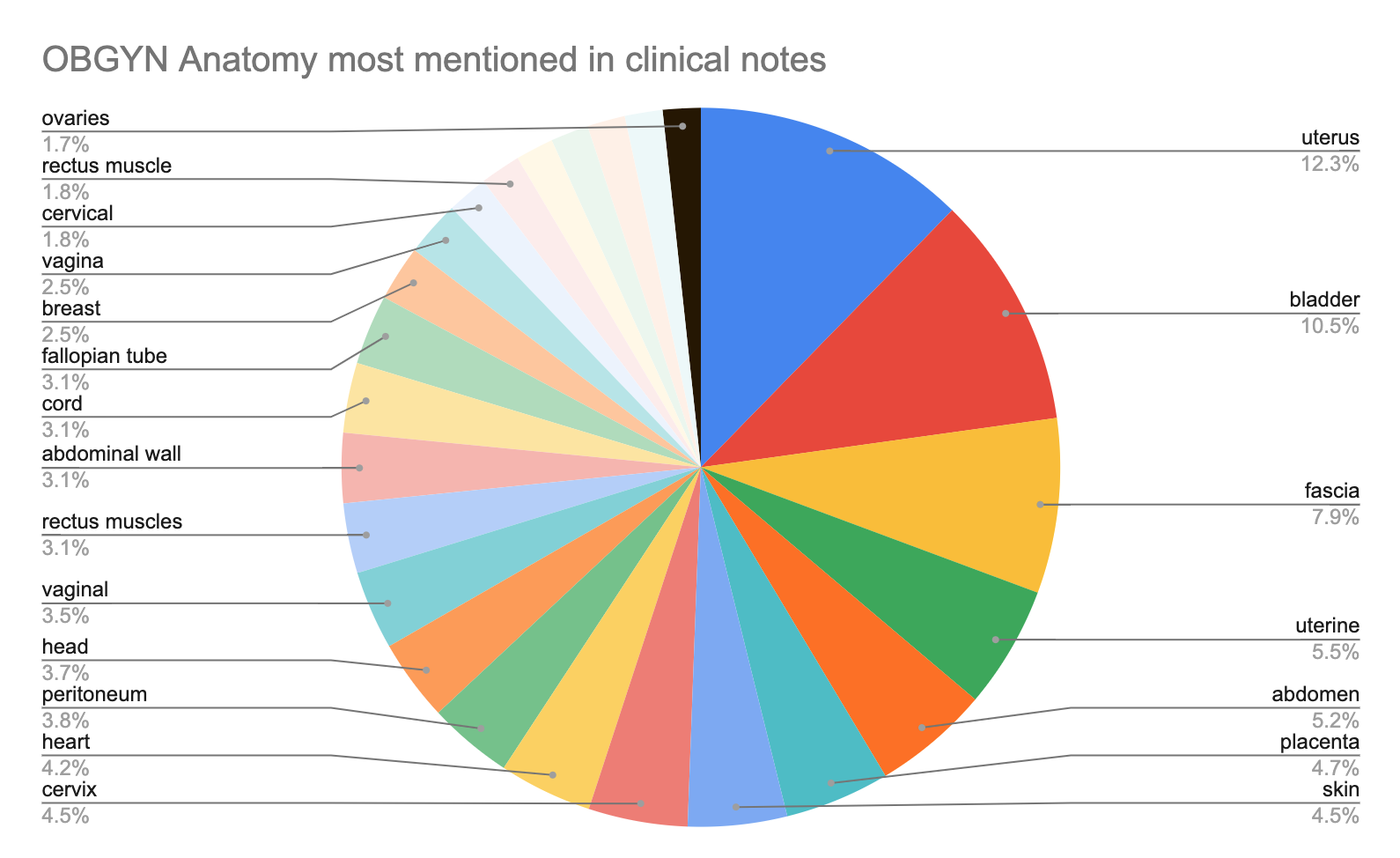
Stats of common anatomy from analysis of mtsamples OBGYN data
-
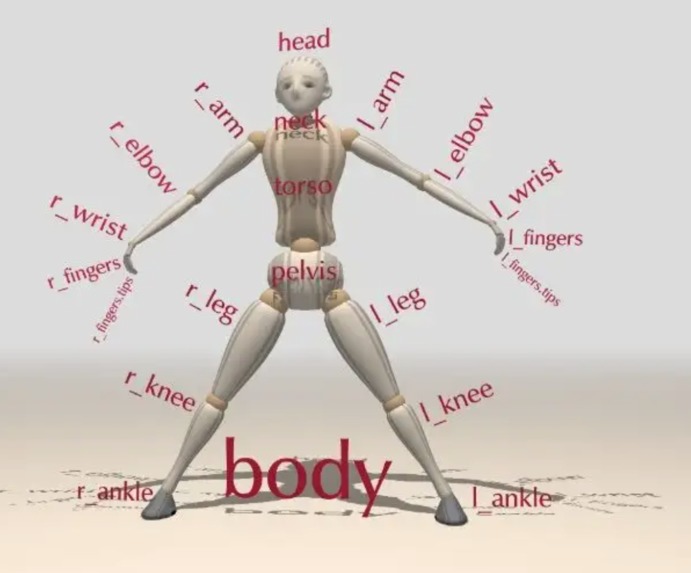
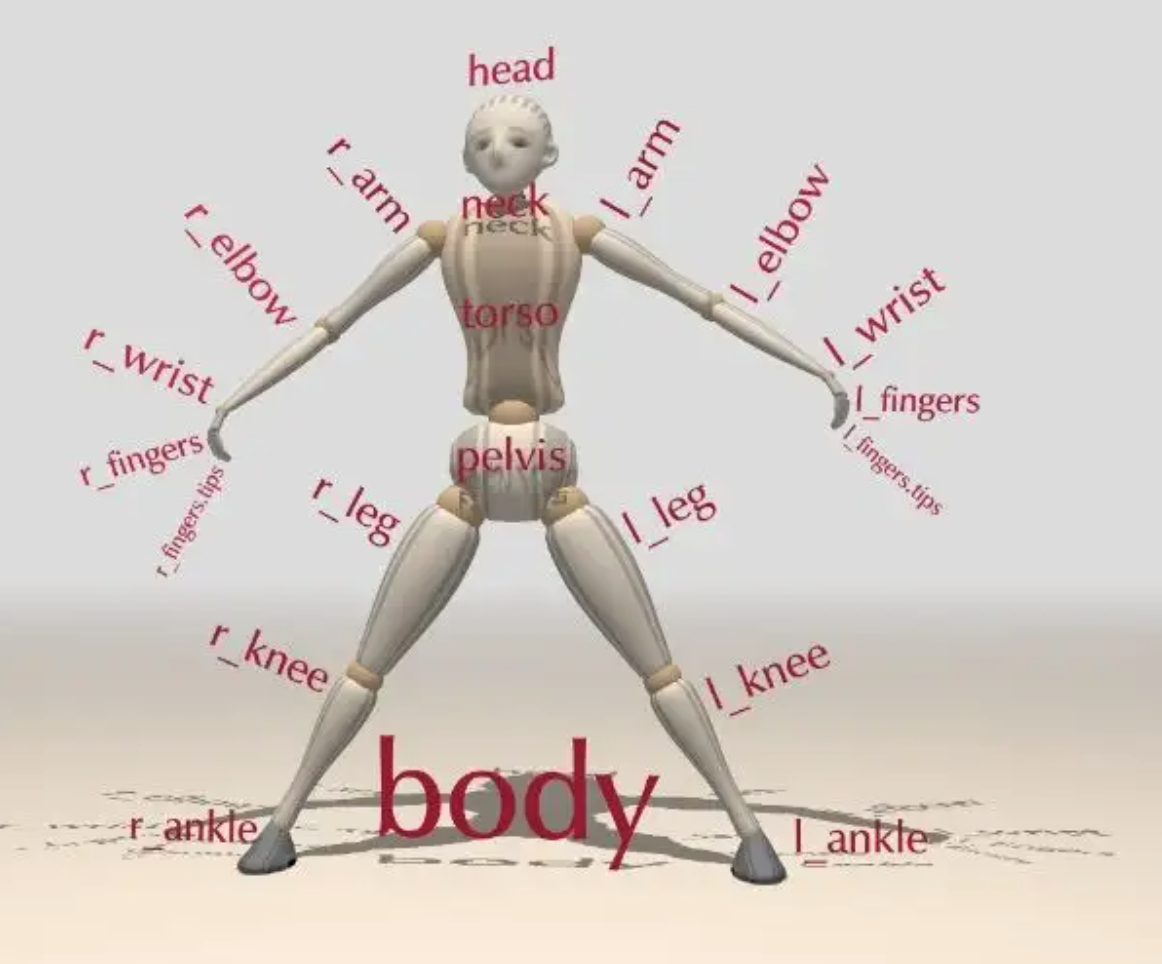
built concept of three.js body and tagging body parts
-
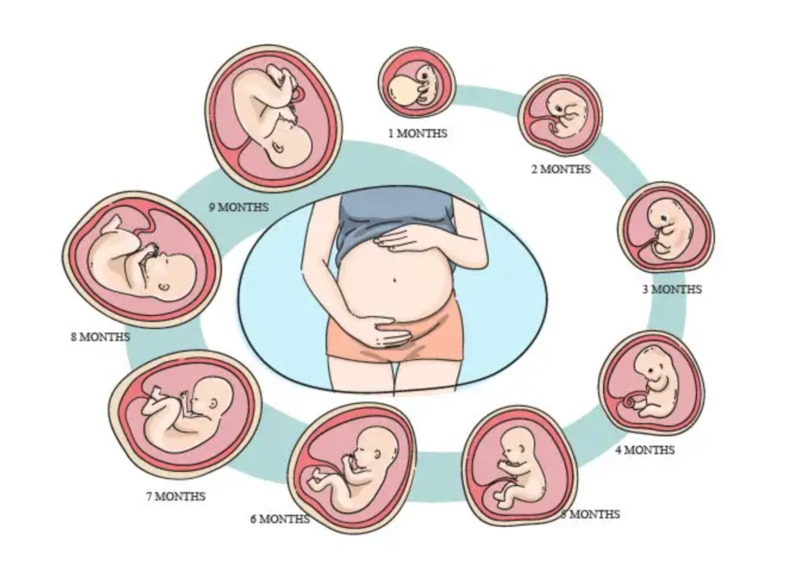
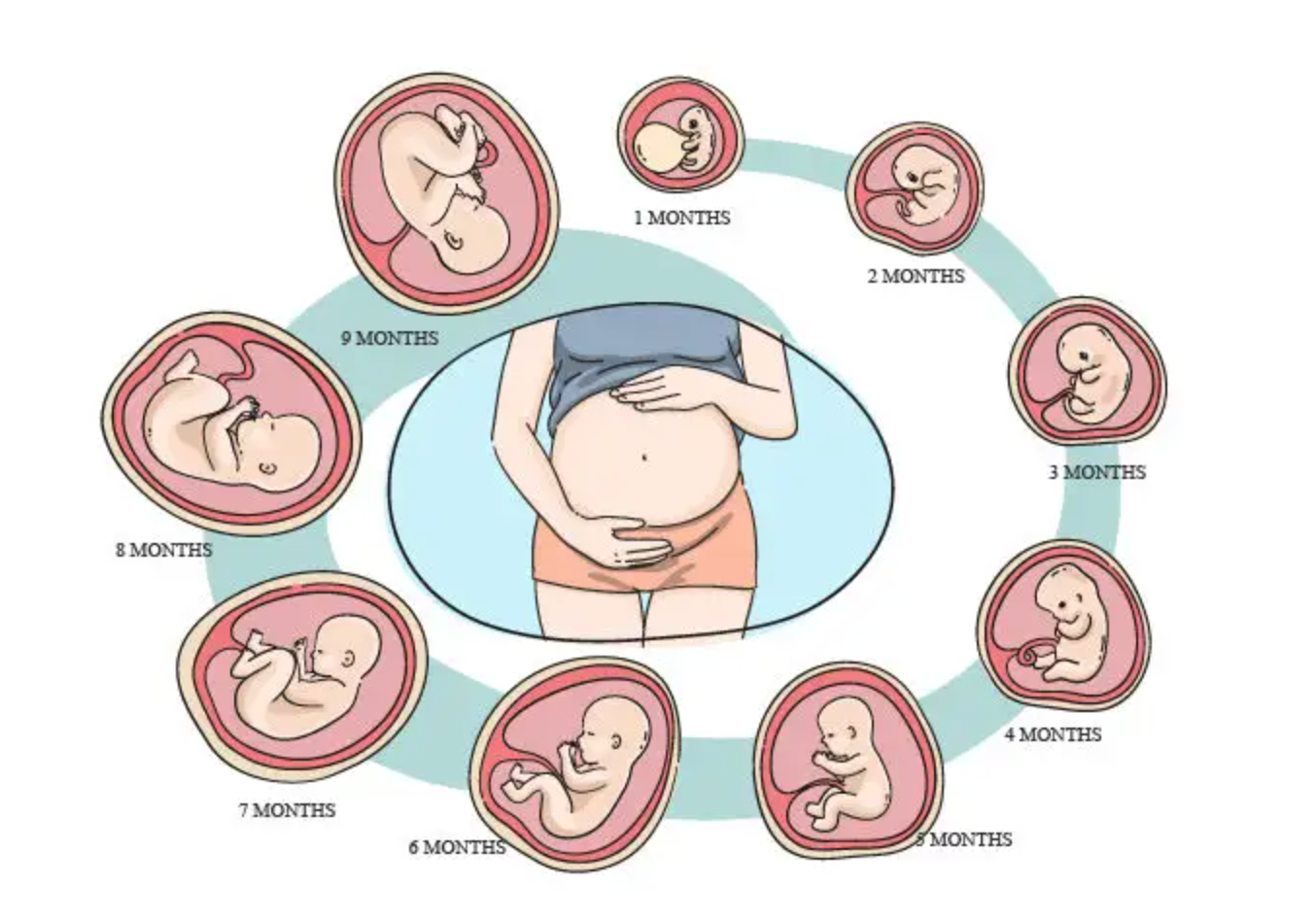
Show full pregnancy journey if I had more longitudinal data for one patient across 9 months.

Inspiration
I wanted to create something that could be useful using only the existing medical notes and to help care teams be more efficient within the hospital and even auto share a simplified visual with the patient and their family.
What it does
MC Render auto generates a visual based on a medical note. It leverages AWS Medical Comprehend and post processing to determine a base image and key visual highlights to use considering anatomy and medical conditions found.
How we built it
Using mtsamples.com data, kaggle data, and other information to baseline the notes. Python for data processing and api React.js for web framework Material UI for component library Three.js for future 3D full body renders that are interactive. Graphic design for visuals and icons
Challenges we ran into
Three.js is a lot of work to get fully custom body parts in a webGL 3D canvas for the web. With more capital and time we build this out in 3-6 months.
Accomplishments that we're proud of
Post processing details of an OB/GYN pregnancy use cases and having nice visuals to quickly show useful information about a medical note in ER/urgent and routine use cases.
What we learned
Medical notes have many different dimensions and categories of data from vitals, to anatomy, to conditions, to medications, to problems and future plans.
What's next for MC Render
full 3D webGL three.js based human body that can dynamically be built up and to highlight key areas and overlay information from a note. Also ability to stitch a timeline of notes together for a patient, for example in maternity over 9 months, to let the visuals tell a story.


Log in or sign up for Devpost to join the conversation.