-
-
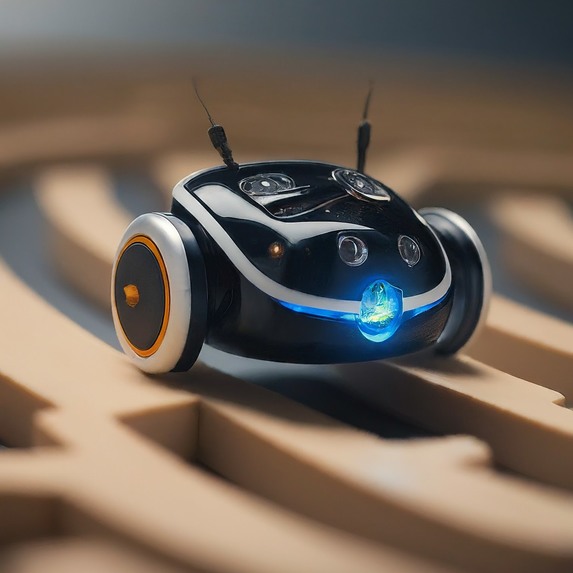
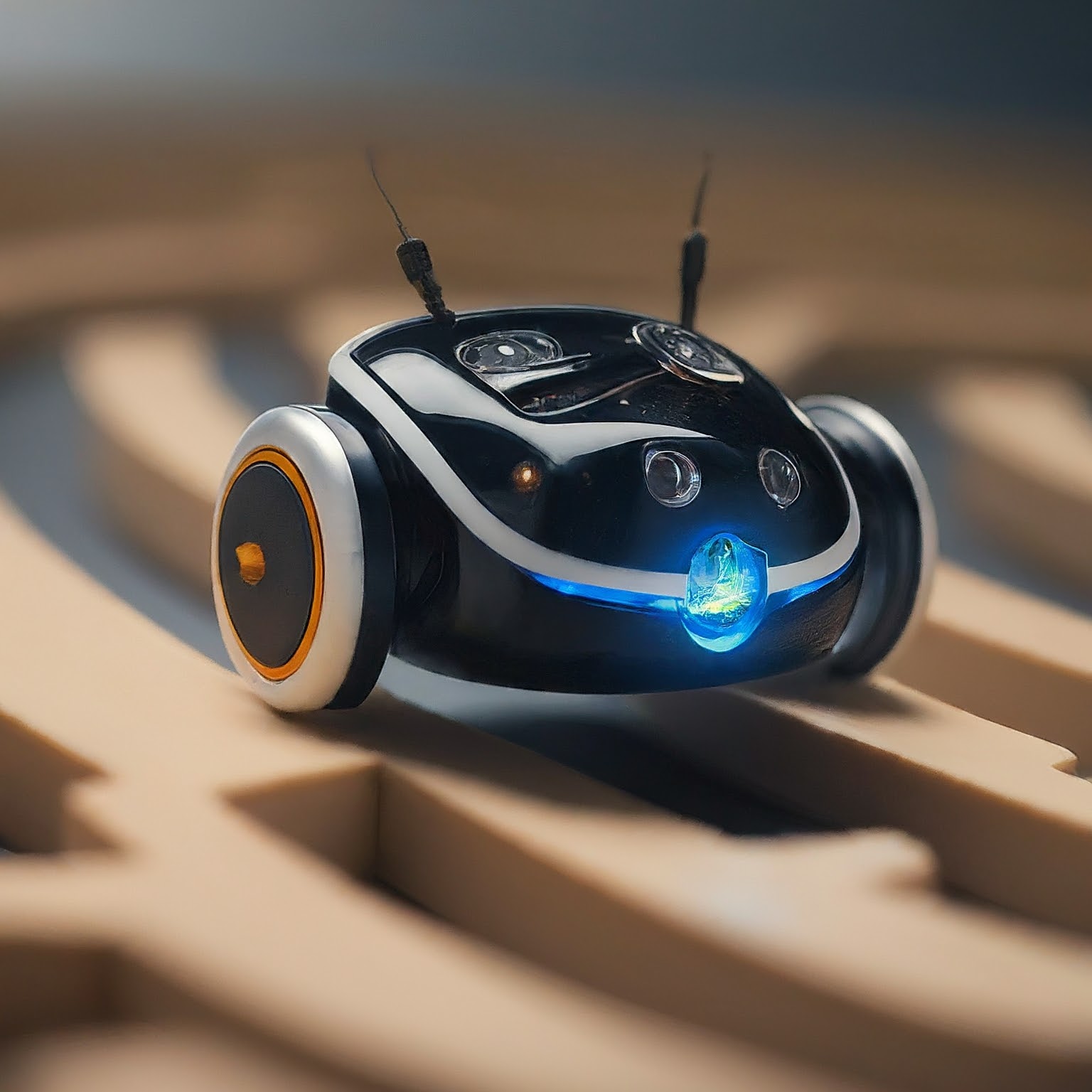
Arrowhead MazeMaster
-
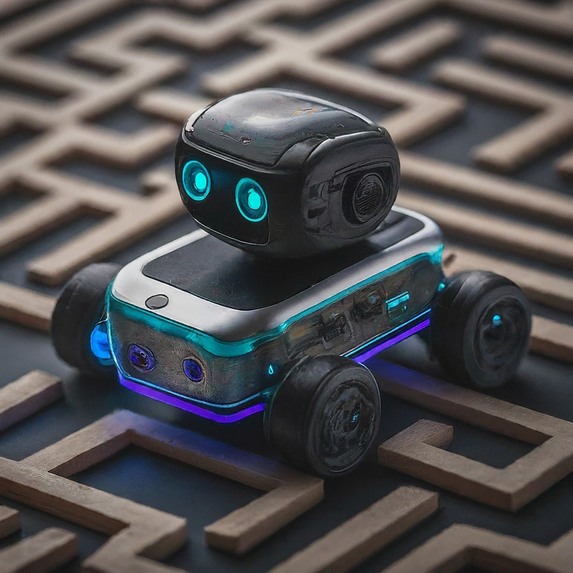
Arrowhead MazeMaster
-
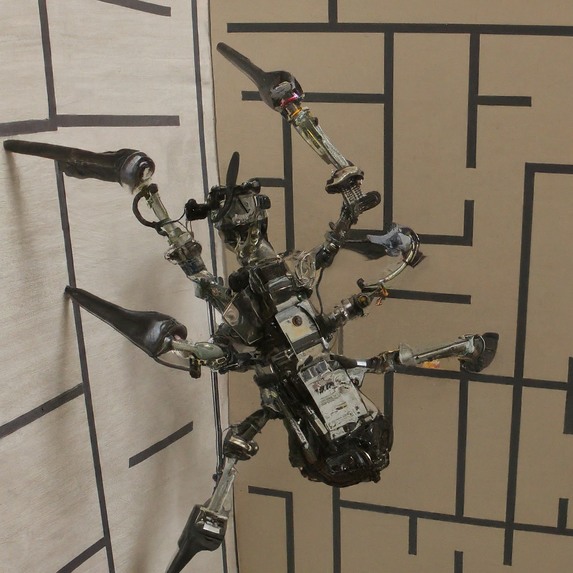
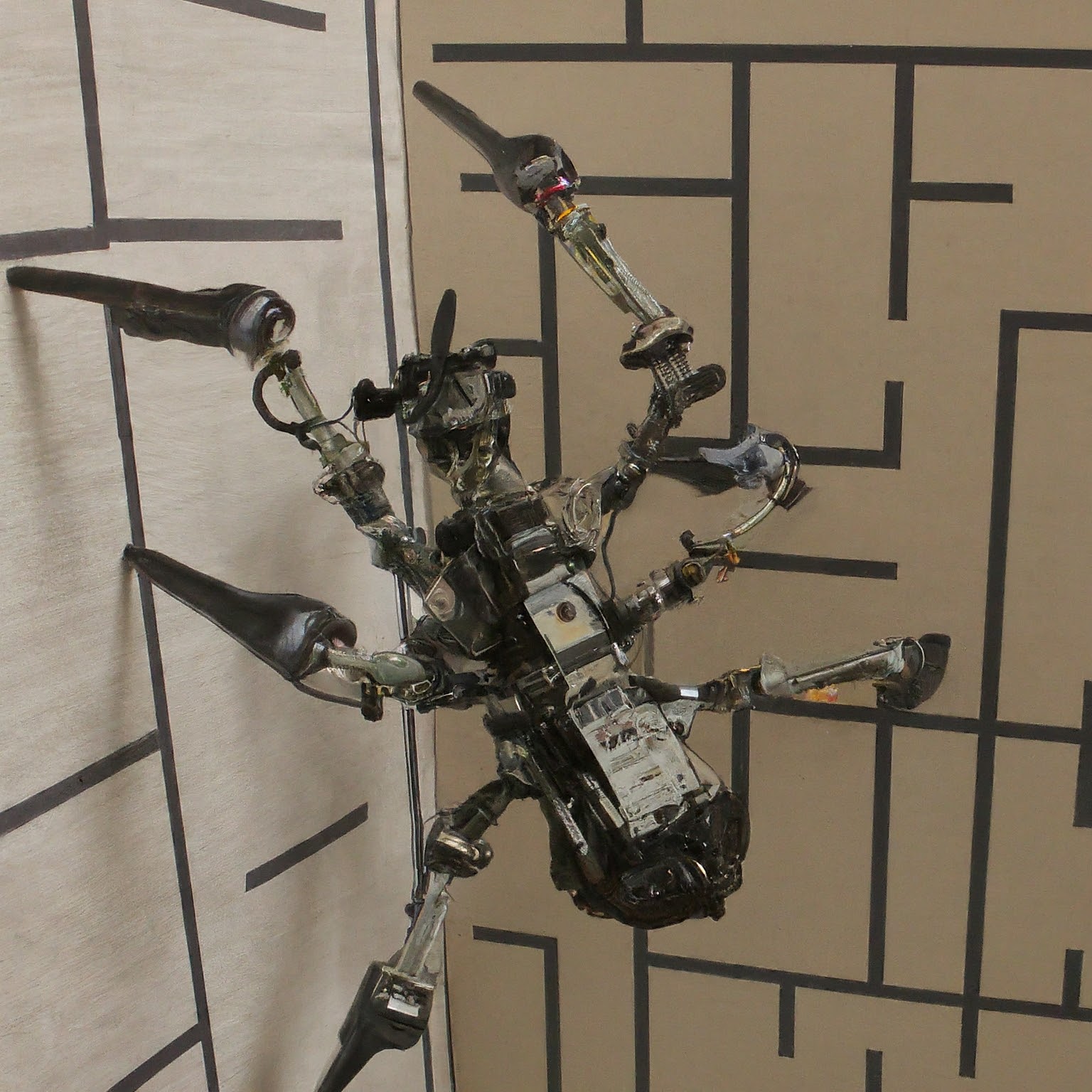
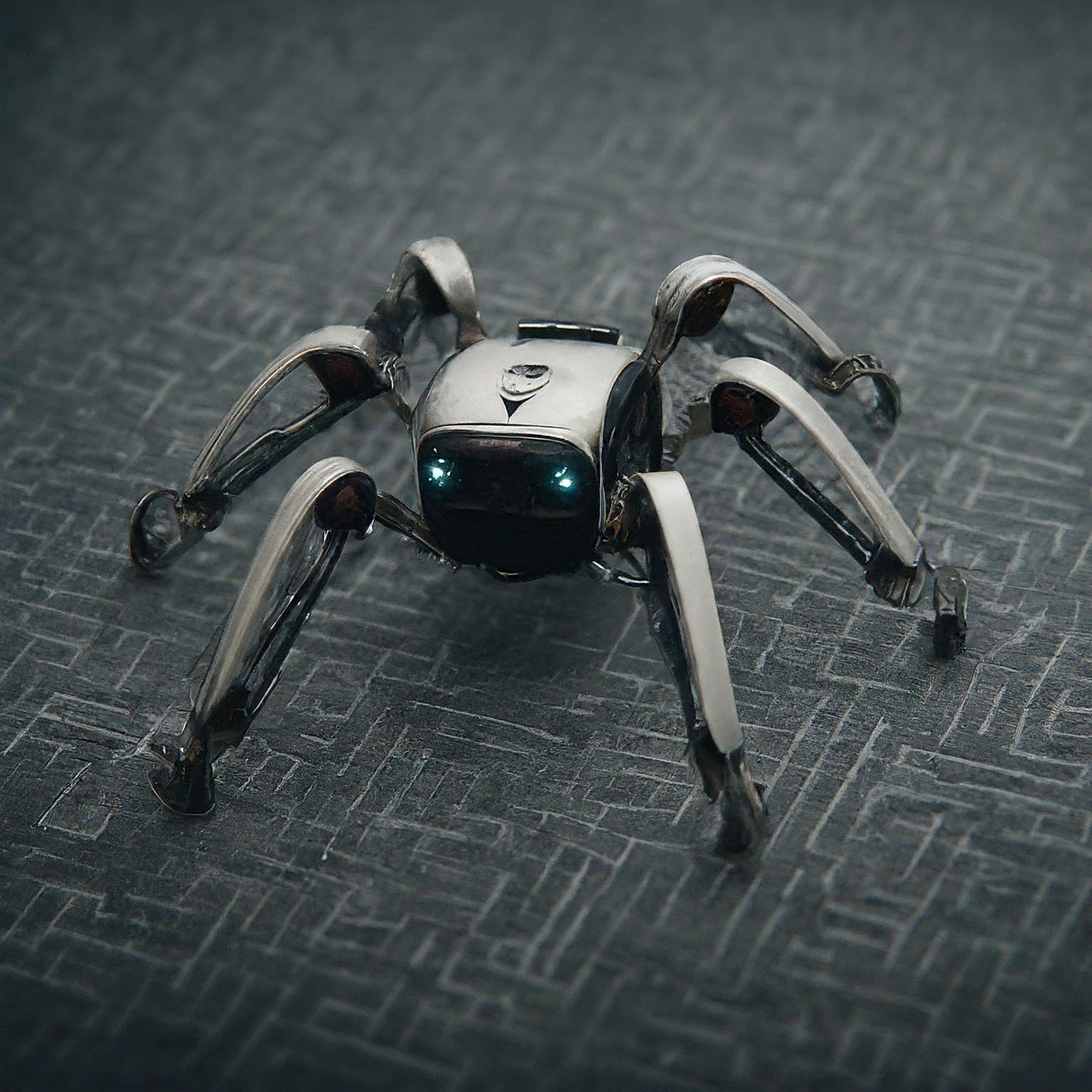
Spider MazeMaster
-
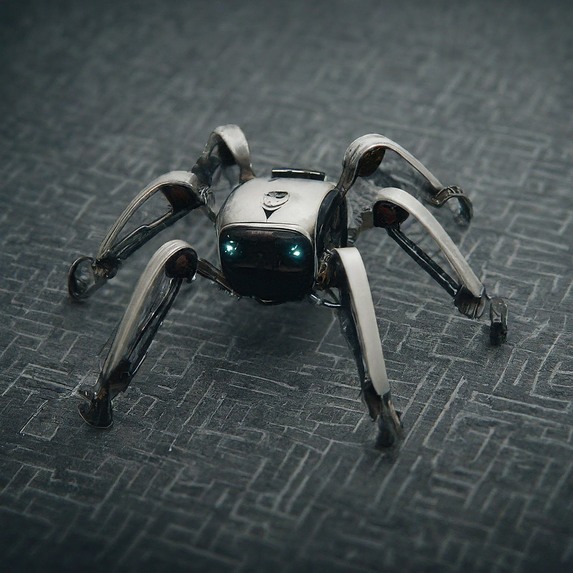
Spider MazeMaster
-
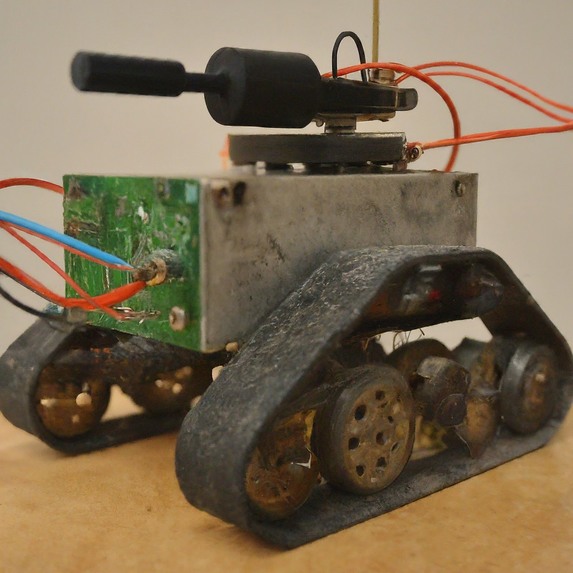
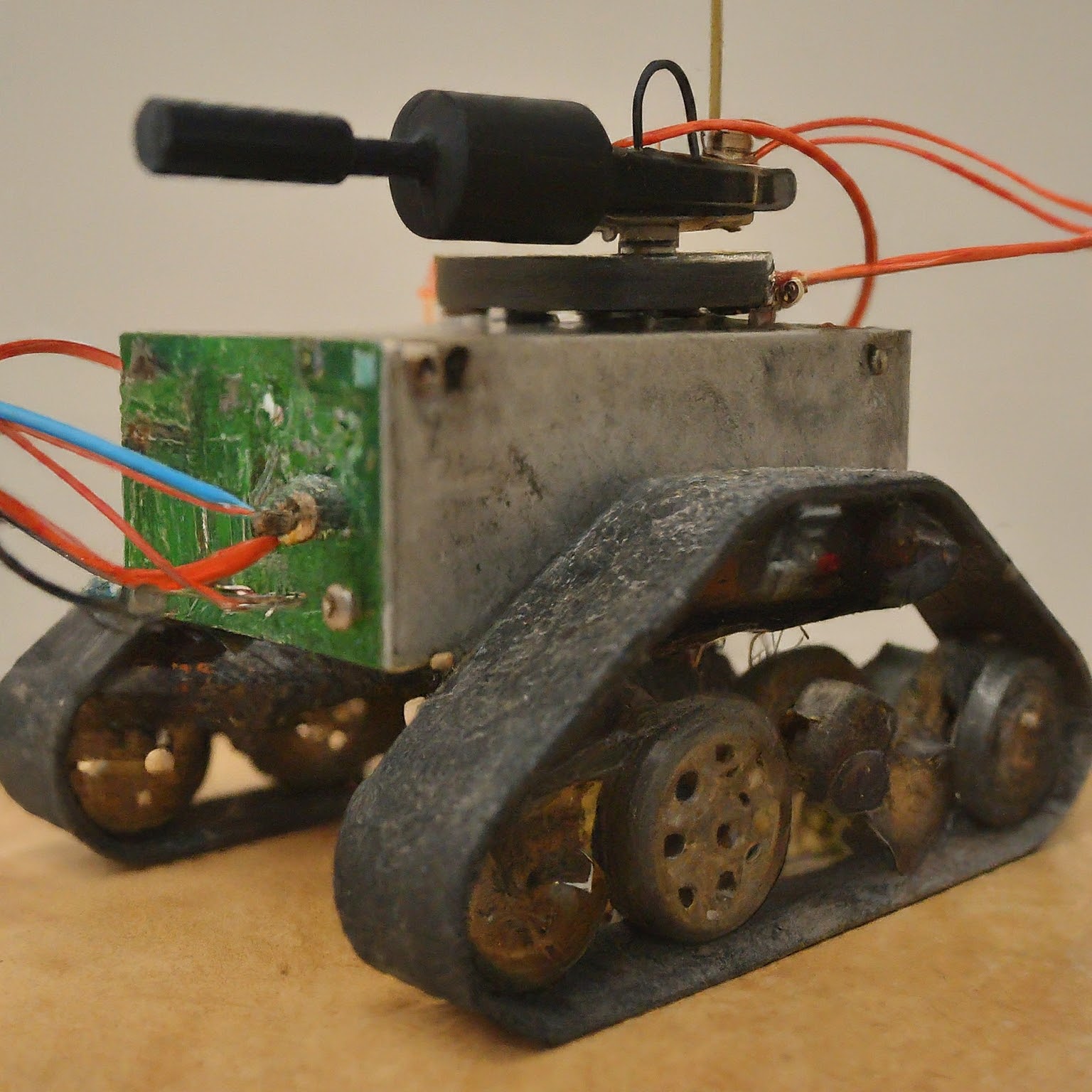
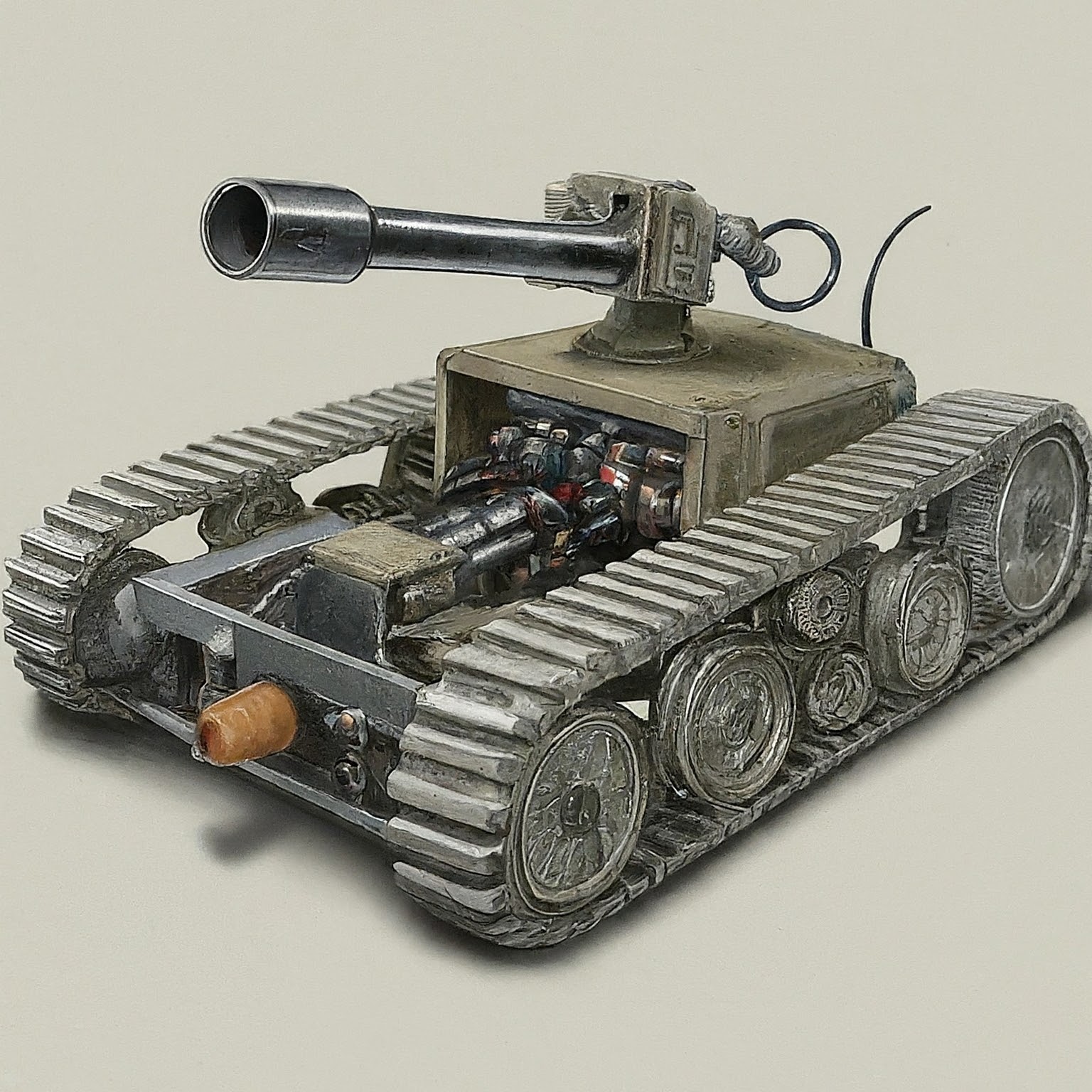
Tank MazeMaster
-
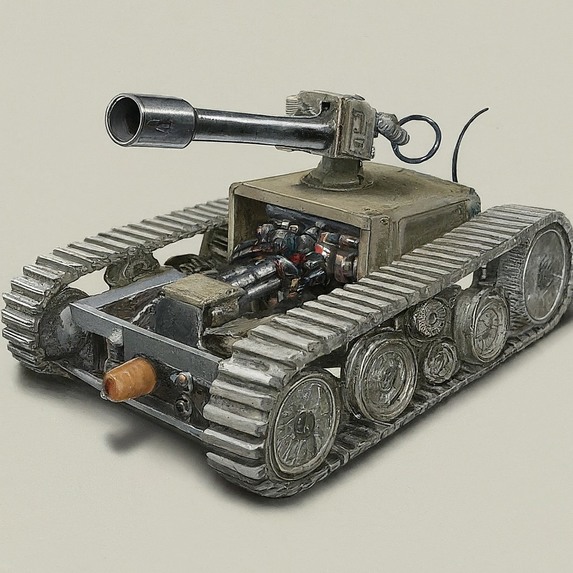
Tank MazeMaster
-
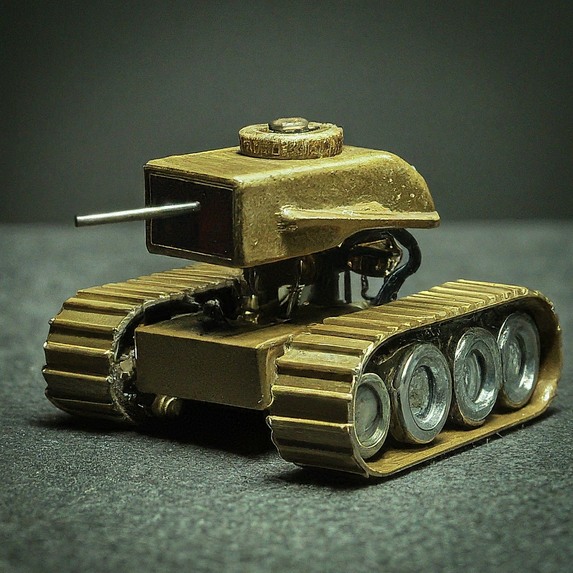
Tank MazeMaster
-
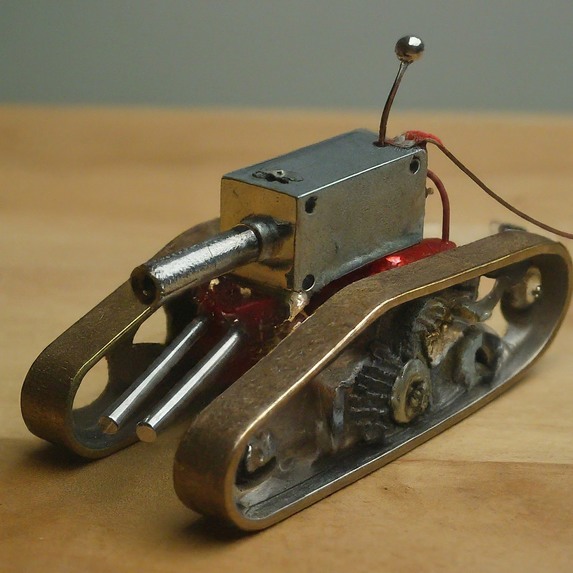
Tank MazeMaster



Absolutely! Here's the content you requested, tailored to your MazeMaster project:
Inspiration 🐭
Our team was inspired by the challenge of creating a robot that could autonomously navigate complex environments and adapt to unpredictable situations. The IEEE Micromouse Competition provided the perfect platform to test our skills in robotics, algorithm design, and mechanical engineering.
What it does 🪤
MazeMaster is a micromouse designed to excel in the IEEE Micromouse Competition. It utilizes a combination of advanced sensors (infrared, ultrasonic, potentially LiDAR) to map and navigate mazes with remarkable speed and precision. Its intelligent algorithms analyze the maze layout in real-time, optimizing the path for the fastest possible completion time. MazeMaster is also capable of learning and adapting to new mazes, improving its performance with each run.
How we built it 🏗️
We started with extensive research into maze-solving algorithms, sensor technologies, and mechanical design principles. We then used CAD software to design and prototype various iterations of MazeMaster, refining the chassis, wheel configuration, and sensor placement. We wrote custom code for the robot's control system, integrating maze-solving algorithms, sensor data processing, and motor control. Extensive testing and iterative improvement led us to the final design.
Challenges we ran into 🚧
- Sensor Integration: Combining data from multiple sensor types and ensuring their accuracy in different lighting conditions proved challenging.
- Algorithm Optimization: Developing algorithms that could quickly analyze maze layouts and generate optimal paths required extensive testing and refinement.
- Mechanical Design: Balancing speed, maneuverability, and stability in a compact design was a constant challenge.
Accomplishments that we're proud of 🏆
- MazeMaster's Speed: Our robot consistently achieves impressive speeds in mazes, thanks to its lightweight design, powerful motors, and optimized algorithms.
- Adaptive Navigation: MazeMaster's ability to learn and adapt to new mazes showcases its intelligent decision-making capabilities.
- Collaboration: Our team's collaboration and dedication resulted in a high-performing robot that exceeded our initial expectations.
What we learned 🏫
- Importance of Iteration: The design process was iterative, requiring constant testing and refinement to achieve optimal performance.
- Value of Collaboration: Teamwork was essential for integrating different aspects of the project (mechanical, electrical, software).
- The Joy of Problem-Solving: Overcoming challenges and seeing MazeMaster's success was incredibly rewarding.
What's next for MazeMaster 🌌
- Further Optimization: We plan to continue refining MazeMaster's algorithms and mechanical design to improve its performance even further.
- Advanced Features: We'll explore adding features like machine learning for even more adaptable maze-solving.
- Community Engagement: We aim to share our knowledge and experience with the robotics community, inspiring others to explore the exciting world of micromouse engineering.
Design 1: The "Arrowhead"
- Key Features:
- Arrowhead shape for reduced air resistance and easy movement through tight corners.
- Three-wheel configuration (two front, one rear) for precise turning and quick adjustments in direction.
- Infrared distance sensors on the front and sides for accurate maze mapping and obstacle detection.
- Lightweight materials (carbon fiber, aluminum) for speed and agility.
- Powerful micromotors for rapid acceleration and high top speed.
Strengths:
- Aerodynamics: The arrowhead shape minimizes drag, crucial for maximizing speed on straightaways, a key factor in MEC scoring.
- Maneuverability: The three-wheel configuration allows for tight turns without losing momentum, ideal for navigating complex maze layouts.
- Sensor Placement: Front and side-facing IR sensors provide a wide field of view for quick obstacle detection and maze mapping.
Weaknesses:
- Stability: The three-wheel design might be less stable than others, especially at high speeds or when encountering uneven surfaces.
- Obstacle Clearance: Limited ability to overcome obstacles taller than its sensor height.
- Turning Radius: While good for sharp turns, it might have a wider turning radius than other designs.
Enhancements:
- Active Suspension: A simple spring-loaded front axle could improve stability and obstacle clearance.
- Variable Wheelbase: The ability to slightly adjust the distance between the front wheels could optimize turning radius for different maze sections.
Design 2: The "Spider"
- Key Features:
- Four-legged design for stability, traction, and the ability to climb over small obstacles.
- Independent leg control for precise movement and adaptability to different maze layouts.
- Ultrasonic sensors on the legs for distance measurement and object detection in three dimensions.
- Articulated joints for smooth movement and flexibility in tight spaces.
- Lightweight, durable materials for strength and agility.
Strengths:
- Obstacle Negotiation: Legs provide excellent obstacle clearance, allowing it to climb over barriers that would impede other designs.
- Adaptability: Independent leg control offers extreme flexibility for navigating unconventional maze features (ramps, steps).
- 3D Sensing: Ultrasonic sensors provide more spatial awareness, potentially detecting overhanging obstacles.
Weaknesses:
- Complexity: Mechanically complex, requiring precise coordination of multiple motors and potentially increasing weight and power consumption.
- Speed: Likely to be slower than wheeled designs, especially on straight sections.
- Surface Dependence: Might struggle on very smooth or slippery surfaces where leg traction is compromised.
Enhancements:
- Optimized Gait: Developing efficient walking gaits for speed on straightaways and stability during turns is crucial.
- Hybrid Design: Consider incorporating small wheels at the "feet" to improve speed on flat surfaces while retaining leg advantages for obstacles.
Design 3: The "Tank"
- Key Features:
- Treaded wheels for superior traction on various surfaces and the ability to push through debris.
- Robust body design for durability and resistance to impacts.
- Low center of gravity for stability and maneuverability.
- Multiple sensor types (infrared, ultrasonic, LiDAR) for comprehensive maze mapping and obstacle detection.
- High-torque motors for powerful acceleration and the ability to climb slopes.
Strengths:
- Traction and Power: Treads provide superior grip on various surfaces, essential for consistent performance and potential pushing power.
- Durability: The robust build can withstand impacts, a consideration if the maze has moving parts or collisions are likely.
- Sensor Fusion: Multiple sensor types allow for a more detailed understanding of the environment, improving mapping and obstacle avoidance.
Weaknesses:
- Maneuverability: Treads are less agile than wheels, making sharp turns more difficult.
- Size and Weight: Likely to be the largest and heaviest design, potentially impacting speed and agility.
- Power Consumption: Treads and multiple sensors can draw more power, affecting battery life.
Enhancements:
- Track Design: Specialized tread patterns or materials could improve turning ability on smooth surfaces.
- Modular Sensors: Using a modular sensor system allows for strategic placement and optimization based on specific maze challenges.
Additional Considerations:
- Power Source: Consider rechargeable lithium-ion batteries for long run times and consistent performance.
- Algorithms: Develop sophisticated algorithms for maze solving, path optimization, and obstacle avoidance.
Communication: Incorporate wireless communication for real-time data transmission and remote control (if allowed).
Power Management: Efficient power regulation and battery choice are crucial for maximizing run times in MEC.
Algorithm Optimization: Sophisticated maze-solving algorithms (Flood Fill, A*, etc.) need to be tailored to each design's strengths and weaknesses.
Testing and Iteration: Rigorous testing on various maze configurations is essential for identifying design flaws and optimizing performance.
Recommendation:
For the IEEE MEC, where speed is paramount and obstacles are typically standardized, a well-designed hybrid of the "Arrowhead" and "Spider" concepts might offer the best balance:
- Retain the aerodynamic shape and maneuverability of the "Arrowhead."
- Incorporate deployable "legs" or a lifting mechanism to handle specific obstacles while maintaining speed on straightaways.
This approach aims to combine the strengths of both designs while mitigating their individual weaknesses.
Built With
- c++
- ieee
- mec


Log in or sign up for Devpost to join the conversation.