-
-
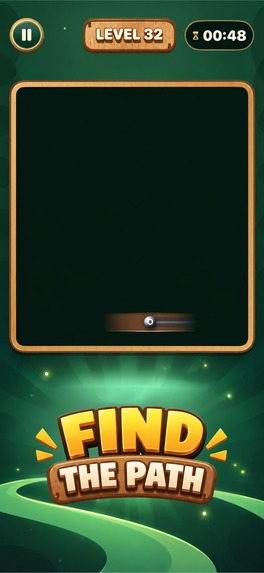
Navigate through the darkness using only your memory.
-
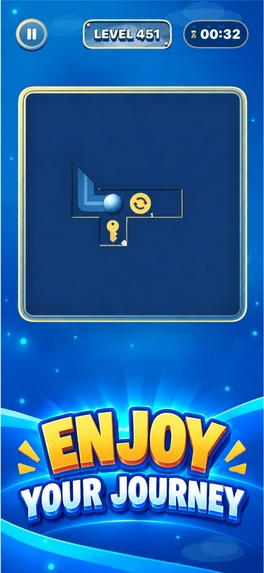
Collect coins, unlock rewards, and enjoy the journey.
-
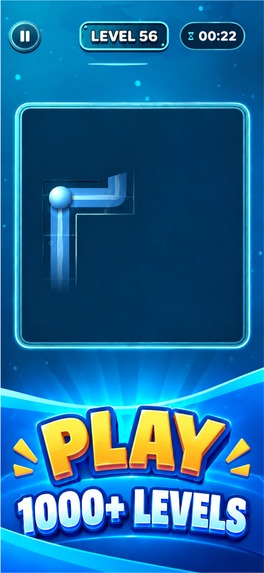
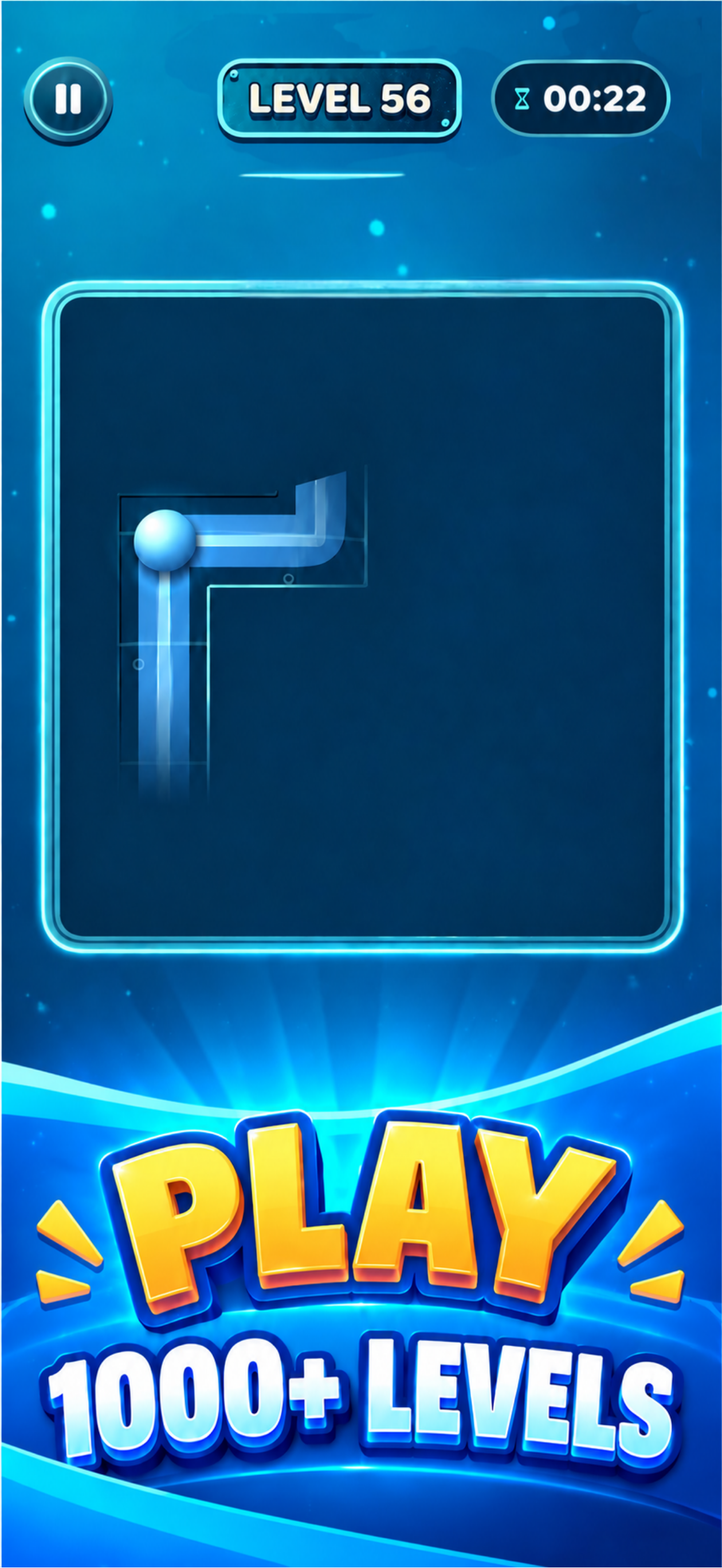
Play through 1000+ challenging maze levels.
-
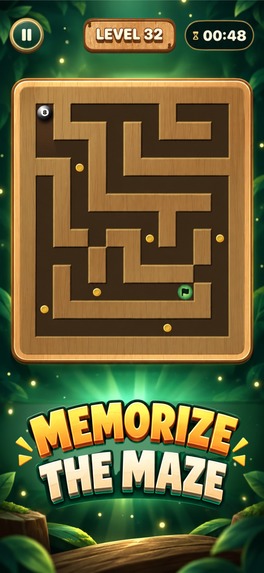
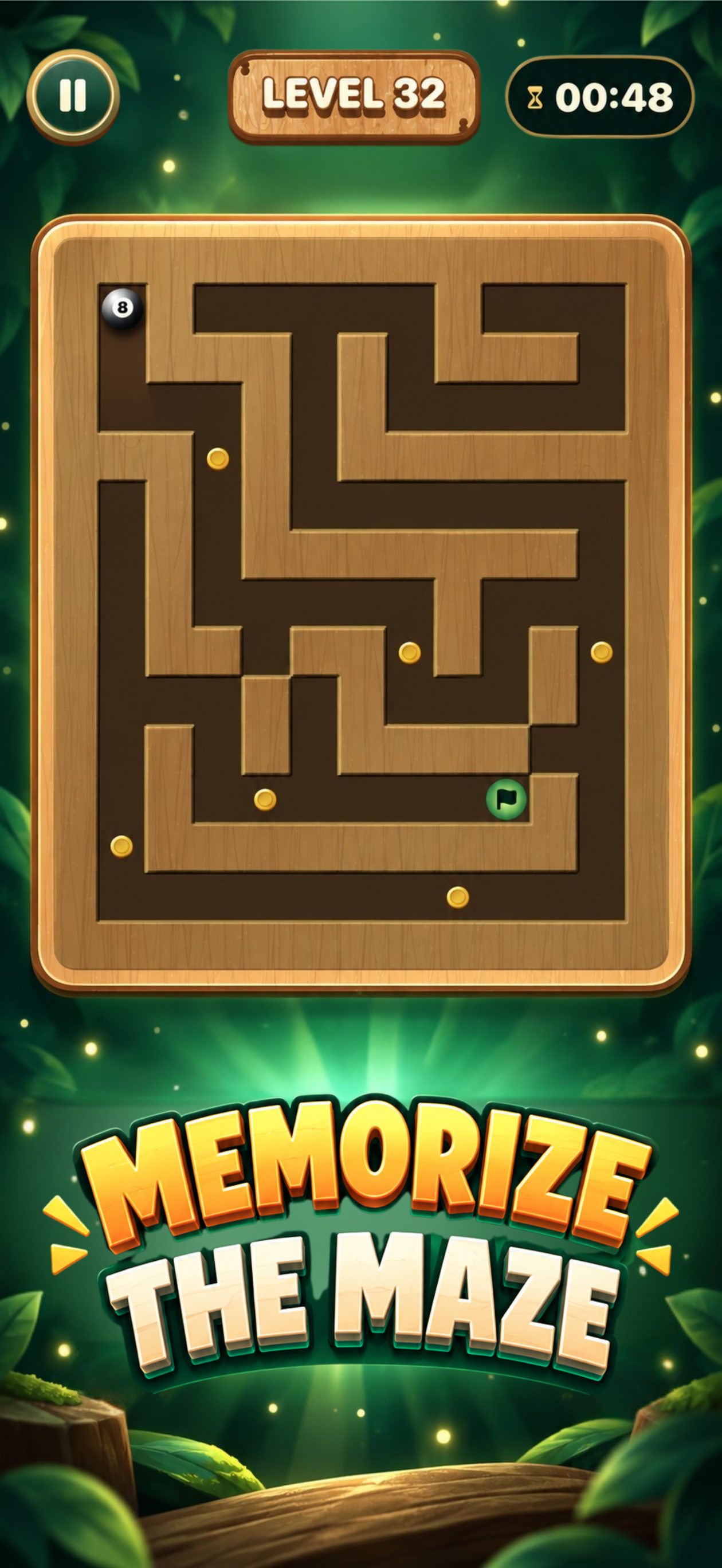
Memorize the maze before the lights go out.
-
App Icon
Inspiration
The idea for Maze Recall came from a small habit I noticed in my girlfriend.
She was afraid of the dark, so before turning off the lights at night, she would carefully look at the path to her room, memorize where everything was, switch the light off, and then quickly run through the darkness.
That simple behavior gave me the core idea for the game: what if you could only see the path for a few seconds, and then had to rely entirely on your memory to reach the destination?
That moment became the foundation of Maze Recall.
What it does
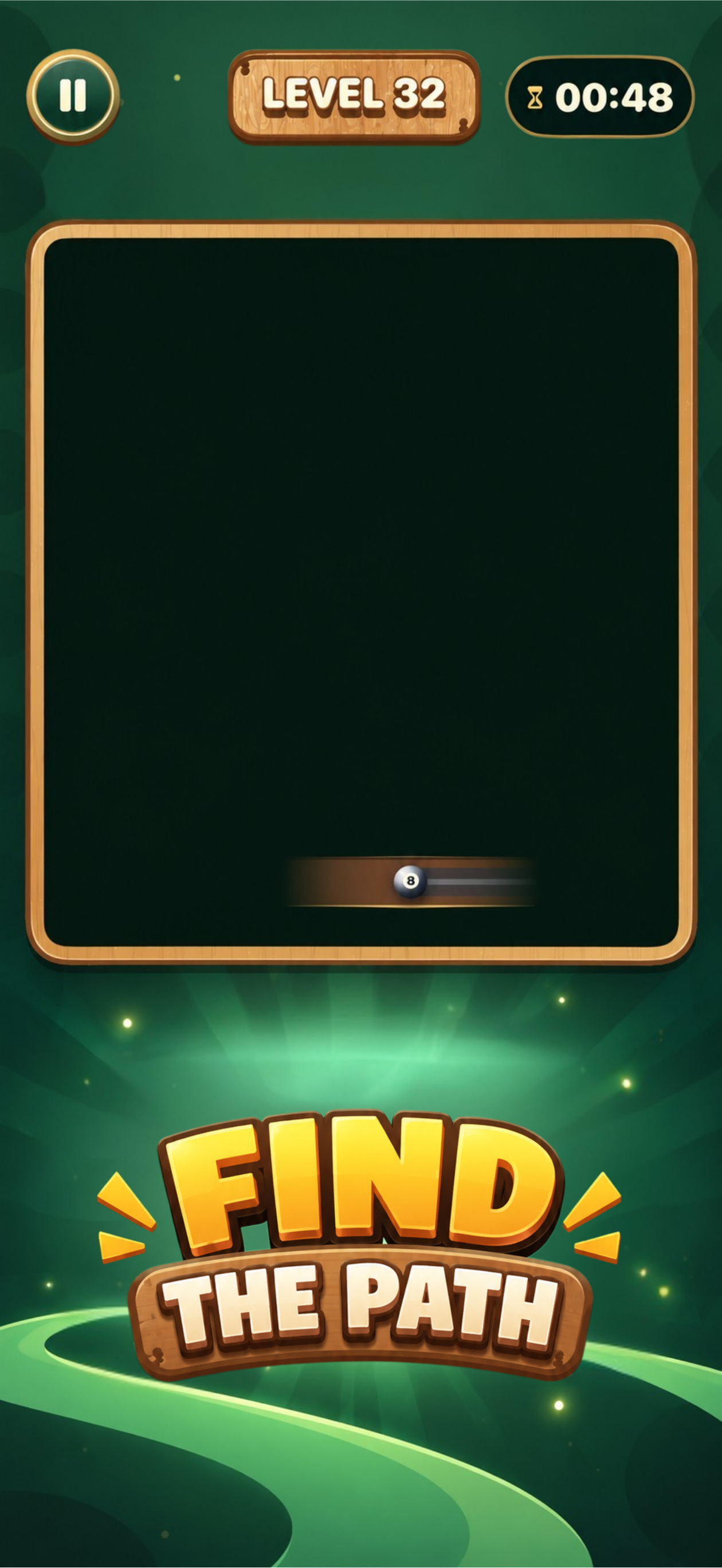
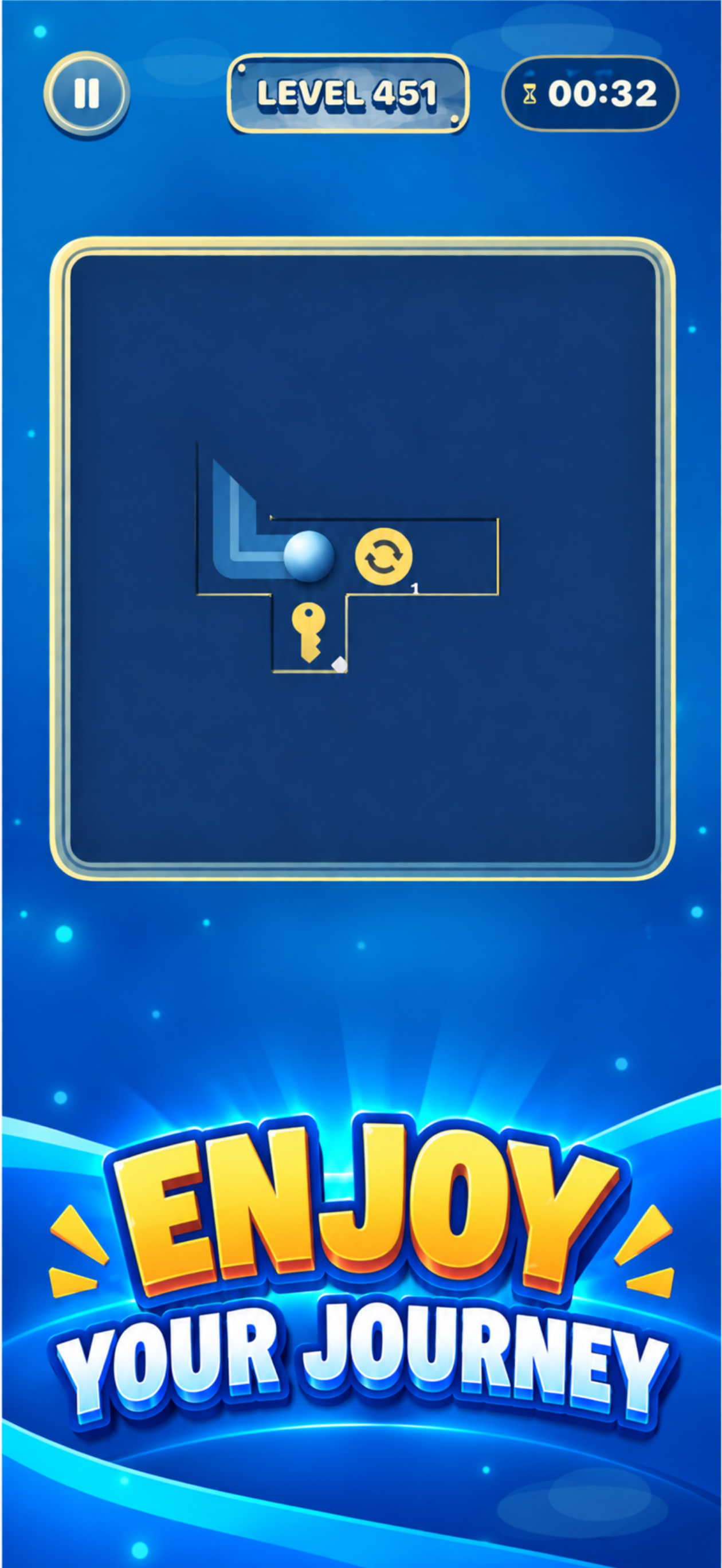
Maze Recall: Memory Game is a memory-based maze game where players are shown the full maze for only a few seconds.
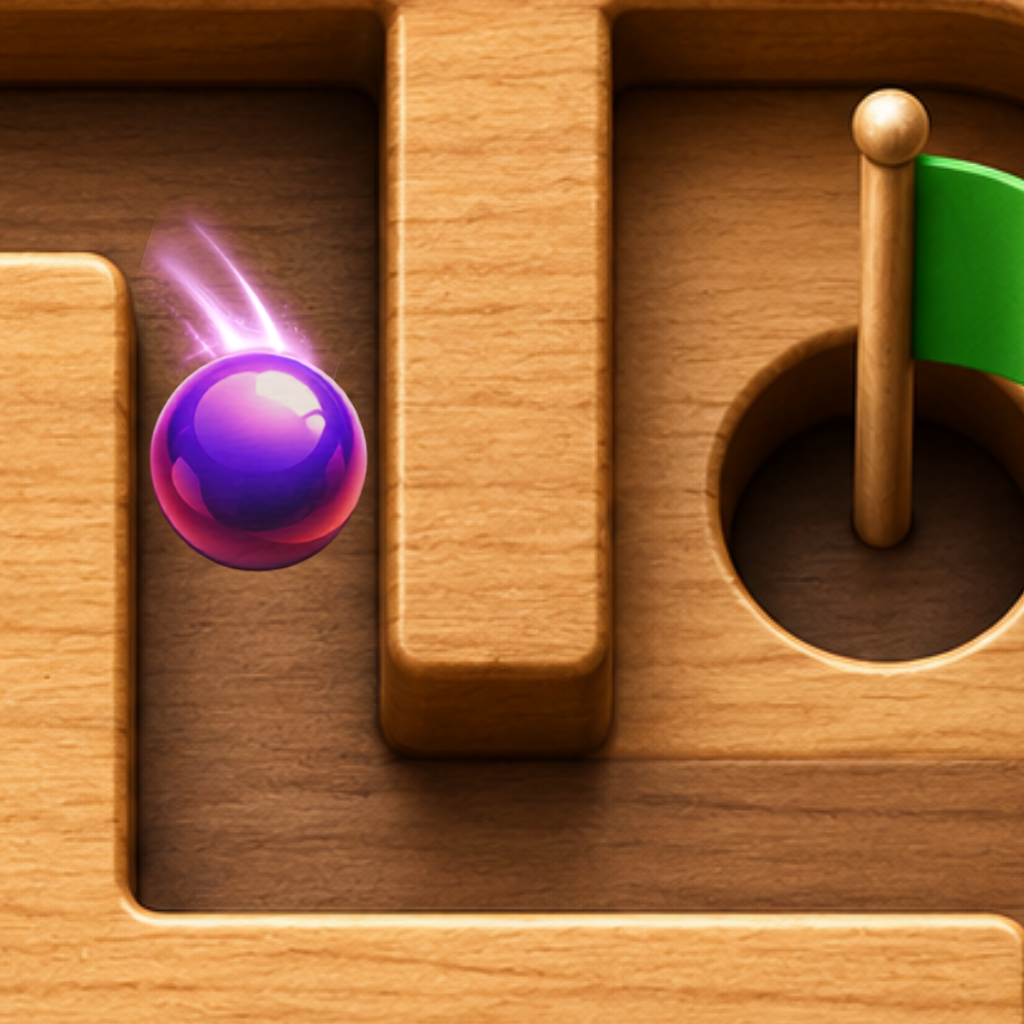
Once the lights go out, the path disappears and the player must guide the ball to the exit using only what they remember.
As the game progresses, the mazes become more challenging. Players can also explore optional paths, collect coins, avoid traps and dead ends, earn stars, unlock new balls, complete achievements, and claim daily rewards.
The goal is simple: memorize the maze before the lights go out, then trust your memory.
How we built it
Maze Recall was built as a mobile-first iOS game with a strong focus on short, replayable gameplay sessions.
The core system is based around presenting maze layouts, briefly revealing the full route to the player, and then hiding visual information once the memorization phase ends.
From there, I built systems around player movement, collision detection, coins, traps, level progression, rewards, achievements, unlockable content, and daily rewards.
I integrated RevenueCat specifically for the game's Remove Ads purchase, making it easier to manage the in-app purchase flow and verify whether a player has unlocked the ad-free experience.
A lot of attention also went into the visual transition between the memorization phase and the dark gameplay phase, because that transition is what makes the main mechanic feel meaningful.
Challenges we ran into
One of the biggest challenges was balancing difficulty.
If players are given too much time to study the maze, the memory aspect disappears. If the maze is hidden too quickly, the experience becomes frustrating instead of challenging.
Level design was another important challenge. The maze needed to be difficult enough to test memory, but still visually readable within just a few seconds.
I also had to make sure that movement felt responsive while still preserving the tension of navigating without seeing the entire path.
Another challenge was adding progression systems such as coins, rewards, achievements, and unlockable balls without making the game feel overly complicated. I wanted the memory mechanic to always remain at the center of the experience.
Accomplishments that we're proud of
I'm especially proud that the entire game grew from such a simple real-life observation.
The core mechanic is easy to understand almost immediately, but it can create surprisingly tense moments once the maze disappears.
I'm also proud of turning that mechanic into a complete mobile game with progression, collectibles, achievements, daily rewards, and replayability while keeping the experience simple.
Another accomplishment was reaching the point where Maze Recall became a complete App Store-ready product rather than just a gameplay prototype.
What we learned
The biggest thing I learned is that a simple idea can be enough to build an entire game if the core mechanic is strong.
I also learned how important small timing decisions are in game design. A difference of only one or two seconds in the memorization phase can completely change how a level feels.
Building Maze Recall also taught me a lot about balancing challenge and frustration, designing for short mobile sessions, building progression systems, and integrating a simple in-app purchase without interrupting the gameplay experience.
Most importantly, I learned that some of the best ideas can come from very ordinary moments.
What's next for Maze Recall: Memory Game
The next step is to expand Maze Recall with more levels, new maze mechanics, additional traps, collectible balls, achievements, and more progression systems.
I also want to experiment with different game modes, such as limited-time challenges, daily mazes, and more difficult memory-focused levels.
Long term, the goal is to keep the core idea simple while continuously finding new ways to test the player's memory.
See the maze. Remember the path. Find your way in the dark.


Log in or sign up for Devpost to join the conversation.