-
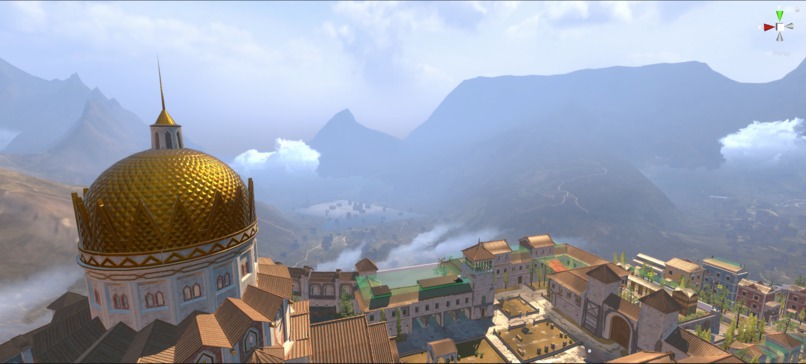
Scenery from the game
-
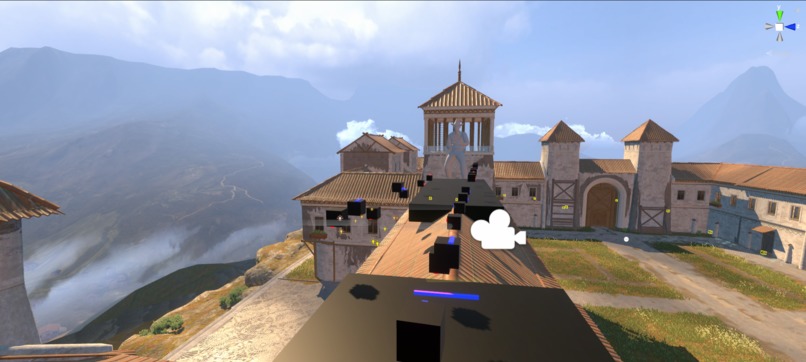
First game front view
-
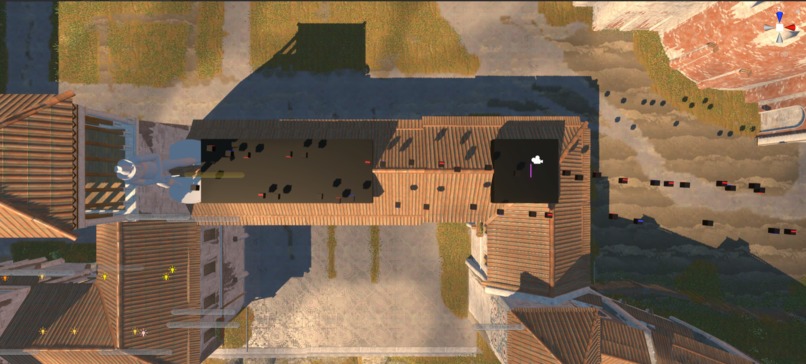
First game top view
-
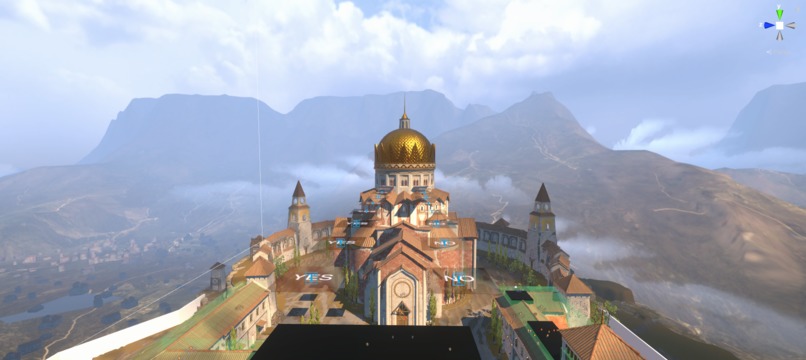
Second game front view
-
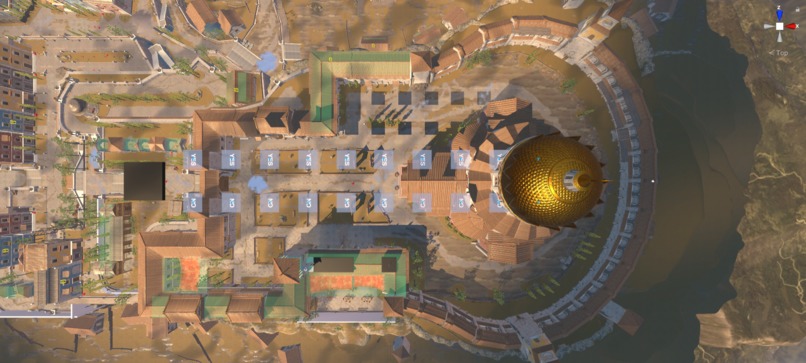
Second game top view
-
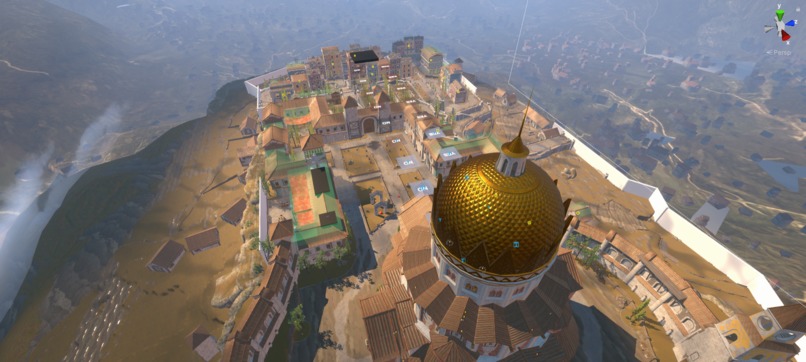
Cinematic View
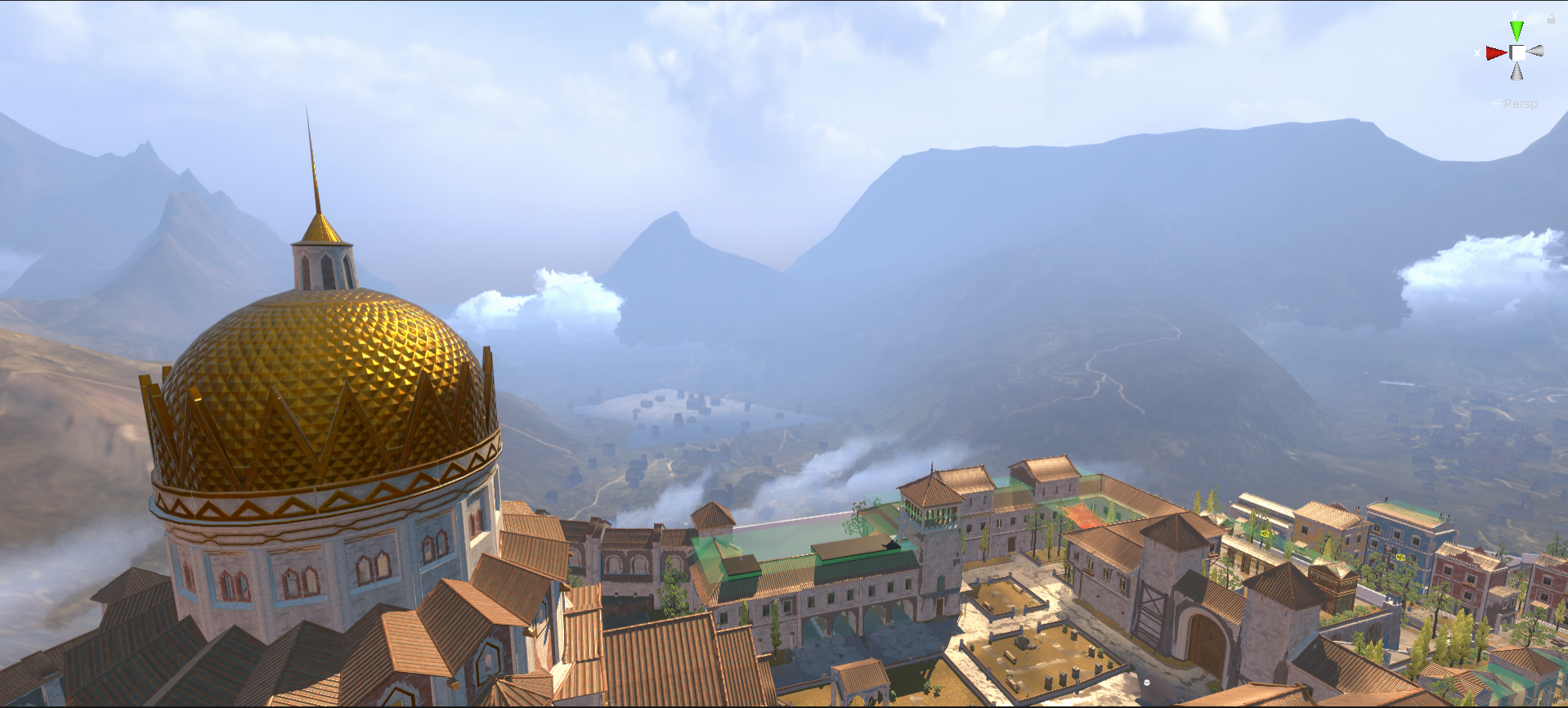
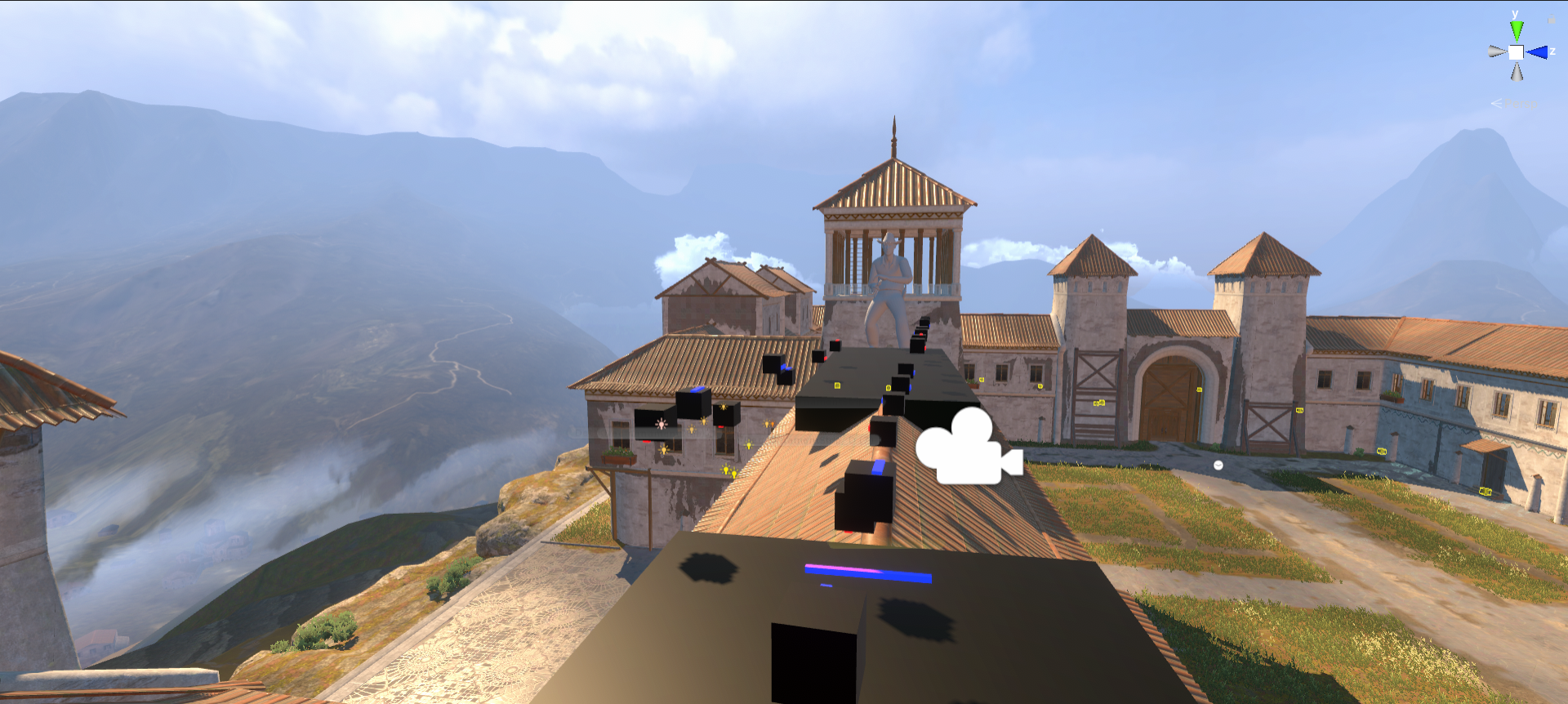
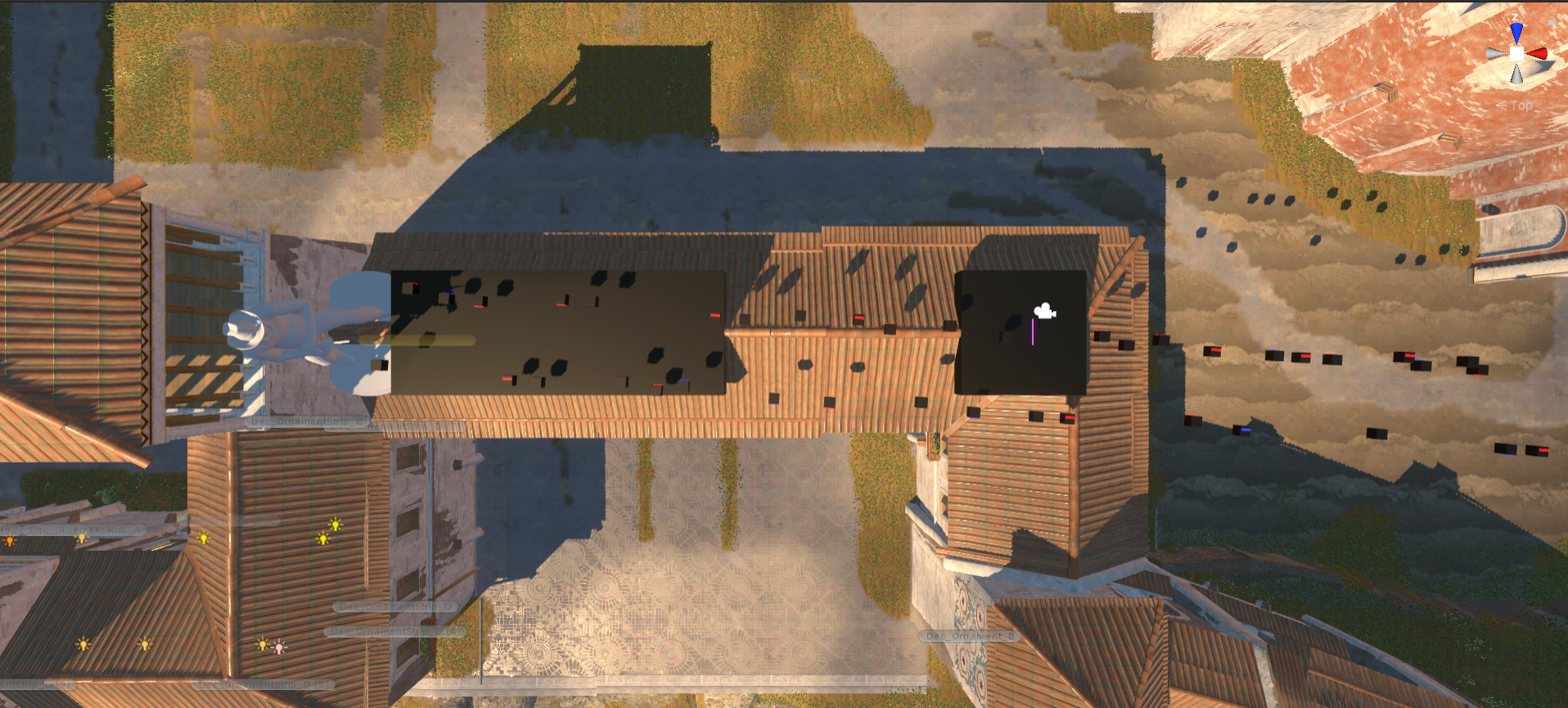
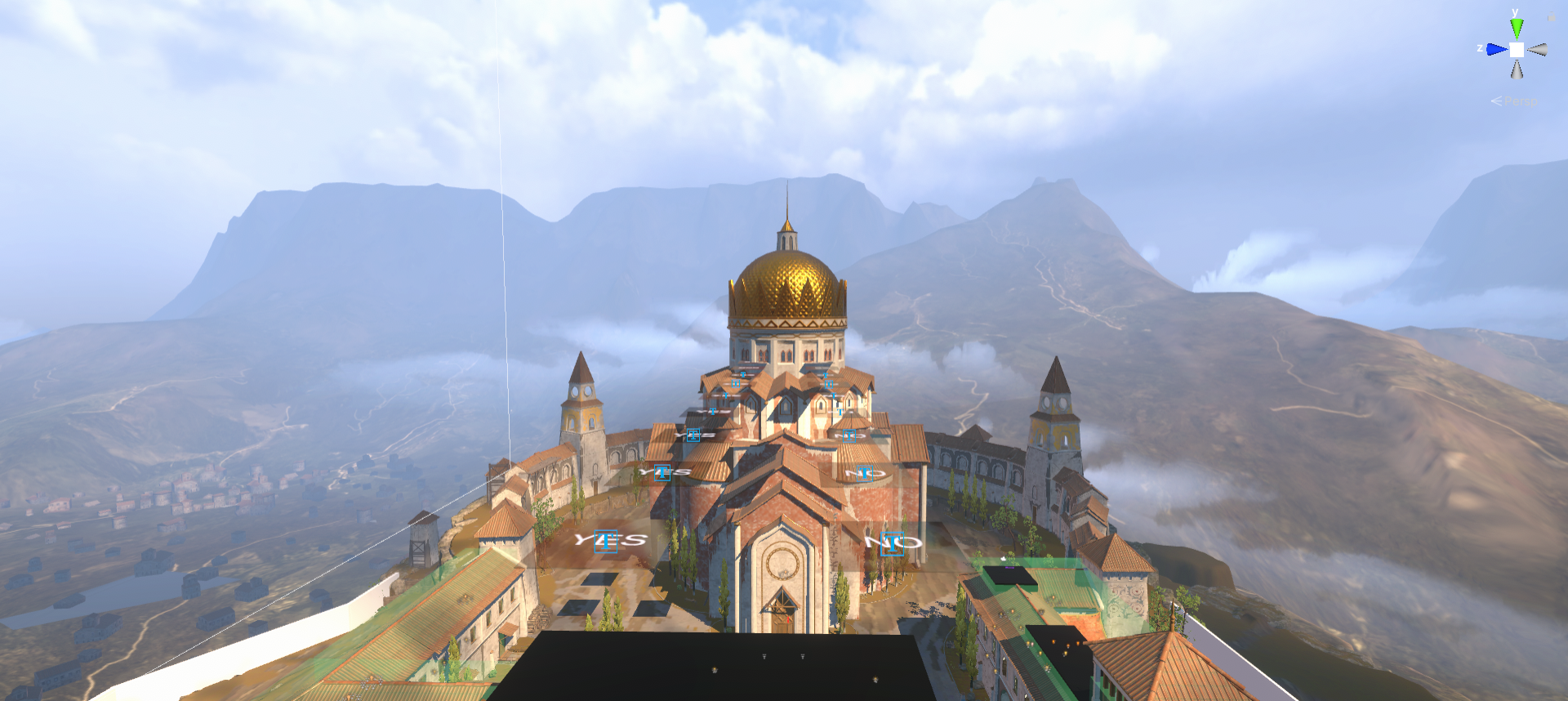
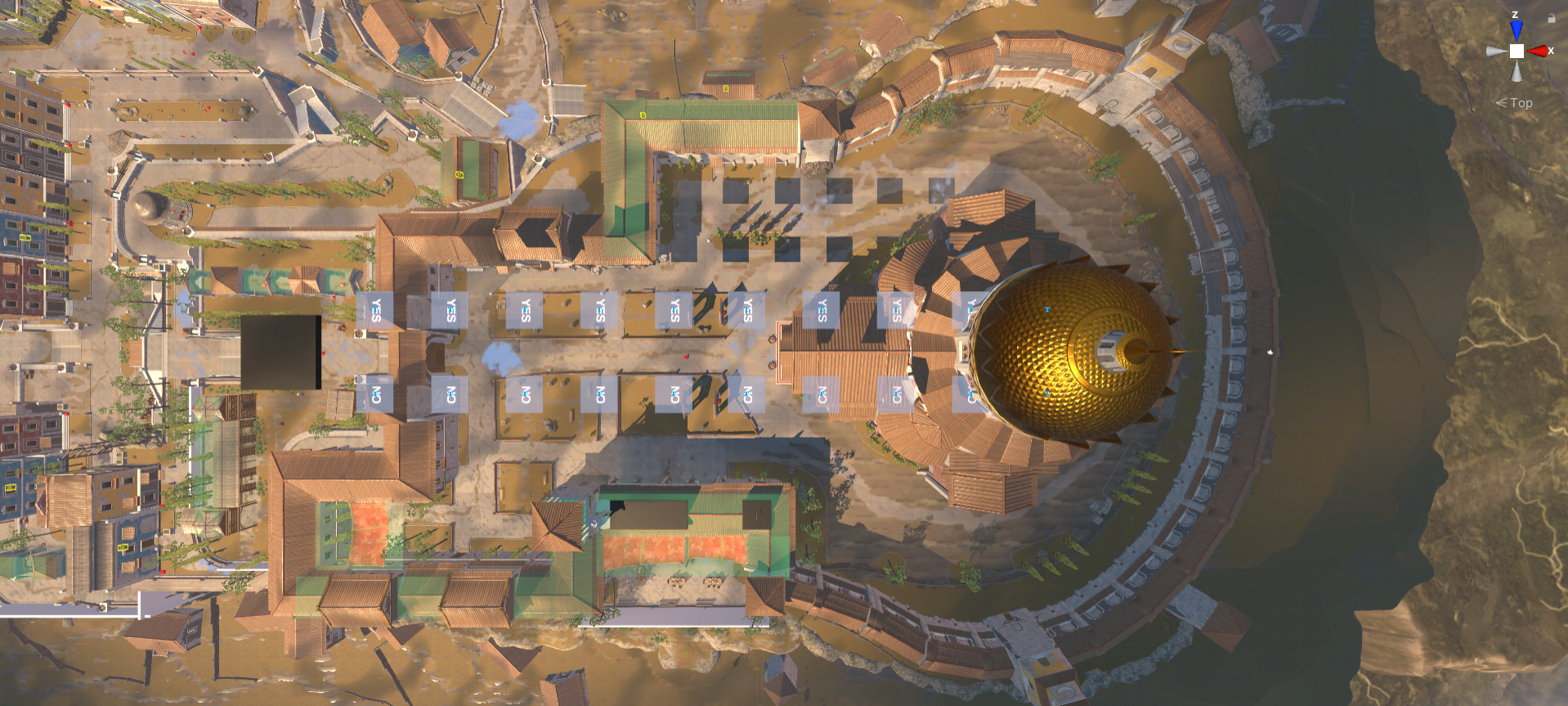
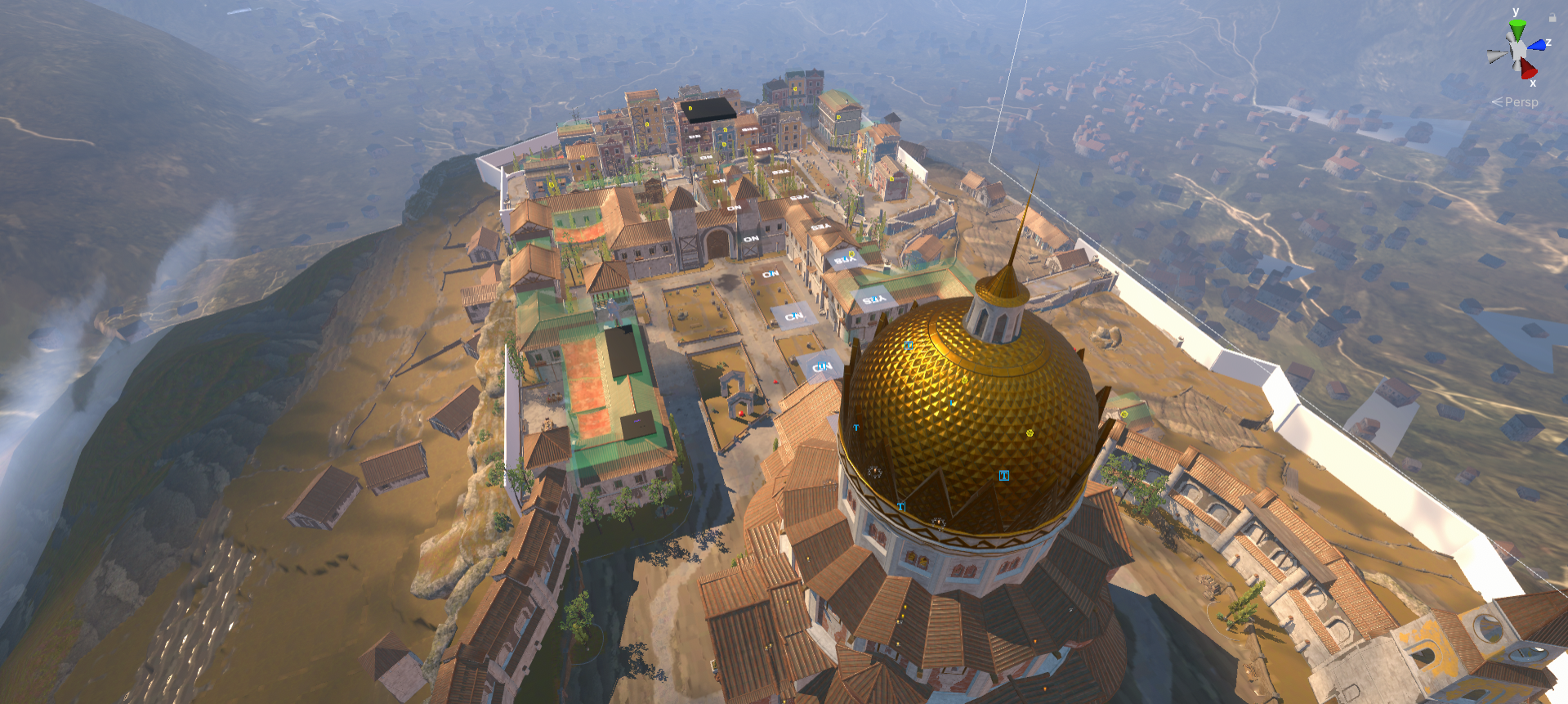
Inspiration
In the status Quo, the children of our societies have been facing challenges that were never thought of as a problem in the first place. Whether that be vulnerable kids taken advantage of through the internet, cyberbullying with no reprecuations, low self-esteem due to lower social interactions, or the shortage of good mentors who can help them without judging them at every issue. While the solution that everyone talks about is educating the children, it is not as easy or approachable as it seems.
What it does
Entertainment through education, not education through entertainment. Our team strongly believes that learning can be a lifelong motto if it is done in the correct manner. Many of the educational games we see today can be quite frustrating and unimaginative at times. Furthermore, some of the lessons the children need to have today can be quite unentertaining to them. I mean, who here thinks that Cybersecurity is a great leisuretime topic for kids?
We created a Virtual Reality game that is quite fun to play for the sake of entertainment. On the other positive side, it can teach them many great lessons as they go through the game. The main VR game that we made for this hackathon consists of two parts: (a) A wild west showdown where you are facing a fierce opponent and you have to slash through all his ammos that are aimed at you. It is a quite fast-paced game and reaction time is challenged now and then. As the players slash through the boxes, some hints will drop randmoly for that. The hints might not mean much at that time, but they can very useful for the game that is coming next! For special kids, we considered different types of level to cater to their needs. Based on how well they initially, the opponent will get harder or easier as the time progress. For VR games, understading depth can be a difficult issue for many. We figured out that can be solved by making the boxes/shells glow when they are within the slashing range for the player, using sounds that get sharper as the object gets closer to the hitting range, or simply slowing down the objects.
(b) The second game is something like the glass-crossing level of Squid games. Each player has to cross 10 different levels of glasses. On each level, they will be asked a question with a given timer. If they can asnwer the questions within time, they can forward to the next glass level. If they fail, the glass breaks and they fail the game. The hints from the previous game can be quite useful to answer the questions in this level. The interesting part is, the questions asked here are mostly to teach them about useful topics. For this hackathon, we are focusing more on cybersecurity and how children can keep themselves safe. But the questions can be changed for many different niche.
How we built it
The Virtual Reality (VR) game is built using the Unity game engine. The backend is programmed through C#. Some of the 3D models were designed using blender.
Challenges we ran into
(1) The main challenge we faced was the shortage of skilled individuals who are either proficient or interested to work in the VR side. With that being, three of us strangers managed to come together looking at the good that this project can bring, and we had a wonderful time learning and implementing different aspects of VR development. The team dedication was really something worthwhile, and I, Azwad, as the team lead, am proud of my team. Whether they knew about the a concept or not, both of my teammates were eager to contribute and figure out how to get the job done. (2) Time is of the essence. After coming all the way from Waterloo, in the past two days, I slept a total of two hours, and I am craving to do more for the project! Sure, trying to make two well thought VR game scenes can be quite a big task to aim for, but then again, if we don't aim big, can we really go anywhere? I always loved the term, "The Greater Fool". And it is true, this world is built by people who are foolish enough to think that they can change the world while the whole world thinks there is no hope.


Log in or sign up for Devpost to join the conversation.