Inspiration
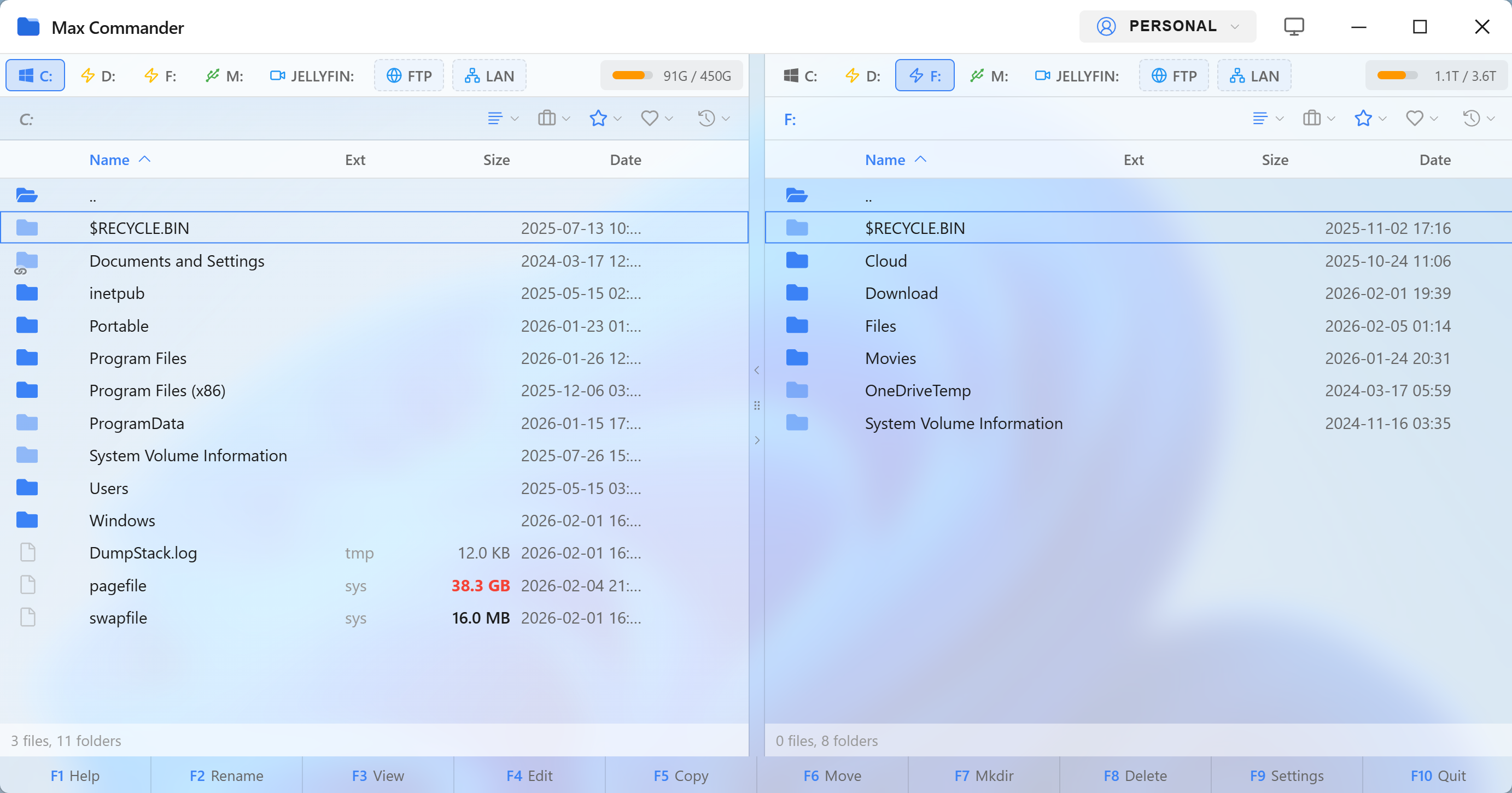
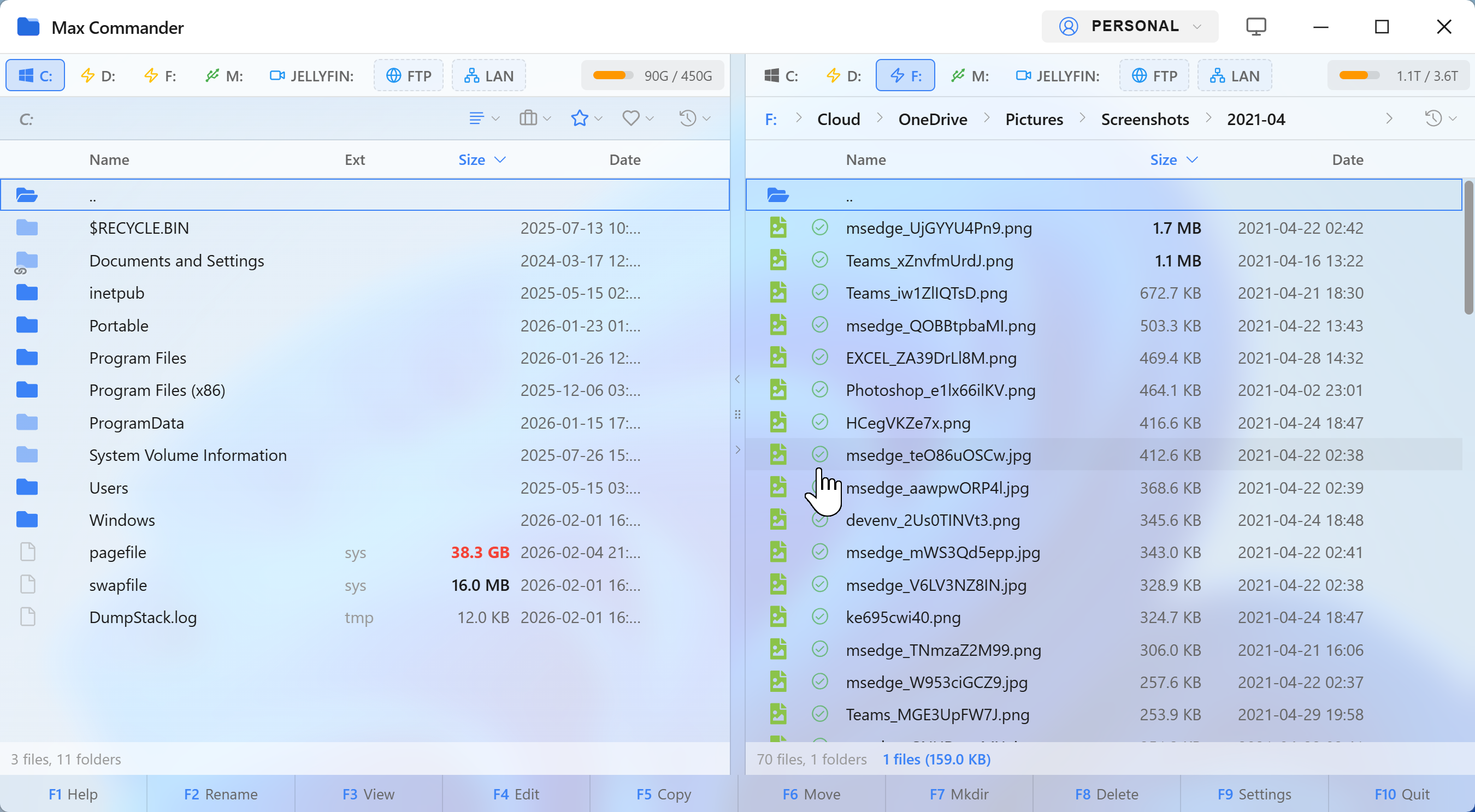
Max Commander started from a very personal frustration: I'm used to the speed of dual-pane file managers, I used them since Norton Commander days, I have already muscle memory, but I wanted that experience to feel native to modern Windows 11 instead of frozen in the past. The goal was not to build “another Windows explorer full of features,” but a serious power-user tool: fast, keyboard-first, deeply integrated with Windows, but respecting the classic paradigm.
The second inspiration was the process itself, by 2025 I've already tried AI coding, but I wanted to know if a complex native desktop application can be designed, implemented, tested, and shipped entirely through AI collaboration, so... Max Commander became both the product and the experiment.
What it does
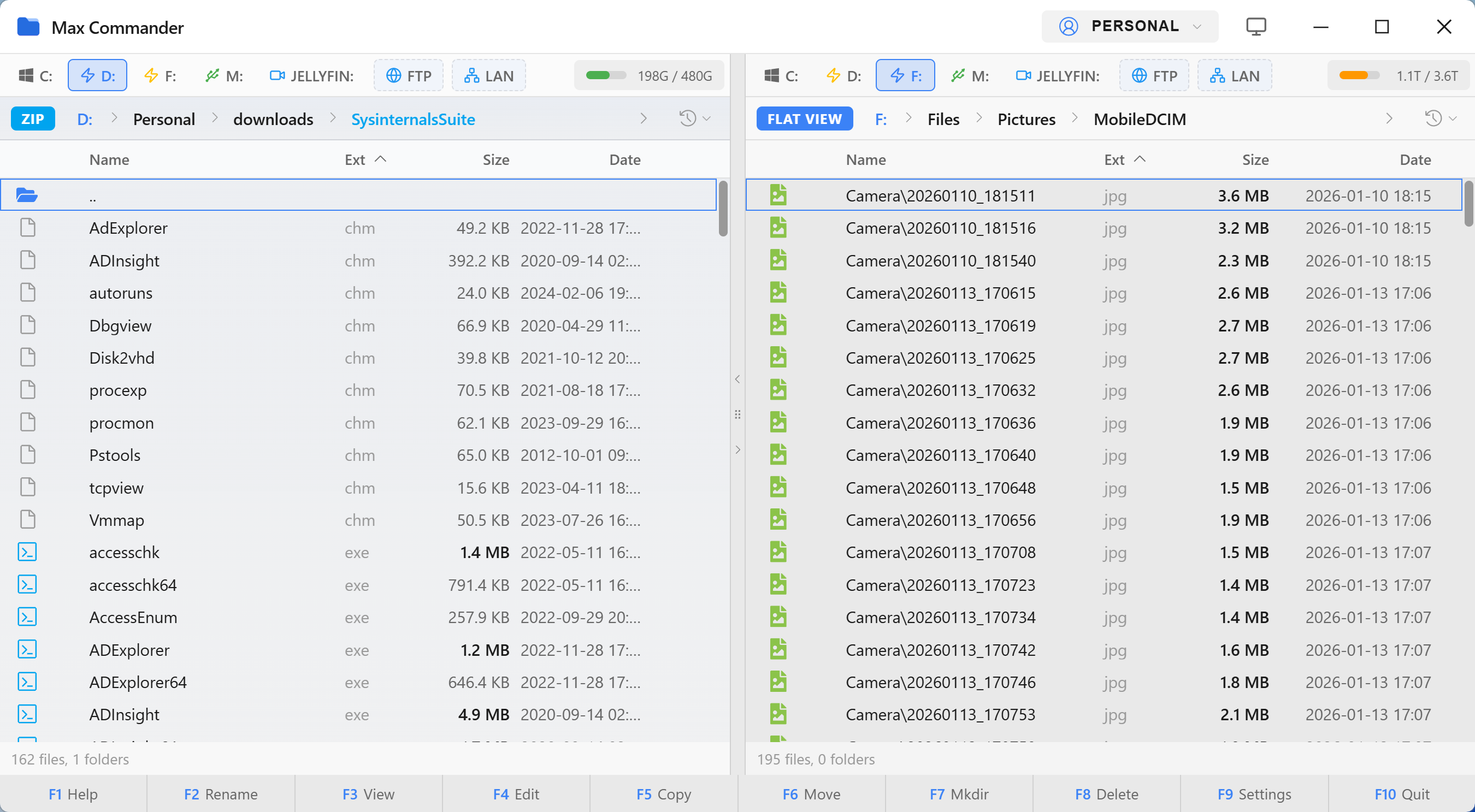
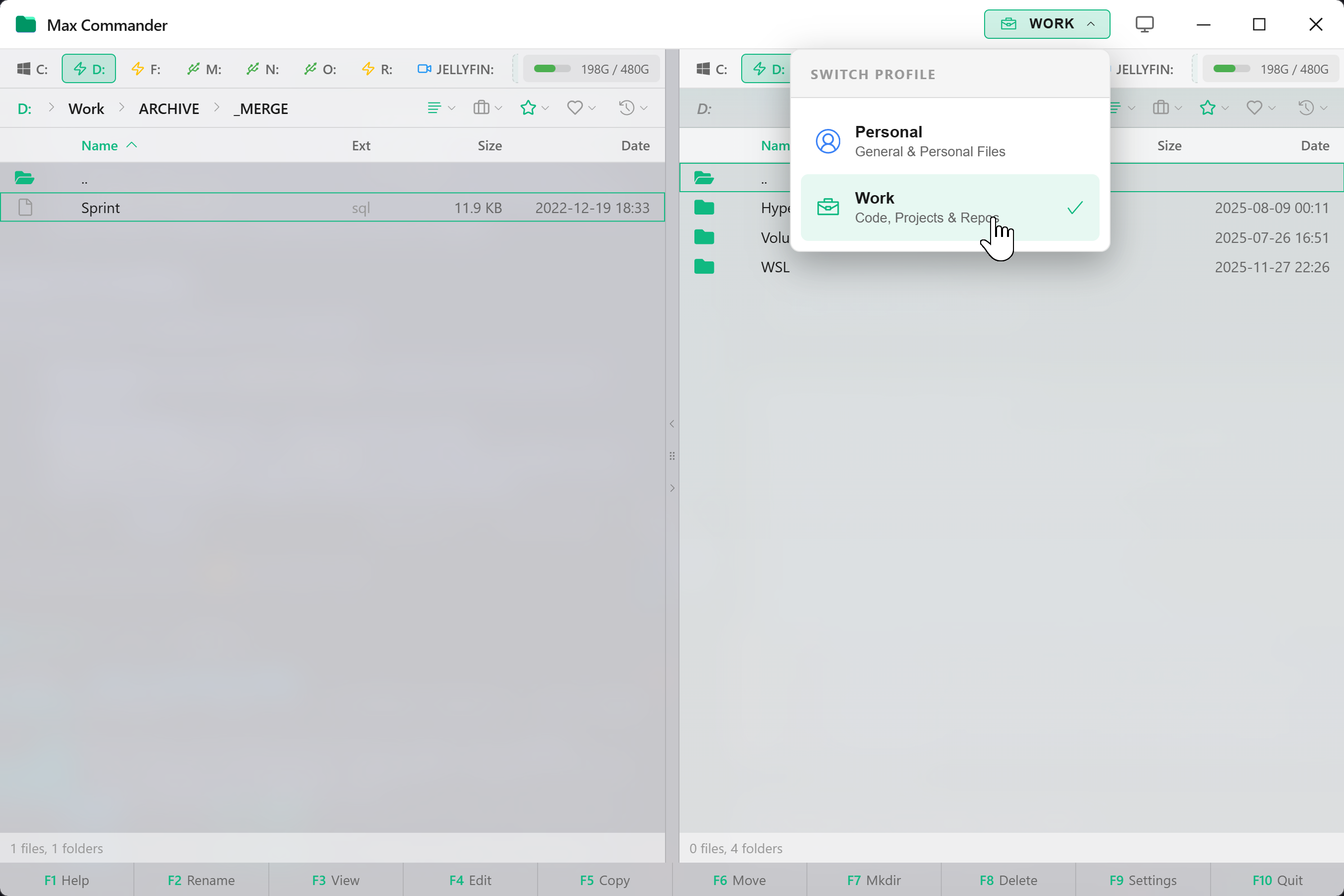
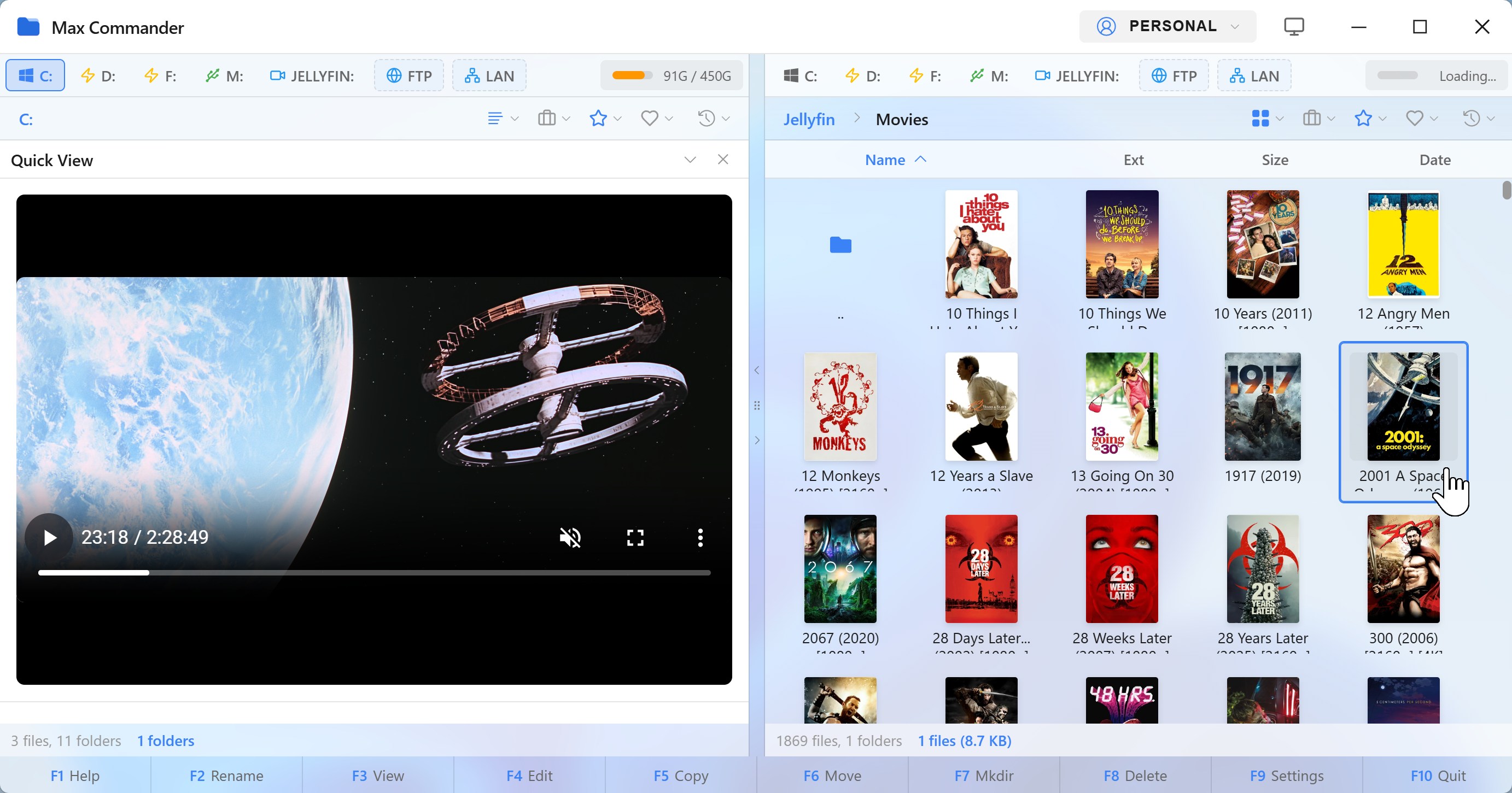
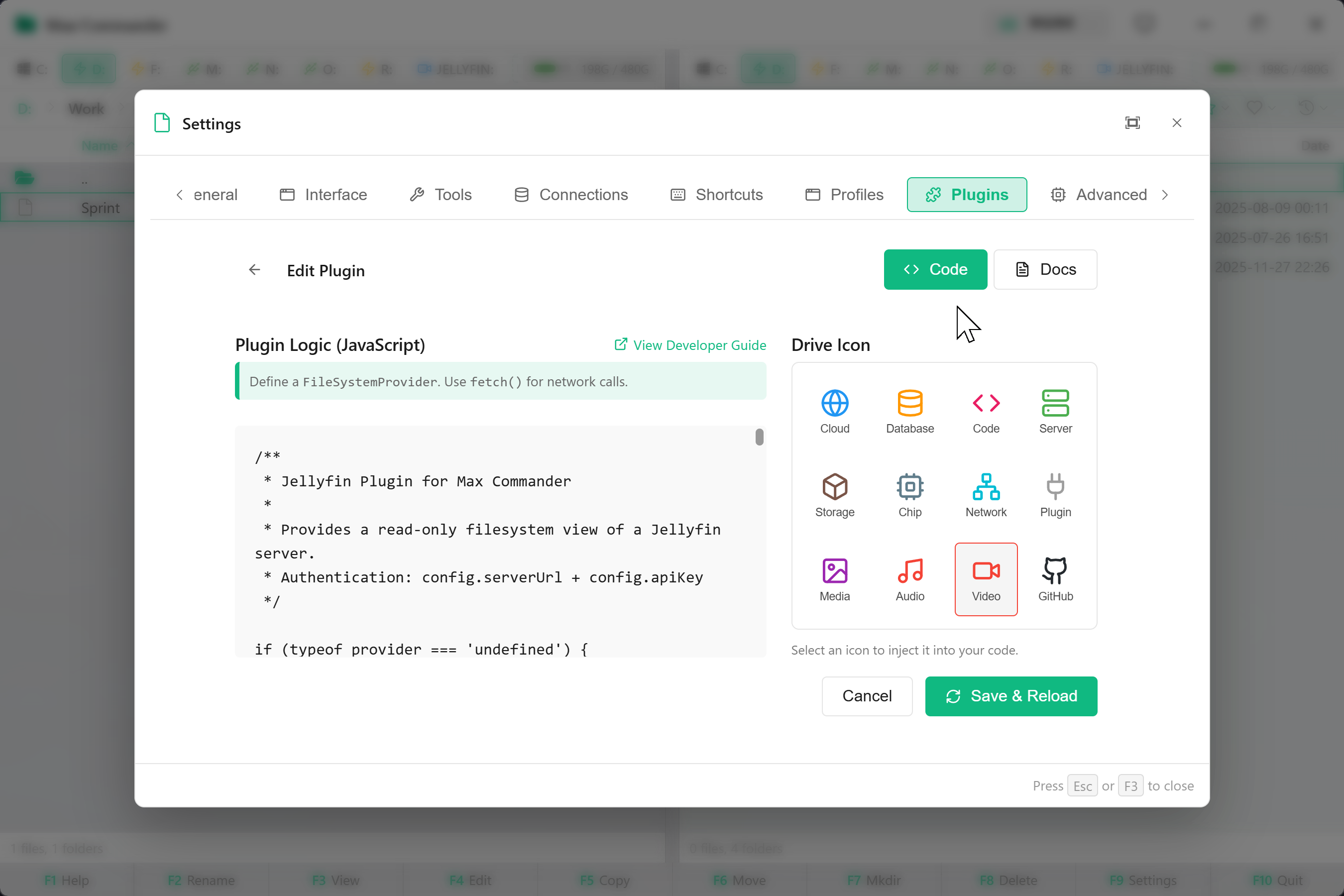
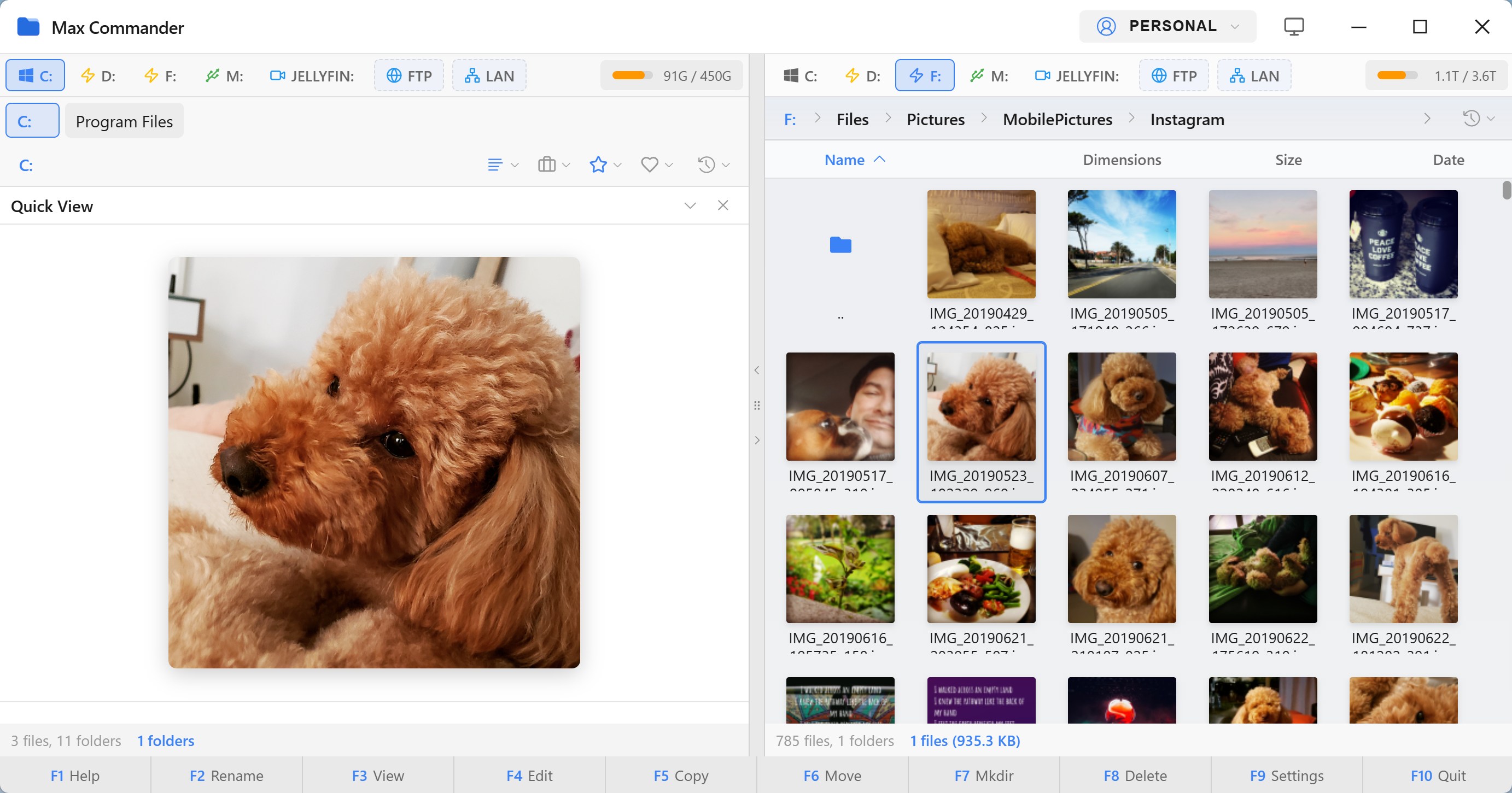
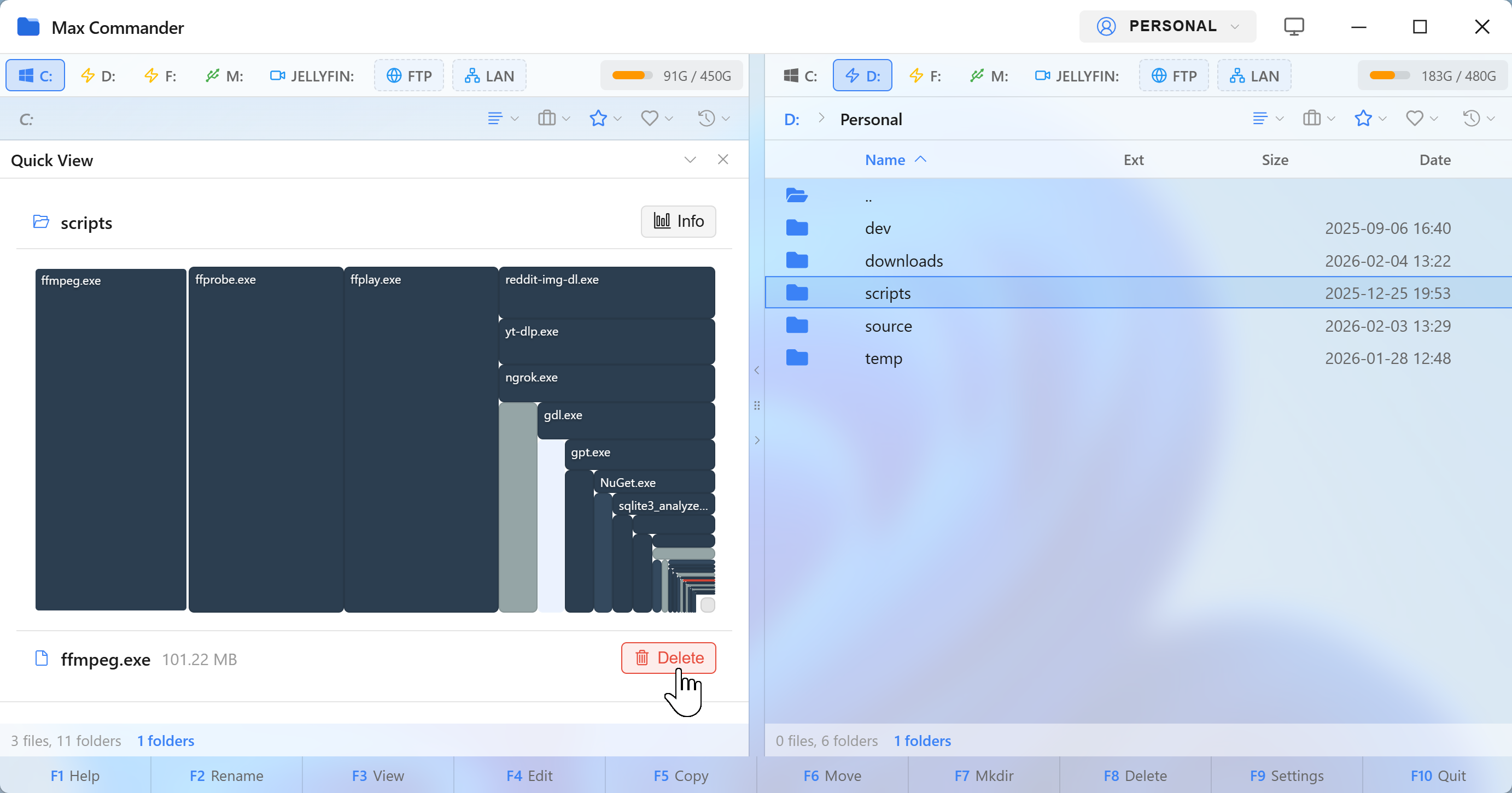
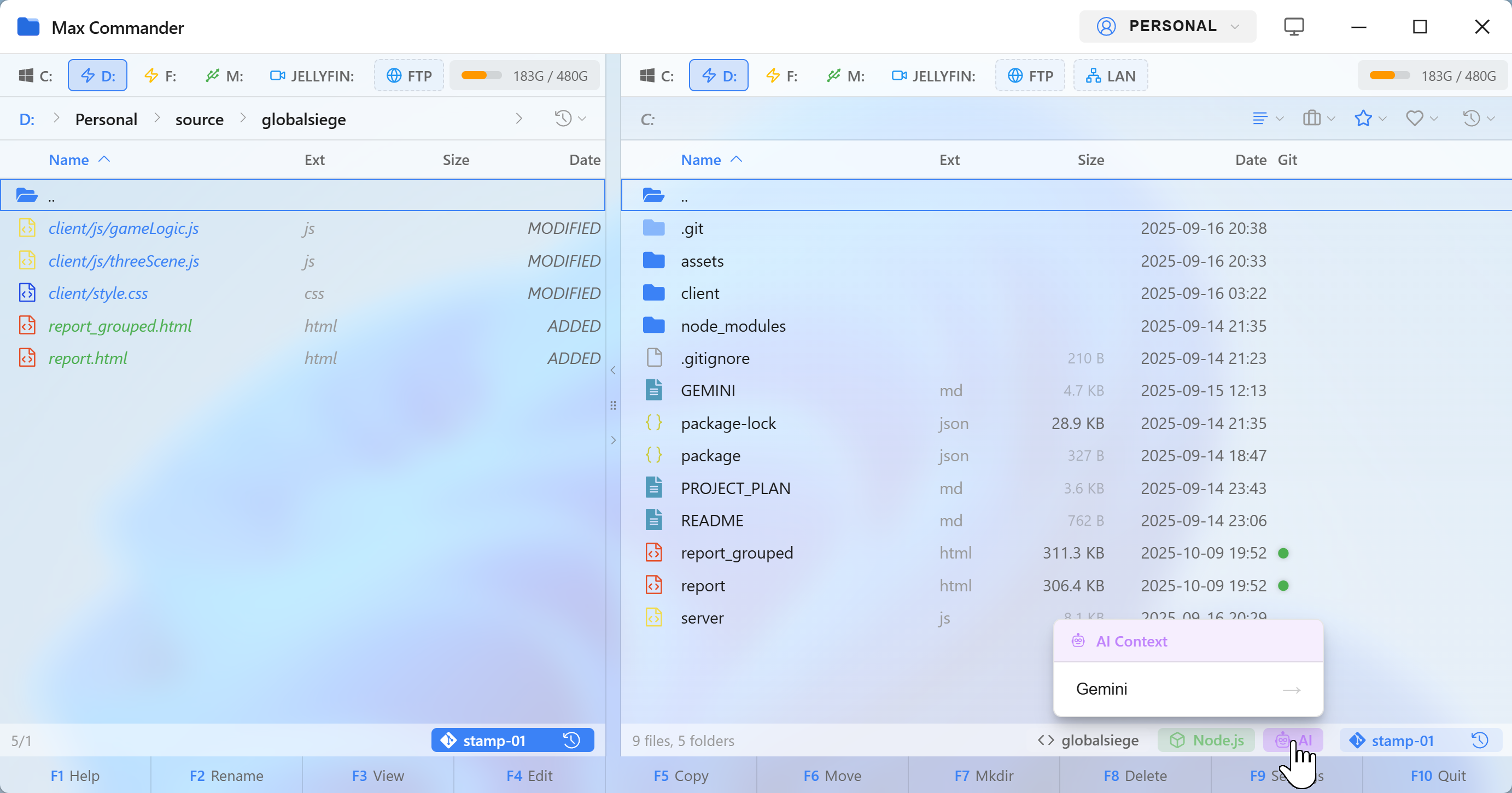
Max Commander is a modern what is called "orthodox file manager" for Windows power users. It combines dual-pane navigation, Norton Commander-style keyboard behavior, advanced viewers, archive browsing, Git-aware workflows, AI Context detection, tagging system, LAN/FTP support, profiles, plugins, licensing, updater infrastructure, and rich Windows integration. It also provides a codex skill for plugin authors, installable from inside the app.
It is built for people who want to control their filesystems and want speed and context, without giving up a modern UI.
How we built it
Max Commander was built with Tauri v2, Rust, React, TypeScript, Vite, and a lot of Windows-specific native integration. The Rust side handles filesystem, shell, archive, network, licensing, and OS-level work. The React side owns the dual-pane UI, viewers, command palette, settings, plugin surfaces, and product experience.
It was built entirely with Codex. I directed the architecture, product decisions, validation and quality bar, but the code itself was generated, reviewed, adjusted, tested, and iterated through AI collaboration. No hand-written code, but constant human validation.
Challenges we ran into
The hard part was not generating code. The hard part was definitely keeping a large project like this coherent over time.
Obviously, the complexity of its features, a file manager touches many sharp edges: Windows shell behavior, long paths, drag and drop (a nightmare!), archives, remote filesystems, experience like keyboard muscle memory, performance, licensing, updater flows, and user trust around destructive operations. We are dealing with user's real files.
The other challenge was architectural discipline. AI can move fast, but a project like this needs stable contracts, modular boundaries, regression tests, and careful validation so features do not become accidental complexity. Obviously, I was learning through the whole process. I started from a curated agents.md, continued to lots of directives on md files and finished even setting up a collaboration protocol for the agents that govern the app project, the site project (promotion and licensing insfratructure) and other initiatives. Since the AI boom, I started lots of projects that I had in mind but with a daytime job they are almost impossible to tackle.
Accomplishments that we're proud of
The biggest accomplishment is that Max Commander is not a toy demo. It is a broad, working Windows desktop app with real product depth.
I’m also proud that the project proves a different kind of AI workflow. Codex was not used as autocomplete. It acted as an implementation partner across architecture, debugging, refactoring, tests, release work, and platform integration, while I kept product direction and validation in the loop.
What we learned
I learned that AI CAN build complex software, but only when the human side provides strong constraints: clear architecture, precise requirements, small verifiable slices, tests, and a willingness to reject vague output.
We also learned that AI-assisted development changes the bottleneck. Typing code becomes less important than knowing what should exist, how pieces should fit, what risks matter, and how to validate that the result is actually correct.
What's next for Max Commander
Next is turning Max Commander from a powerful personal tool into a more complete product: deeper file sync workflows, stronger plugin authoring, more polished Windows integration and continued performance work. And I expect users :) Lots of them if possible :) Also, boring stuff for me as a technical person, is promotion, I know is one of the hardest part for any product, lets see how it goes. Fingers crossed.
On the Codex side I'm excited about auto agent task distribution. I have a simple harness so agents can collaborate across Max commander and other projects like the Website where it resides, this is the place where I expect Codex to be more helpful in the near future.
The long-term goal is simple: make Max Commander the modern Windows file manager I always wanted, while continuing to push how far a serious desktop product can be built with Codex and human validation.
Built With
- ai-assisted-development
- cloudflare
- codex
- desktop-app
- file-system
- github-actions
- human-in-the-loop
- licensing
- native-apis
- openai
- plugin-architecture
- powershell
- react
- rust
- shell-integration
- stripe
- tauri
- typescript
- vite
- webview2
- windows
- windows-desktop


Log in or sign up for Devpost to join the conversation.