-
-
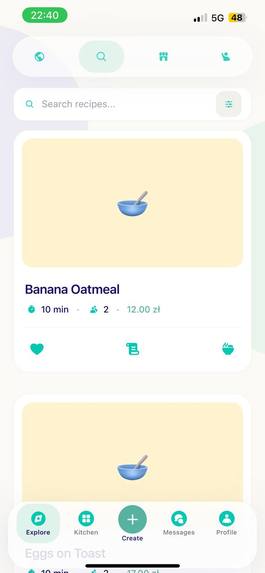
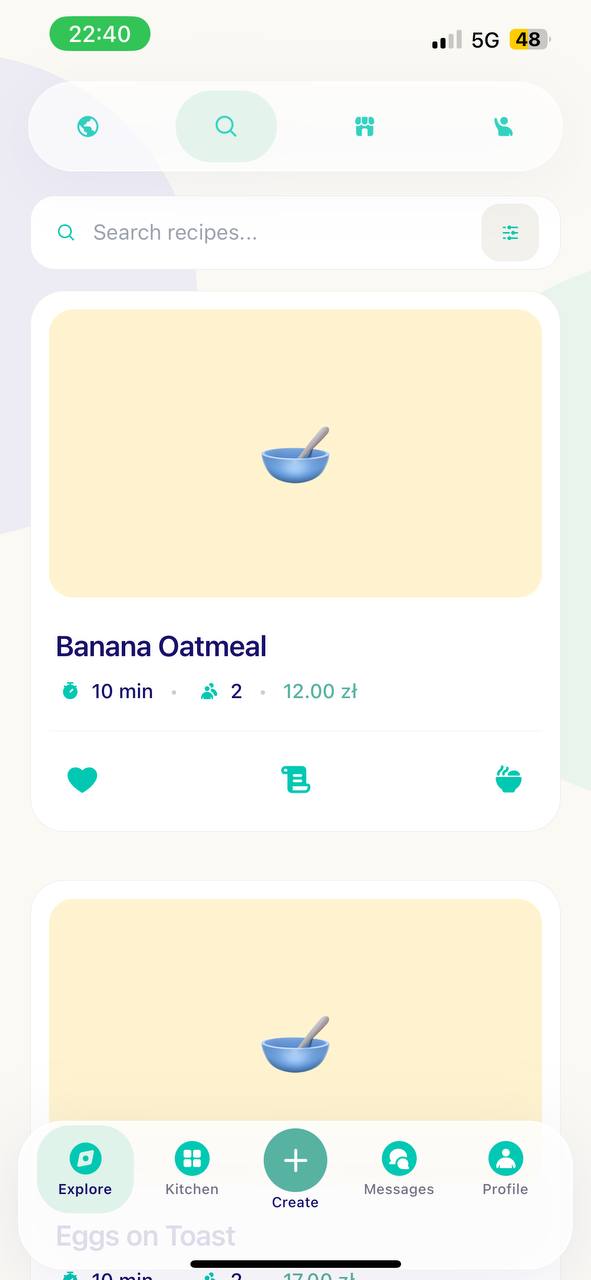
Recipe search screen
-
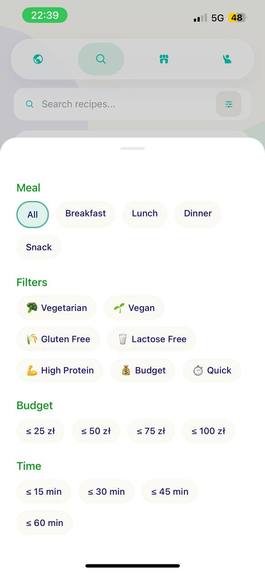
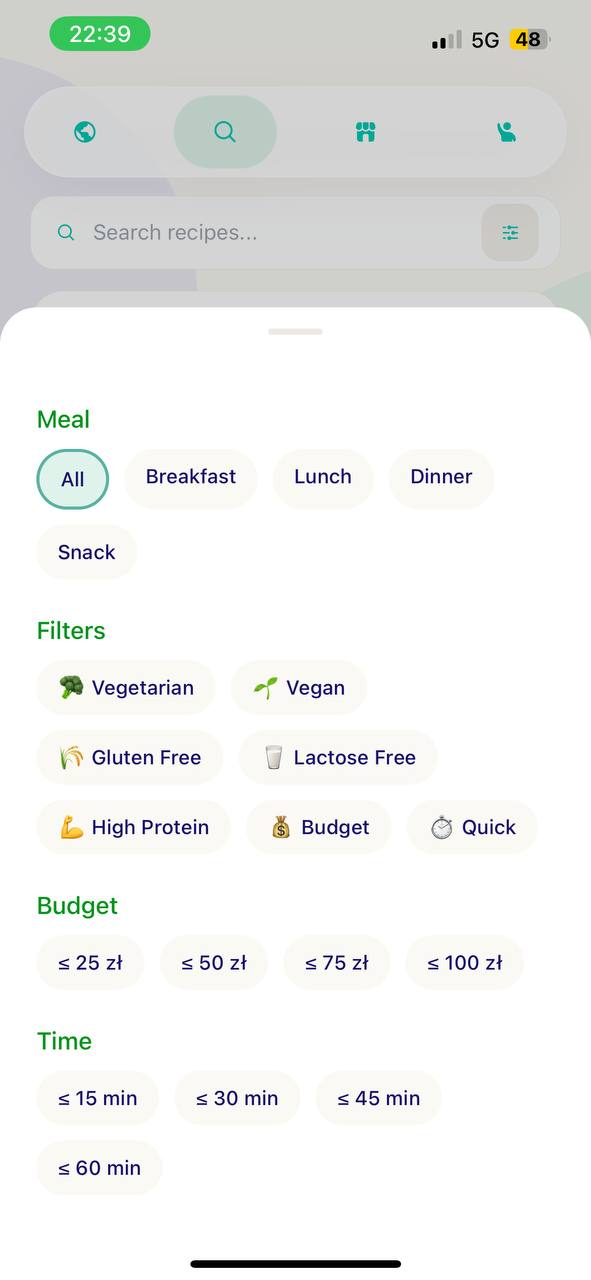
Recipe search filters
-
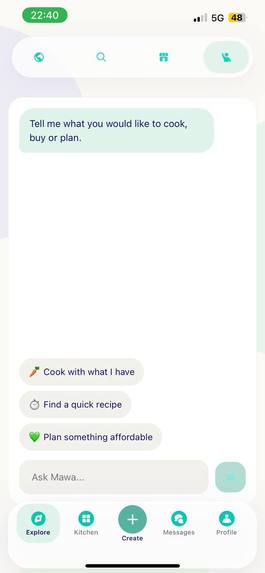
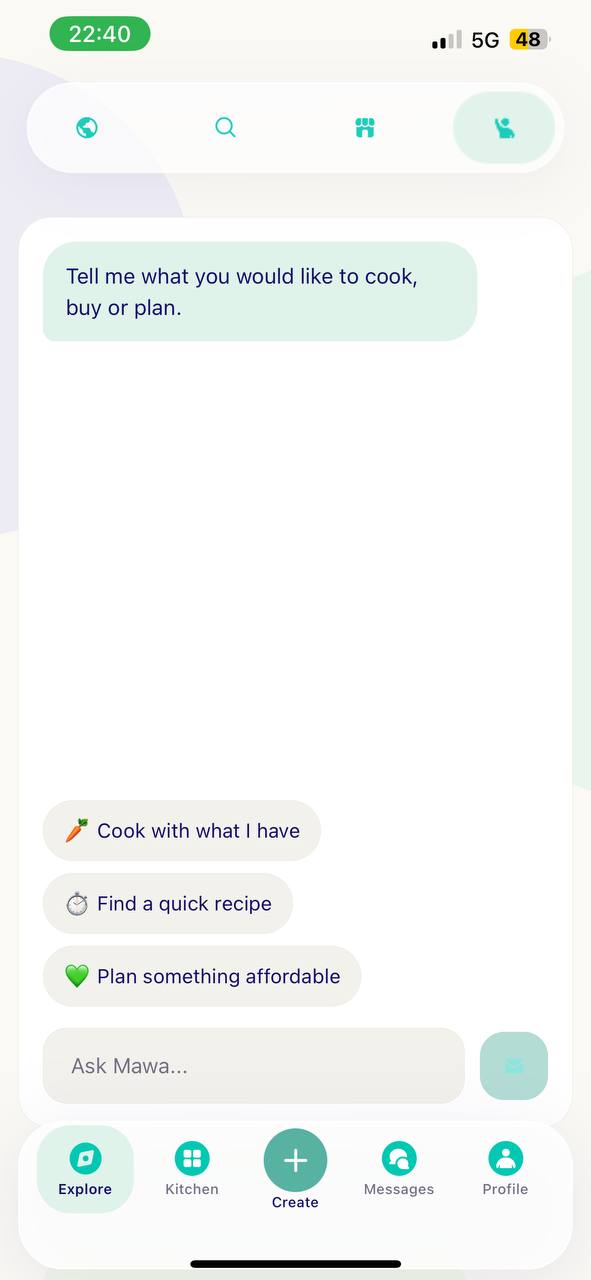
MawaAI dialogue menu
-
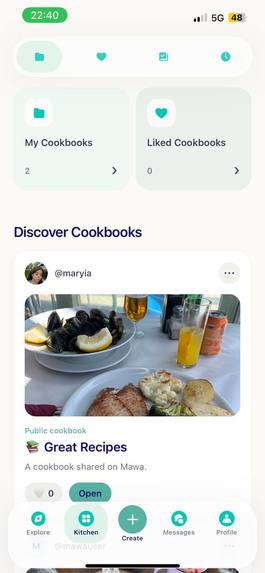
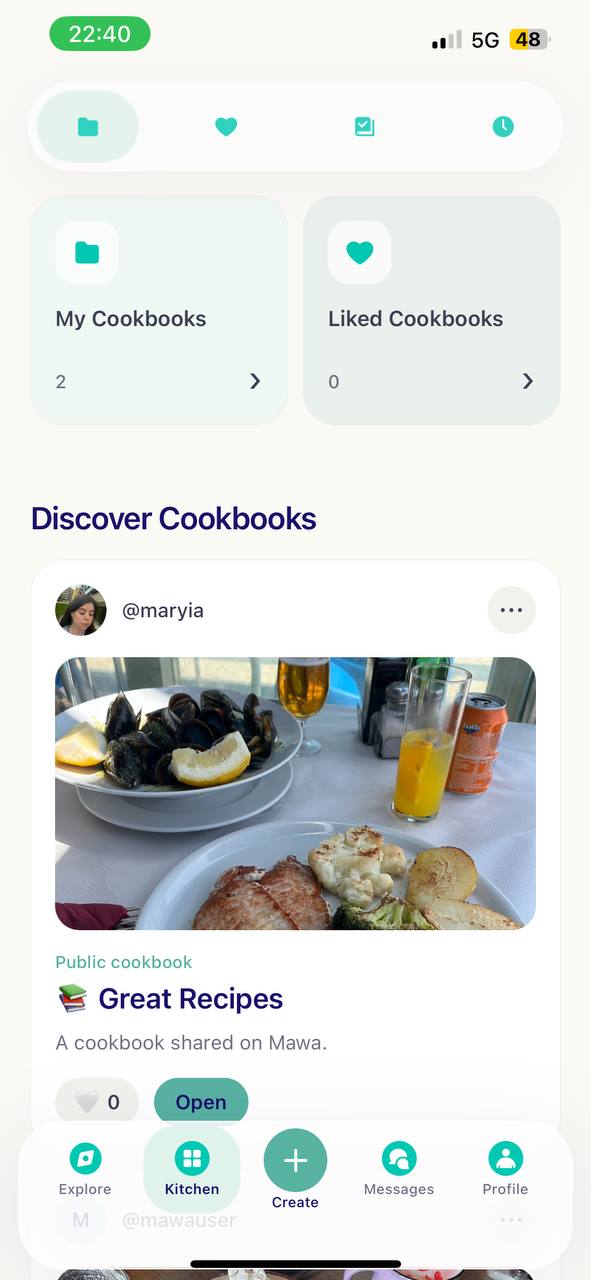
Cookbook screen
-
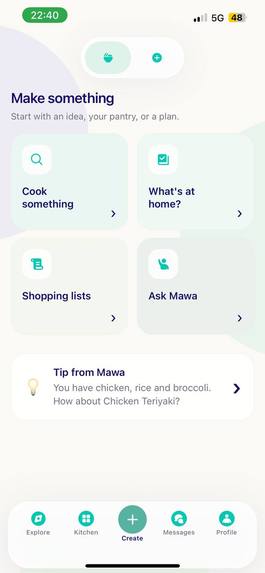
Cook screen
-
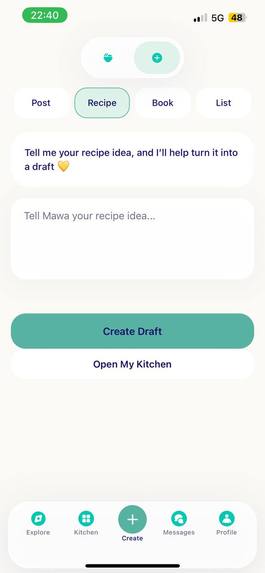
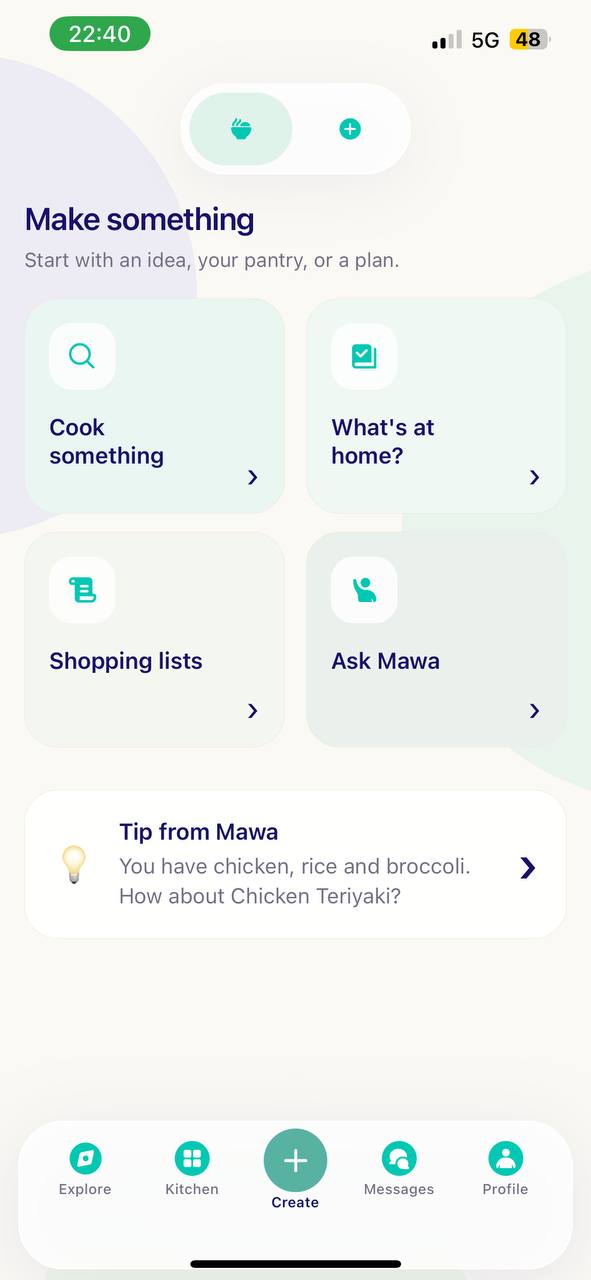
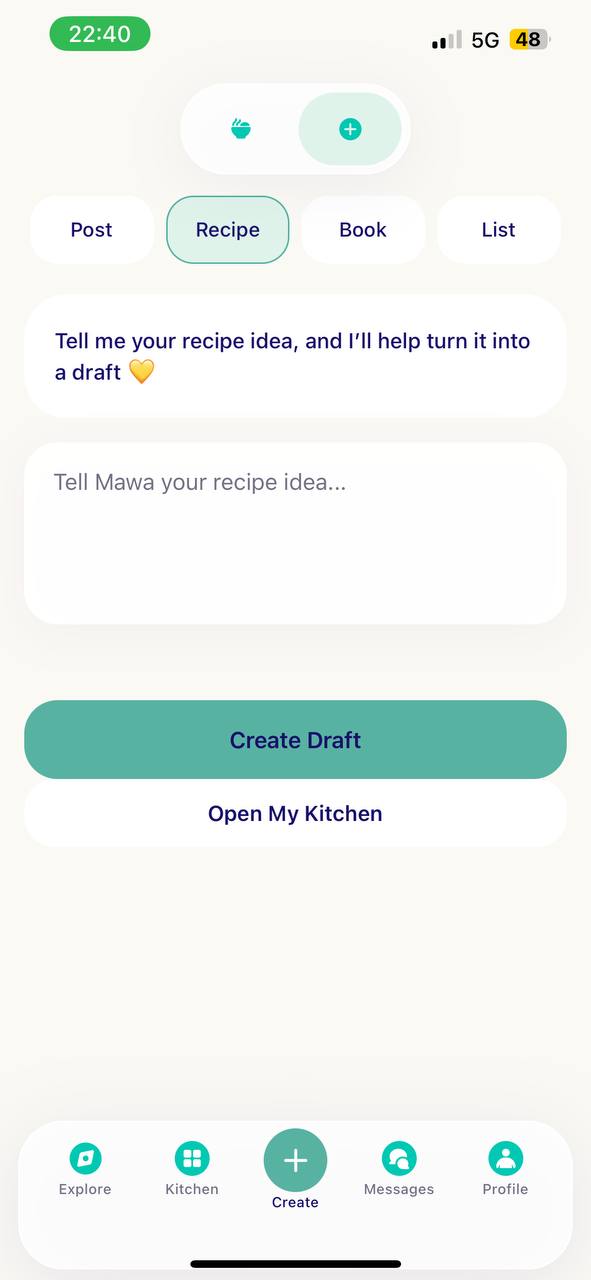
Create recipe screen
-
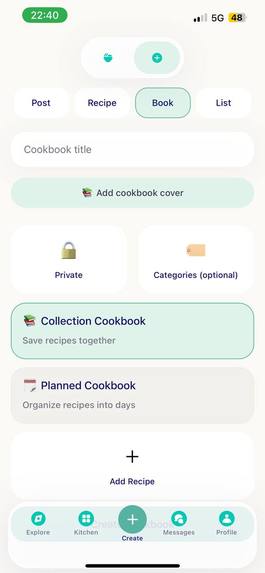
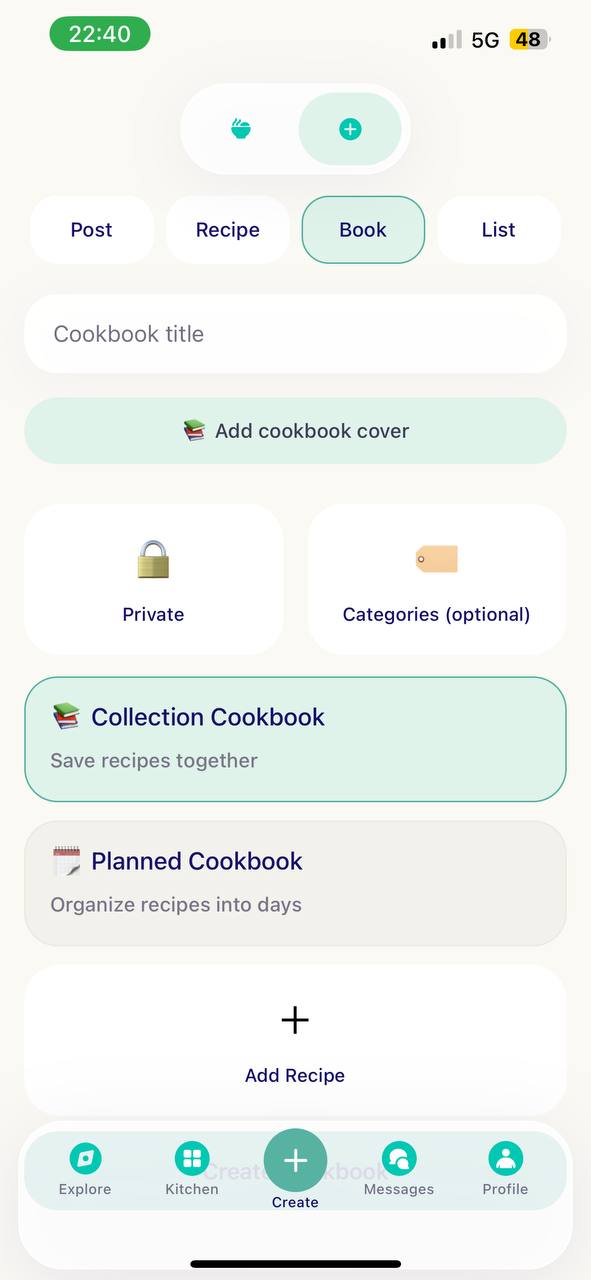
Create cookbook screen
-
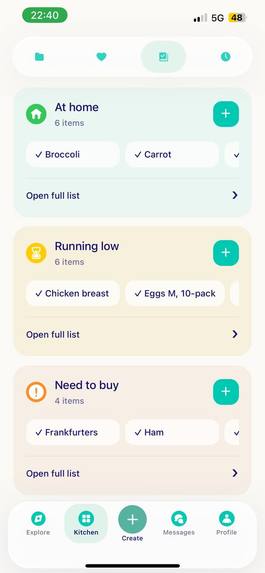
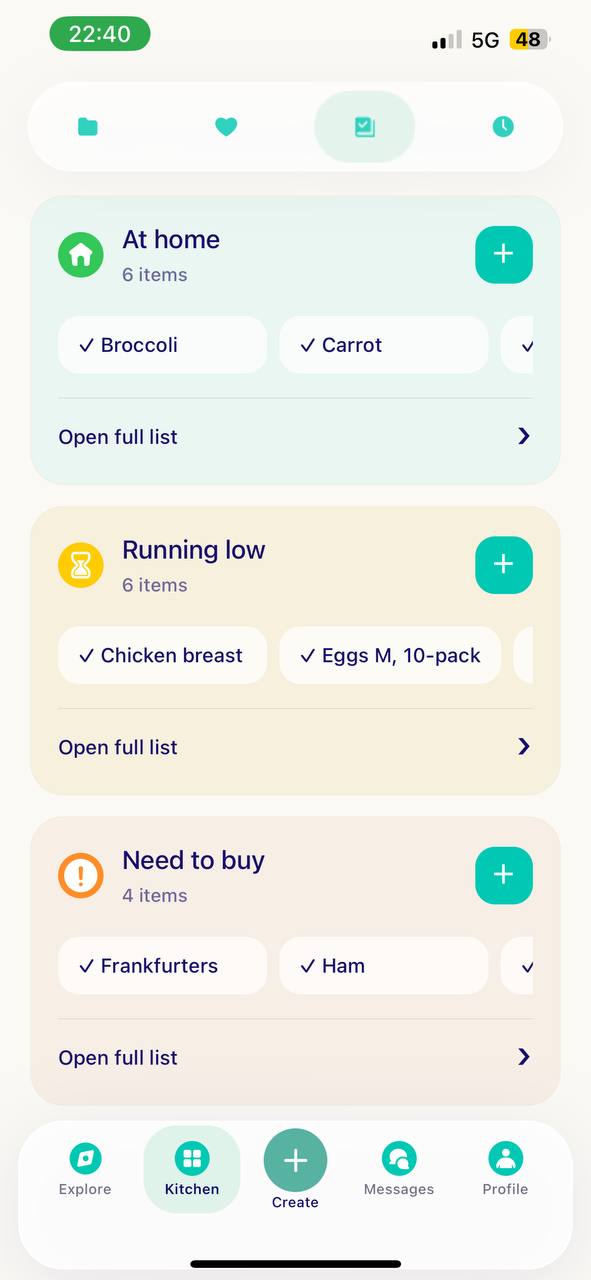
Pantry screen
-
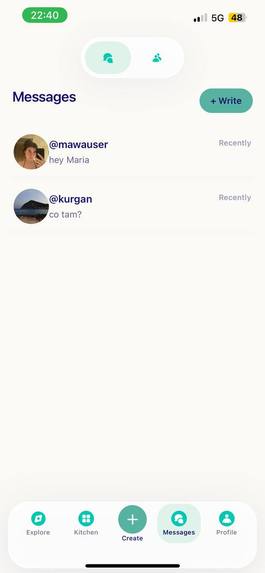
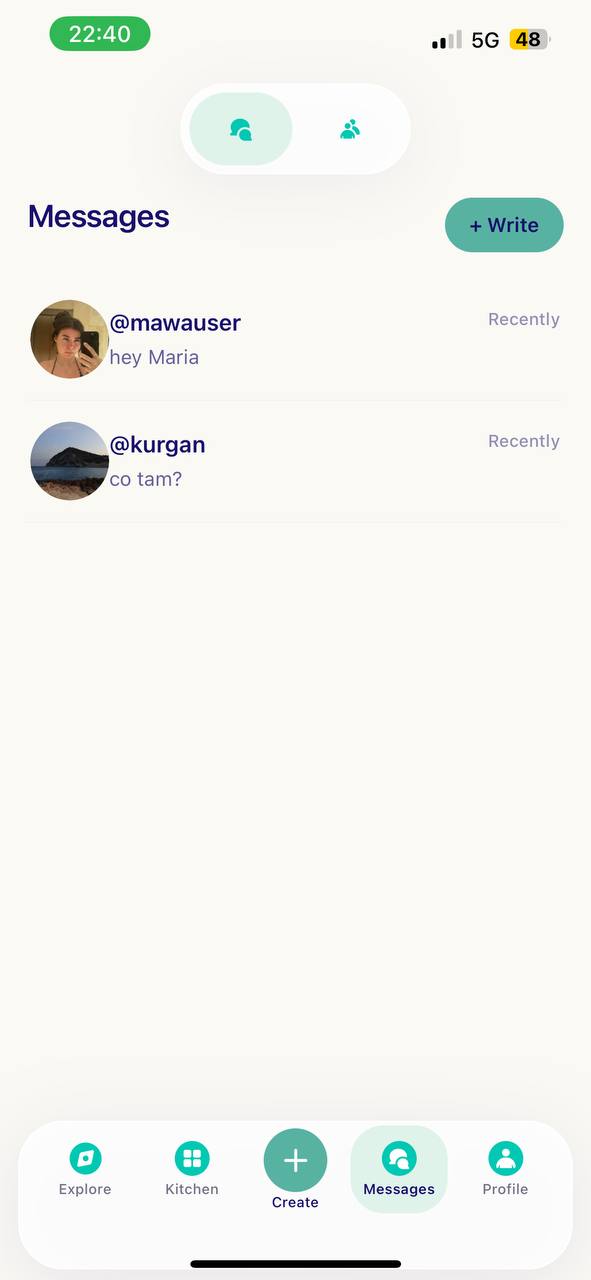
Chats screen
-
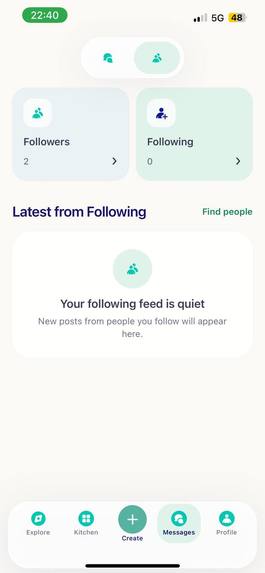
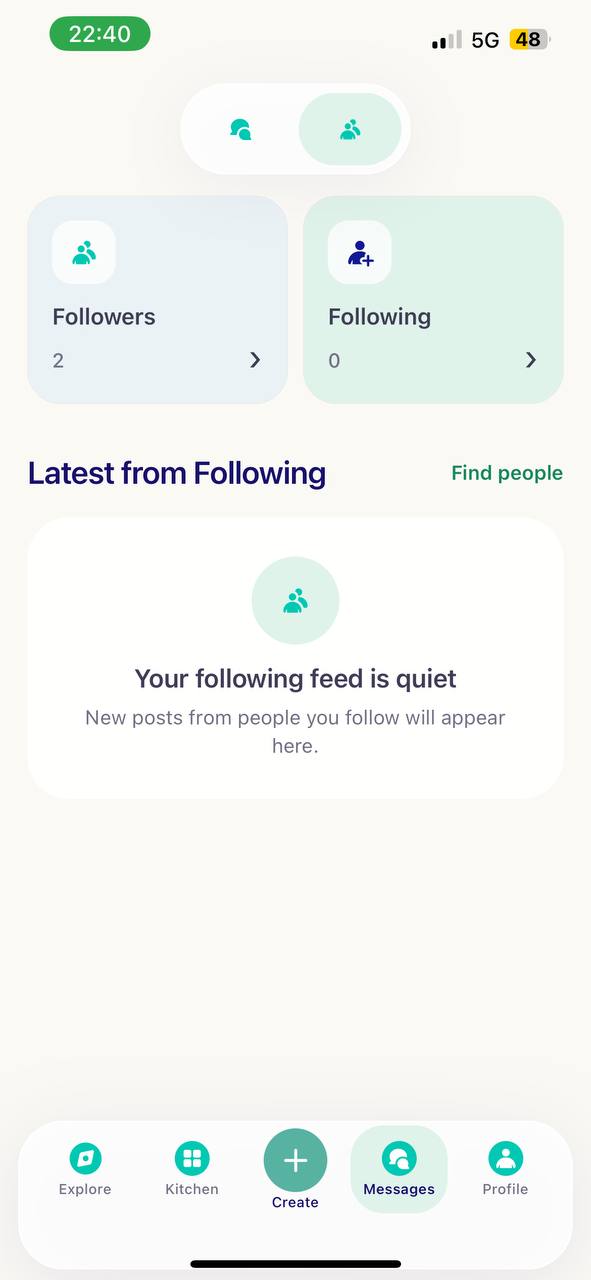
Followers page
-
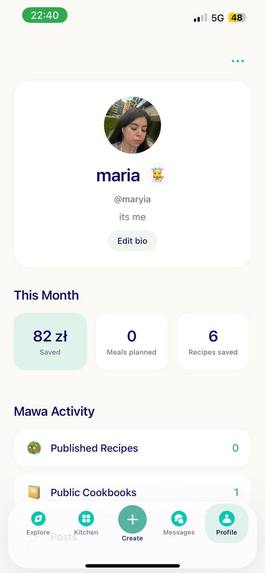
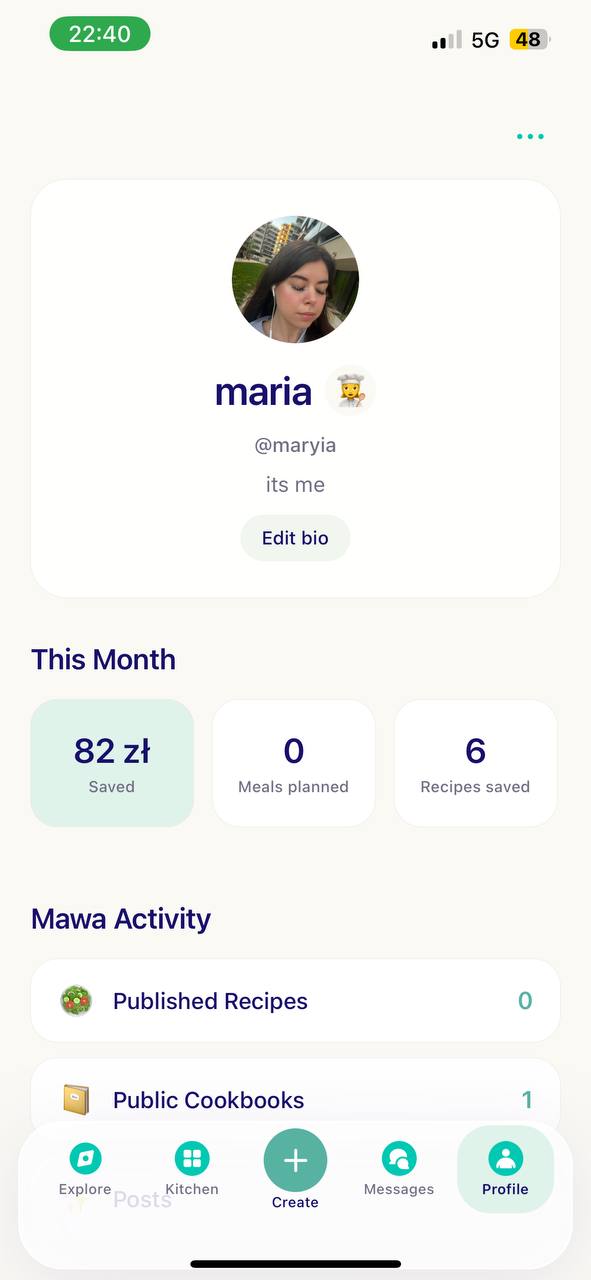
Profile screen
-
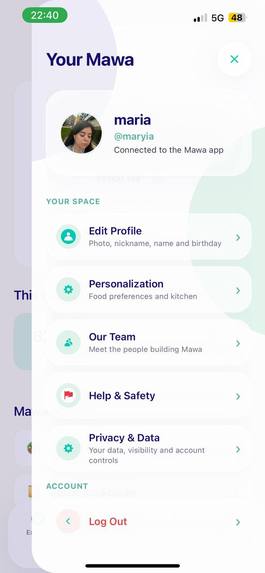
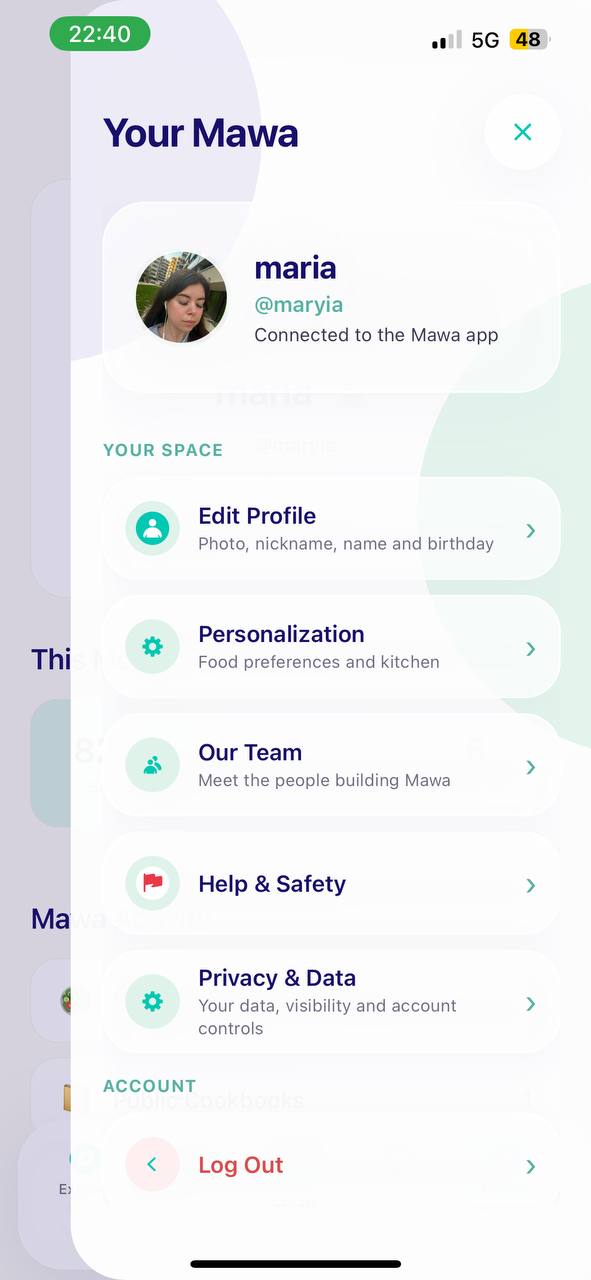
Sidemenu profile
-
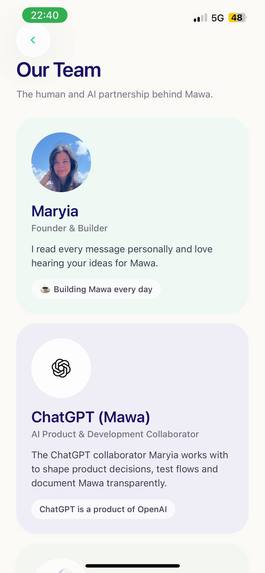
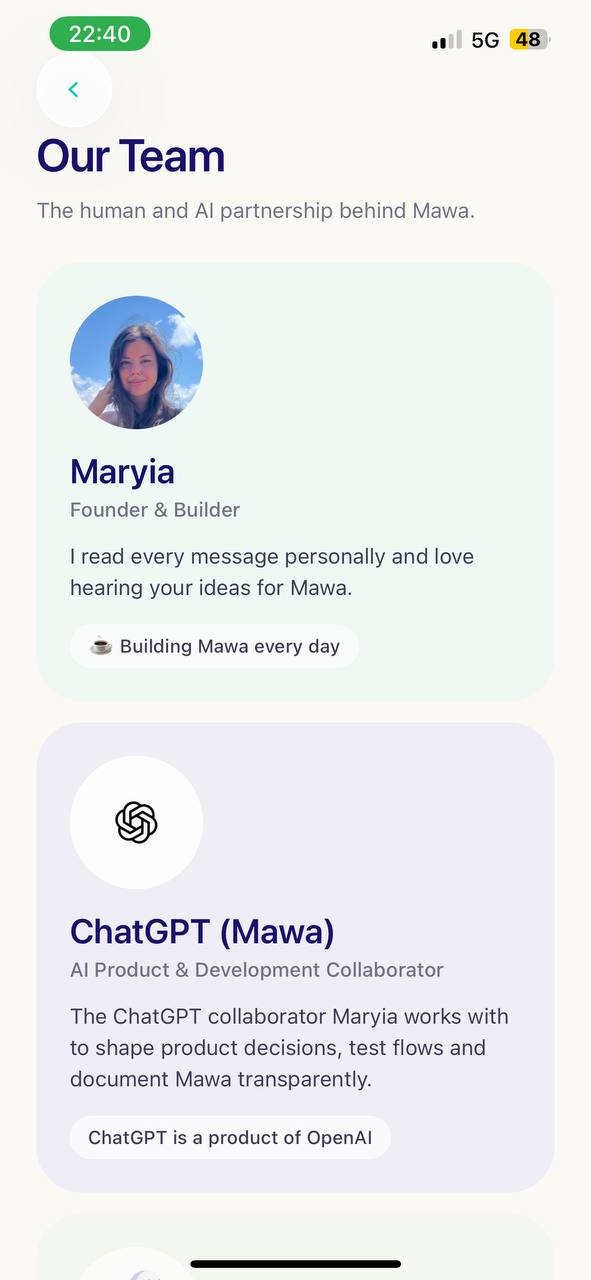
Mawa's Team
-
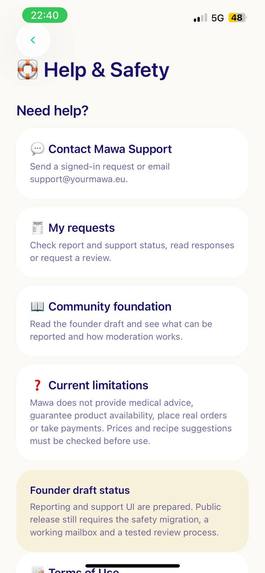
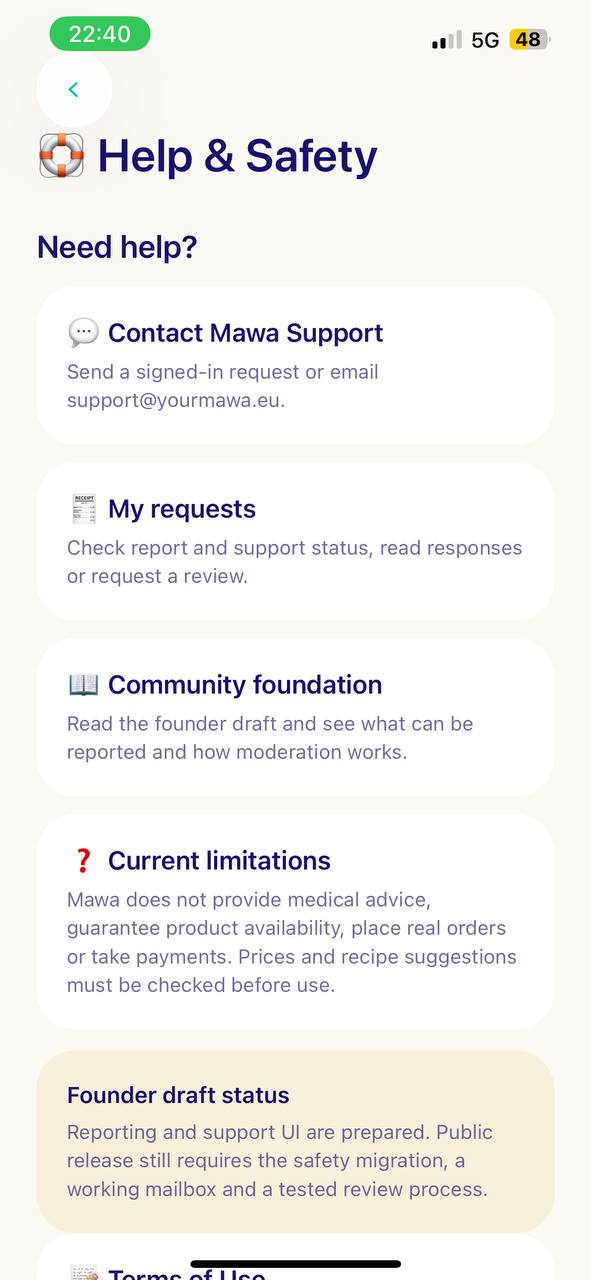
Help&Safety
-
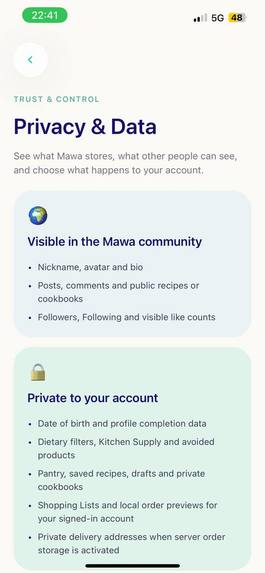
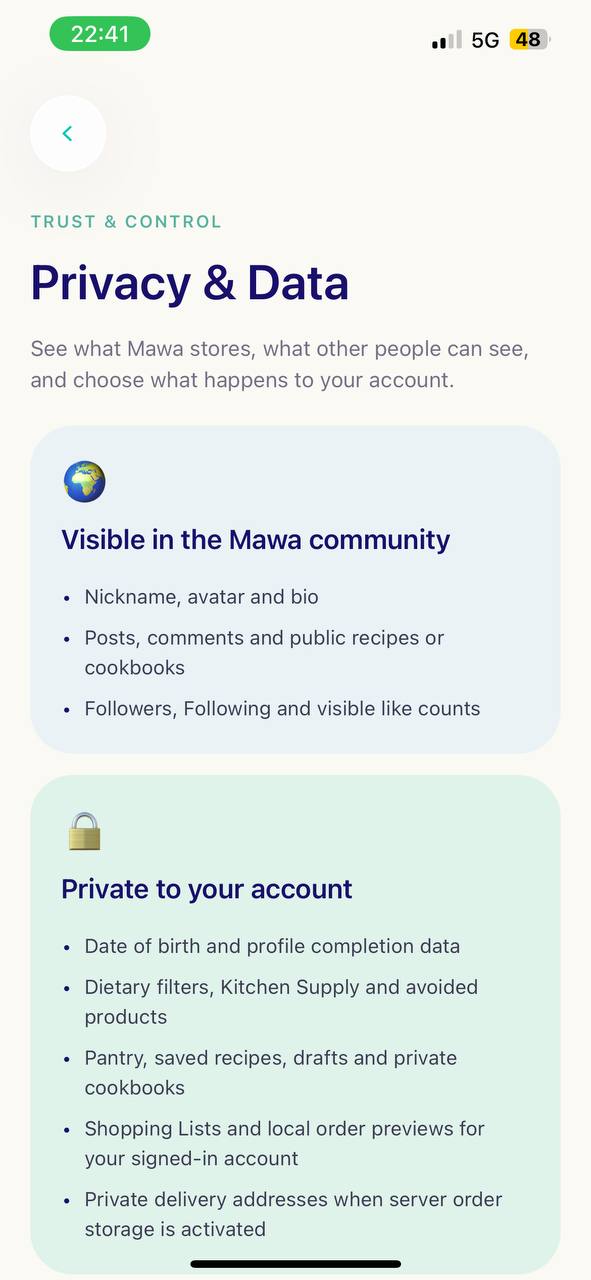
Privacy&Data screen
Inspiration
I studied human nutrition and food technology thats why food has always been interesting to me not only as something we do eat, but as a whole system of habits, needs, culture, budget and everyday decisions. At some point I started to think about how difficult a simple question can be: What should I eat/cook? I literally just want to eat, why should I think so much about what to buy/order and what to cook then? These are small decisions but they keep repeating every day and taking a really huge amount of mental energy. And this is where the idea of Mawa came from. I did not want to build an AI that tells people what they should eat or quietly makes choices for them. I wanted to explore a different relationship: AI as a companion that can organize information, explain its reasoning and reduce routine work, while the person keeps the final decision. That idea became Mawa’s central principle: care without control.
What Mawa does
Mawa is an AI food companion that connects recipes, dietary preferences, pantry information, shopping and cooking in one experience. A user can choose recipes and servings and Mawa turns them into one connected shopping plan. It considers what is already at home, combines shared ingredients and helps organize what still needs to be bought. The plan is not treated as a final answer, but remains transparent and editable: products can be added, removed or replaced and the user can see which information shaped the proposal. After shopping, the same journey continues into a focused cooking mode. When the meal is ready the user can leave one emoji response, add a photo and share the result with the community.
Before Build Week
Mawa did not begin from zero during OpenAI Build Week. Before the event we had already created an early React Native prototype with navigation, accounts, recipes, cookbooks, pantry features and a social layer. Mawa has been already developed through our collaboration with ChatGPT. However, many parts still felt like separate ideas rather than one complete user journey. The connection between choosing food, creating a shopping list, buying ingredients and cooking the meal wasn't clear.
What I built during Build Week
During Build Week, I worked with GPT-5.6 and Codex to turn those separate parts into a more coherent experience. Together, we:
- rebuilt the main recipe-to-shopping-list journey;
- connected recipes, servings, pantry and shopping;
- made shopping plans transparent and editable;
- added safety rules for dietary exclusions, budgets, account isolation and cloud data;
- created a focused cooking flow;
- simplified post-cooking feedback to a single emoji;
- redesigned the interface around Mawa’s new visual identity;
- added 36 regression tests;
- prepared and tested new iOS builds through TestFlight;
- launched the first public version of yourmawa.eu;
- created the final Build Week demo together.
Codex was especially useful because it could inspect the existing project instead of treating every task as a separate piece of code. It helped find connections between screens, state, navigation and product logic, implement changes across multiple files, run tests and diagnose build problems. GPT-5.6 also helped me think through the product itself: what information Mawa should use, what it should explain, where the user needs more control and where additional interaction would only create more mental load.
How I built it
Mawa is built with React Native, Expo, TypeScript, Supabase and PostgreSQL. Rive is used for character animation, and Figma supports the visual system and website design. I am not a software engineer, and Mawa is my first technology product. My role is not only to describe an idea and wait for AI to produce it. I bring the original concept, my background in nutrition, the user perspective, ethical questions and product direction. ChatGPT helps me examine those ideas, find structure and turn them into something that can actually work. I still review the results, test the application, notice when something feels wrong and decide what Mawa should or should not become.
Challenges
One of the biggest challenges was not technical, it was deciding how helpful Mawa could become without becoming controlling. A recommendation can reduce mental load, but it can also hide assumptions or quietly narrow a person’s choices. Because of this, we had to think carefully about what Mawa may suggest, what it must never assume and what should always remain editable. The technical side was also a completely new world for me. During development I had to understand navigation, state, databases, authentication, mobile builds, cloud synchronization and testing while building the product at the same time. There were many moments when something failed for a reason I did not understand. Build Week included broken builds, TestFlight problems, navigation bugs and design elements that looked completely different on a real phone. Each problem became part of learning how the whole system fits together.
What I learned
I learned that building with AI is not the same as pressing a button and receiving a finished product. For me, it became a partnership in which both sides contribute something different. I bring lived experience, questions, values and responsibility for the direction. AI brings technical reasoning, structure, attention across a large codebase and the ability to help turn ideas into working systems. I also learned that ethics can be part of product functionality. Transparency is not only something to mention in a policy: it can be a visible explanation, an editable plan, a safe default or a decision not to ask the user for unnecessary information. Most importantly, I learned that being a beginner does not mean having nothing to contribute. I may still be learning how software works, but I understand why I want Mawa to exist and what kind of relationship between people and AI I want it to represent.
What’s next
Mawa is still an early project. The next steps include real store integrations, stronger allergy and accessibility support, family accounts, multilingual experiences and better connections between planning, purchasing and food already available at home. I also would like to continue exploring Mawa as an example of ethical human-AI partnership: technology that is useful and proactive, but remains honest about its limitations and respectful of the person using it.
Built With
- codex
- eas-build
- expo-router
- expo.io
- figma
- github
- gpt-5.6
- openai
- postgresql
- react-native
- react-native-reanimated
- rive
- supabase
- typescript


Log in or sign up for Devpost to join the conversation.