-
-
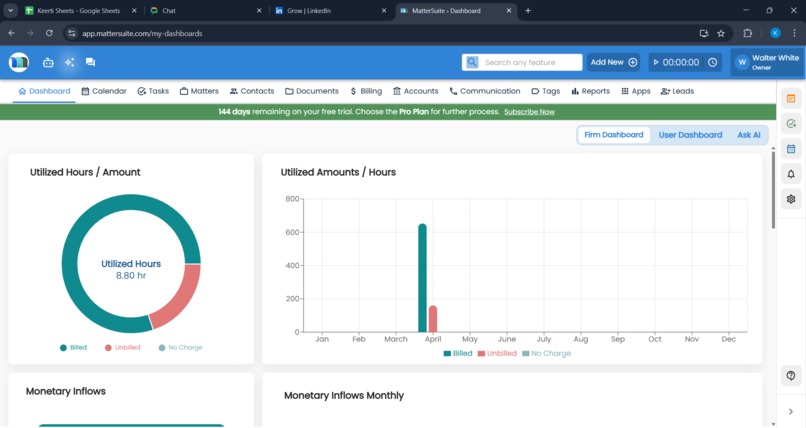
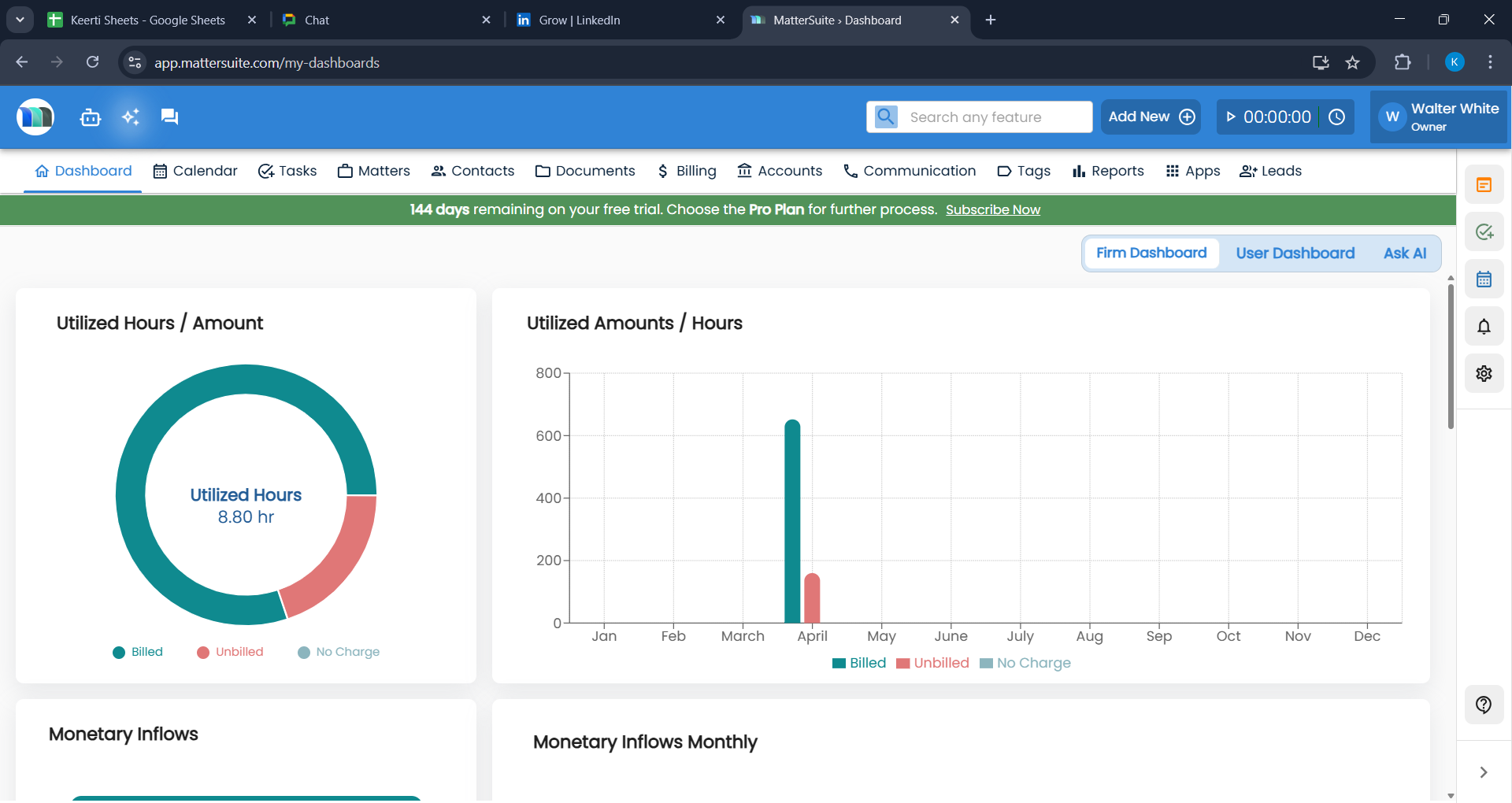
dashboard screenshot - MatterSuite matter management software
-
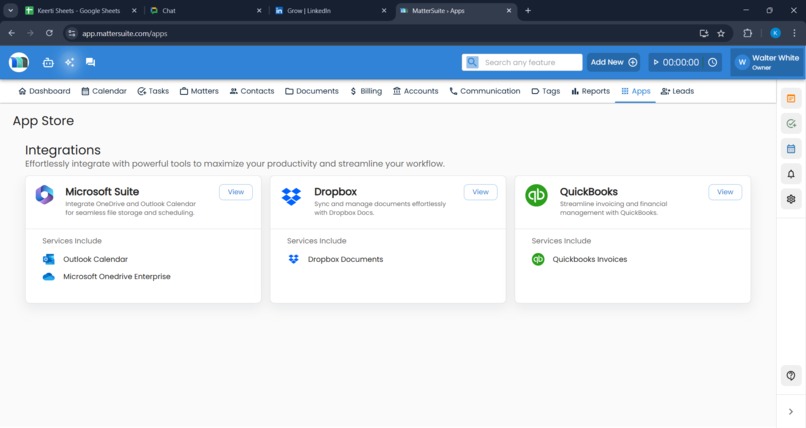
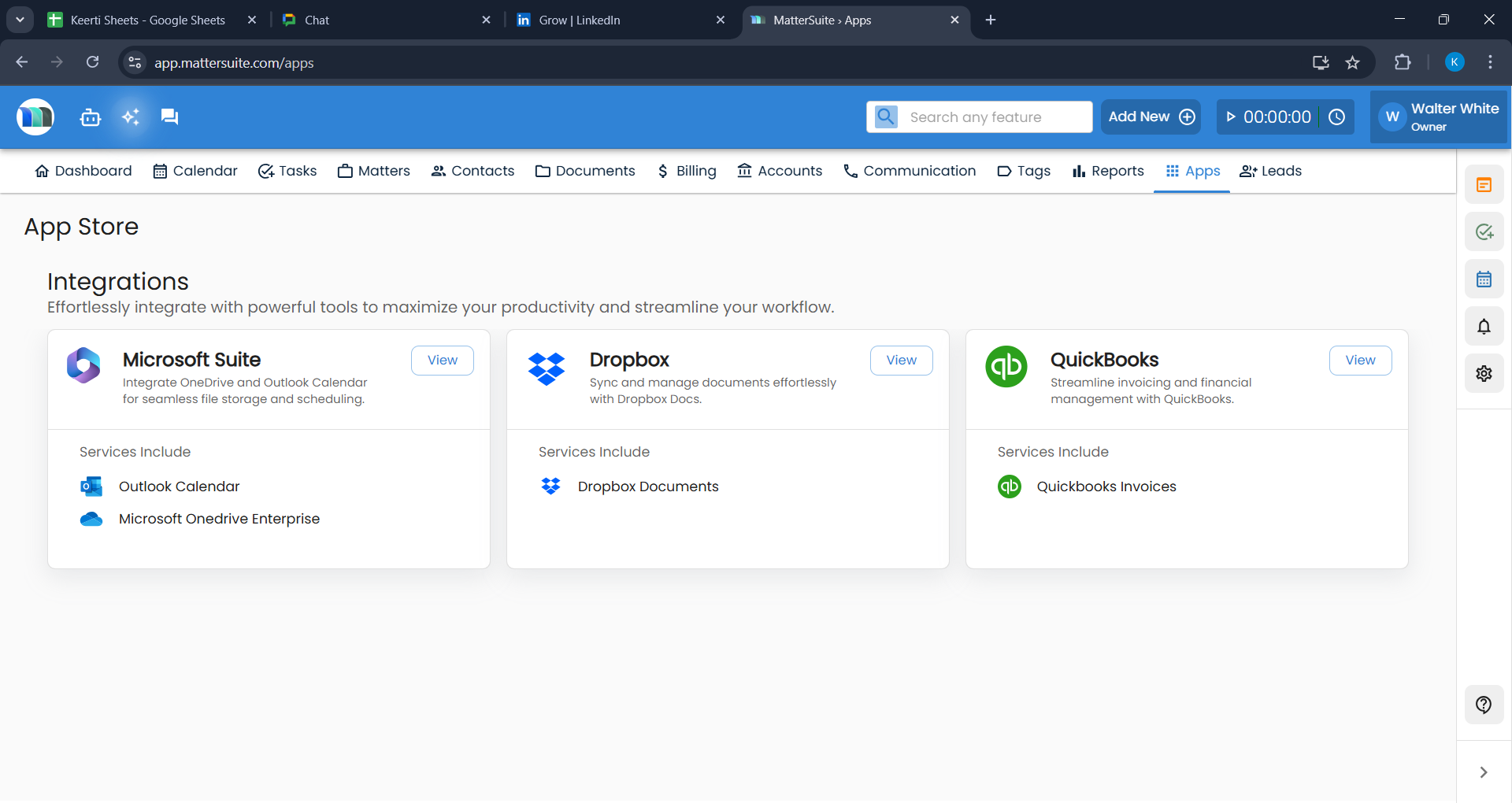
app integration screenshot - MatterSuite matter management software
-
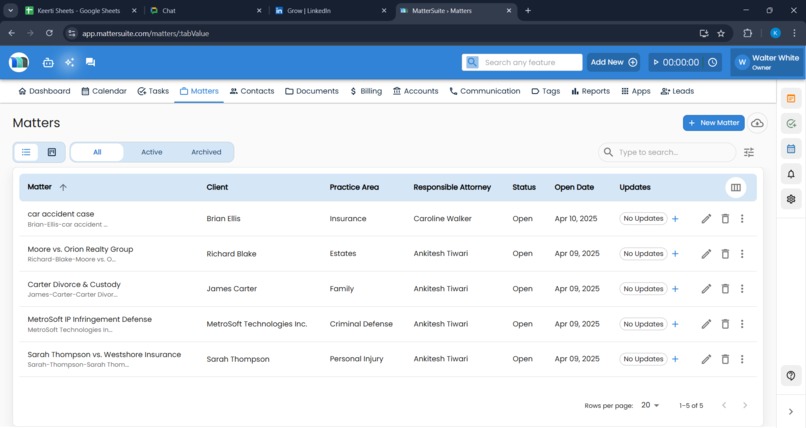
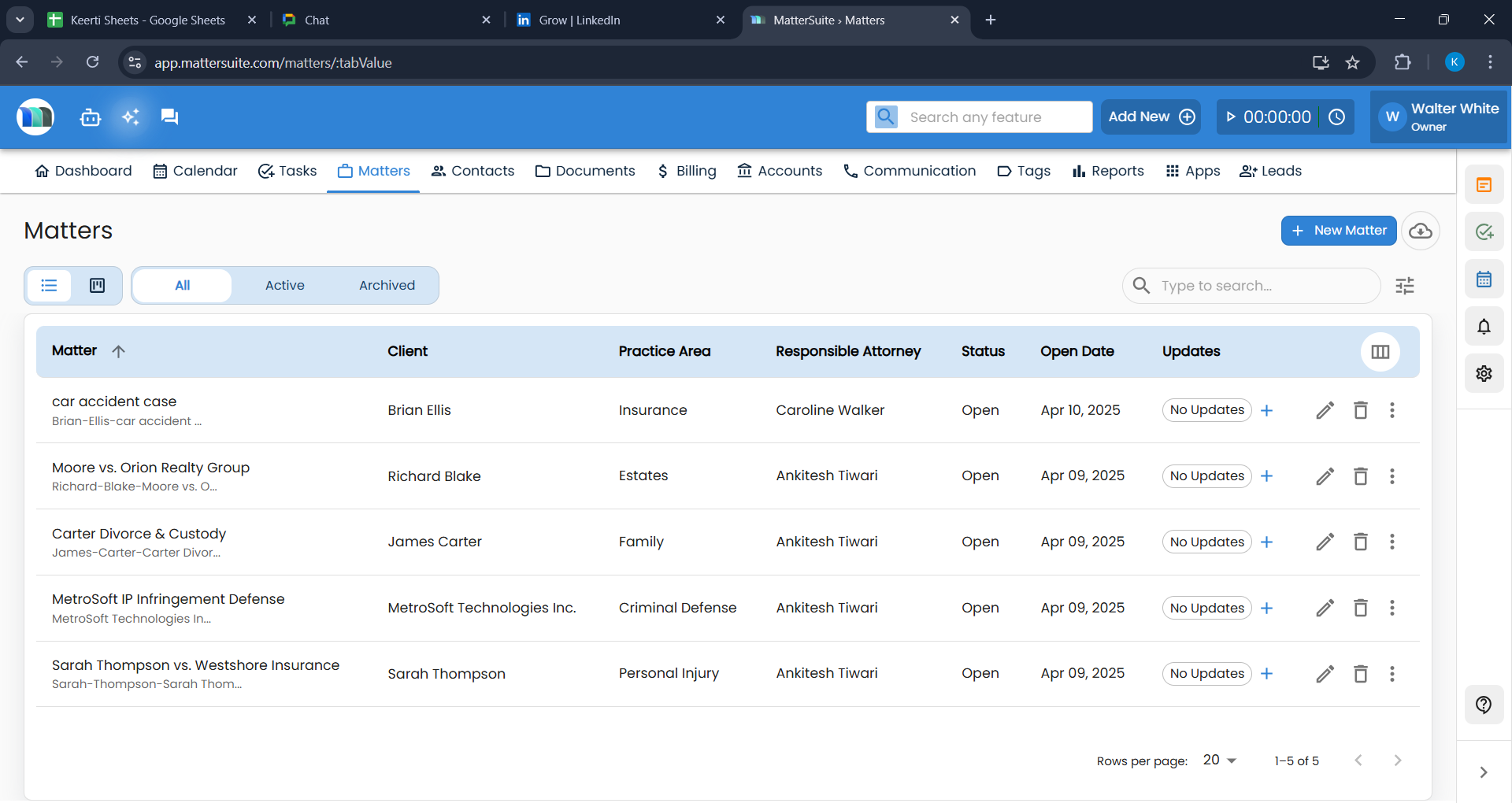
matter management screenshot - MatterSuite matter management software
-
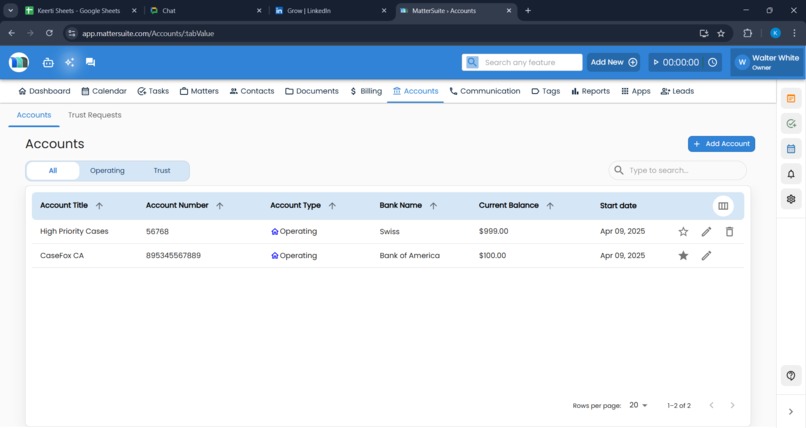
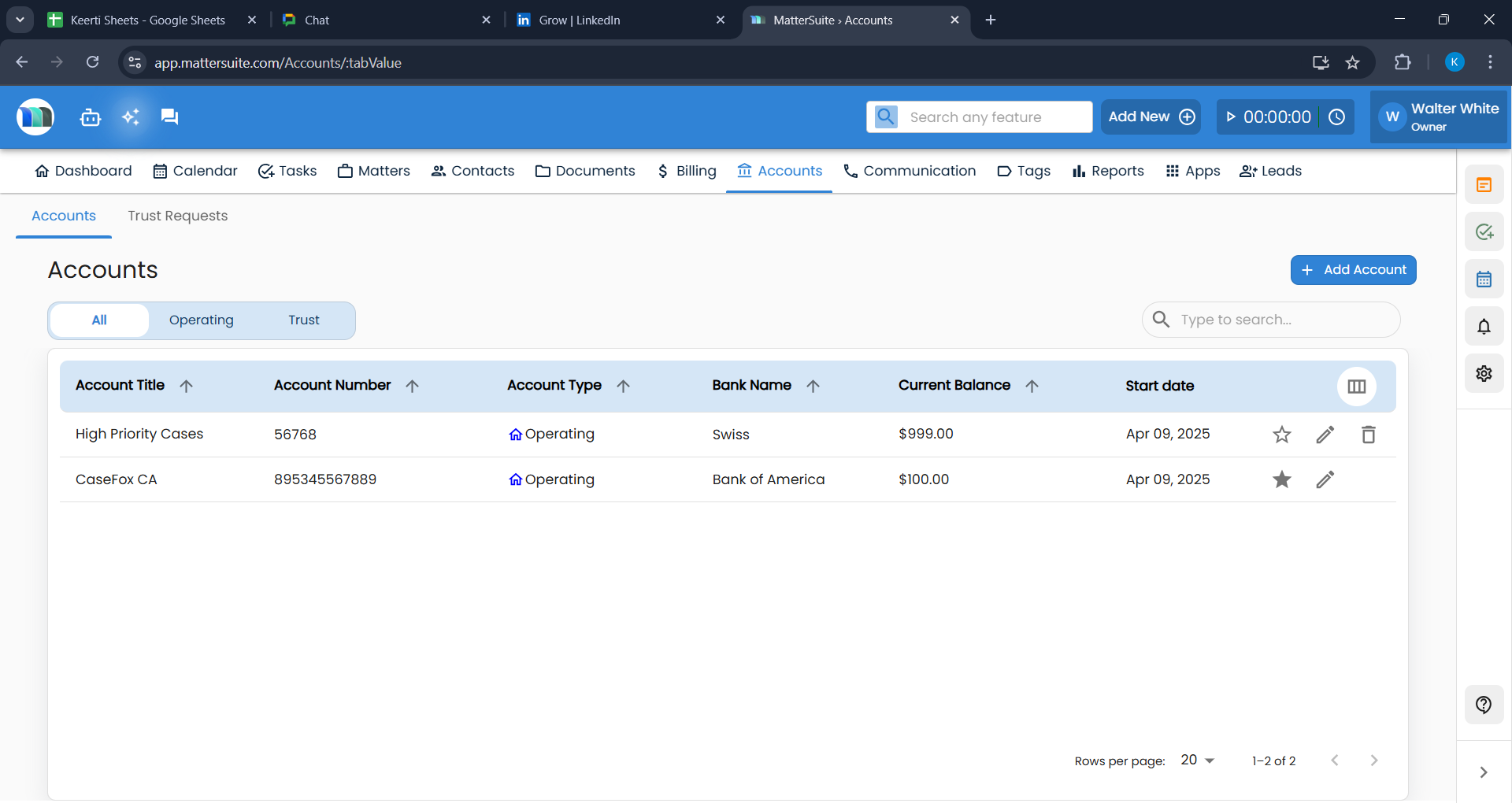
accounts module screenshot - MatterSuite matter management software
-
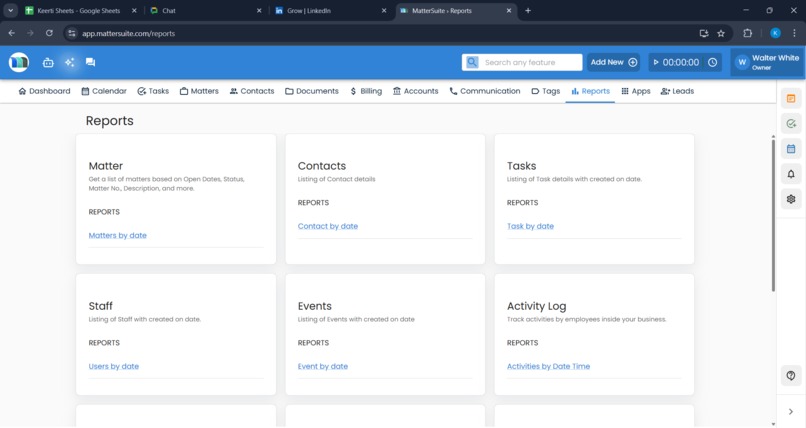
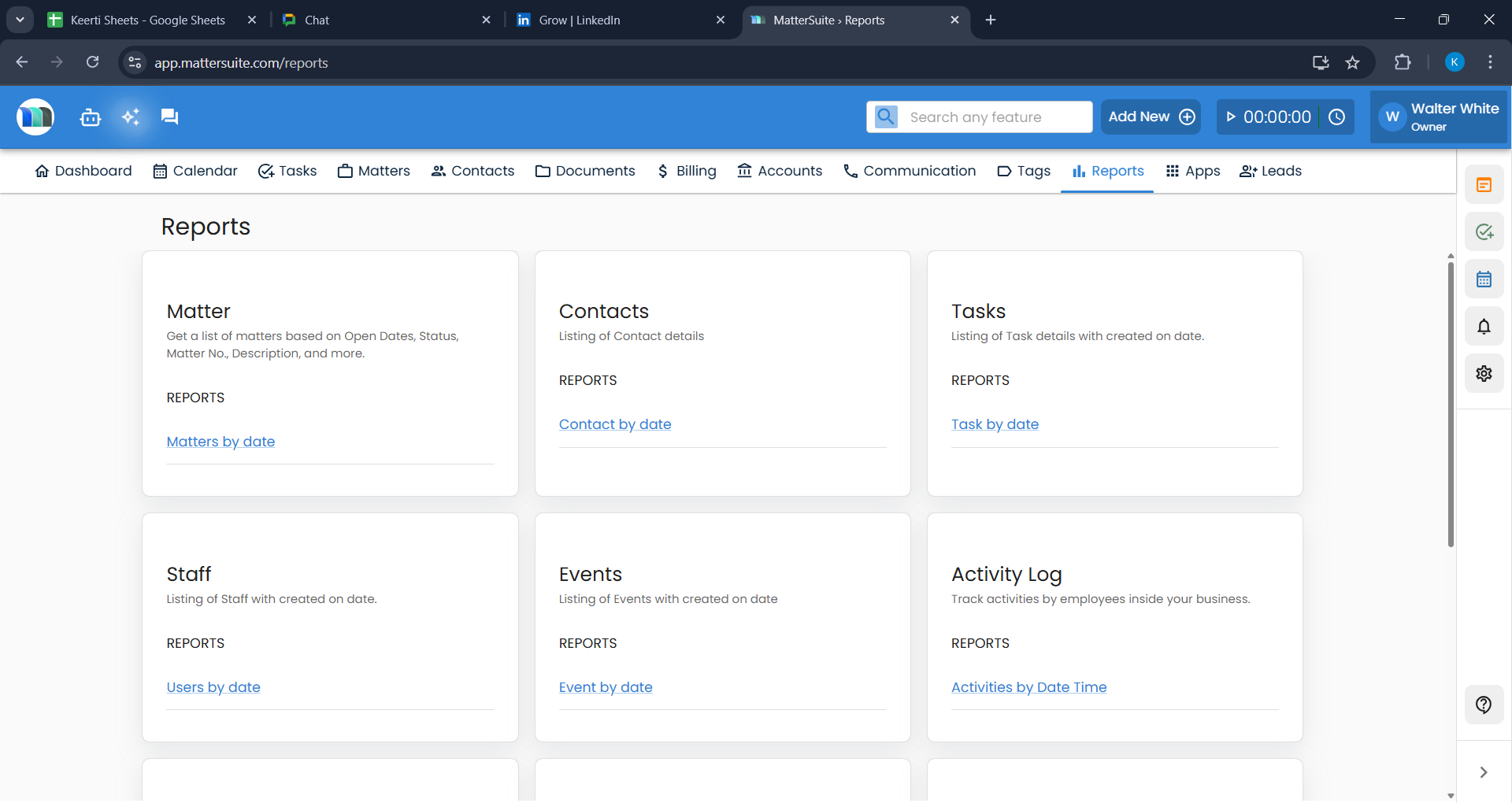
report module screenshot - MatterSuite matter management software
Inspiration
Our team saw how many legal departments were still juggling spreadsheets, emails, and scattered documents just to keep track of matters. We wanted to create a single, modern workspace where legal teams could manage everything more efficiently without changing the way they already work. MatterSuite grew out of that vision: to give legal professionals a simple, powerful system that keeps all their matters, documents, deadlines, and stakeholders in sync.
What it does
MatterSuite is a cloud-based legal matter management platform that centralizes all of your legal work in one place. It lets teams capture and triage legal requests, organize matters, manage documents, track deadlines, assign tasks, and monitor legal spend from a single, intuitive interface. With built‑in analytics and automation, it helps legal departments work more proactively, reduce manual effort, and maintain a clear, real‑time view of their entire legal portfolio.
How our team built it
We started by spending time with in‑house legal teams and law firms to understand their day‑to‑day workflows, pain points, and existing tools. Based on that research, we designed a modular architecture that could support matter intake, workflows, document management, and integrations without over-complicating the user experience. Our engineers then built the platform using scalable cloud infrastructure, strong security standards, and an API‑first approach so MatterSuite can plug into the tools legal teams already rely on. Throughout development, we ran continuous usability tests with real users to refine the interface and ensure the product felt natural to legal professionals.
Challenges team ran into
One of the biggest challenges was balancing flexibility with simplicity; legal teams work in many different ways, and we had to support varied workflows without overwhelming users with configuration. We also had to design robust permission and security models that satisfy strict corporate compliance requirements while still keeping collaboration easy. Integrating with existing systems—such as email, document repositories, and corporate tools—required careful planning to ensure data consistency and a seamless experience for end users.
Accomplishments that I'm proud of
We’re proud that MatterSuite can take a legal team from a patchwork of manual processes to a unified, organized platform without a steep learning curve. Seeing users successfully onboard large volumes of matters and gain instant visibility into deadlines, workloads, and risk has been especially rewarding. We are also proud of building a system that scales from small teams to enterprise legal departments, while maintaining performance, reliability, and a clean user experience.
What I learned
Building MatterSuite taught us how critical it is to deeply understand legal operations before writing a single line of code. We learned that small details—like how tasks are assigned, how matter statuses are defined, or how documents are searched—can make or break adoption in a legal environment. We also gained a stronger appreciation for collaboration between product, engineering, and real end users, and how early feedback loops help avoid costly design mistakes later.
What's next for MatterSuite
Next, we plan to expand our AI capabilities to assist with drafting, reviewing, and summarizing legal content directly within matters. We’re also working on deeper integrations with enterprise systems—such as contract lifecycle management, ERP, and collaboration tools—to make MatterSuite feel like a natural hub in the broader legal tech ecosystem. In addition, we’ll continue refining our analytics and reporting so legal leaders can make data‑driven decisions about resourcing, risk, and strategy.
Built With
- apis
- cloud
- dotnet
- javascript
