-

Intro Page
-
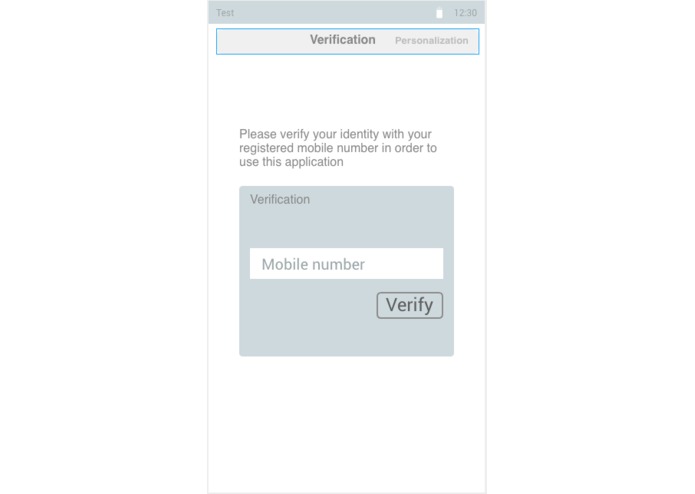
Login Page
-
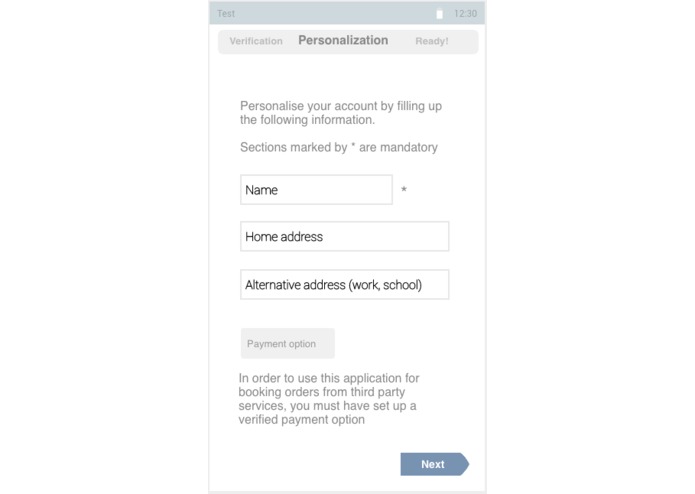
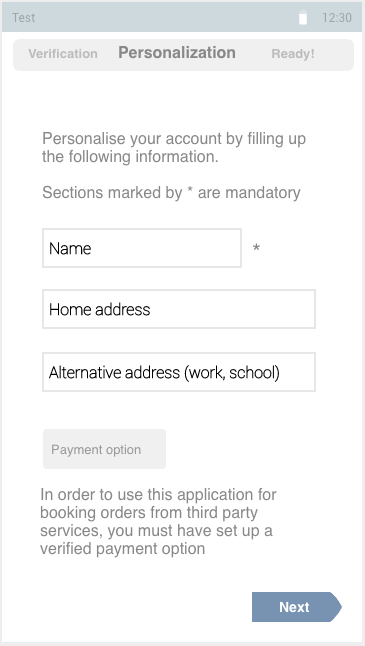
Profile Page
-
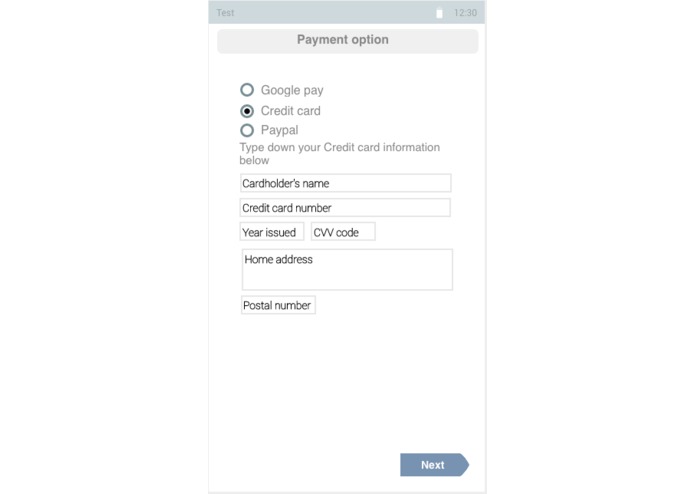
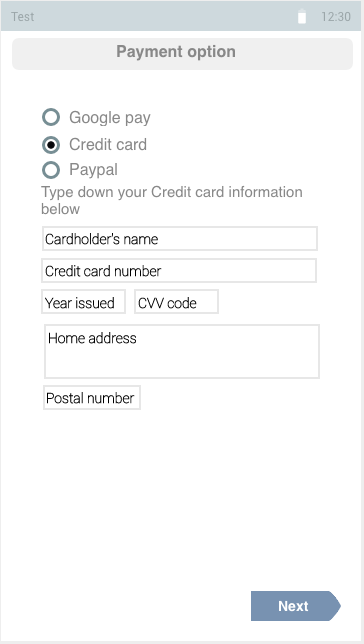
Payment Option
-
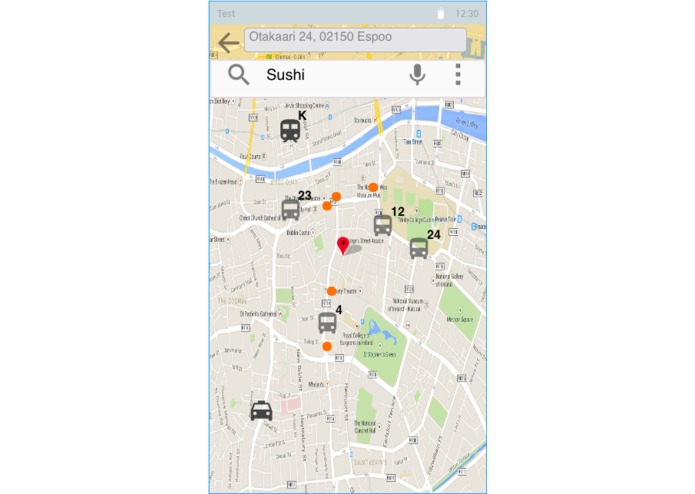
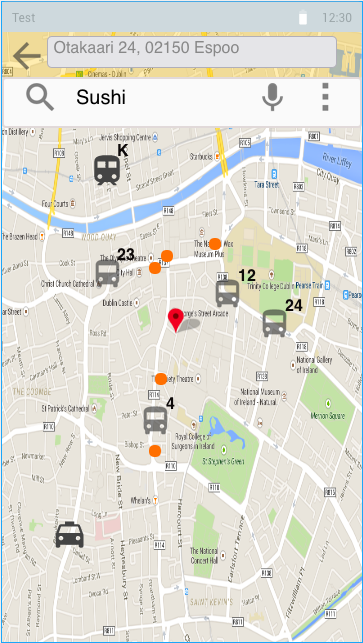
Map Screen
-
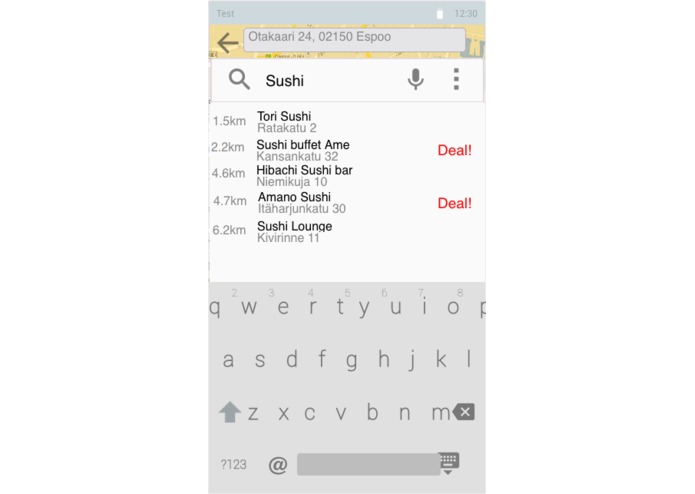
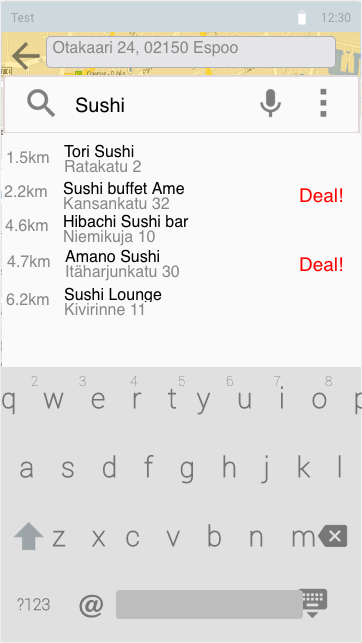
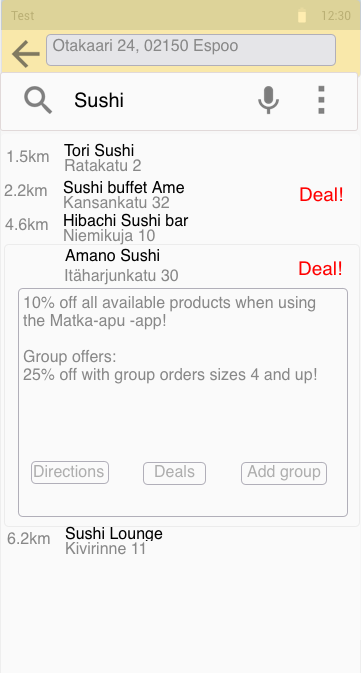
Search Page
-
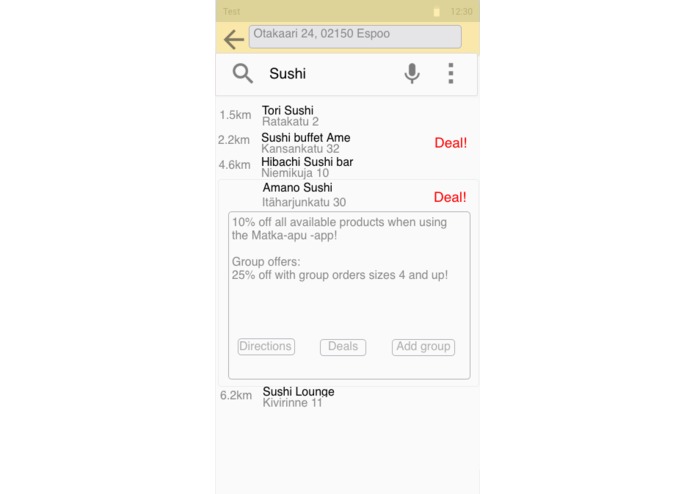
Extension of a search page
-
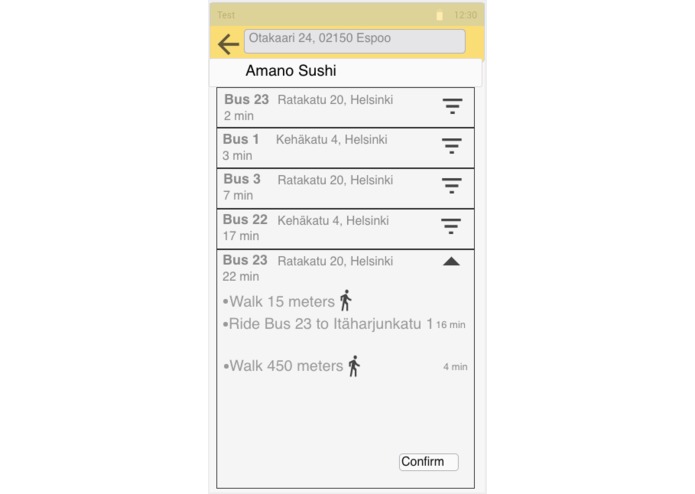
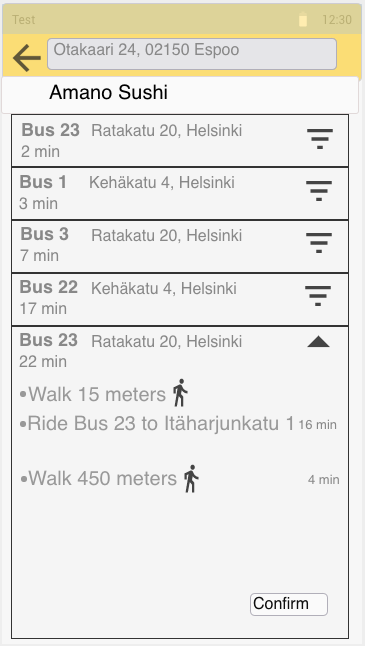
Bus Time Table
-
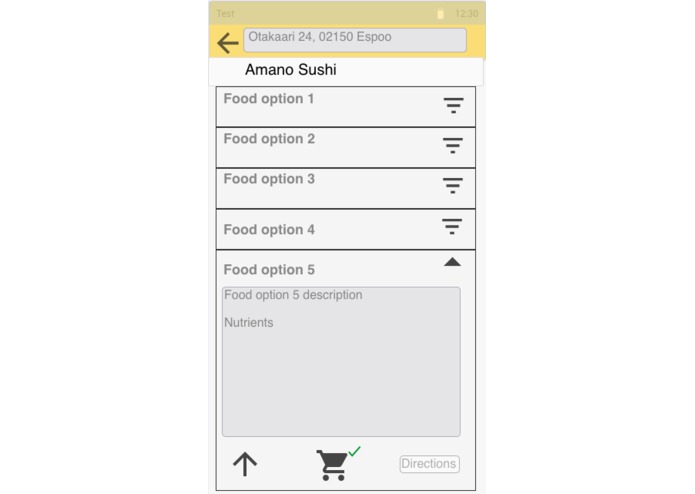
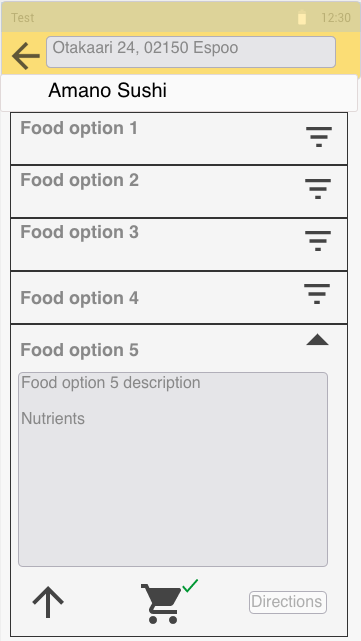
Deals Page
-
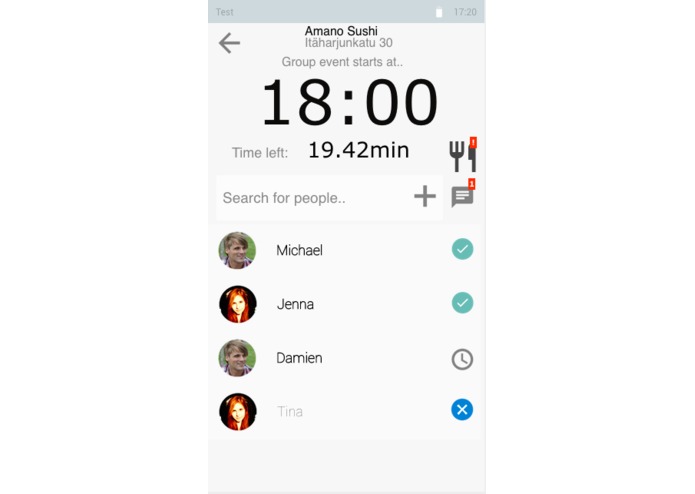
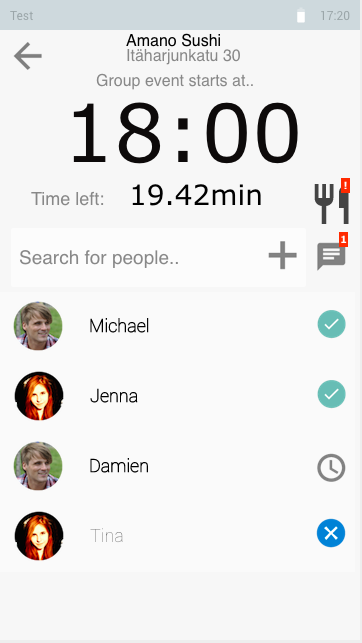
Social Page
-
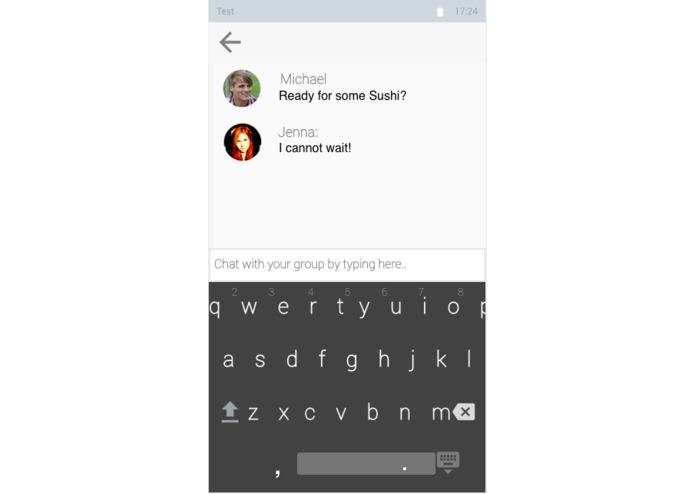
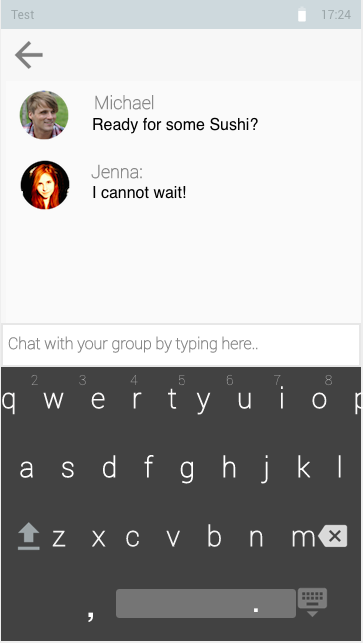
Chat Page
Requirements
“Making bus travelling more interesting for the passenger” (Or any other individual?)- Waltti, Software Architect. “We would like to have something that involve people for example gamification or socialisation”- Waltti, Project Manager
What does it do?
This should be a software based solution that could make the general public more interested in making use of public transport rather than using their own personal transportation more. The application should make the public transport more attractive and fun by providing exclusive features to the user. Suggestion for exclusive features are things related to health communality and environmental aspects. The company also wants some kind of check in and check out the system.
Our Solution
A high-level social platform for the public transport. An application is not just another bus ticketing system. It could be also a fitness application with benefits, location shopping application, a taxi application and finally a social platform.
General outline This a mobile application that can work on multiple platforms like iOS and Android.This will have features like Bus schedule viewing, Deals, Groups, Health aspects, Taxi ordering service. From a user point of view, it would make the application a single point for many things and would make their life easier and cheaper. They would also help the environment by reducing the carbon footprint. From a company point of view the services they sell even though it is free, they would acquire money from the third parties that actually participate in the application. The feature of the application is listed below.
Bus Time Table The user will a profile based on the public transport account. This can be issued when the user buys a bus card from the public transport authority. The main purpose of the application is to aid for the public transport. The application would aid in seeing the bus timetable.
Deals The person looks for a place and can find a good discount/Deal for a place along with bus to reach there. This would combination with bus ticket and deal combined. The people can pre-order something like a food. The restaurant would make it only when they know that the person would be on the bus based on the GPS Co-Ordinates.
Groups If there is a group of people planning to dine at a very specific place. Or go for a good shopping. They can add groups for these. The adding group would be based on your contact list. Once the group is created it would make the person coming to the event only when he gets on the bus. The application would also allow them to chat and plan it.
Future
In the future, this application has endless possibilities to collaborate with third parties. There also possibilities to include fitness section and taxi section to this application.
Fitness Section The user can set a monthly goal for walking. So based on this goal aspect if the person could take the optimised route which includes the health aspect he chooses for. If the goal is more than the insurance people goal then you would get a discount for your general health insurance. So stay healthy and use the public transport.
Taxi You can pre-order your taxi to your bus stop and the taxi would arrive at the exact time that you reach your bus stop. The taxi would know your exact location based on your coordinates on your bus or your own GPS coordinates.
References
•Lee, I. M., & Buchner, D. M. (2008). The importance of walking to public health. Medicine and science in sports and exercise, 40(7 Suppl), S512-8. •Bhatta, S. D., & Drennan, M. P. (2003). The economic benefits of public investment in transportation: A review of recent literature. Journal of Planning Education and Research, 22(3), 288-296. •Dirgahayani, P. (2013). Environmental co-benefits of public transportation improvement initiative: the case of Trans-Jogja bus system in Yogyakarta, Indonesia. Journal of cleaner production, 58, 74-81. •Nah, F. F. H., Siau, K., & Sheng, H. (2005). The value of mobile applications: a utility company study. Communications of the ACM, 48(2), 85-90. •Mahatanankoon, P., Wen, H. J., & Lim, B. (2005). Consumer-based m-commerce: exploring consumer perception of mobile applications. Computer standards & interfaces, 27(4), 347-357. •Froehlich, J., Dillahunt, T., Klasnja, P., Mankoff, J., Consolvo, S., Harrison, B., & Landay, J. A. (2009, April). UbiGreen: investigating a mobile tool for tracking and supporting green transportation habits. In Proceedings of the SIGCHI Conference on Human Factors in Computing Systems (pp. 1043-1052). ACM. •Mallat, N., Rossi, M., Tuunainen, V. K., & Öörni, A. (2009). The impact of use context on mobile services acceptance: The case of mobile ticketing. Information & management, 46(3), 190-195. •Dhar, S., & Varshney, U. (2011). Challenges and business models for mobile location-based services and advertising. Communications of the ACM, 54(5), 121-128. •Zhou, P., Zheng, Y., & Li, M. (2012, June). How long to wait?: predicting bus arrival time with mobile phone based participatory sensing. In Proceedings of the 10th international conference on Mobile systems, applications, and services (pp. 379-392). ACM.

Log in or sign up for Devpost to join the conversation.