Inspiration
The idea for MathCanvas was inspired by the increasing need for tools that can seamlessly bridge visual data and computational intelligence. I wanted to create a platform that could analyze handwritten equations and drawings while generating creative content, making AI accessible and practical for students, artists, and educators alike.
What it does
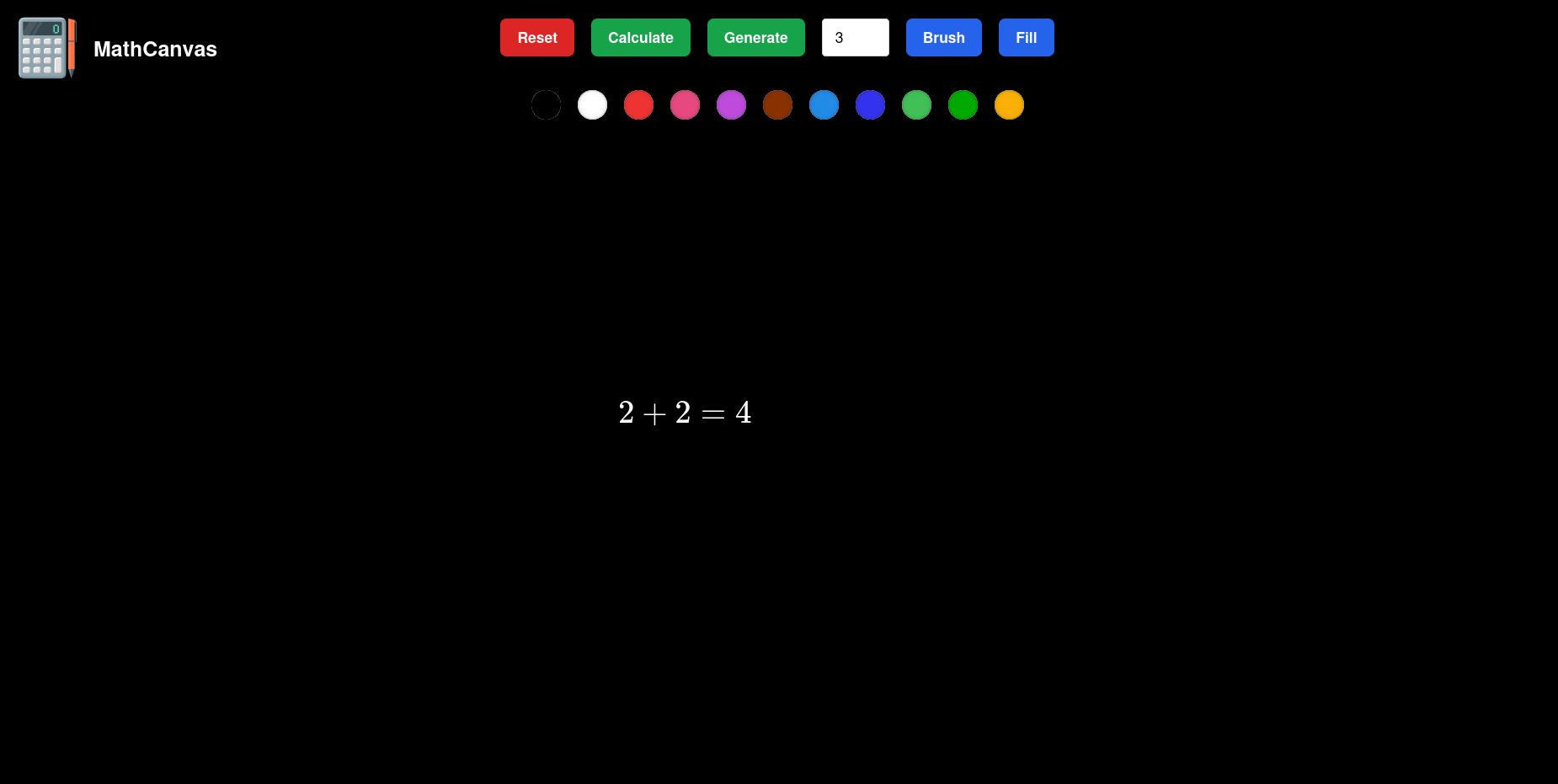
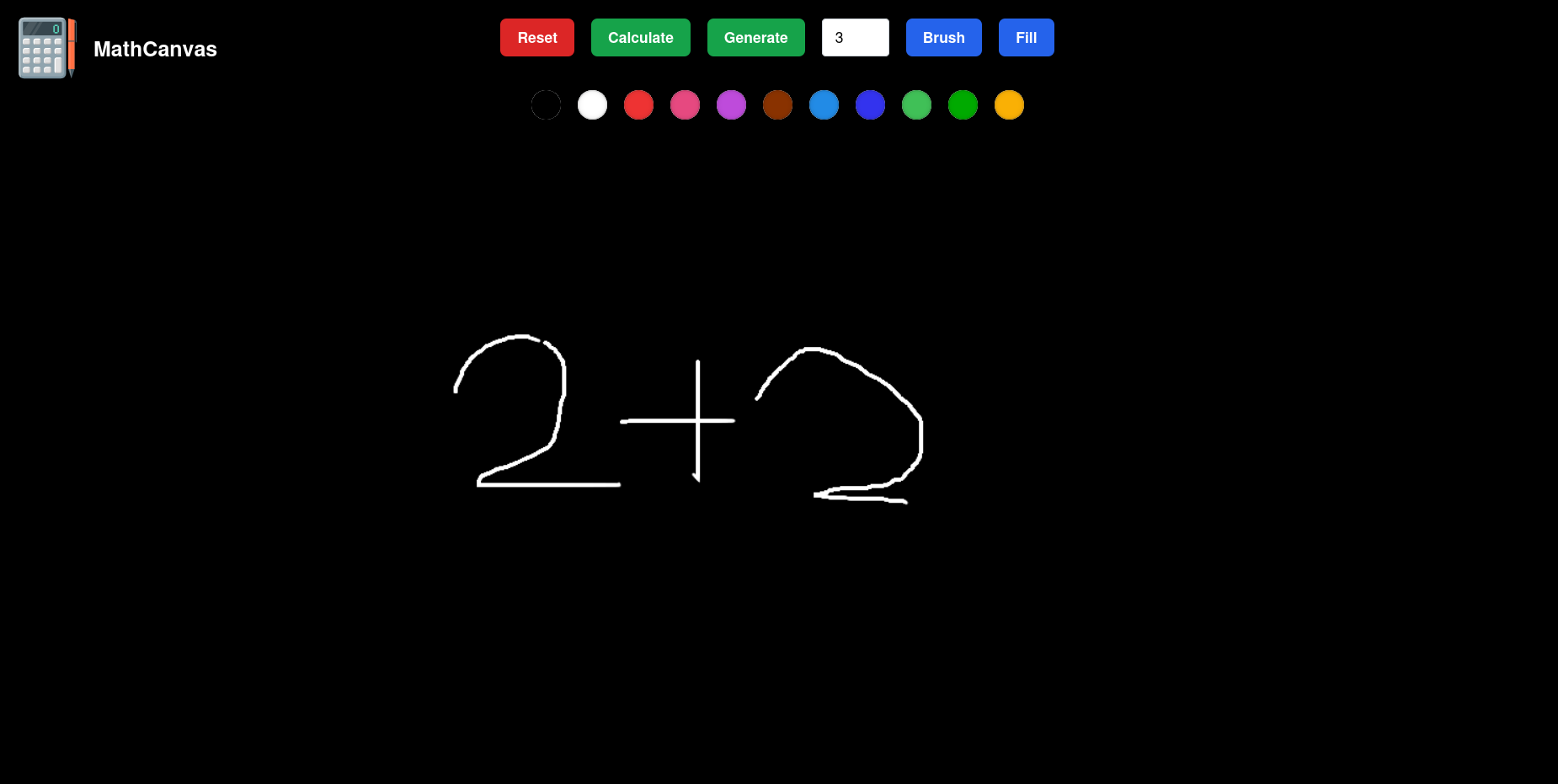
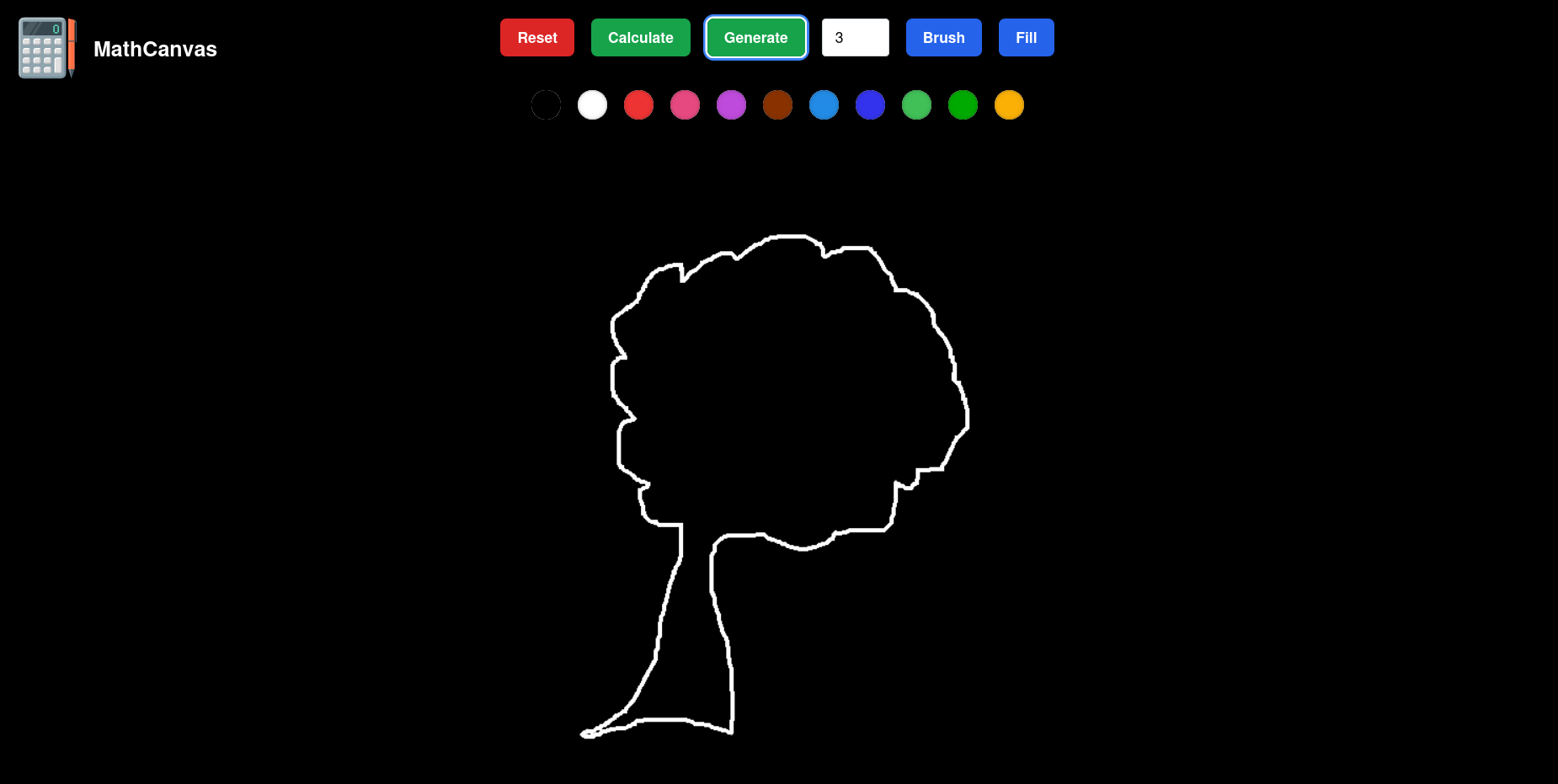
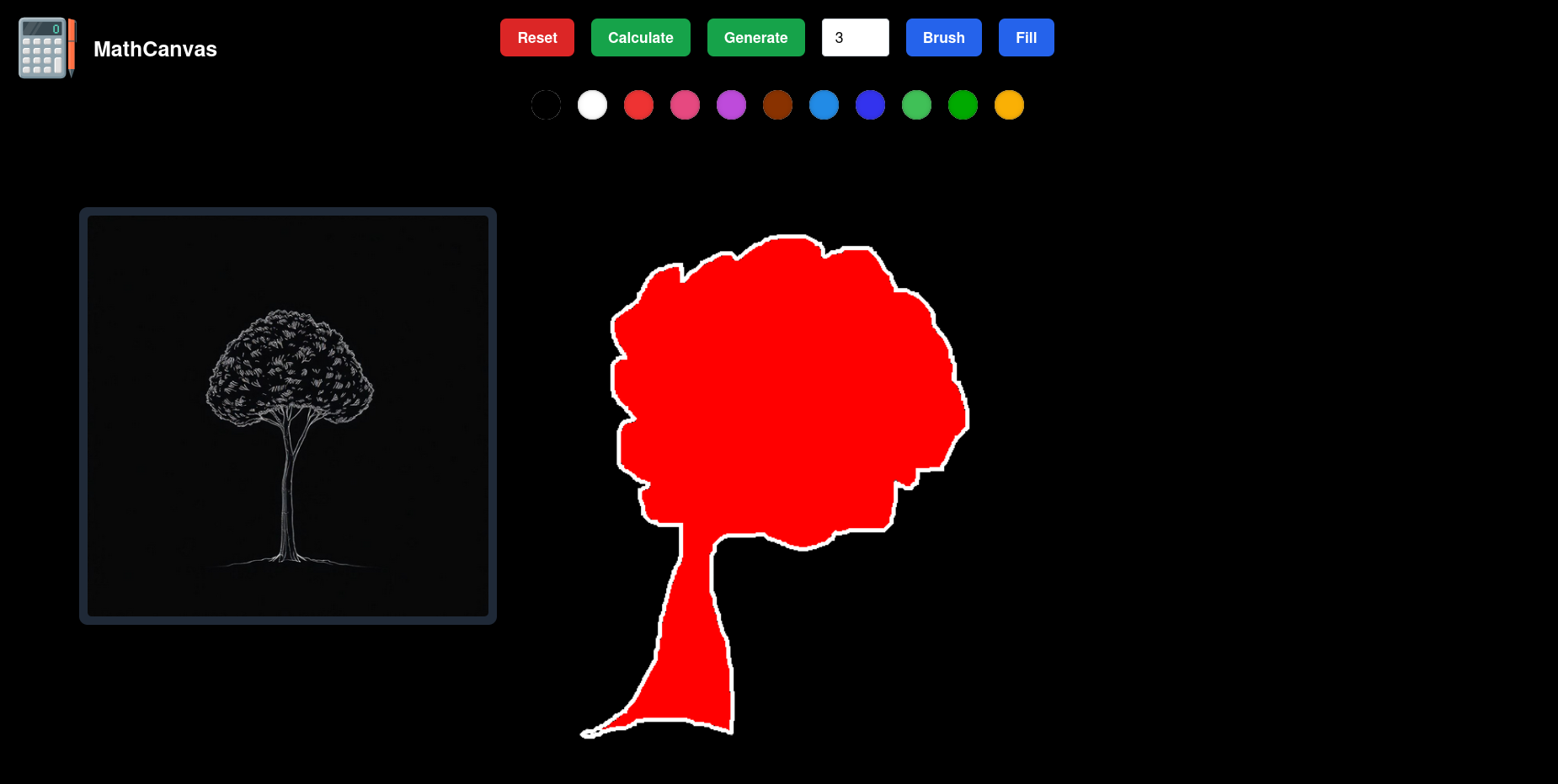
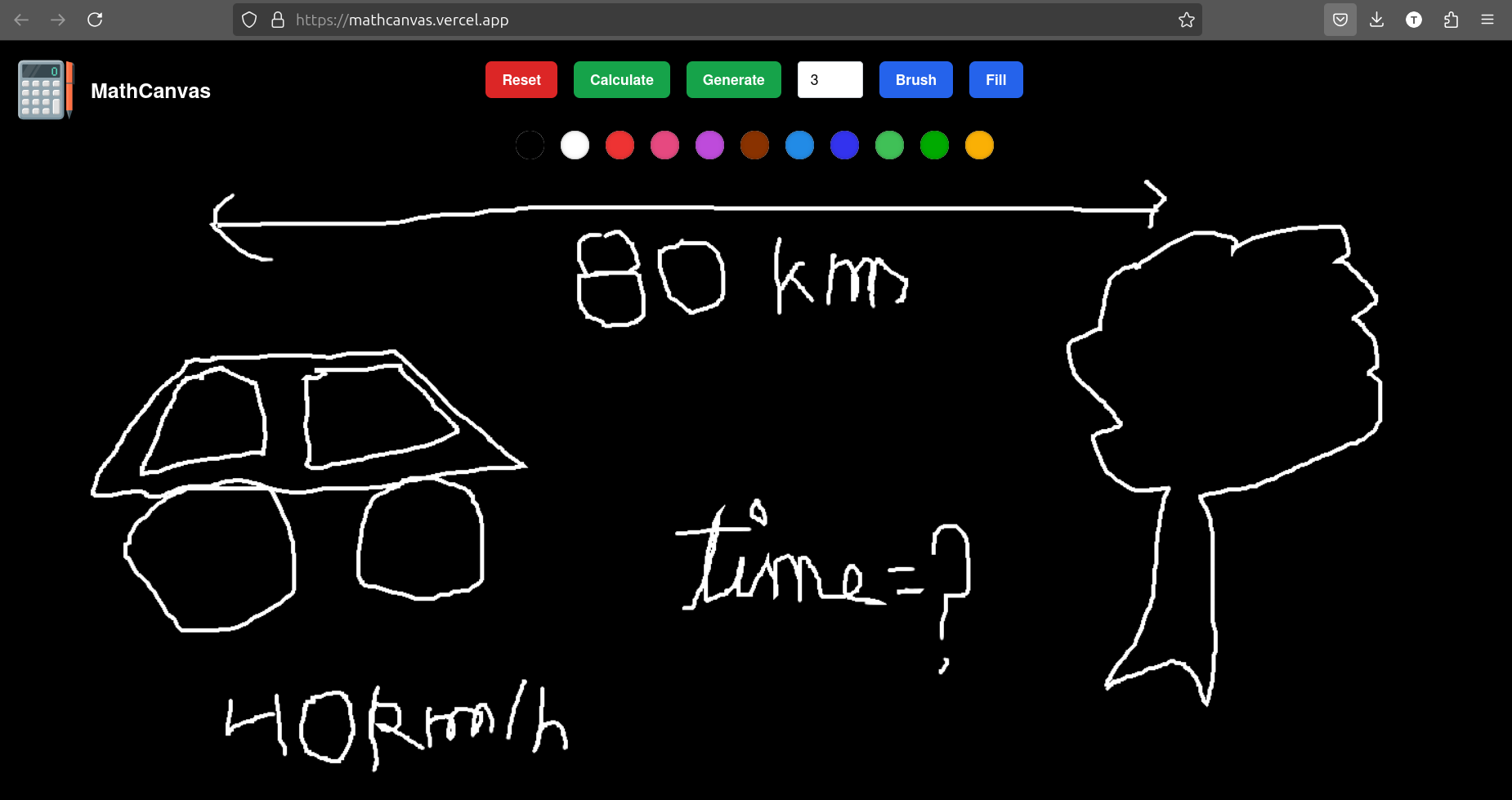
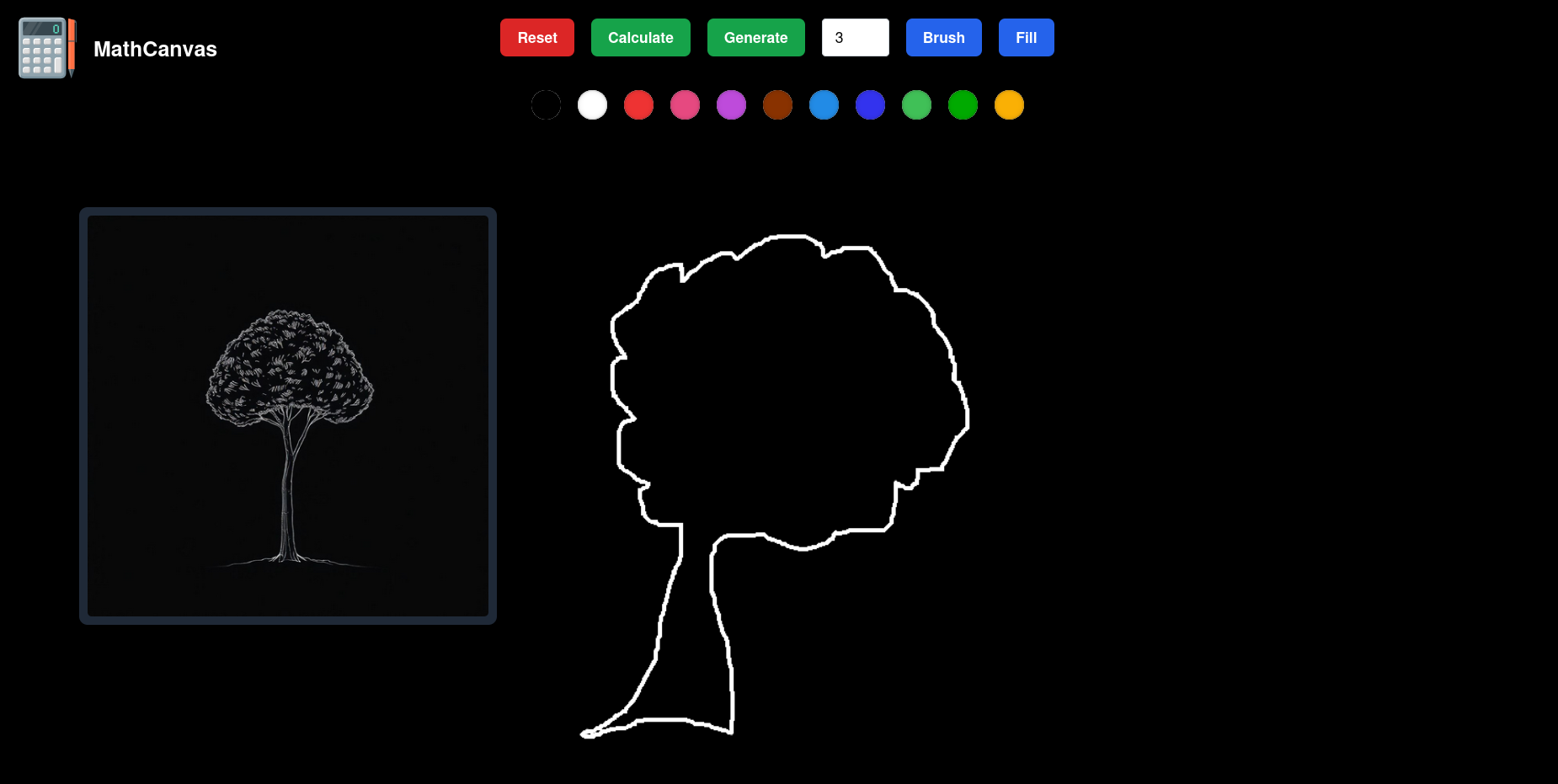
MathCanvas allows users to upload images of mathematical expressions or drawings and get detailed insights. It can solve complex math problems, interpret the context and style of illustrations, and even generate new AI-driven images based on user-defined attributes. This versatile tool serves as a blend of education, creativity, and technology.
How we built it
I used Python as the primary language, incorporating libraries like Pillow for image processing and requests for API calls. The backend relies on Google Generative AI (Gemini) for its powerful analysis and generative capabilities. By structuring the project into modular components, we ensured that the tool is both scalable and easy to maintain.
Challenges we ran into
One of the biggest challenges was achieving high accuracy in parsing mathematical expressions from images, especially with handwritten equations. Integrating drawing interpretation and generating precise AI-driven images also required fine-tuning the prompts and handling edge cases, like unclear inputs or overly abstract requests.
Accomplishments that we're proud of
I am proud of creating a tool that integrates multiple AI capabilities into one cohesive platform. From solving equations to generating art, MathCanvas offers a unique experience. Successfully leveraging Google Generative AI for drawing interpretation and creative image generation was a significant milestone.
What we learned
This project taught me a great deal about image processing, prompt engineering for generative AI, and managing API integrations. It also deepened my understanding of the challenges involved in interpreting unstructured data and highlighted the importance of user-friendly design in AI applications.
What's next for MathCanvas
In the future, I plan to enhance MathCanvas by incorporating real-time handwriting recognition, expanding support for different art styles, and adding multilingual capabilities. I also aim to improve the accuracy of mathematical parsing and integrate more AI models to broaden its use cases.
Built With
- gemeni
- nextjs
- python
- typescript


Log in or sign up for Devpost to join the conversation.