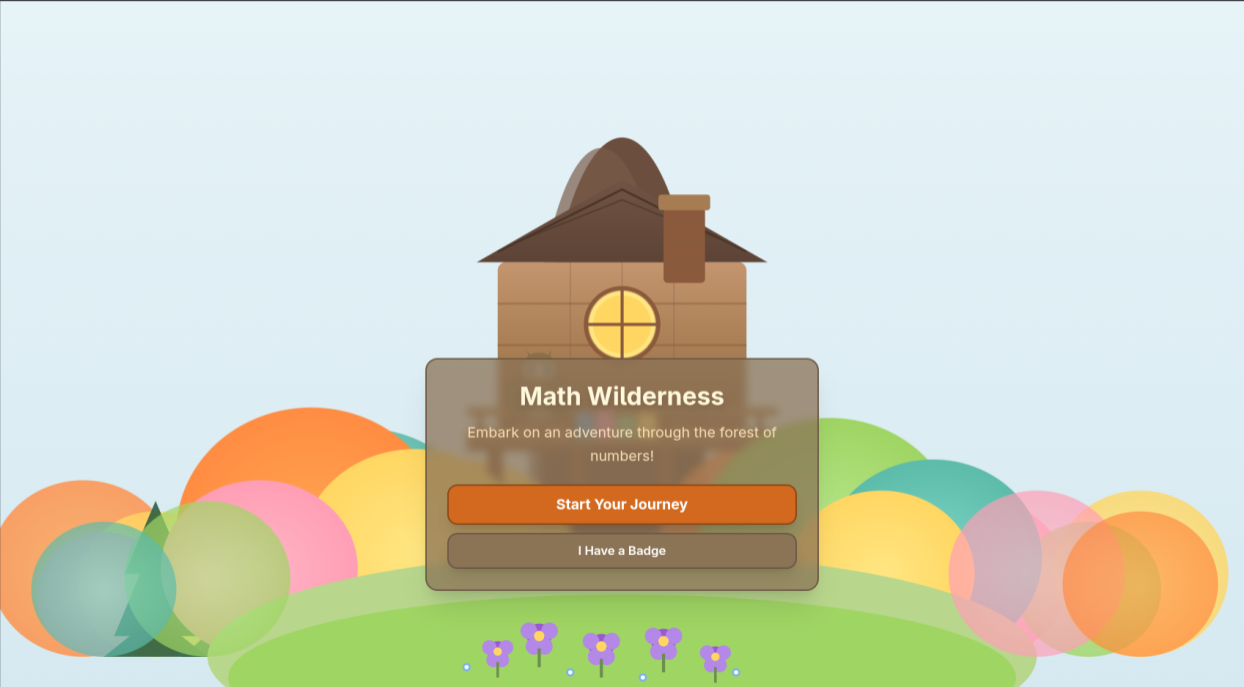
Math Wilderness
Adaptive learning powered by structured content relationships
The Idea
Most adaptive learning platforms talk about personalization, but what they really do is sort problems into easy, medium, or hard buckets and adjust linearly. That is not true adaptation.
Real personalization requires understanding relationships:
Which concepts depend on other concepts Which problems test which skills Which misconceptions connect to which errors How a learner performs across specific skill areas
Math Wilderness is built around that idea. Instead of hard coding logic, we treat relationships as structured content. The intelligence of the platform comes from how the content connects.
The Core Concept
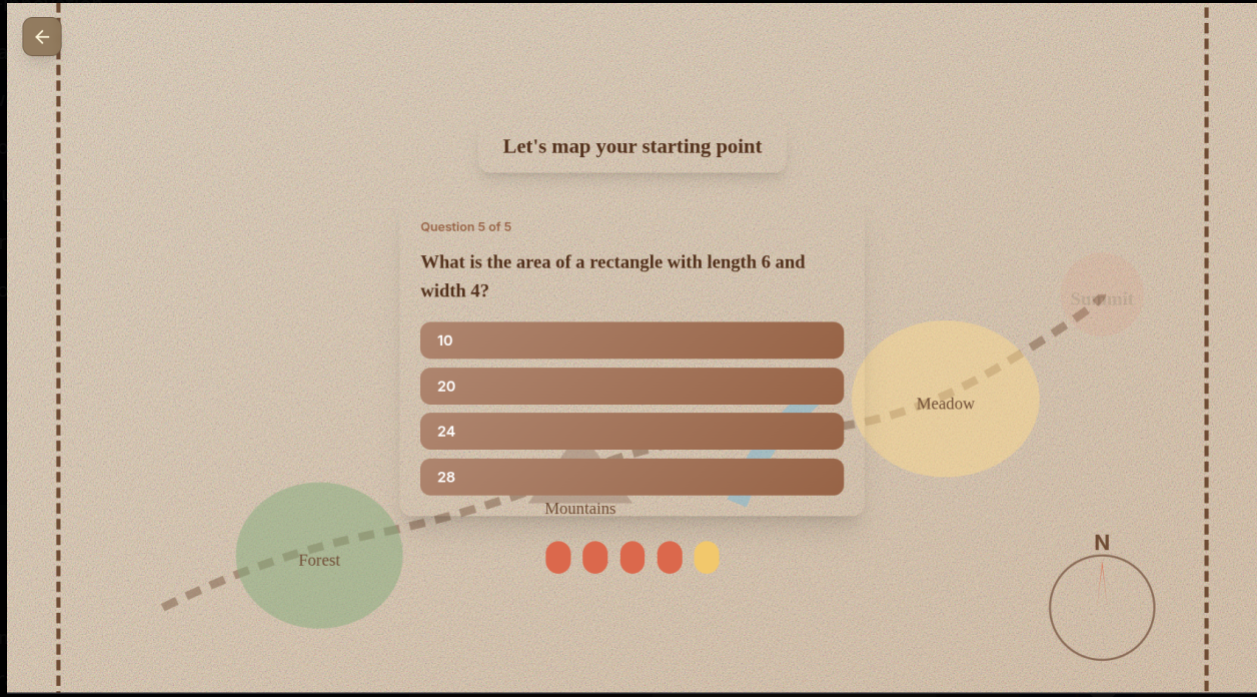
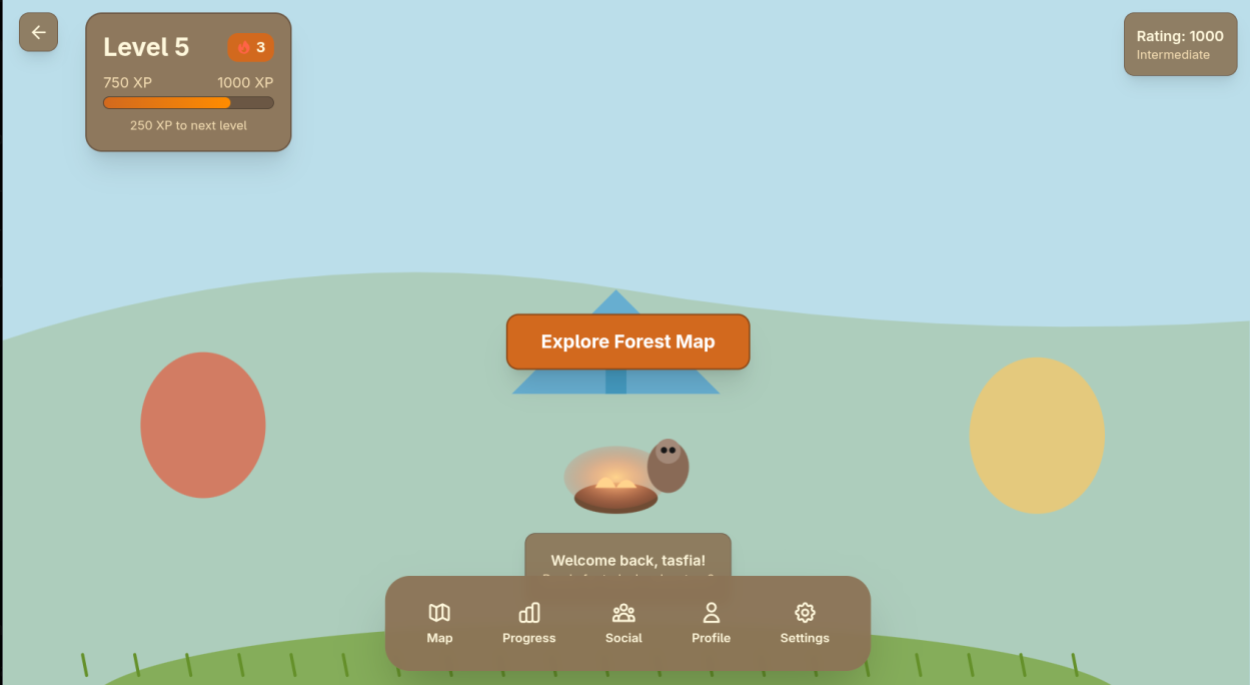
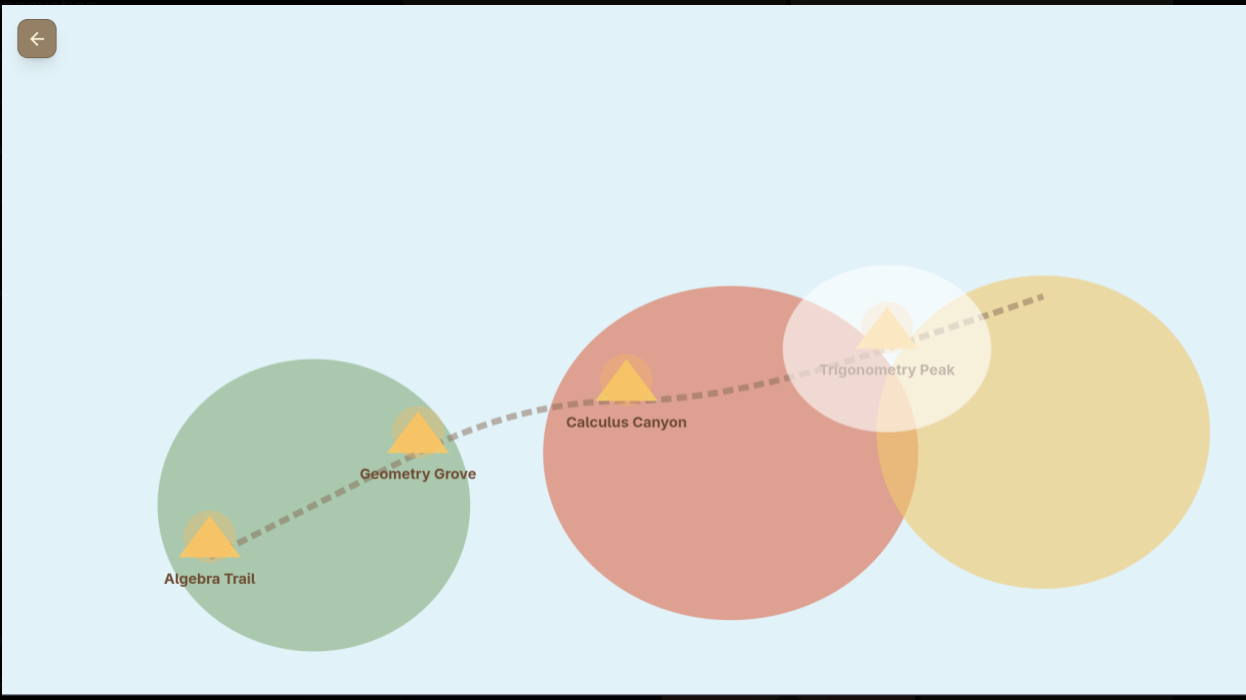
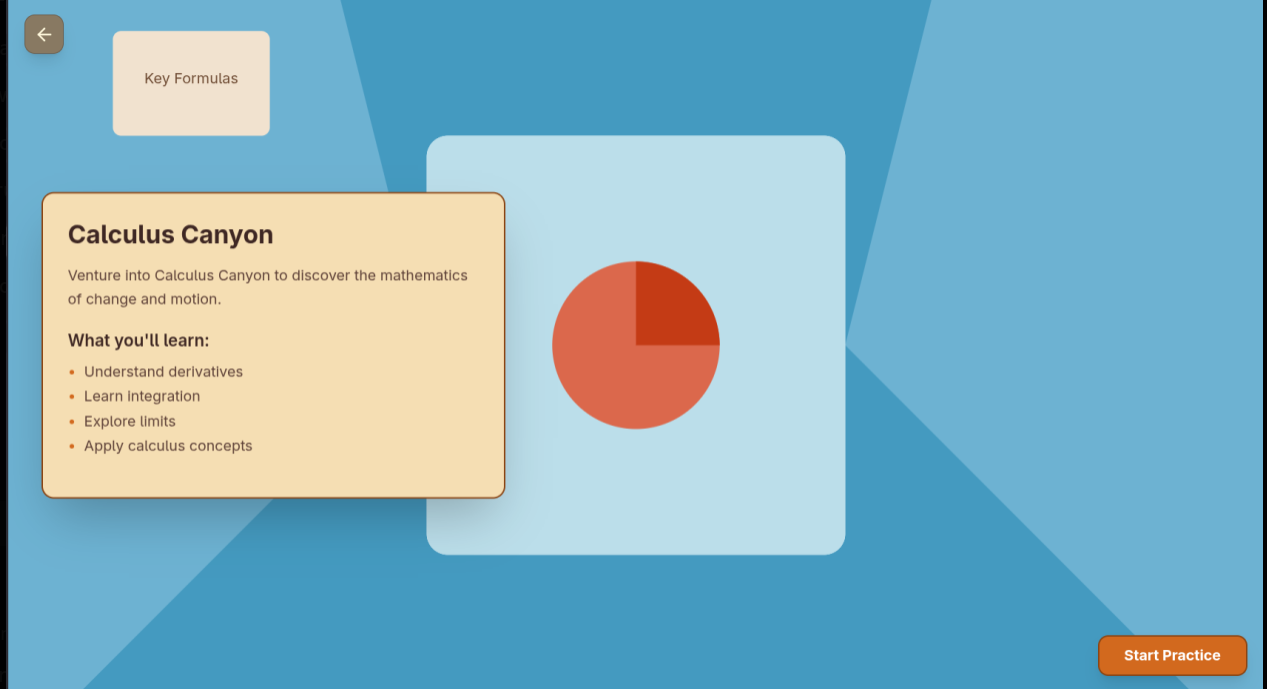
Math Wilderness turns math learning into a structured knowledge map. Concepts are locations on a learning trail. Problems are challenges tied to specific skills. Learners progress by mastering connected ideas rather than moving through a flat list.
Every piece of content knows how it relates to other content. That structure allows the system to adapt dynamically without changing application code.
The Content Architecture
We built five core document types in Sanity, all connected through references.
- Concepts
Concepts are the foundation. Each concept stores a list of prerequisite references.
When a learner masters a concept, the system checks whether all prerequisites for the next concept are satisfied. If they are, that concept becomes available.
No manual unlock logic. No redeployment. If you change prerequisites in Sanity Studio, the learning path updates instantly.
This turns the curriculum into a live knowledge graph.
- Problems
Problems do not have a fixed difficulty label.
Instead, each problem stores a concept breakdown. This is an array of concept references with weights. Each weight represents how much that concept contributes to the problem’s difficulty.
For example:
Algebra weight 0.7
Geometry weight 0.3
The problem’s effective difficulty is calculated relative to the learner’s rating in both areas. This allows for composite difficulty matching instead of static tags.
- Attempts
Every time a learner submits an answer, an attempt document is created.
It stores:
Correctness
Response time
ELO rating adjustments
Concept performance impact
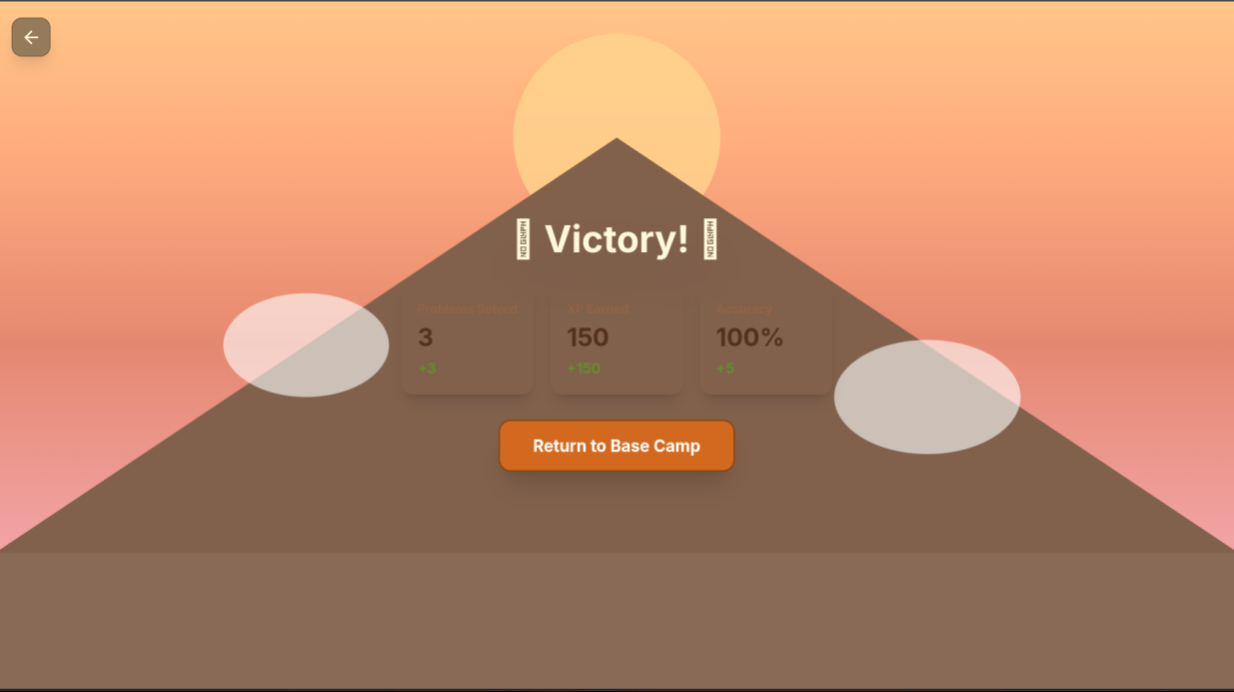
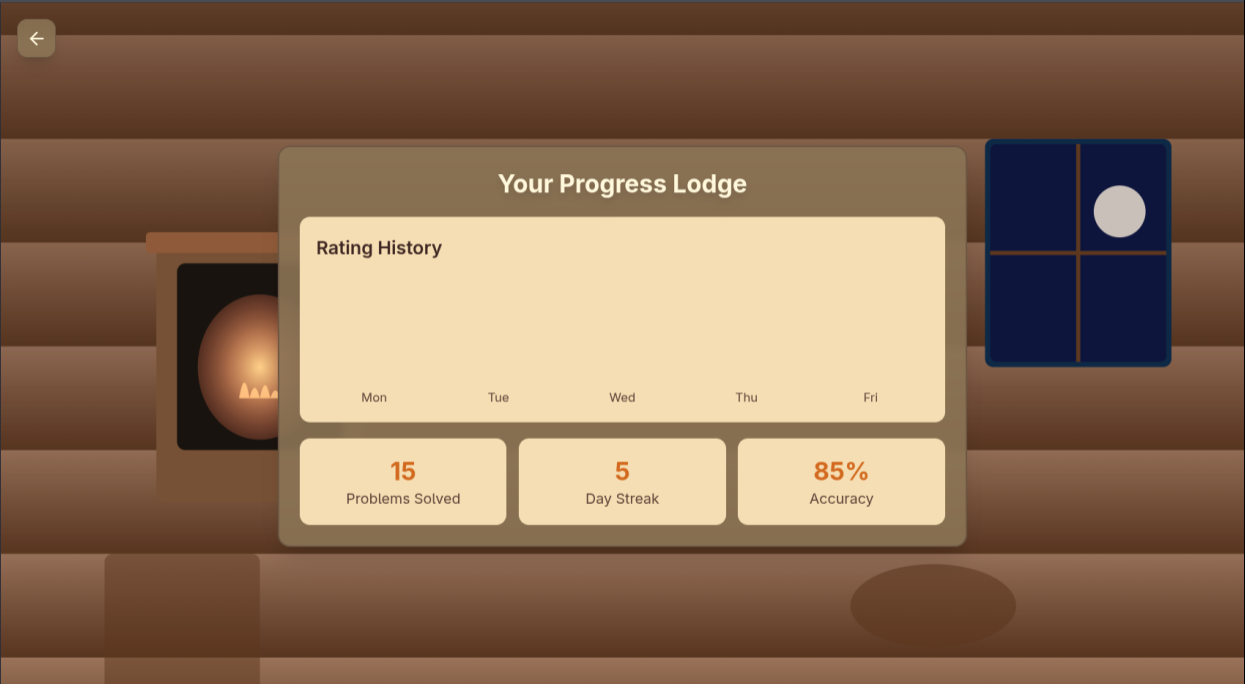
This attempt history drives the adaptive loop.
- Campers
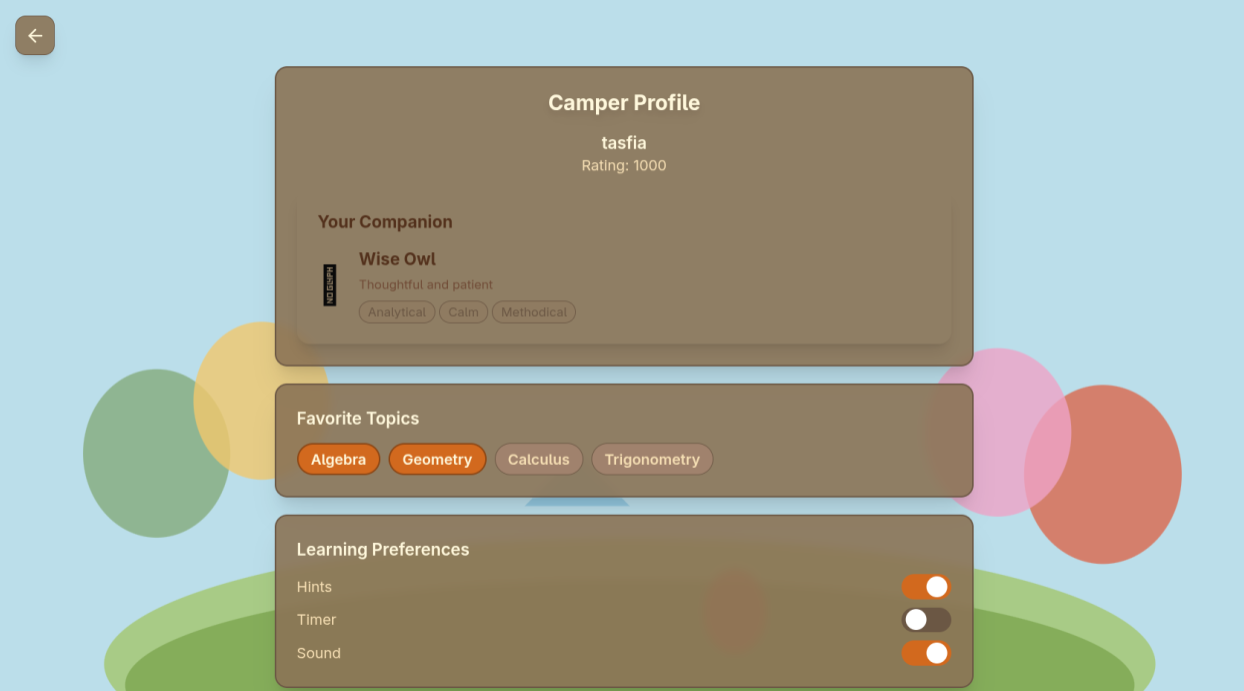
Campers are the learner profiles.
Each camper stores:
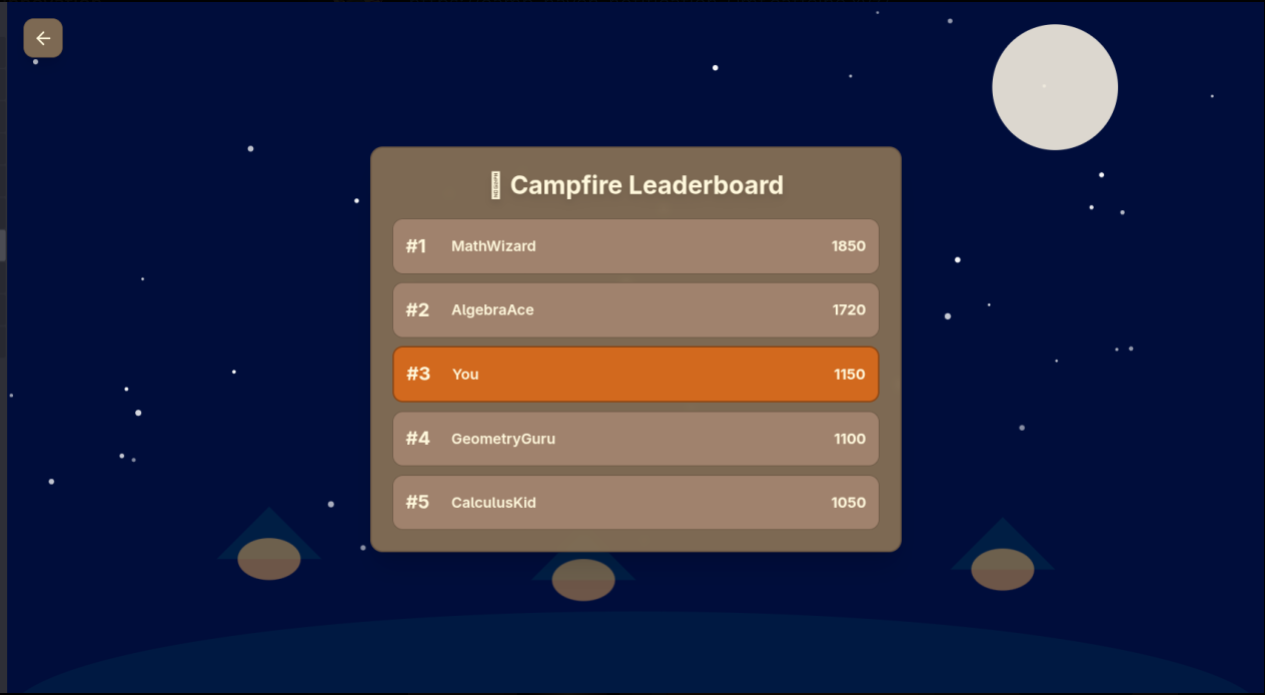
• Global ELO rating • Concept specific ELO ratings • Mastered concepts • Attempt history references
The ELO rating system uses a decreasing K factor as attempts accumulate, which stabilizes ratings over time and reduces volatility.
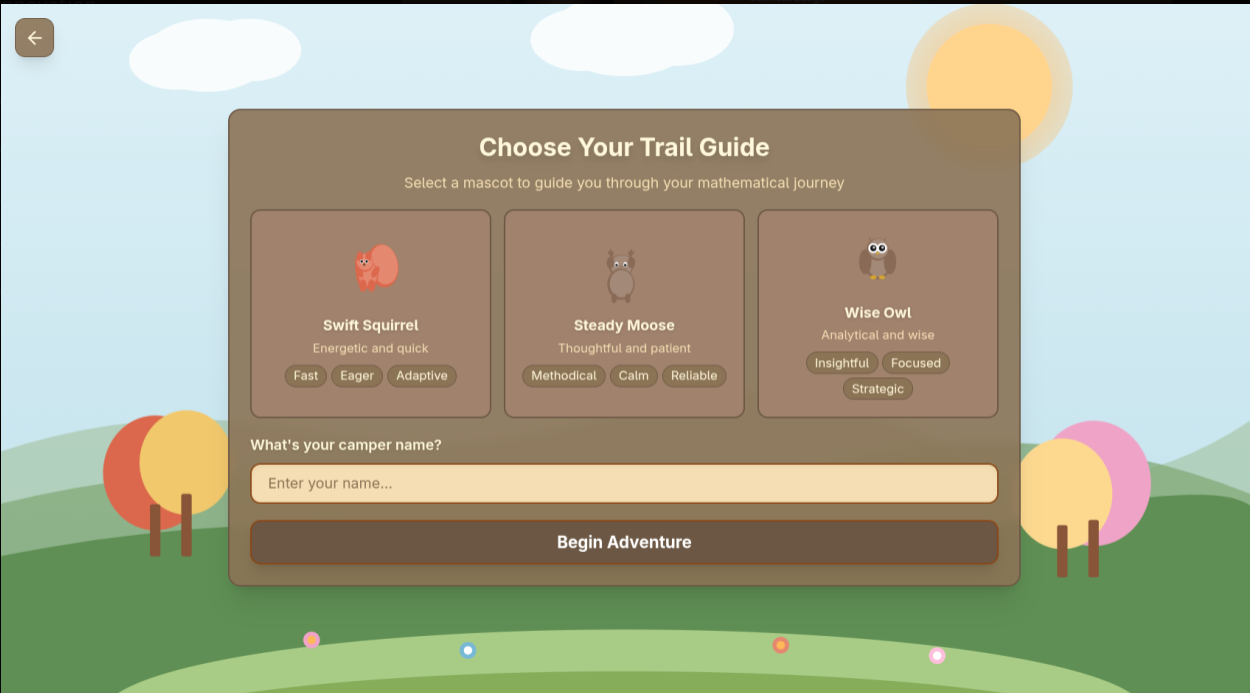
- Mascots
Mascots are structured content too. Their dialogue and encouragement messages are editable in Sanity Studio.
This shows how even narrative elements benefit from structured content. Non developers can adjust tone and messaging without touching code.
The Adaptive Loop
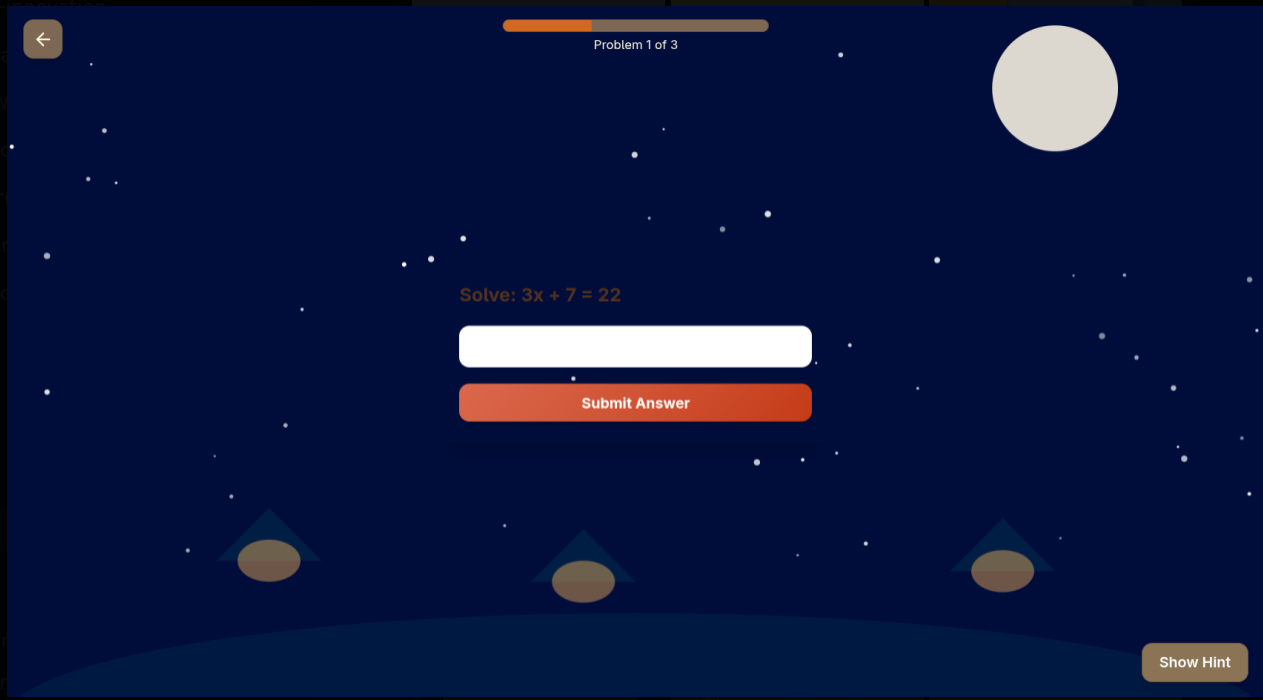
When a learner requests a problem:
The system fetches their current concept and rating
A GROQ query finds problems within a target rating range
Previously mastered problems are excluded
The closest difficulty match is selected
The learner receives an optimally challenging problem
After submission:
Expected score is calculated
ELO updates are applied to both camper and problem
Concept mastery thresholds are evaluated
Newly unlocked concepts become available automatically
All of this is driven by content relationships and queries. Not hard coded curriculum logic.
Development Approach
Math Wilderness was built on Sanity using the MCP server for AI assisted development.
We used AI to:
Generate complex schemas with correct reference validation
Populate sample data with structured concept breakdowns
Write and refine multi level GROQ queries
Iterate on ELO logic through rapid experimentation
AI accelerated development. Structured content made the system powerful.
The frontend is deployed on Vercel with real time updates from Sanity, creating a production ready adaptive learning experience.
Why This Matters
This project shows that intelligence does not only come from machine learning models.
It can come from structure.
By designing content with intentional relationships, we created a system where:
Changing prerequisites updates learning paths instantly
Difficulty adapts per concept, not globally
Misconceptions can be targeted precisely
Non developers can modify curriculum safely
This is scalable, maintainable, and extensible.
Add a new subject. Add new concepts. The system adapts automatically.
What Makes It Strong
Real world use case in adaptive education
Clean, normalized schema design
Structured references powering runtime intelligence
AI assisted development through MCP
Production deployment with live updates
Extensible foundation for AI generated problems, spaced repetition, and social learning
The Vision
Math Wilderness is not just a math app.
It is a demonstration that structured content can power adaptive systems.
When content understands its relationships, the platform becomes intelligent by design.
That is the real innovation.


Log in or sign up for Devpost to join the conversation.