-
-
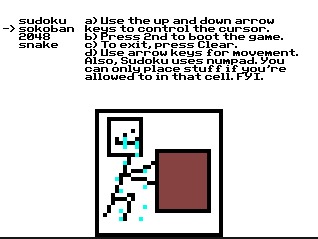
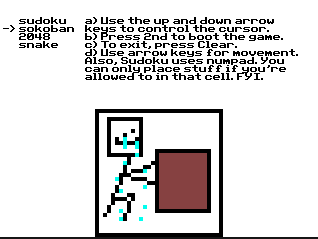
Selection screen
-
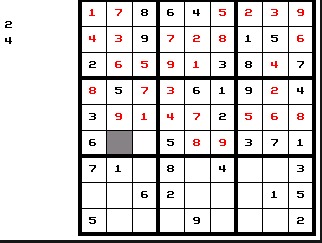
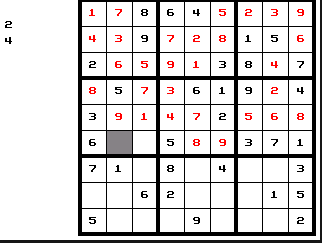
Sudoku
-
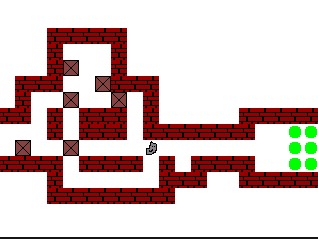
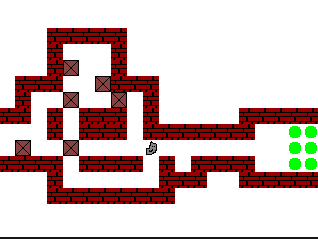
Sokoban
-
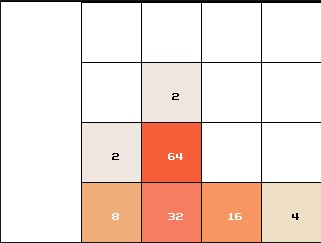
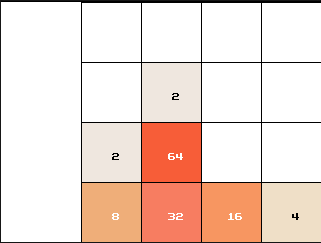
2048
-
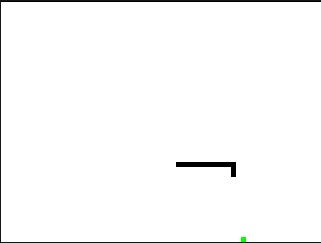
Snake

Inspiration
I was inspired by the TI 84 Plus CE's TI-BASIC programming capabilities during high school. I then sought to make faster, more capable programs in C/Assembly.
What it does
It runs four games (Sudoku, 2048, Sokoban, and Snake) that can be enjoyed wherever in this portable retro-game suite!
How I built it
I built it using the open-source CE-Programming Toolchain created by Mateo C on GitHub.
Challenges we ran into
I experienced memory limitations that forced me to re-scale sprites to lower resolutions. Also, due to the computational speed of the platform, many routines had to be done efficiently to work with the system's resources. Additionally, the time constraints made it cumbersome to implement four games, especially with decent graphics.
Accomplishments that I'm proud of
I'm proud of creating a working version of each game! Given how long it usually takes to create a single game, it feels impressive that I managed to make four!
What I learned
I learned that intense time constraints can force engineers to write poor code. During this competition, I empathized with those given constrictive deadlines. I experienced high levels of stress, fatigue, and irritability while programming each game. I can only imagine what some engineers have to experience on a week-by-week basis for a job they are doing indefinitely.
What's next for Math Arcade
I plan to improve the graphics of some of the games, as well as make them more storage efficient. The binary is currently ~27kb, which could definitely be compressed further given the simplicity of each game.
Built With
- c
- ce-programming-toolchain
- cemu


Log in or sign up for Devpost to join the conversation.