-
-
Title
-
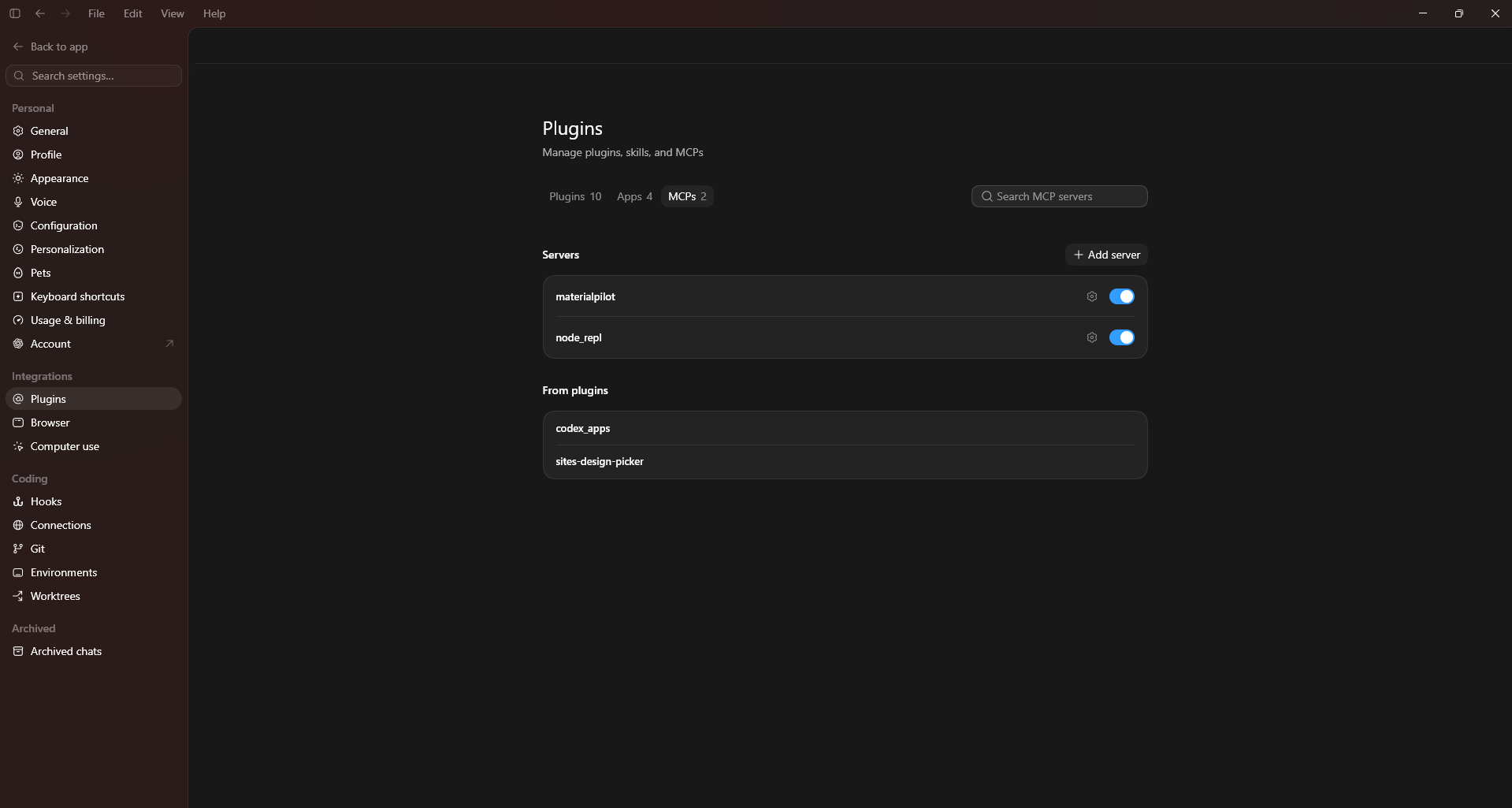
Adding MCP to Codex
-
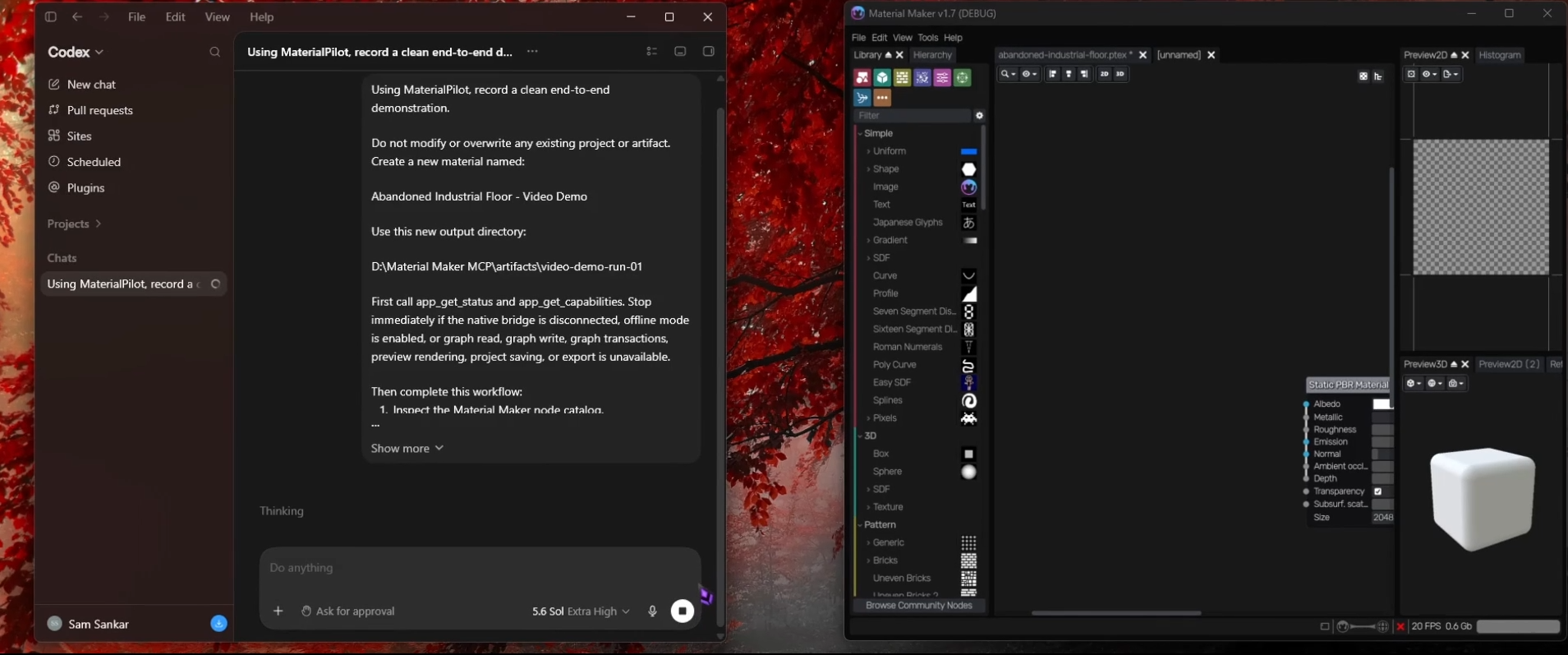
Workflow
-
Creating Textures via Codex
-
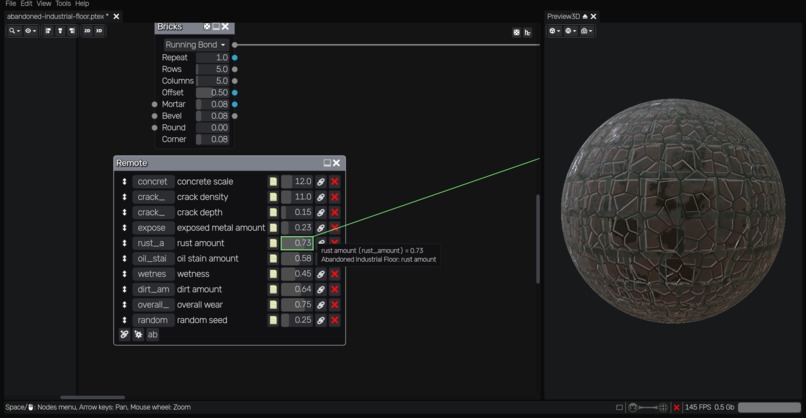
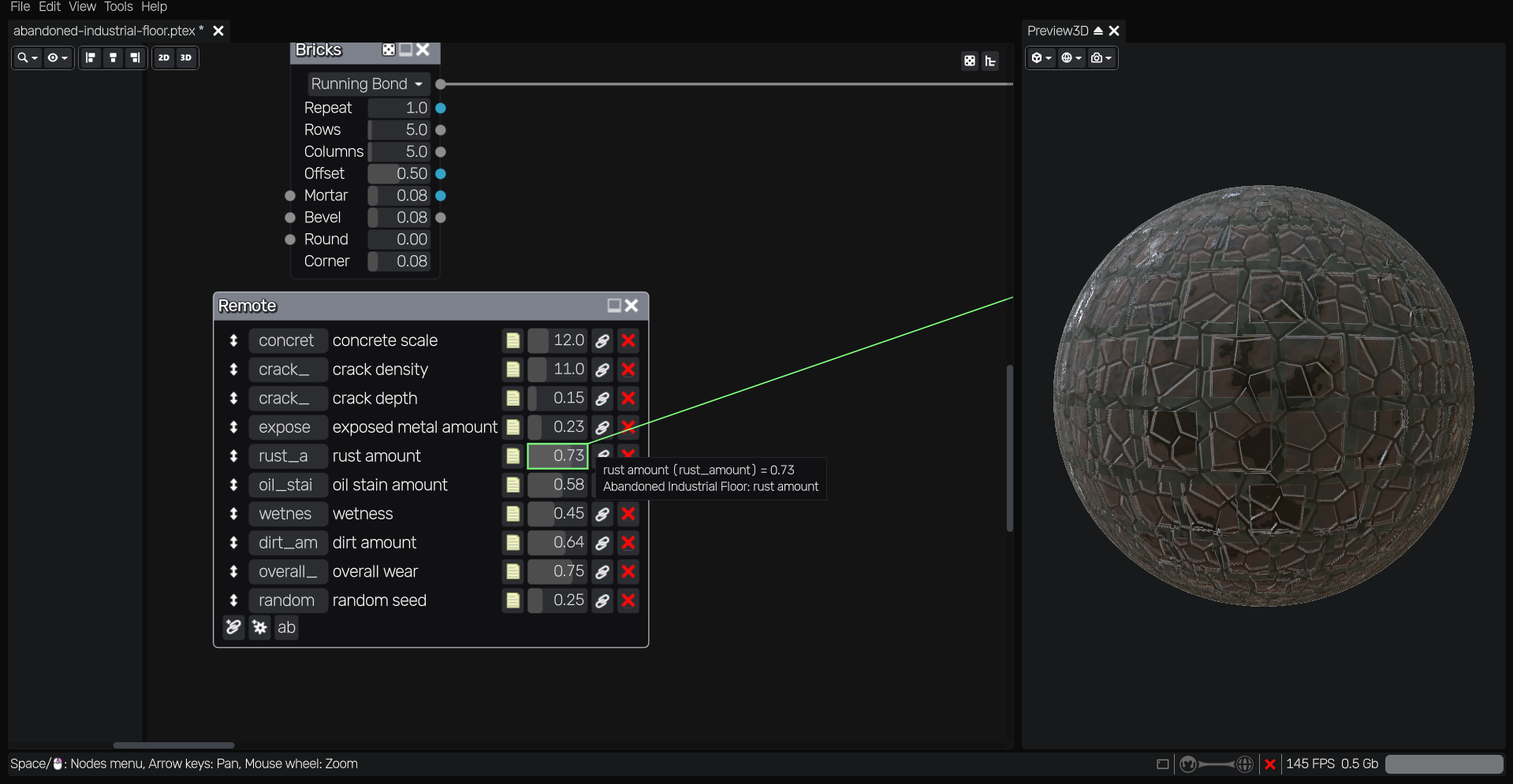
Editable Work Graph that Artist's can tweak
-
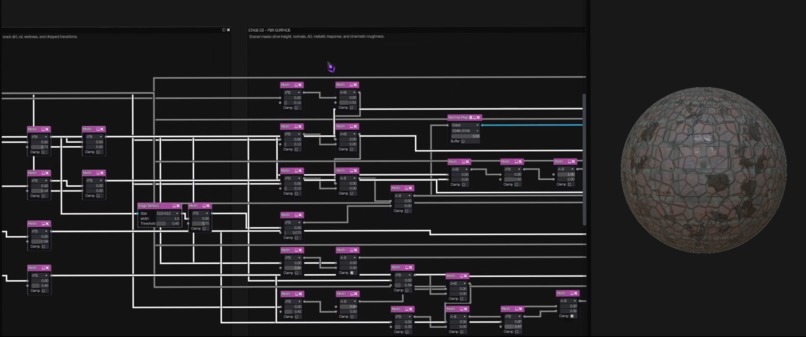
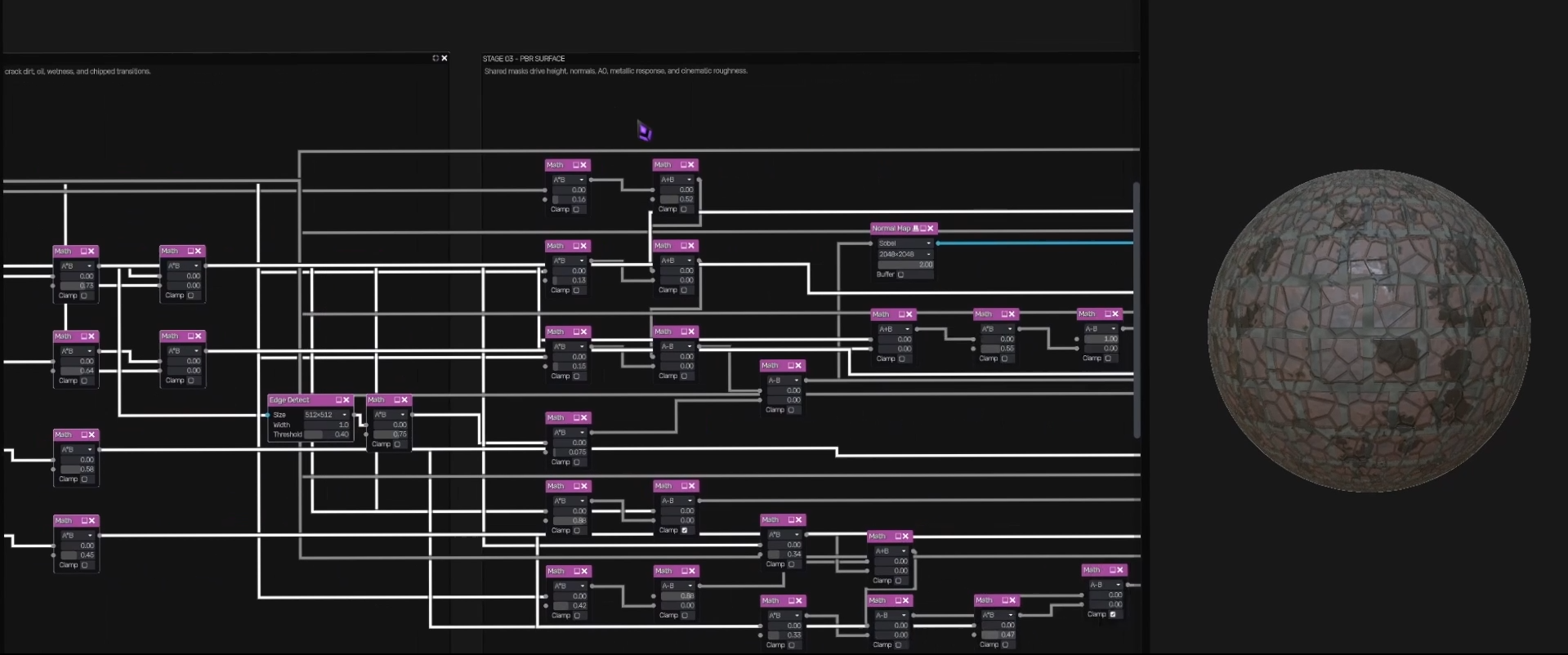
Generated node graph
-
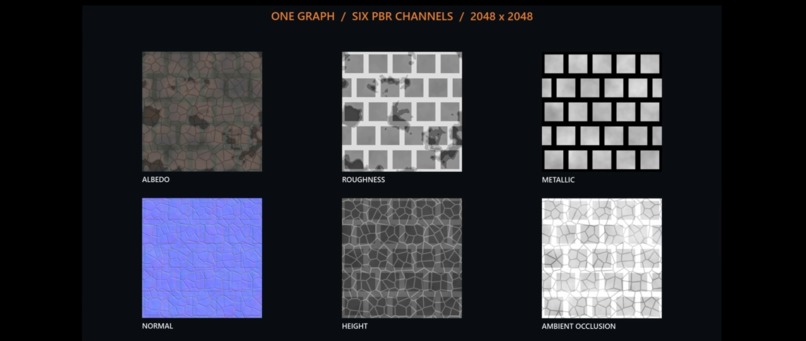
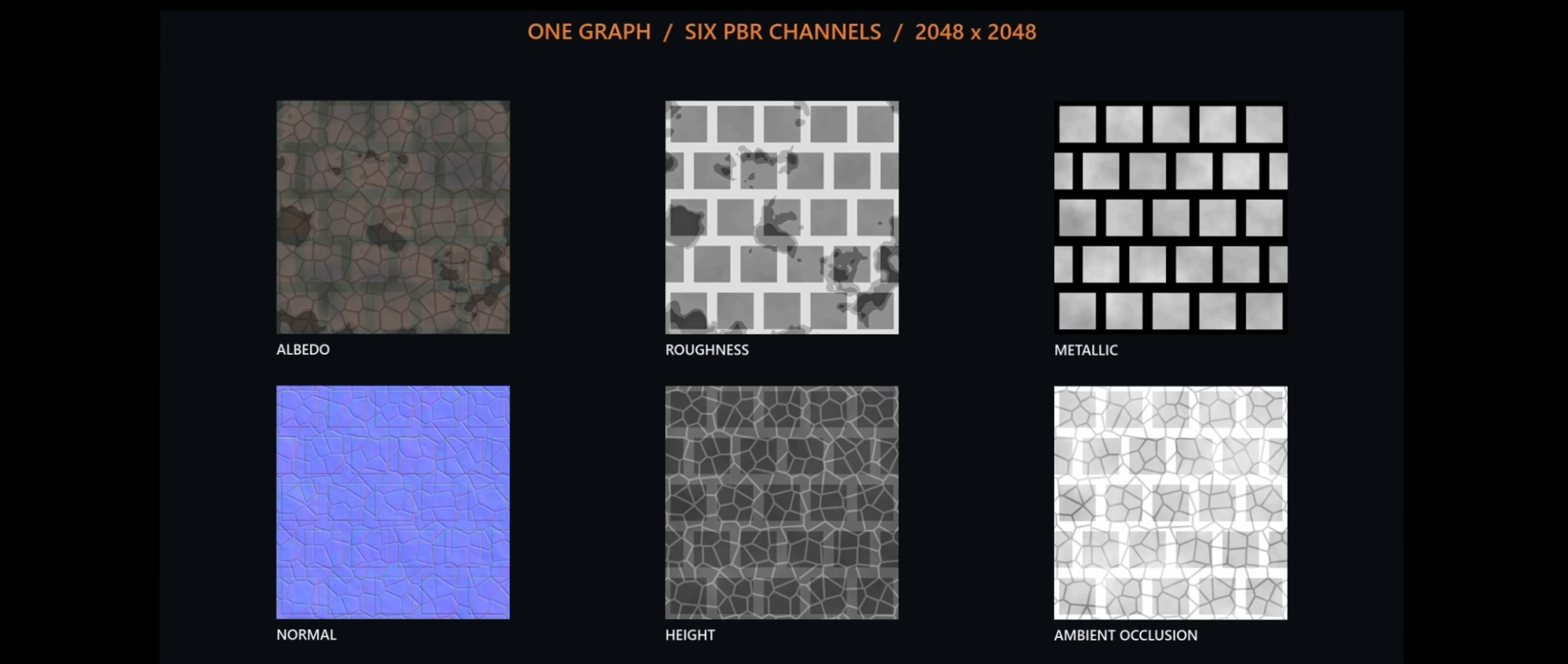
Blender ready 2048 resolution textures
-
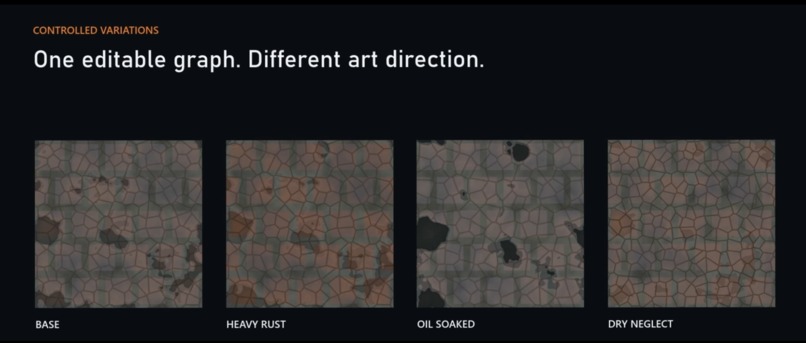
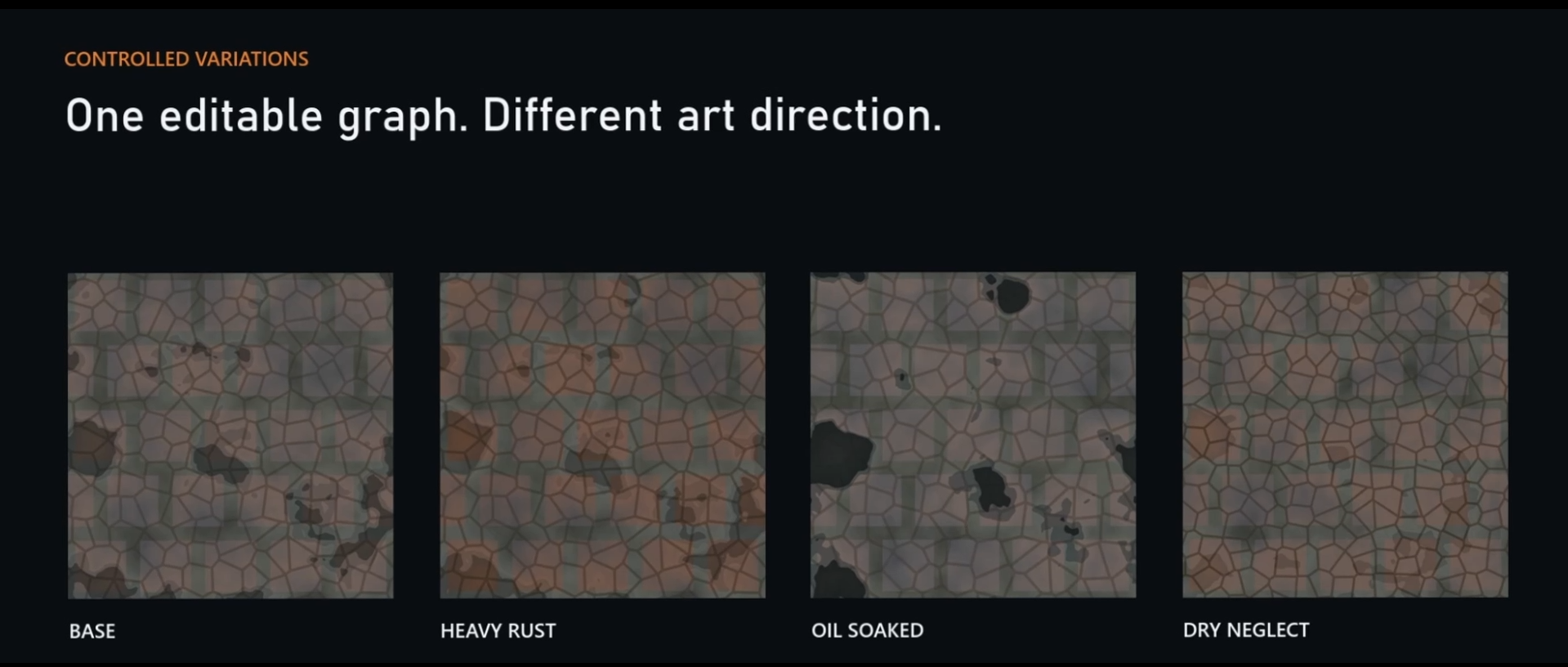
Generated variations of textures with node graph
Inspiration
Material Maker is a powerful procedural-material editor, but its node graphs are designed primarily for direct human interaction. We wanted AI assistants and automation tools to help with repetitive work—building graphs, organizing nodes, validating channels, rendering previews, and exporting assets—without replacing the artist’s control or flattening editable materials.
That inspired Material Pilot, a native Model Context Protocol bridge for Material Maker 1.7 and Godot 4.7. Its guiding principle is simple: automation should remain observable, reversible, deterministic, and safe.
What it does
Material Pilot exposes Material Maker through a typed MCP interface. An MCP client can:
- Inspect the native node catalog and active projects.
- Create and edit procedural material graphs.
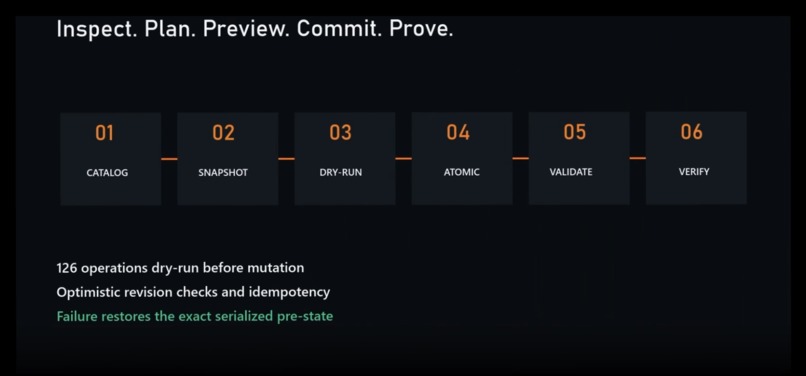
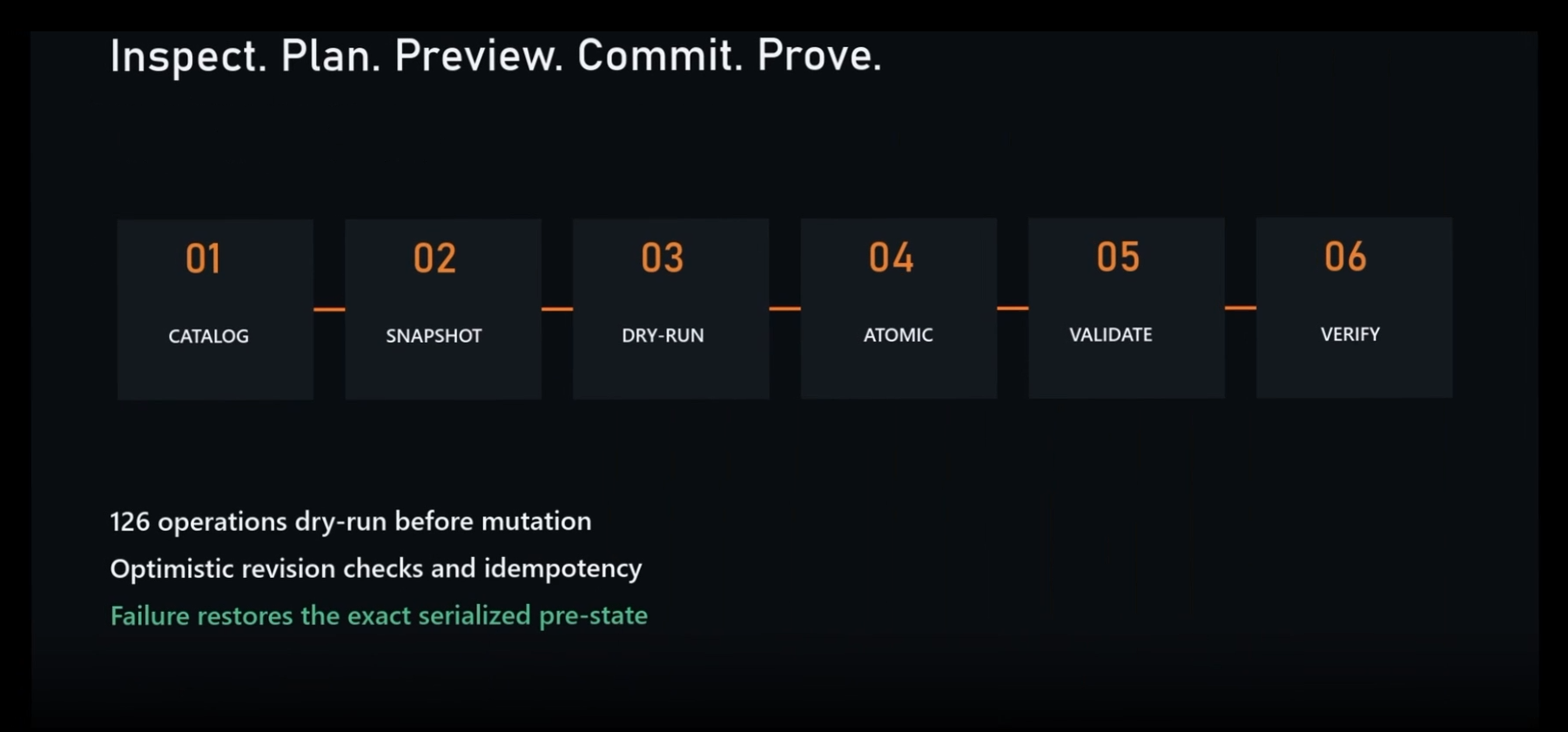
- Dry-run graph patches before mutation.
- Apply graph changes atomically with rollback protection.
- Create named snapshots and use undo/redo.
- Organize nodes into documented semantic stages.
- Add editable remote controls.
- Render individual channel previews.
- Render reliable sphere and plane material previews.
- Run deterministic structural, strict, and release validation.
- Save editable
.ptexprojects. - Export Blender-compatible PBR texture sets.
- Verify exported files using dimensions, sizes, and SHA-256 hashes.
The bridge preserves the procedural graph, so artists can continue editing every node in Material Maker.
How we built it
Material Pilot is divided into clear architectural layers:
- A TypeScript MCP server owns transports, schemas, and tool translation.
- A native Godot add-on communicates directly with Material Maker.
- A stable domain package models projects, nodes, ports, connections, patches, and diagnostics without exposing Godot objects.
- A graph engine handles revisions, transactions, idempotency, undo, and rollback.
- A deterministic validator checks graph integrity without depending on an LLM.
- A security layer canonicalizes paths and enforces workspace and export policies.
Mutations use optimistic concurrency through expected revisions and idempotency keys. Every graph patch can be planned before it is committed.
The central safety invariant is:
{dryRun}(G,P)=G
where (G) is the current graph and (P) is a proposed patch. If a committed patch fails, rollback should restore the original state:
{rollback}{apply}(G,P)=G
We also generated a production node catalog from Material Maker’s native .mmg definitions, providing hundreds of typed node descriptors with parameters, semantic ports, aliases, and compatibility metadata.
Challenges we ran into
The hardest problems appeared at the boundary between a transactional API and an interactive graphical application.
Remote Controls initially overwrote linked parameters with zero when they were created before their target nodes. We corrected both the initialization behavior and operation ordering so controls inherit existing parameter values.
Large PNG previews rendered successfully inside Godot but failed while crossing the bridge because the default WebSocket buffer was only 65,535 bytes. Increasing the bounded transport buffers fixed node and channel previews without weakening payload limits.
The 3D preview exposed two separate bugs. A hard-coded “plane” index selected Material Maker’s prism model, and asynchronous shader assignment produced the familiar magenta missing-material fallback. We now select geometry by its native name and construct previews from the graph’s rendered PBR channels using a standard Godot material.
We also found incorrect crack-mask polarity, missing material-output catalog ports, and noisy undo diagnostics for shader leaf nodes. Each issue received a deterministic repair and regression coverage.
High-resolution 2048×2048 exports were another challenge because multiple procedural channels can require significant GPU time and memory. We added bounded configurable timeouts, artifact verification, and explicit failure reporting rather than silently returning incomplete exports.
Accomplishments that we're proud of
- A native, typed MCP bridge for Material Maker 1.7.
- Atomic graph patches with dry-run and rollback behavior.
- Editable procedural graphs instead of flattened AI-generated images.
- More than 390 cataloged native node types.
- Organized graph stages, comments, and exposed artist controls.
- Reliable node, channel, sphere, and plane previews.
- Blender-compatible PBR export with artifact hashing and verification.
- Deterministic validation that does not require an LLM.
- Regression tests that detect missing-material magenta rather than merely checking whether a PNG exists.
- A security model covering paths, exports, overwrites, payload limits, and custom shader restrictions.
What we learned
Native creative-tool automation needs more than a large set of commands. It needs strong contracts around state, identity, timing, and recovery.
A successful API response does not necessarily mean a creative artifact is correct. Visual outputs require pixel-level verification, and saved files require dimensional and cryptographic checks.
We also learned that graph organization is part of functionality. A technically correct procedural material is not production-ready if artists cannot understand or edit it. Semantic stages, comments, predictable layouts, and remote controls make automation genuinely collaborative.
Most importantly, AI works best in creative software when it produces inspectable proposals and reversible edits—not opaque final results.
What's next for Material Pilot - A Native MCP Bridge for Material Maker
Next, we plan to:
- Add deeper visual regression testing for seams and channel ranges.
- Improve long-running export progress reporting and cancellation.
- Expand deterministic graph-layout and cleanup tools.
- Add reusable material templates and controlled variation workflows.
- Support richer painting-project operations.
- Introduce graph-performance profiling and render-cost estimates.
- Package the bridge for easier installation across Material Maker releases.
- Continue expanding Blender, Godot, glTF, and engine-specific export verification.
Our long-term goal is for Material Pilot to become a dependable collaboration layer between artists, procedural tools, and AI—while keeping the artist firmly in control.
Built With
- blender
- gdscript
- godot
- gpu-rendering
- javascript
- json
- linux
- material-maker
- mcp
- monorepo
- node.js
- open-source
- openexr
- pbr-materials
- png
- pnpm
- procedural-generation
- sha-256
- typescript
- vitest
- websockets
- windows
- zod


Log in or sign up for Devpost to join the conversation.