Inspiration
This started with a simple, uncomfortable truth: not everyone experiences information the same way.
One of our teammates has dyslexia. Brilliant, curious—but constantly slowed down by dense text. PDFs weren’t just inconvenient, they were barriers. And most tools out there? They assume everyone learns the same way.
We asked ourselves: What if the problem isn’t the learner—but the format?
That question became Mate.
What it does
Mate is an AI-powered learning companion that adapts content to how you understand best.
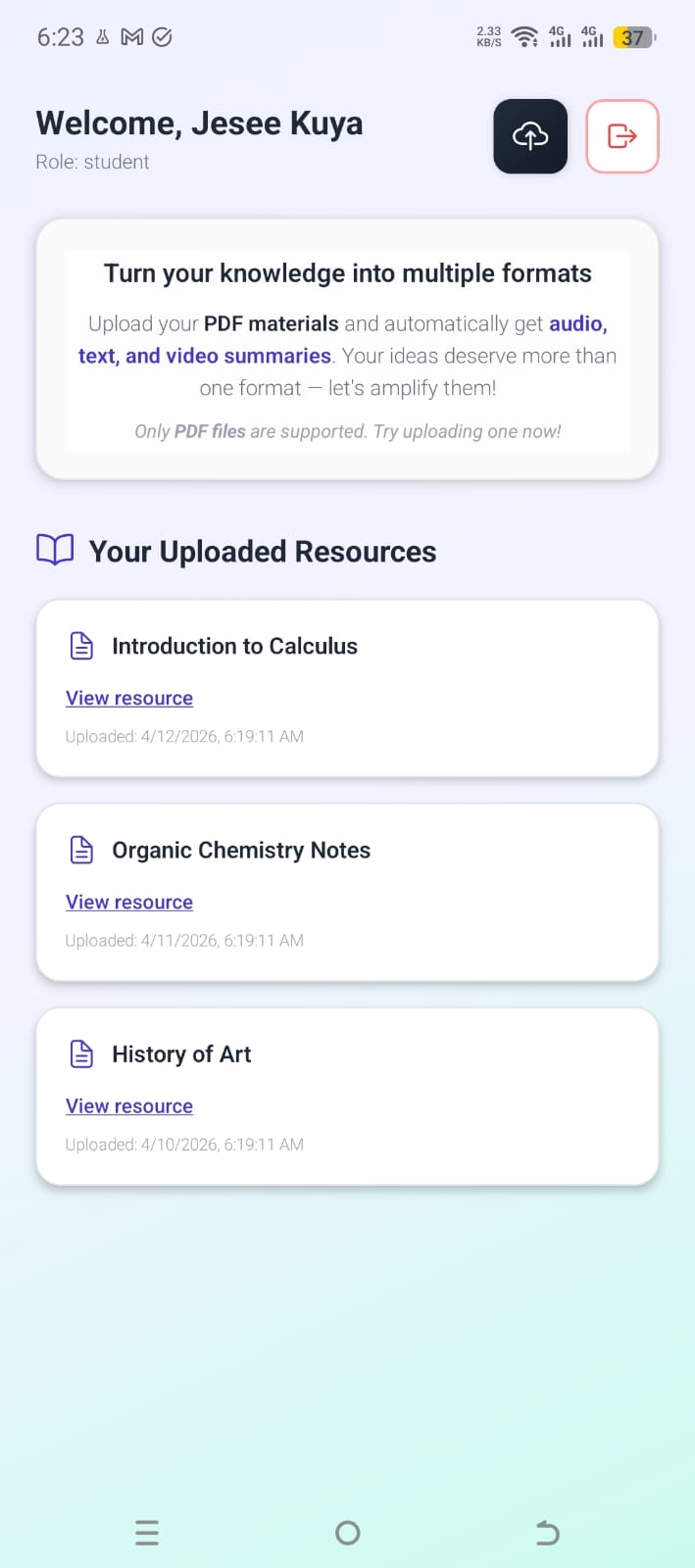
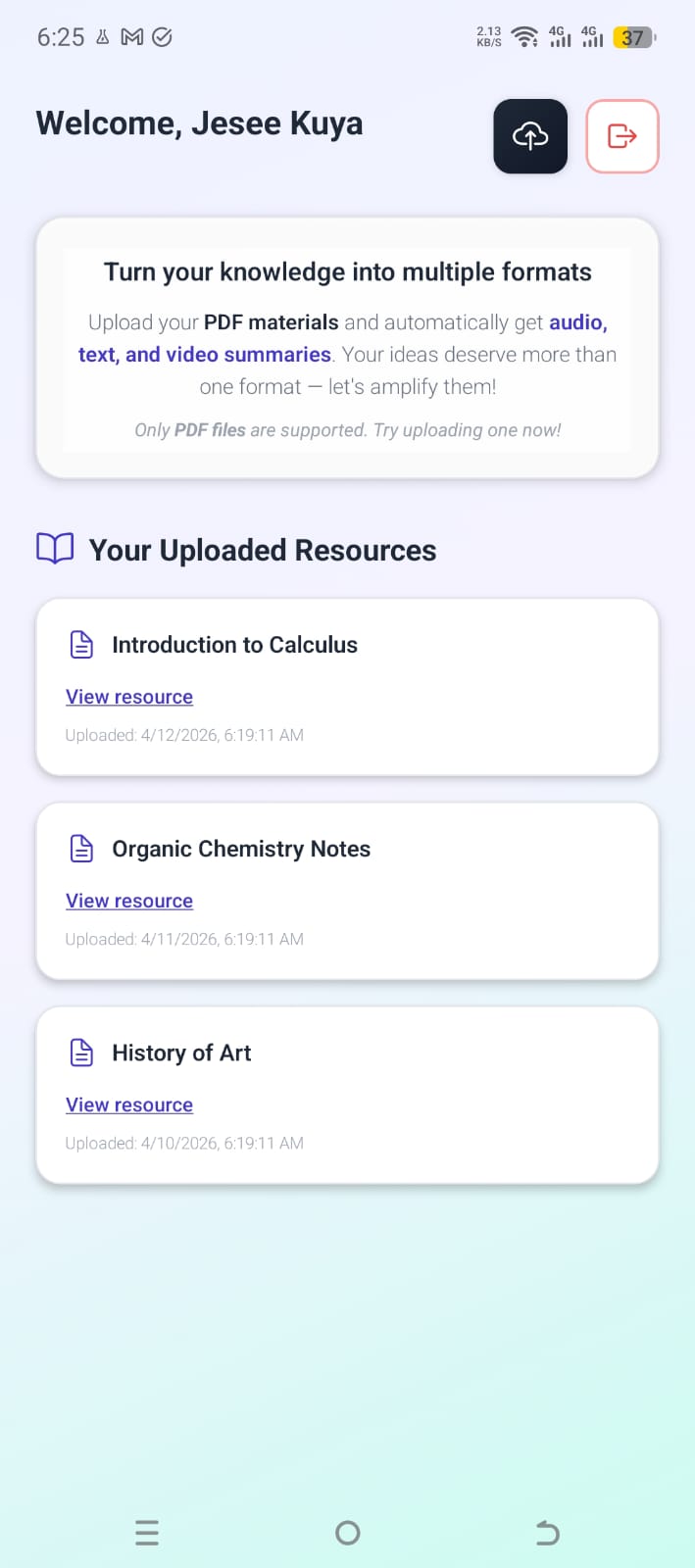
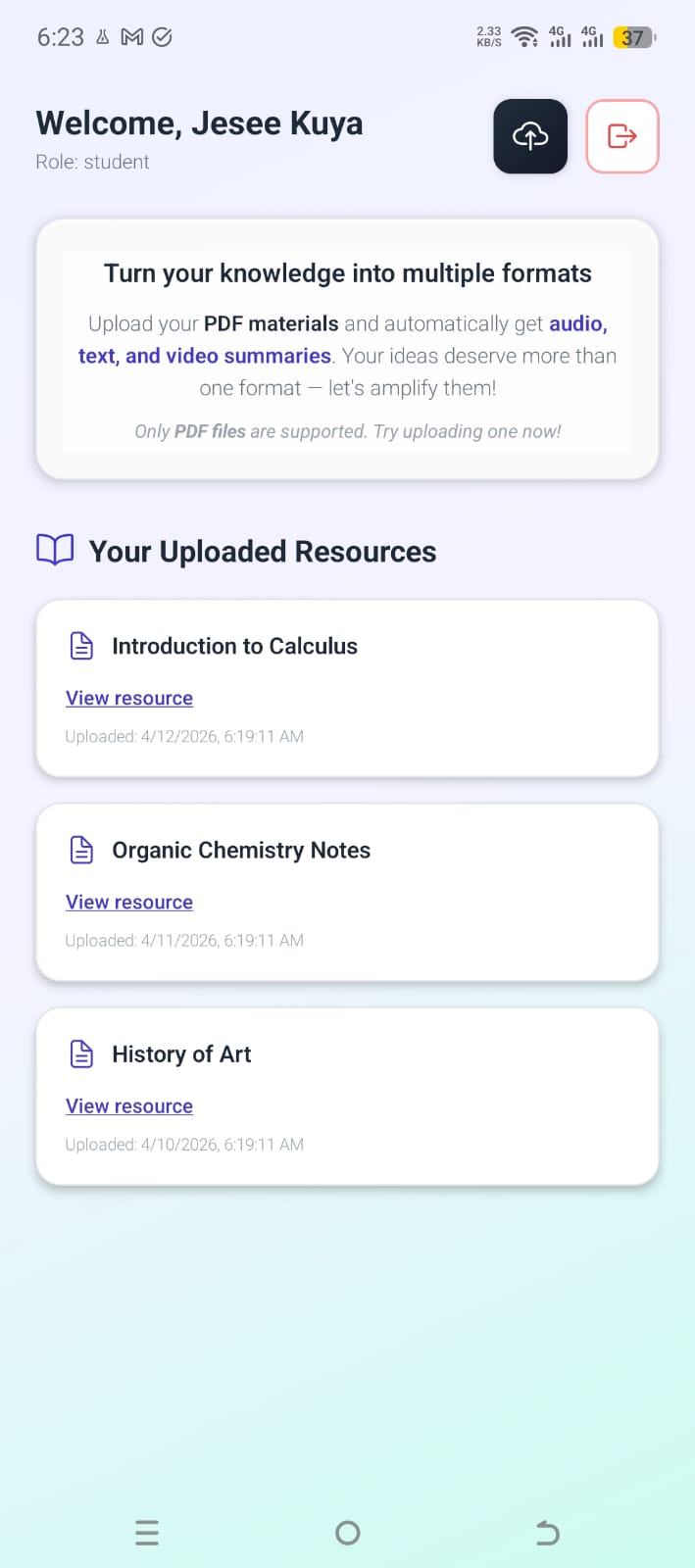
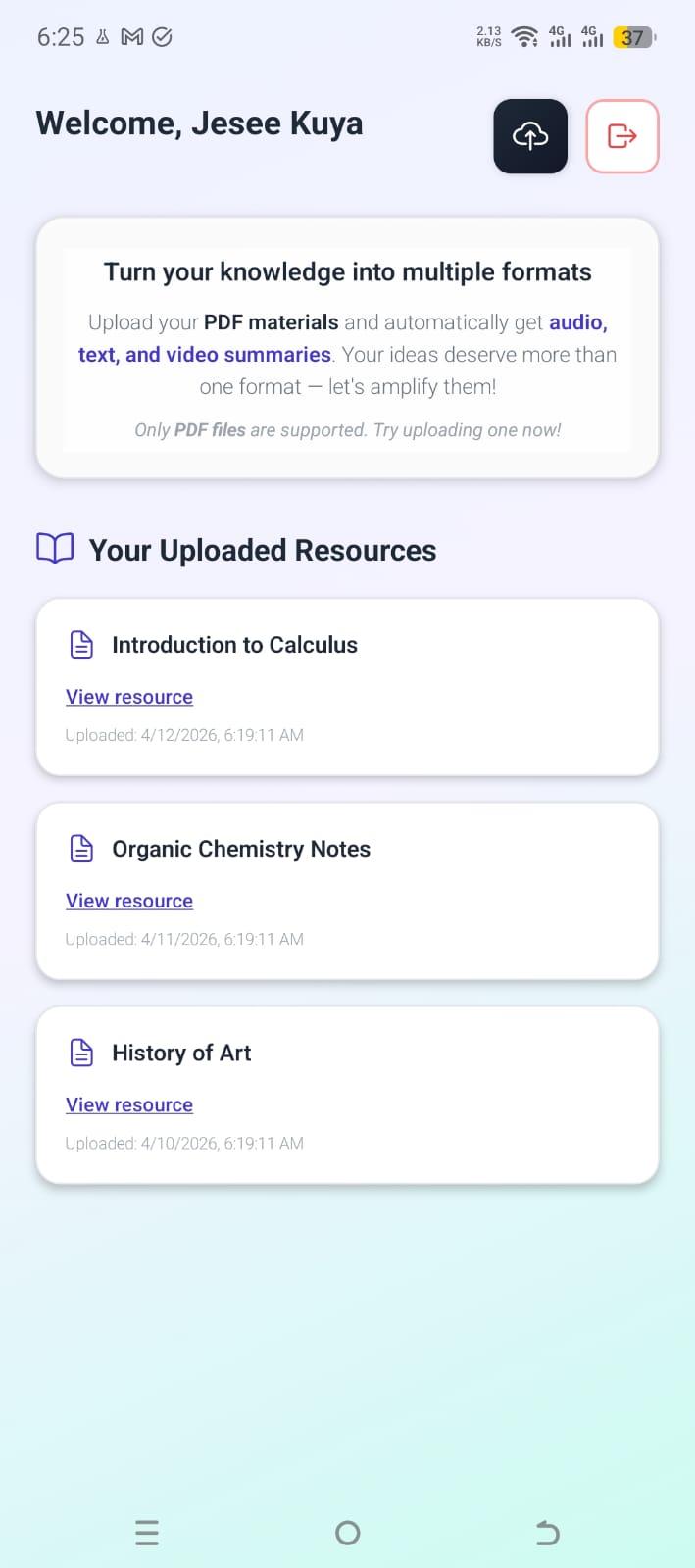
- Upload a PDF → Mate breaks it into simple, digestible chunks
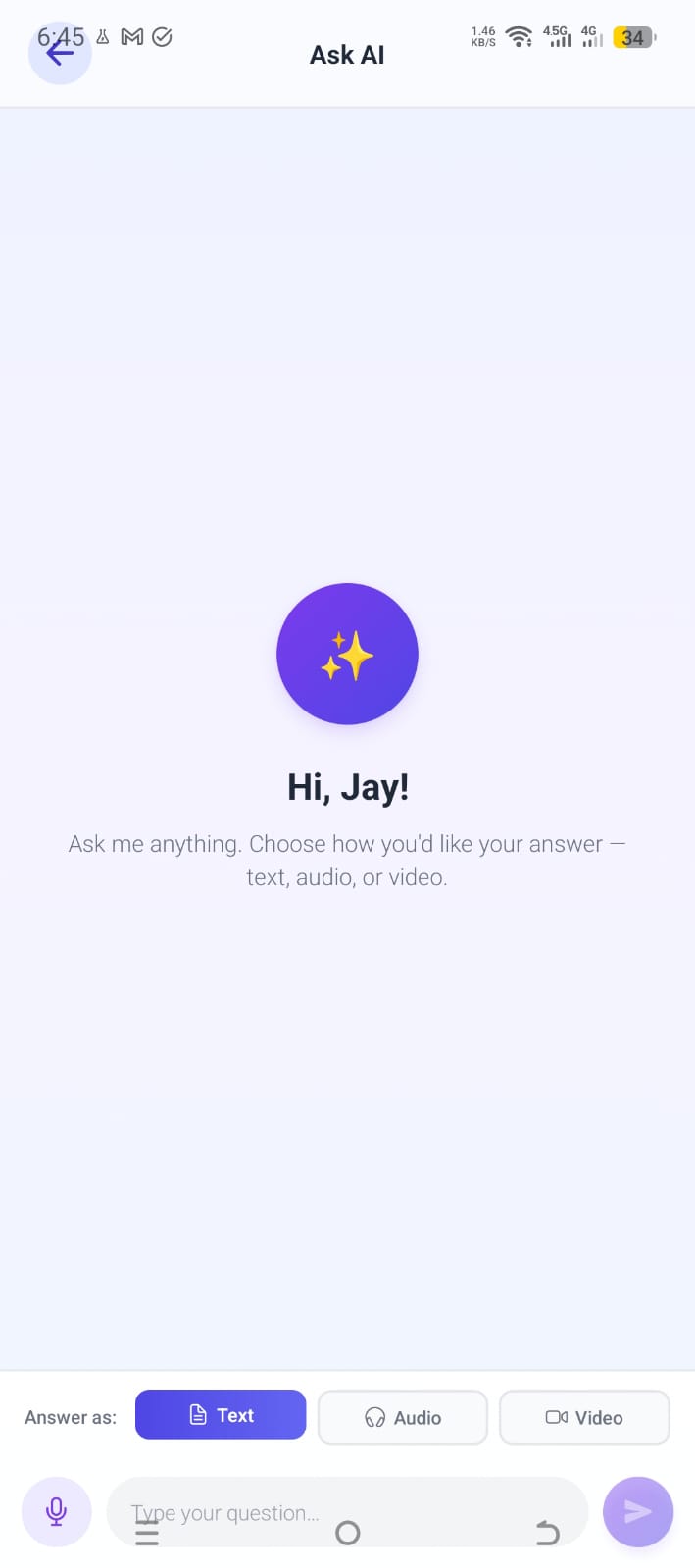
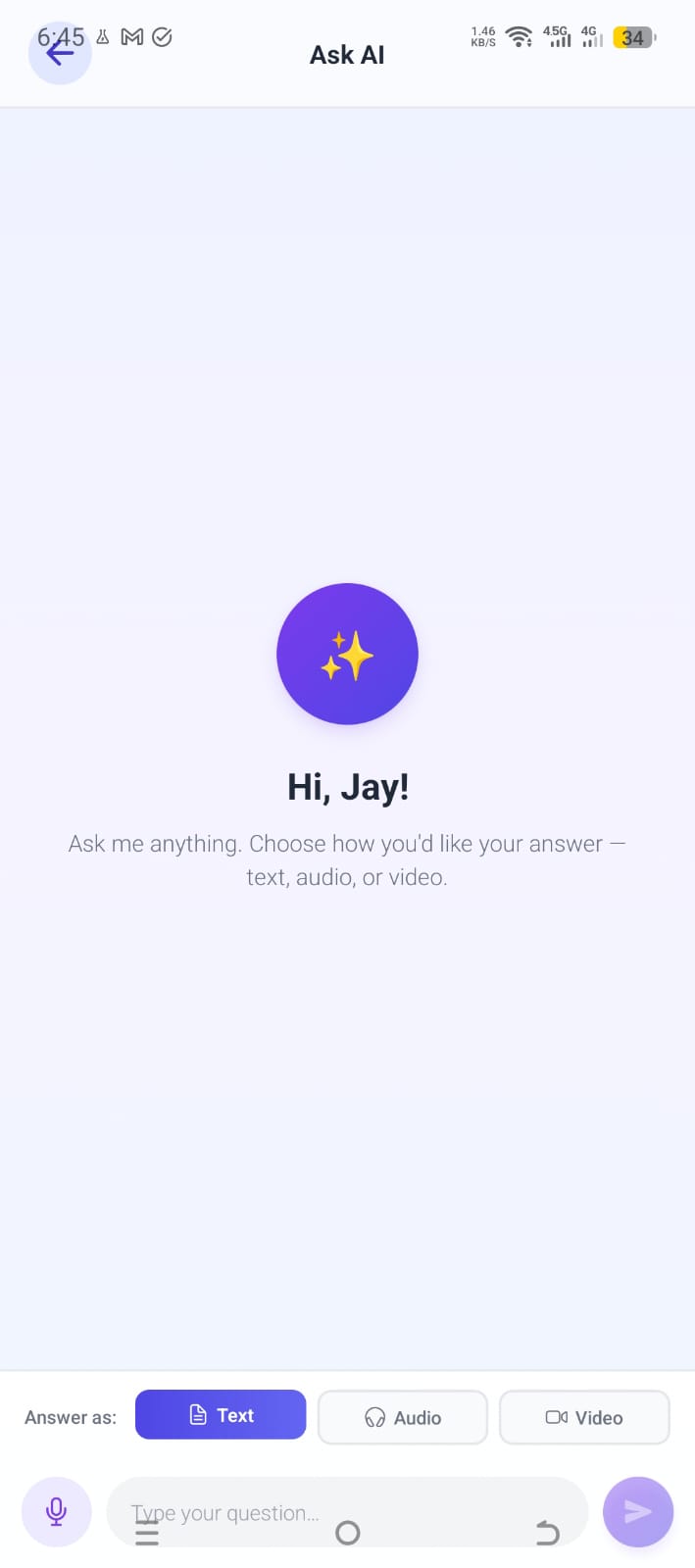
- Ask a question → Mate explains it clearly
- Choose your format → audio, video, or simplified text
It’s not just summarization. It’s personalized understanding—especially for people with dyslexia and similar learning challenges.
How we built it
We combined:
- AI models to process and understand documents and questions
- Intelligent chunking to break down complex material
- Multi-modal generation to convert content into audio, video, and text
- A simple, accessible interface designed for clarity, not clutter
Everything was built with one goal: reduce cognitive overload and increase comprehension.
Challenges we ran into
- Chunking meaningfully: Breaking content without losing context was harder than expected
- Keeping explanations simple—but not shallow
- Designing for accessibility without making the app feel limiting
- Time constraints—building multi-format outputs in a hackathon timeframe
Accomplishments that we're proud of
- Turning complex PDFs into clear, structured explanations in minutes
- Delivering the same concept across multiple formats—audio, video, and text
- Building with accessibility at the core, not as an afterthought
- Creating something that doesn’t just work—but resonates
Most importantly: seeing someone who struggles with reading actually enjoy learning through Mate.
What we learned
- Accessibility isn’t a feature—it’s a foundation
- AI is most powerful when it adapts to humans, not the other way around
- Simplicity is harder than complexity—but far more impactful
- Real problems create meaningful products
What's next for Mate
- Deeper personalization—learning your pace, preferences, and strengths
- Real-time assistance while reading or studying
- Integration with classrooms and learning platforms
- Expanding accessibility features for a wider range of learning challenges
Mate isn’t just helping people learn.
It’s making learning finally feel like it was designed for them.
Built With
- gemeni
- groq
- react-native

Log in or sign up for Devpost to join the conversation.