-
-
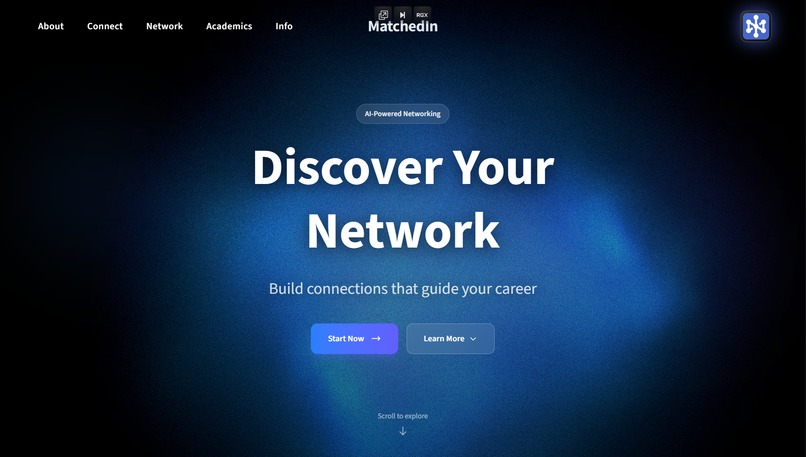
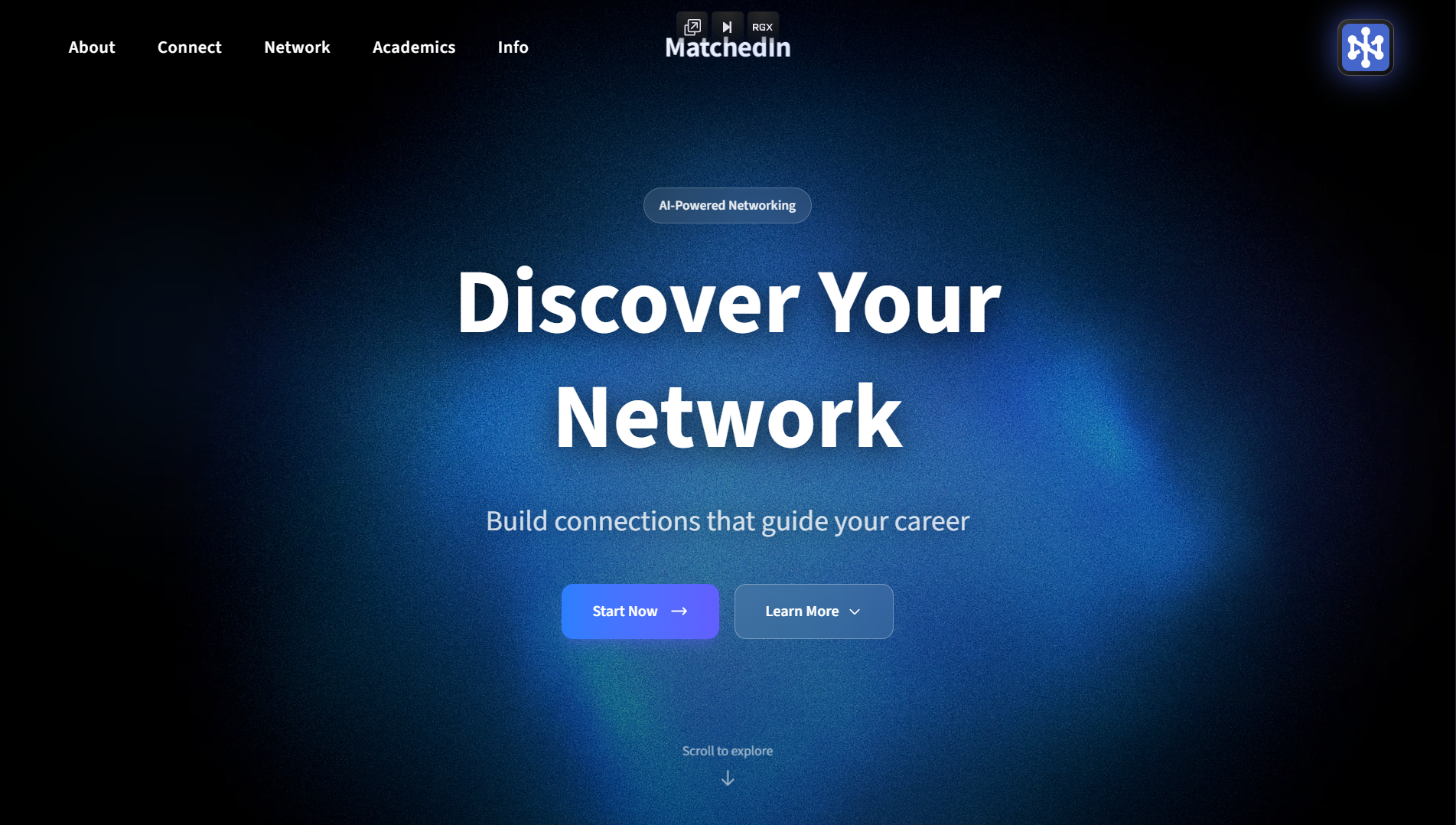
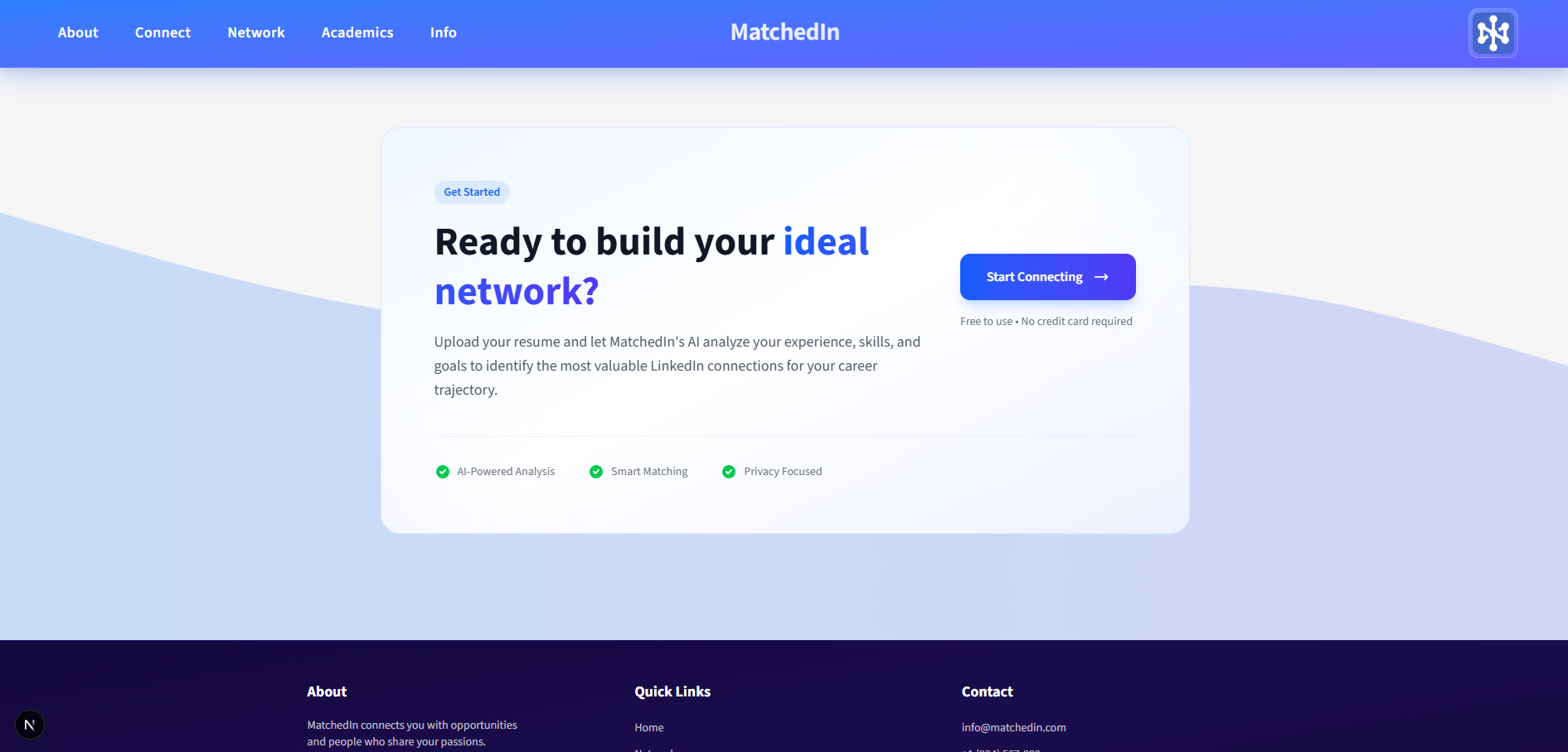
The Hero Page
-
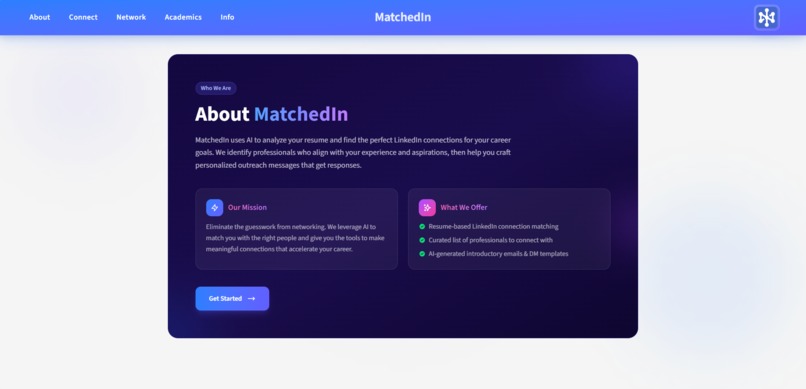
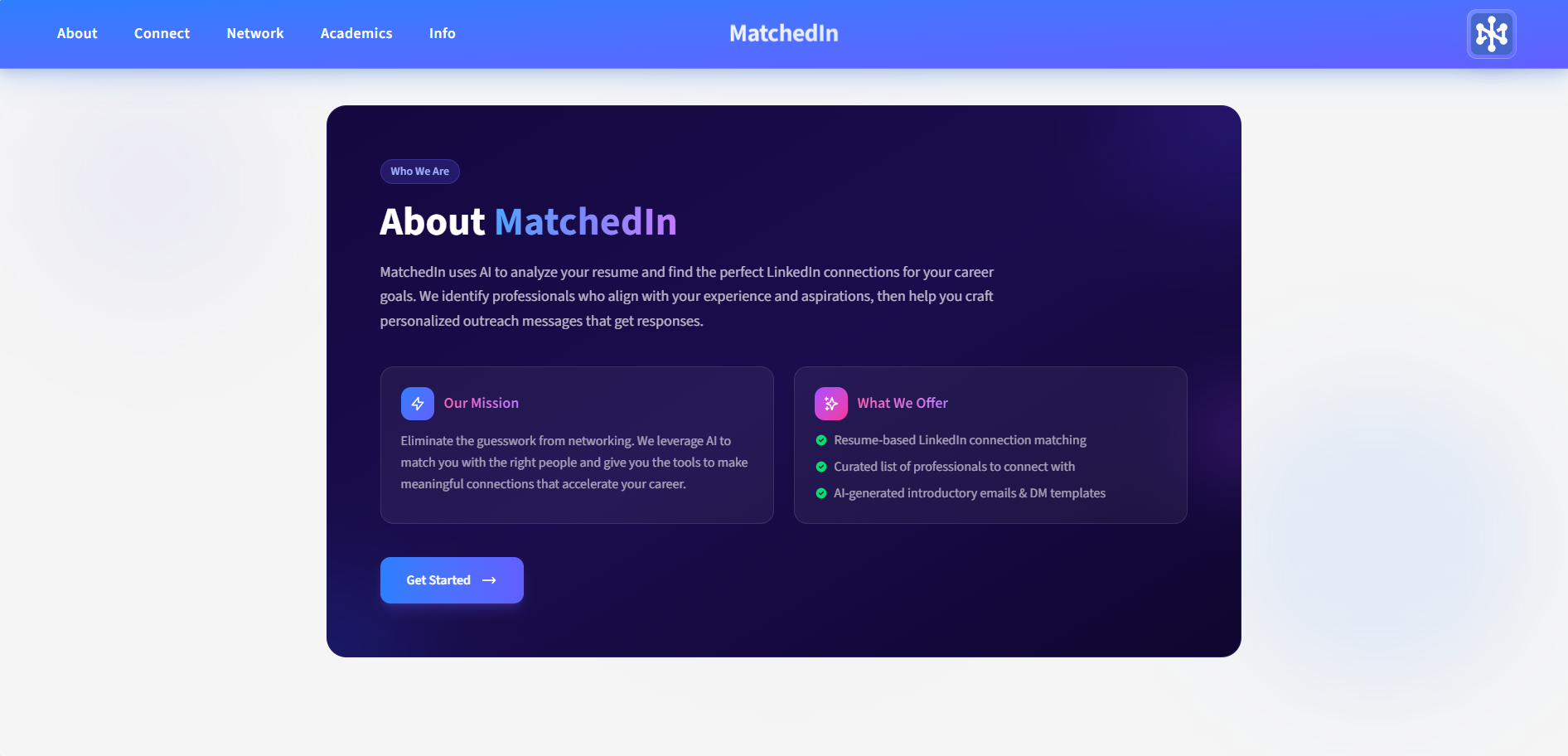
About MatchedIn
-
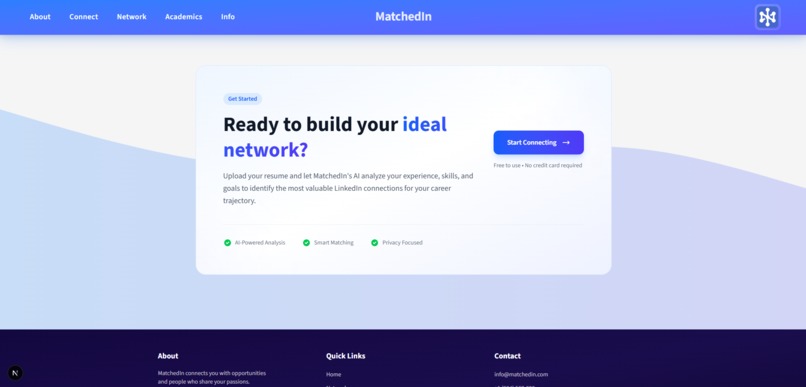
Redirect section
-
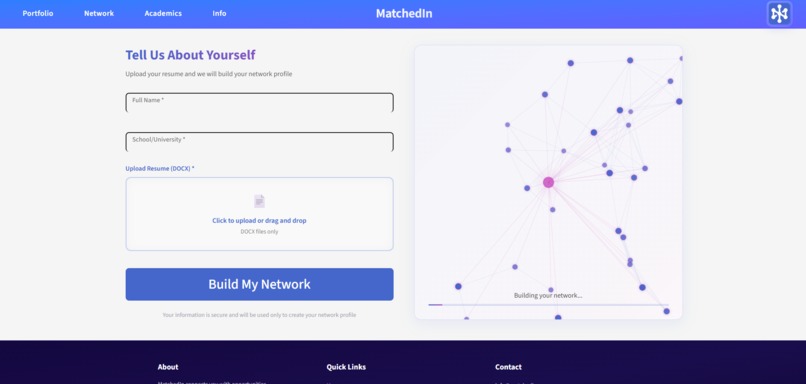
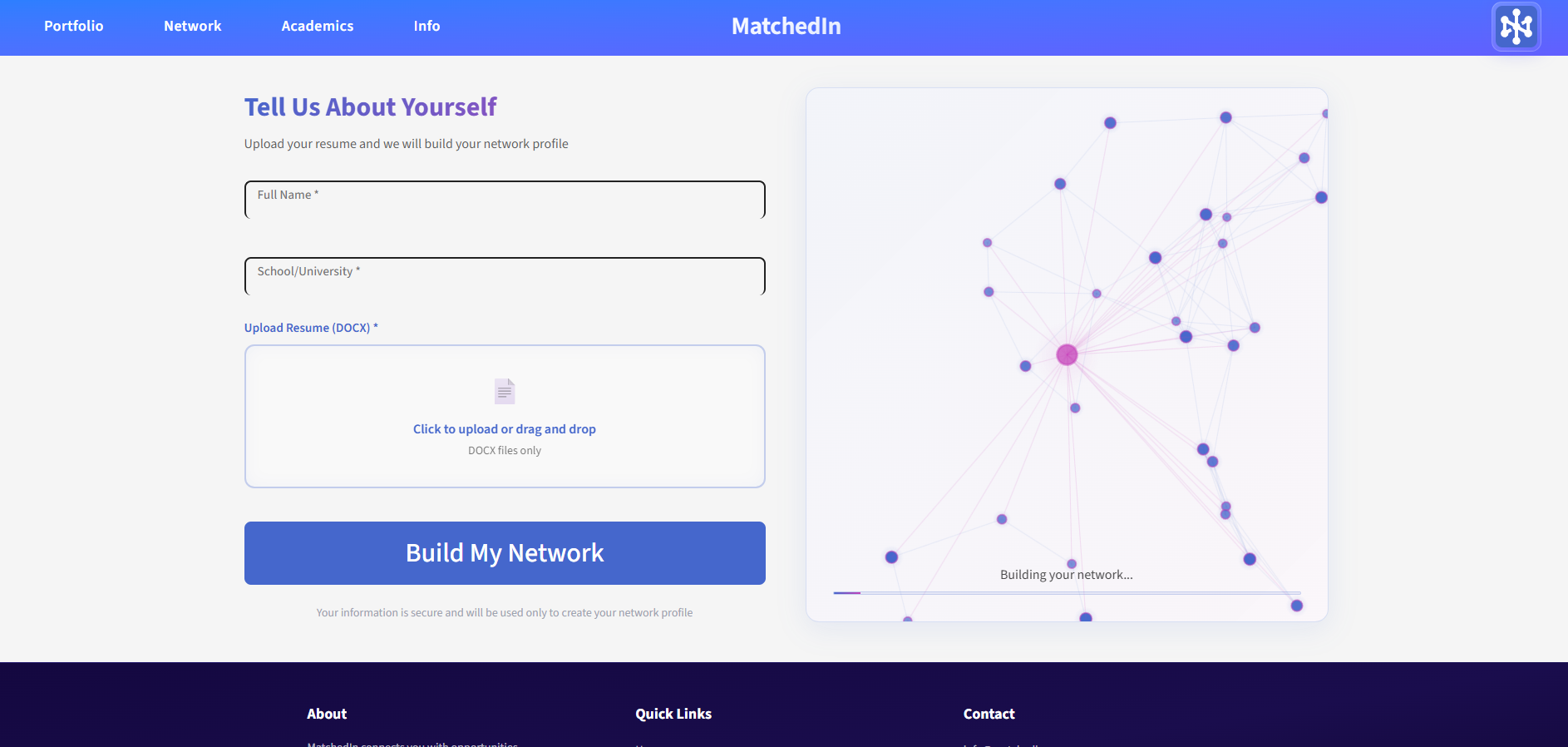
The information page
-
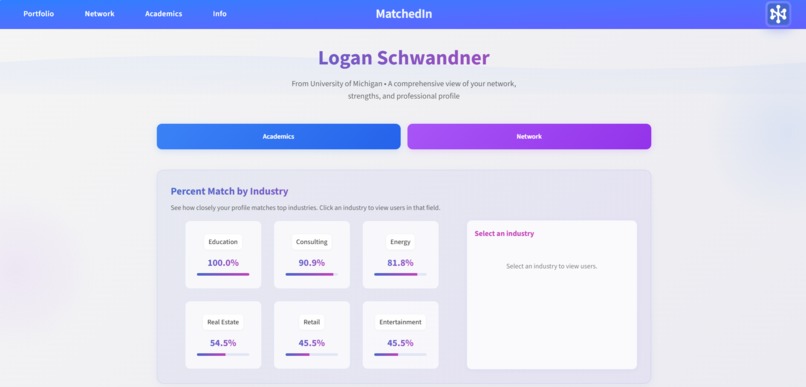
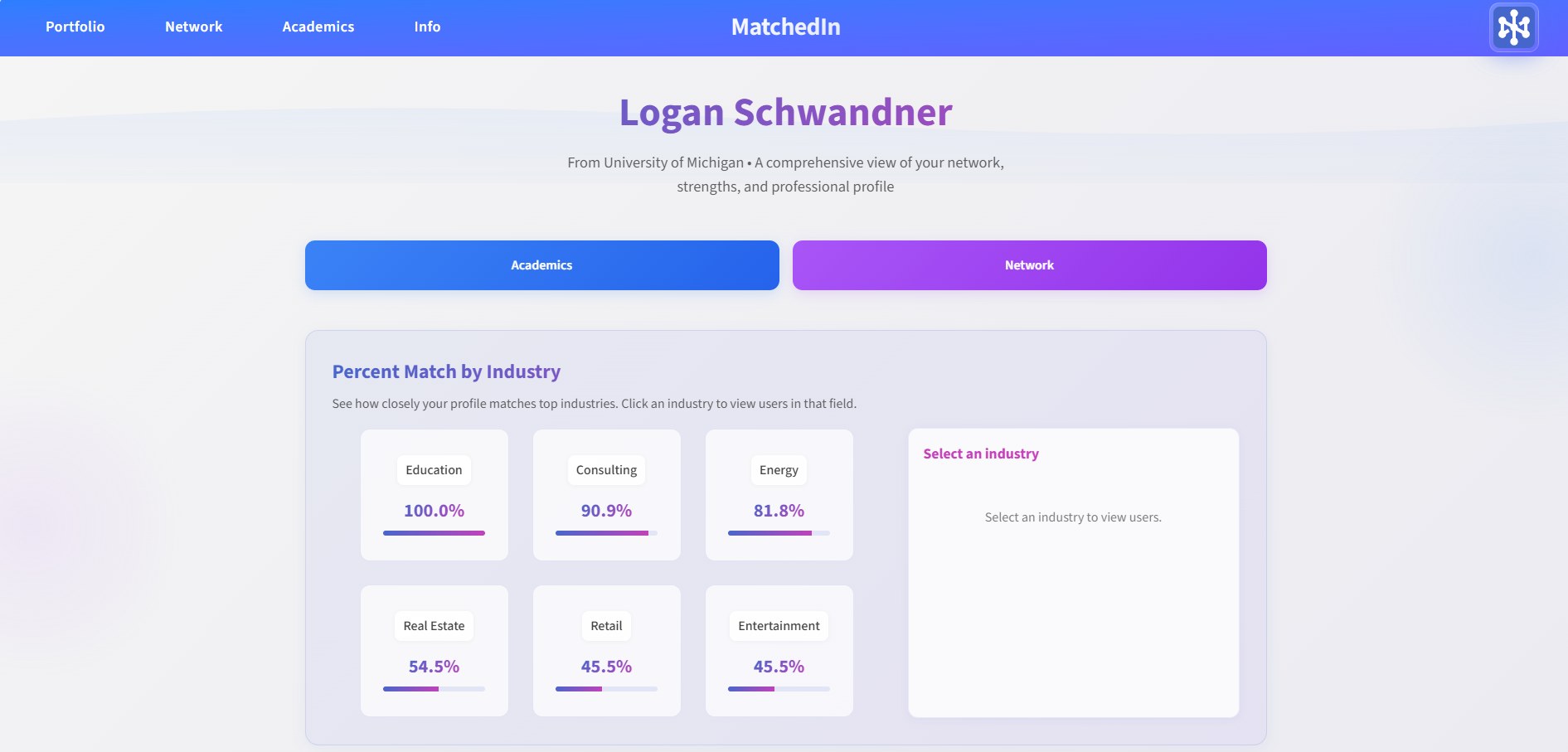
Industry professionals search
-
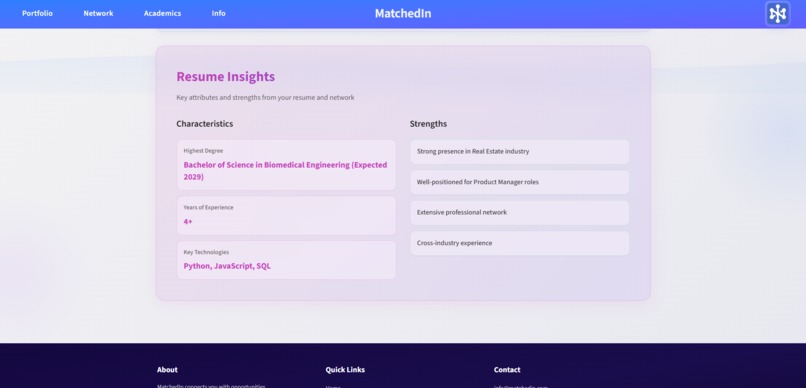
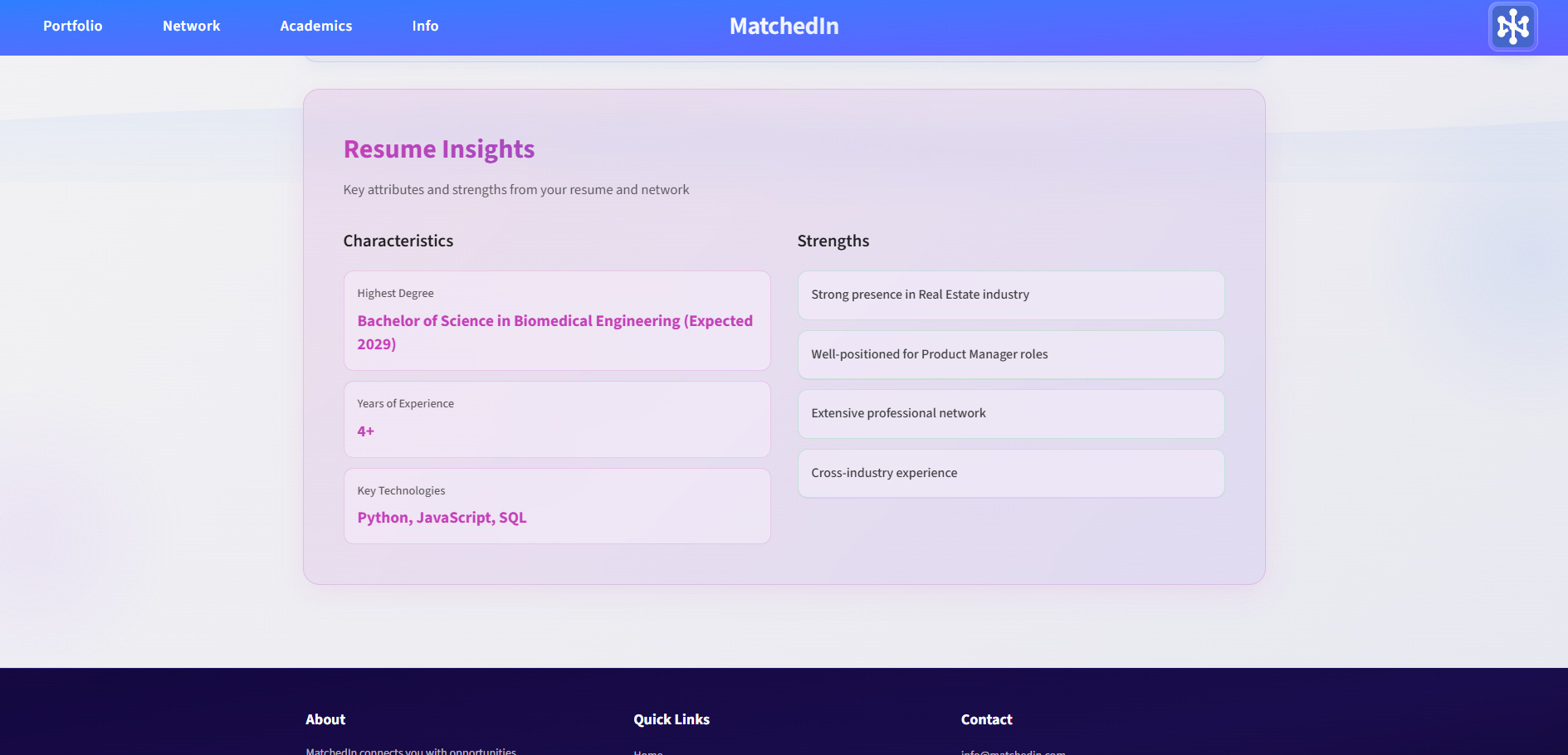
Resume and skill insights
-
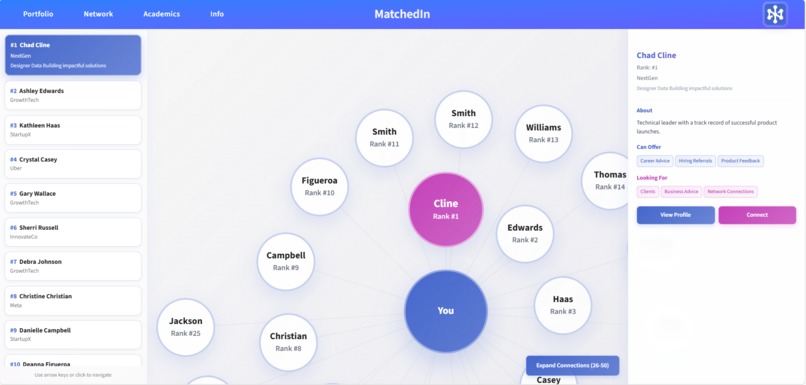
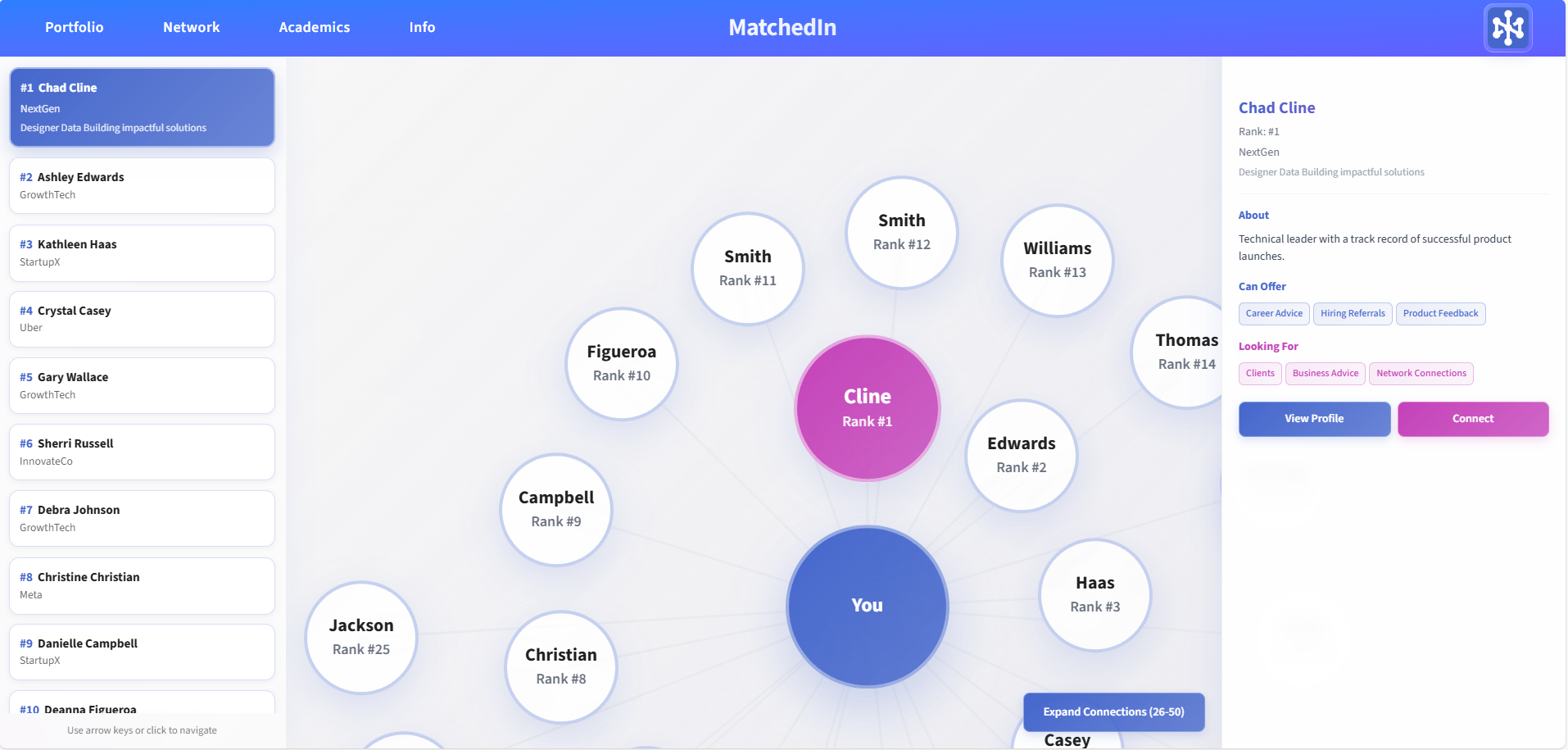
Single connection node
-
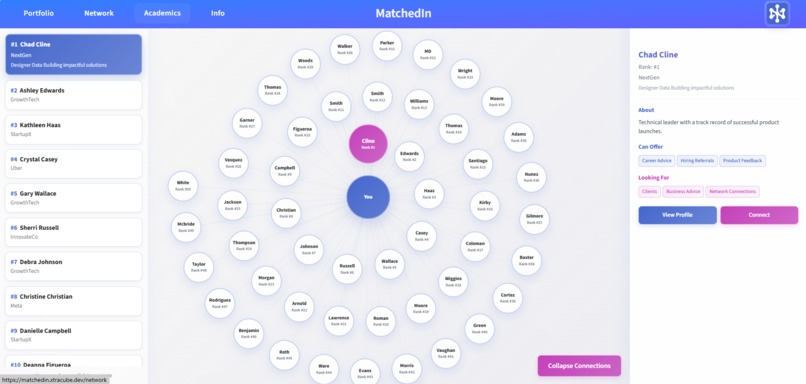
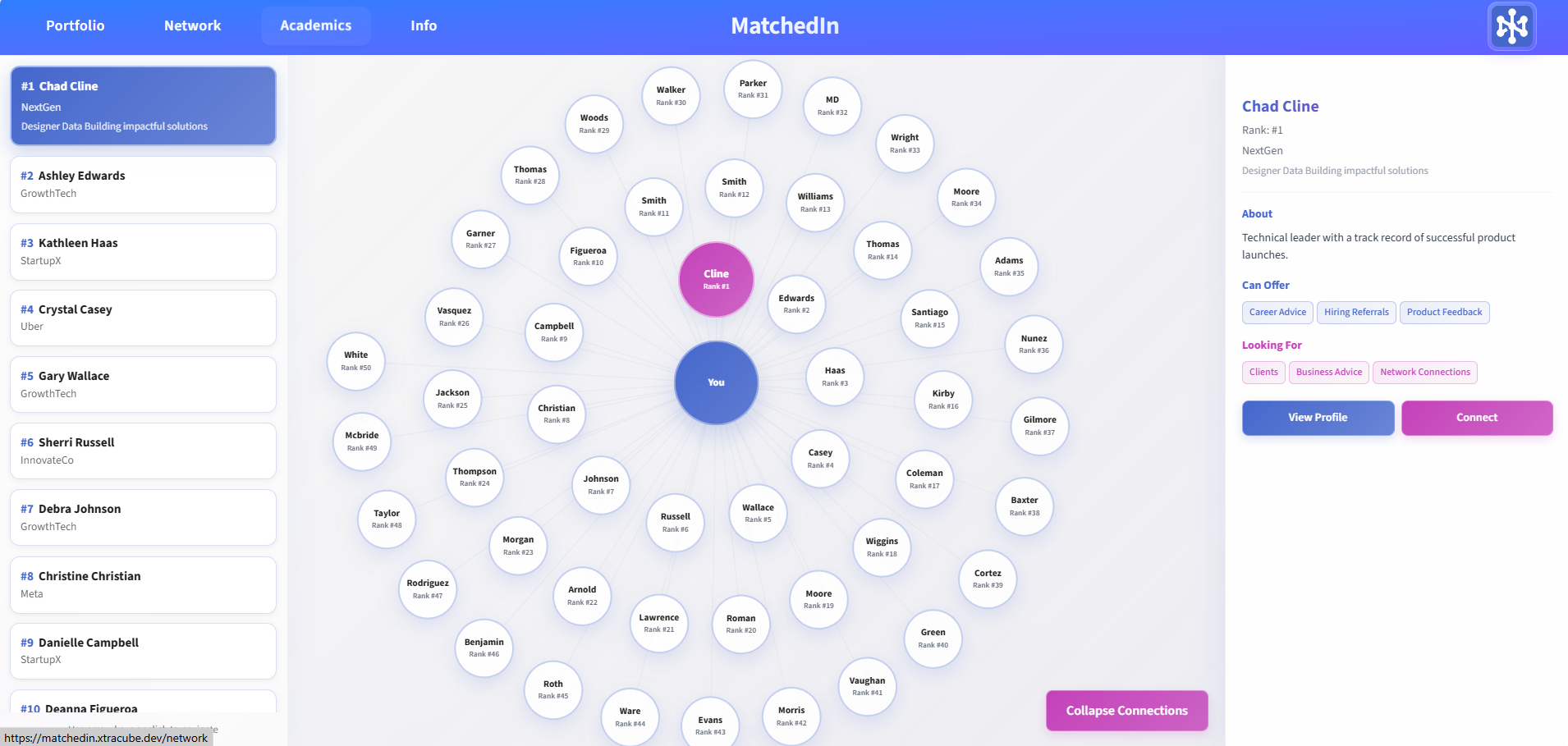
Large connection spiral
-
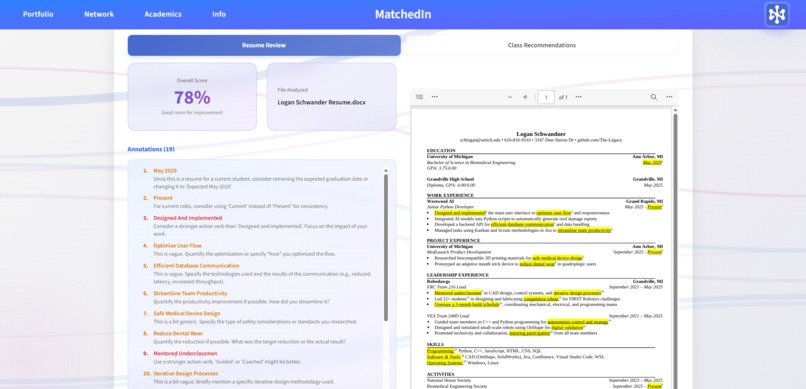
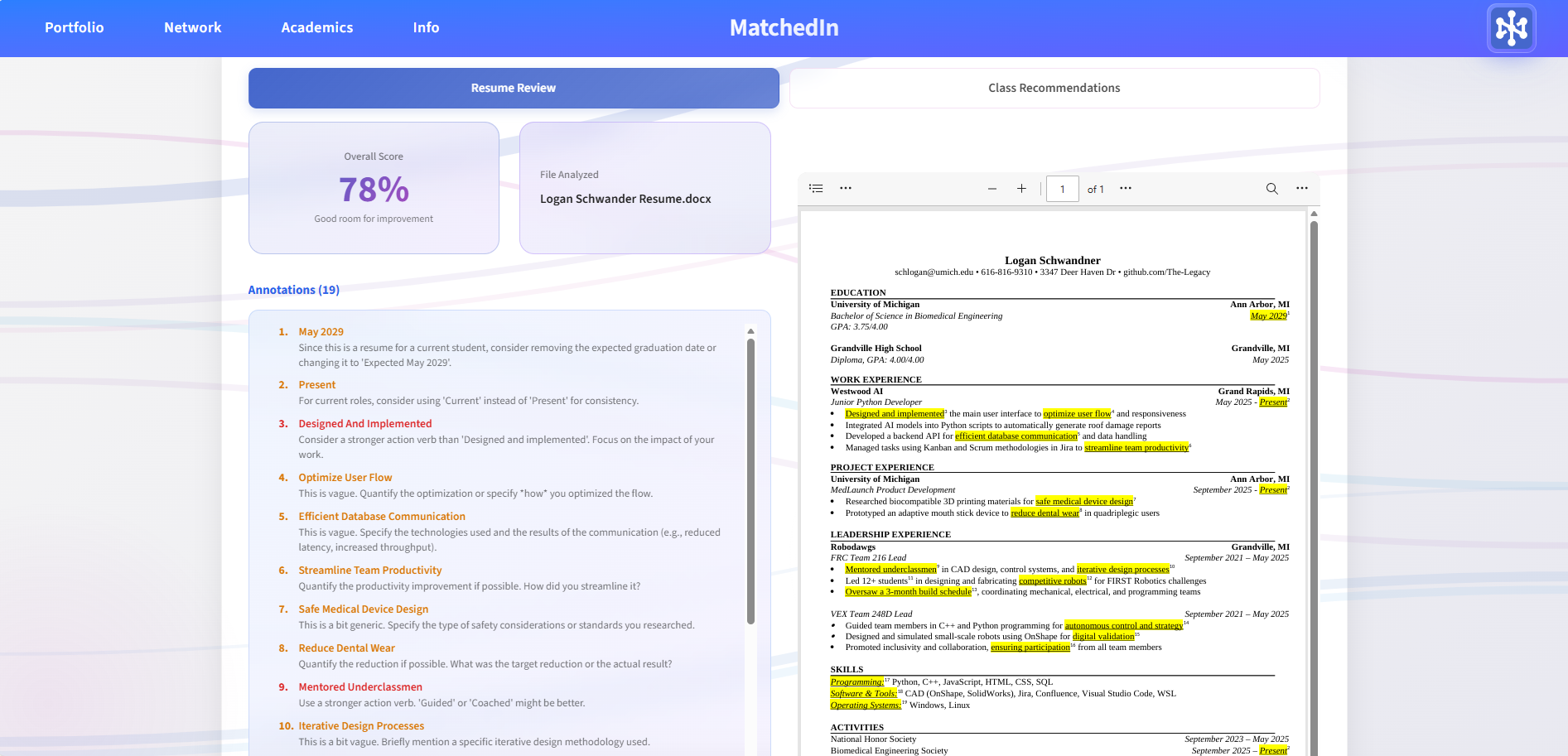
Resume annotations page
-
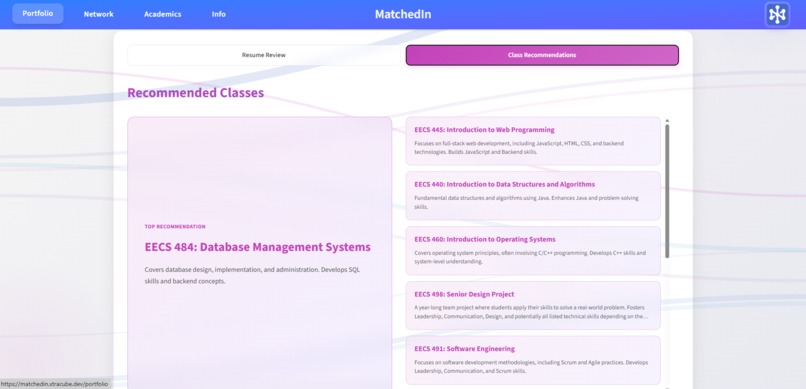
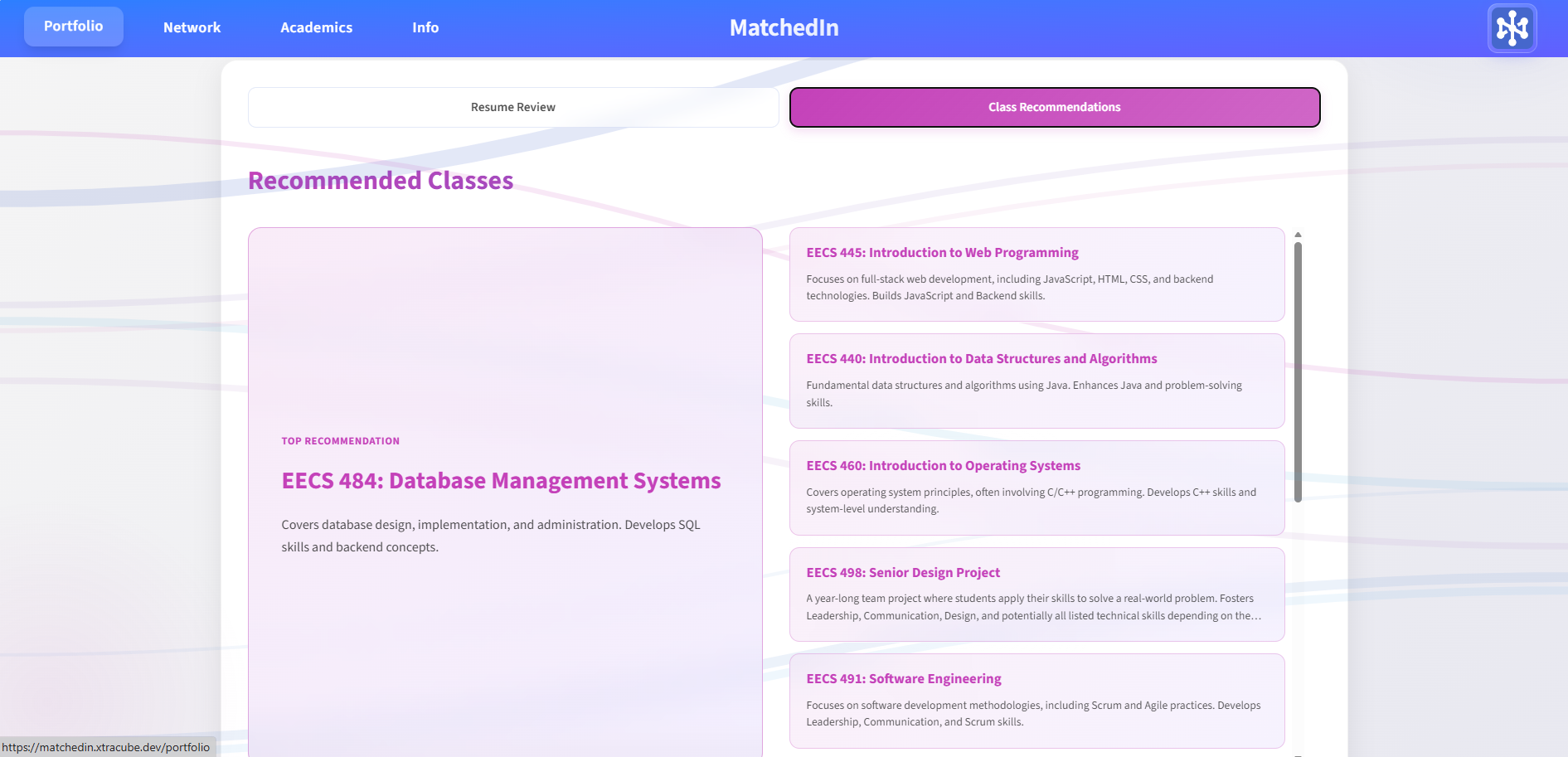
Class recommendations page
Inspiration
The idea came from a stupid remark during a 4-hour call... "Tinder for LinkedIn", but transformed into a truly revolutionary idea.
What it does
MatchedIn helps you connect with people on LinkedIn based on your skillset and experience. Instead of stalking people's profiles for hours, just drop your resume in and let the magic happen! MatchedIn automatically shows you 25 people you should connect with, as well as a cold email opener optimized for maximum response rates. To optimize your resume for the best internships and full-time results, we've also added a resume editor, where we give you suggestions as well as a fully annotated version of your resume, so you know exactly where you can improve. In addition, to expand your knowledge base, we have included a class recommender that, based on your major and university, recommends exactly which classes you should take to further your profile.
How we built it
We mapped the 50,000 profiles onto a K-nearest neighbors chart. Then, using your resume, you become a datapoint among those neighbors, and Matchedin finds the nearest profiles to your resume. That with LLM dm/pitch generation allows you to get a holistic review of where you fit. For the resume editor, a .docx file is inputted, parsed, sent through an LLM, and fully annotated, providing suggestions to match each highlight. The classes are received by parsing just your skills, and then by choosing your university on the website, you get tailored results as to what classes you should be taking
Challenges we ran into
Connecting the backend to the frontend was a challenge that took us a while because of the number of nuances. Having the backend talk to the frontend using an SSE was new territory for most of us, but by using trial and error, we were able to work out what exactly needed to be sent and received. Additionally, parsing documents like DOCX and manipulating PDF was complicated, but we found some useful libraries to make it happen.
Accomplishments that we're proud of
We were able to get our 75 nearest neighbors, all the metrics that came with the similarity, and were easily able to vectorize the resume, yielding a JSON file containing all relevant information between the profiles, working seamlessly. This and the resume editor actually being able to annotate and label a resume, showing all suggestions with highlights, was something we were impressed with.
What we learned
A big part we took away from this project is how to code middleware, especially SSE, successfully integrating the backend with the frontend, working hand in hand. We also learned how to parse, interpret, and effectively utilize .docx files. We also learned the usability of parquet files, taking large CSVs, and compressing them into more optimized, more data-oriented files, allowing the code to run faster than it could with just a dataset.
What's next for MatchedIn
Currently, we are limited by a sample dataset. In the future, we want to be able to use the LinkedIn API to pull from real profiles and compare your own profile with another, rather than just uploading your resume. This way, Matchedin almost becomes integrated with LinkedIn directly, becoming a must-have for anyone trying to be successful or expand their network more efficiently.
Built With
- .net
- c#
- gemini
- knn
- llm
- next.js
- postgresql
- python
- react
- typescript


Log in or sign up for Devpost to join the conversation.