-
-
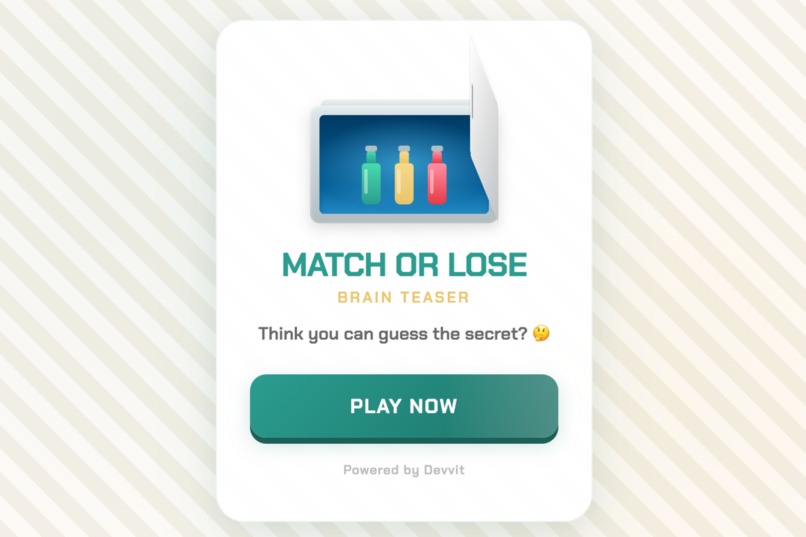
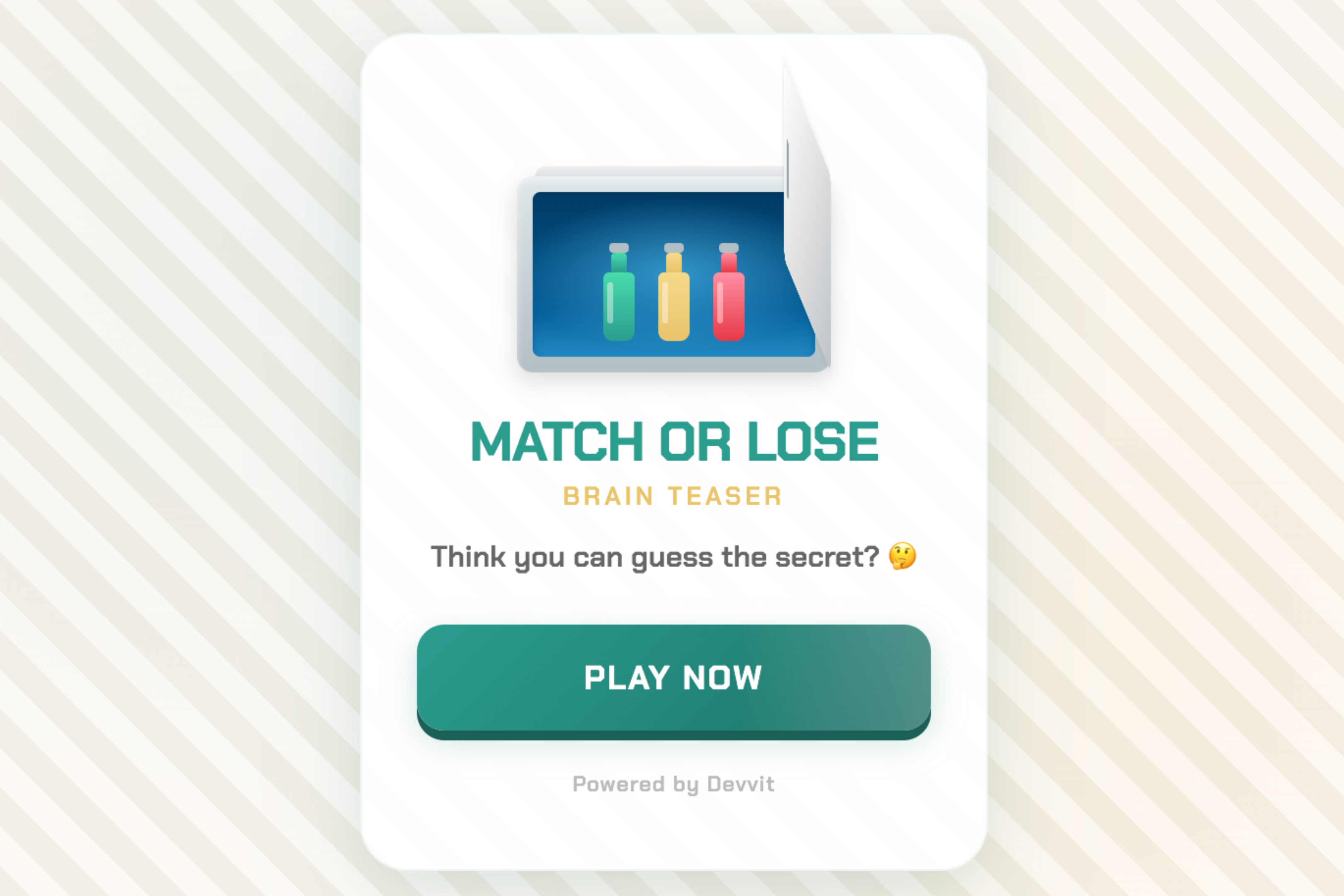
Splash Screen
-
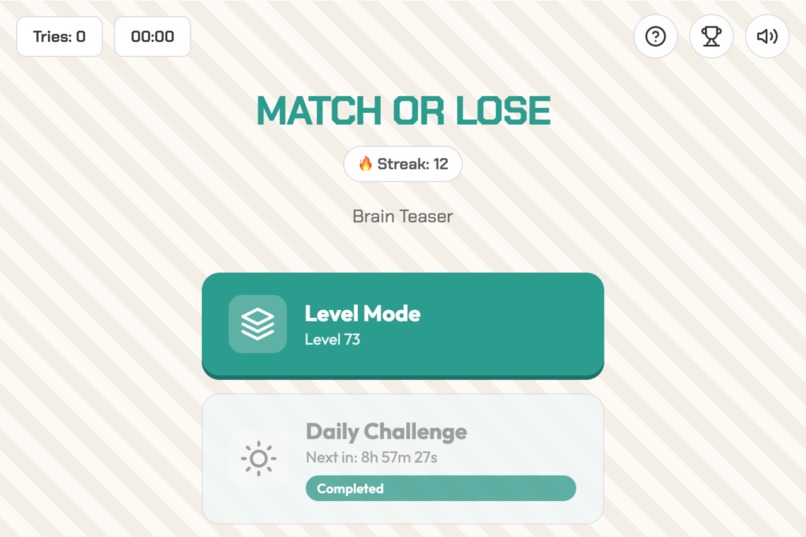
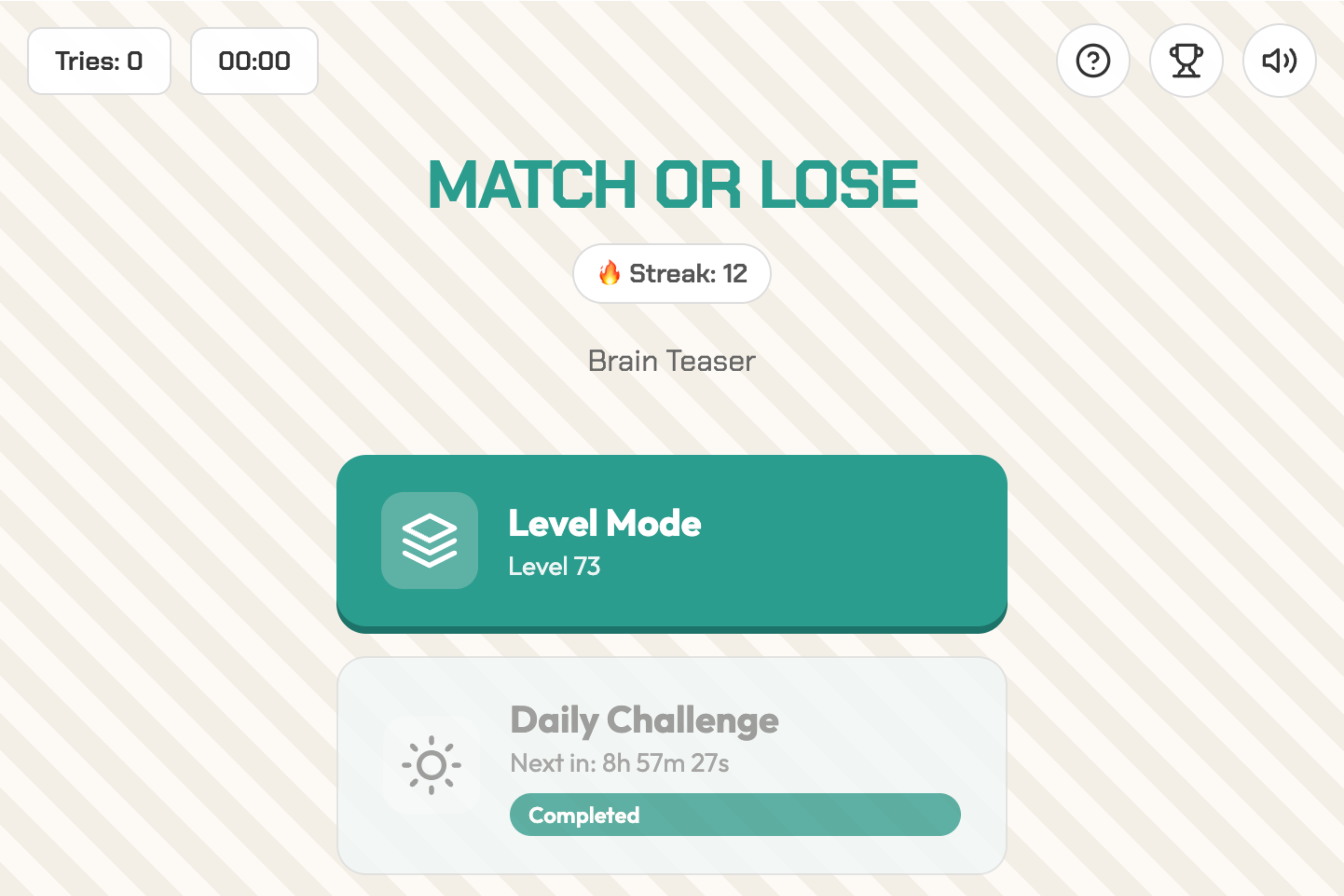
Home screen
-
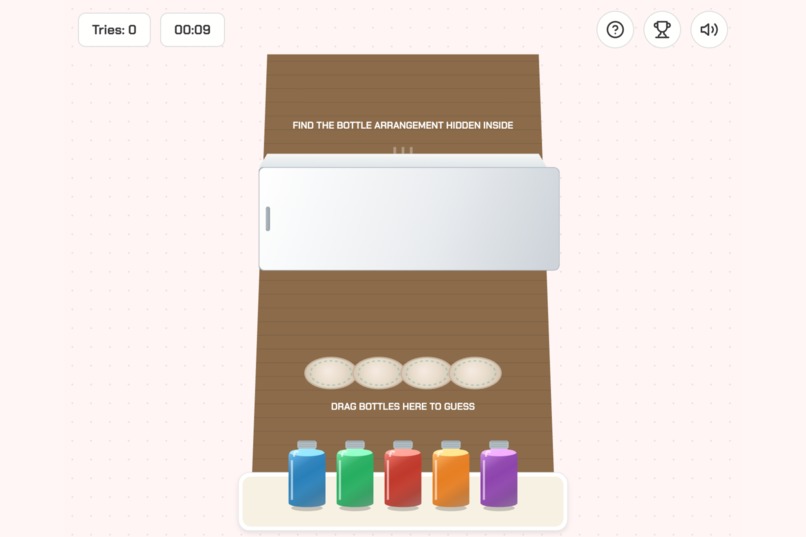
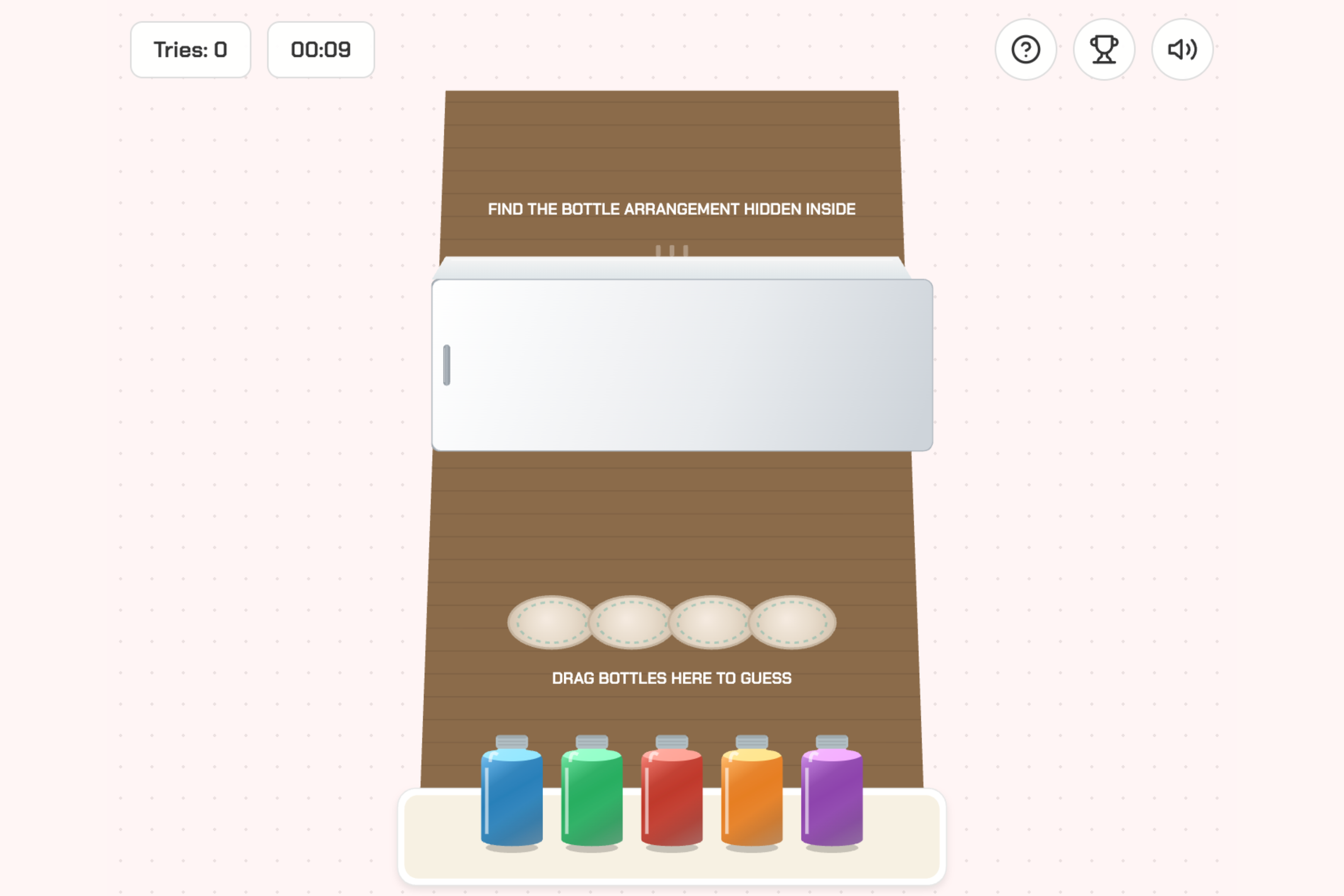
Gameplay screen
-
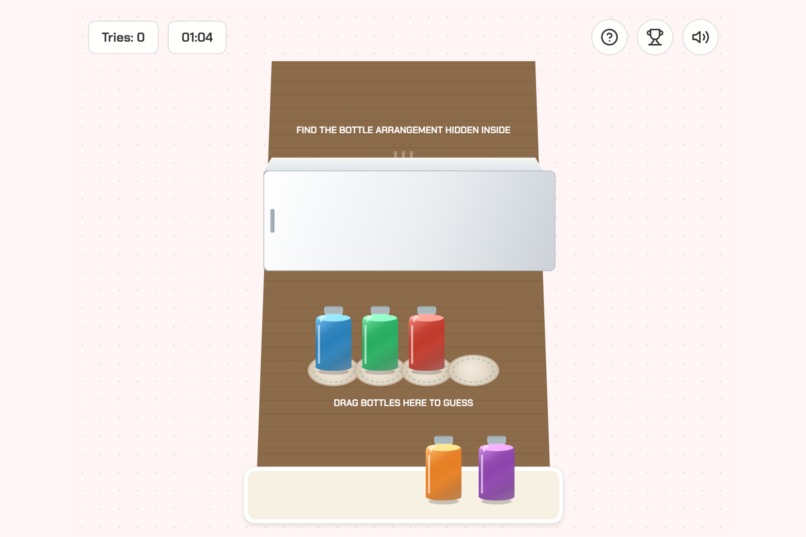
Level Playing Screen
-
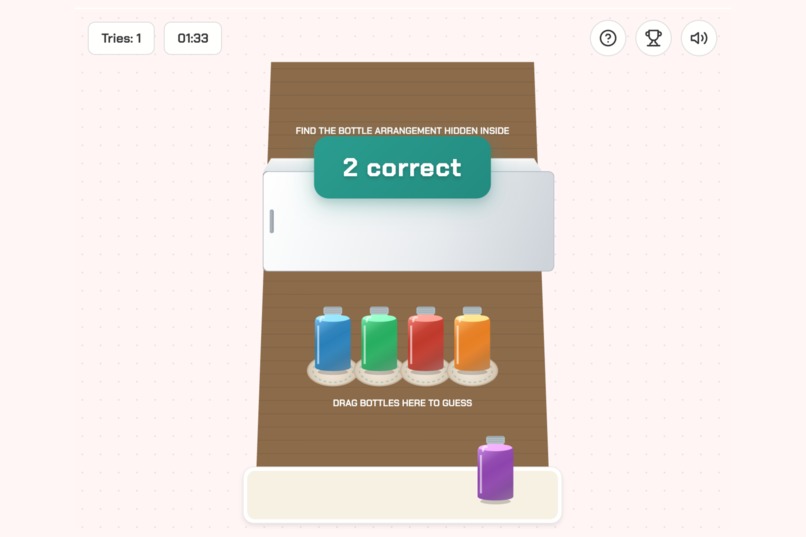
Hint Revealing Screen
Inspiration
We've all seen those viral videos—people frantically swapping colored bottles to match a hidden pattern while a timer ticks down. It's frustratingly addictive to watch, but we wanted to stop watching and start playing.
Match or Lose was born from a simple question: "Can we capture that high-stakes tension in a digital format?" We wanted to build a game that feels fair but unforgiving—a true test of logic where every move counts.
What it does
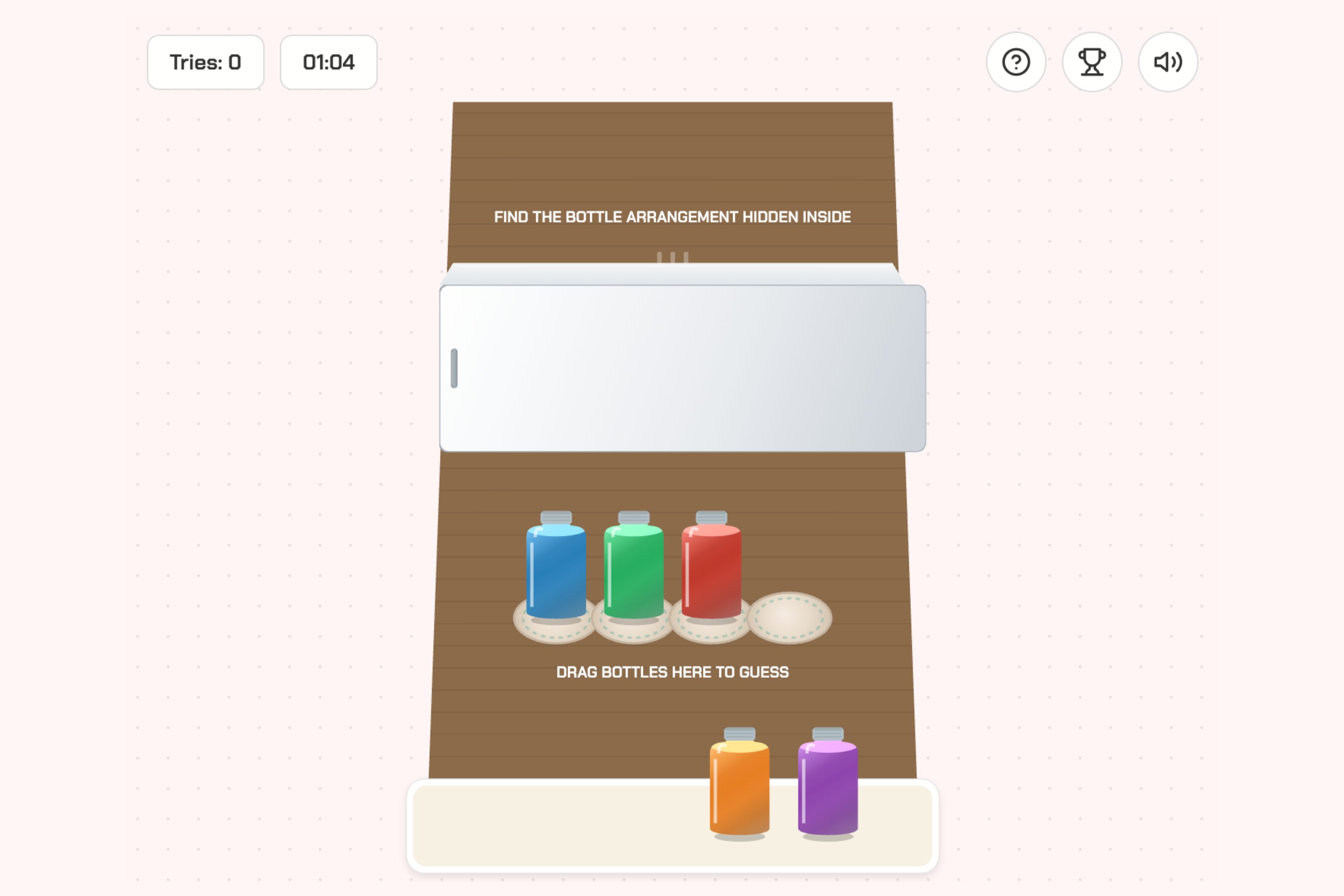
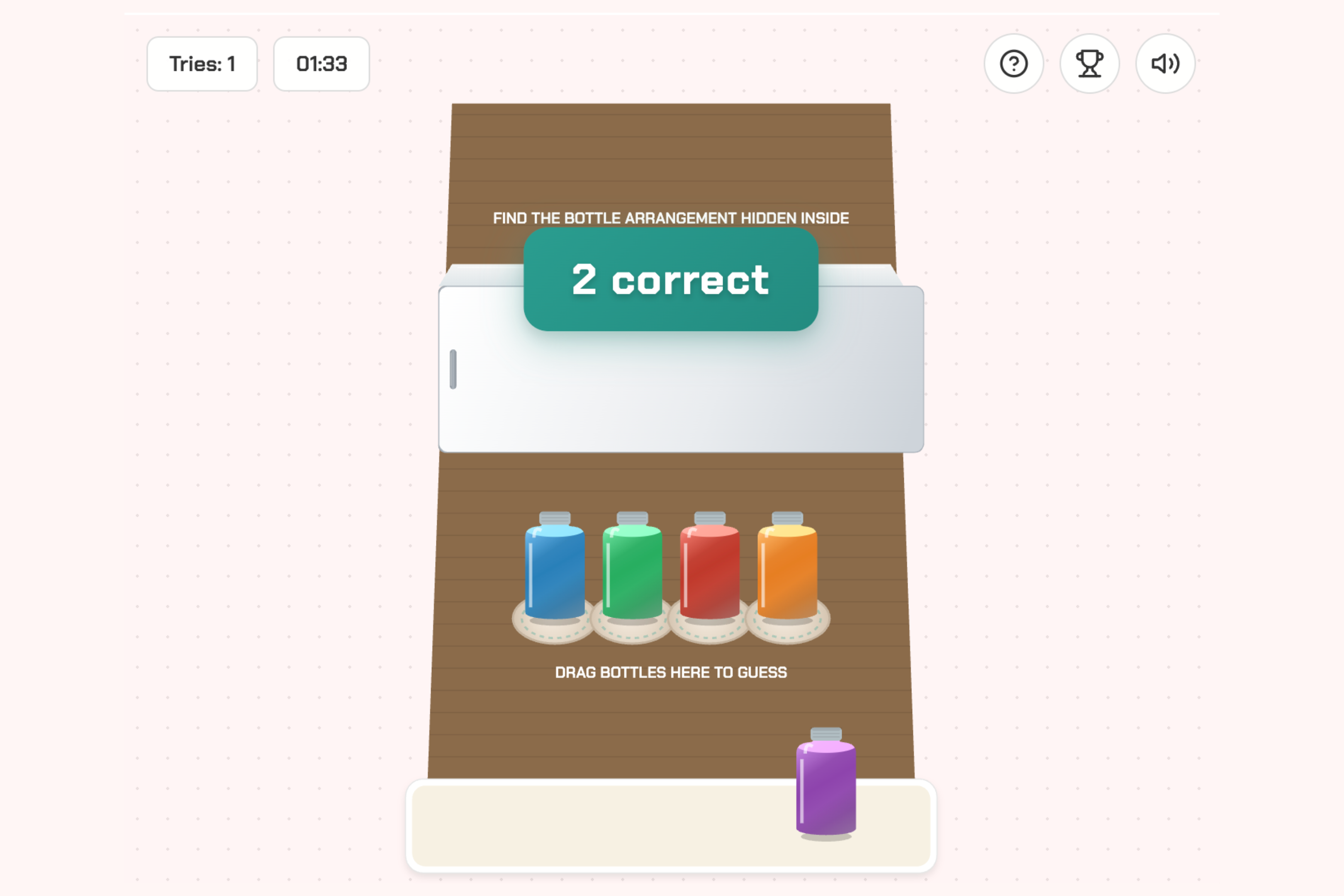
Match or Lose is a daily deduction puzzle game. Your goal is simple: arrange the colored cans to match the hidden correct order.
- Daily Challenge: Everyone gets the same generated puzzle each day based on a unique seed.
- Interactive Physics: Cans have "liquid" weight and wobble, making every interaction feel satisfying.
- Instant Feedback: No complex rules. You either match the pattern or you don't.
- High Stakes: In the main mode, one wrong guess resets your streak.
How we built it
We stripped away the bloat and built a custom game engine from scratch using TypeScript and HTML5 Canvas.
- Rendering: We avoided heavy game engines like Unity in favor of a raw 2D Canvas implementation. This gives us pixel-perfect control over every frame and ensures instant load times.
- Physics: We implemented custom "wobble physics" math to simulate liquid inside the cans, giving them a heavy, realistic feel without needing a physics library.
- Logic: The game logic handles state management, daily seeding (so every player sees the same puzzle), and streak tracking.
- Platform: Built with Vite for a modern development experience and optimized for the web.
Challenges we ran into
The "Juice" Factor: Getting the cans to feel "heavy" and satisfying to drop was surprisingly hard. We spent hours tweaking the angular velocity and dampening coefficients to get that perfect "thud" and wobble.
- Responsive Design: Scaling a canvas game to look perfect on both mobile and desktop screens required a robust custom layout engine that recalculates coordinates dynamically.
- Fairness vs. Difficulty: Finding the right balance for the daily puzzle generation was key. It couldn't be too easy (solved in 2 tries) or mathematically impossible.
Accomplishments that we're proud of
- The "Feel": the game just feels good to touch. The drag-and-drop mechanics are smooth, and the sound design complements the visuals perfectly.
- Zero Dependencies: We didn't rely on massive libraries. The core game loop is pure, optimized code.
- Daily Mode: Successfully implementing a seed-based generator that creates a unique, solvable puzzle for every day of the year.
What we learned
Canvas Power: You don't always need WebGL or Three.js. The 2D Canvas API is incredibly powerful if you know how to optimize your render loop. User Feedback: Visual cues (like the wobble or the specific slide animations) are just as important as the game rules themselves.
What's next for Match or Lose: The Daily Puzzle Challenge
Global Leaderboards: Confirmed "World's Smartest" ranking. Versus Mode: Real-time 1v1 battles.
Built With
- canvas
- css3
- devvit
- html5
- typescript
- vite


Log in or sign up for Devpost to join the conversation.