
Inspiration
The inspiration for Match Free began with a simple conversation during a hackathon, centered around the all-too-common fear of speaking up and approaching new people—whether for friendship or dating. Our personal reflections on past rejections, societal expectations, and apprehensions fueled the drive to solve the underlying problem of uncertainty that hinders meaningful human connection. By transforming these personal anxieties into a practical, ethical solution, Match Free seeks to reshape the modern social media and dating landscape, empowering people to find real connections without fear.
What it does
Match Free solves the issues of security, trust, and authenticity often neglected by other platforms. Rather than bombarding users with random matches based on superficial traits or popularity, it continuously analyzes interactions—likes, comments, chats, and posts—to understand each user’s personality, traits, and preferences. This AI-driven process ensures compatibility is rooted in genuine interests and proven behavioral data, not just curated photos. From safeguarding against fake profiles and random swipe algorithms, to encouraging more open, honest conversations, Match Free helps users to truly connect.
How I built it
Match Free’s frontend is built using Expo (React Native) and Expo Router for seamless navigation. We paired it with an Express and Node.js backend that handles user management, authentication, and data processing. MongoDB stores user profiles, interests, and threads, while Cloudinary manages multimedia assets like profile images and documents. The AI-driven core—powered by the Gemini model—analyzes user data, extracts personality traits, and offers real-time guidance. A Python layer orchestrates data preprocessing, ensuring everything is structured for meaningful AI insights.
Challenges I ran into
- Model Selection and Adaptation: Initially, we faced the challenge of selecting the most suitable AI model for personality feature extraction. While we explored several options, we ultimately pivoted to Gemini for its robust capabilities and Hackathon compatibility. However, adapting Gemini to our specific needs required extensive experimentation and fine-tuning.
- Feature Integration Complexity: Integrating diverse functionalities—real-time chat, swipe cards, and document verification using Python scripts and image processing—into a single, cohesive app was a significant hurdle. We overcame this by diving deep into open-source libraries and image processing techniques, ensuring seamless interaction between these features.
- Interconnecting Python, Gemini, and Data Processing: Establishing a reliable pipeline for interconnecting our Python scripts for Gemini feature extraction with data cleaning and effective prompting proved challenging. We needed to ensure that Gemini's responses were structured and usable for further processing. We resolved this by implementing a Node.js pipeline script, acting as a medium for data exchange between Gemini and the core application, effectively managing data flow and structure.
Accomplishments that I am proud of
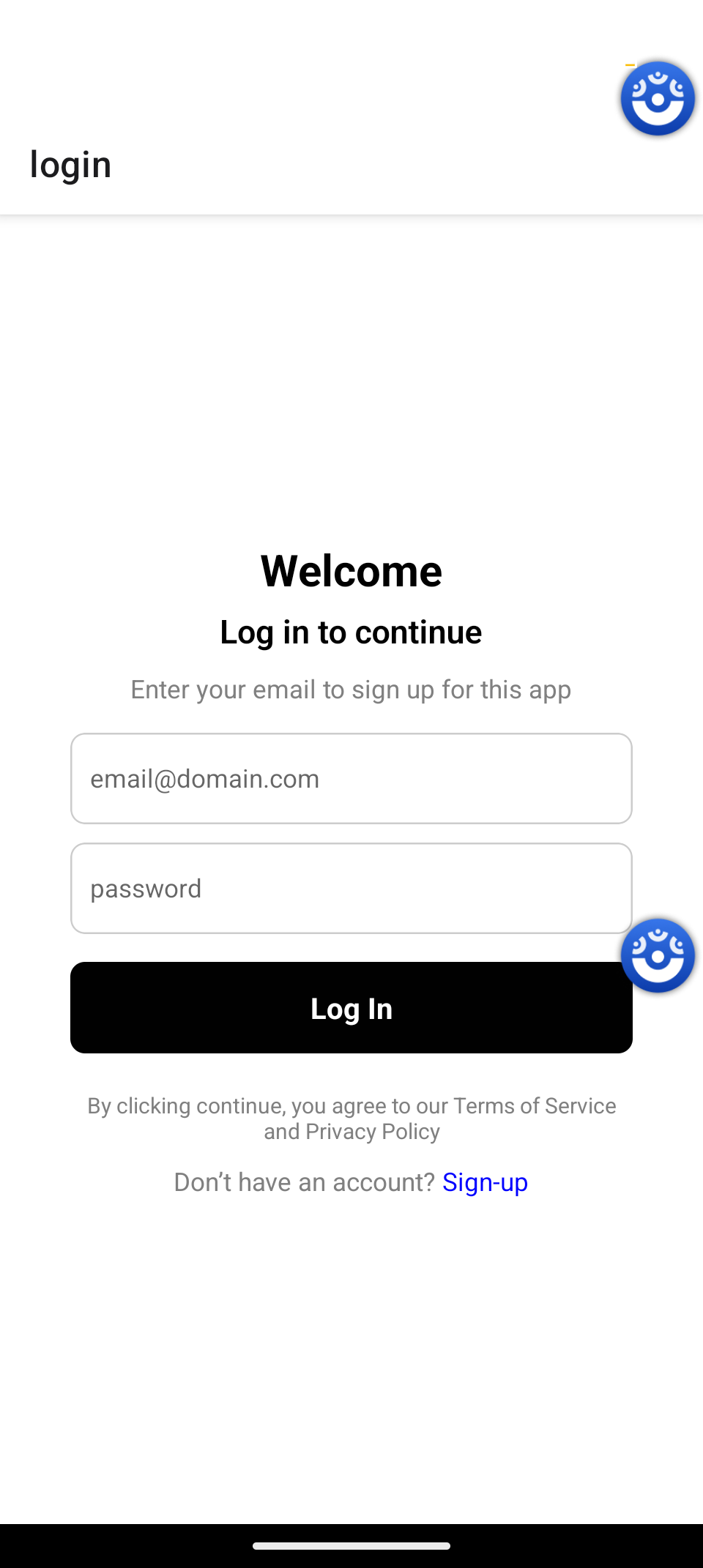
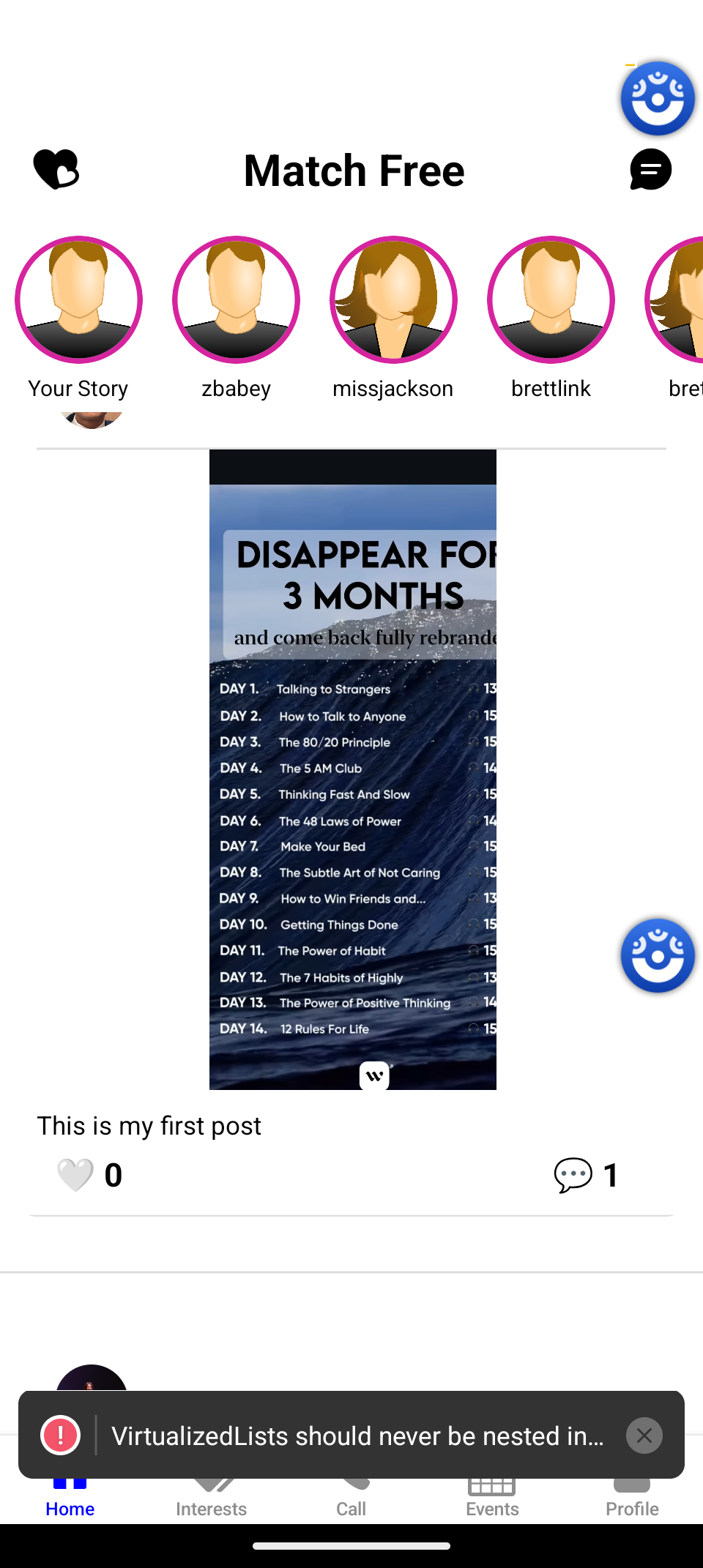
- Seamless App Flow: Match Free’s design needs no formal user guide—everything is intuitive, from profile creation to event-based swiping.
- Robust AI Personalization: By analyzing a user’s interests, posts, and chat behavior, our AI can accurately predict compatibility.
- Ethical Approach: We prioritized user safety, privacy, and social responsibility at every step, from blocking random DMs to verifying identity documents. This significantly reduces the chance of encountering fake profiles.
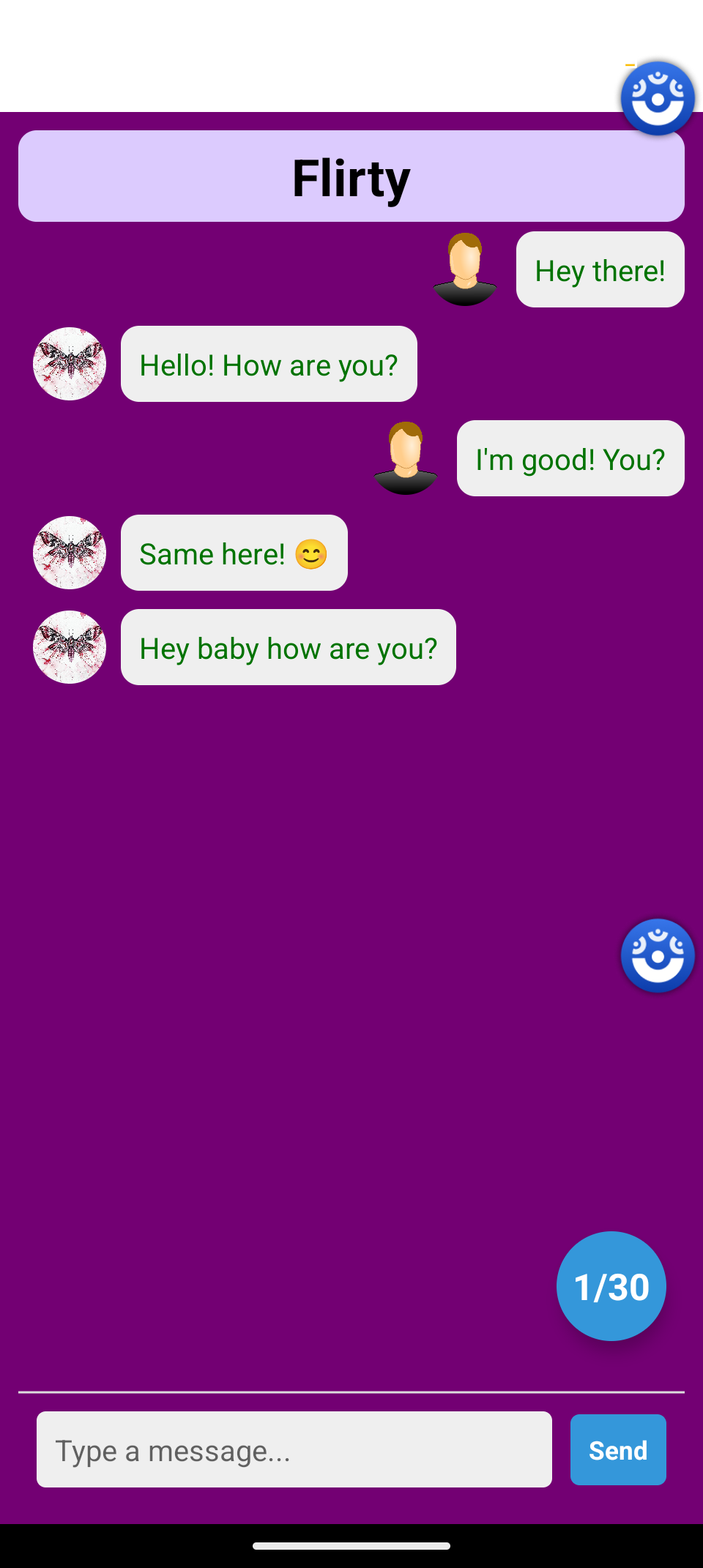
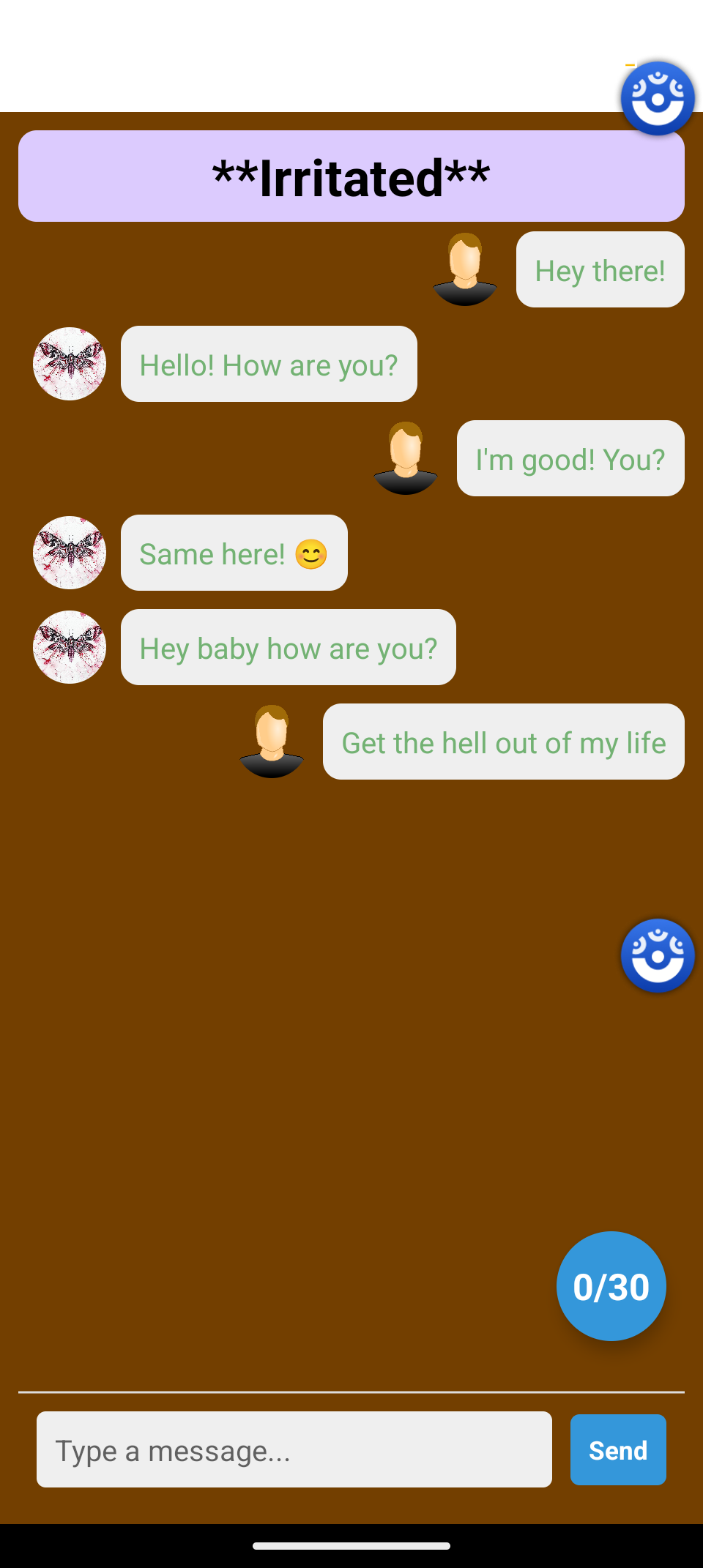
- Engaging Chat Features: The AI mood-analysis mechanism fosters constructive, supportive conversations and even signals when it’s time to meet in person.
- Thread & Community Engagement: Our interest-based discussion threads let users organically share ideas, find common ground, and form communities within the platform.
What I learned
We discovered the value of flexible, iterative learning. Instead of restricting ourselves to familiar tools, we quickly adapted new frameworks and libraries—be it managing large-scale data in MongoDB, or implementing personality-driven matching using advanced AI. We also realized that building a socially responsible app requires as much attention to user privacy, content moderation, and ethical AI guidelines as it does to technical proficiency.
What's next for Match Free
Our next steps for Match Free involve enhancing the AI capabilities by transitioning to personalized AI models for even more accurate personality extraction and chat analysis. We plan to integrate a neural network or transformer-based machine learning model to provide precise match scores, further refining the matchmaking process. We also aim to expand the app's features based on user feedback, creating a truly transformative platform for authentic connections. We will also work on increasing the user base and improving the overall user experience. Start-Up


Log in or sign up for Devpost to join the conversation.