-
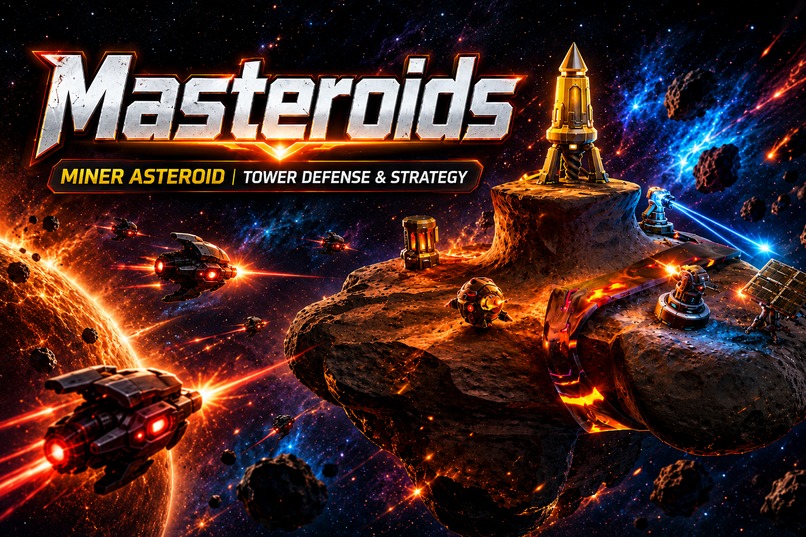
Masteroids | Tower Defense
-
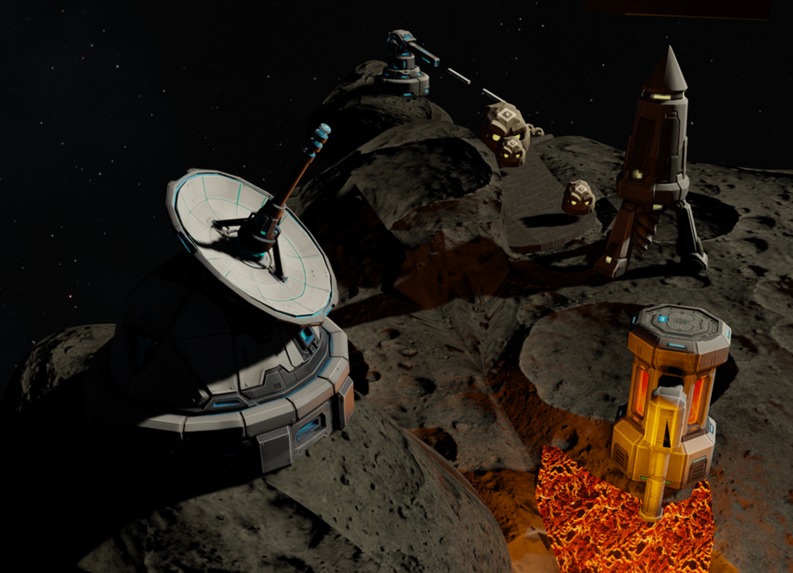
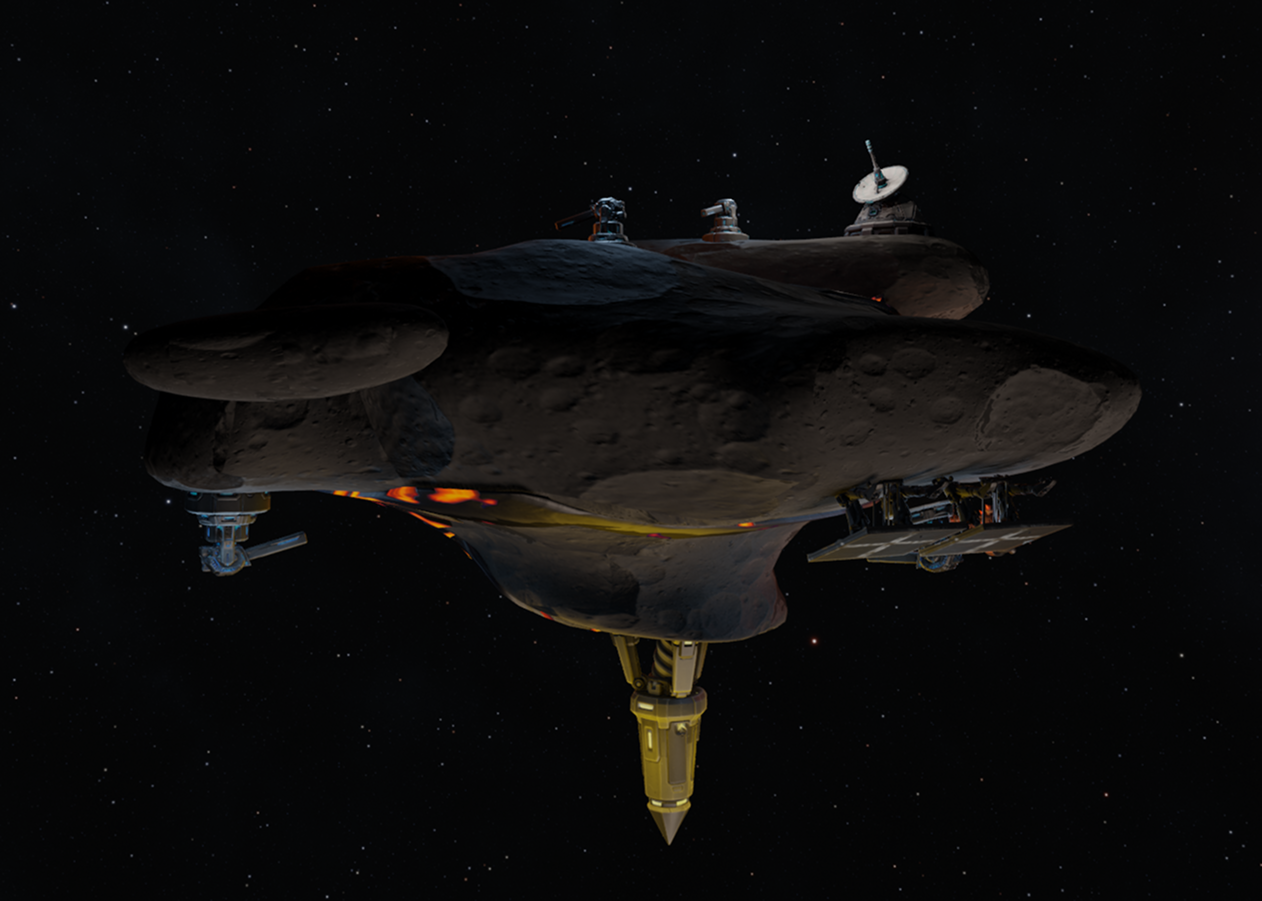
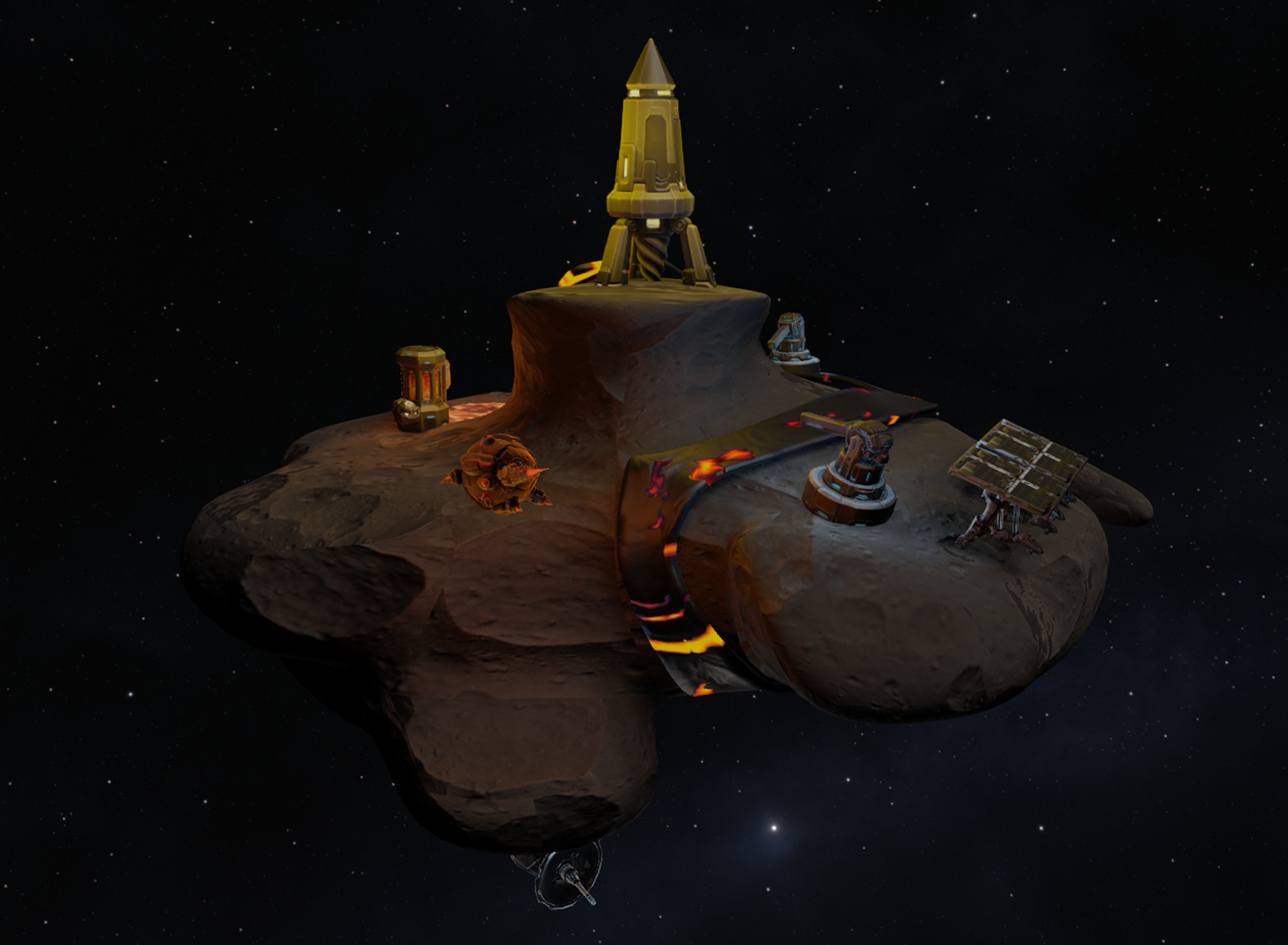
Concept art #1 (blender)
-
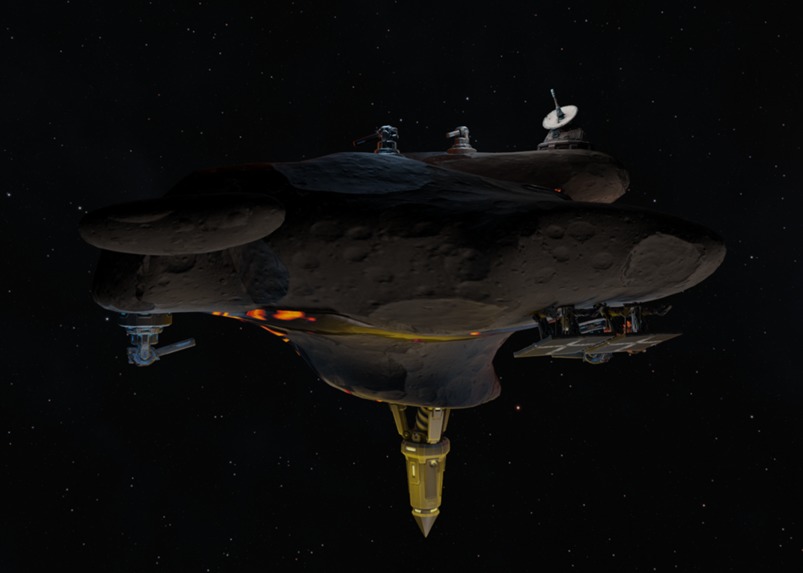
Concept art #2 - Upside down orbital view
-
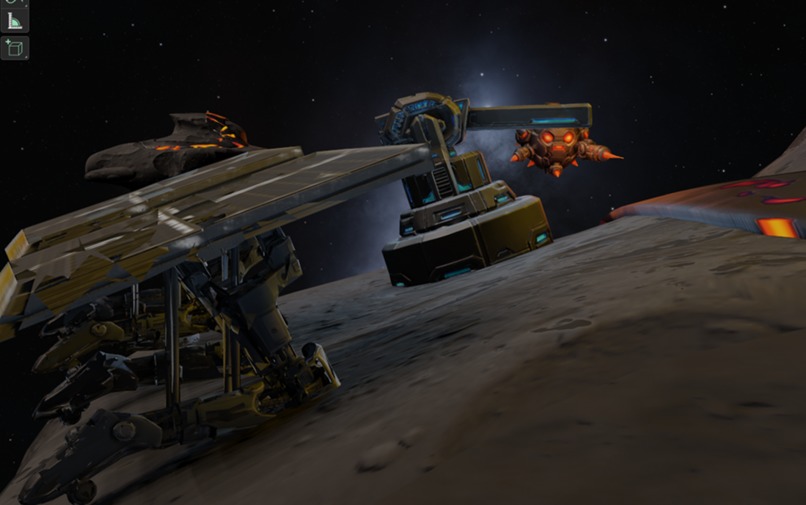
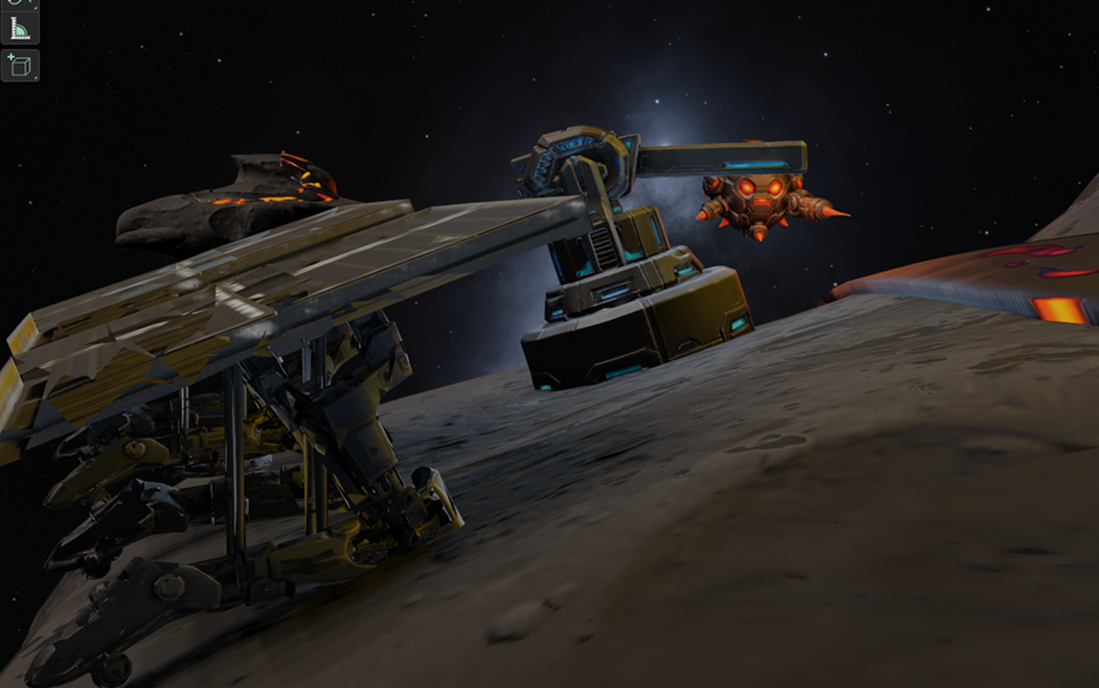
Concept art #3
-
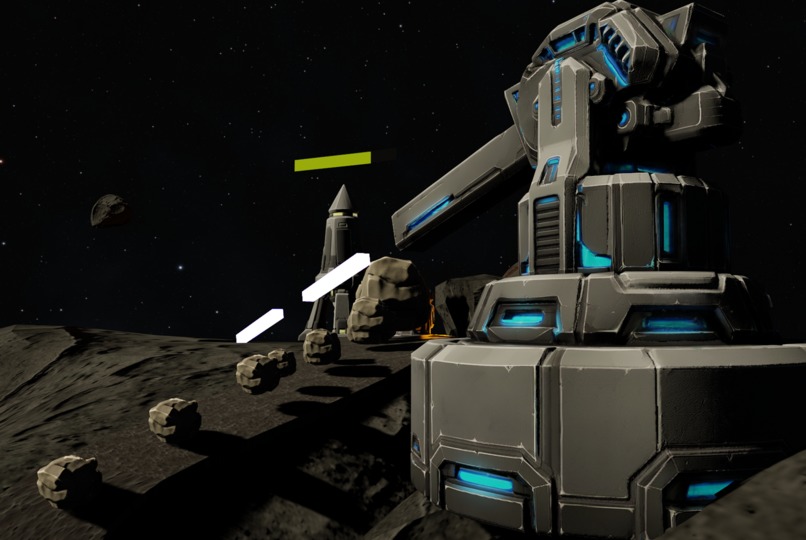
Concept art #4
-
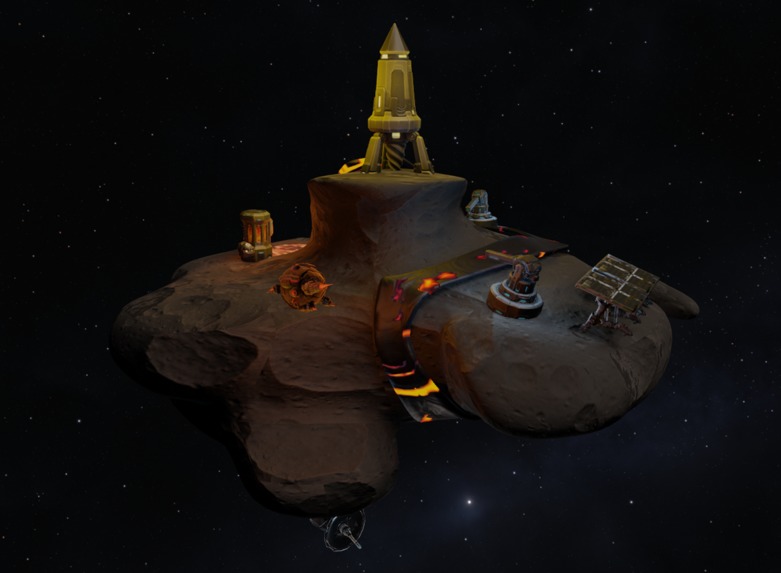
Concept art #5
-
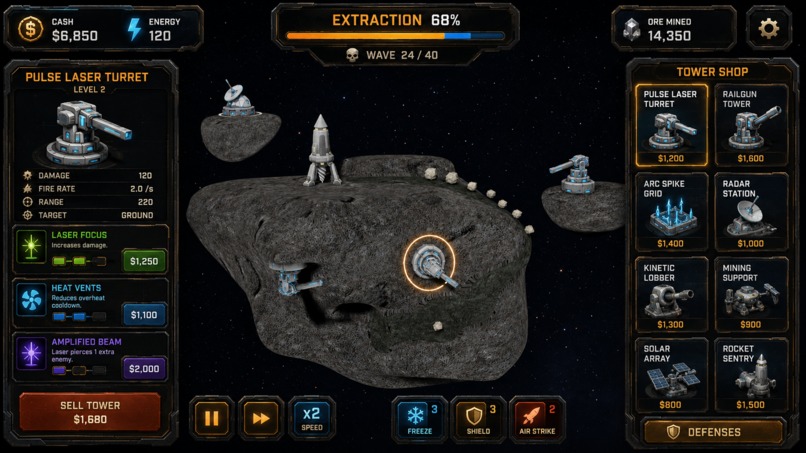
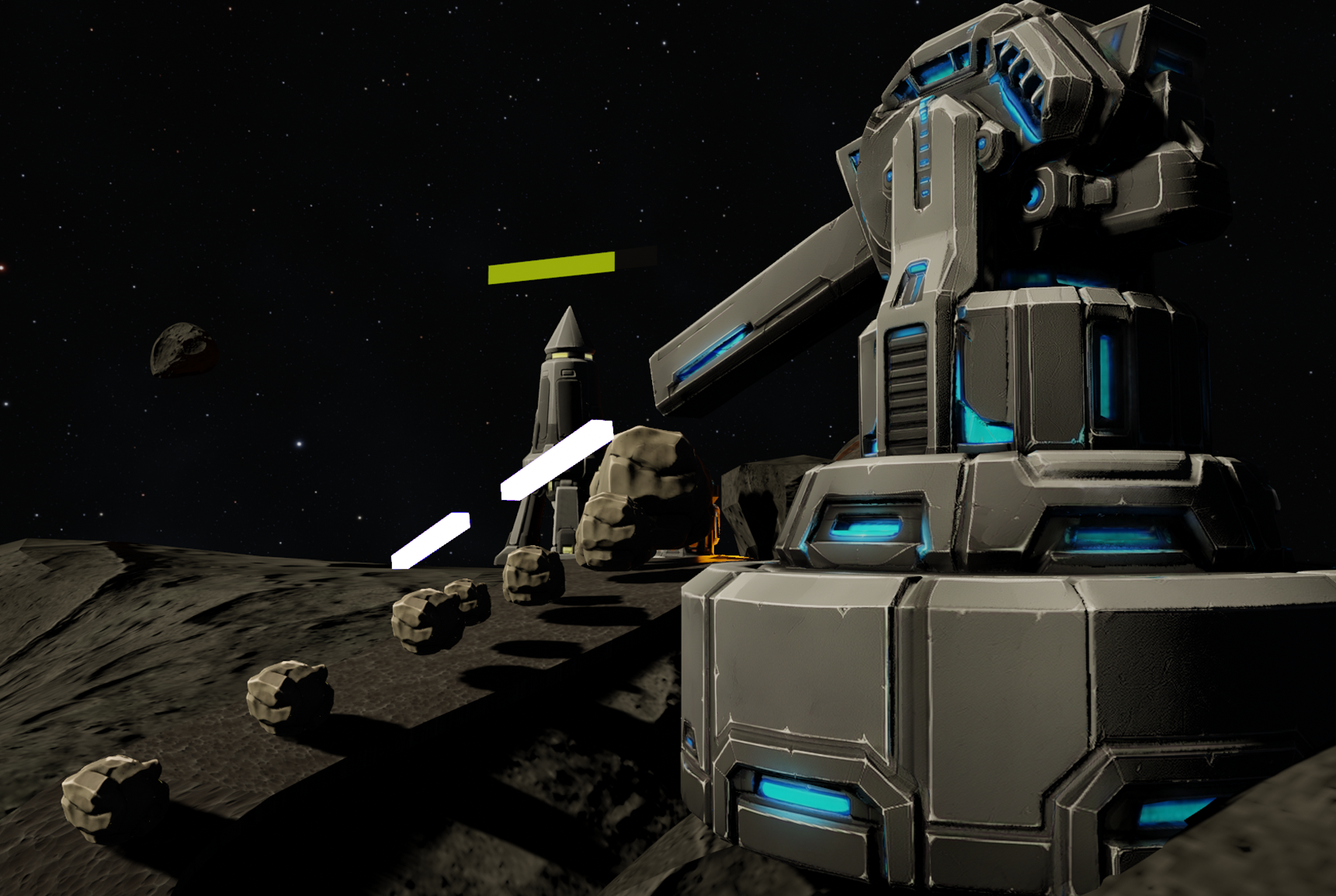
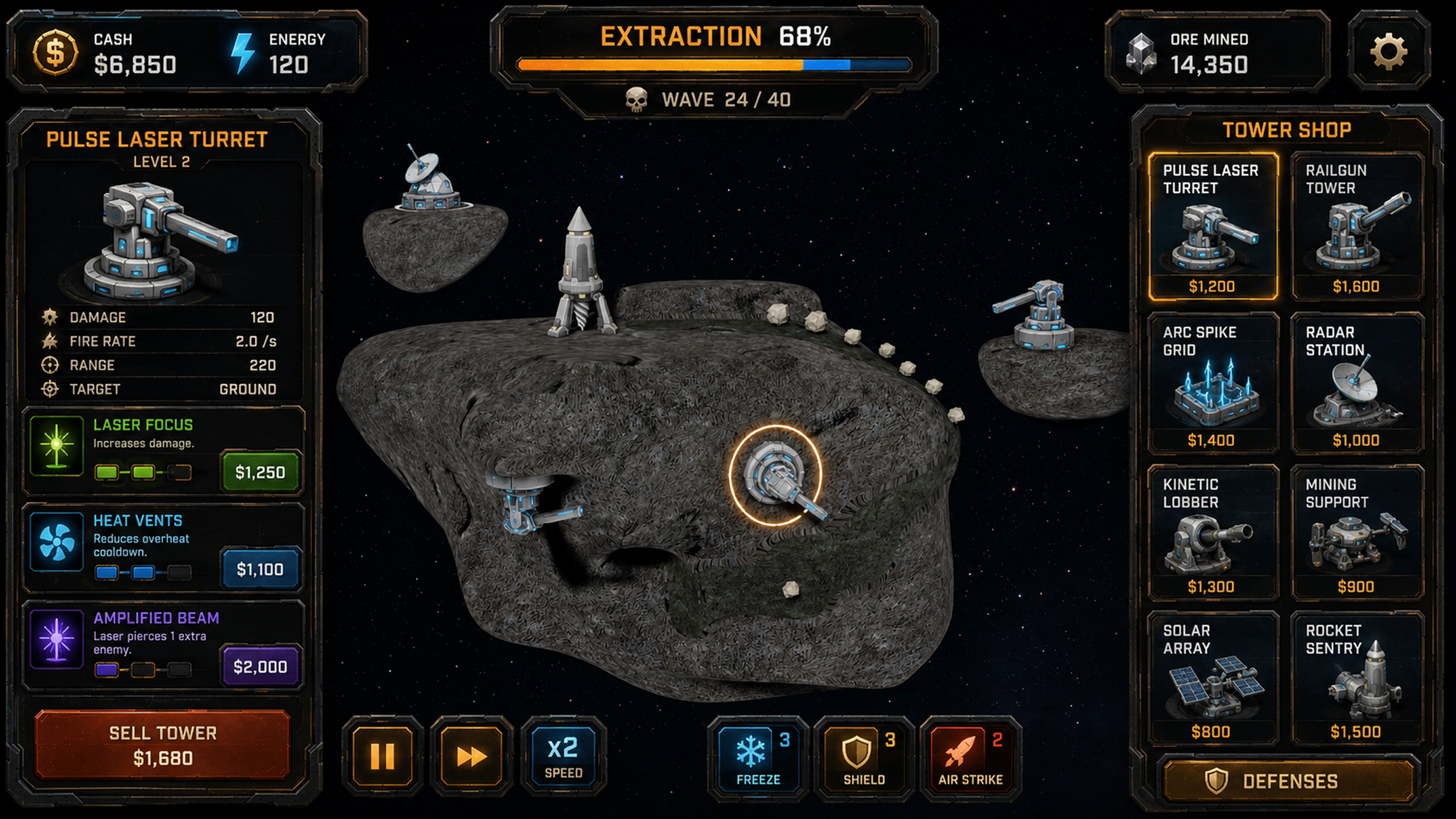
Concept art #6 - Mock Game UI (inspired by BTD6)
-
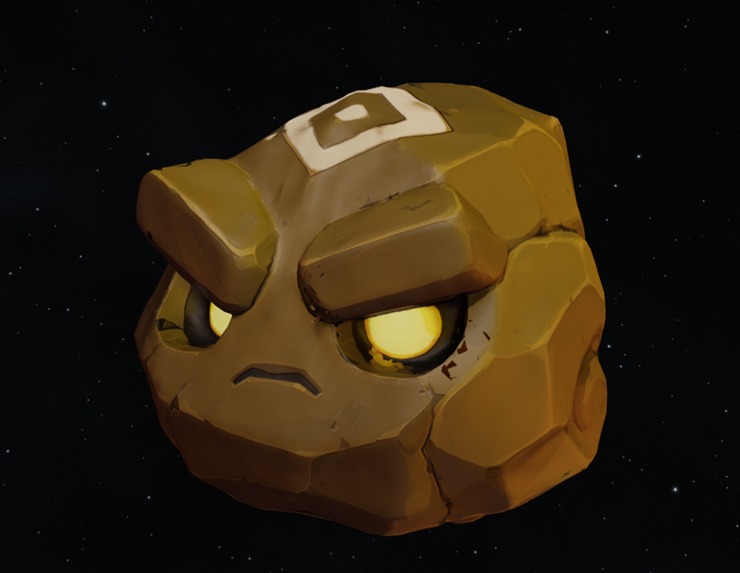
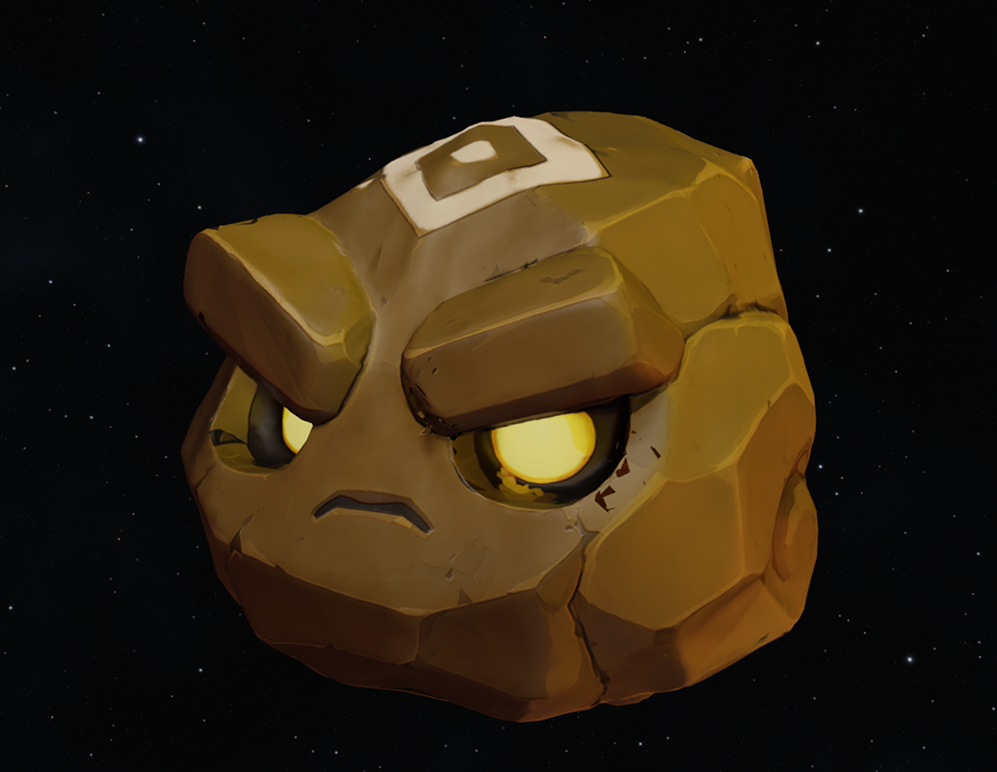
Concept art #7 - Little rock guy!
-
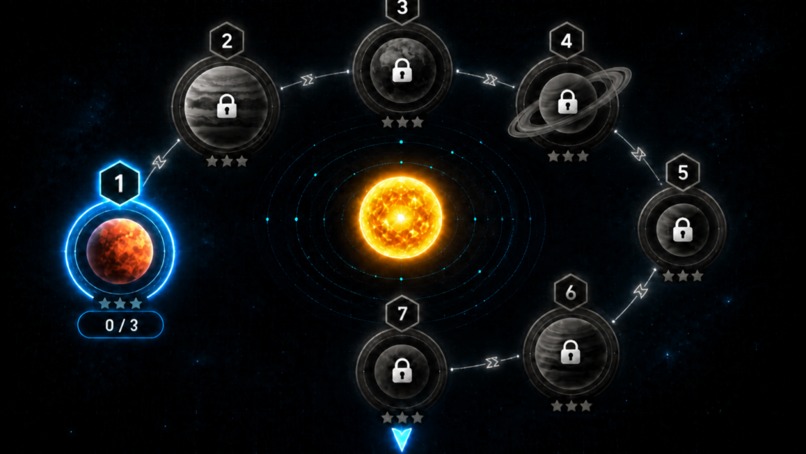
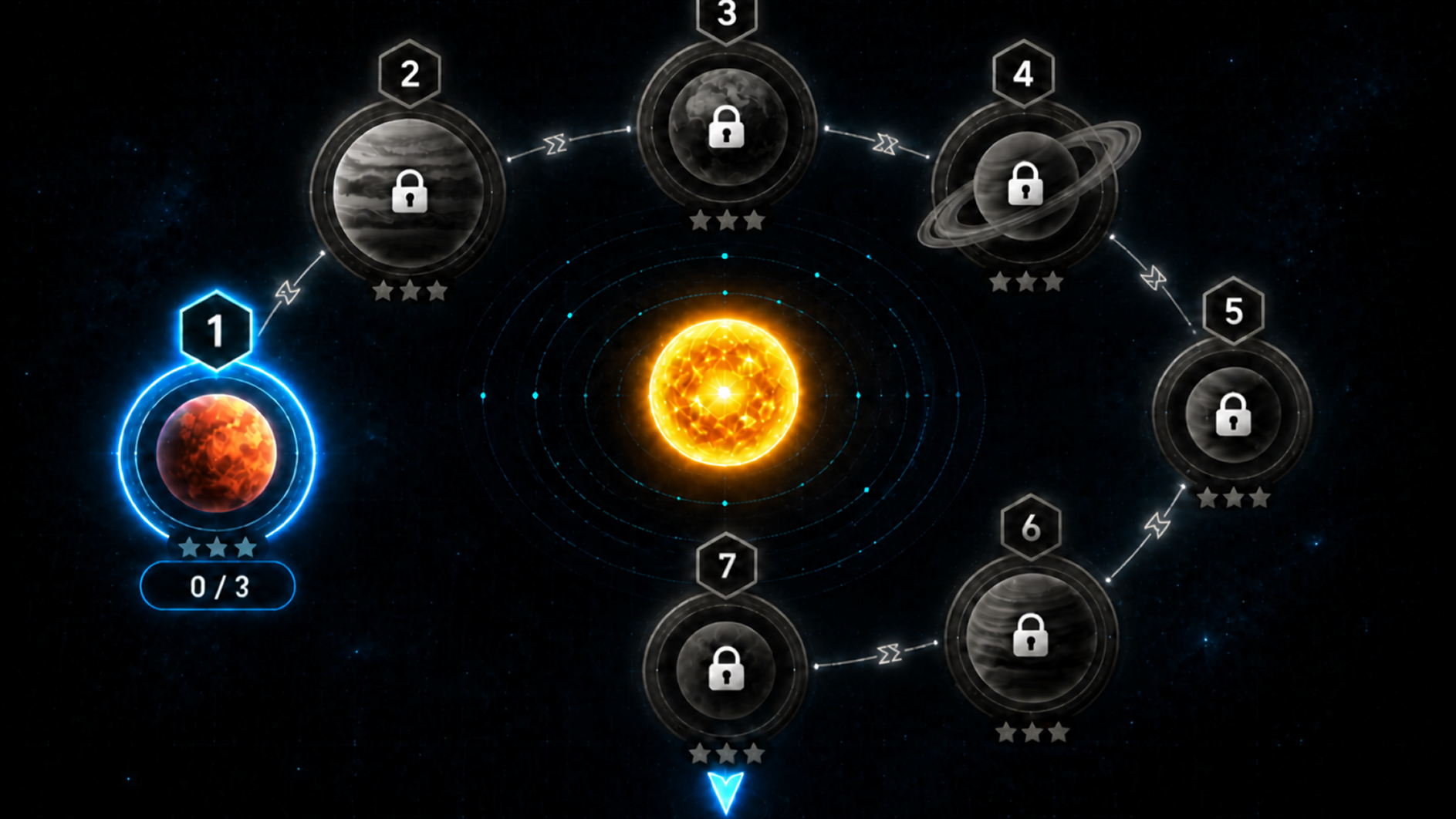
Conceprt art #8 - Solar System Navigation
-
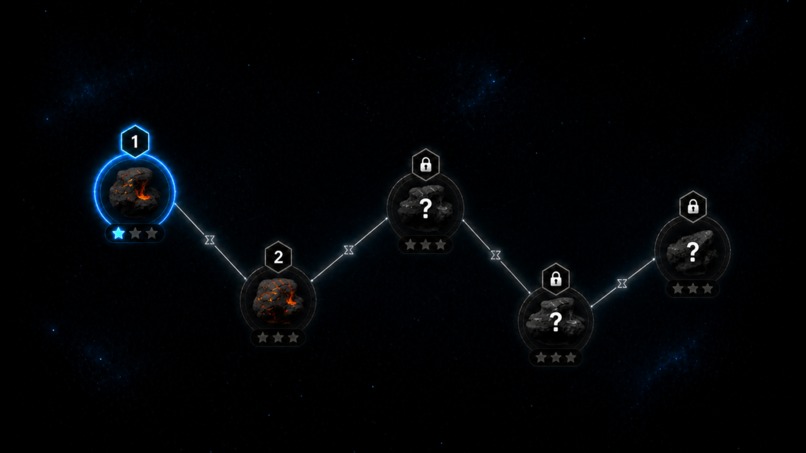
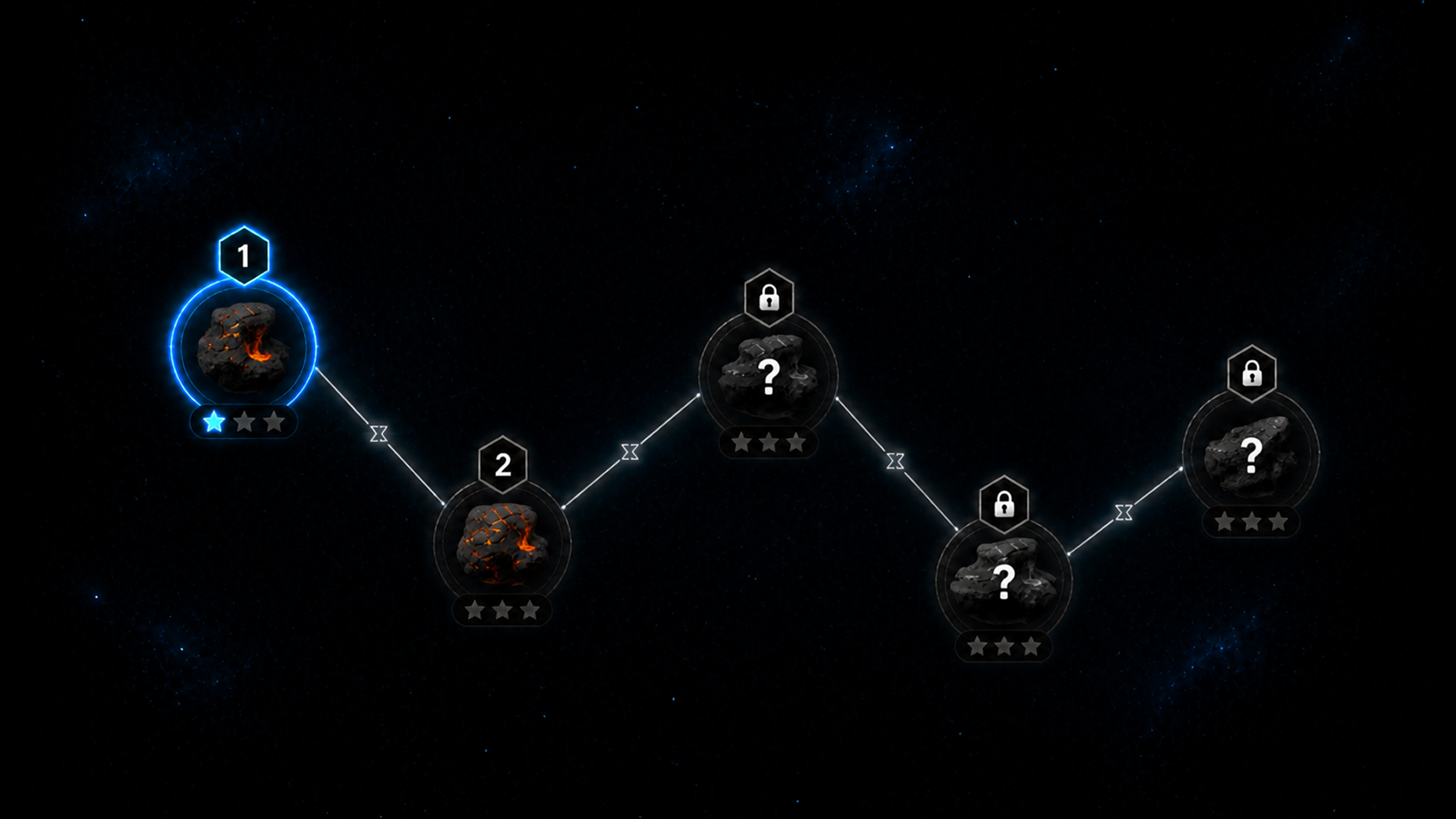
Concept art #9 - Asteroid Navigation
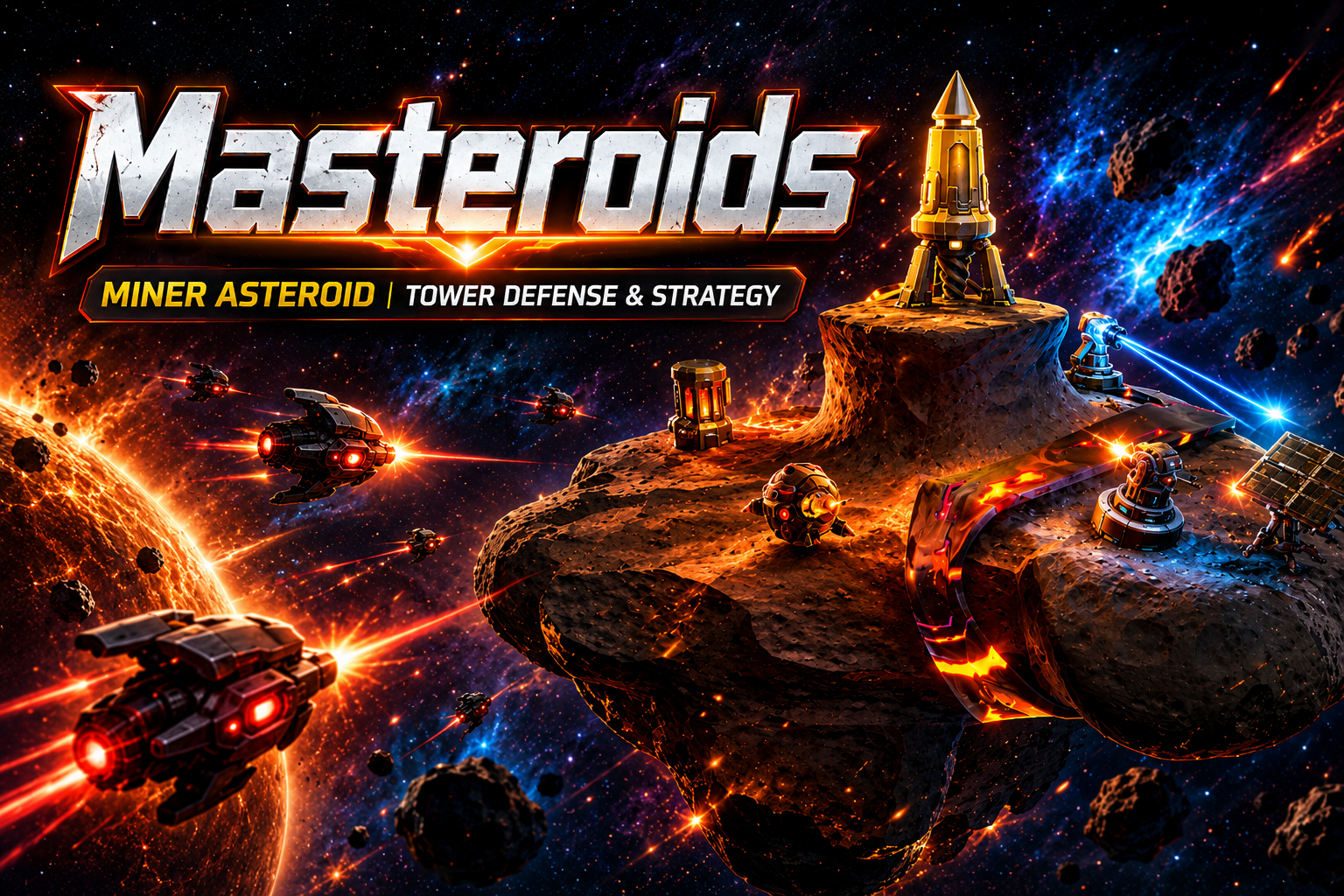
Masteroids | Tower Defense - Project Story
Inspiration
Masteroids | Tower Defense started as a love letter to the Bloons TD6 style of clean, readable tower defense mixed with my personal obsession with astrophysics, space travel, artificial intelligence, and the future of technology. I wanted the same instantly-understandable "send waves down a path, solve with strategy" feeling, but in a setting that feels bigger than a flat map: a 3D battleground in deep space.
The lore spark came from the Kardashev scale: the idea of civilizations climbing from Type I toward Type II and beyond. This game sits in that in-between era: a civilization pushing outward, trying to harvest energy and matter at a cosmic scale.
What it does
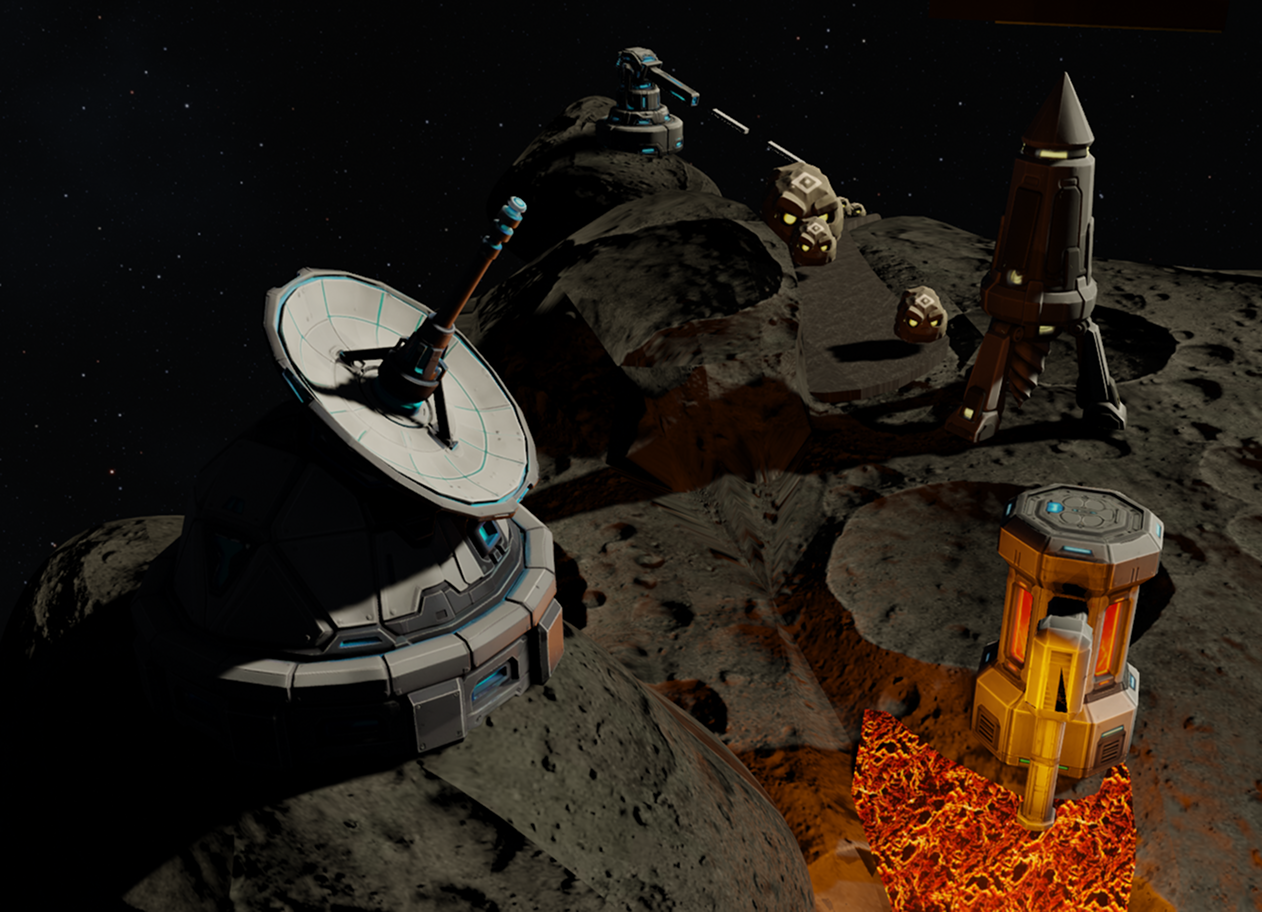
At its core, Masteroids is a strategic 3D tower defense game where you play as (or command) a robot extraction drone deployed to mine asteroids for rare resources. The twist is that extraction is not "free"; the asteroid fights back.
Enemies are not random aliens; they are the manifestation of the asteroid's own self-defense: rock golems that emerge as you mine. Destroying them earns materials that feed into upgrades and progression, turning every wave into a loop of:
risk -> defense -> reward -> expand
How we built it
This project is a design-focused pre-production package, built with a mix of planning, concepting, and rapid iteration tools:
- Notion for organizing the full design doc and production plan
- Figma for layout, UI thinking, and presentation structure
- Pinterest for mood boards and visual reference
- AI image tools (ChatGPT image generation) for concept exploration and fast iteration
- Blender for world mock-ups and quick 3D scene tests
- Meshy.ai for generating 3D model starting points
The focus was to make the idea feel buildable and coherent, not just cool-sounding.
Challenges we ran into
The hardest part was finding the right enemy identity.
I originally explored a more insectoid, alien approach, but it felt visually "gross" and overly detailed in a way that fought the clarity tower defense needs on mobile. One thing I love about Bloons is how readable it is: enemies are simple shapes with clear variations (color, speed, toughness, special traits). I also liked the idea of enemies "sharding" into smaller forms, creating satisfying layers of pressure.
That led to the rock golems: a simple, scalable enemy family that fits the setting and reinforces the theme. You are mining, so the planet itself becomes the opponent.
Another big challenge was navigation and scale. I wanted the game to feel like it spans the universe without making players fight the UI. The solution direction was to keep navigation intuitive but layered: quick choices on a star map, with deeper detail only when you zoom into a sector, asteroid, or mission.
I also had to manage gameplay complexity. I did not want to over-complicate the loop; I wanted to harness the familiar satisfaction of tower defenses that already work, while framing it in a more expansive way that leaves the player wanting to keep exploring, where each new environment is its own strategic battle.
What's next for Masteroids | Tower Defense
For now, Masteroids will likely stay a shelved concept. But if the submission wins (and as AI-assisted creation tools keep improving), I'd consider turning it into a real prototype, because a lot of the hard creative groundwork is already done: the core loop, the enemy concept, and the 3D battlefield identity.
Long-term, the most exciting expansion would be procedural generation. Procedurally generated asteroids, enemies, and variations are increasingly within scope with AI, but extensive supporting systems would be needed to do it well (constraints, readability, balance, progression pacing).
If I wanted to truly capture the scale of the universe, I'd expand the player's available battlefields beyond a set of pre-determined curated maps, moving toward a model where exploration is the meta-game, and every new environment becomes a fresh strategy test worth discovering.
Built With
- blender
- chatgpt
- figma
- notion
- vscode


Log in or sign up for Devpost to join the conversation.