-
-
MasterLink — hiring across the language barrier
-
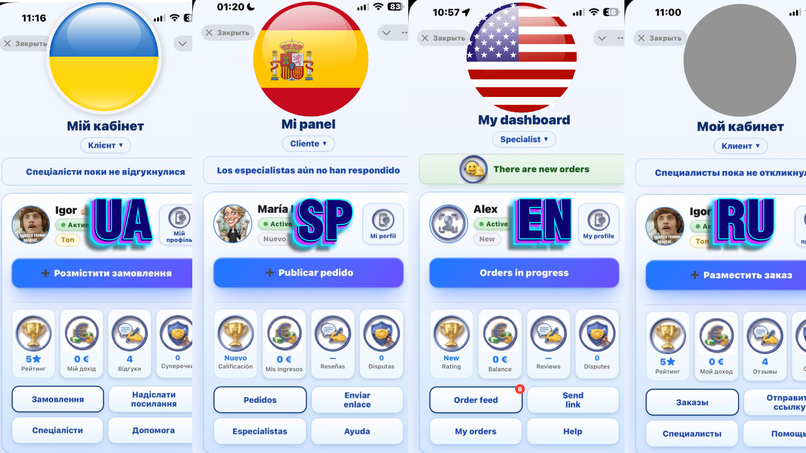
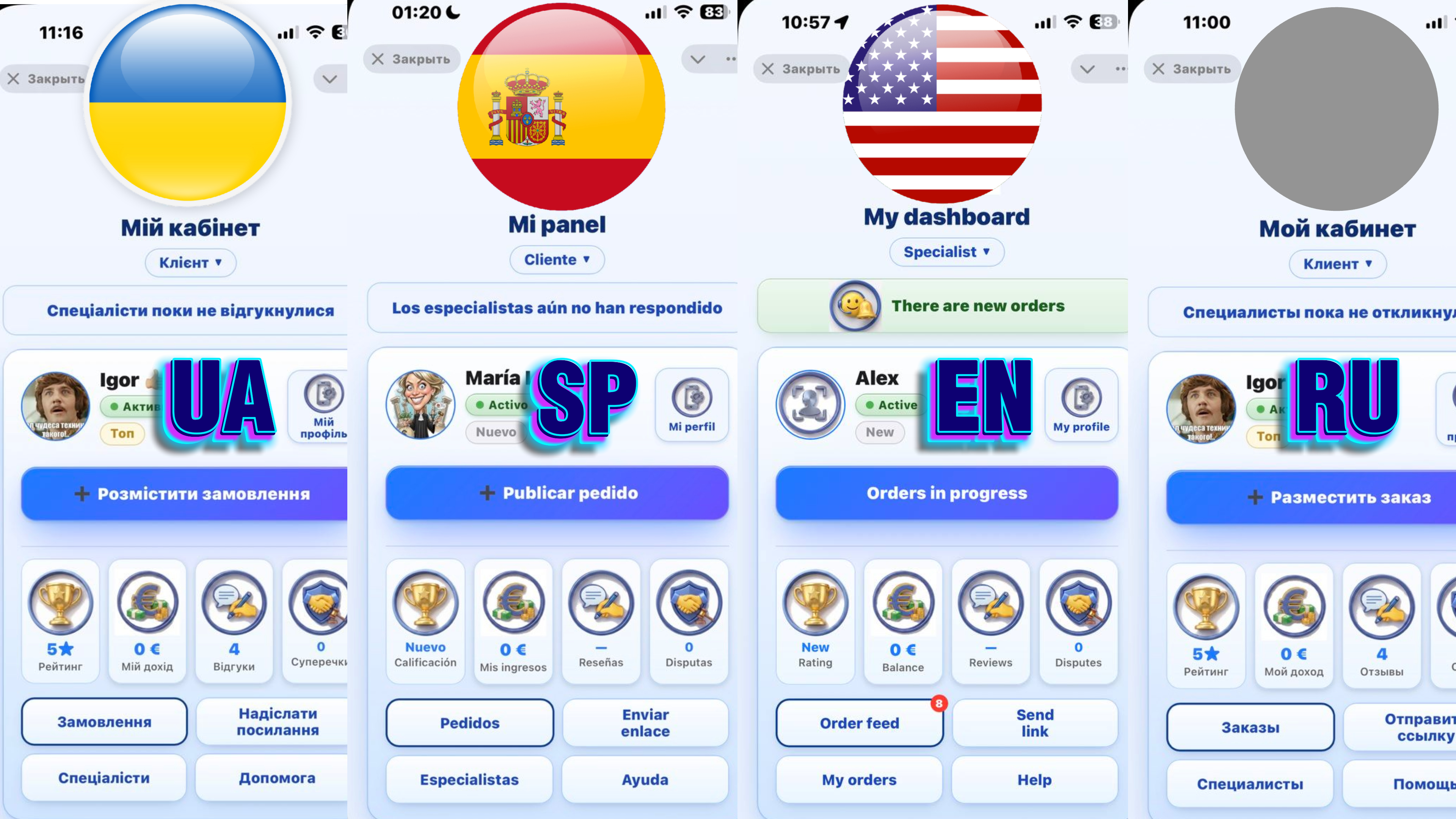
The interface in four languages: Ukrainian, Spanish, English, Russian
-
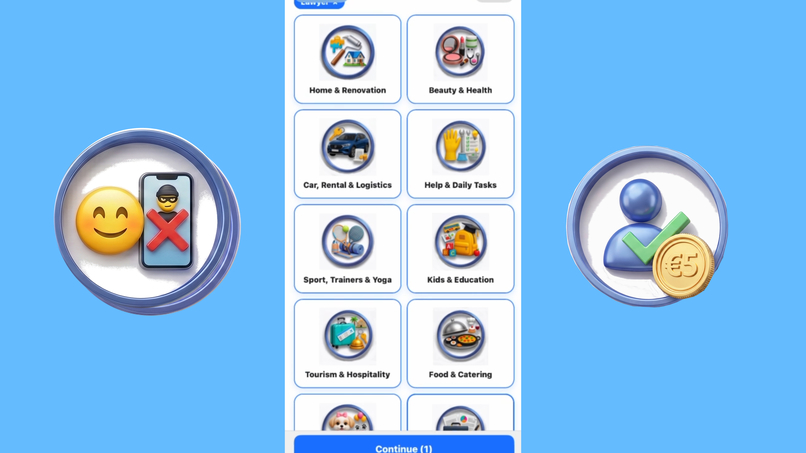
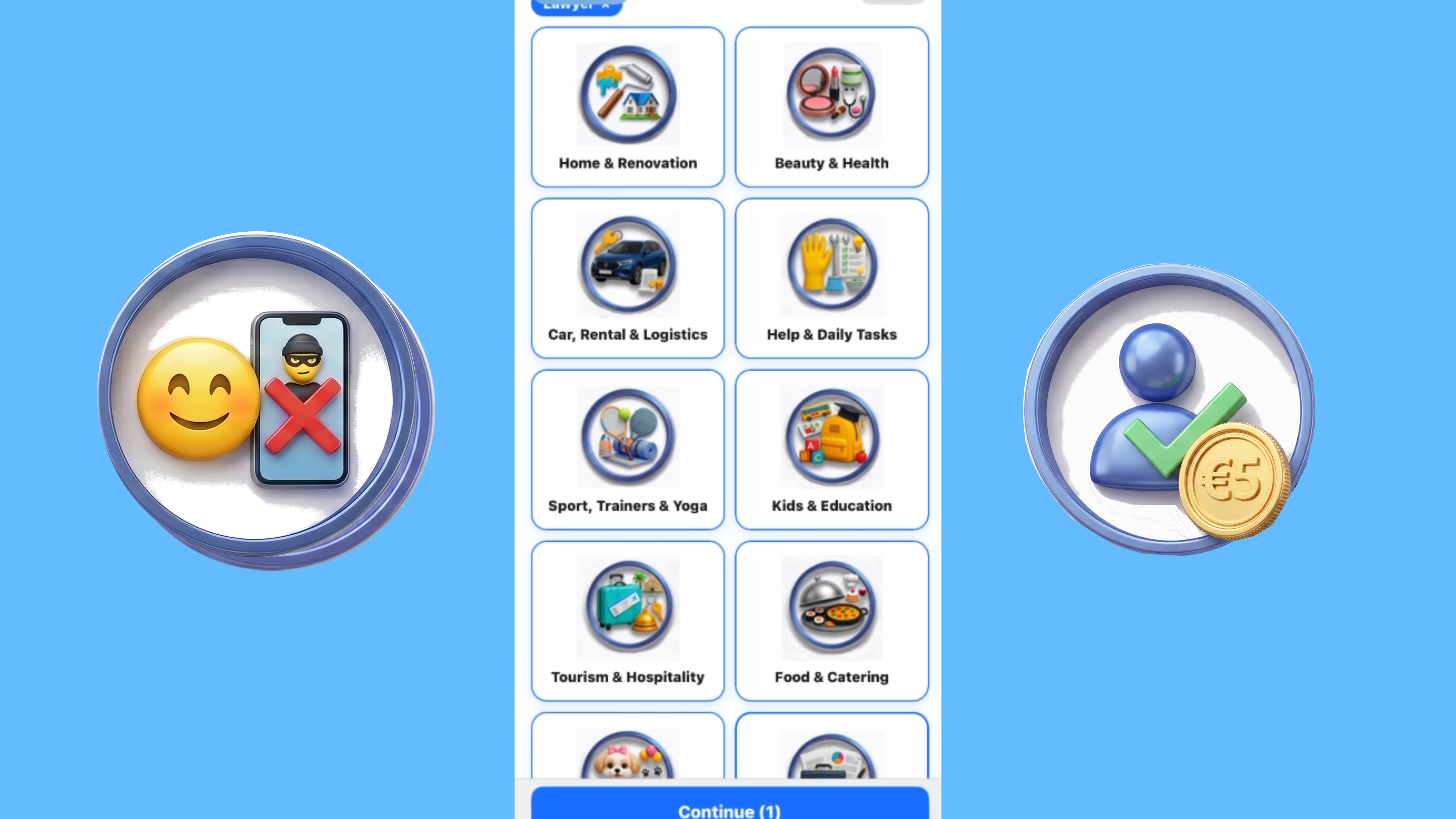
Paid verification protects both sides from scammers and spam
-
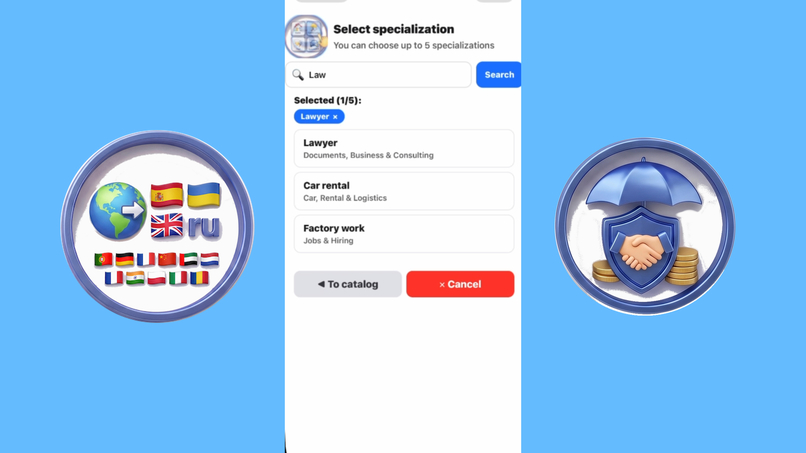
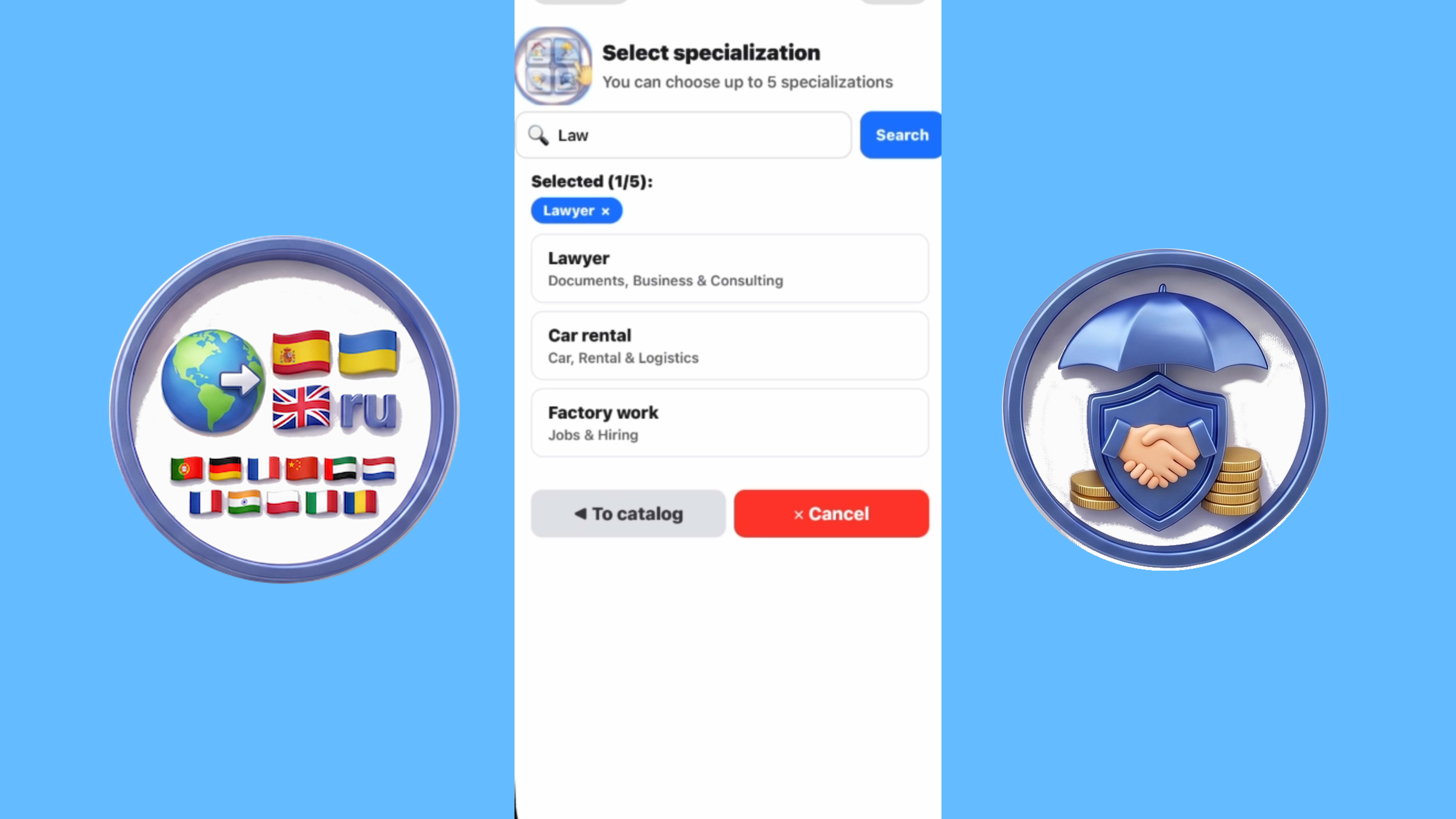
Users can trust each other and communicate, each in their own language
-
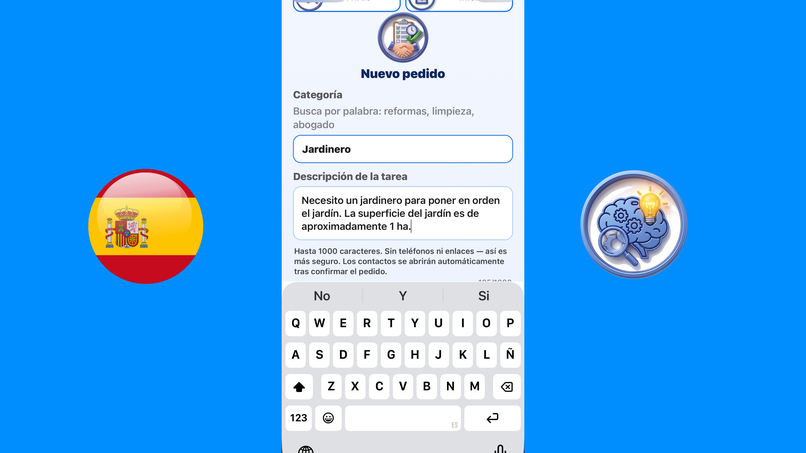
Smart matching by professional skills and region
-
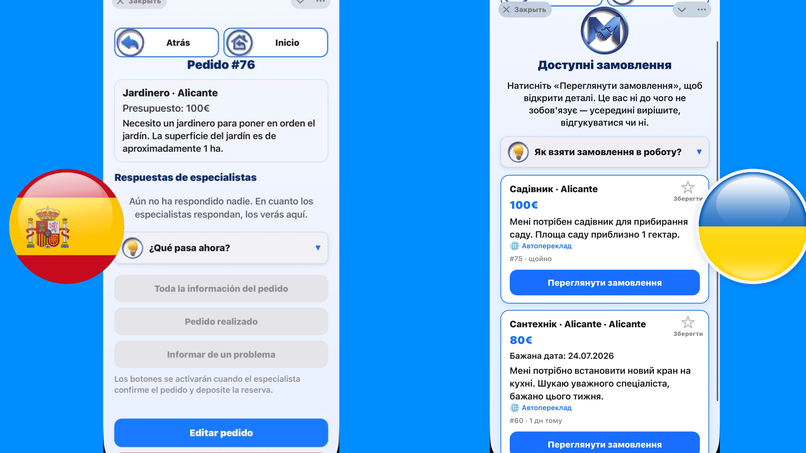
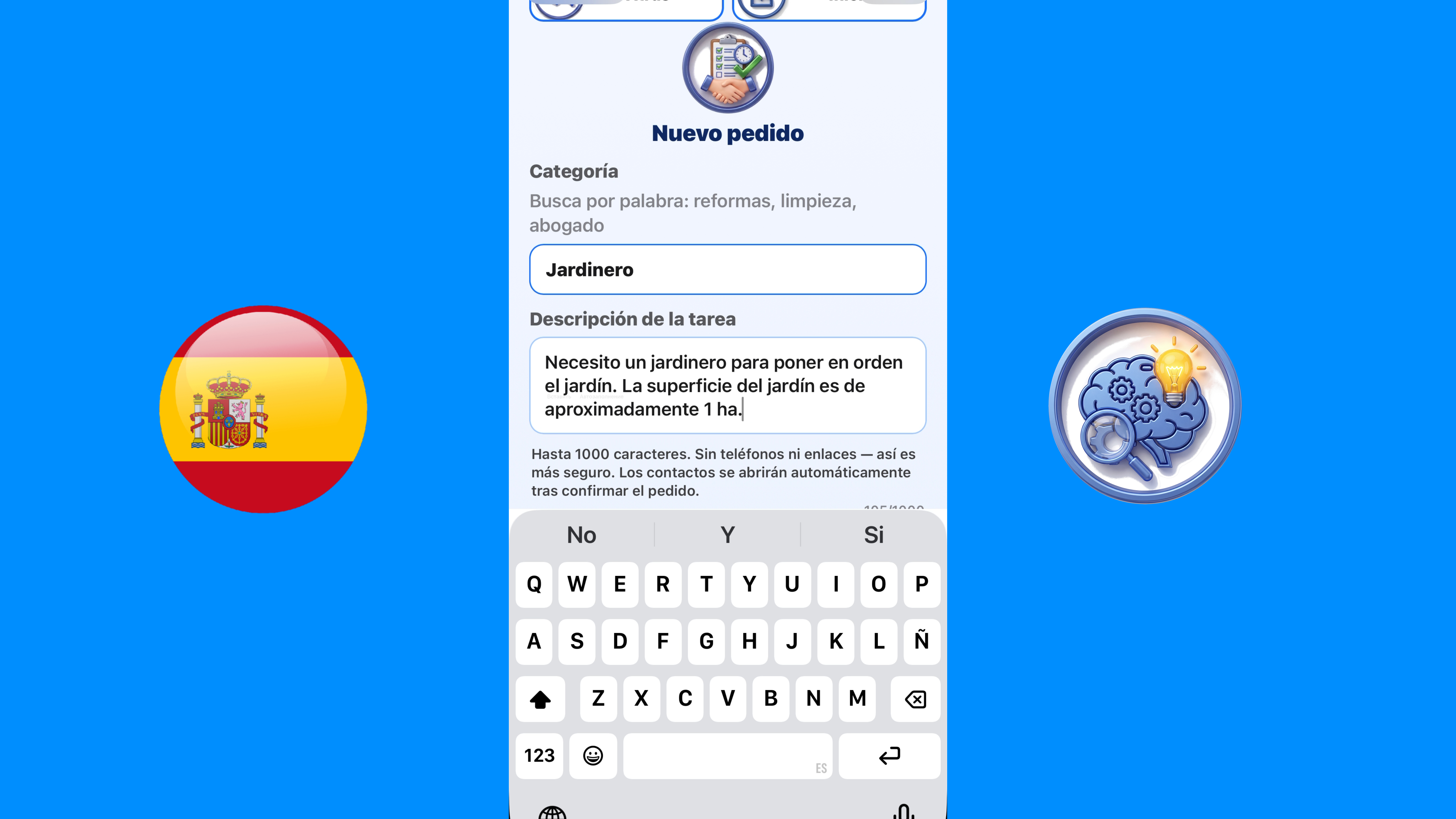
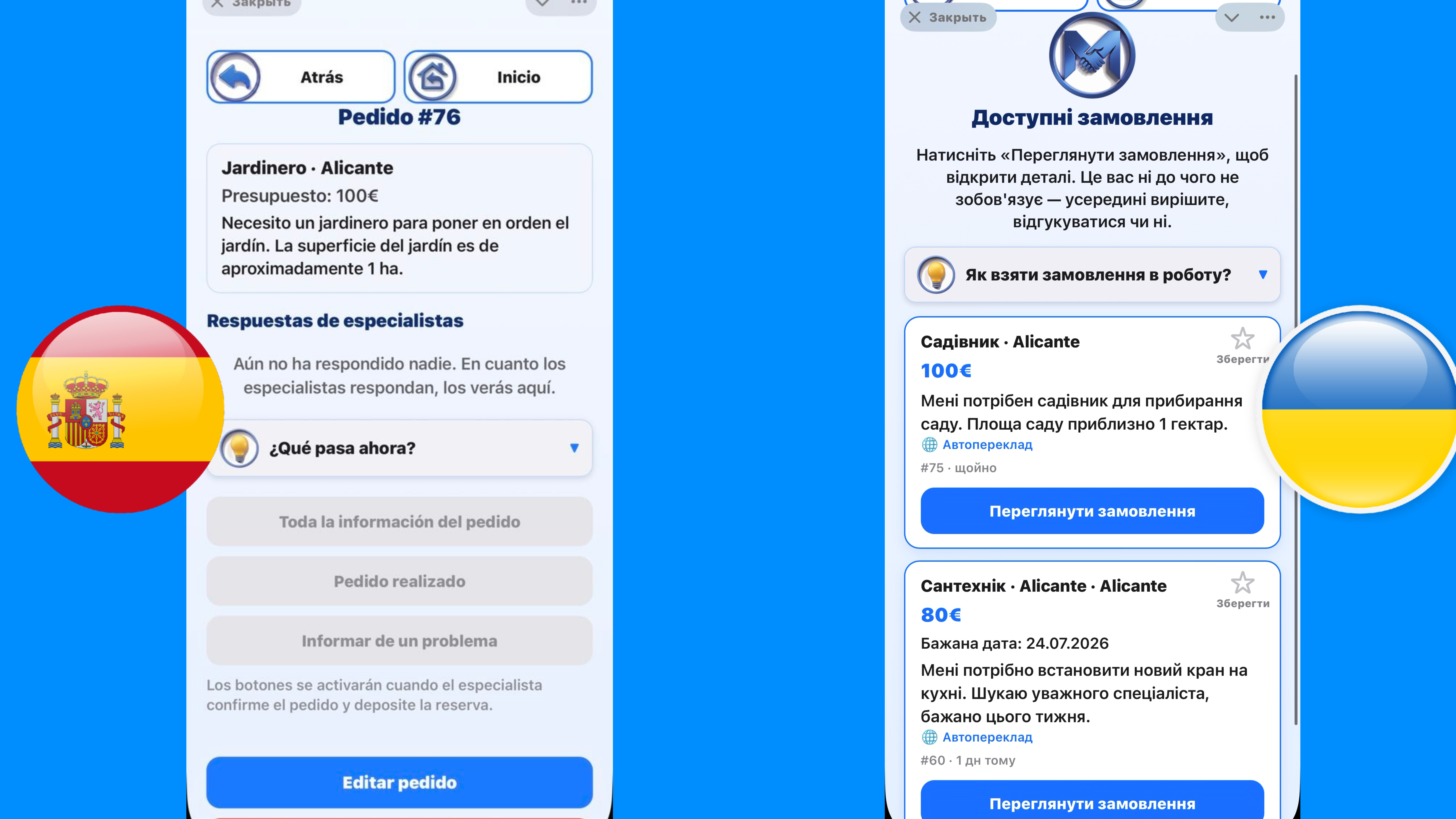
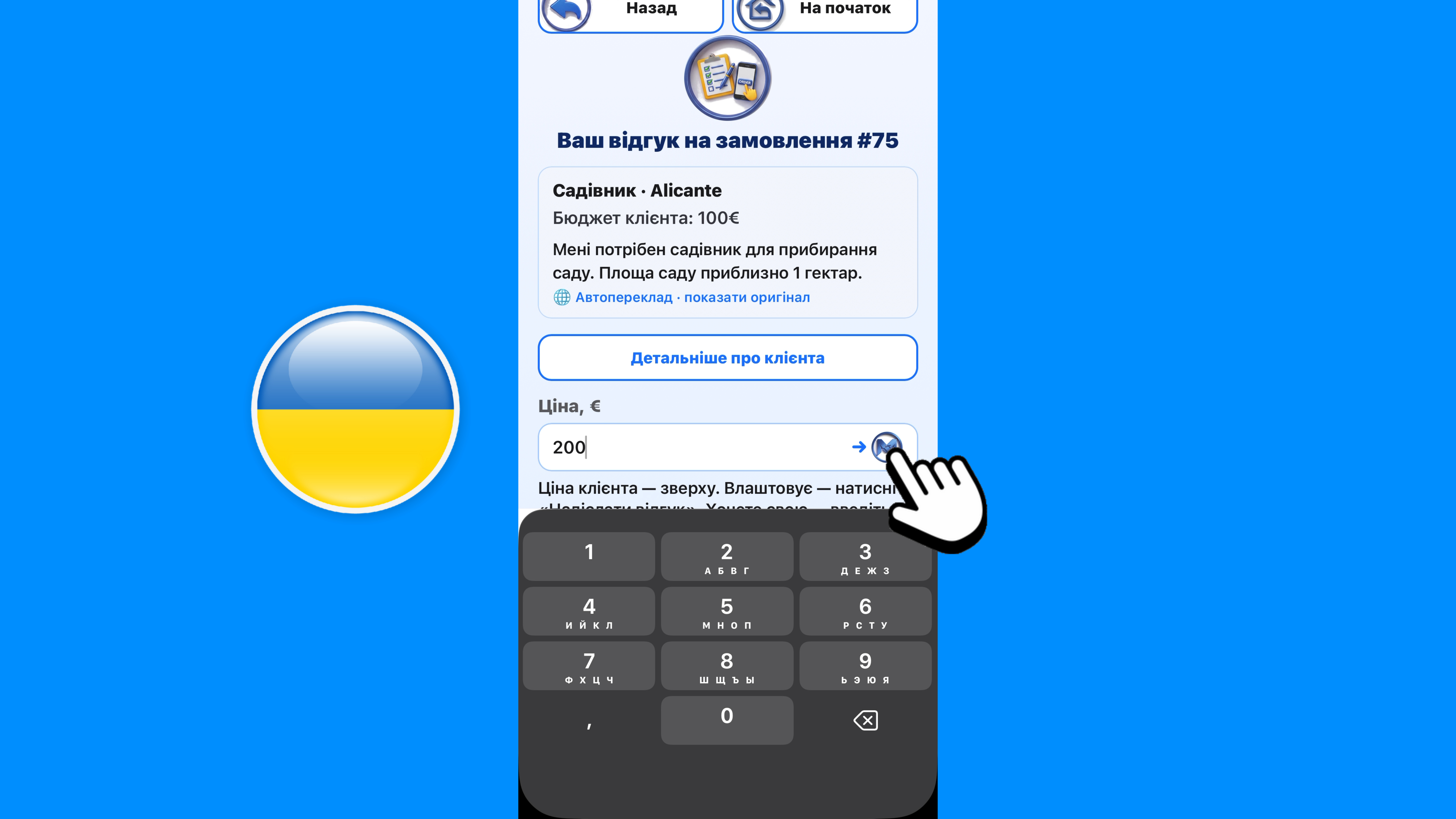
A client writes a task in one language; the platform translates it into the specialist's language
-
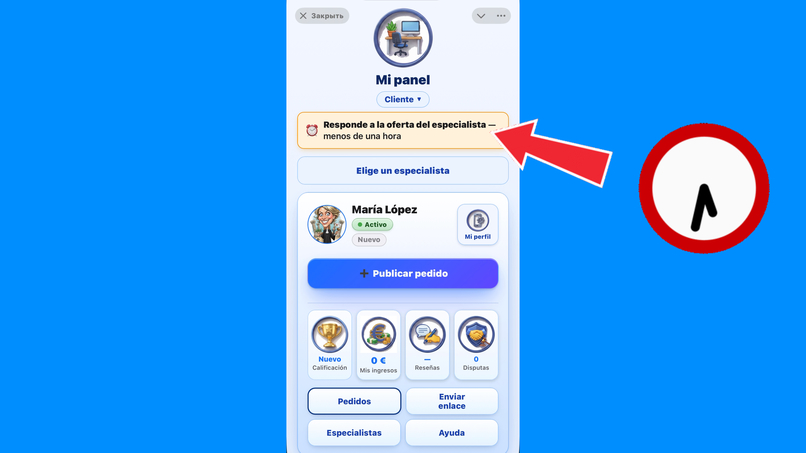
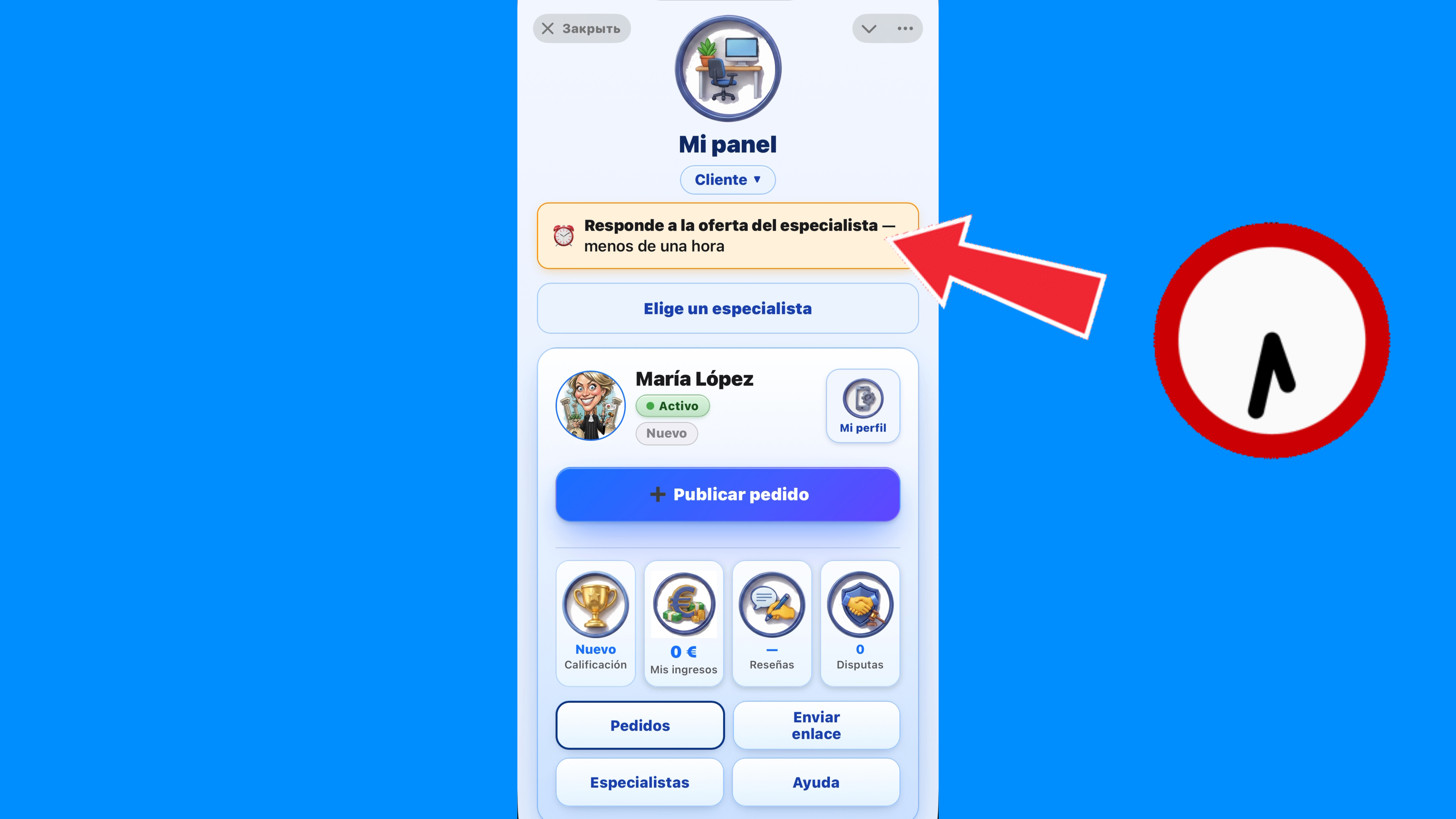
Built-in timers for every step — from responding to a request to the work deadline
-
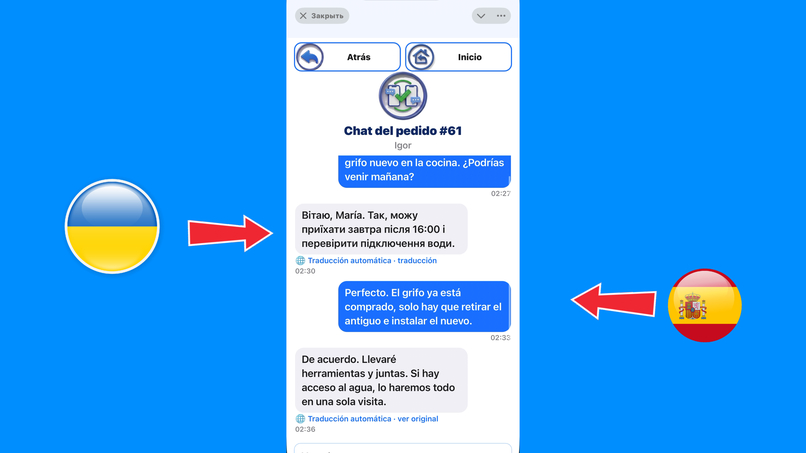
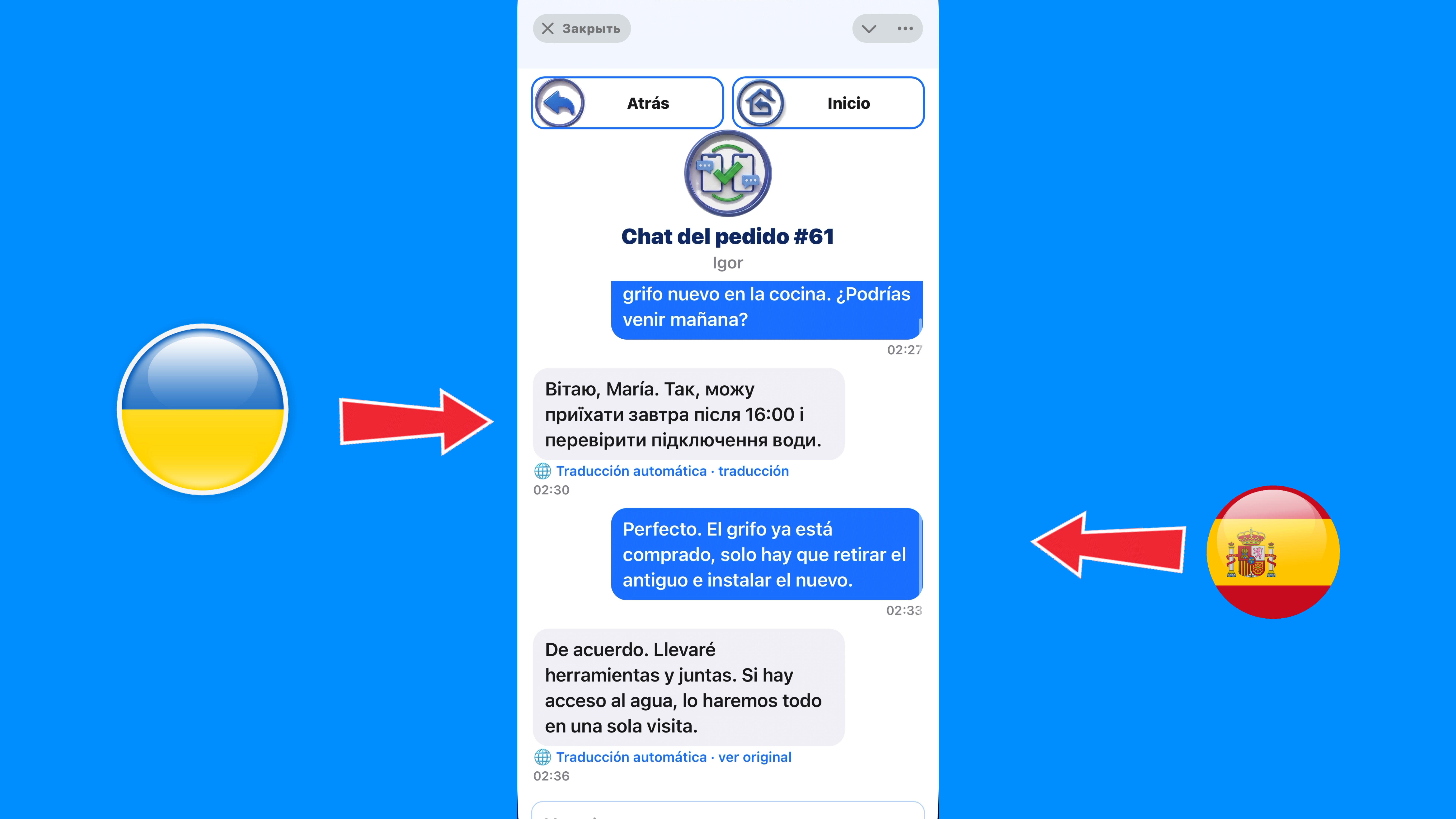
An in-app chat where both sides discuss details, translated automatically into each user's language
-
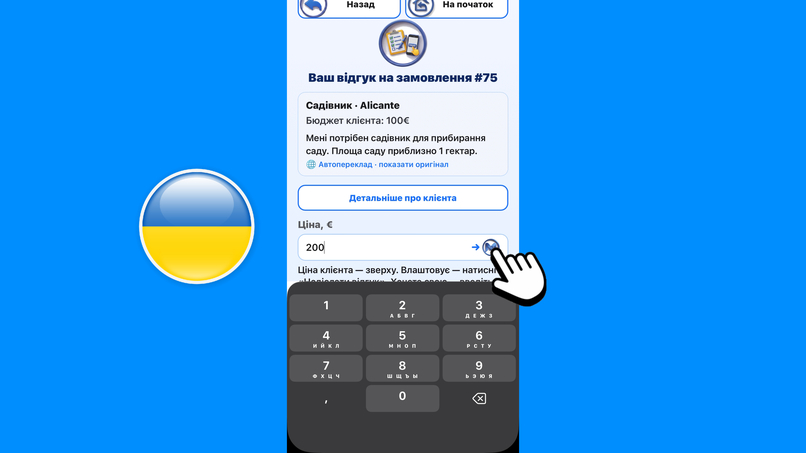
The two sides agree on terms directly on the platform, with up to two rounds of negotiation
-
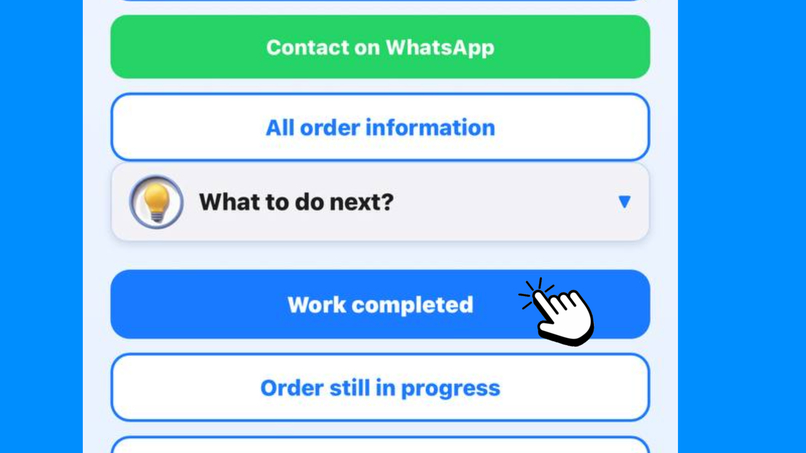
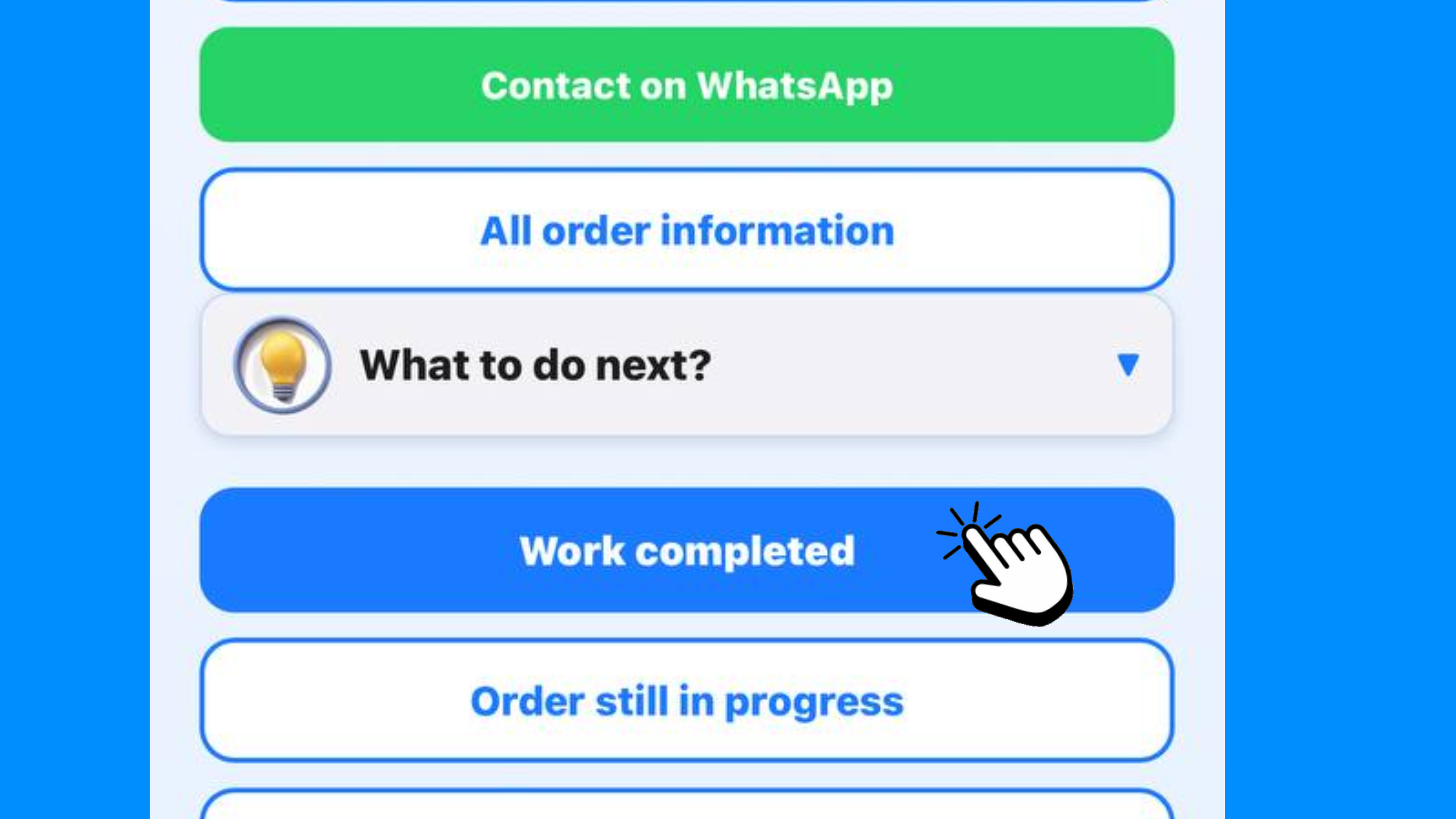
Commission is charged only after both sides confirm the work is completed
-
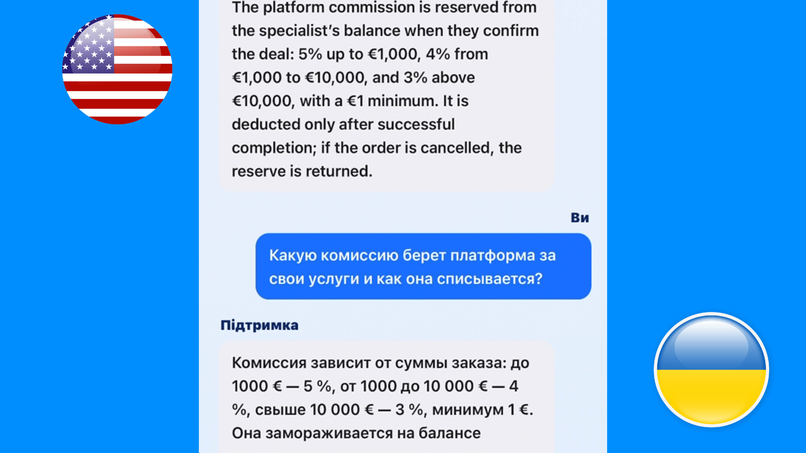
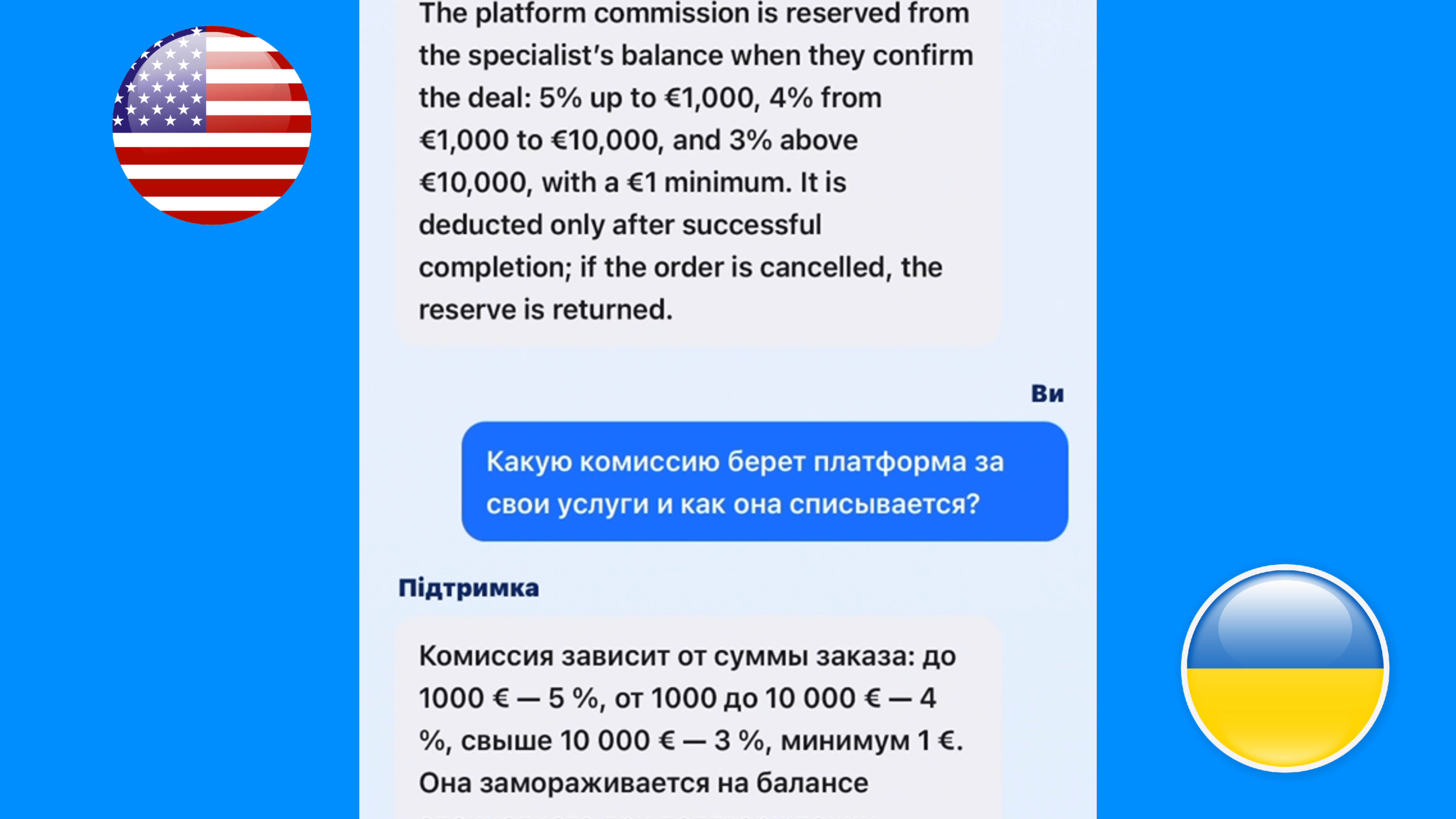
GPT-5.6 answers user questions in their own language
-
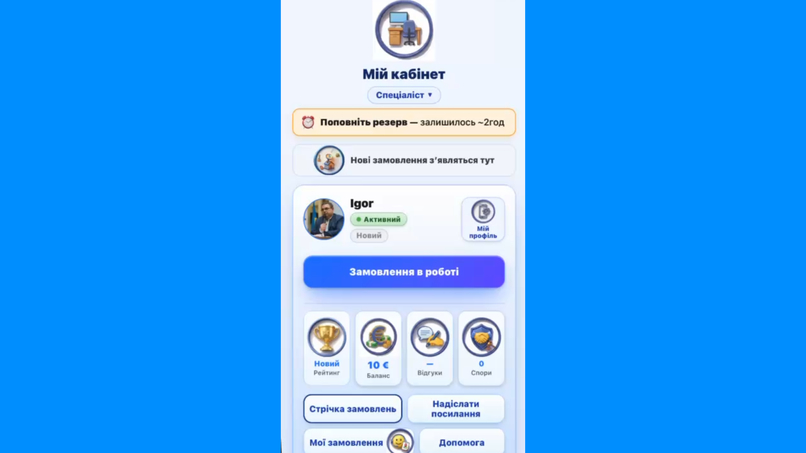
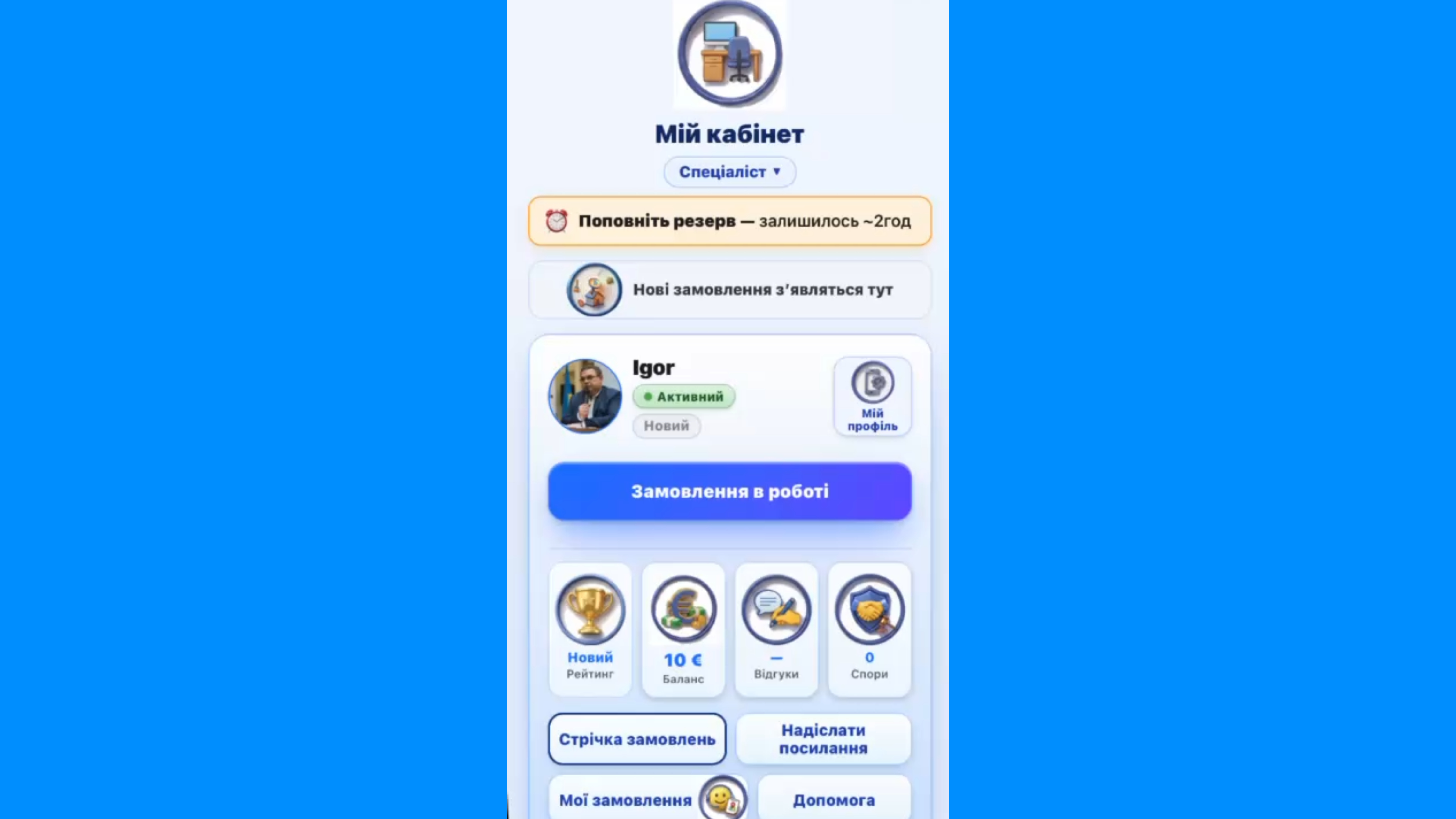
Each user gets a personal dashboard with clear logic and a very simple interface
Inspiration
I'm a lawyer by profession. In Ukraine I handled some of the country's highest-profile criminal cases and held the title of Honored Lawyer of Ukraine — the highest distinction in my profession, granted by decree of the President.
When the war reached Bucha, I left the city under shelling, out of occupation, with my infant daughter. We left everything we had behind and started again in Spain. There I lost two things at once: my language, and my profession — a Ukrainian lawyer's career means nothing in a new country.
Talking to people here, I saw the same problem from both sides. Local clients would gladly hire Ukrainian and Russian-speaking specialists — who often work well and affordably — but can't, because of the language wall. And skilled migrants can't find work for the same reason. Two groups who need each other, kept apart by one barrier. MasterLink exists to remove it.
My daughter is four years old now. Ukraine is shelled every day, and I cannot go back — so at fifty-five, in a new country, I have had to learn entirely new skills. I built this project alone, with no one around me who understands programming. I taught myself everything, and MasterLink exists only because of Codex.
What it does
MasterLink is a Telegram-based platform for hiring local professionals across a language barrier. A client posts a task in their own language; the platform translates it automatically and shows it to specialists in their language, filtered by region and skill. The two sides negotiate a fair price, and only after they agree are their contacts revealed — protecting both from spam. From there they talk in an order chat that translates every message automatically, each side in their own language. Either side can raise a complaint that affects the other's rating, and the platform charges a small commission only when both sides confirm the job is done — never for a contact or a lead.
The interface runs in four languages (Spanish, Ukrainian, Russian, English), one identity can be both client and specialist (dual roles), and support is powered by GPT-5.6.
How we built it
I am not a developer. MasterLink exists because Codex let me build software I could not have written by hand. I made the product and business decisions; Codex wrote the code — the order lifecycle, verification and status logic, the balance and commission model, the dispute and rating system, the multilingual notification pipeline, and the translation integration. Codex accelerated the work by navigating a large existing codebase, implementing new logic, writing and running database migrations, and verifying changes with test runs before deploy.
During Build Week I used Codex to ship dual roles, upgrade the support layer to GPT-5.6, localize order categories to the viewer's language, and build a judge demo mode. GPT-5.6 powers the in-product support: it answers each user in their own language and escalates hard questions to a human.
The stack: a Telegram Mini App frontend (served on Vercel), an async Python backend with PostgreSQL (on Railway), Stripe for verification and balances, an automatic translation layer over both tasks and chat, and OpenAI GPT-5.6 for support.
Challenges we ran into
Building a trustworthy money-and-disputes flow with no technical background; keeping four languages consistent across every screen, notification, task and chat message; and designing verification and sanctions that stop fraudsters without driving away honest users. The hardest part was making automatic translation reliable across both task descriptions and live chat, so that a client and specialist with no shared language can truly work together.
Accomplishments that we're proud of
As a lawyer with no programming background, I built a complete, working product: a full order lifecycle with verification, automatic translation of both tasks and chat, region- and skill-based matching, a two-way rating and dispute system, dual client/specialist roles, and AI support — all live inside Telegram, in four languages. Proof that a non-developer, with Codex, can ship real software.
What we learned
I learned that I could build software myself — that the barrier between an idea and a working product is no longer knowing how to code, but knowing what to build. I learned how a real backend, database migrations, payments and a translation pipeline fit together, by making the decisions and letting Codex implement them. And I learned that AI doesn't just write code — it gives people a second chance at a profession.
What's next for MasterLink
Expanding from the Spanish launch across the EU, and reaching the millions of displaced and migrant people who face the same language wall — so that a person arriving in a new country with real skills can begin working from the first day, without waiting years to learn the language before they're allowed to contribute.
Business model
MasterLink earns a small commission only when a job is completed — never for selling a contact or a lead, which sets it apart from classifieds and lead-generation sites. Verification is paid on both sides, a deliberate low barrier that keeps the marketplace trustworthy. The model aligns the platform's income with real value delivered: the platform earns only when its users succeed.
The platform also pays a referral commission for bringing in new users, turning every satisfied participant into a growth engine. And the market is wider than it first appears: MasterLink serves not only people who speak different languages, but also people who share a language yet don't trust each other — the verification, escrow-style commission, and two-way ratings protect them just the same.
Finally, the platform is built to add any language easily — German, French, Italian and others across Europe and the world — so the same model extends to every country where migration and language communities meet.
Built With
- alembic
- asyncio
- codex
- css
- google-translate-api
- gpt-5.6
- html
- javascript
- openai
- postgresql
- python
- sqlalchemy
- stripe
- telegram
- telegram-mini-apps
- vercel

Log in or sign up for Devpost to join the conversation.