Inspiration
As a home gardener tired of wasting seasonal harvests, I saw a gap: many home canners lack reliable, all-in-one guidance for safe preserving. Friends struggled with outdated recipes or missed safety steps—so I set out to build a tool that makes canning accessible and secure for everyone, from newbies to seasoned homesteaders.
What it does
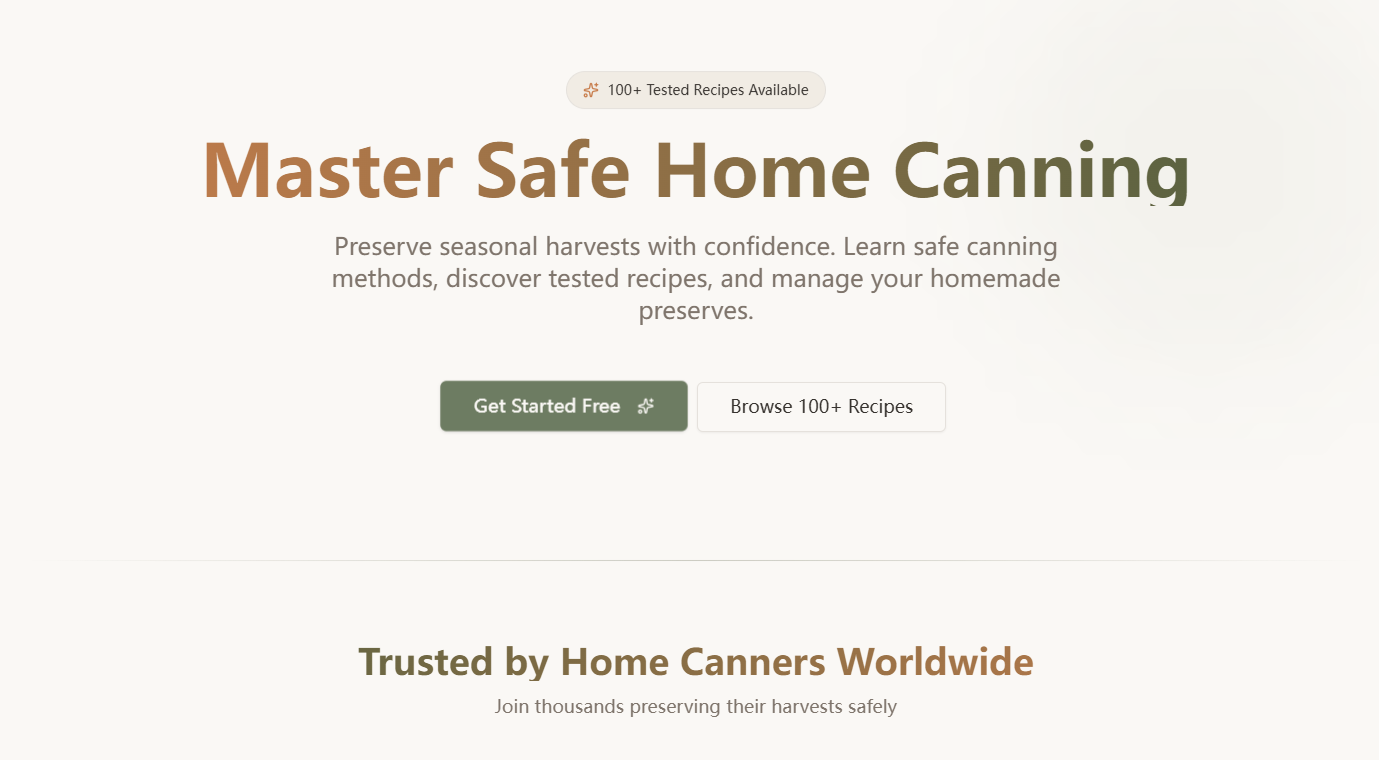
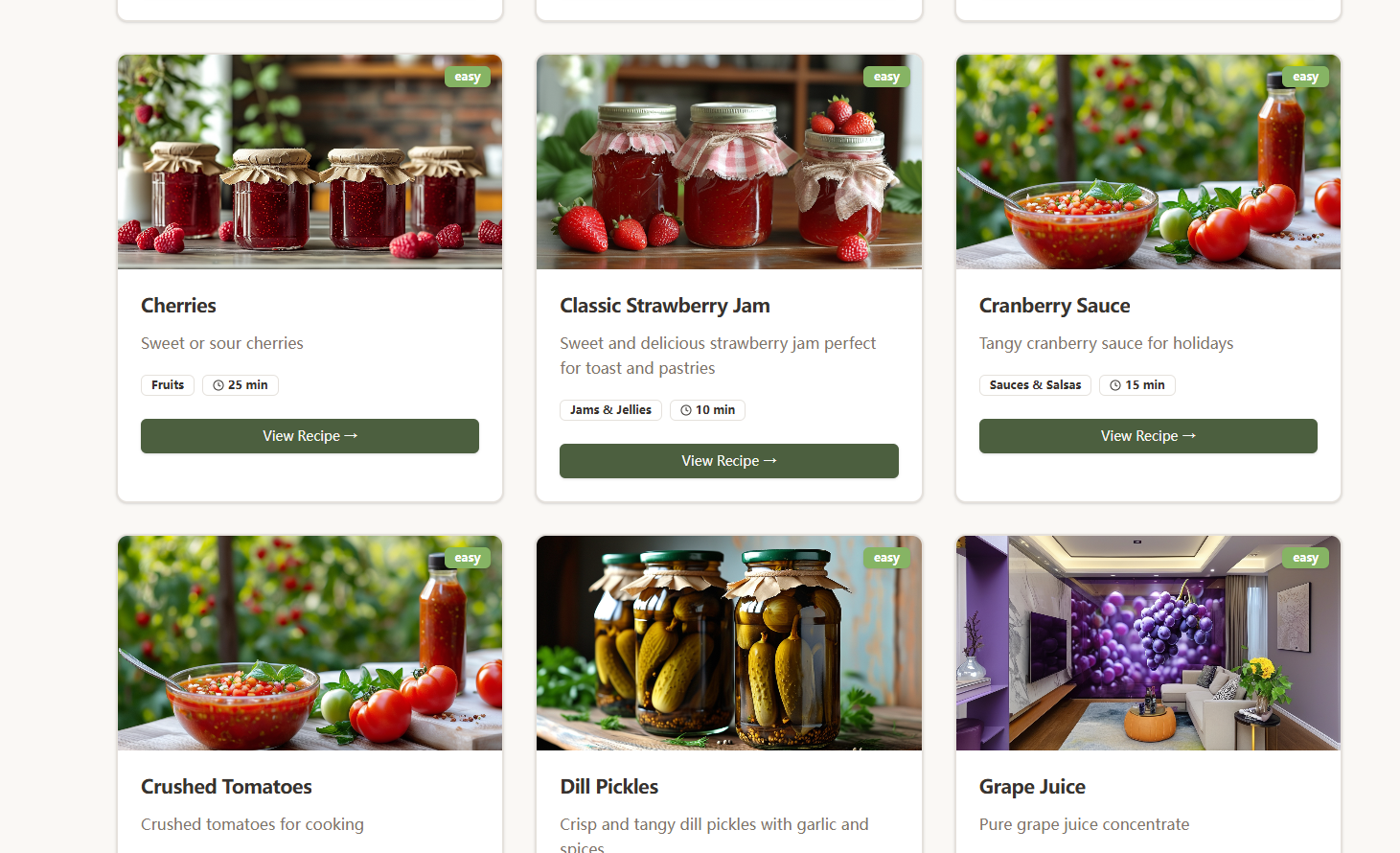
CanningPreserving is a comprehensive web app for home canning: step-by-step water bath/pressure canning guides, a searchable recipe library (100+ tested recipes), food safety charts, a label creator, and an inventory tracker with expiration alerts. Free users get basic access; subscribers unlock full recipes, ad-free use, and advanced guides.
How we built it
I started by mapping core user needs (safety, accessibility, organization) to the page structure—from the home dashboard to subscription management. I built the frontend with React/Bootstrap for intuitive navigation, used Node.js/Express for backend logic, integrated MongoDB for inventory/recipe storage, and Stripe for subscription payments. PDFKit was added to let users download custom labels, and Chart.js for visual expiration tracking.
Challenges we ran into
The biggest hurdle was balancing food safety accuracy with user-friendliness—ensuring critical guidelines (acidity charts, processing times) were prominent but not overwhelming. I also struggled with subscription access control: making sure premium recipes stayed locked for free users while showing clear upgrade prompts. Payment processing edge cases (failed billing) required tight error handling to avoid user frustration.
Accomplishments that we're proud of
Crafting a tool that marries food safety (backed by verified guidelines) with practicality—users can track inventory, create labels, and access recipes in one place. The expiration logic (30-day warning indicators) has already helped beta users reduce waste, and the subscription model is sustainable while keeping basic features free for casual canners.
What we learned
I deepened my understanding of food safety regulations for home canning (critical for user trust) and honed skills in subscription management & user access control. Most importantly, I learned to prioritize user empathy: testing with real home canners revealed small but impactful tweaks (like visual safety warnings in tutorials) that made the app far more usable.
What's next for this project
First, add mobile responsiveness—many users want to access guides while in the kitchen. I also plan to integrate a seasonal recipe recommendation engine (based on regional harvests) and expand the safety content with video tutorials. Long-term, I’ll explore adding a limited community feature for users to share tips (without reviews/rating to keep focus on safety) and multi-device inventory sync.

Log in or sign up for Devpost to join the conversation.