-
-
Plans
-
Recipes
-
Chef Remy
Inspiration
Master Meals started with a very ordinary problem: cooking for my children and never having a good system for remembering what everyone actually enjoyed.
I came across the idea of keeping a dependable rotation of 21 meals you know how to cook and your family will happily eat. I started that list in a notes app, and it worked—but I quickly wanted something more useful.
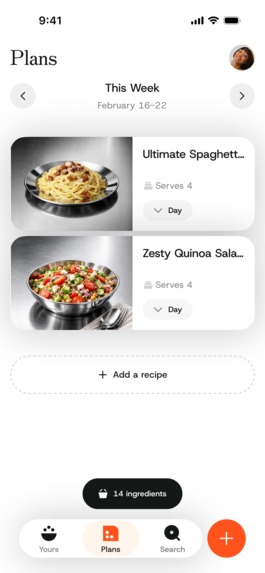
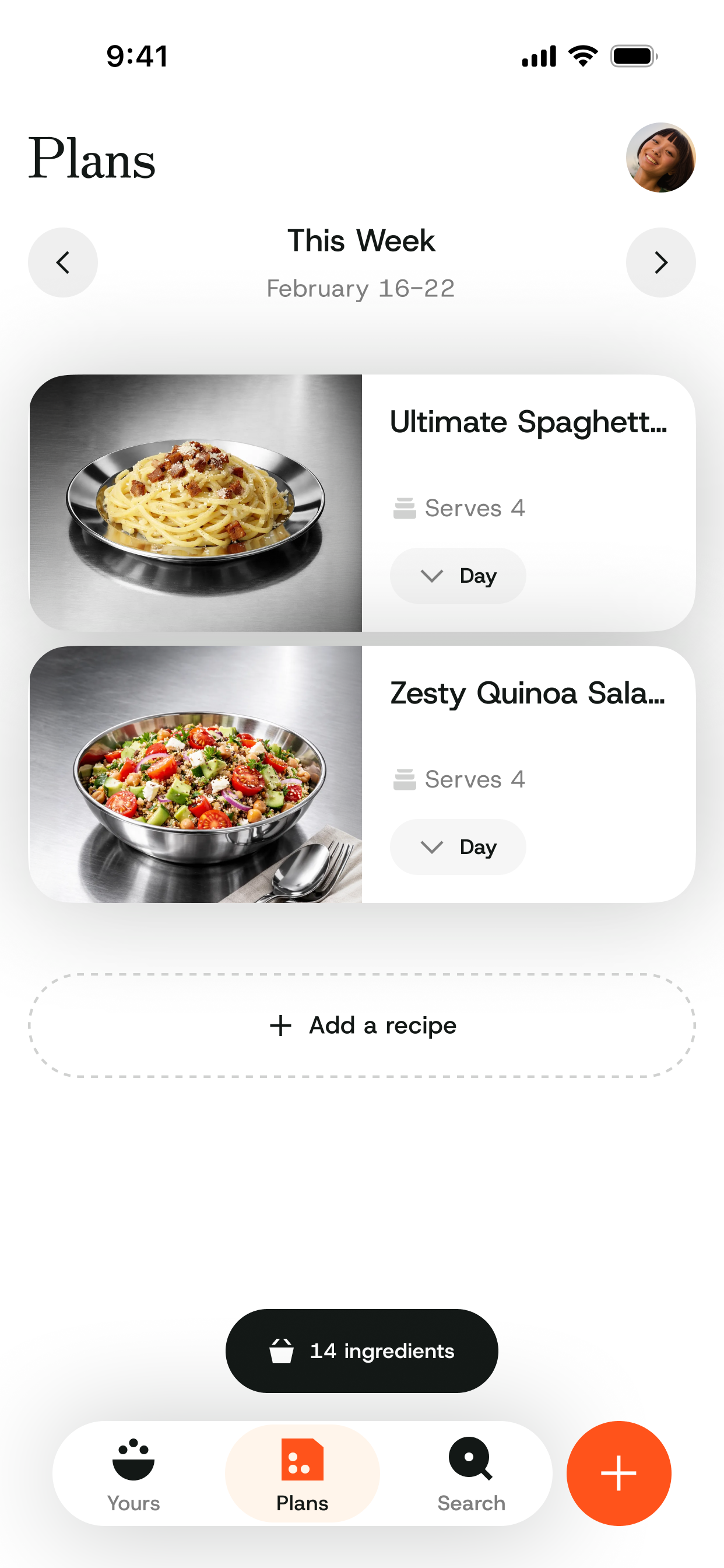
I wanted one place for the recipes themselves, a simple way to turn those favourites into a weekly plan, and a shopping list based on what I had actually decided to cook. That small personal need became Master Meals.
What it does
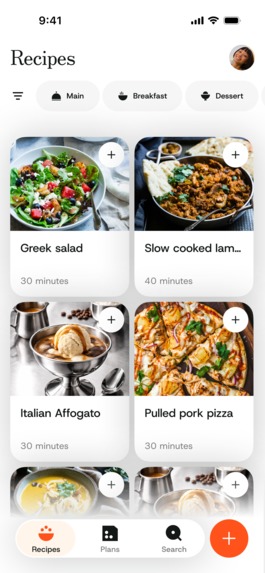
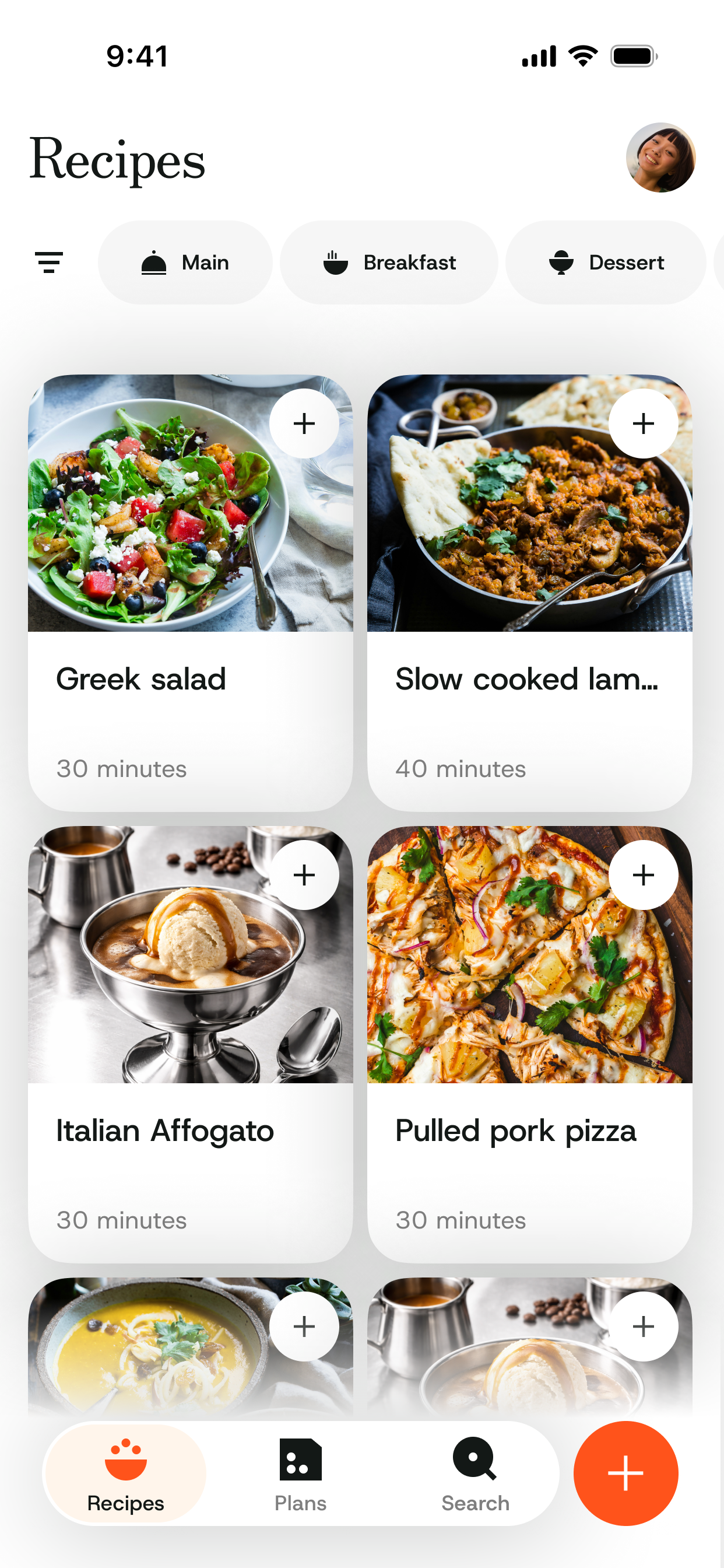
Master Meals is a personal recipe and meal-planning app built around your own collection—not an enormous catalogue of recipes to browse.
You can import recipes from supported websites, Instagram and TikTok, or add your own manually. From there, you can organise and search your cookbook, create flexible weekly meal plans, scale recipes for different serving sizes, and automatically generate one consolidated shopping list.
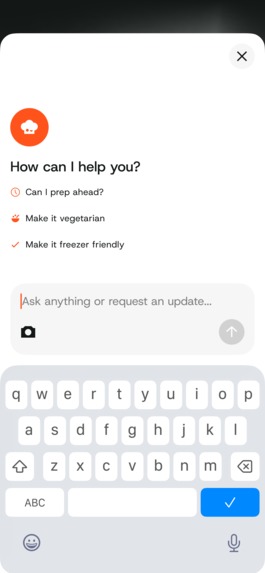
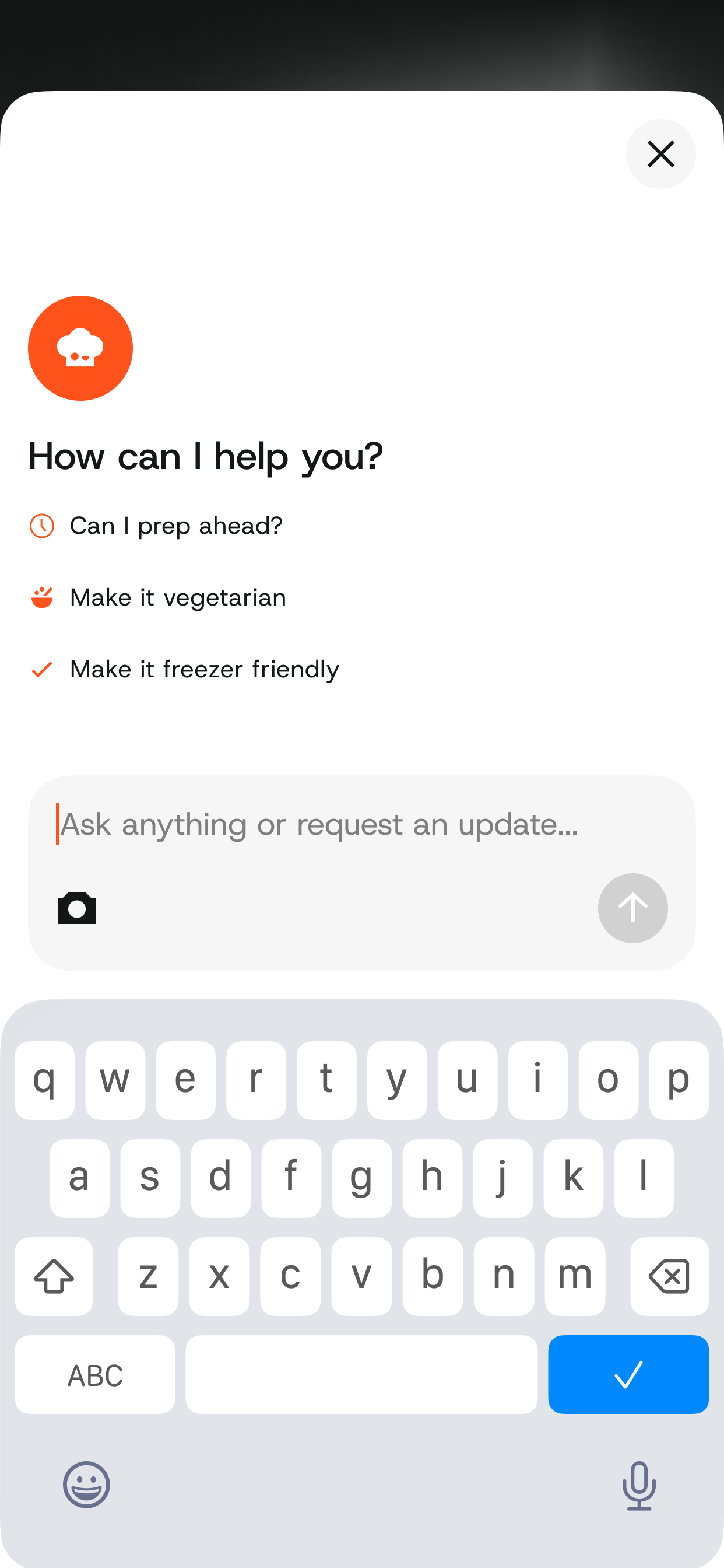
Chef Remy is also available to answer questions and update recipes to suit your preferences or the way you like to cook.
The goal is to replace scattered bookmarks, screenshots and notes with one clear workflow: save what you love, plan when to cook it and know what to buy.
How we built it
I began building Master Meals in Cursor, continued development with Claude, and used ChatGPT and Codex with GPT-5.6 for the most recent core iteration.
Codex helped me rapidly refine meal-planning flows, recipe editing and navigation, onboarding, user-scoped search history and the reliability of Chef Remy’s AI chat and recipe actions.
ChatGPT was also invaluable as a product partner. It helped me challenge assumptions, remove features that were adding complexity and focus the release on the smallest genuinely useful version of Master Meals: a personal cookbook, a flexible meal plan and a practical shopping list.
Challenges we ran into
Some of the most stubborn challenges were surprisingly small visual details. Creating the exact rounded transition I wanted on the recipe-details screen required a workaround, while reproducing consistent opacity and blur effects across platforms took far more iteration than expected.
There were also deeper product and technical challenges. Imported recipes arrive in many different formats, but they need to become consistent enough to edit, scale and add to a shopping list. AI-powered recipe changes also need to feel useful and predictable rather than surprising.
The broader challenge was learning where AI meaningfully accelerates development and where it still requires precise direction, repeated testing and human product judgment. Generating code quickly is only one part of building something coherent.
Accomplishments that we’re proud of
Master Meals is the first app I have built independently from beginning to end.
More importantly, it is a real product built around a problem I experience every week—not a technical demonstration looking for a use case.
I’m proud that a simple list of family meals has grown into a coherent workflow for collecting recipes, adapting them to the way you cook, planning the week and shopping with more confidence.
I’m also proud of the restraint involved in the final product. Several more ambitious ideas were explored and removed so the core experience could remain focused and useful.
What we learned
I learned an enormous amount technically, but I also relearned an important lesson as a product manager: less is usually more.
LLMs make it possible to explore and build ideas at extraordinary speed. That freedom is powerful, but it also makes scope control more important than ever. When almost anything feels possible, it becomes very easy to build too much.
The difficult work is not generating another feature. It is deciding which parts matter, removing what does not and making the remaining experience feel complete.
What’s next for Master Meals
The next step is to connect Master Meals through the Model Context Protocol (MCP), allowing people to use their preferred AI assistant to discover recipes, discuss meal ideas and save recipes directly into their personal collection.
I also want to close the remaining gap between planning and action. Instead of stopping at a shopping list, an AI assistant could—with the user’s approval—turn a completed meal plan into a grocery order.
Building Master Meals has made me increasingly convinced that AI assistants will not only talk about software; they will interact with it alongside us. For Master Meals, that means meeting people where they already are and allowing them to use the AI they trust, while Master Meals remains the dependable home for their recipes, plans and shopping workflow.
Built With
- fastapi
- flutter
- postgresql
- python

Log in or sign up for Devpost to join the conversation.