Inspiration
We made Massera for two, to help you give a massage to a partner or someone close to you. We started with a familiar scene. A couple finally gets half an hour together at the end of the day, but even on the same sofa, both are still catching up on everything else. A massage can be a simple way to spend a few minutes paying attention to each other.
“Want a massage?” is easy to ask. Knowing where to start, how hard to press, and when to move on can feel harder. Couples who tried our early prototype told us that uncertainty got in the way.
We built Massera to give the person offering the massage enough guidance to get started and the confidence to focus on their partner.
What it does
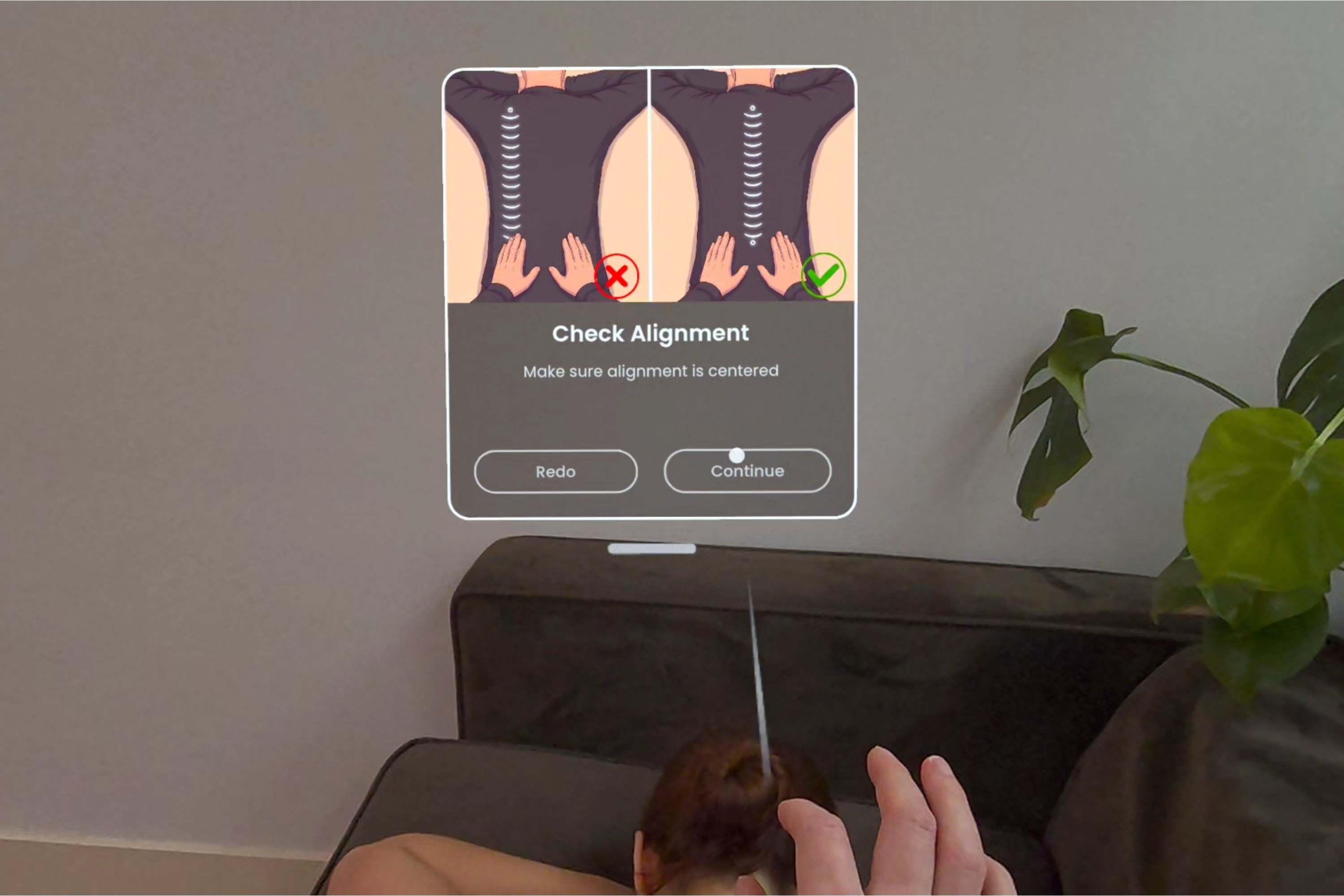
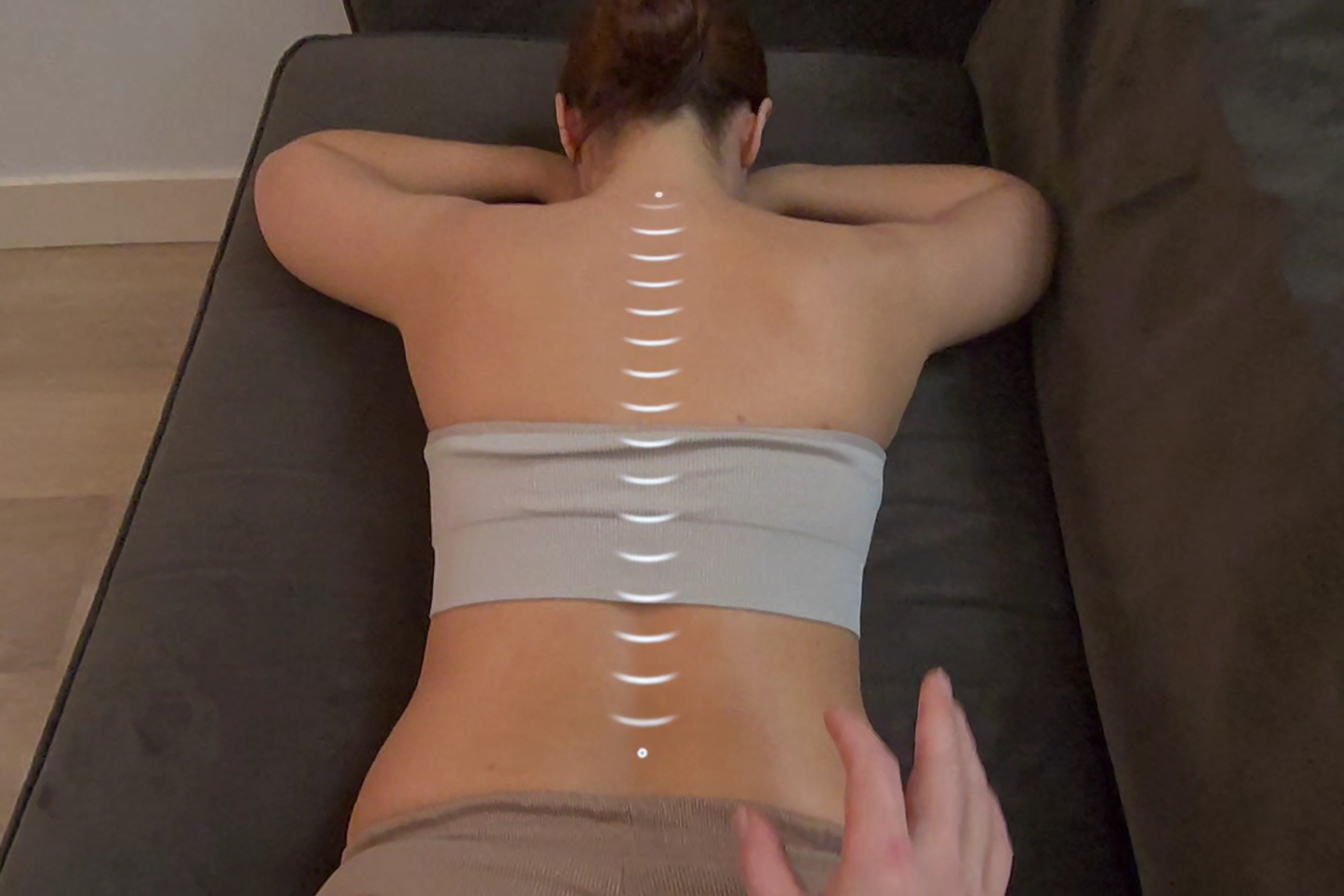
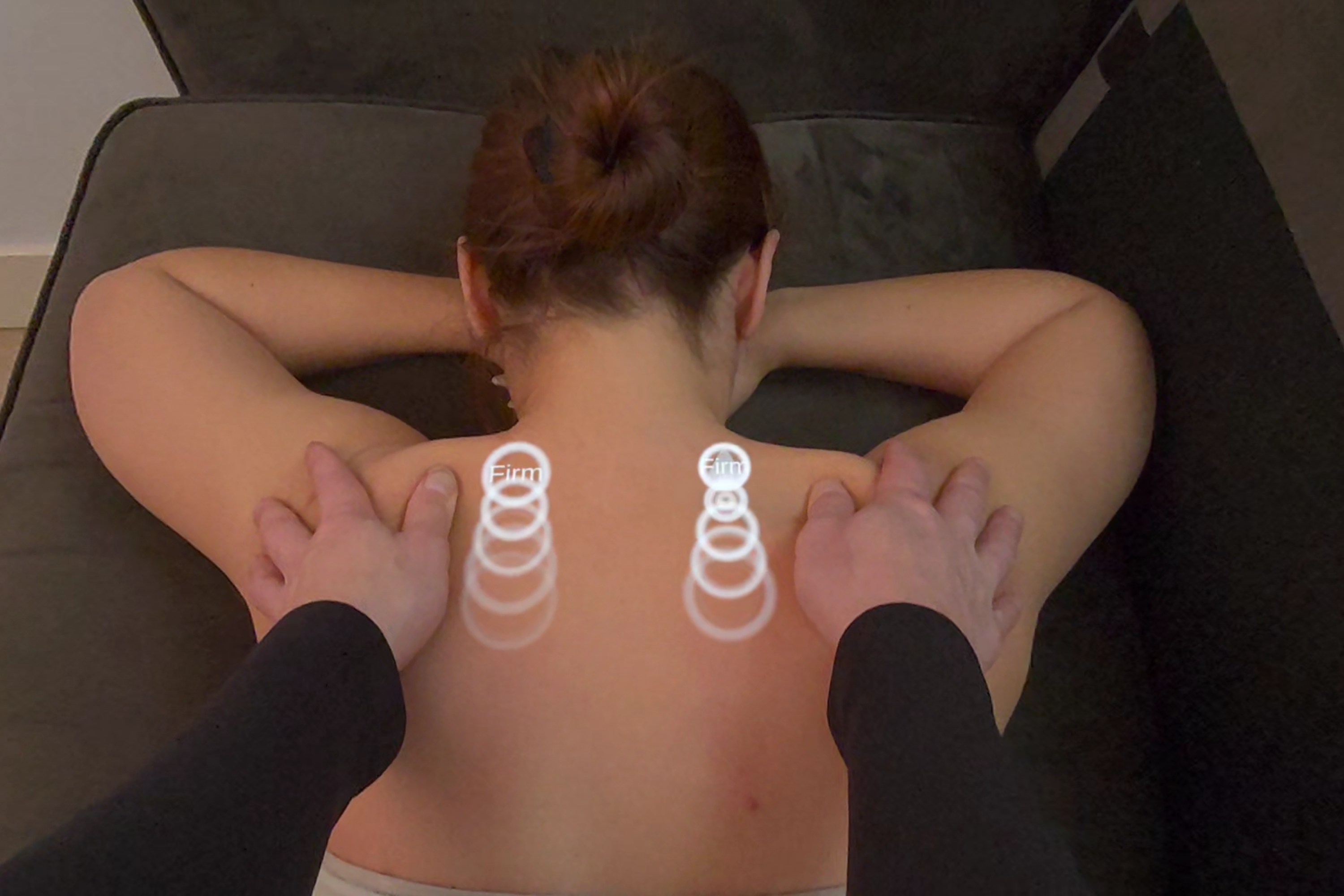
Massera — Massage for Two guides you through a real partner massage on Meta Quest 3. Your partner lies on a bed or sofa. A short setup aligns the virtual guide with their body, so each cue appears where your hands need to go.
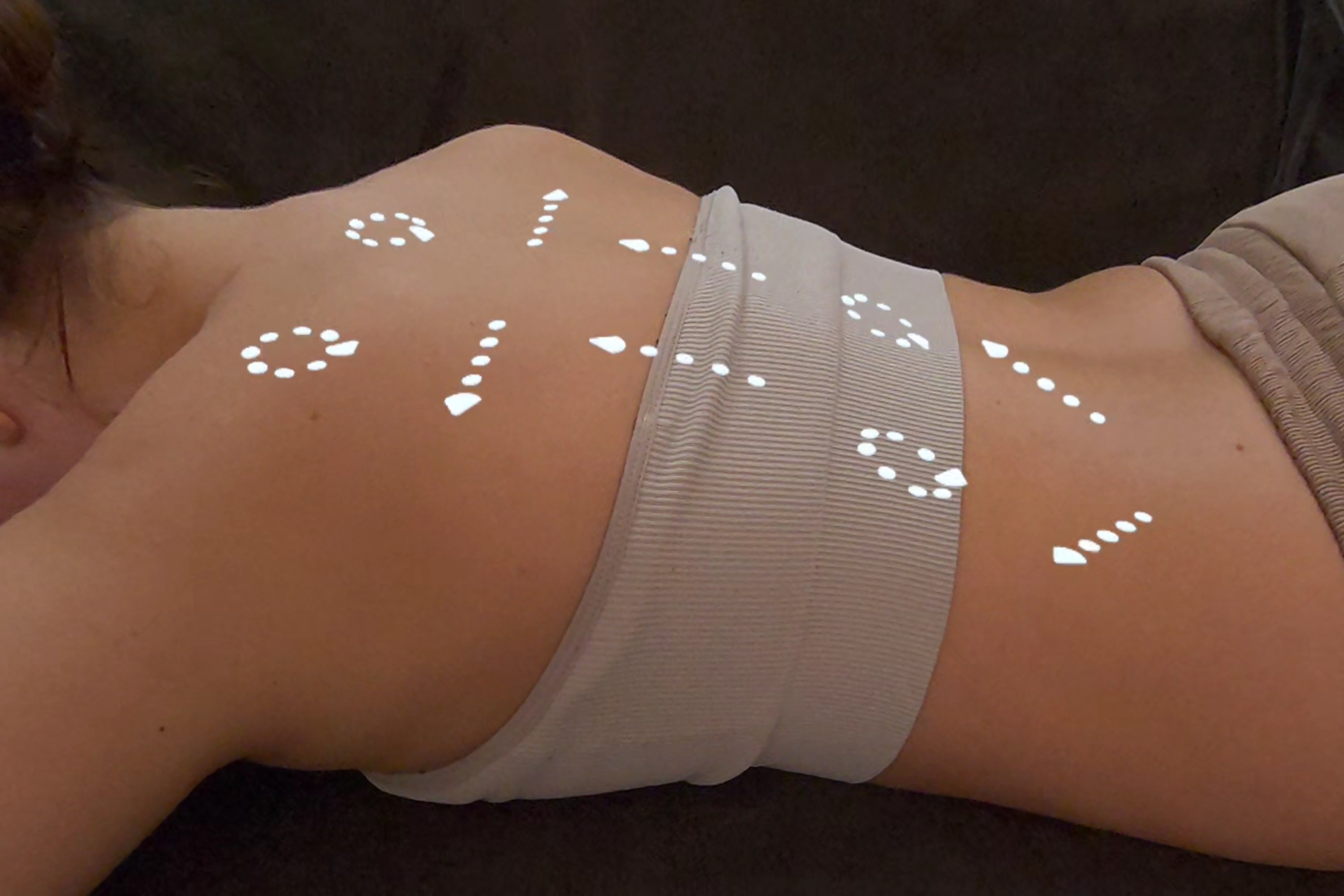
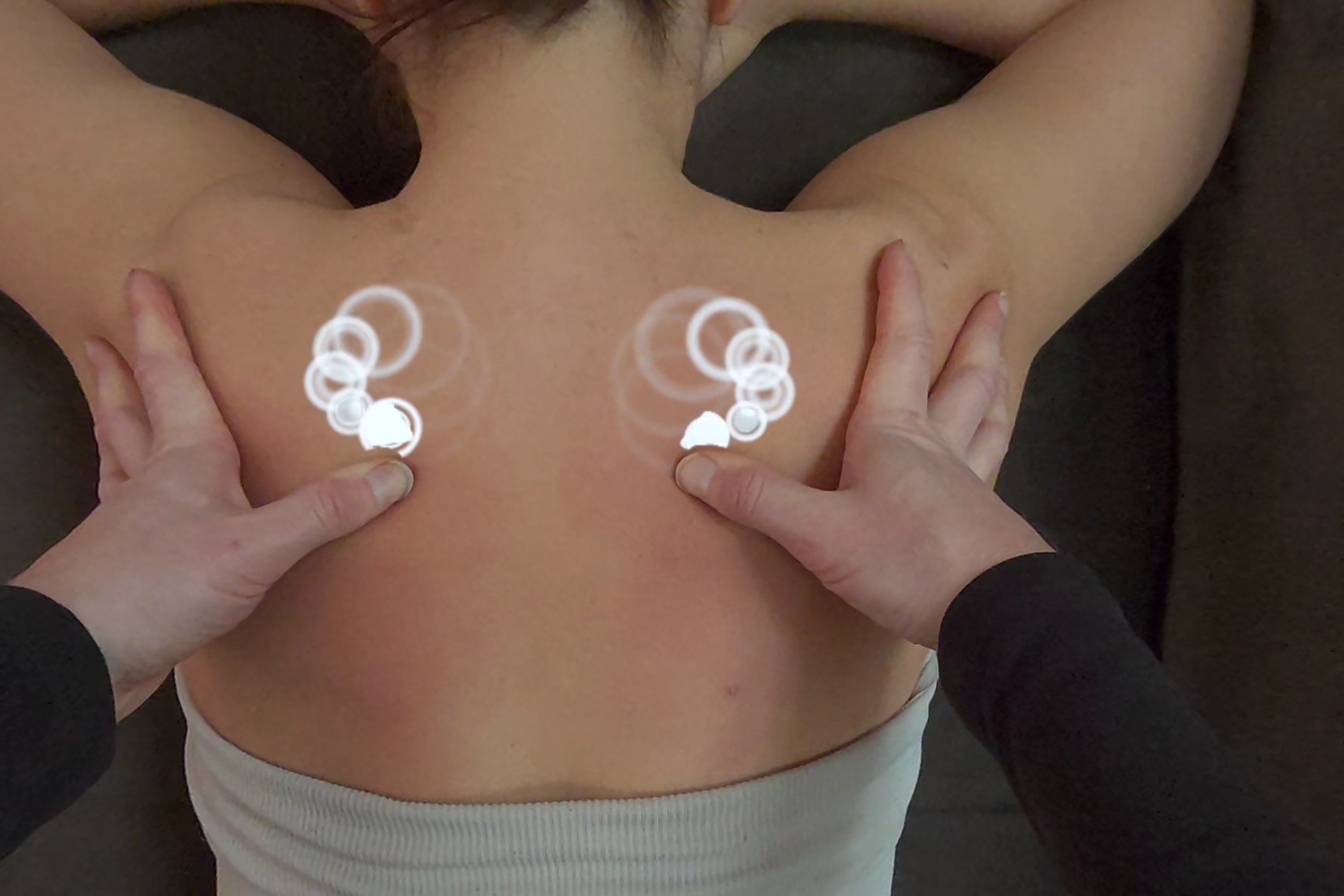
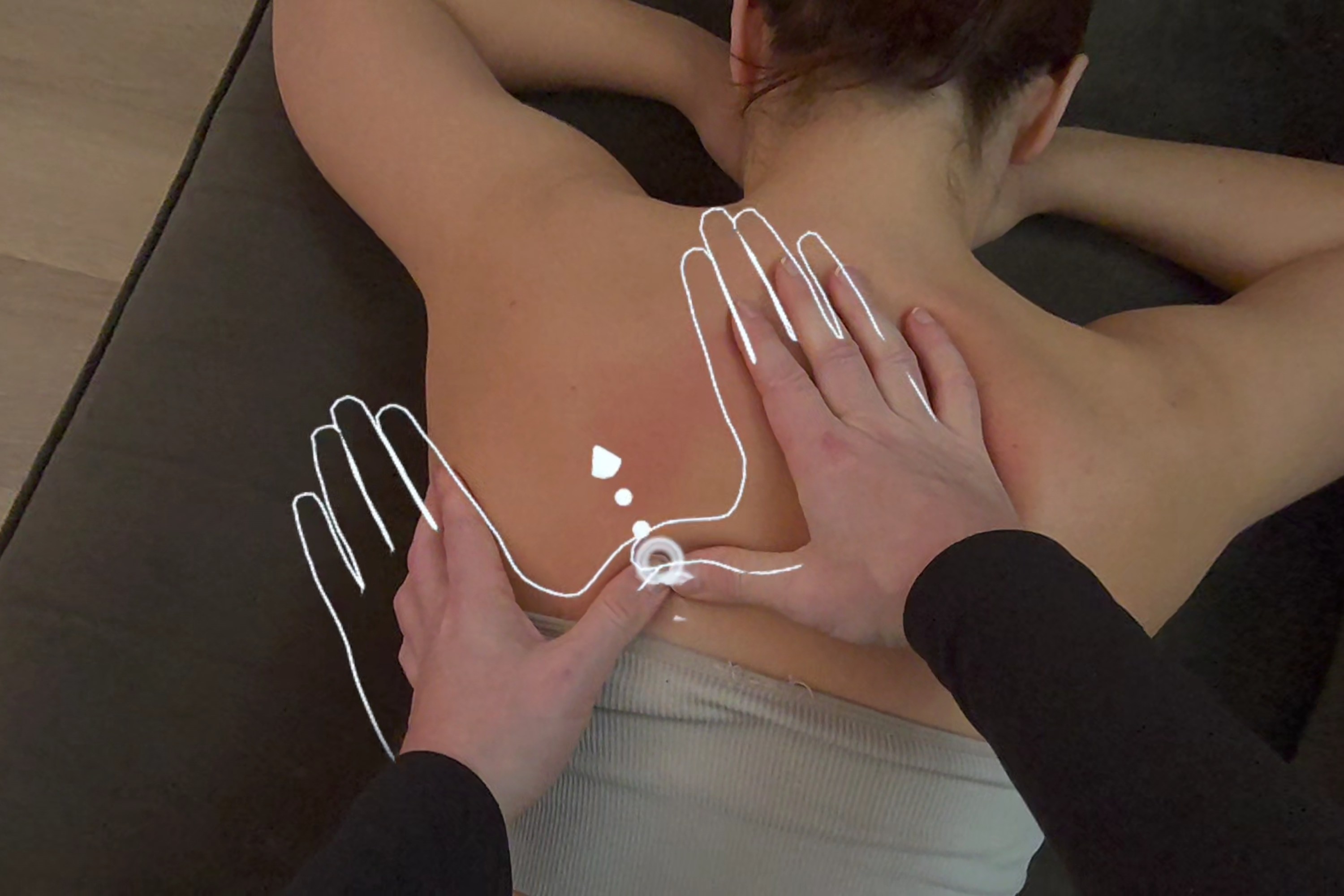
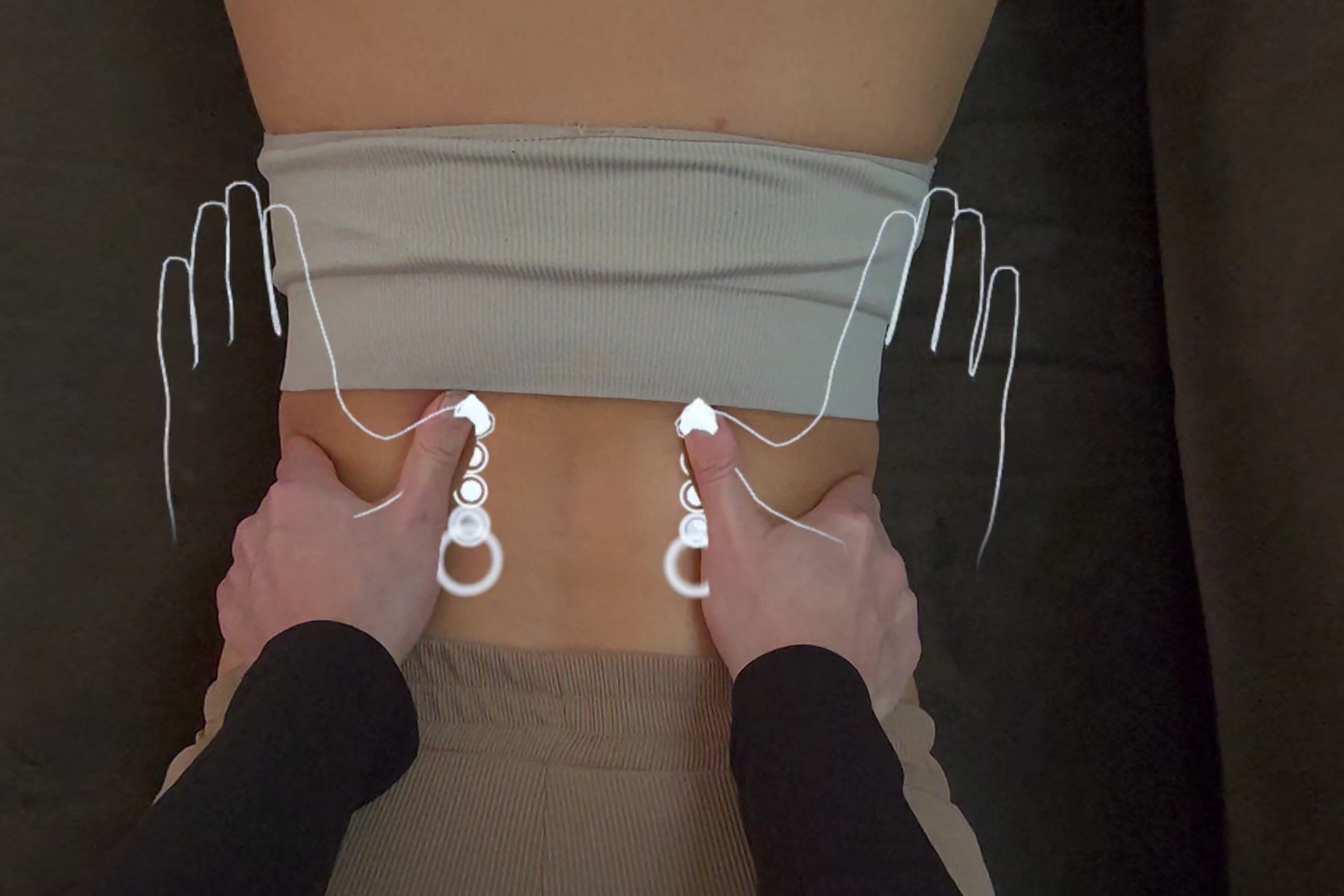
Ghost hands show each stroke, glowing points show where your fingertips go, and a soft handpan note sounds as each point fades. For pressure cues, Massera estimates fingertip depth and movement from hand tracking. Your partner tells you how it feels.
A short lesson teaches the first strokes and opens the full guided massage. There’s also a guided thigh preview for anyone trying Massera alone. You can do both with your hands, without controllers.
How we built it
We built Massera in Unity 6.3 with URP, Meta XR SDK v207, OpenXR hand tracking, and Quest 3 passthrough. The Interaction SDK handles poke and ray input on the menus.
During calibration, we use the paths of two tracked fingertips to position a virtual mesh. The mesh lets us place each stroke guide relative to the person’s body. Point groups, stroke order, and timing are stored in assets so we can build guidance for other body areas.
We tested menus in Meta XR Simulator and checked alignment, hand feel, and graphics on Quest 3. A Perfetto capture of the first guided stroke averaged 13.9 ms per frame at 72 Hz in a development build.
We designed the screens in Figma, modeled the calibration mesh in Blender, and used Claude Code as a pair programmer with Unity MCP and Meta developer tools.
Challenges we ran into
Fitting the guide to a real person. People breathe, shift, and lie differently. We kept calibration short and easy to repeat if the guide needs realigning.
Making it easy to get started. We kept setup short so users can open the app, align the guide, and begin a massage with their hands.
Teaching pressure through a headset. Across hundreds of tests, we found that fingertip depth and movement could give users a feel for how they were pressing without dedicated pressure sensors. Massera turns that estimate into a simple cue and prompts the giver to ask, “How’s the pressure?” Before the massage, we also remind them to ask permission, massage gently around the spine, and stop at any discomfort.
Accomplishments that we're proud of
During the competition, we turned hackathon prototype, which could align a guide to someone’s back and teach a few strokes, into a hands-only experience from setup to the end of a full massage experience.
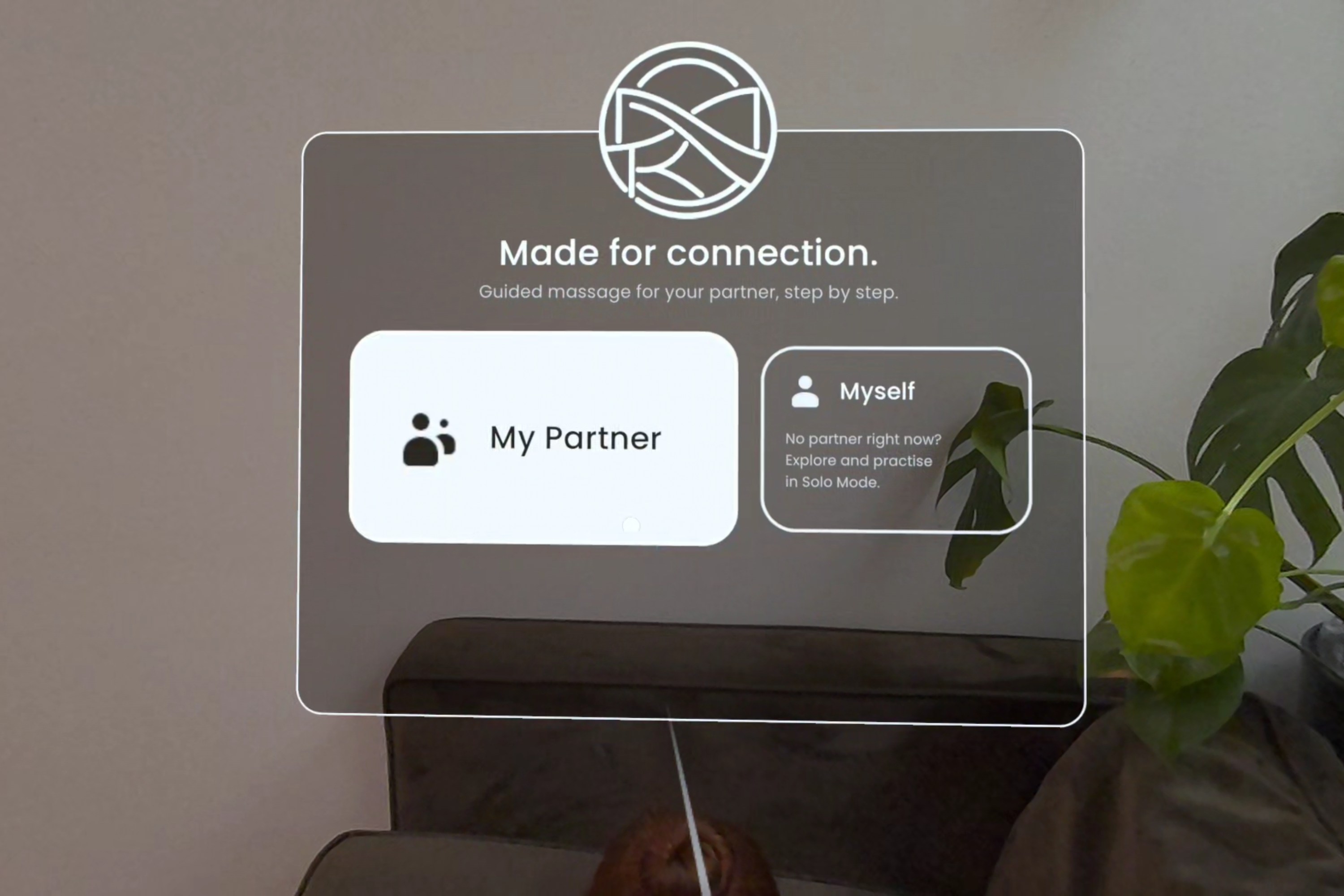
- Faster setup and navigation. We brought calibration onto one screen, with a ring that shows when to hold still and a water ripple that shows alignment. We built a new UI system with a partner-first menu, a steadier hand ray, movable panels, and hands-only pause and exit.
- A first stroke that teaches you how to begin. Both modes now start with a Health & Safety screen and a voice-guided lesson. Completing the first stroke unlocks the full massage.
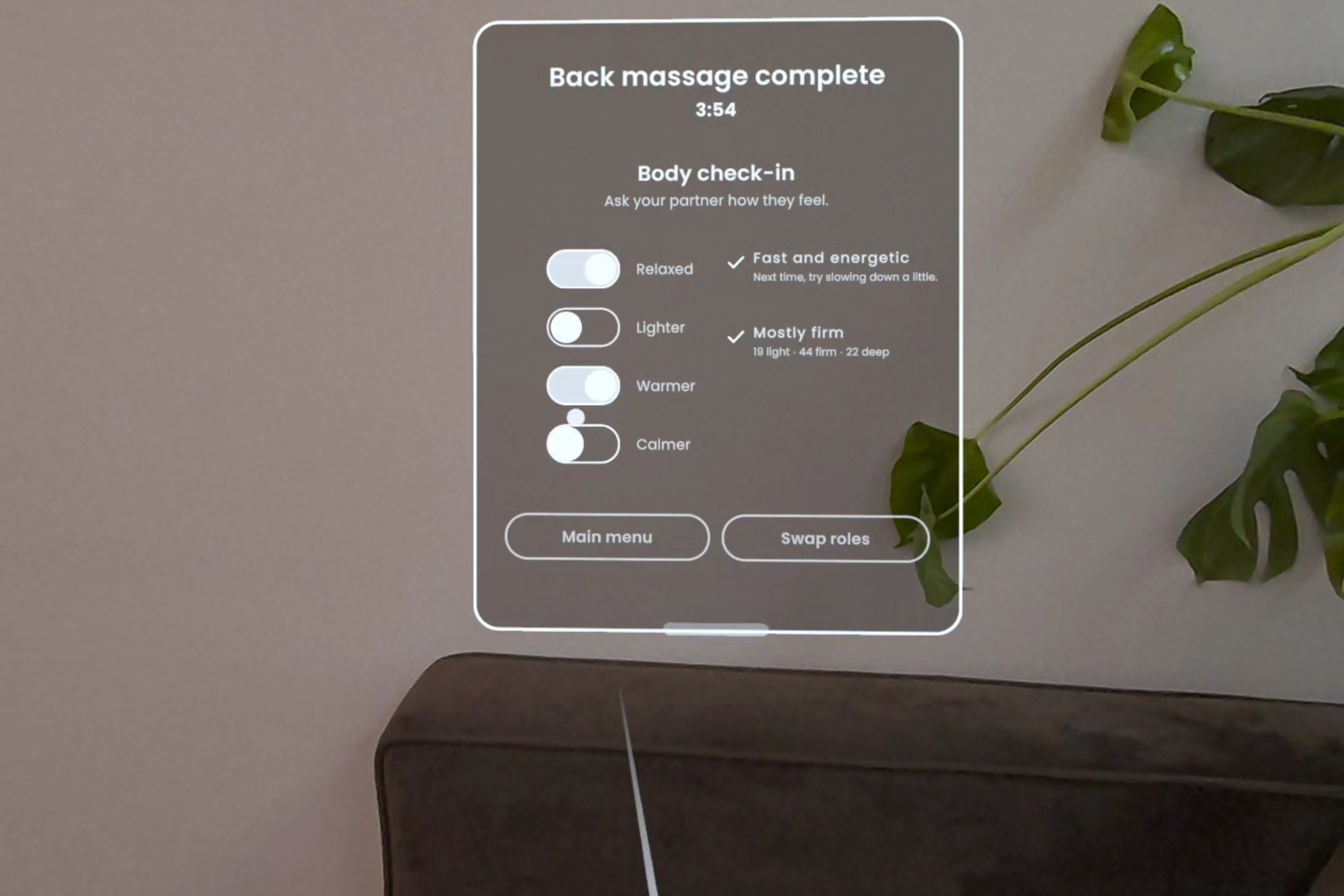
- Clearer feedback during each stroke. We tuned hand-tracking sensitivity and refined how targets disappear on contact. Ghost hands demonstrate the movement and fade as users take over. Real hands cover the glowing points, which ripple away on touch. Hand tracking also gives Light, Firm, or Deep feedback for each stroke and a session summary without dedicated pressure sensors.
- Pentatonic Interactable Sound System. Each cleared target plays the next note in a D minor pentatonic handpan scale, so a stroke becomes a soft melody. The same notes mark calibration, stroke completion, and menu taps.
- A solo preview and a shared finish. We added a guided thigh massage for people trying Massera alone. After a partner massage, the Session Complete card invites users to check in with each other or swap roles.
What we learned
Trust starts with alignment. When the guide sits where your hands are about to go, the movement is easier to follow. And the most useful feedback can be two words from your partner: “Right there.”
What's next for Massera - Massage for Two
We want couples to make Massera their own. We’ll add guided massages for shoulders, legs, and feet, and build a shared profile where each couple can keep track of the massages they’ve tried and the strokes they’d like to come back to.
We’re also planning a stroke builder so couples can create their own guided strokes without any development experience. Users will be able to put strokes in order to build a guided session, then share individual strokes or full sessions with the Massera community. Other users can try them with someone close to them, rate them, and save their favorites.
We plan to launch in Early Access in spring 2027.


