-
-
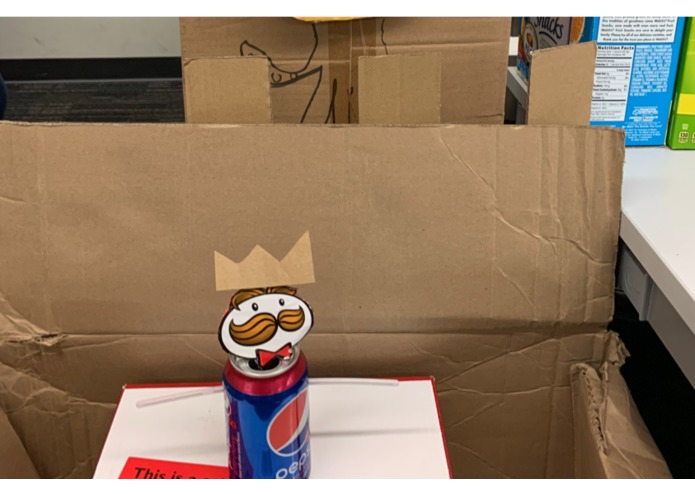
King of the Castle
-
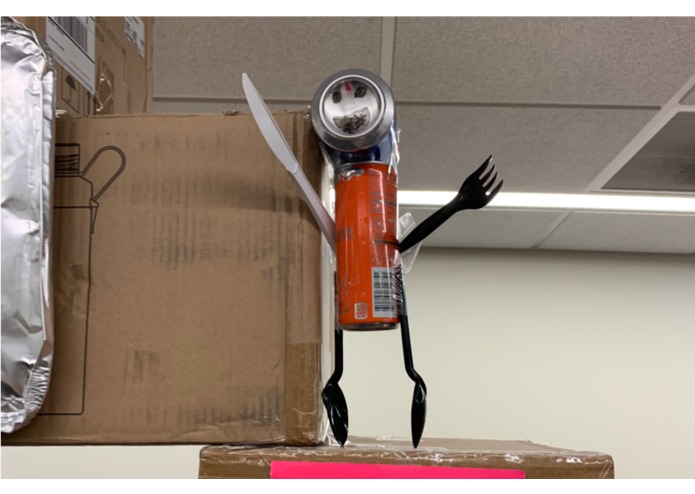
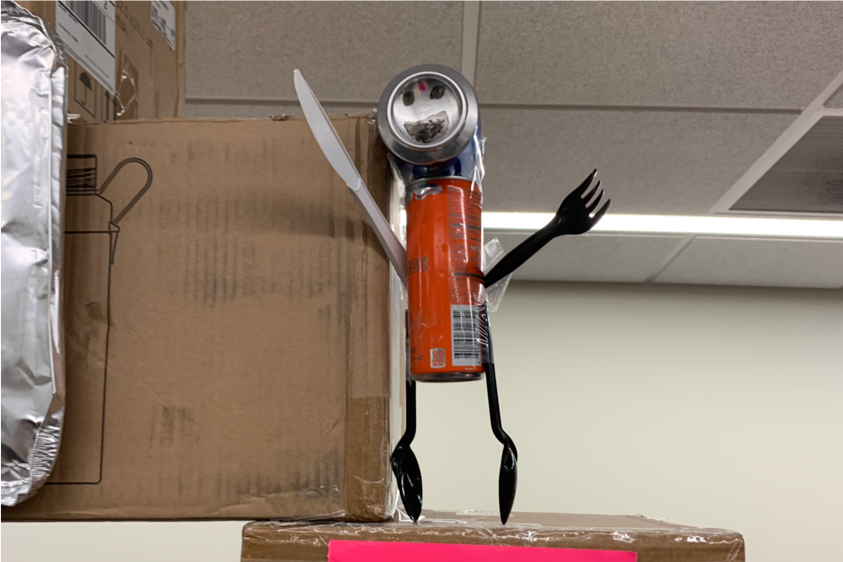
Our valiant warrior
-
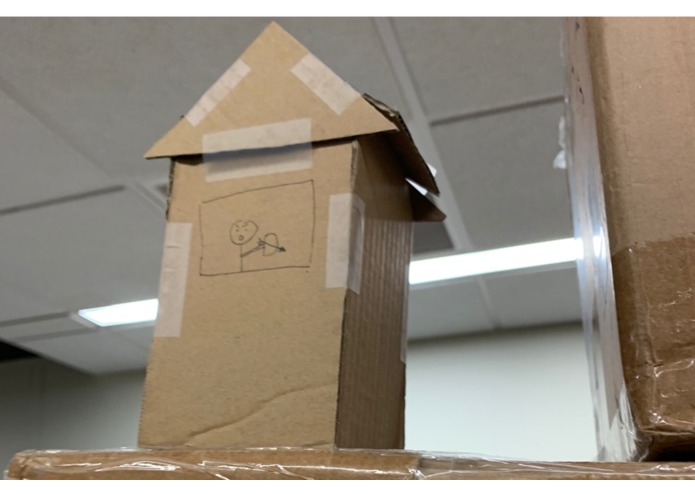
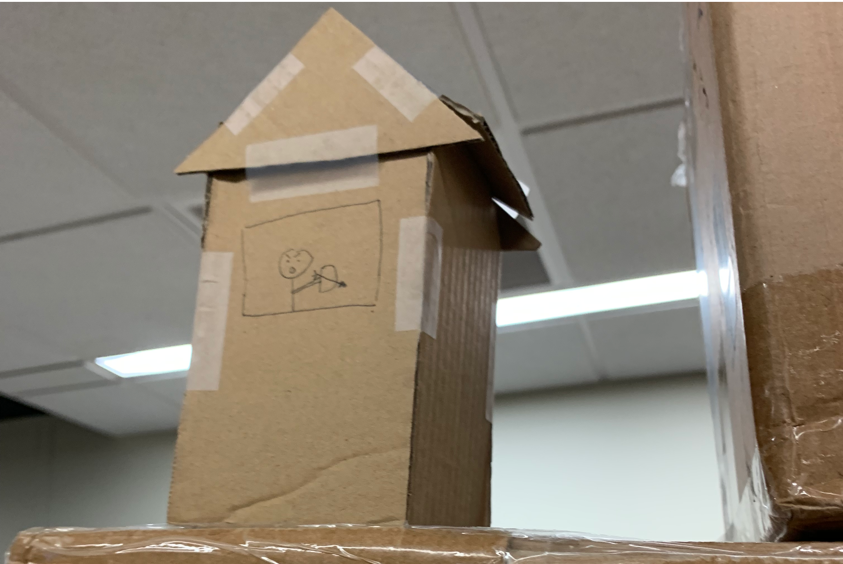
Our vigilant archer
-
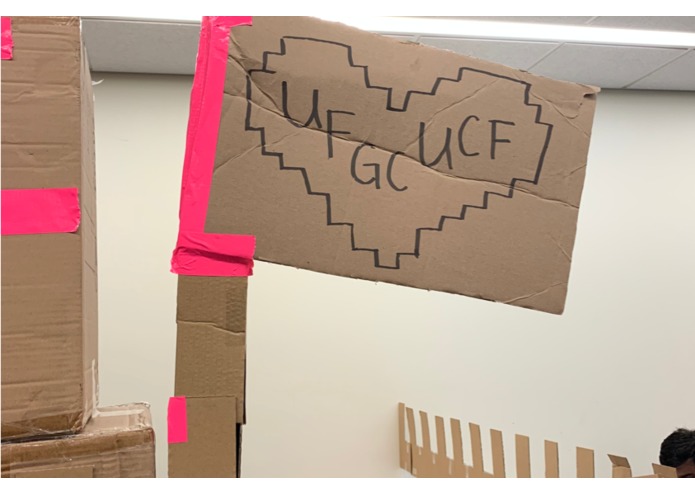
A flag of friendship
-
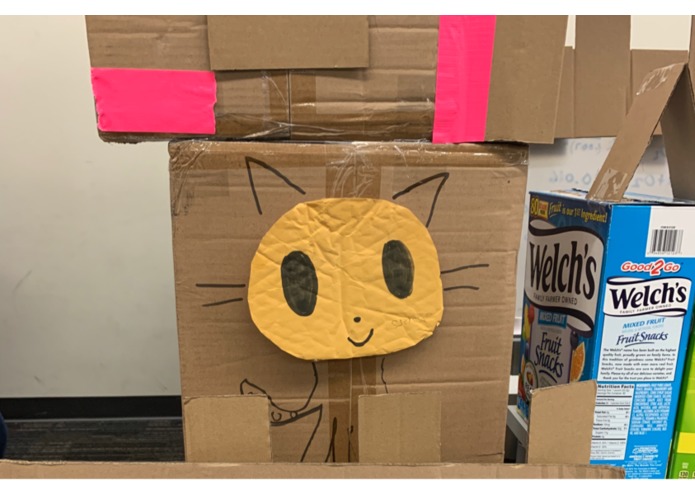
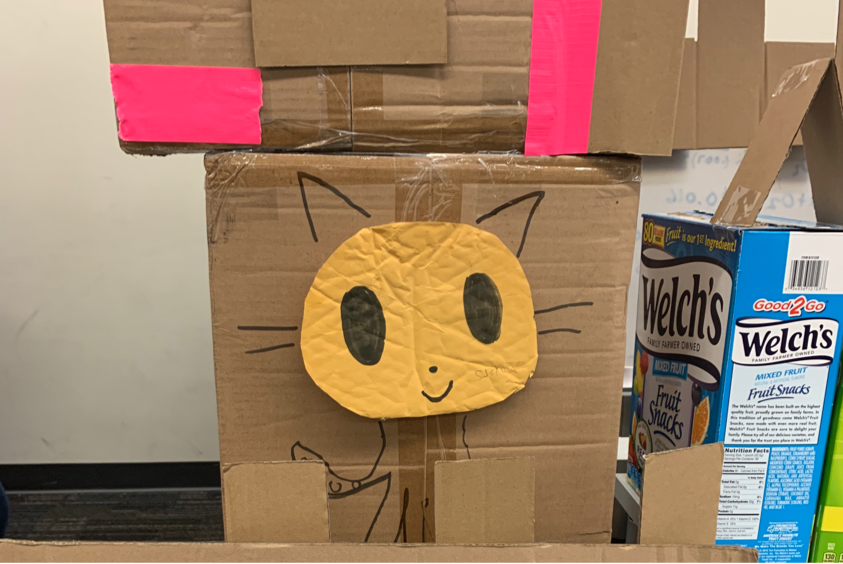
Our Octocat
-
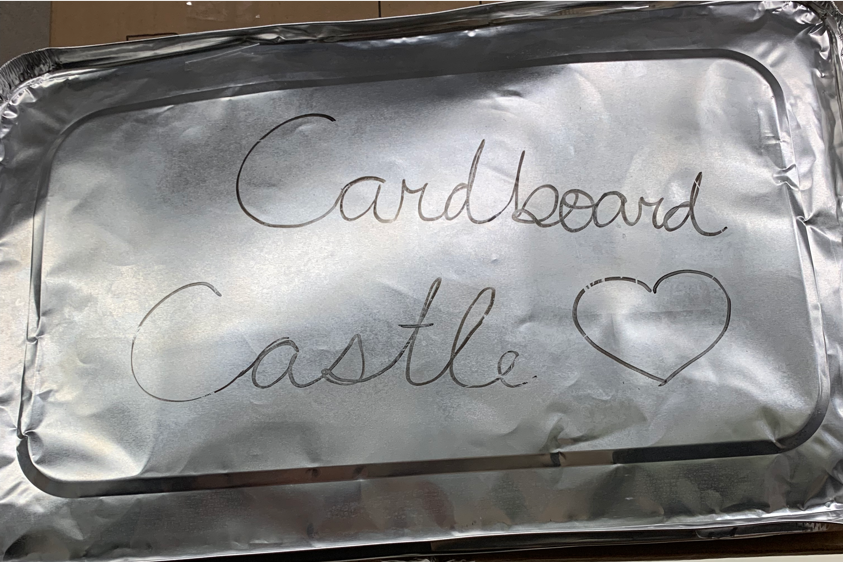
Entrance sign
-
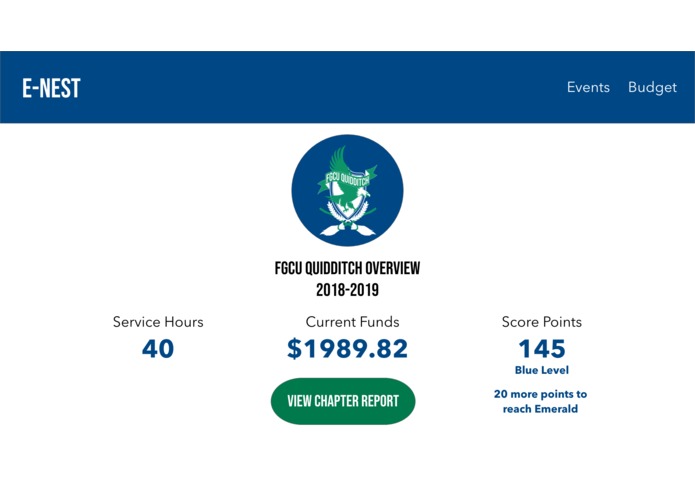
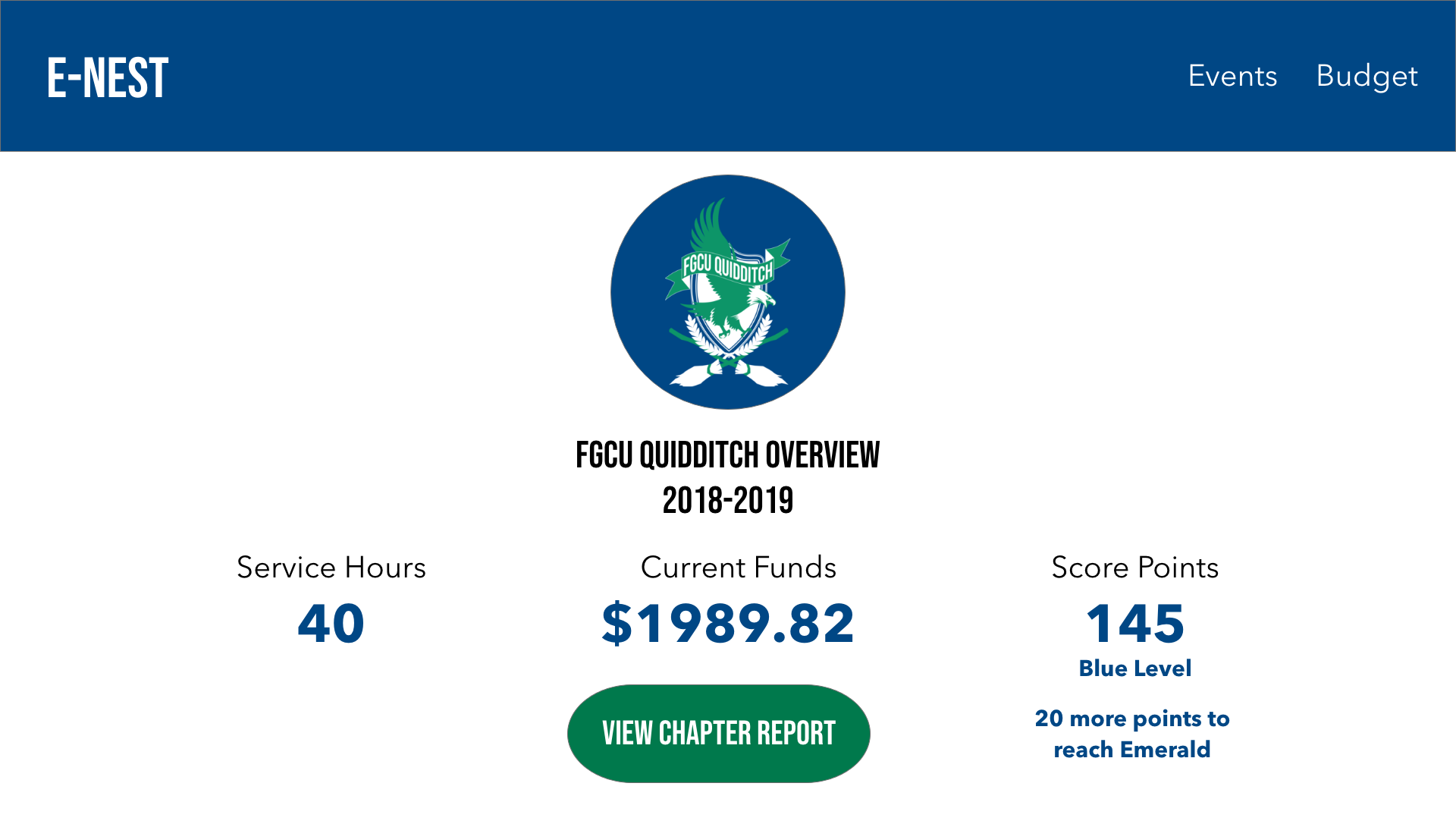
Landing page for club management web app
-
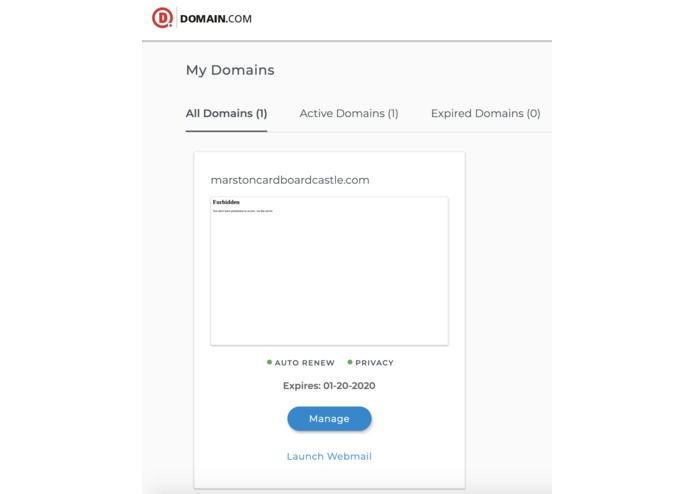
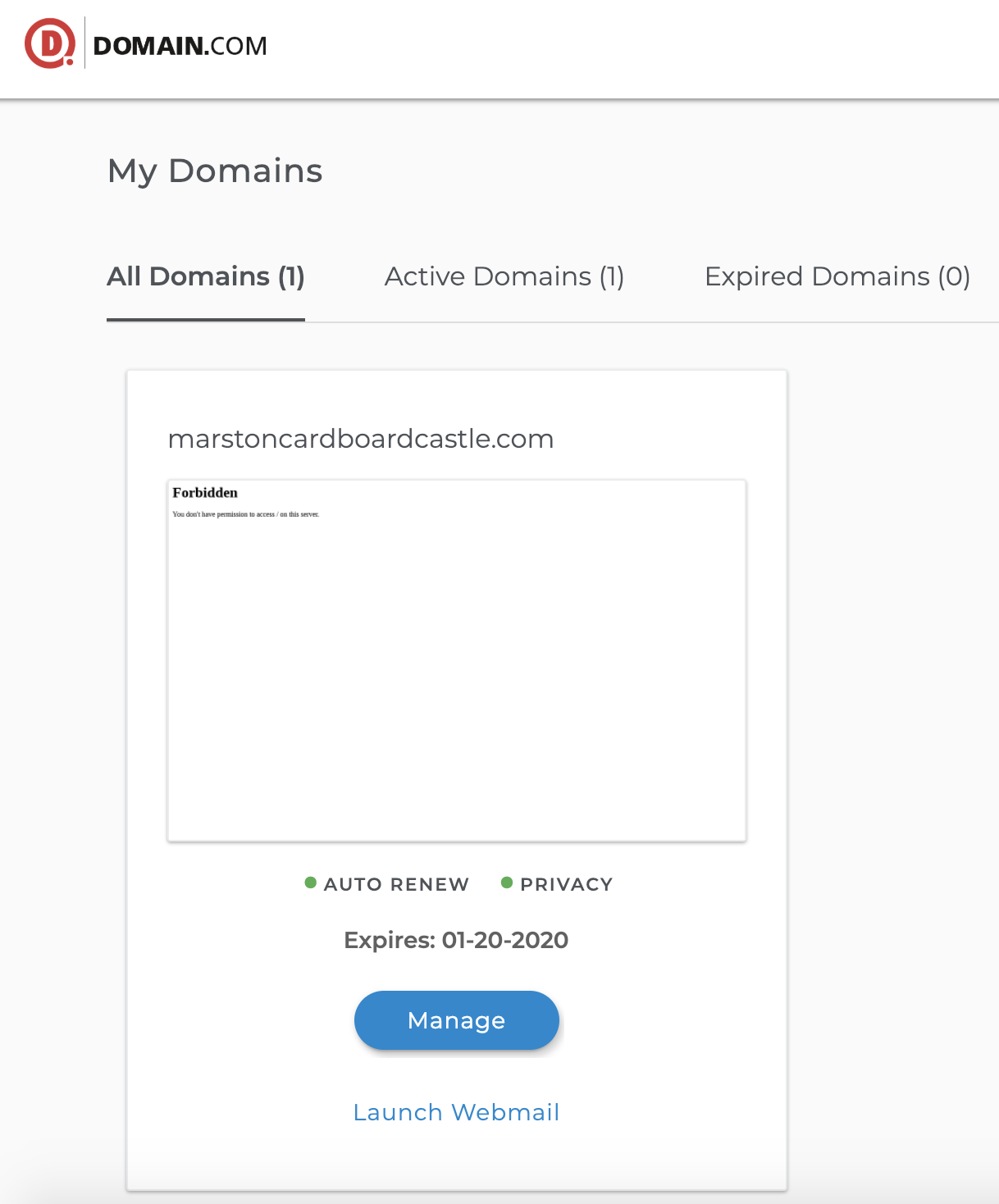
Domain purchased at Domain.com
-
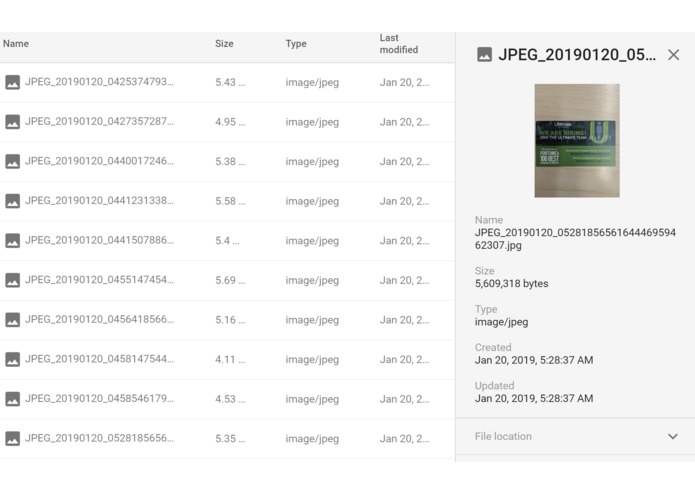
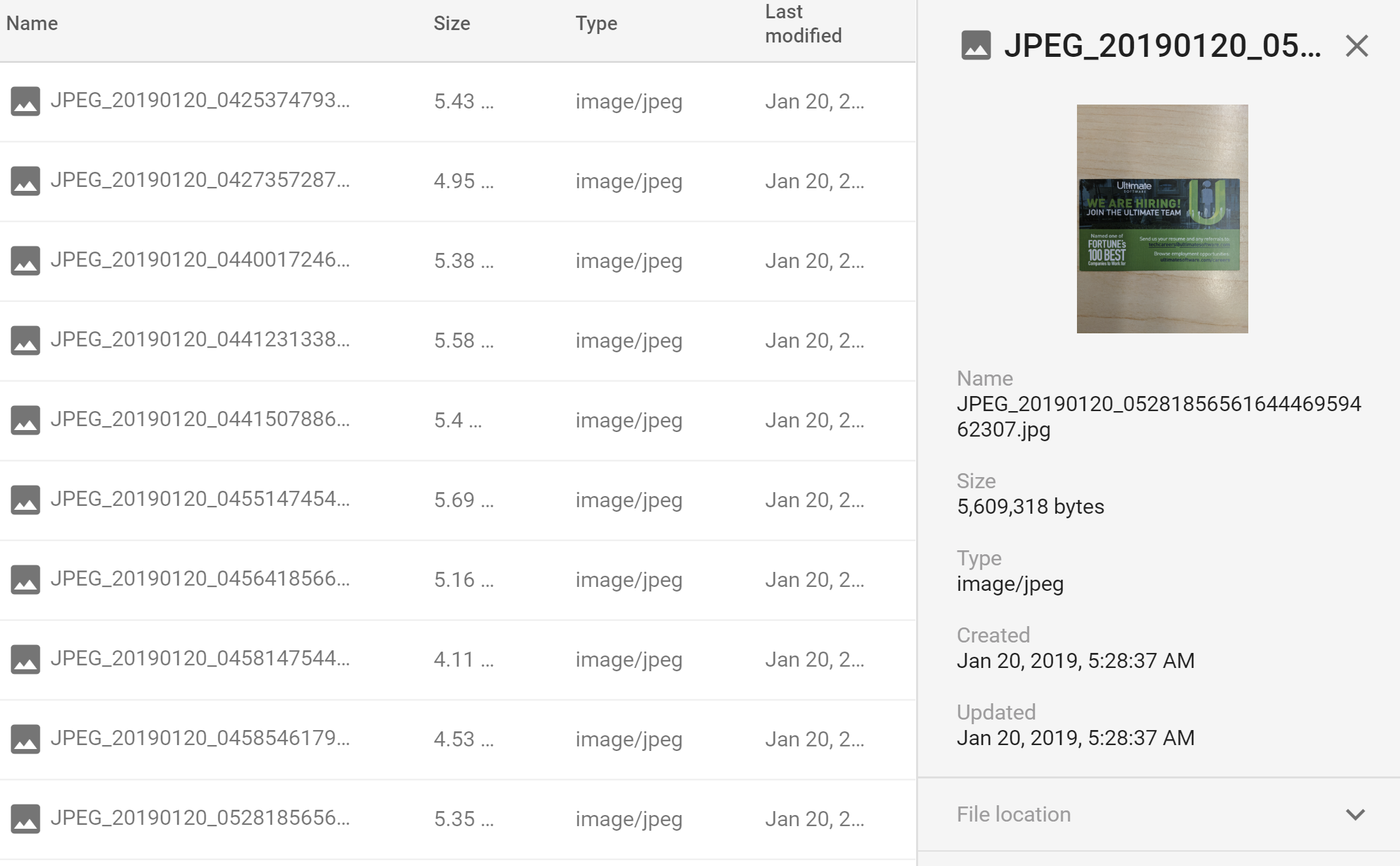
Android app storage


Inspiration:
The inspiration for the cardboard castle started with the AMEX challenge for Best Workspace. Borrowing boxes from JPMorgan Chase & Co. and eventually from the snack organizers for SwampHacks, we slowly started to build a kingdom of tape and recyclables. Once the hacking is done and we must depart from the Marston library, our team will miss our beloved temporary home. Thus, we are immortalizing our castle on the web.
Many quests have been pursued within these four walls. As fate would have it, we were also inspired by the JP Morgan Chase & Co. challenge for Best Hack for Financial Literacy. From our personal experience dealing with college clubs, we realized that it is often difficult to pass down the responsibilities to a new set of officers. This is especially true for people who don't have experience writing budgets or expense reports. Therefore, we developed a web application to address this problem.
What it does:
Our castle provides a friendly work environment. On the website, you can look at some pictures of the castle and also find our location. The Android app allows you to take pictures of receipts and it extracts the text from the image. The web application allows for a single place to manage society budgets, travel forms, event forms, and expense reports. Additionally, with this information stored on the Google cloud service, an annual chapter report is created. This chapter report is a crucial piece of information, as for new fiscal year budget cycles proof of payment and budget management from previous years is required. This information is often lost during transition periods between executive boards, and can often halt any budgetary growth for society.
How it was built:
The Marston Cardboard Castle website was built using the Domain.com suggested site builder. The castle was built using duct tape, painter's tape, cardboard, and other recyclable materials. The Android app was built in Android Studio. The receipt recognition aspect was developed using the Google Cloud Platform Vision API. The web application frame was developed in React, utilizing a react-router-dom for smooth component interactivity. Additionally, the web applications survey and report forms were created using HTML and CSS.
Challenges we ran into
One of the major challenges we ran into was building and interfacing the web application. We ambitiously started working on React and HTML at the same time without thinking of the interaction between the two coding platforms. Furthermore, by attempting to tackle many challenges at once, we ended up taking much time studying and learning rather than creating and therefore got tripped up further down the road.
Accomplishments that we're proud of
As a come together group from across the state we should be proud of how far we got. Containing two members that have never been to a Hackathon before with majors outside of CS our team worked together and we were able to enjoy our Swamphack. Oh and of course we are proud to have created the biggest box fort the Marston Science Library has ever seen.
What we learned
While some of us delved deeper into the world of web development, others took their first dive. We were able to further learn the process of front and back end web development. We were able to learn about React and the troubles it would give us. Further knowledge was gained about API and Android integration, and not to forget we learned how to make an arch out of cardboard.
What's next for Marston Cardboard Castle?
The website suffered from a major setback due to the interactivity between React and HTML. But with more time, these issues could easily be overcome and implemented properly.
Built With
- android-studio
- cans
- cardboard
- domain.com
- duct-tape
- friendship
- react


Log in or sign up for Devpost to join the conversation.