-
-
-
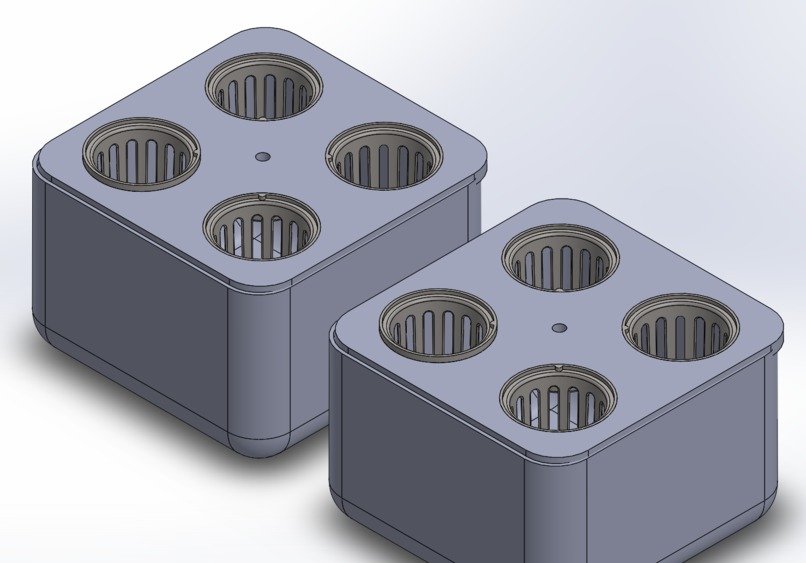
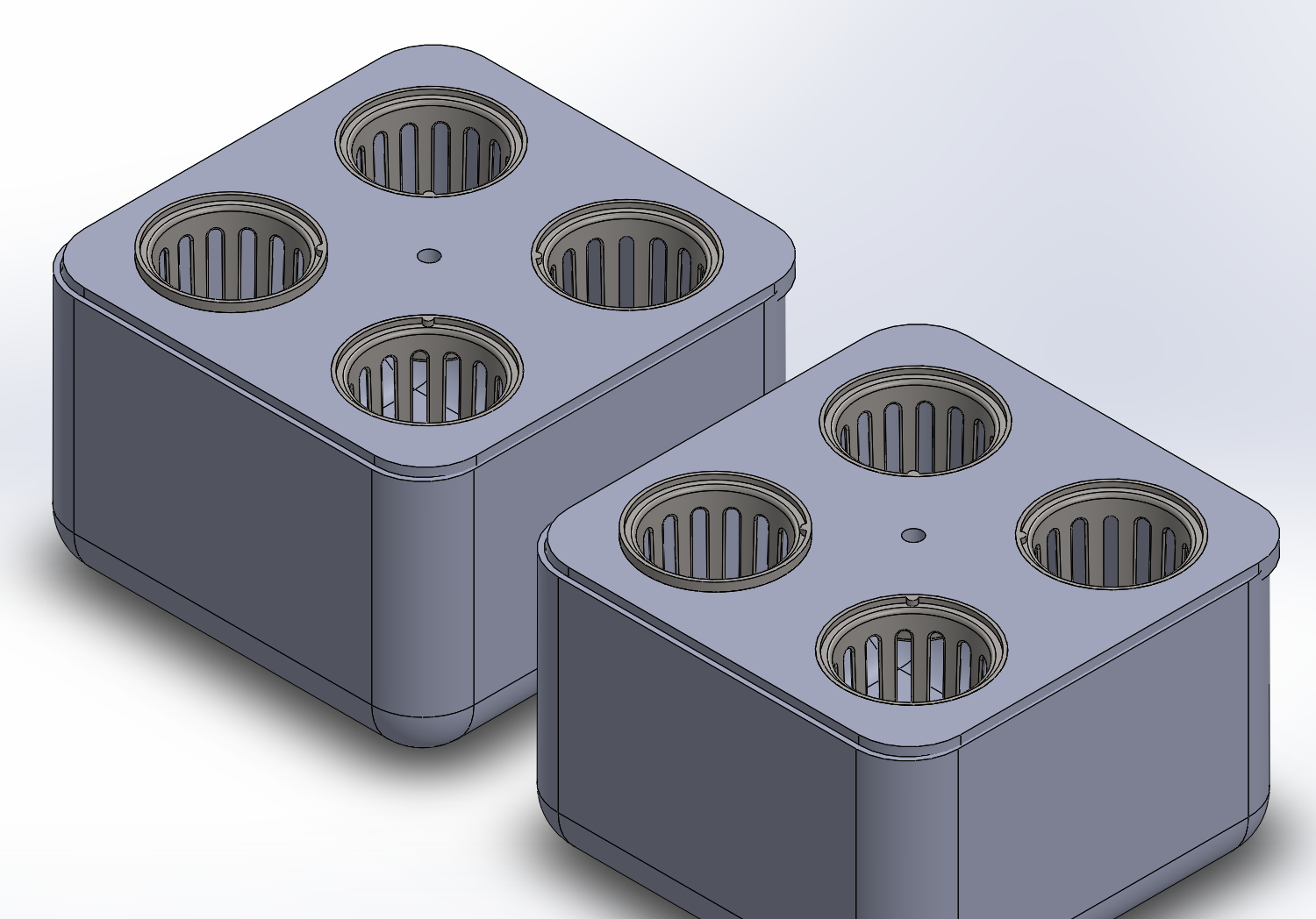
A modular smart garden makes it possible to have multiple plants managed by the same Machine Learning systems.
-
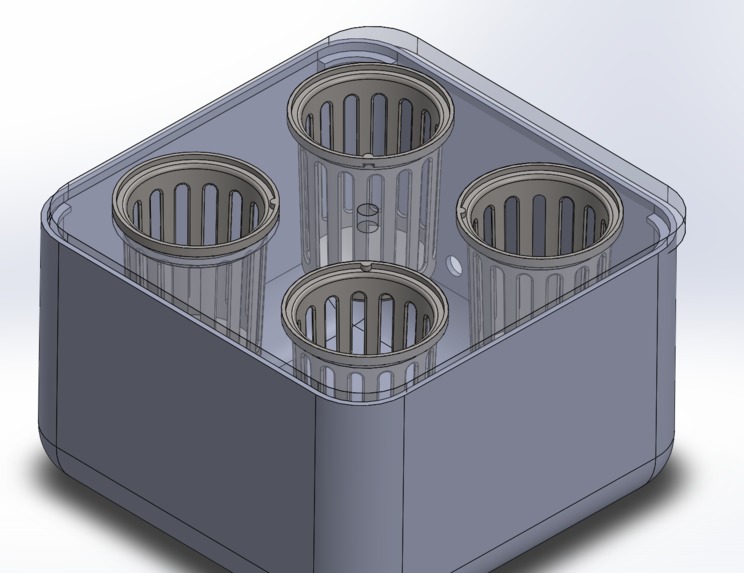
Smart Garden Bed
-
-
-
Inspiration
The pandemic has proven to us that food security might be the next big challenge in our century. Climate change, overpopulation, pandemics, and lack of fertile land impacts food production, which can cause small food shortages or massive starvation. Each day, 25,000 people, including more than 10,000 children, die from hunger and related causes. Thinking about this we bought a solution “MarsGard” which will revolutionize and ease the whole planting process.
What it does
Plants and soils are inextricably linked. Plants alter soil properties, which, in turn, influence plant performance, displaying a variety of effects on each other. Climate is one of the main drivers of organism growth and species distributions; thus, a changing climate has the potential to alter the composition of plant and soil communities and the interactions between them. For example, a variation in carbon dioxide level adversely affects the plant's organs, Some grow extremely big, some grow extremely small. Millets die if they lack bright sunshine during harvest. Cotton dies if 150 frost-free days are not provided. Due to the increasing unexpectedness of climate, growing plants has now become very hard which is indirectly one of the biggest causes of increasing food insecurity.
MarsGard has entered the chat
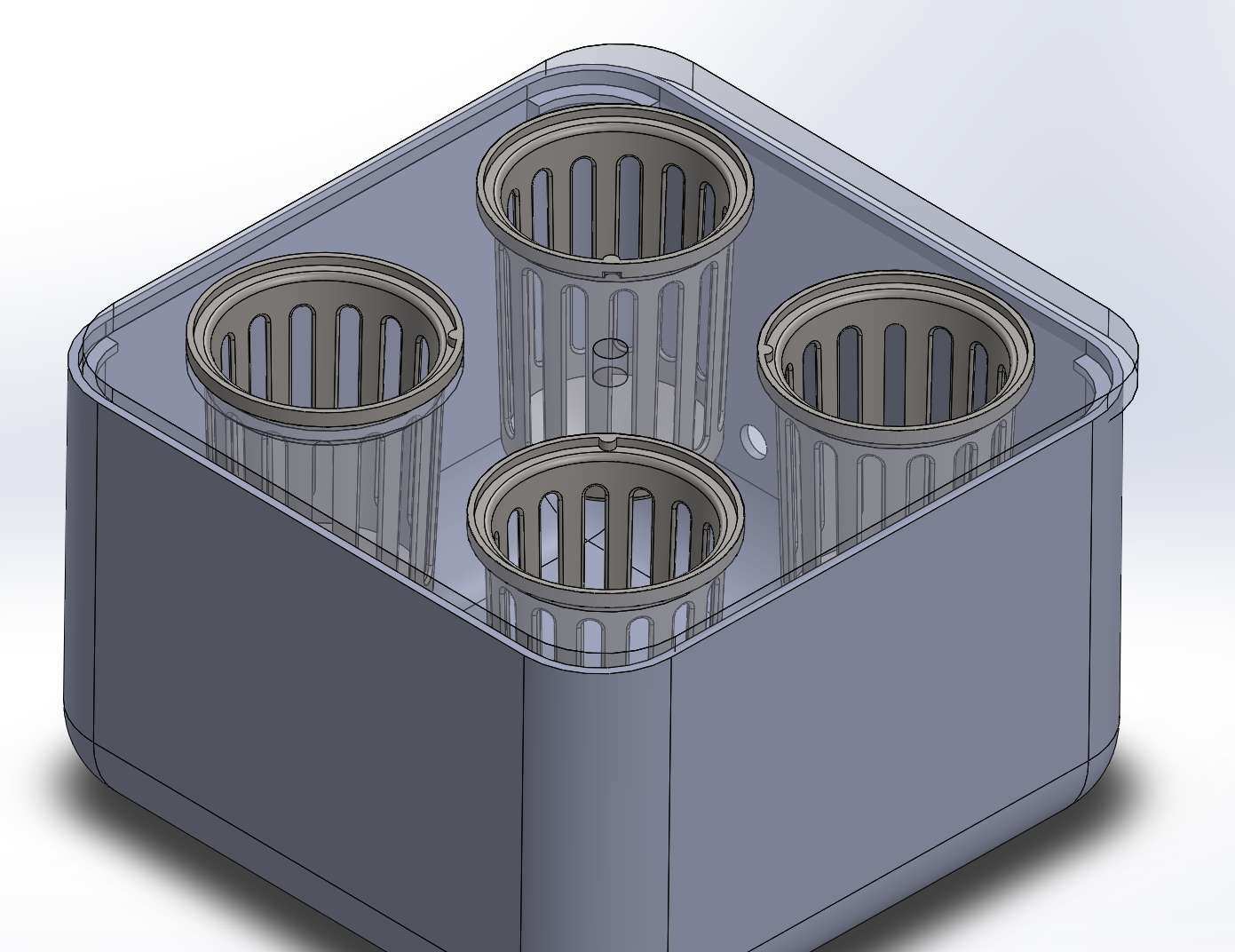
MarsGard is a modular smart garden that uses machine learning and artificial intelligence to both improve vegetable growth and yield at home, in a greenhouse, or even possibly on a different planet! Our product uses machine learning technologies to learn the best environmental conditions such as watering patterns, dirt dryness, light intensity, and dark and shiny patterns, and other sorts of climatic effects. MarsGard collects real data from each plant bed and the environment in your home, and data from the cloud to best improve the growth of your vegetables at home. MarsGard can be used in three different watering ways: hydroponics (no dirt), dripping, or water sipping which uses porous surfaces to keep the surface moist. Also, you can get three different central stations: manual tank filling, automatic tank filling (best for greenhouses), and humidity absorber (uses the water captured in your environment to water the plants). MarsGard comes with an app and a hardware device. With the app, you can connect to the hardware device using IoT. After connection, the app instantly starts mapping and figuring out the plant’s nearby area’s condition. It exchanges data with the cloud, scans the climatic conditions (a dataset), and browses all the parameters through an ML model. After that, it figures out the necessities to increase your plant growth and yield (like water amount, etc) Now the hardware part, where MarsGard takes it to the next level. Current smart gardens have fewer functionalities. They actually have to be filled manually, and just the very expensive ones have a way to turn the lights on and off in a schedule. MarsGard automates this process, it takes a modular approach, the hardware is capable of refilling itself through a hose hooked to a faucet (for greenhouses), manually in a small setup in a house. These directions come from the app which is calculated by the ML model. A more advanced one can work as a dehumidifier and uses the water captured from the air to water the plants. All this is to improve plant growth and production to the maximum while consuming the least water and the least power possible, that is why I called it MarsGard. It is the next generation of food production that could be executed even on Mars when we venture that way. This is a rudimentary concept right now and these are limited functionalities we could achieve due to the time limit. But there are a lot more possibilities and scope in the automation
How we built it
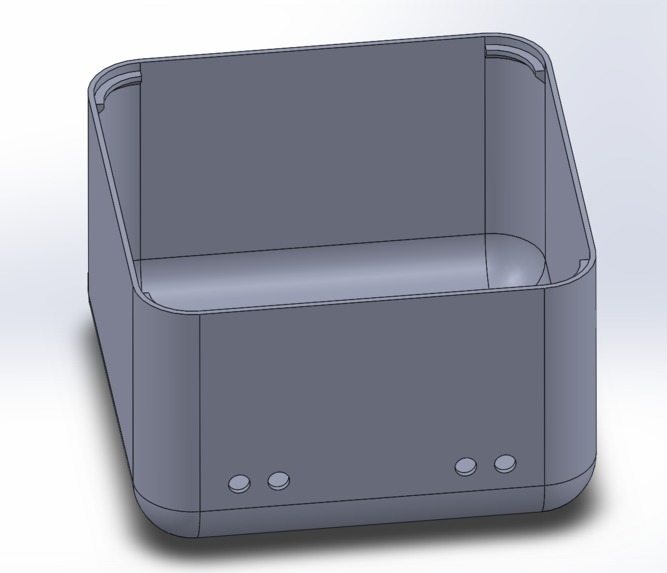
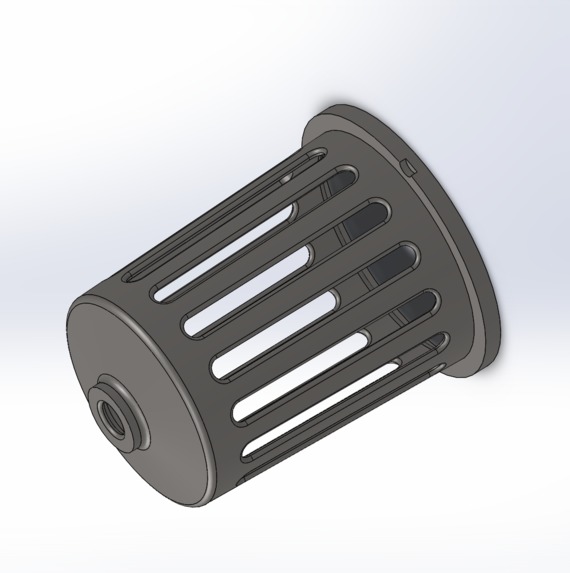
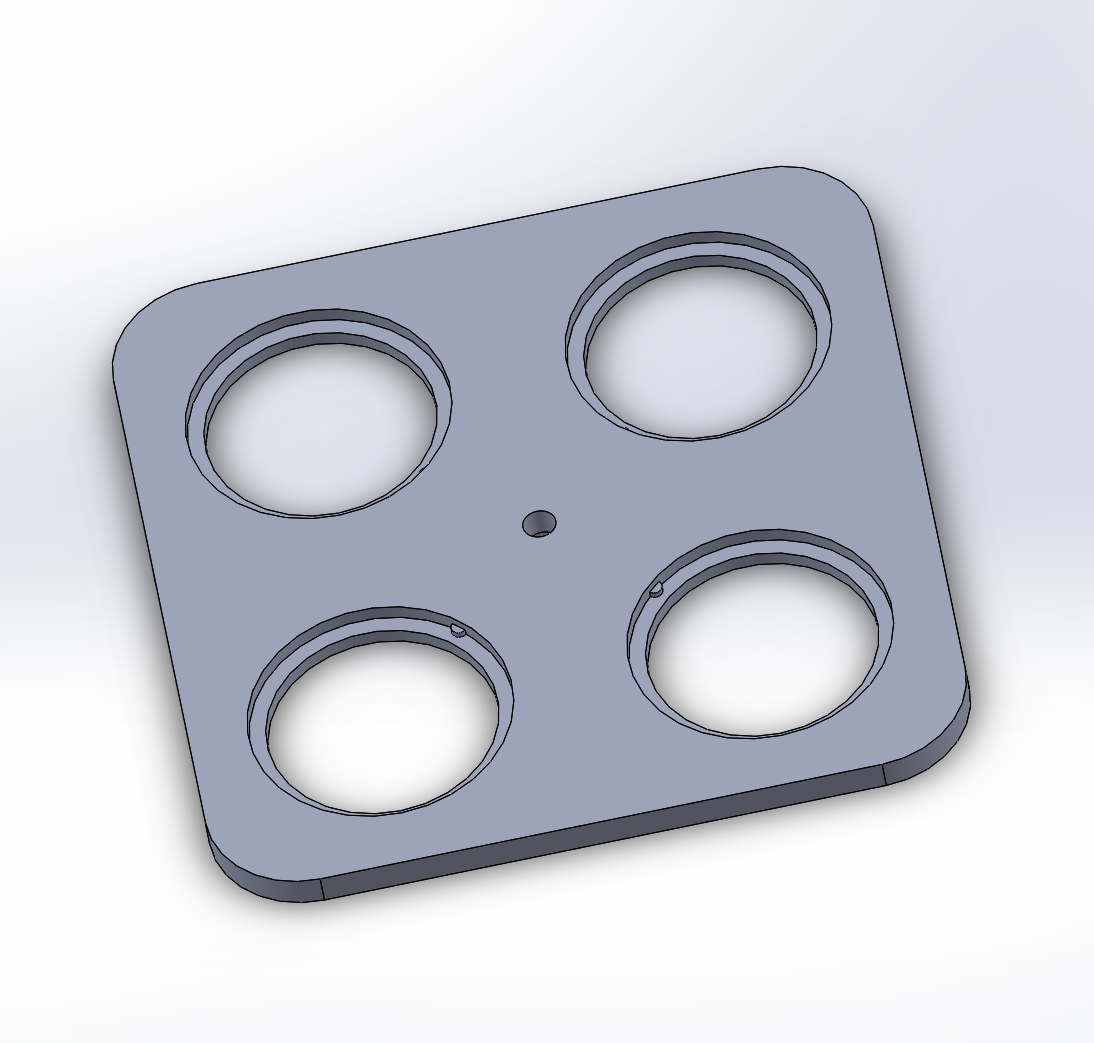
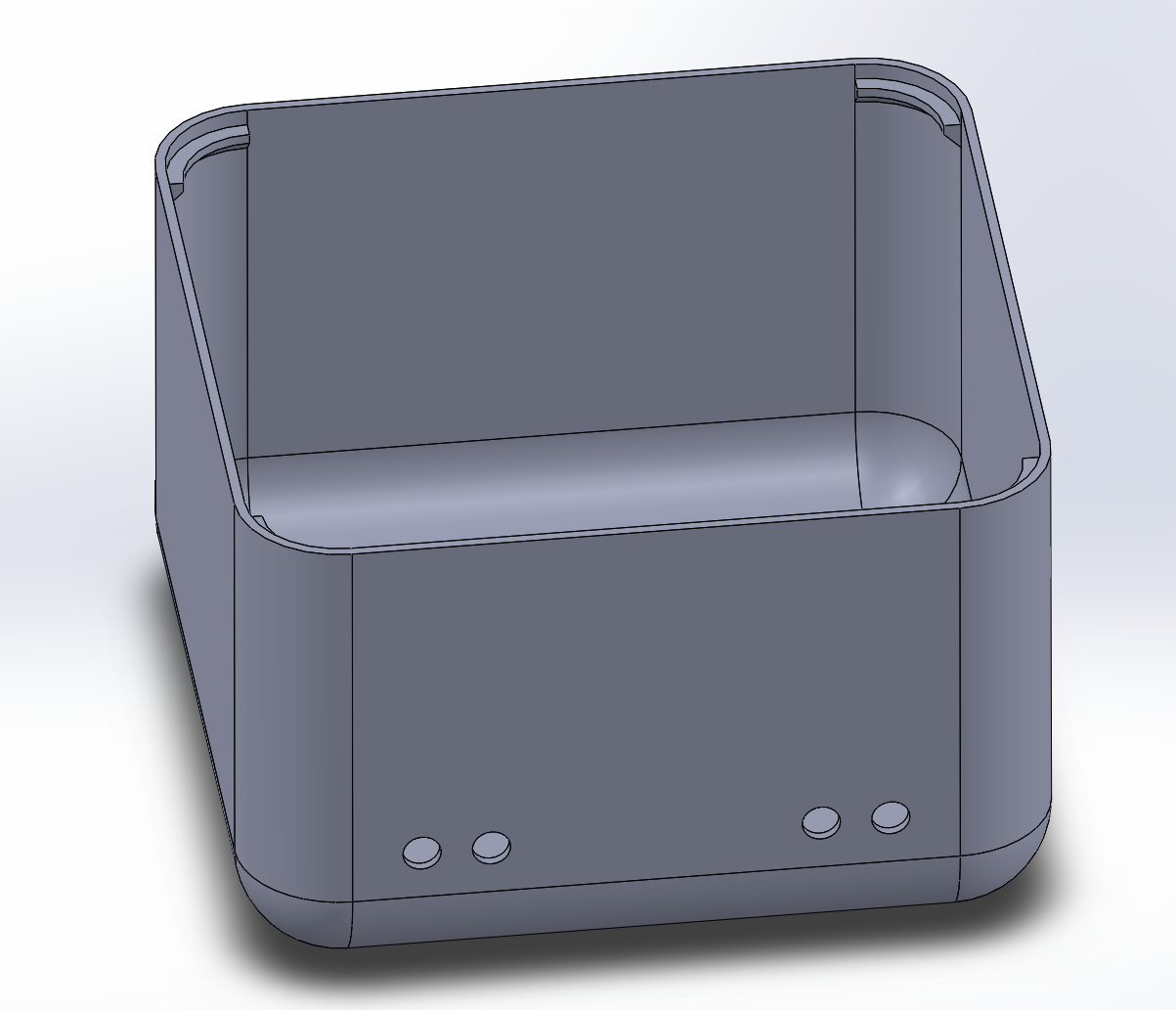
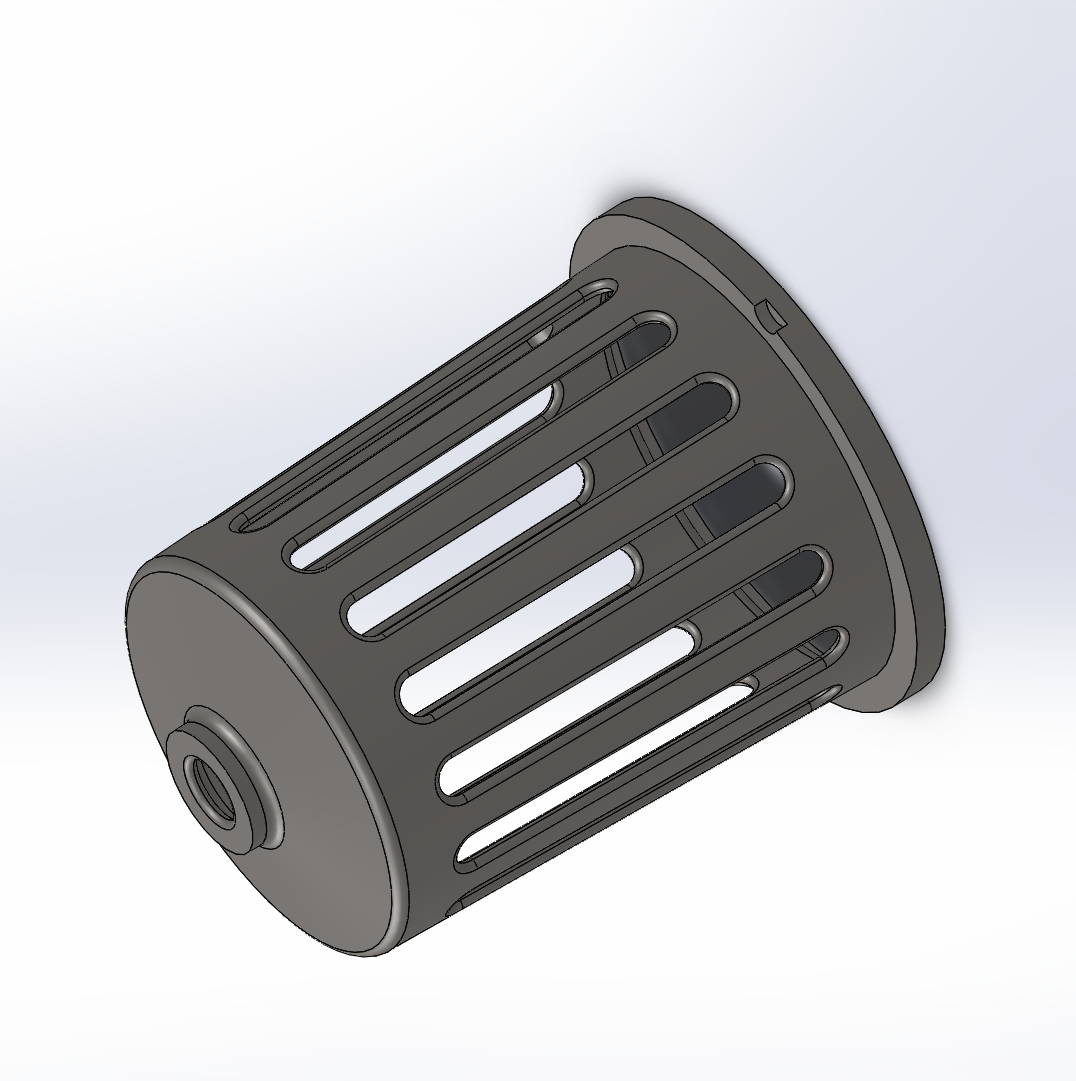
We use recyclable plastics to create a modular garden with sensors such as air humidity, soil moisture, local temperature.
Challenges we ran into
We need to improve soil moisture sensors to avoid corrosion since most sensors of this type suffer from very short life and inaccurate measurements.
Accomplishments that we're proud of
MarsGard is able to capture moisture from the air in your house (like a dehumidifier) and reuse that water to keep your plants moist, which can help reduce potable water consumption. Also, since MarsGard can be used as a modular system, which facilitates the use of multiple smart gardens in larger greenhouses that could provide food for many families and entire towns.
What's next for MarsGard
The next step is to use cloud computing so that multiple smart gardens can share information on the best watering and lighting patterns to improve both plant growth and production of vegetables.
Built With
- android-studio
- arduino
- sensors


Log in or sign up for Devpost to join the conversation.