-
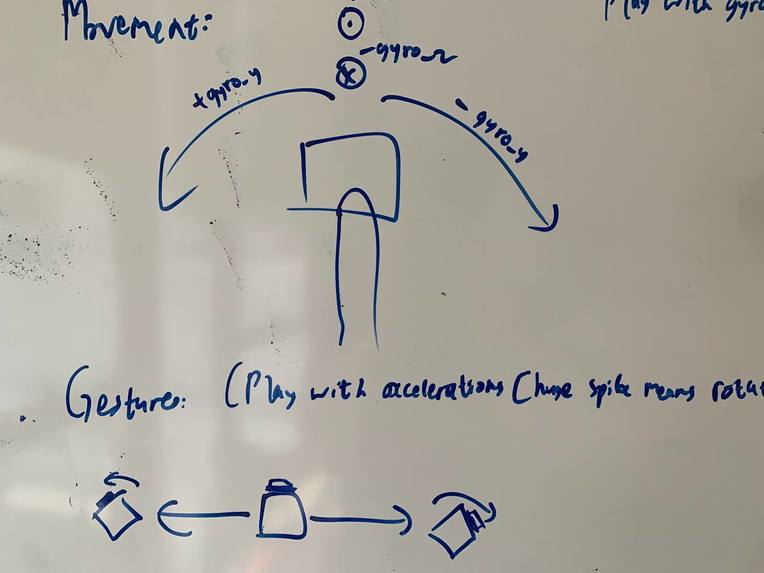
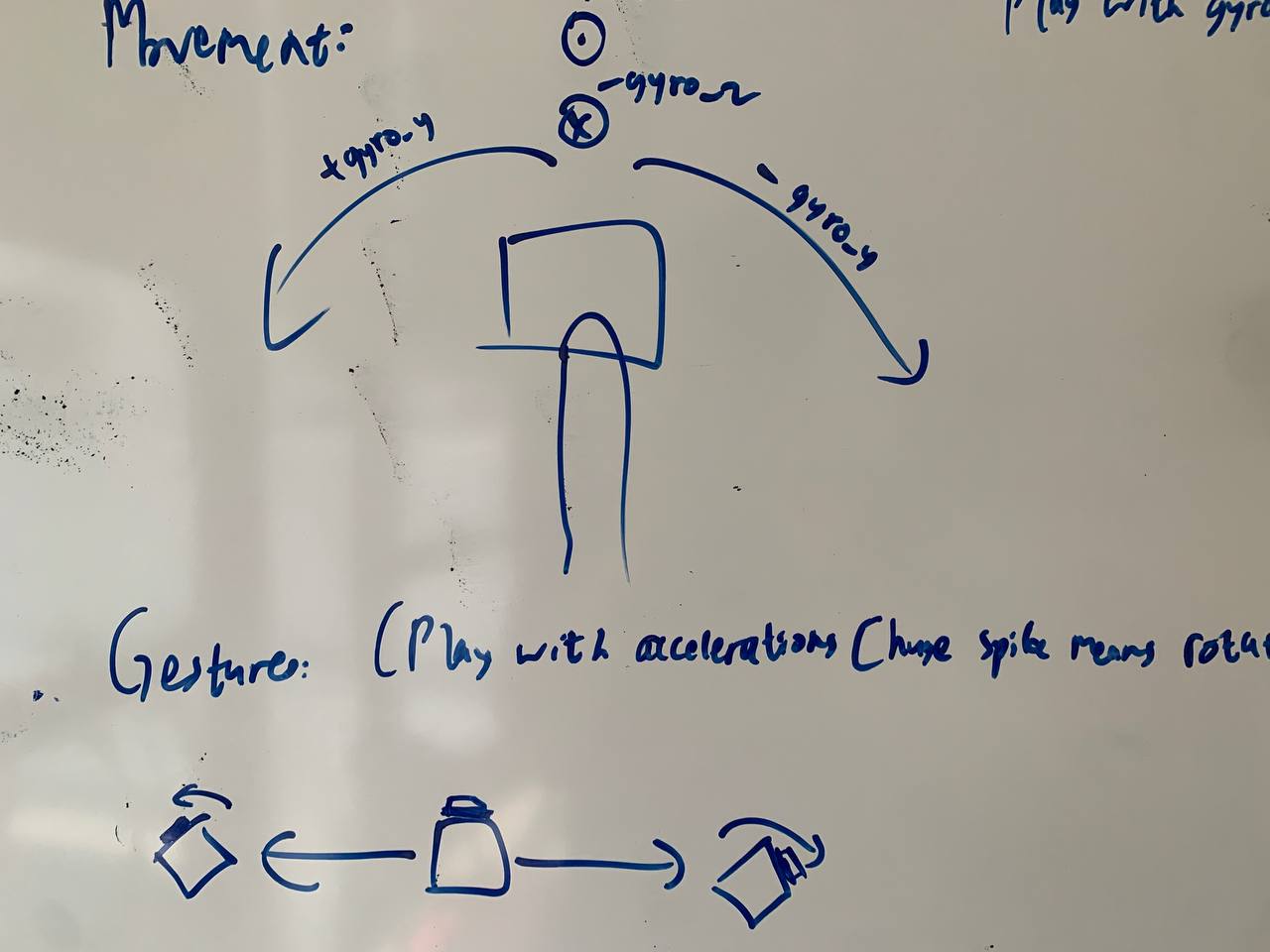
Our initial ideation
-
-
Inspiration
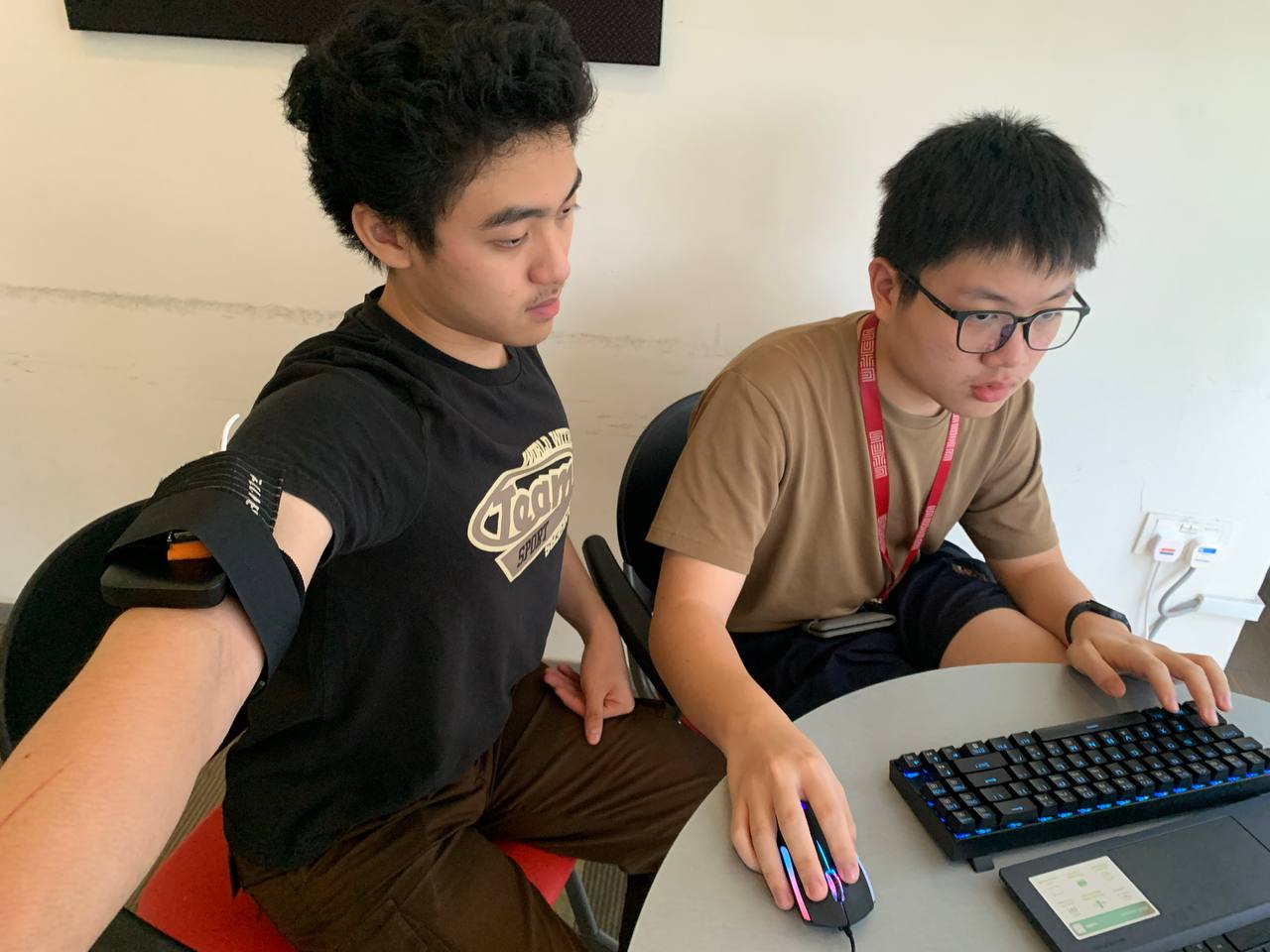
During the hackathon, two of our team members had pain in their arms and struggled to use their computers for long periods. This allowed us to sympathize with amputees who had to experience this day in and day out. Thus, we wanted to create a solution where even if you couldn't type or hold a mouse: You Can Still Code.
What it does
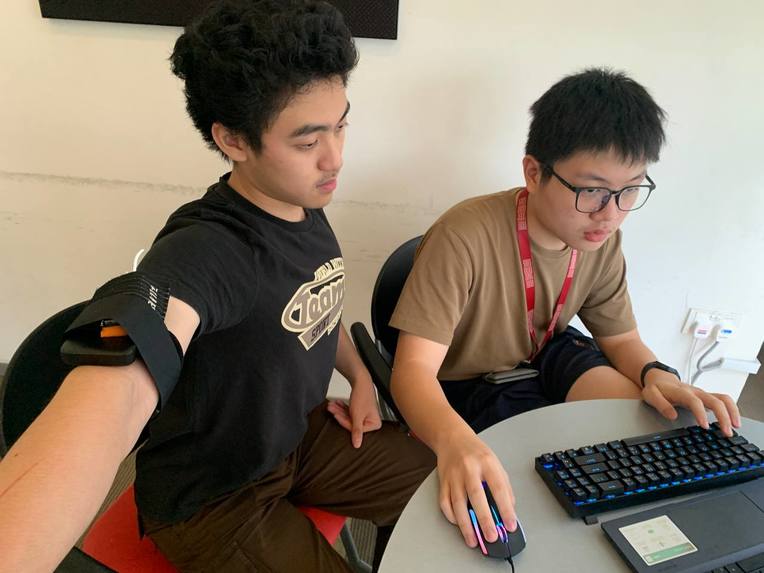
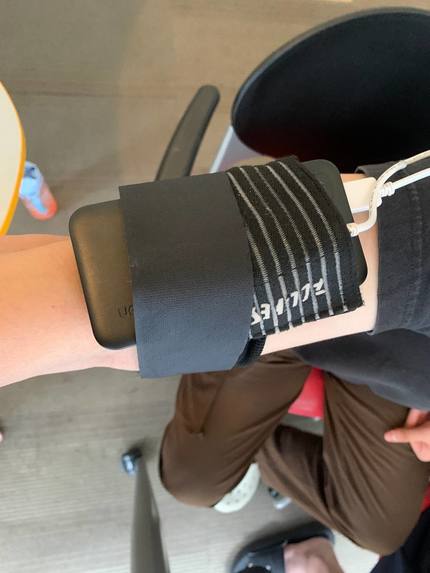
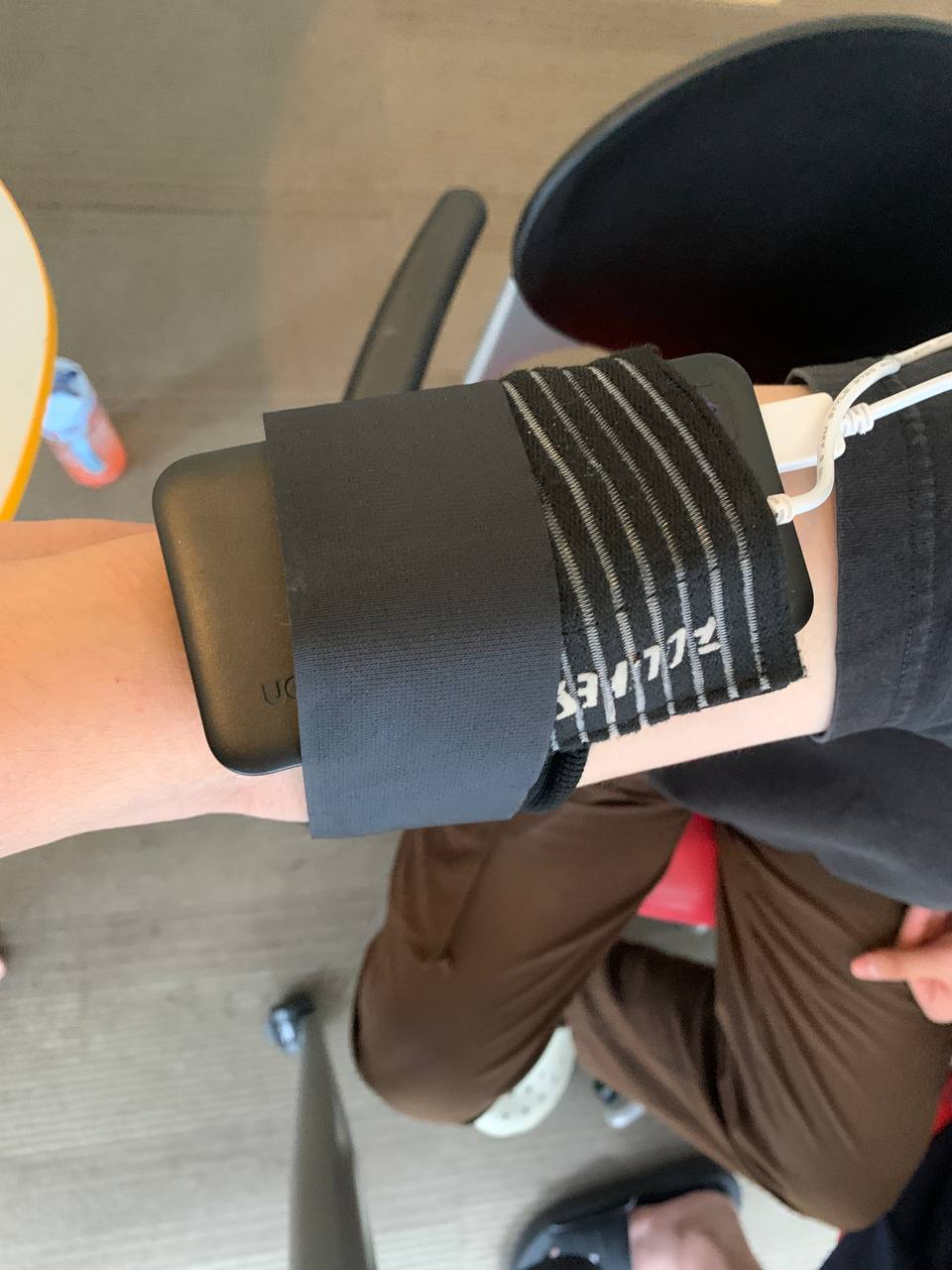
The sleeve collects and records the movement of the sleeve. With a little bit of IoT, we transferred the data onto an online database and into the user's laptop for further calculations. These calculations allowed us to see what direction and speed the user would like to move the cursor.
How we built it
The accelerometer on the sleeve records gyroscopic and acceleration data that then gets transferred to a Firebase database through ESP32's inbuilt Wi-Fi module. We then utilised that data through physics and integration to ascertain the direction and speed of the movement. This is then transposed to pixels such that we can control the mouse cursor.
Why we stand out
This hardware mechanism can be easily repaired and recycled. On the other side, the software mechanism can be easily personalised for each person's use case.
Challenges we ran into
Changing our project idea at 2 am on Day 2. Multiple Sensors that were either failing or causing weird issues. Double integration error stacking.
Accomplishments that we're proud of
Actually finishing the project
What we learned
Arduino IDE ESP32 DevkitC Firebase
What's next for MARS
Wider service integration for personalised use.

Log in or sign up for Devpost to join the conversation.