-
-
Brand - Logo - Slogan (Copyright)
-
Lateral Space Base
-
Final Space Base
-
Game Missions
-
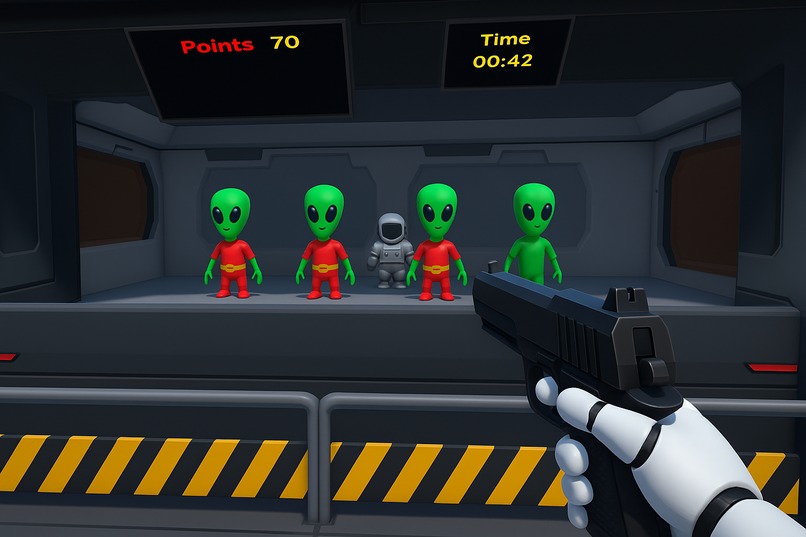
Shooting Minigame
-
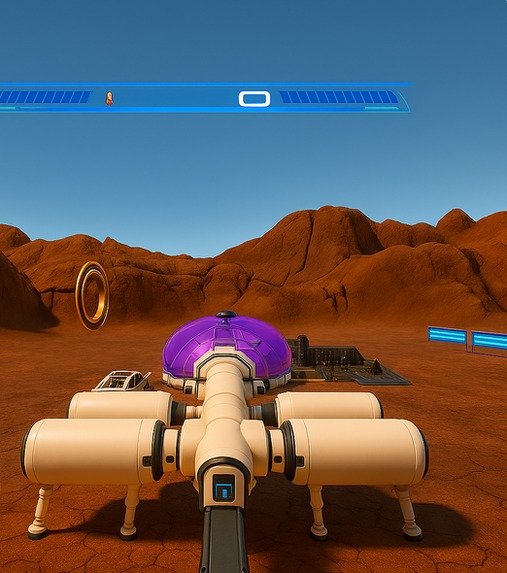
Drone Minigame
-
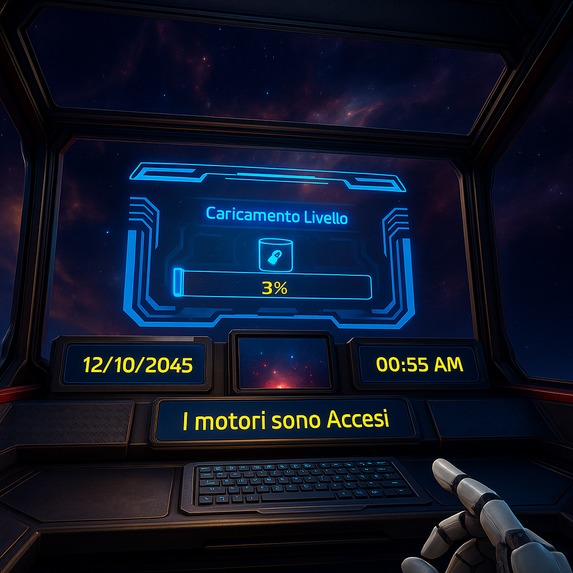
Main Menu
-
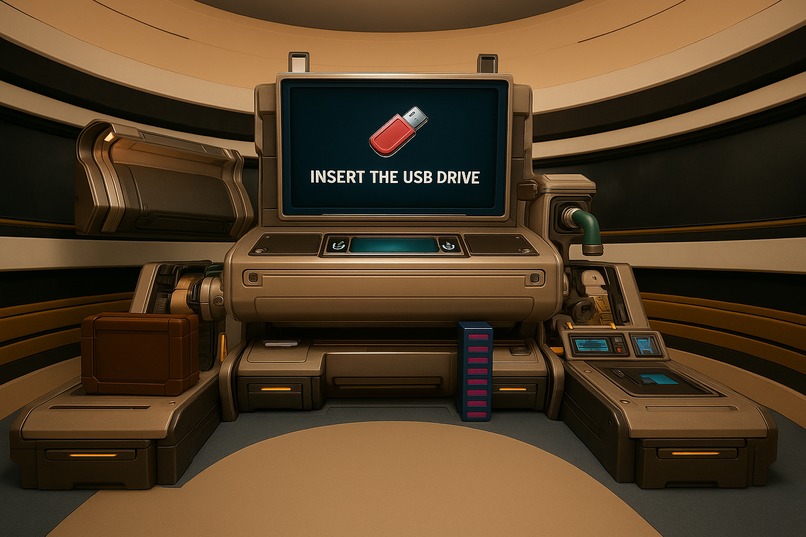
Greenhouse PC
-
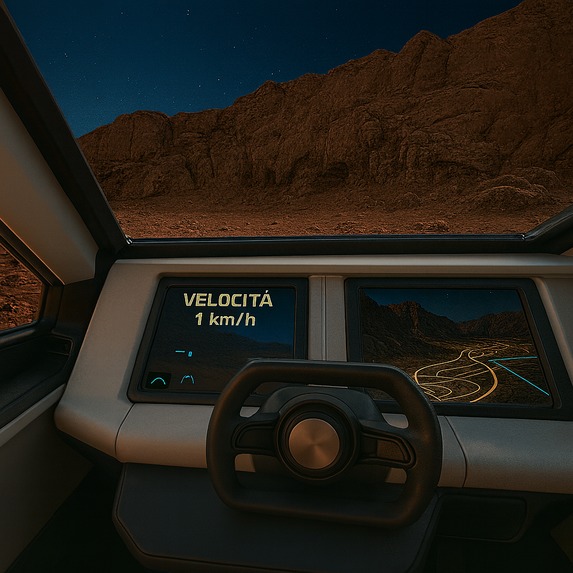
Drive the Rover
-
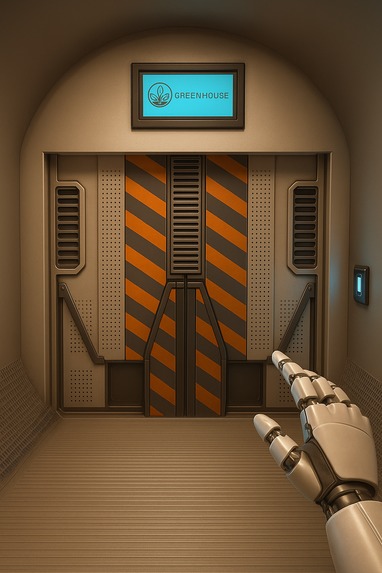
Greenhouse Door
-
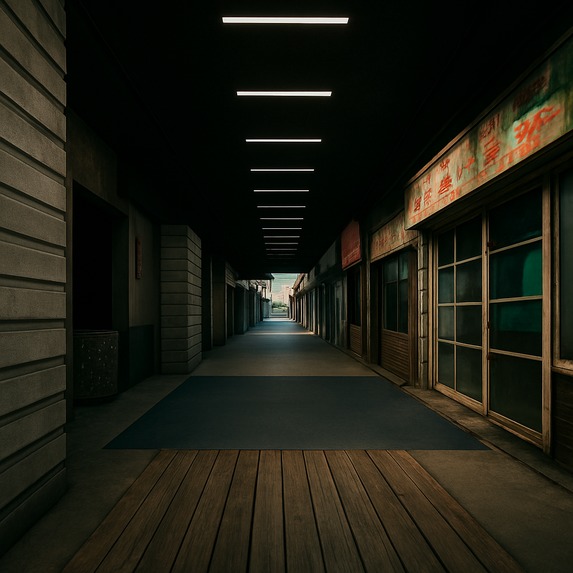
Parkour minigame
-
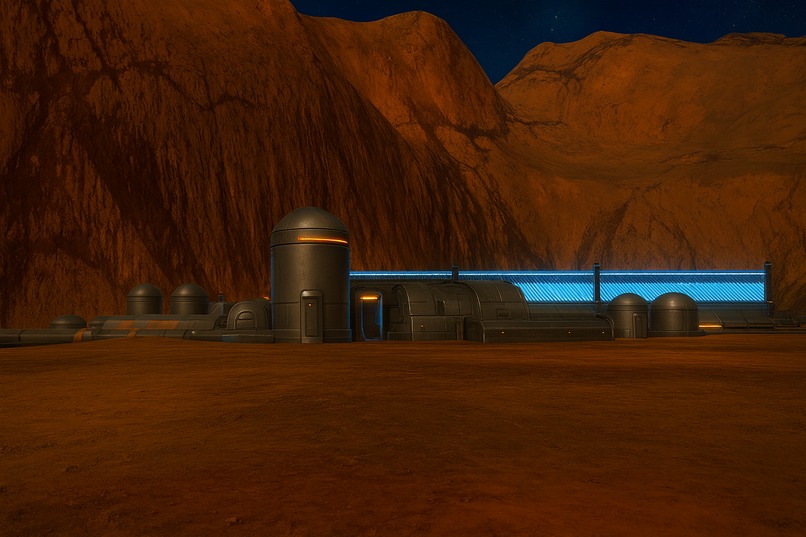
Space Station Drills
-
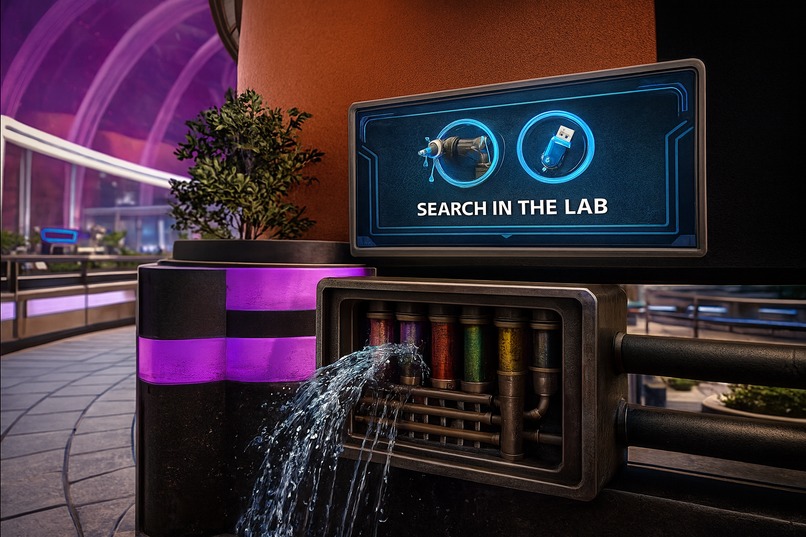
Game Missions
-
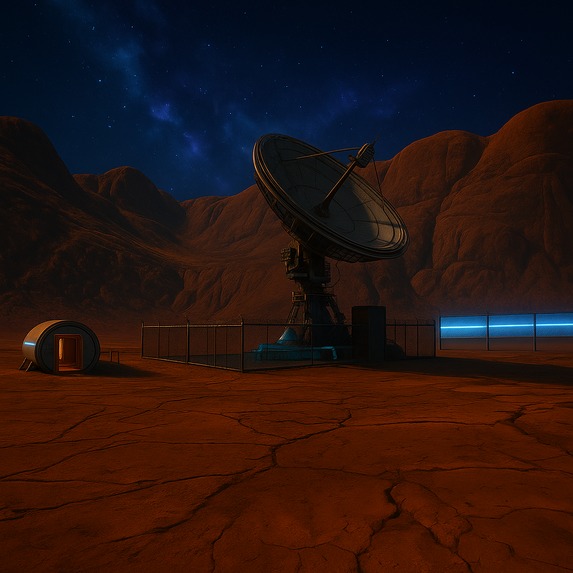
Satellite Station
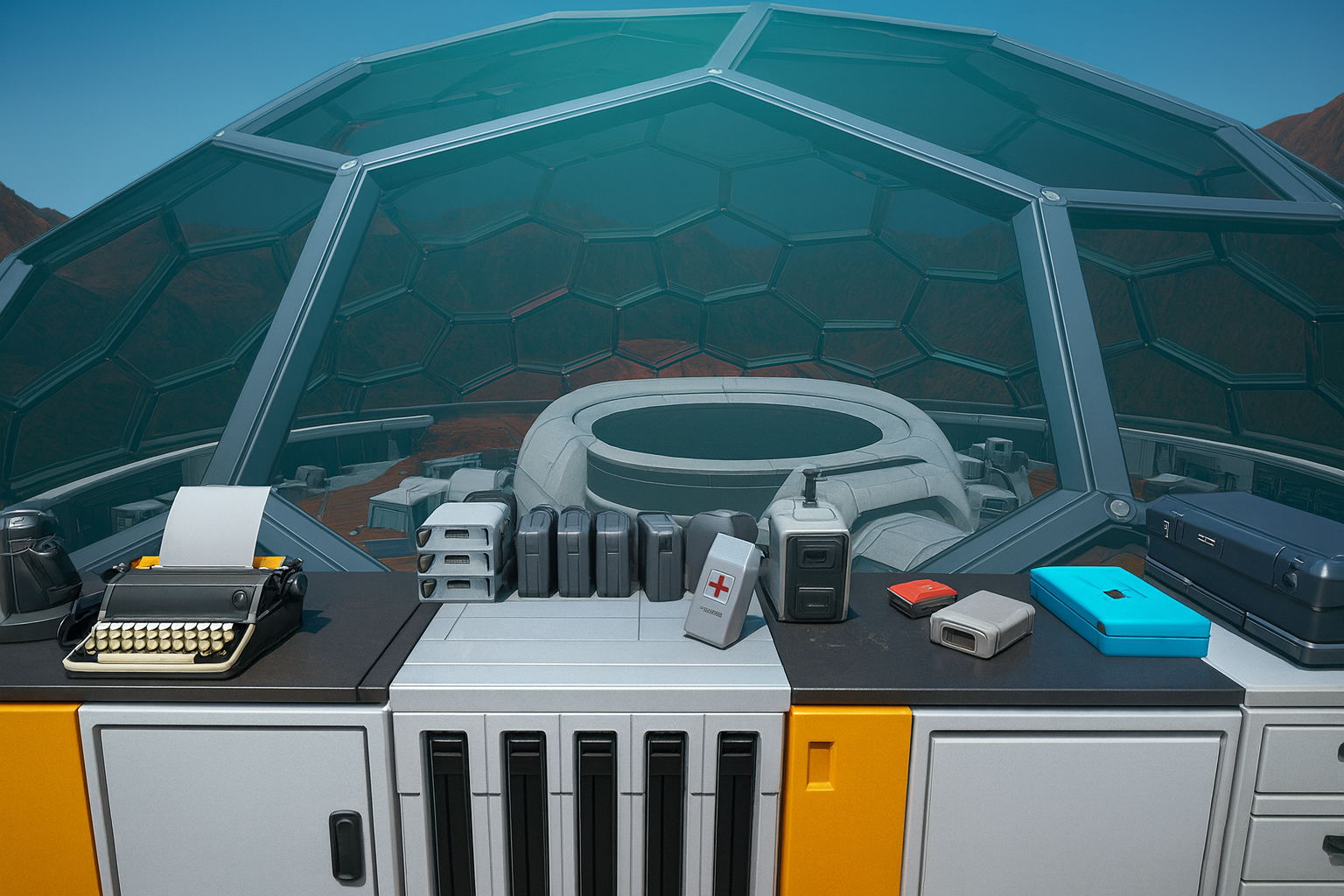
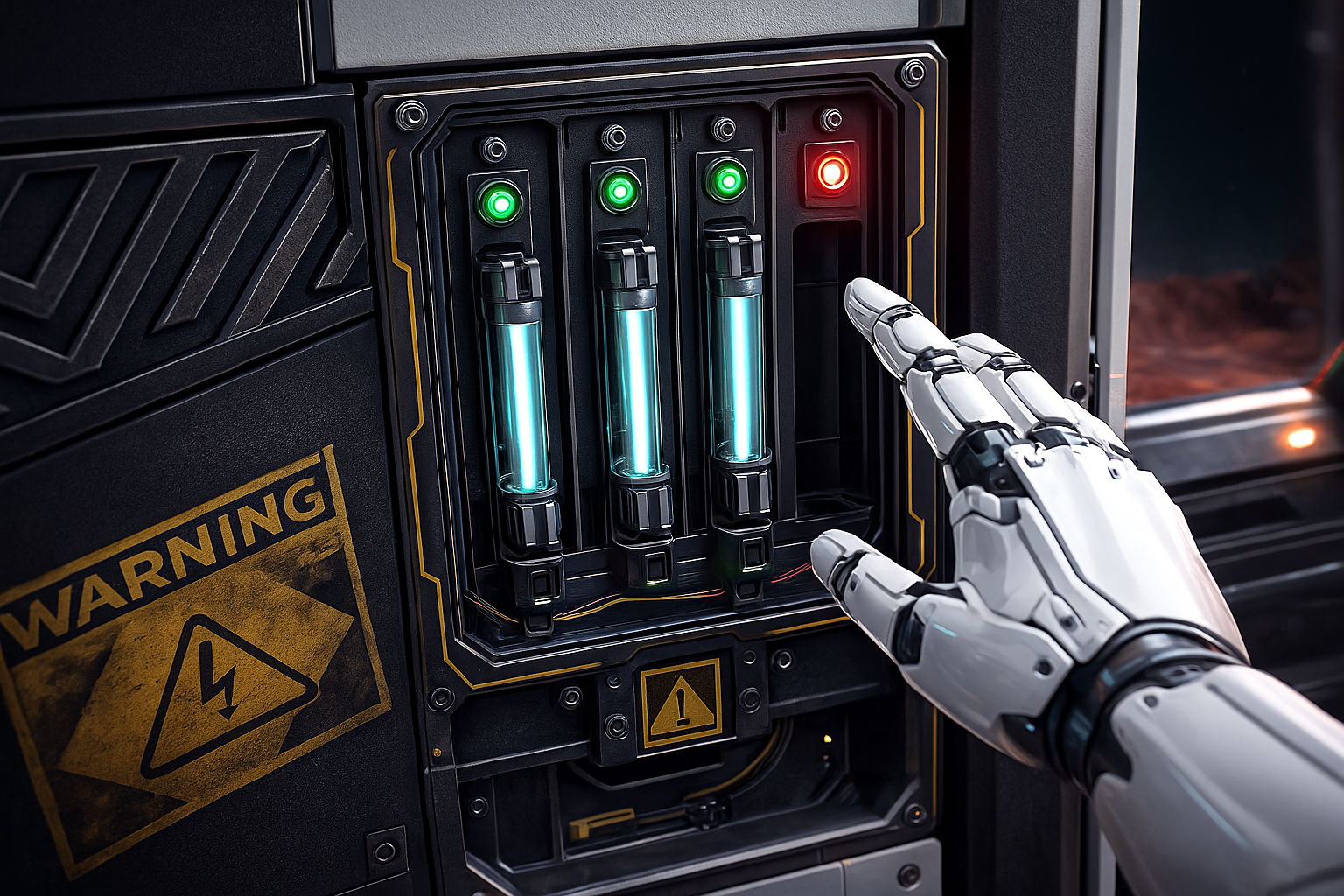
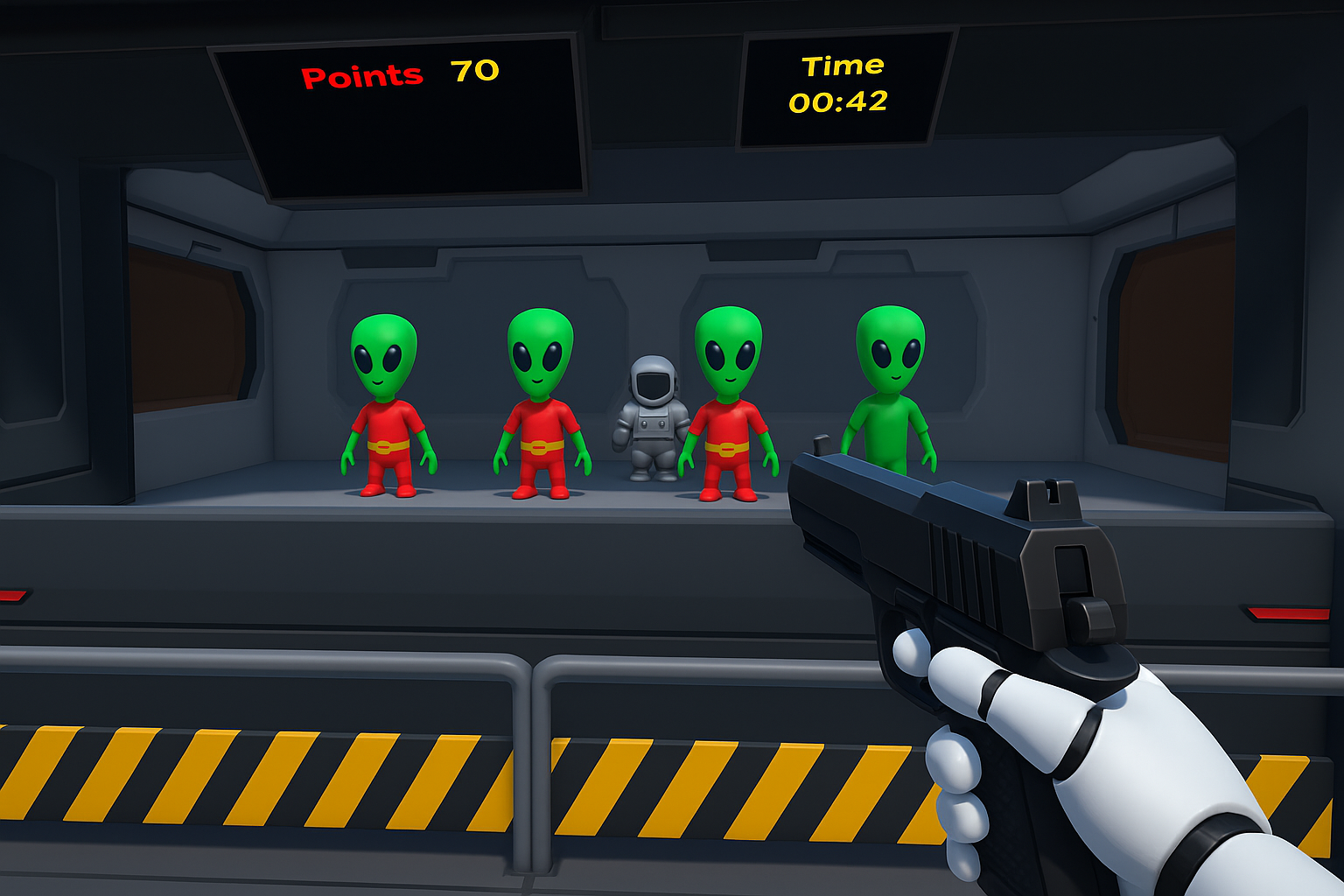
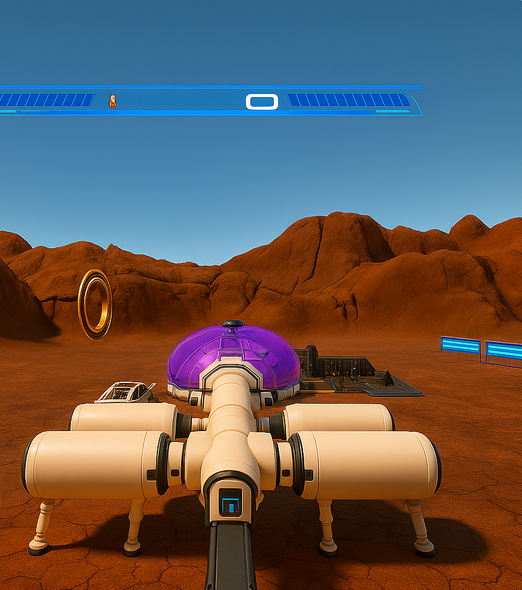
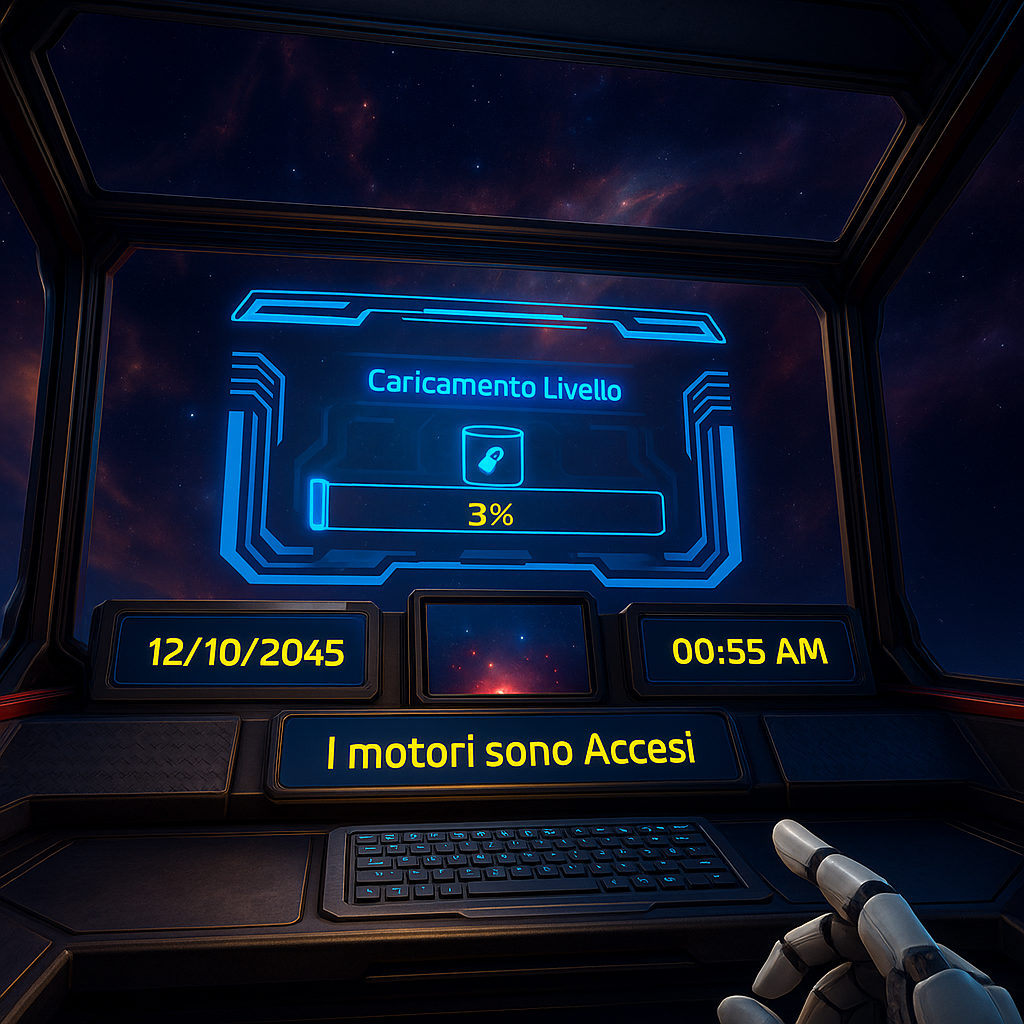
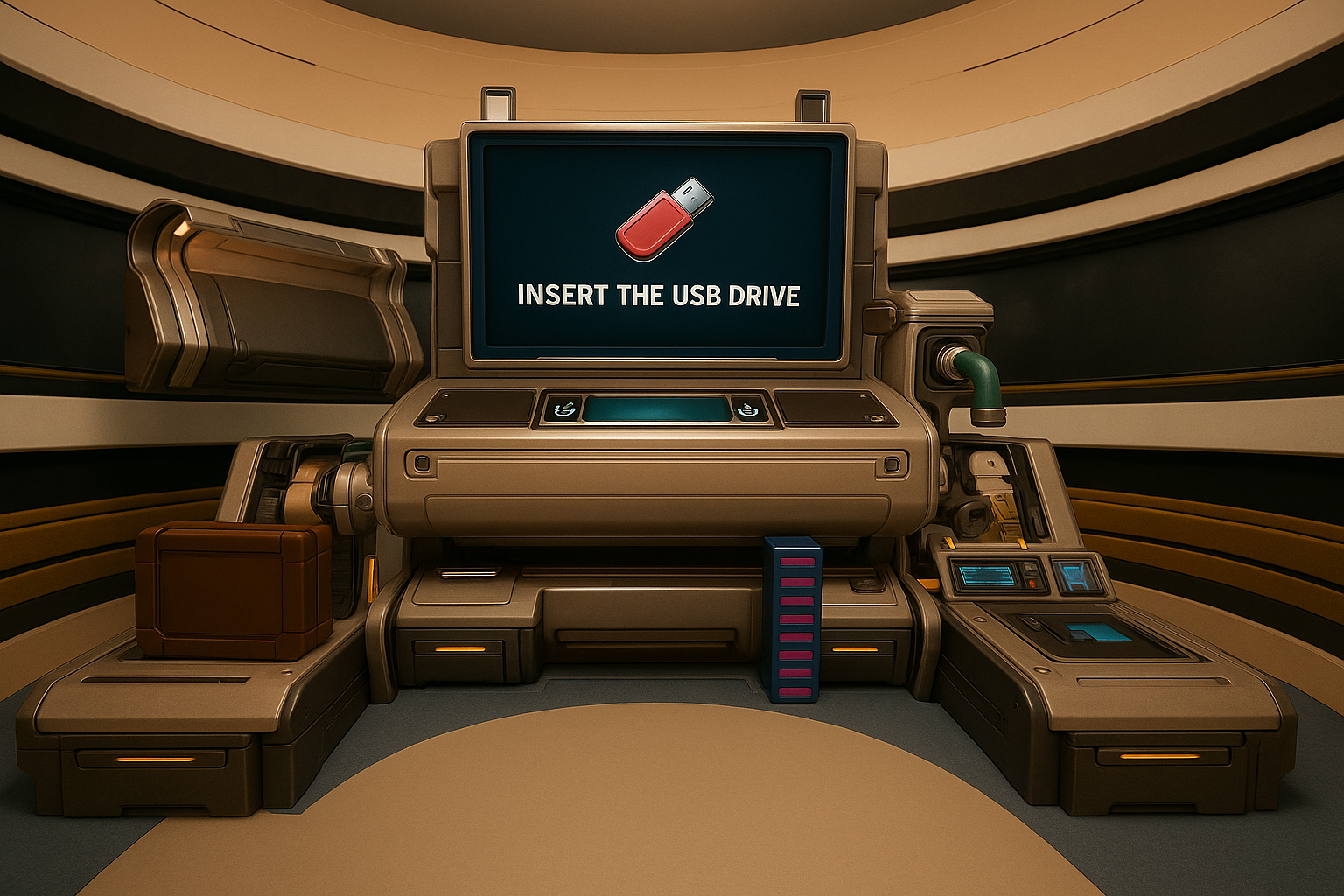
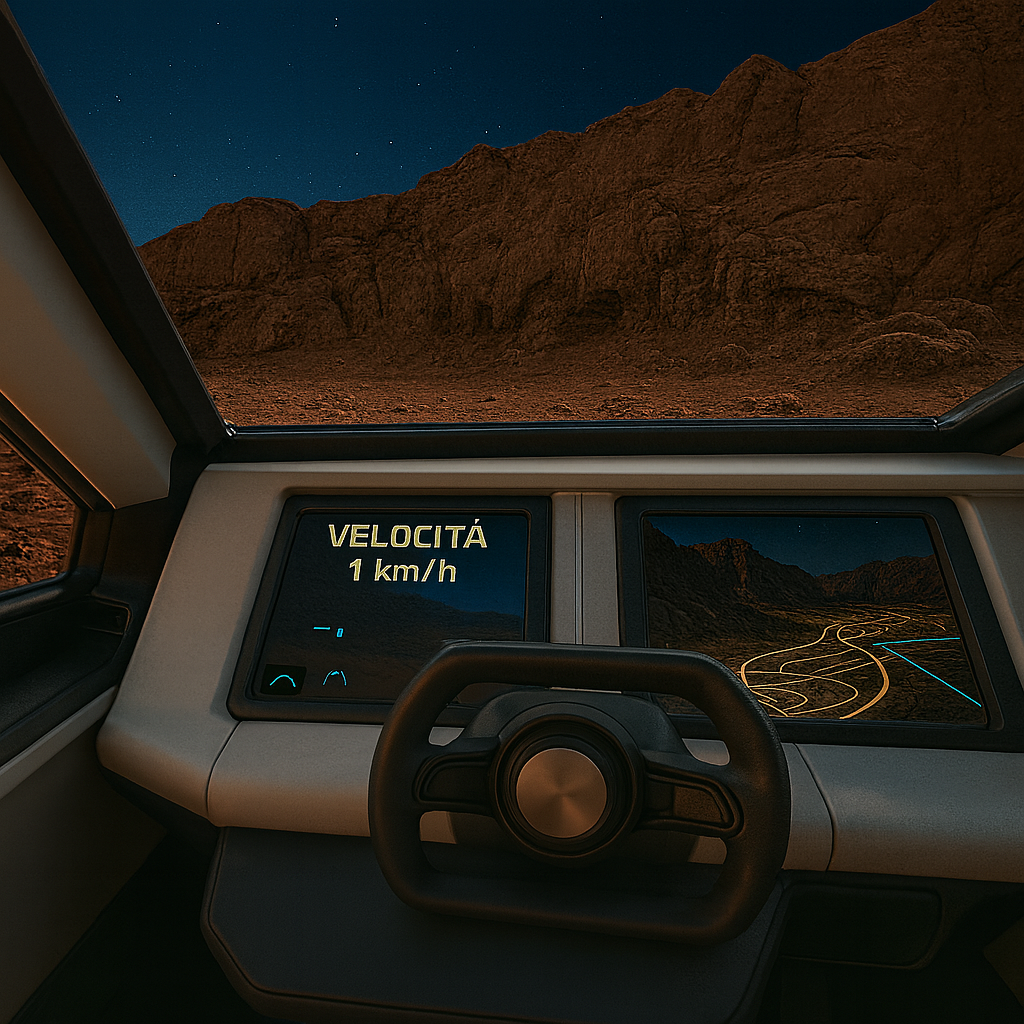
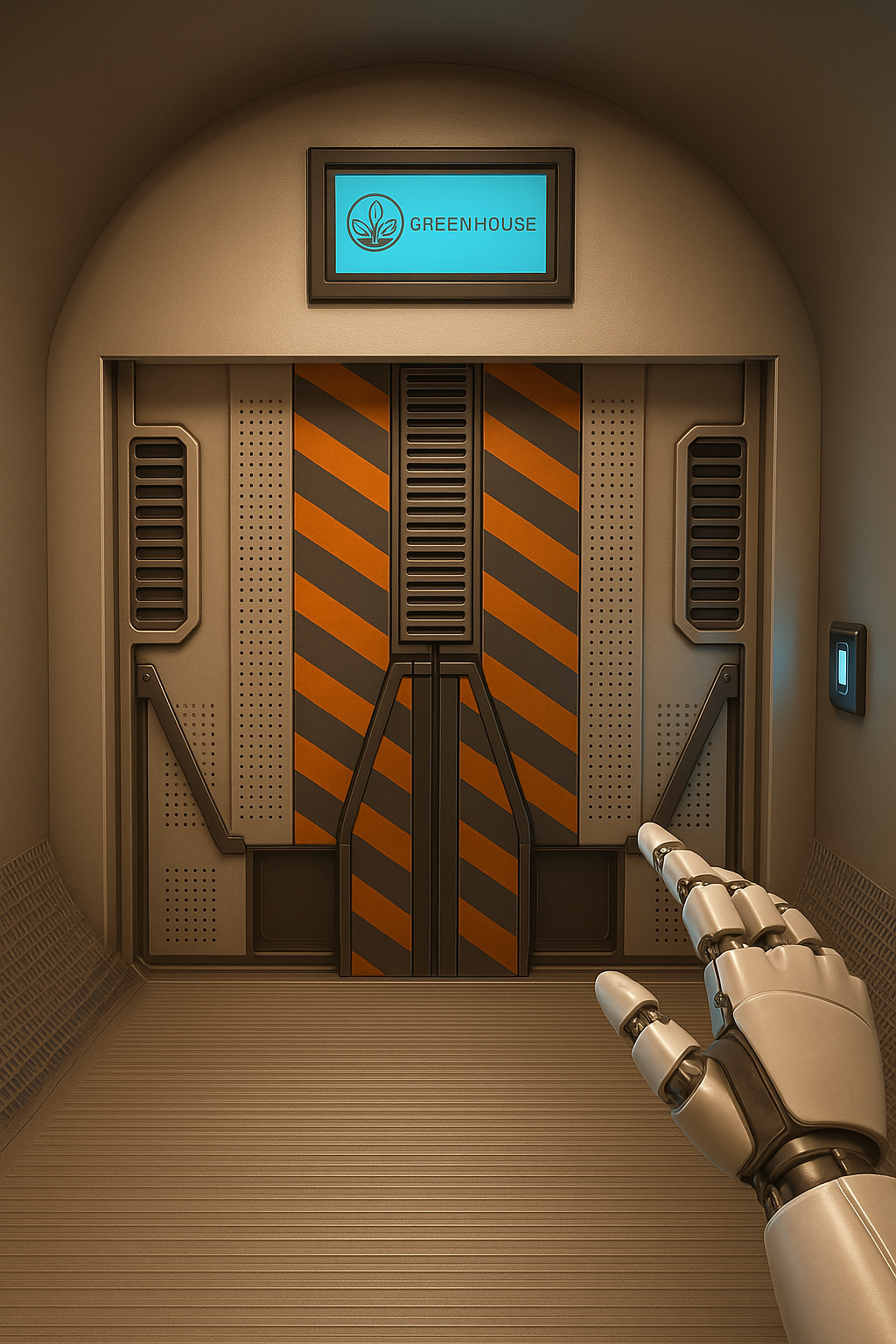
The concept behind Mars Greenhouse emerged in a spontaneous and almost accidental way. One evening, our group of friends — a mix of programmers and non-programmers — were sharing a pizza while watching a film set on Mars. At some point, someone asked a simple question that ended up shaping everything: “Why don’t we bring people to Mars, even if we can’t actually go there?” That moment sparked the idea that eventually grew into a full VR life-simulation project.
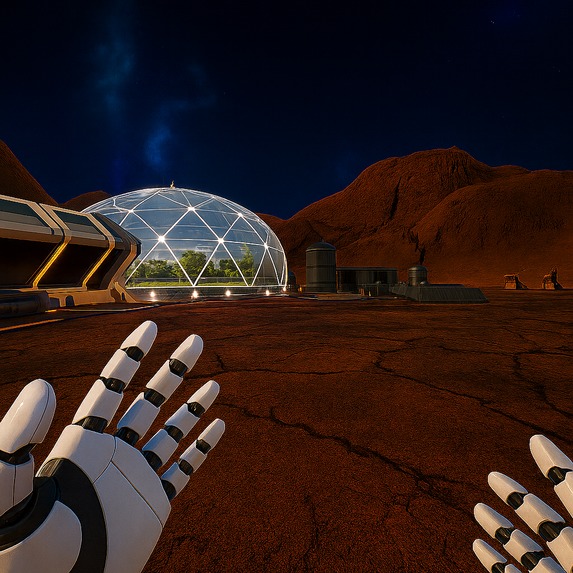
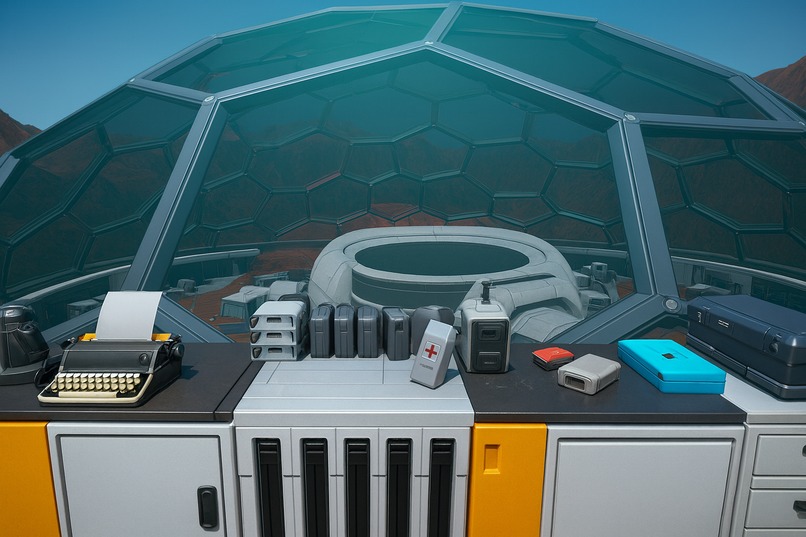
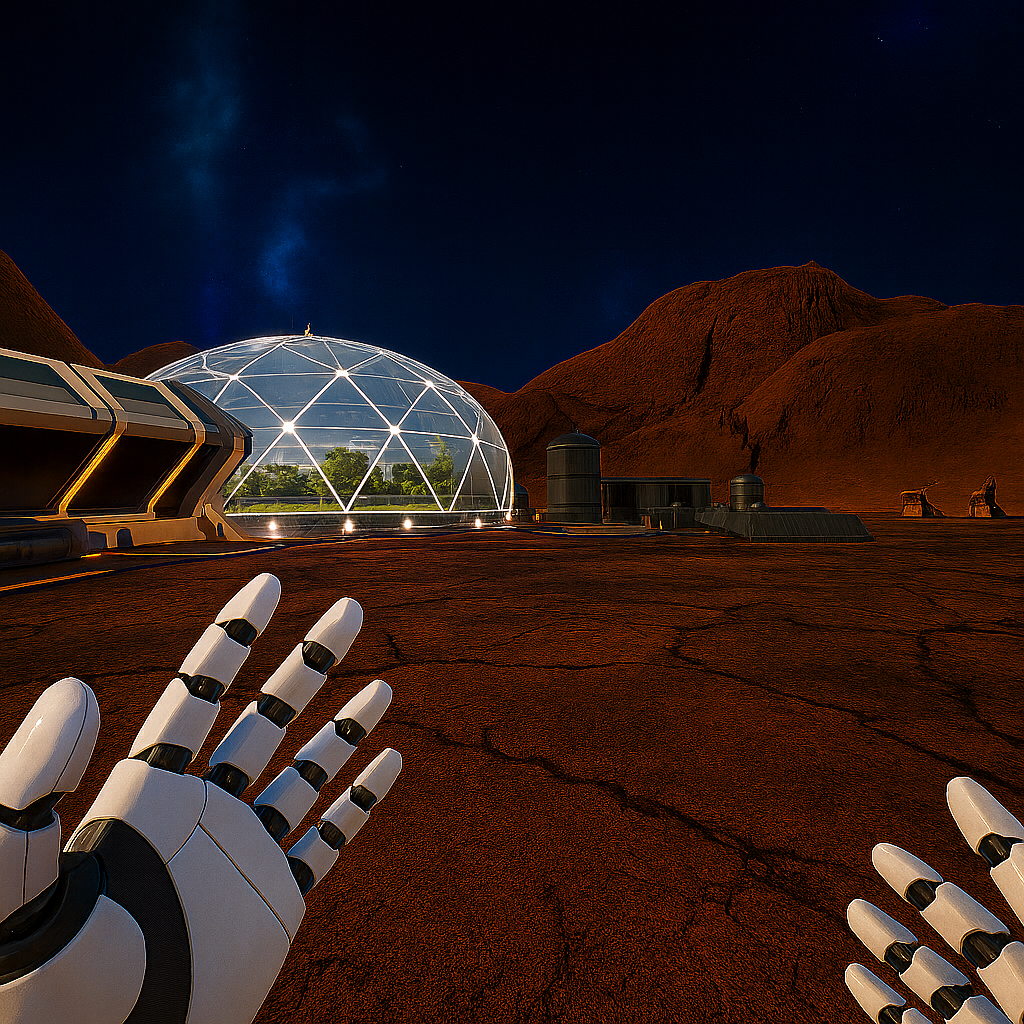
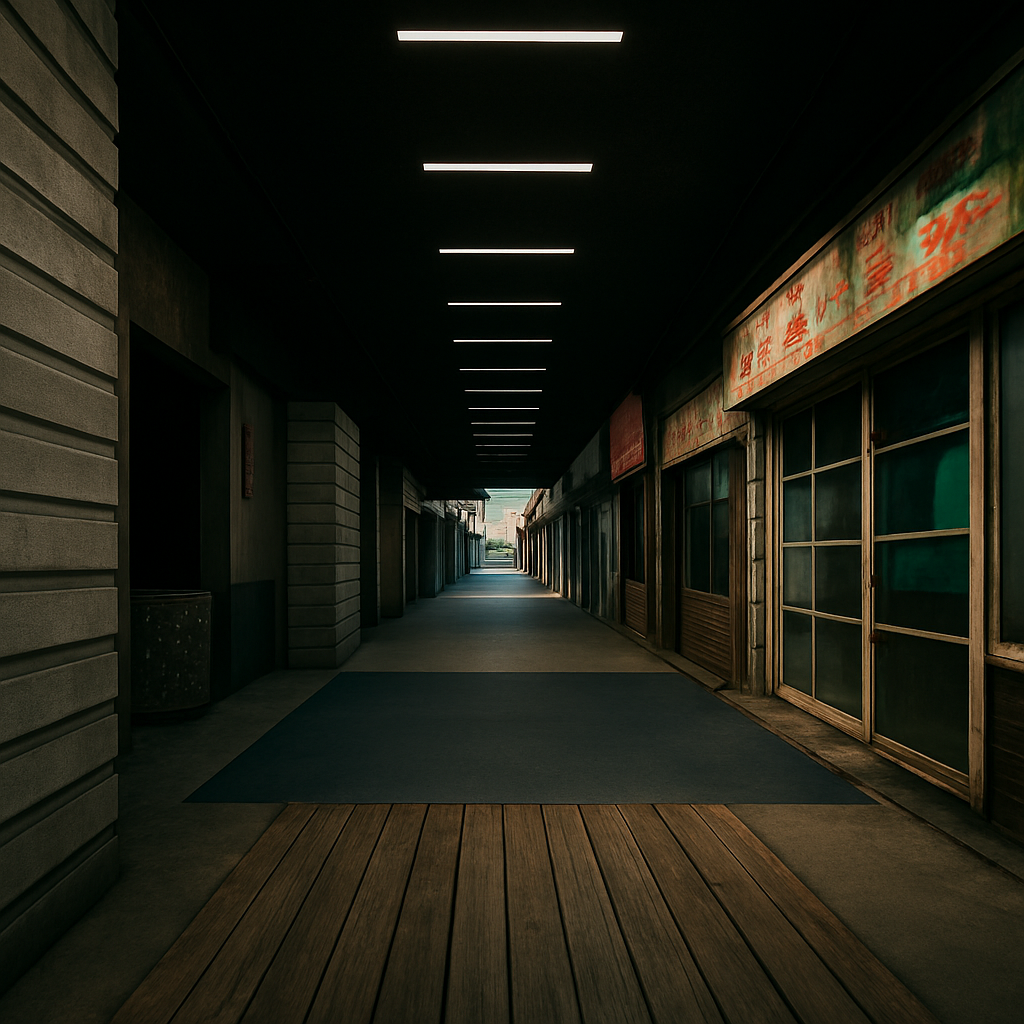
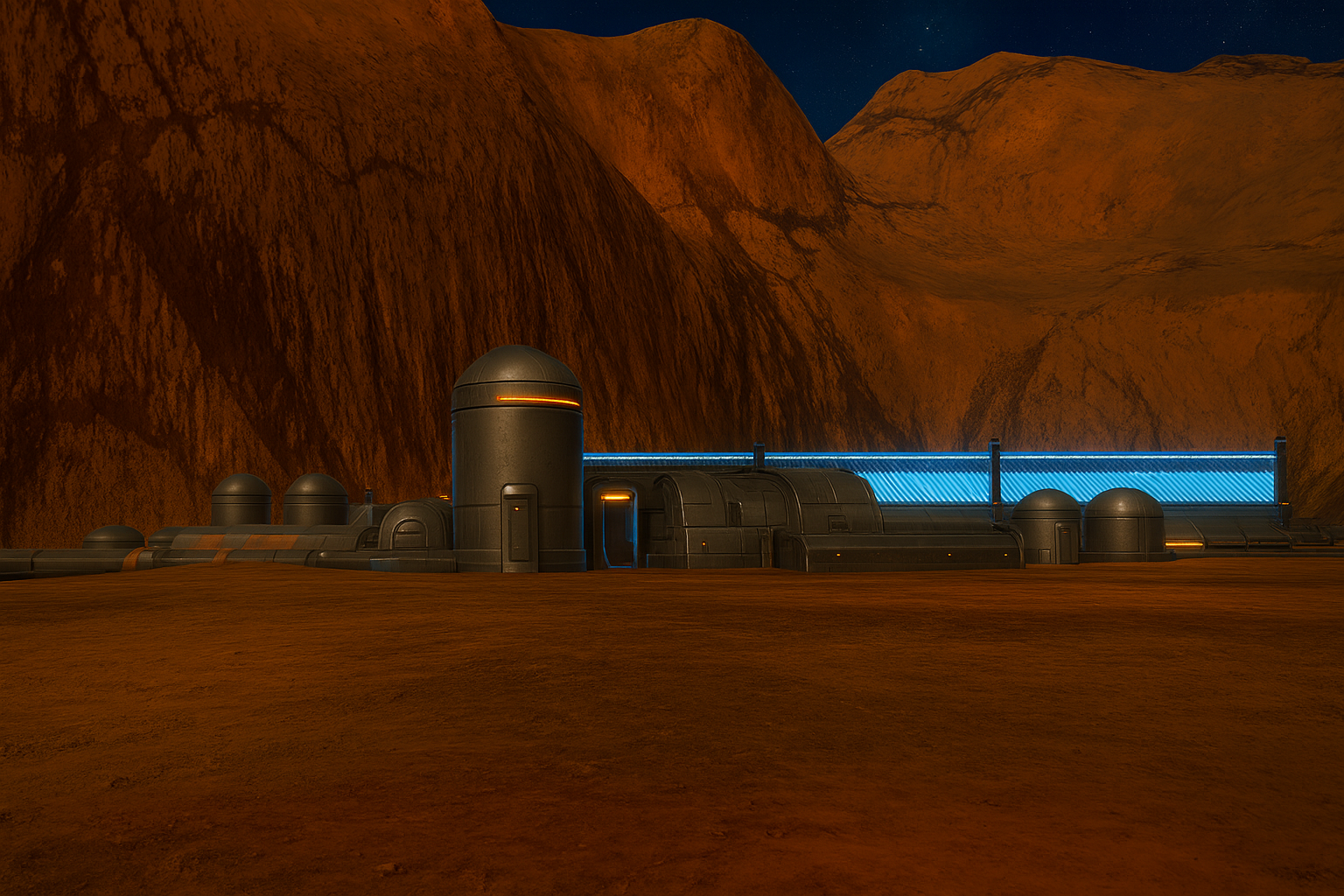
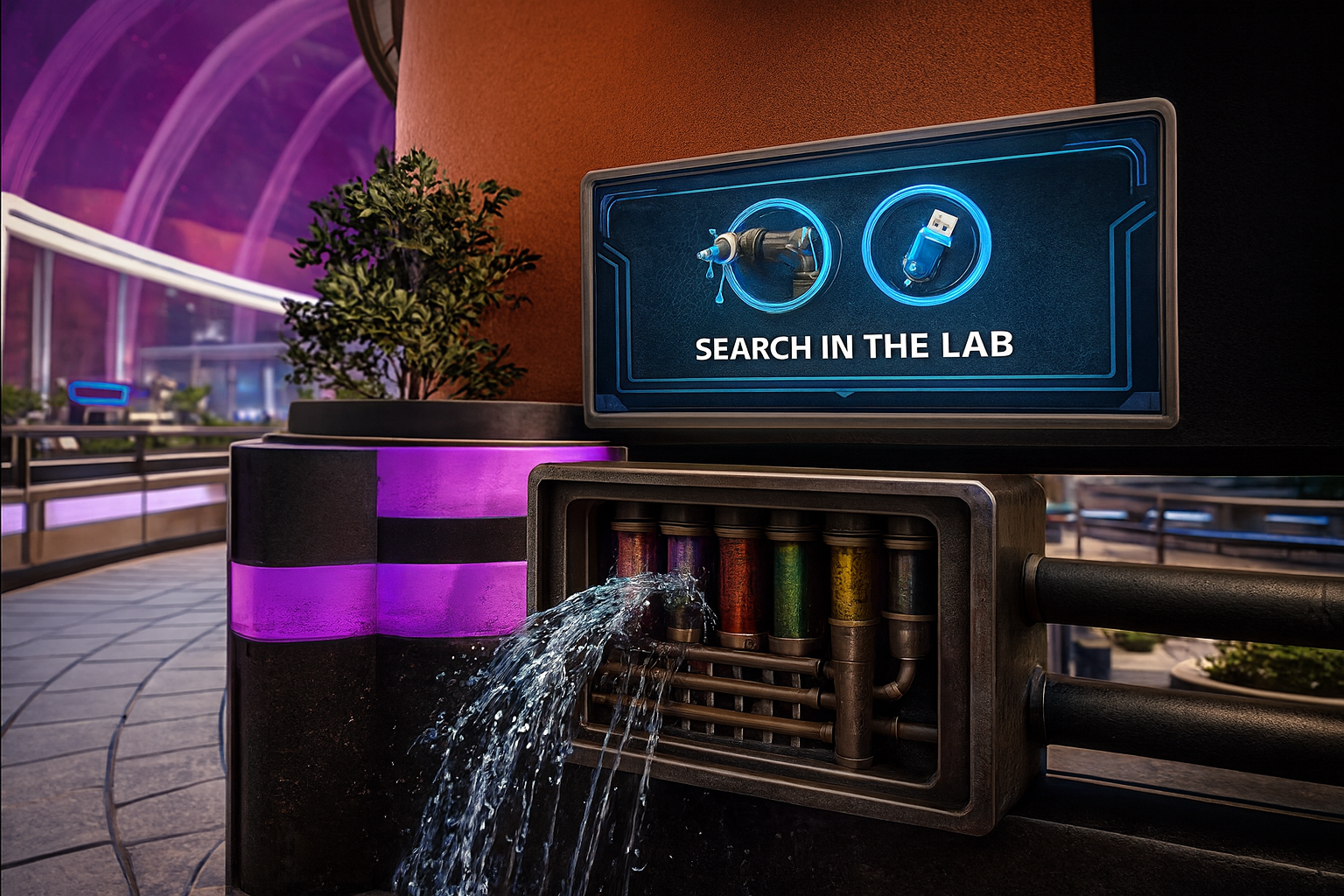
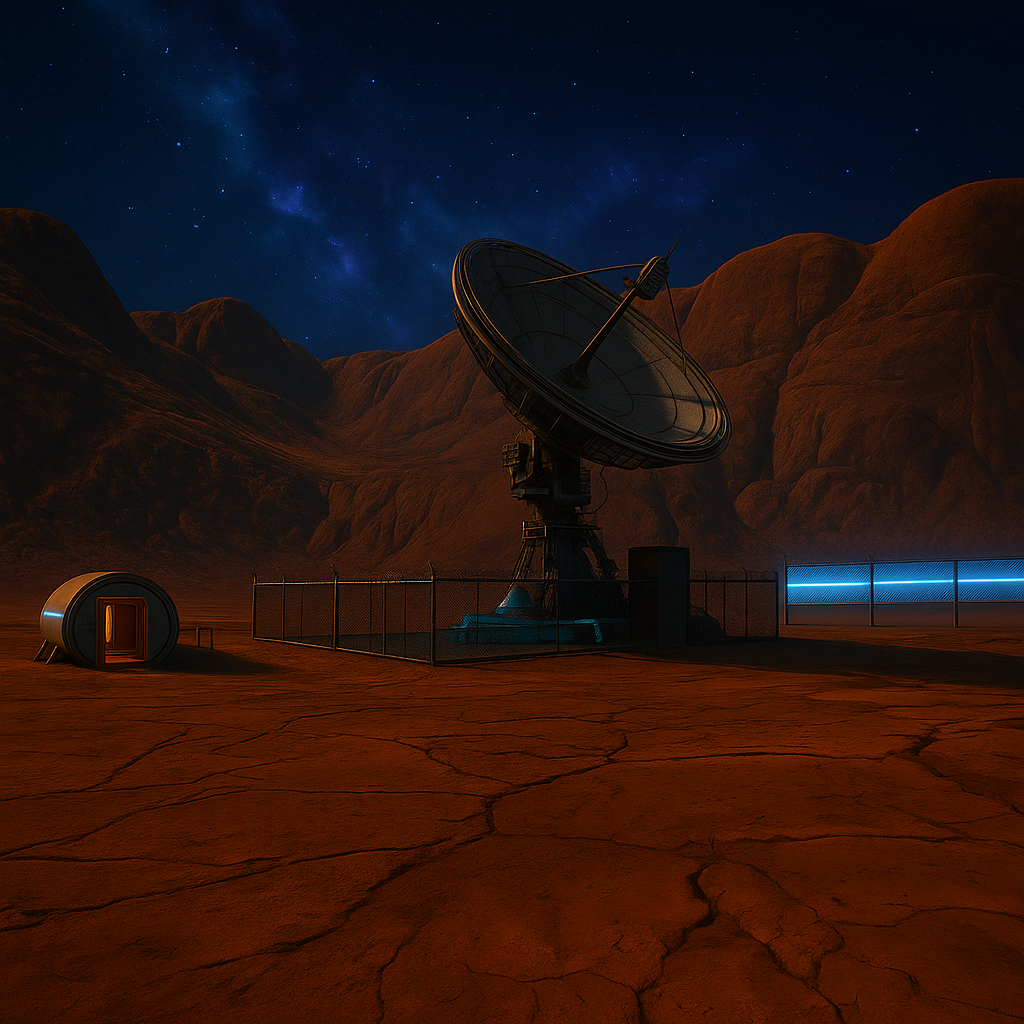
Mars Greenhouse is a survival simulator set inside Gale Crater on Mars. Designed entirely for VR, it places the player inside a realistically reconstructed space station. The base includes essential living areas such as a kitchen, bedroom, laboratory, and the greenhouse that represents the core of the experience. Each environment contributes to the player's survival, forming a small ecosystem that must be managed to live, explore, and complete the mission objectives. Throughout the experience, the player is guided by an AI assistant that gives instructions, tasks, and narrative pointers, leading toward an ending that does not follow the expected path.
The development of the project lasted about a year and a half, during which we encountered a large number of challenges. Unity consistently pushed us to our limits with visual bugs, lighting issues, rendering pipeline failures, and several VR-related complications. Mission scripts often broke unexpectedly, physics behaved unpredictably, and many design choices had to be refined multiple times. However, each obstacle became an opportunity to grow and learn. We improved our programming skills, refined 3D modeling techniques, optimized performance, studied lighting systems, created trim sheets, implemented day–night cycles, and learned how to work with Meta’s XR and VR APIs. We also developed a variety of minigames, including drone simulators and parkour challenges with custom gravity.
In the end, Mars Greenhouse became a complete and stable game, free from the issues that had marked its early stages. More importantly, the project became a fundamental learning experience for the entire team. Even in the moments when giving up seemed tempting, perseverance and teamwork allowed us to reach the final result.
Looking ahead, our ambitions extend far beyond the current version. We plan to recreate and expand the project using Unreal Engine, taking advantage of its superior visual quality, stability, and advanced world-building tools. We have already begun prototyping a competitive mode in which two players must grow plants, produce biomaterials, and prepare a rocket to return to Earth.
Our long-term vision is even more ambitious: using Unreal Engine combined with artificial intelligence to generate fully random worlds, populated by autonomous NPCs and enemies capable of evolving, reacting, and creating dynamic missions on their own. The ultimate goal is to build a living mini-ecosystem that feels unique with every playthrough, expanding the Mars experience into something more dynamic, unpredictable, and alive.
Built With
- blender
- c#
- devops
- json
- substance
- unity
- visual-studio
- vscode


Log in or sign up for Devpost to join the conversation.