-
-
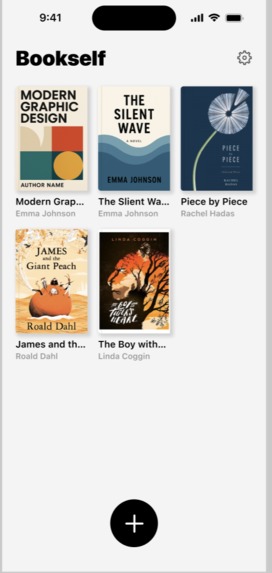
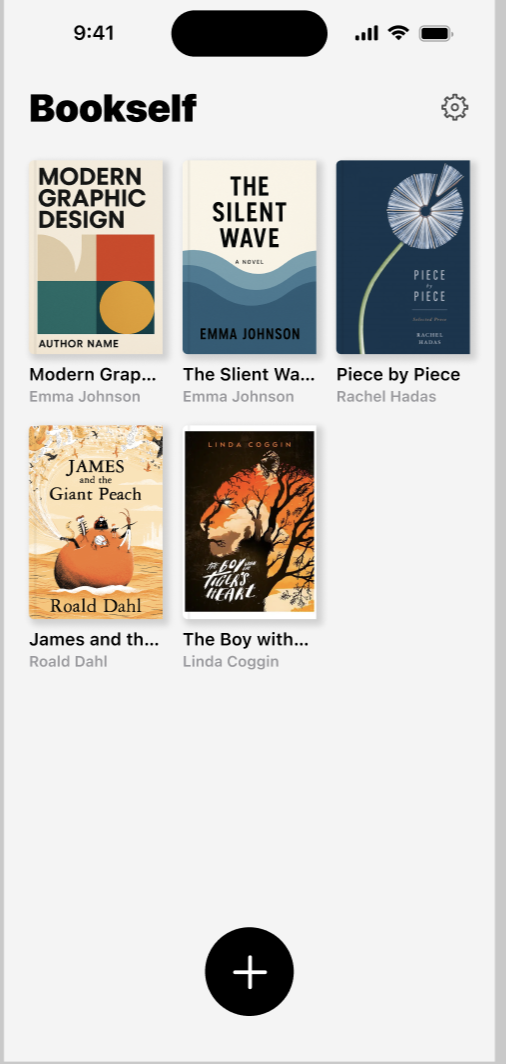
BookShelf page
-
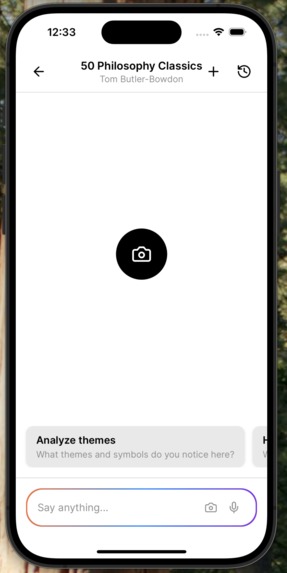
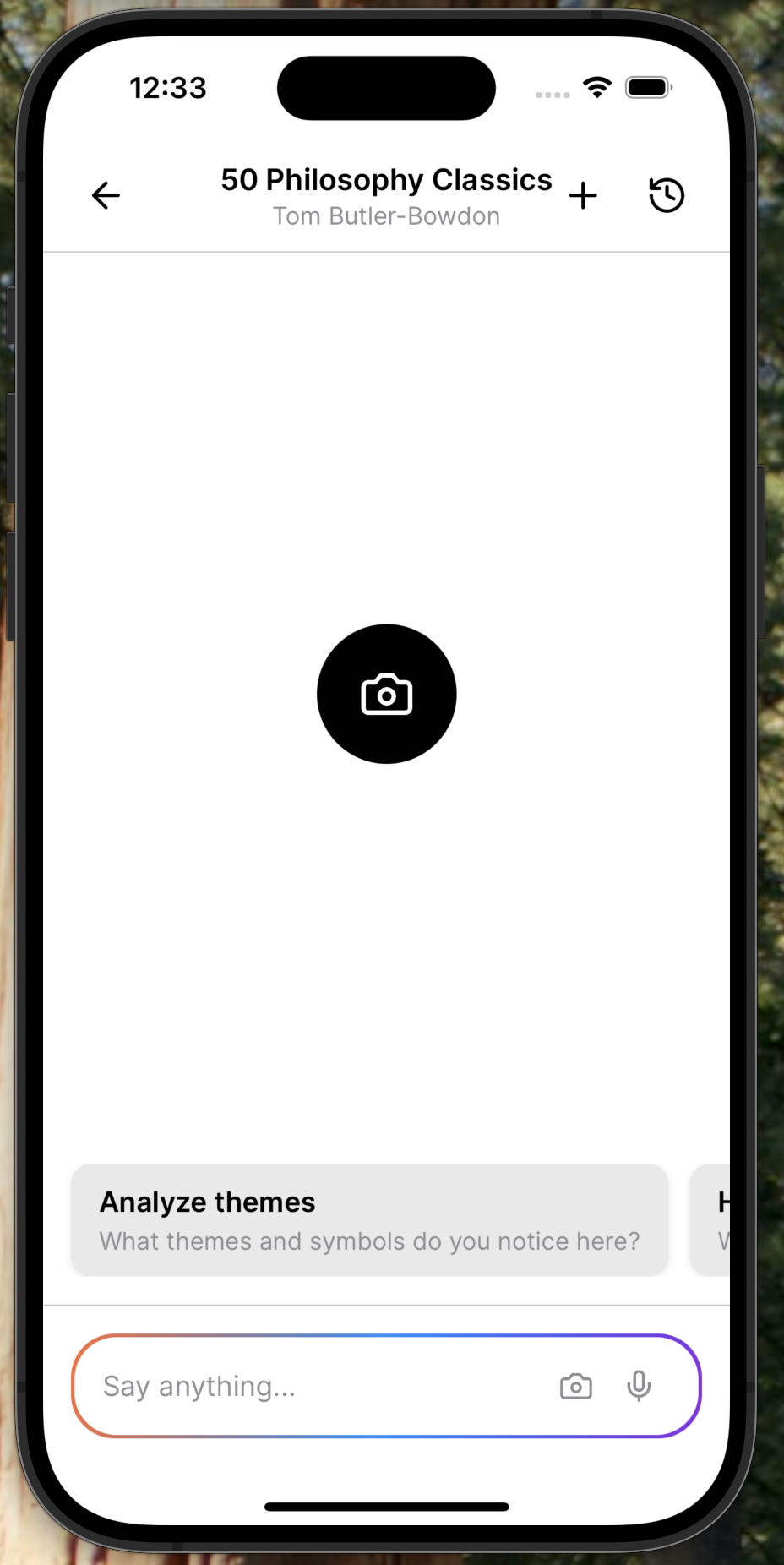
Conversation page
-
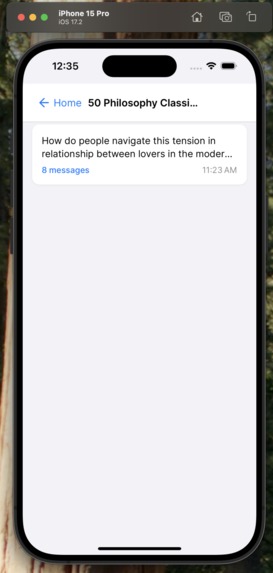
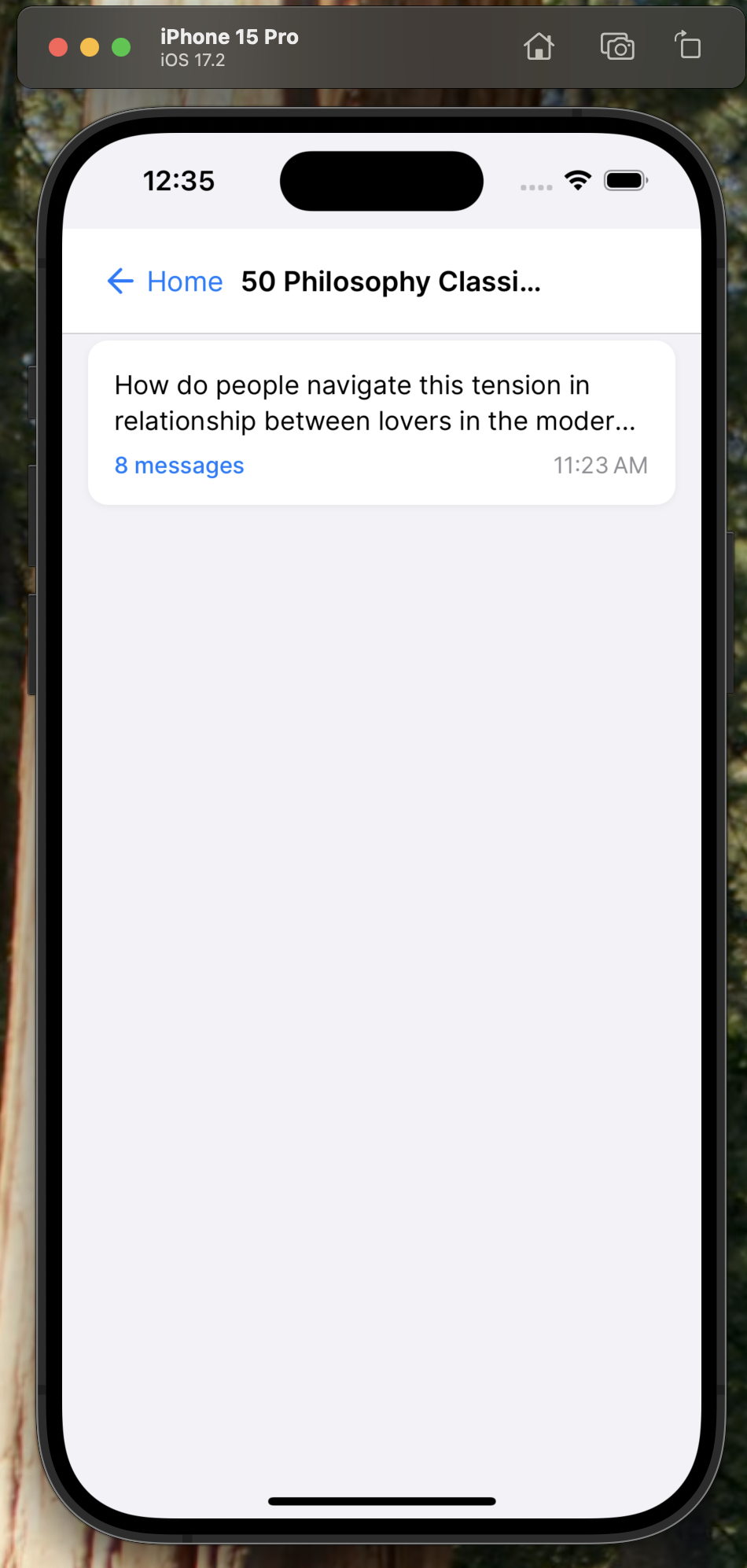
Conversation histories
-
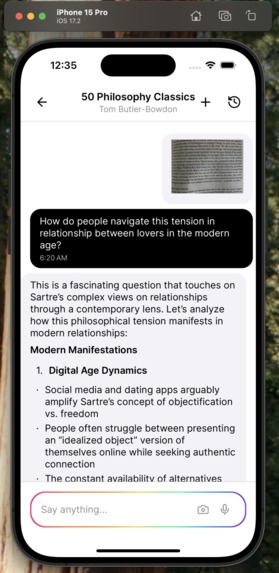
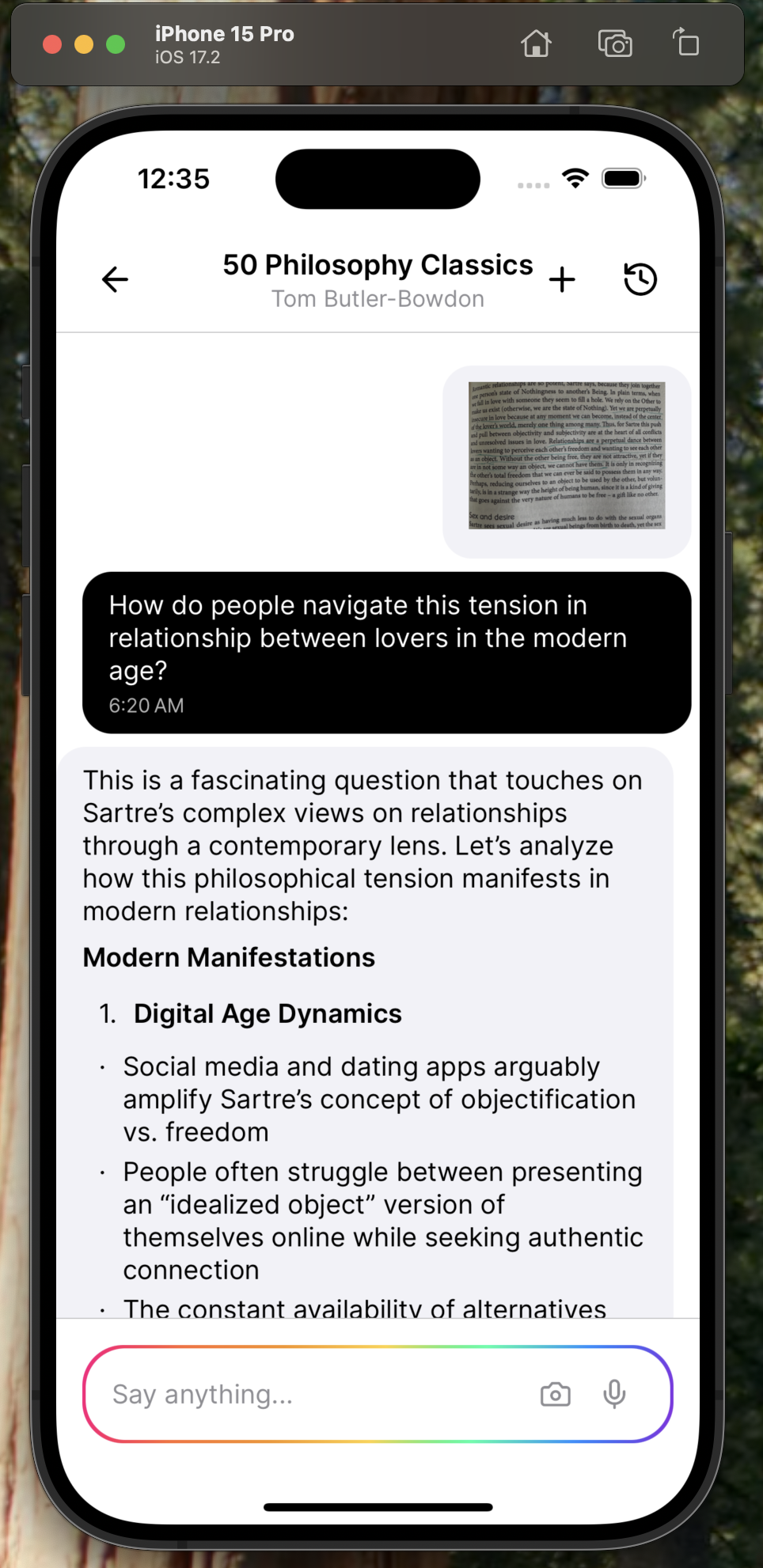
Multi-modal interactions
Inspiration
Marginalia: Where Books Become Conversations
The spark for Marginalia came during a quiet weekend at Sea Ranch Lodge in early 2025. I was curled up by the fire pit with a copy of 50 Philosophy Classics, diving into Sartre's "Being and Nothingness." His ideas about existence, freedom, and the complexity of human relationships were captivating—but also challenging for someone like me, where English isn't my first language.
That's when I turned to Claude, sharing pages and passages to explore Sartre's concepts together. What unfolded was something magical: deep, winding conversations that helped me connect philosophical dots I'd never seen before. The AI's vast knowledge became a bridge to understanding, turning solitary reading into an intimate dialogue with ideas.
But later on I realized: existing chat apps aren't built for this kind of journey. My philosophical conversations with Claude got buried under daily questions about work, healthy lifestyle, and everything else. There was no way to revisit that moment when Sartre's concept of "bad faith" suddenly clicked, or to trace how my understanding of existentialism evolved over weeks of reading.
Books deserve their own sacred space for reflection and growth.
Marginalia is that space—a companion app designed specifically for readers who want to think deeply about what they're reading. Every conversation you have about a book lives in its own dedicated thread, creating a living record of your intellectual journey. When you pick up that worn copy of Meditations six months later, you can see exactly what resonated with you the first time through.
But it's more than just organized chat history. Marginalia becomes a witness to your growth, tracking how your thoughts mature and shift over time. Imagine looking back at your September self grappling with Camus, then seeing how those insights influenced your reading of Nietzsche in December.
The vision extends beyond individual books. As your library of conversations grows, Marginalia will weave connections across your reading—suggesting new books based on the themes that truly engage you, surfacing historical thinkers whose ideas complement your current interests, and helping you build what I call your "philosophical mind map"—a living constellation of ideas that reflects your unique intellectual journey.
Reading has always been a conversation between reader and author. Marginalia just makes sure that conversation never gets lost and you never need read alone.
What it does
- Marginalia currently enables user to add books to their bookshelves.
- Start book scoped conversation.
- User could upload images to the conversations and ask questions about topics and insights they want to discuss.
- Engage users with their books.
How we built it
I partnered with Lin, our lead designer, to bring Marginalia to life. Lin crafted the initial mockups around our shared vision: a minimal, distraction-free interface that respects the sacred space between reader and book.
With the user flow mapped out, I used Bolt to rapidly prototype the app foundation through detailed prompts. This approach let us iterate quickly—I'd build features, test the feel, then refine based on real usage patterns.
While I developed the core functionality, Lin perfected the detailed interface designs. A week before deadline, we locked in the final design direction, allowing me to focus on polishing those micro-interactions that transform a functional app into a delightful experience.
With 24 hours remaining, we hit a critical moment: the voice feature wasn't going to make it. That's when Yuxi stepped in, volunteering to build the entire voice integration from scratch. We tested and deployed her work just as the hackathon clock ran out.
Challenges we ran into
Learning Bolt's Sweet Spot: Figuring out what Bolt excels at versus where custom code was needed took some trial and error.
Unfamiliar Context: None of us has any experience building mobile app.
Authentication Hurdles: Implementing Google authentication with Supabase proved trickier than expected for first-time users of the stack.
Quick iteration workflow: It took us awhile to create the best workflow to quickly make changes and rollback when things are not working with Bolt.
App Store Reality: Apple's TestFlight review process was slower and more involved than we anticipated, adding unexpected timeline pressure.
Accomplishments that we're proud of
We shipped a fully functional conversation experience that genuinely enhances how people engage with books. Most importantly, we proved to ourselves that passion projects are possible—even while juggling full-time startup roles, we carved out nights and weekends to build something we believe can add real value to readers' lives.
What we learned
Timebox ruthlessly: If I could do it again, I'd stop adding features earlier and invest that time in perfecting the core experience.
Feedback is gold: We should have gotten the app into friends' and family's hands much sooner. Fast iteration beats perfect planning.
Start earlier (obviously): We thought we had plenty of time... here we are submitting on the final day! Classic builder's hubris.
What's next for Marginalia
Growth Tracking: Transform Marginalia into a witness of intellectual evolution. Users will see how their September wrestling with Camus influenced their December encounter with Nietzsche—a timeline of thought development.
Cross-Book Intelligence: As conversation libraries grow, Marginalia will surface unexpected connections. It'll recommend books based on themes that genuinely resonate with you and introduce historical thinkers whose ideas complement your current interests.
The Philosophical Mind Map: Our ultimate vision is helping users build a living constellation of ideas—a personal knowledge graph that reveals the unique intellectual journey each reader is crafting, one conversation at a time.
Built With
- bolt
- expo.io
- google-cloud
- react-native
- supabase
- typescirpt


Log in or sign up for Devpost to join the conversation.