-
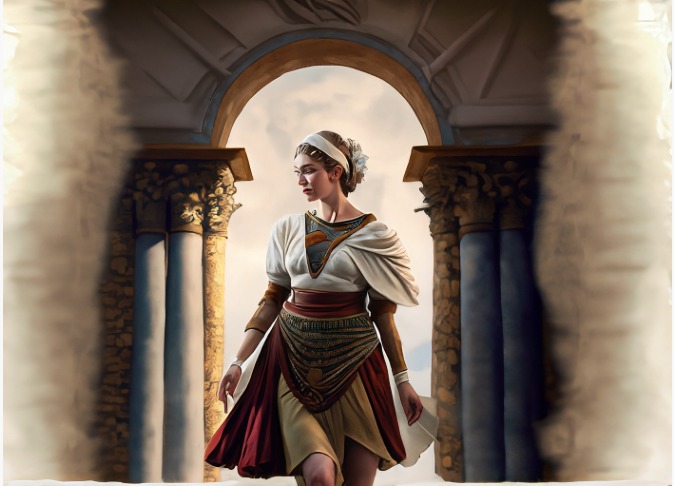
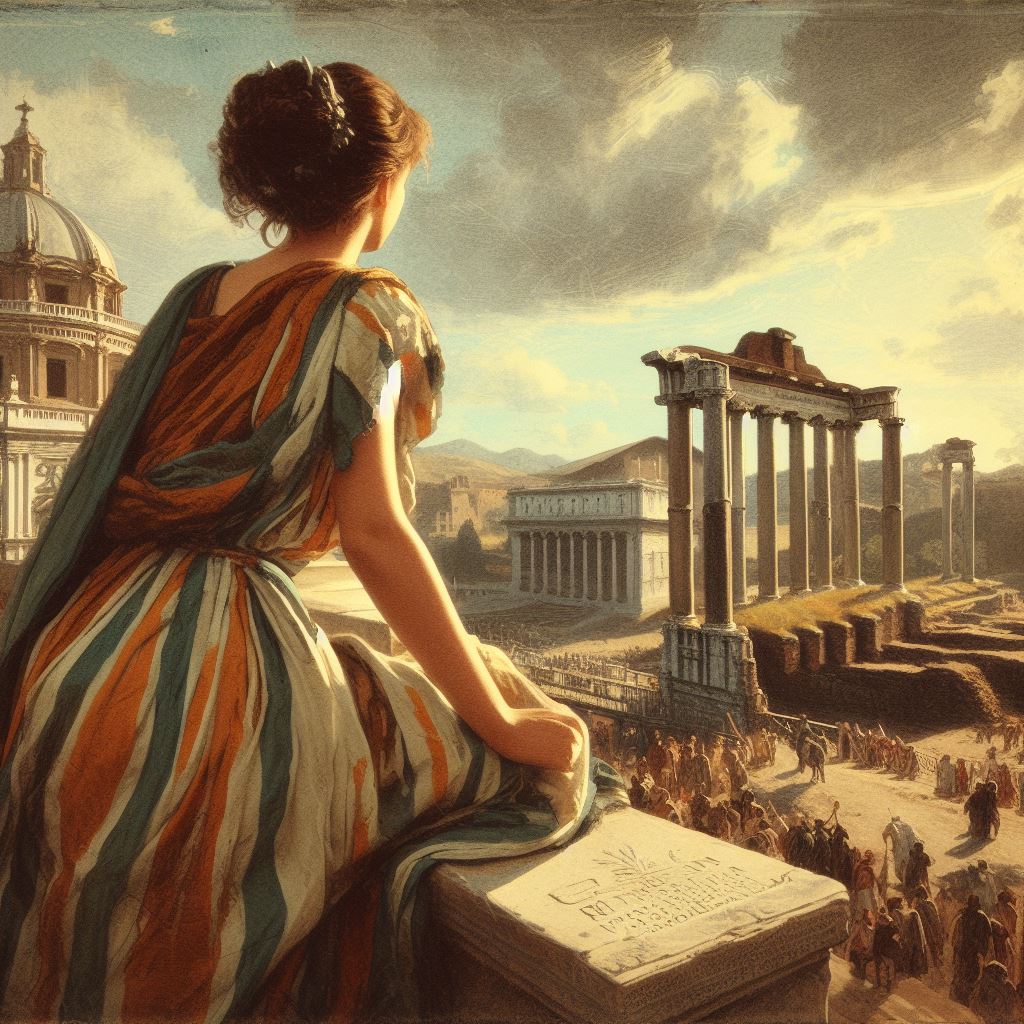
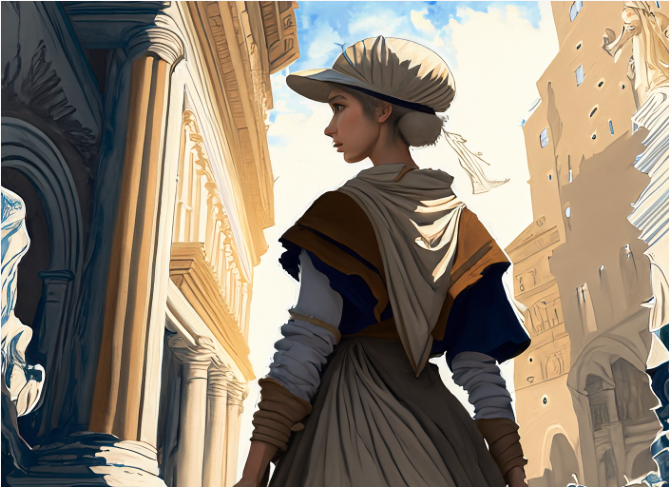
Marcella
-
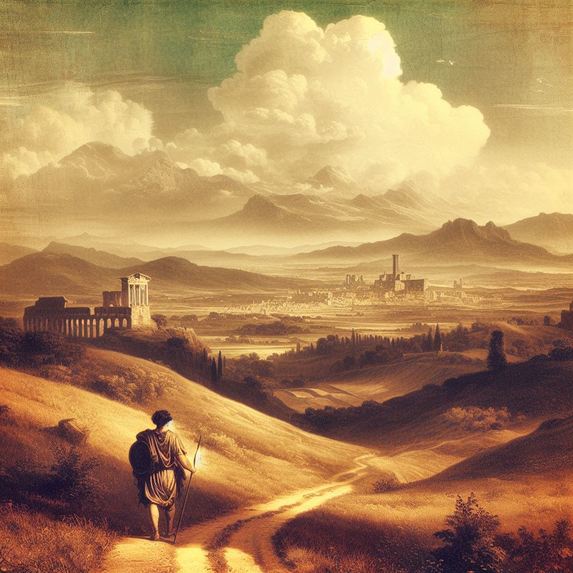
A closer representation of the aesthetics.
-
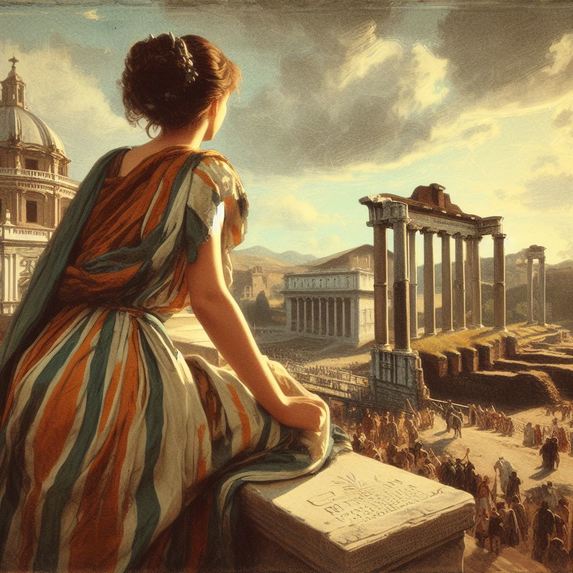
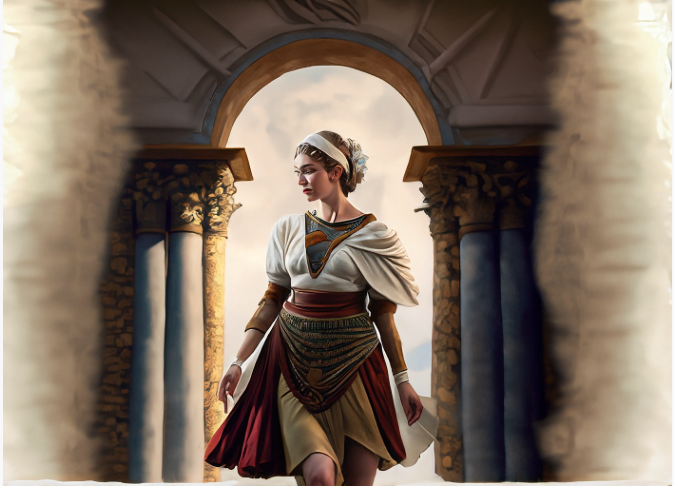
Marcell. a closer representation of the aesthetics. Akin to a master Dutch painting.
-
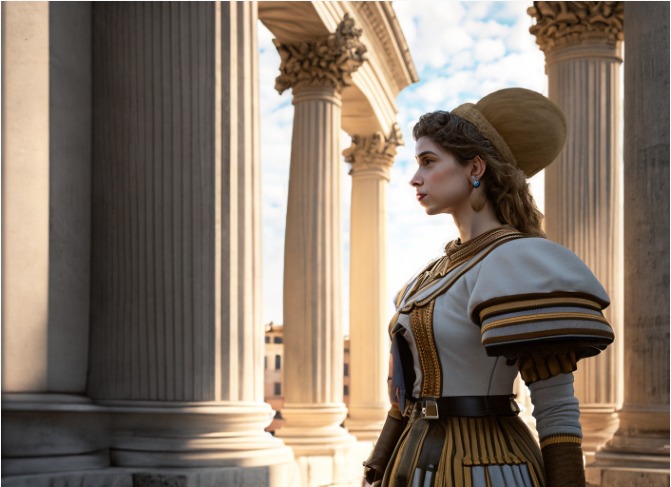
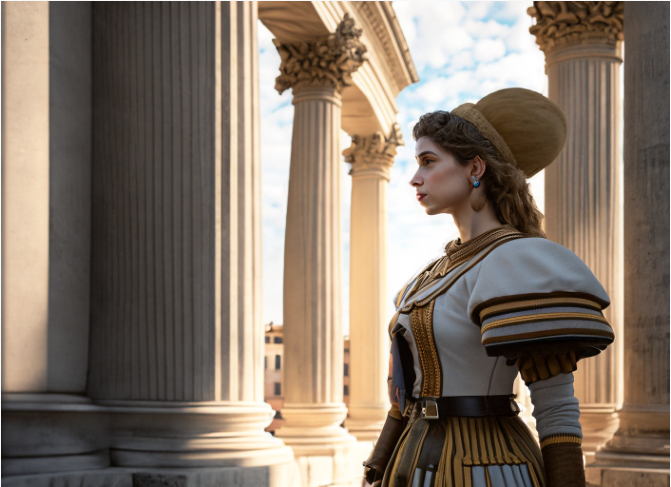
Marcella
-
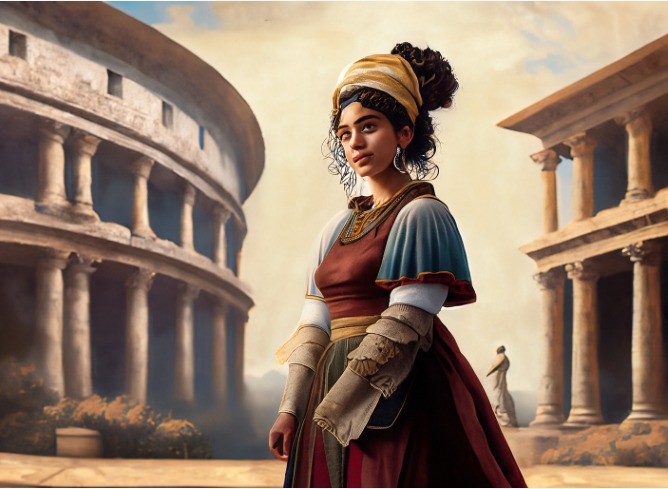
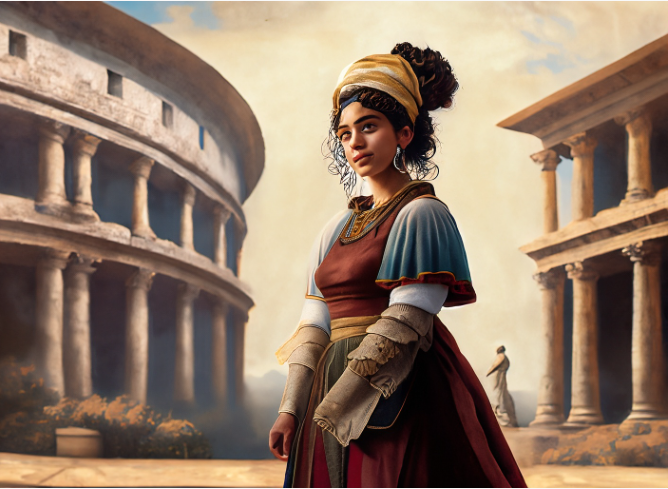
Marcella
-
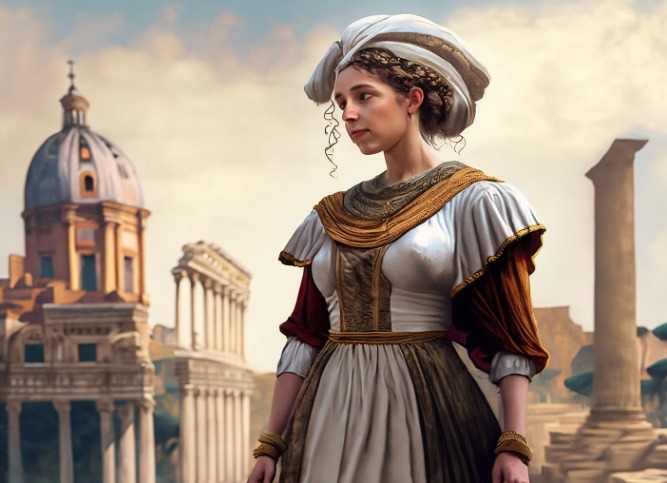
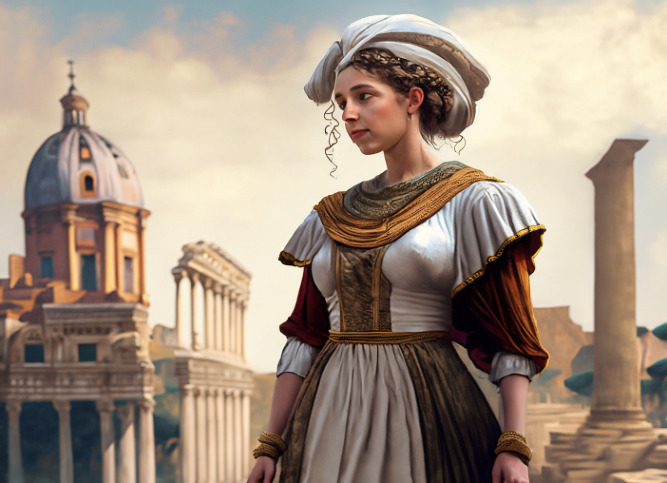
Marcella
-

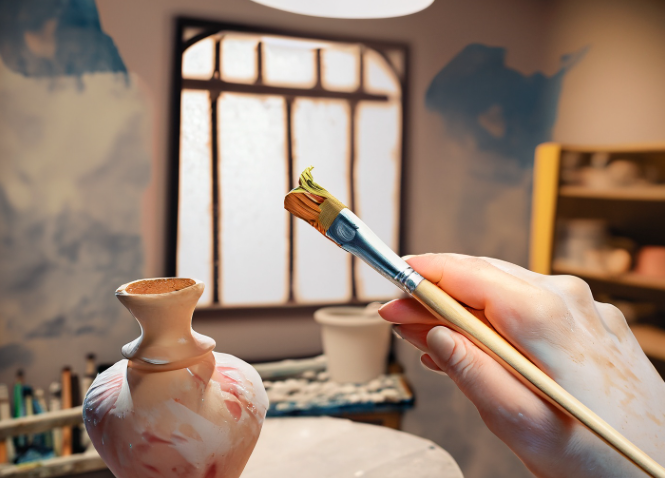
a visualisation of one of the min-games where hand tracking is used
-

a visualisation of one of the min-games where hand tracking is used
-

a visualisation of one of the min-games where hand tracking is used
-
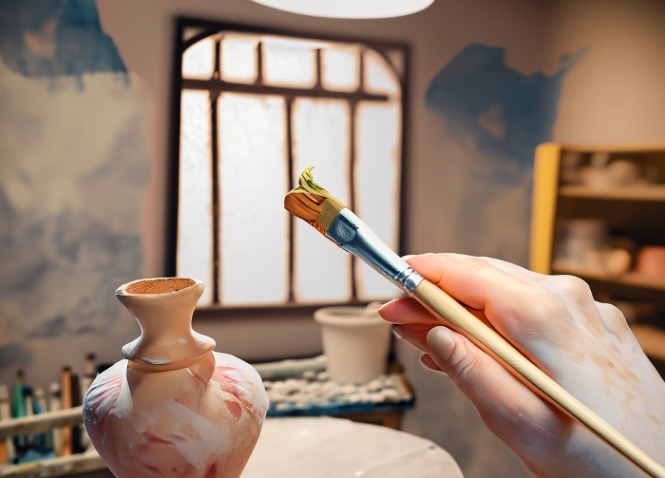
a visualisation of one of the min-games where hand tracking is used
-
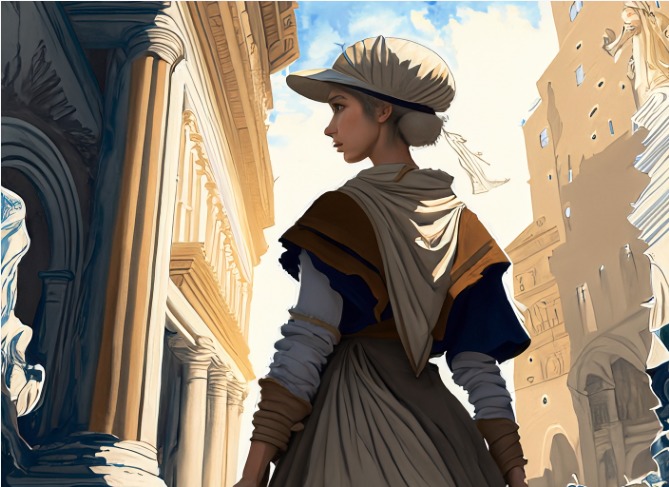
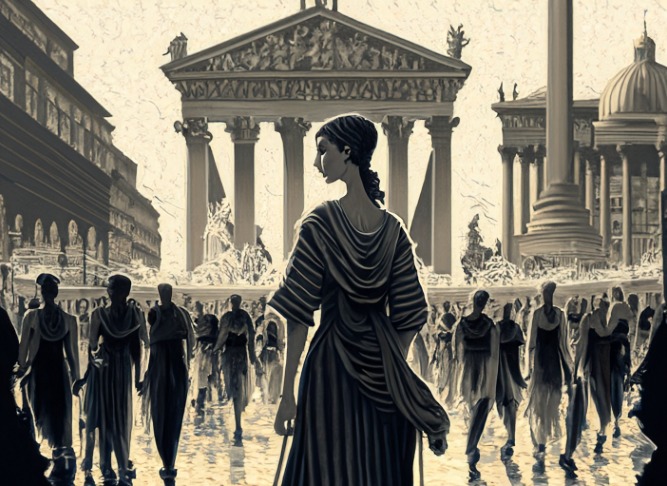
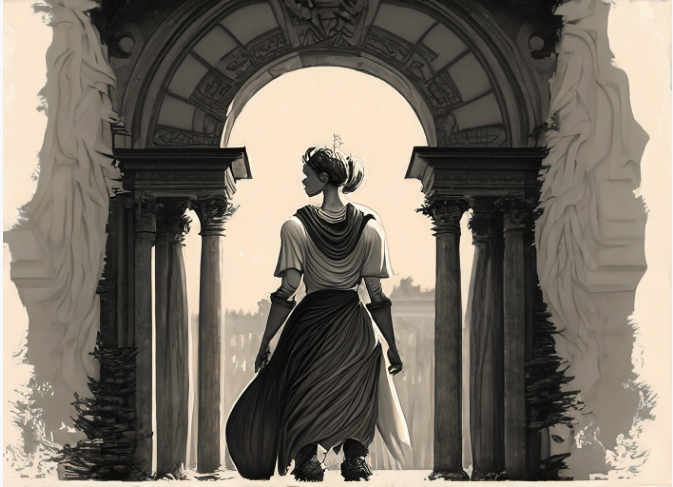
Different feel and style for the game
-
-
Different feel and style for the game
-
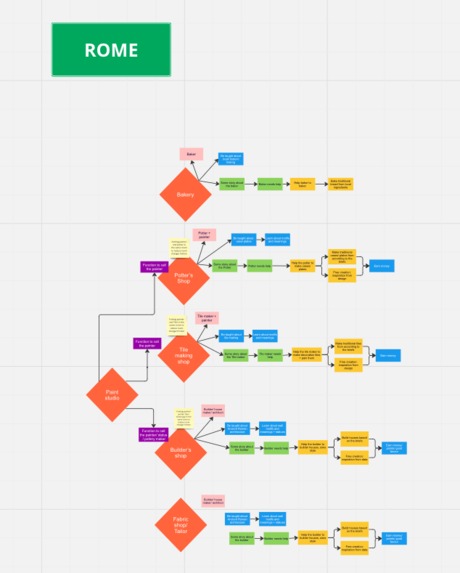
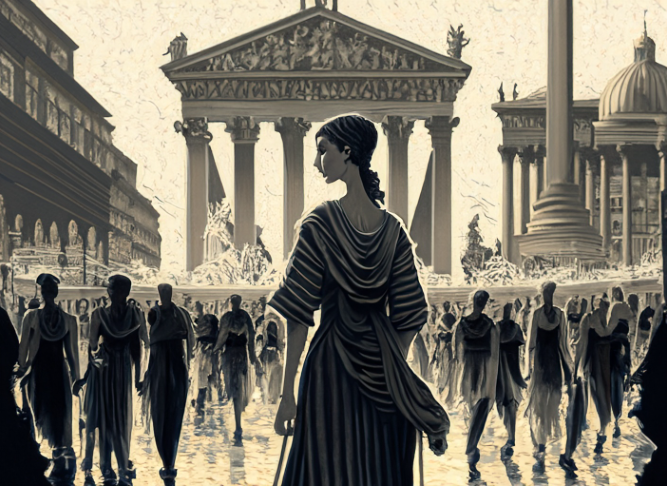
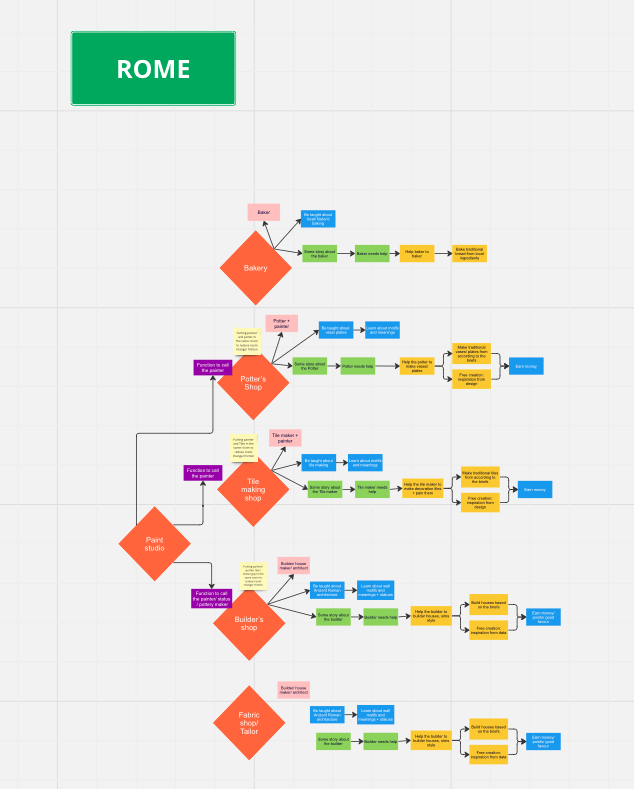
A sample of the Game World Structure




Marcella's Journey
What it does:
"Marcella's Journey" is an immersive virtual reality (VR) game designed to revolutionise education by merging liberal arts, humanities, and technology. Set in ancient Rome, the game follows Marcella, a determined protagonist on a quest to save her sister. It transcends conventional learning by seamlessly integrating narrative-based gameplay, quest dynamics, and ethical decision-making. The project aims to create an adventurous learning experience that goes beyond rote memorisation, fostering critical thinking and emotional engagement. Through Marcella's narrative, players not only learn history but also navigate the complexities of ethical decision-making in a captivating and interactive environment. The game is a testament to the transformative power of narratives in making education deeply engaging and impactful.
What Inspired Me:
"Marcella's Journey" represents the realisation of my fervent belief in interdisciplinary learning and problem-solving. It evolved from a profound interest in the convergence of liberal arts, humanities, and technology to craft an educational experience that transcends traditional boundaries.
Anthropology and design, fuelled by my passion, played a pivotal role in shaping the project. It's an homage to the richness of human culture and creativity, designed to immerse learners beyond rote memorisation. Marcella's narrative serves as a lens, allowing players not only to absorb historical knowledge but also to engage deeply with the complexities of ethical decision-making, blending narrative and educational immersion.
The deliberate choice of virtual reality (VR) as a medium was motivated by its potential to reshape education. VR expands the cone of plausibility, creating an adventurous learning space where students are active participants, not mere recipients of information. The immersive nature of VR aligns seamlessly with my conviction that immersive learning is the gateway to more effective education.
Narrative-based and quest games, reflecting my fascination, laid the conceptual foundation for "Marcella's Journey." Envisioning a game that transcends conventional educational boundaries, I sought to encourage critical thinking and decision-making through engaging storytelling. The project stands as an embodiment of my belief in the transformative power of narratives, making learning not only informative but deeply engaging.
Tech and design, integral to my interests, find expression in "Marcella's Journey." It stands as a testament to the idea that technology, thoughtfully integrated with design principles, can amplify the impact of educational experiences. The developmental challenges, marked by technical intricacies, became opportunities for me to blend technological acumen with a design-centric approach to problem-solving.
This project is a dedication to pushing the boundaries of education. The interdisciplinary ethos underpinning "Marcella's Journey" mirrors a broader commitment to fostering learners equipped with skills spanning various domains. Drawing inspiration from educational theorists like Eisner, Csikszentmihalyi, Salen, Zimmerman, and Huizinga, the game synthesises their insights into a cohesive and transformative learning experience. It's an expression of the potential when liberal arts, technology, and design intersect to create an environment where students actively participate in a holistic and engaging learning journey.
What I Learned:
Impact of VR: The development of "Marcella's Journey" showcased the transformative potential of virtual reality (VR) in education. VR isn't just a technological upgrade; it's a tool that can redefine how students engage with learning materials.
Learning from Peers: Observing the work of other developers highlighted the importance of staying informed and innovative in the field of educational game development. It emphasised the need to be part of a dynamic community.
Theory in Practice: Educational and game design theories were not abstract concepts but practical guides in shaping the game. The challenge was to apply these theories to create a seamless integration of engaging gameplay and educational content.
In the context of our discussion, play represents spontaneous and voluntary engagement, akin to a free-form exploration. On the other hand, a game involves structured rules and objectives, providing a more intentional and goal-oriented experience. Play is open-ended and often self-directed, while a game typically has predefined parameters and a set purpose within the narrative or educational context.
Flow State Optimisation: Understanding the elements that contribute to a state of flow in both play and game scenarios was pivotal for optimising the gaming experience. Crafting a seamless learning journey involved finding the right balance between engaging challenges and skill development, ensuring sustained interest and involvement throughout "Marcella's Journey."
Design Thinking in Action: Design thinking was not just a concept but a practical approach. It involved making strategic design interventions to enhance both the learning and gaming aspects of the experience.
PICO's Toolkit: Exploring PICO's capabilities and SDKs fuelled creative innovation, unlocking tools that significantly enhanced interactivity within "Marcella's Journey." This exploration not only expanded the creative possibilities but also played a crucial role in crafting a more immersive and enriched learning experience for players.
Facing Limitations: Acknowledging personal limitations, spanning from coding to technical intricacies, was a pivotal learning point in "Marcella's Journey." As a researcher and creative director, navigating challenges highlighted the need for continuous learning and adaptability, emphasising the importance of a holistic approach to game development.
Ups and Downs: The development process had its challenges, and each obstacle was an opportunity for creative problem-solving. Viewing setbacks as part of the learning experience was crucial for progress.
In essence, the development of "Marcella's Journey" has been an exploration of the practical aspects of VR, game design, and educational technology, with each lesson contributing to a more comprehensive understanding of the field.
How I Built the Project:
Building "Marcella's Journey" was a multifaceted process rooted in extensive research. Drawing from game studies and educational psychology, I delved into theories by prominent authors such as Csikszentmihalyi and Salen, shaping the narrative and educational elements. The initial aspiration was a working prototype, but due to time constraints and skills gap, the project materialised in a comprehensive written format.
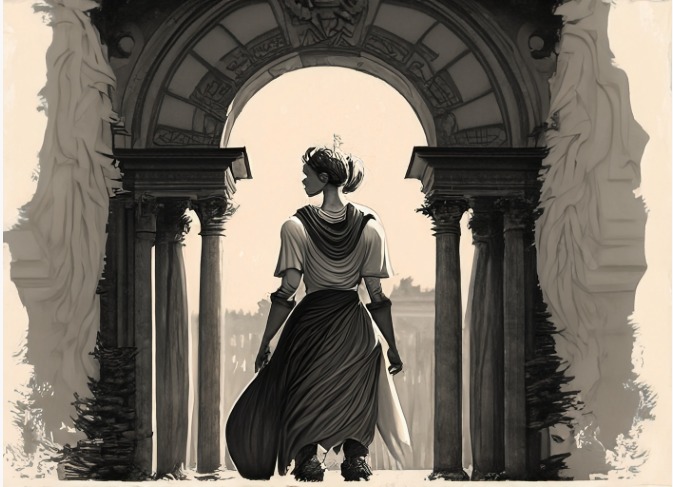
To convey the envisioned game experience, online image generators were employed to provide a glimpse of the game's atmosphere. The developmental journey included thorough research, voluminous writing, and immersive experiences playing existing VR games for inspiration. Attending academic conferences on health and education in VR further enriched insights.
To visualise mechanics and game flow, Miro served as a valuable tool, allowing the creation of UML diagrams for a section of the game as a prototype. While the desired working prototype wasn't achieved within the given constraints, this adaptive approach ensured a comprehensive understanding of the game's theoretical and creative foundations, laying a robust groundwork for future development.
Challenges Faced:
Skill and Time Constraints: The lack of development skills and the ticking clock presented a formidable challenge. Crafting a prototype, a tangible representation of the envisioned game, was a hurdle I couldn't quite leap over due to the dual constraints of skill and time.
Financial Burden: The financial aspect cast a looming shadow. Navigating the VR landscape required purchasing various games, posing a challenge given budget constraints. Fortunately, a lifeline came in the form of a modest research fund from the university. While it wasn't a financial windfall, it allowed me to explore essential aspects and even attend conferences – a crucial investment in the project's progress.
Accessibility Hurdles: Ensuring universal accessibility became a multifaceted puzzle. From concerns about physical discomfort associated with VR headsets to the ethical dilemma of inducing anxiety, addressing a diverse range of needs was paramount. Balancing immersive experiences with safety and inclusivity became a constant consideration.
Limited Research Landscape: The theoretical terrain was challenging to traverse. With the field being relatively new, especially concerning the intersection of serious games, VR, and education for specific age groups, the scarcity of research created a challenge. Crafting robust arguments became an intricate dance with speculative elements.
Teacher Training and Adoption: Shifting pedagogical gears proved to be a slow and complex process. Moving from traditional, goal-oriented teaching to an Activity-Based Learning (ABL) approach required not just my understanding but also effective strategies for teacher training. Adapting established teaching practices to the extended learning periods inherent in ABL posed a unique challenge.
Hardware and Software Accessibility: Limited access to both hardware and software proved to be a formidable obstacle. Exploring alternatives to create the game involved a patchwork of solutions, but a timely grant for a computer came too late to breathe life into the game. The journey, however, wasn't without its lessons on adaptability.
Safety Concerns: Safety issues introduced an unexpected layer of complexity. Ensuring a secure space for the VR experience meant addressing concerns about potential accidents and motion sickness. It was a reminder that the immersive world of VR came with its own set of challenges.
Access to New Features: The unavailability of Quest 2 and certain apps added another layer to the puzzle. Incorporating cutting-edge features into the project was hindered by the absence of necessary hardware. It emphasised the ever-evolving nature of VR and the importance of staying abreast of advancements.
University Borrowed Equipment: The lack of personal access to Pico meant I had to rely on borrowed equipment, a Quest 1 lent graciously by the university. This borrowing became a crucial workaround, allowing me to explore and understand the potential of VR, albeit with limitations.
Adapting to Borrowed Equipment: Working with borrowed equipment, specifically the Quest 1 lent by the university, posed its own set of challenges. While it provided a crucial entry point into the VR realm, the restrictions on accessing certain apps and making modifications due to the shared nature of the device introduced complexities. The inability to personalise or make necessary purchases limited the extent to which I could tailor the VR experience, adding a layer of adaptability and constraint to the developmental landscape. It was a lesson in making the most of available resources while contending with inherent limitations.
Accomplishments that I'm proud of:
Navigating the development of "Marcella's Journey" has been a journey filled with both challenges and triumphs. One of the accomplishments I take pride in is the conceptualisation of a game that seamlessly blends historical narrative, quest elements, and ethical decision-making within a virtual reality (VR) setting. Crafting a compelling storyline for Marcella, a character who represents resilience and determination, was a creative milestone.
Despite the constraints of limited development skills and time, I successfully laid the foundation for an innovative educational experience. Leveraging interdisciplinary theories, including those from educational psychology, game studies, and anthropology, was an accomplishment that enriched the project's depth.
The strategic use of VR, particularly the exploration of PICO's capabilities, marked a technical achievement. Though the development journey faced limitations, the adaptation to borrowed equipment demonstrated resourcefulness in making the most of available resources.
Presenting "Marcella's Journey" at conferences, facilitated by the university's research funding, stands as a proud accomplishment. Sharing insights with the academic community has not only enriched the project but also contributed to the broader discourse on the intersection of VR, serious games, and education.
While challenges were abundant, the accomplishments achieved in crafting an immersive learning experience, infusing narrative with educational value, and pushing the boundaries of VR's educational potential are milestones that underscore the transformative vision of "Marcella's Journey.”
What's next for Marcella's Journey:
Looking beyond the immediate horizons, "Marcella's Journey" aspires to be a catalyst for transformative change in the realm of educational gaming. The future unfolds with a vision encompassing:
Development of a Working Prototype: The envisioned trajectory involves overcoming the challenges faced during the initial phases by developing a working prototype. This step is critical in translating the conceptualised VR experience into a tangible and immersive educational tool. Access to dedicated hardware and design programs becomes pivotal in realising the full potential of the game.
Enhanced Accessibility Initiatives: A pivotal aspect of the future vision is to enhance the game's accessibility for a broader audience. Addressing ethical considerations related to discomfort associated with VR headsets is a priority. The exploration of alternative modes of engagement will ensure that the educational benefits of "Marcella's Journey" reach those who may find VR less comfortable.
Collaboration with Educators and Institutions: "Marcella's Journey" envisions a collaborative platform where educators actively contribute to the game's content and design. This collaborative approach seeks to unlock the true potential of the game as an educational tool, making immersive learning experiences accessible to both educators and students. The goal is to align the game closely with the needs and perspectives of educators in various learning environments.
Integration of Emerging Technologies: As technology continues to evolve, "Marcella's Journey" aims to remain at the forefront of innovation. Integrating emerging features and capabilities, such as improved hand tracking and interactive elements, will enhance the overall user experience. Staying abreast of technological advancements ensures that the game continues to provide cutting-edge educational experiences.
Transformative Force in VR-Based Education: The overarching ambition is for "Marcella's Journey" to emerge as a transformative force in VR-based education. By combining technical refinement, enhanced accessibility, collaboration, and a proactive approach to technological advancements, the game aspires to reshape the landscape of educational gaming. It seeks to not only impart knowledge but to instil a passion for learning through immersive and engaging experiences.
Customisable Avatars: Allowing players to craft and personalise their avatars is a future enhancement that adds a layer of personalisation to the gaming experience. This customisation is not merely a cosmetic feature; it's a tool to boost engagement and immersion. By creating avatars that resonate with individual students, the game becomes more relatable, enhancing the overall learning experience.
AI Integration: The integration of artificial intelligence (AI) stands as a beacon for the evolution of "Marcella's Journey." As the game advances, AI has the potential to elevate character interactions. This entails creating dynamic and unique player experiences, tailoring content to improve knowledge retention, and fostering deeper engagement. AI becomes a guide, adapting to each player's learning style and preferences.
Multiplayer Integration: An exciting prospect on the horizon is the implementation of multiplayer functionality. This feature transforms "Marcella's Journey" into a collaborative and social learning experience. Multiple players can explore ancient Rome together, working collectively to solve historical puzzles, make moral decisions, and engage in real-time discussions about their in-game experiences. This not only cultivates a social aspect of learning but also nurtures teamwork and critical thinking skills.
In summary, "Marcella's Journey" charts a course towards a more personalised, dynamic, and collaborative educational journey. The integration of customisable avatars, AI intelligence, and multiplayer functionality enriches the gaming experience, making learning not just informative but also socially engaging and tailored to the unique needs of each student. This future trajectory envisions a holistic and dynamic evolution, driven by a commitment to innovation, accessibility, and collaboration in the pursuit of revolutionising the educational gaming landscape.
Built With
- microsoft
- miro

Log in or sign up for Devpost to join the conversation.