Inspiration
When you're out walking, biking, or exploring a new area, you often find yourself wondering: "What's that building?" or "Is there something interesting nearby?" Mapwise was born from that everyday curiosity — a desire to effortlessly access real-time information about the world around you without having to stop and type.
What it does
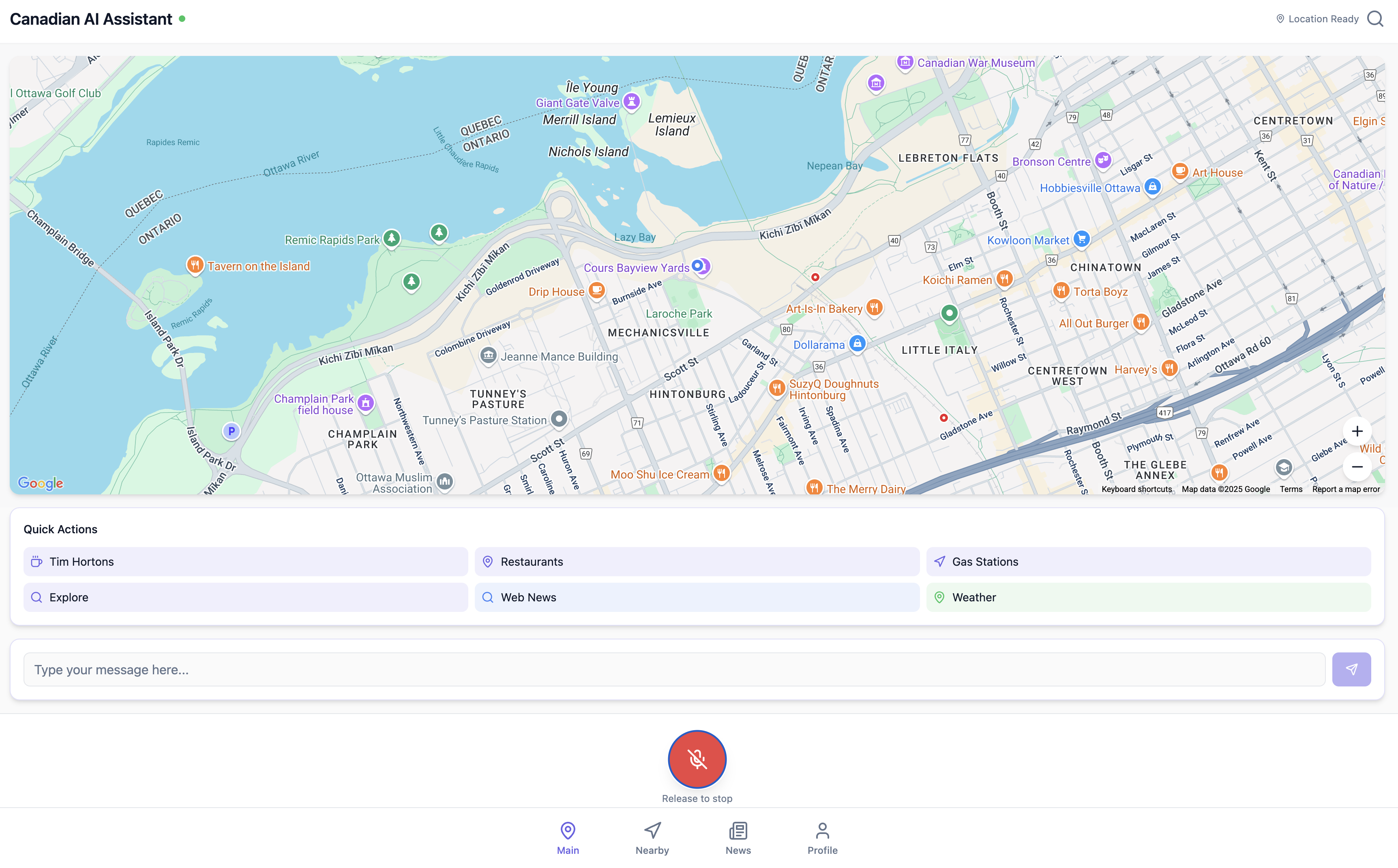
Mapwise uses your real-time location and voice input to answer natural language queries about your surroundings. By combining OpenAI’s real-time APIs with geospatial data, it can identify landmarks, describe nearby places, and even surface relevant local news — all with a simple spoken question.
How we built it
We used Next.js for the frontend, integrated OpenAI’s real-time APIs for transcription and response generation, and tapped into Tavily to provide local news and context-aware content. It’s a location-aware, voice-first experience designed to feel effortless and conversational.
Challenges we ran into
Getting voice input to reliably convert to text across different browsers
Accomplishments that we're proud of
- Successfully integrating Windsurf for real-time voice interactions
- Building a working, voice-controlled conversational map assistant
- Creating a fluid UI without relying on Google Maps navigation
What we learned
- How to make a live conversational agent feel natural and responsive
- How to handle (and recover from) AI hallucinations and errors
- The power and quirks of Windsurf, Lovable, and OpenAI’s real-time APIs
- That building a multimodal experience is very possible — and very fun
What's next for mapwise
- Supporting longer conversations with context memory
- Letting users save their conversations and revisit their voice history to find points of interest
- Enhancing map personalization and proactive discovery suggestions
Built With
- gpt
- next.js
- openai-realtime-api
- tavily

Log in or sign up for Devpost to join the conversation.