-
-
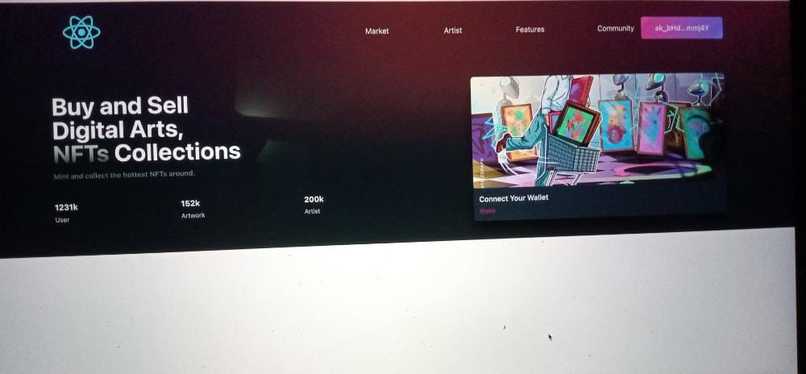
Frontend
-
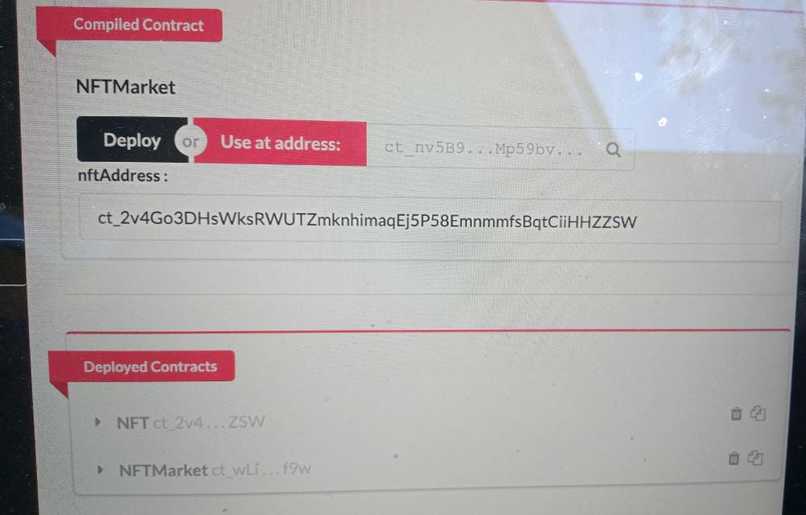
Deployment in Ae studio
INSPIRATION
While it is common for non-fungible tokens (NFT) to be sold for cryptocurrencies, a service to swap a pair of NFT directly, stake, lend and borrow opens up other possibilities. For collectors or long-term holders who wish not to sell their collection for money, but would be open to stake them for other for earning. Also, with the adoption of blockchain technologies becoming more mainstream, NFT could someday represent physical assets like cars and real estate, or important legal documents. In this case, the direct exchange of NFT would be appropriate; buying a house could mean exchanging a mortgage binding agreement between a bank and a purchase.
WHAT IT DOES
AE Marketplace is a digital marketplace that lets you trade non-fungible tokens (NFT) with a community of collectors. You can list your tokens up for trade and start receiving offers, and the exchange takes place when you accept an offer. The platform is entirely decentralized and is open source, you can rest assured that your transactions are safe and trustless. With the proliferation of NFT technology, many digital artists have begun launching their collections into the major existing marketplaces, not always providing an artistic counter value to the speculative potential.
HOW WE BUILT IT
We wanted to build a digital marketplace that supports a wide range of NFTs With DEFI features such as exchange, staking, lending, and borrowing. Hence, we designed the smart contract to be separated from the NFT contracts where interactions would happen through cross-contract calls. This meant that we needed to call functions that are sure to exist on the NFT contracts. We limit contract calls to only two functions: nft_transfer and nft_tokens_for_owner, to verify the owner of an NFT and to make transfers. The Exchange smart contract itself is only responsible for marketplace functionalities like listings and offers management and the swap/exchange transaction.
CHALLENGE WE RUN INTO
This was the first time developing an NFT marketplace use case on Aeternity blockchain and having fewer examples written in Sophia we had to spend some initial time learning and researching.
- There were fewer examples of NFT projects built on the Aeternity blockchain.
- Had to go through many trials and errors to get Cross-Contract Call working; such as running out of Gas.
WHAT WE LEARNED
After trying out several blockchains, we learned that the Aeternity platform is the easiest to get started on, especially for developers that may be new to blockchain development. From wallet and authentication management to invoking contracts- Being able to create testnet and development accounts with gas is extremely helpf
- Developing the Nft marketplace has advanced our skills in Sophia.
ACCOMPLISHMENT WE ARE PROUD OF
We have finished the NFT marketplace.
WHAT NEXT FOR AE-MARKETPLACE
Prepare a strategic roadmap of the project which will include development and marketing efforts.
- User experience refinement to include NFT categories and better seller and listings information.
- Adding Defi feature like staking, lending and borrowing.
- Improve smart contract for better integration.
- Decide on a monetization strategy.
- We recognize that being open to supporting multiple blockchains is important for eventual growth. Therefore, we want to include the possibility of expanding support to different chains.


Log in or sign up for Devpost to join the conversation.