-
-
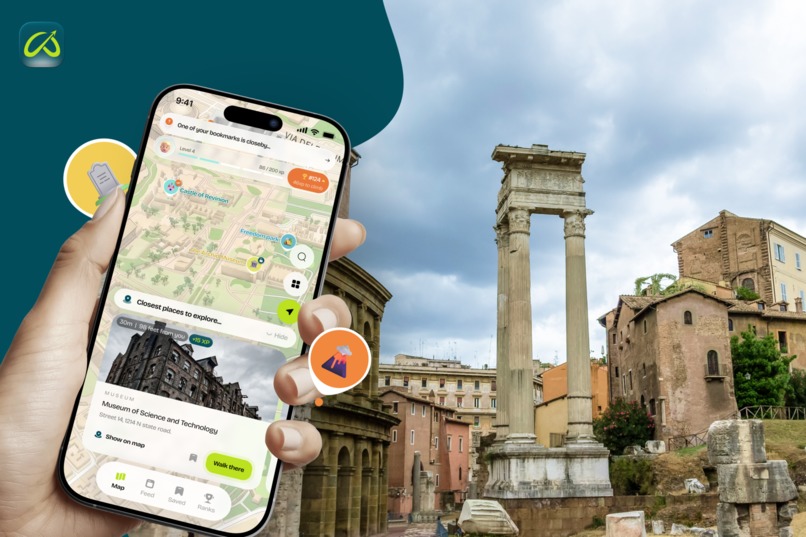
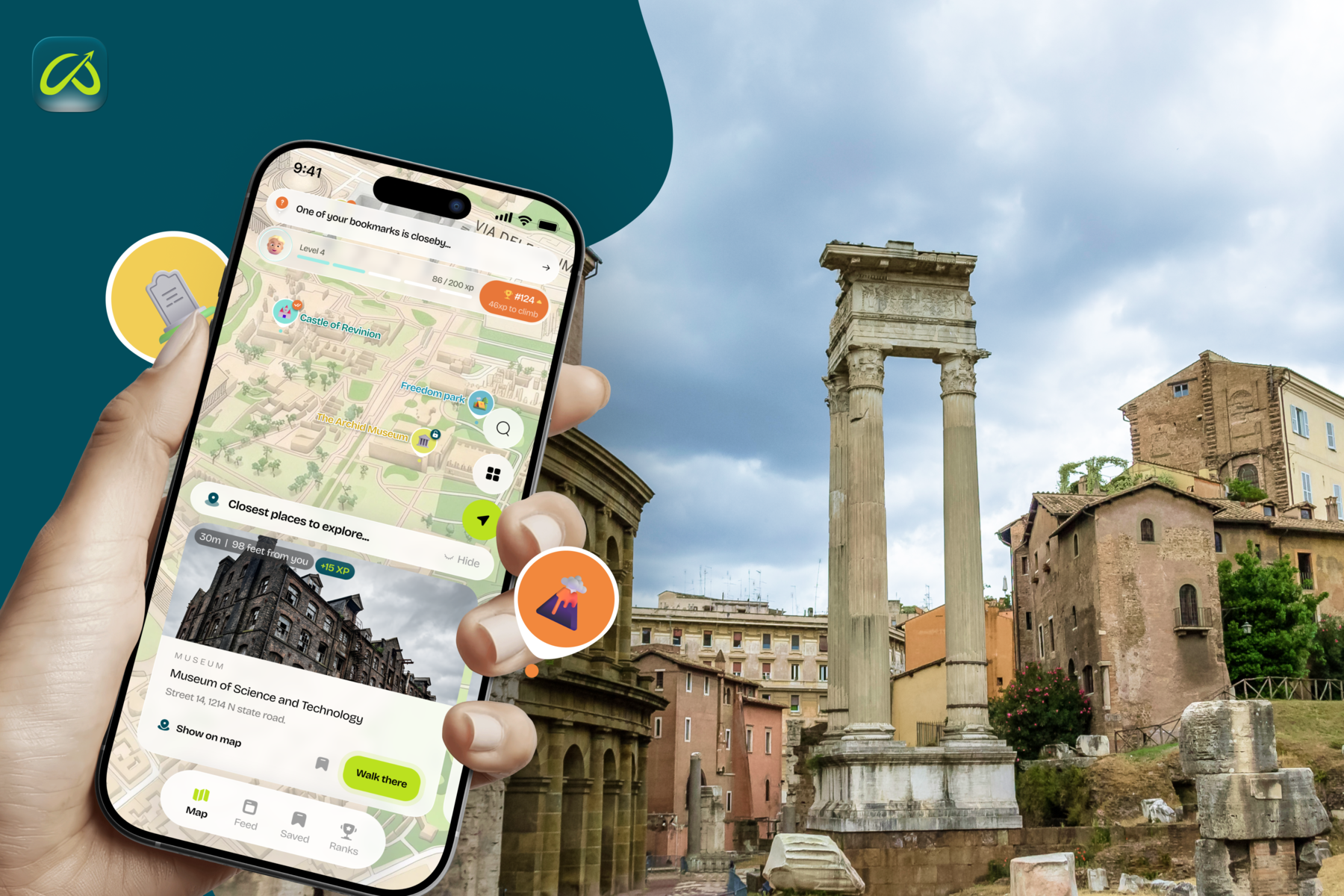
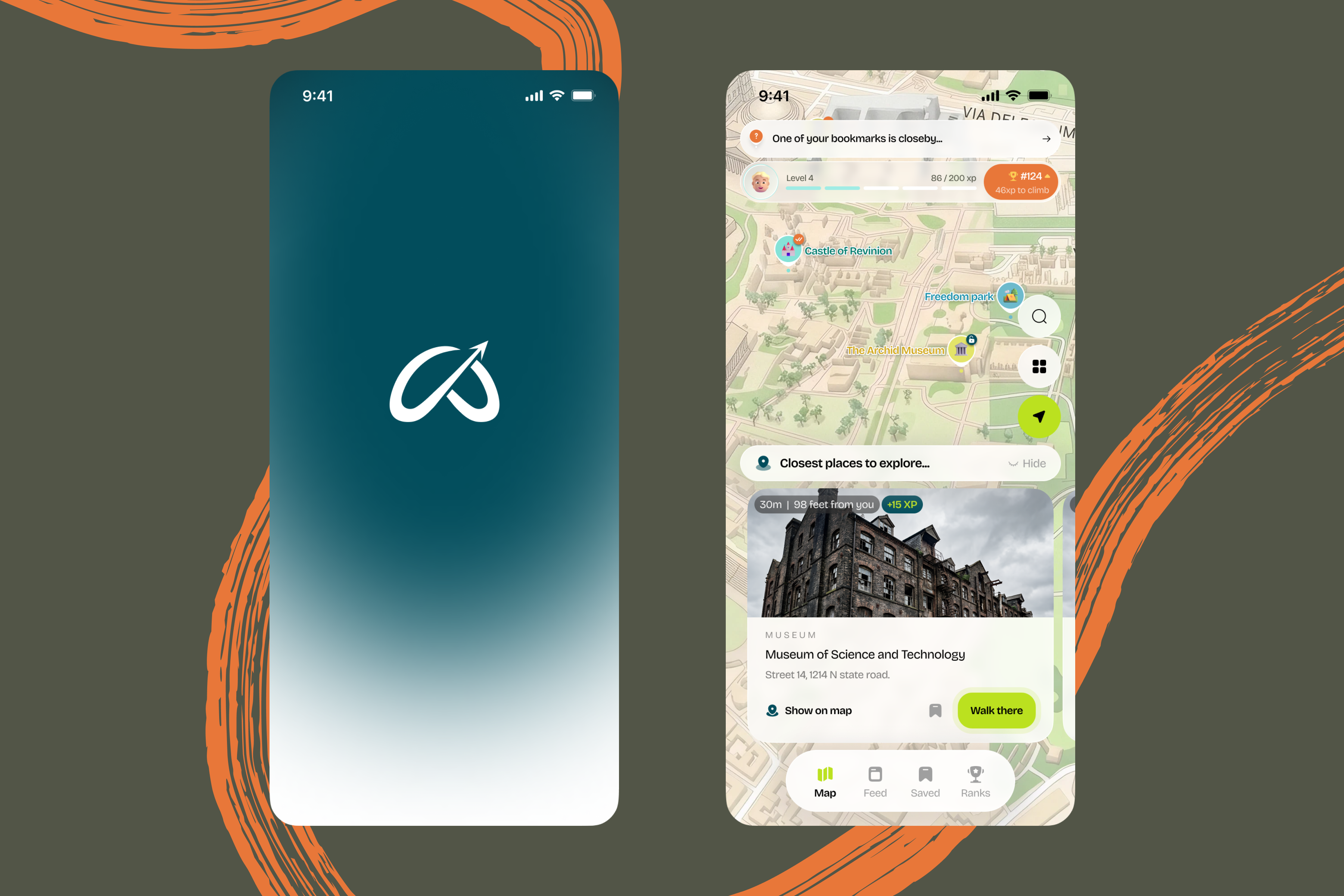
EXPLORE! There are loads of stories around you.
-
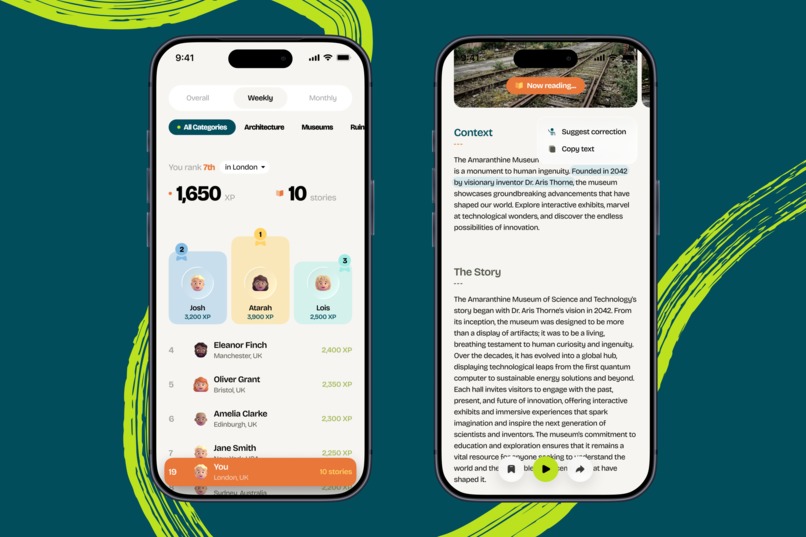
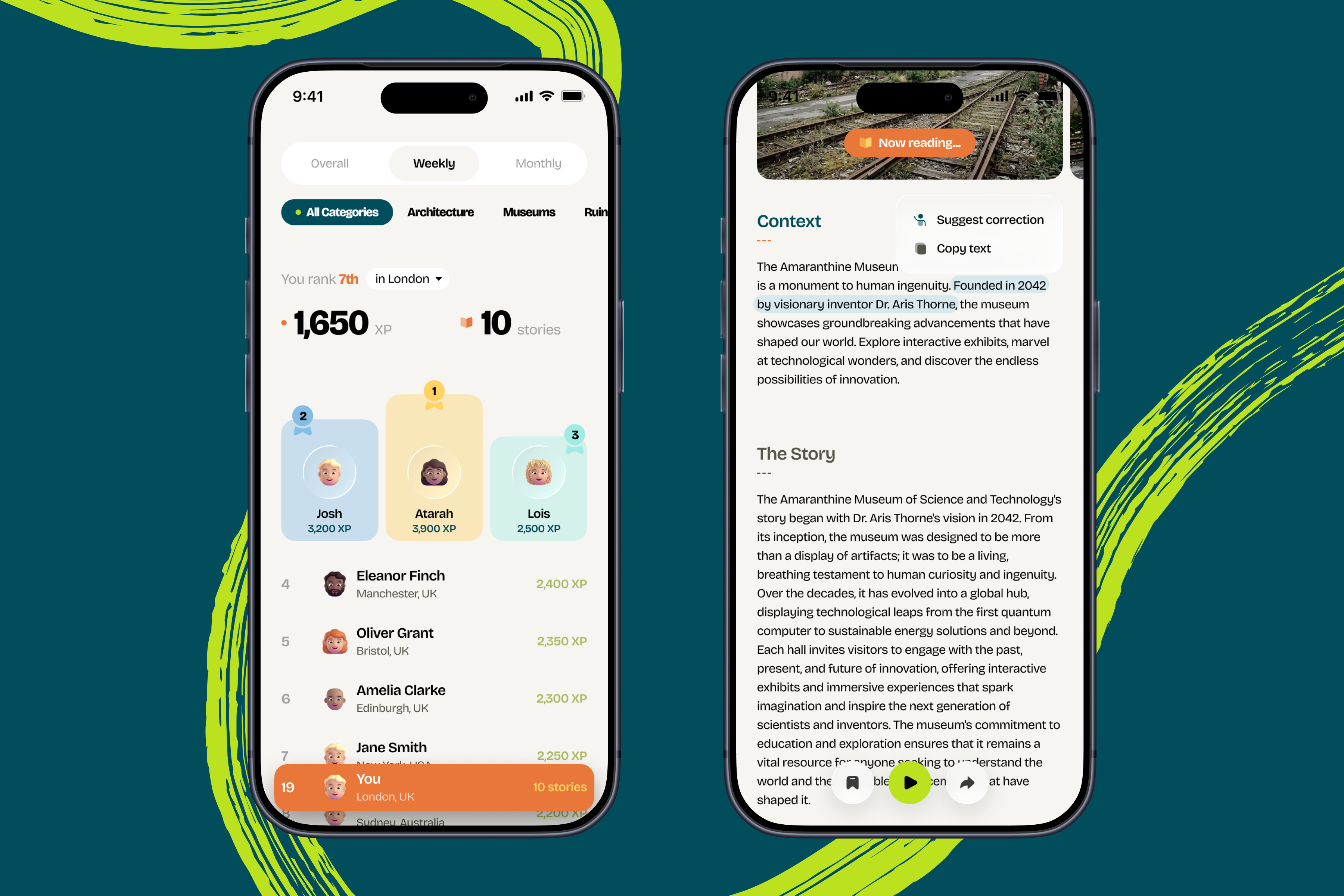
Unlock stories and compete on XP overall, weekly or monthly for perks. Become the top explorer in a niche like True Crime or Castles
-
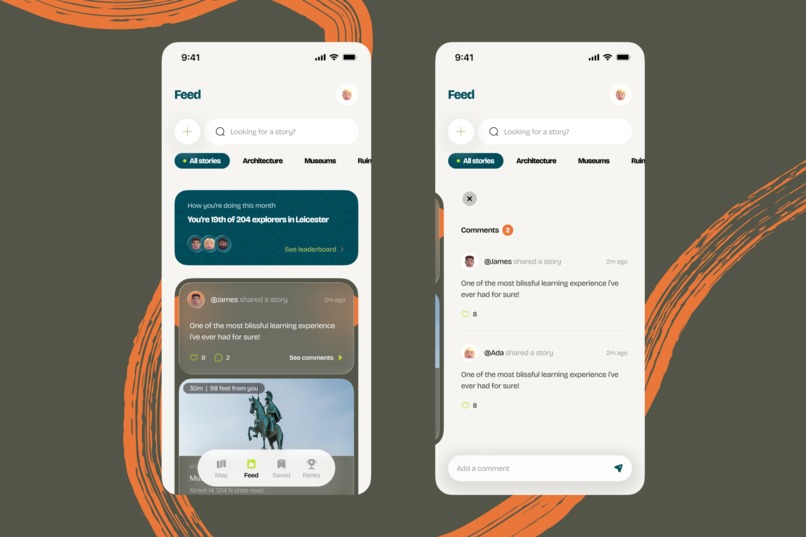
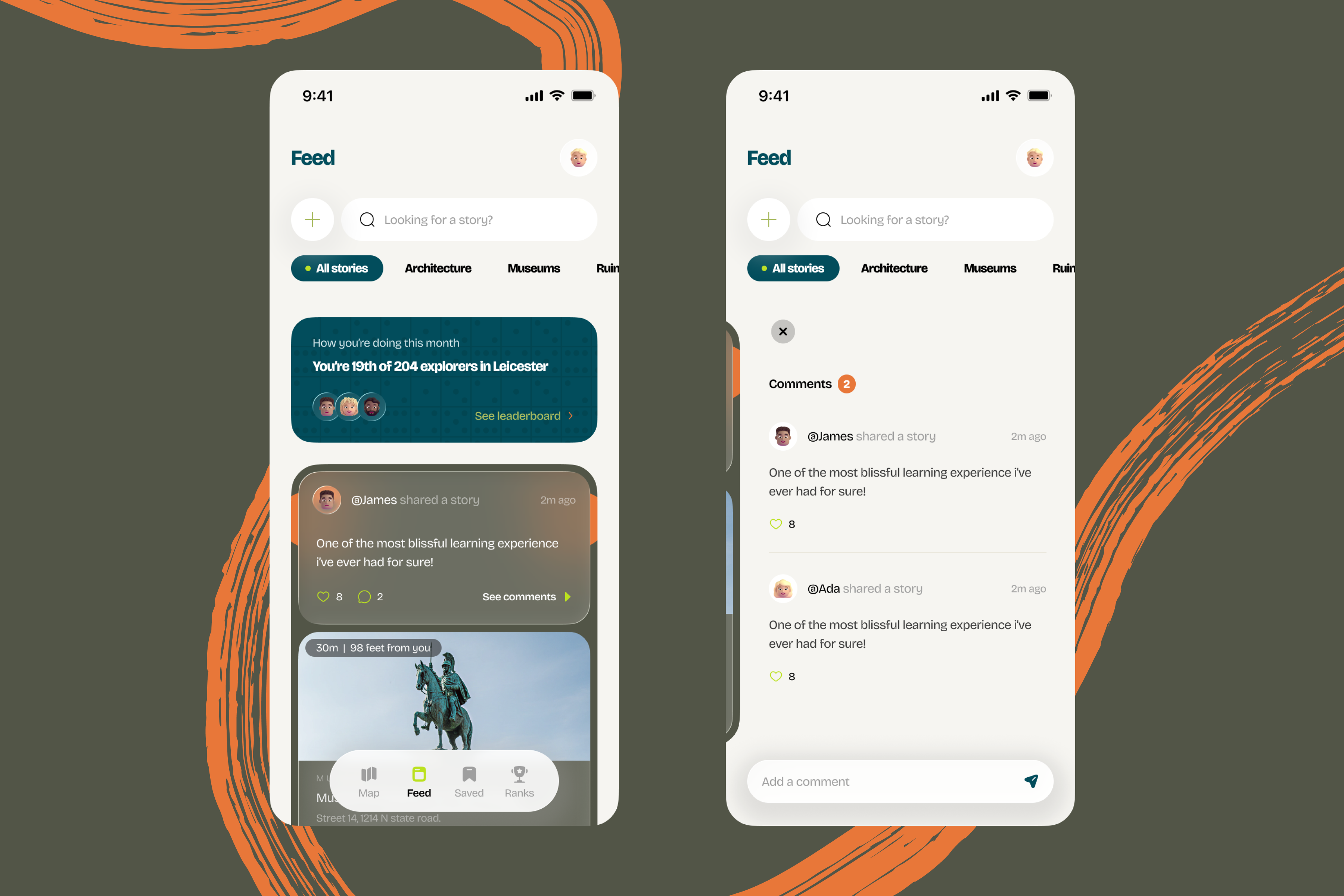
Keep up with new places and stories from the community.
-

Track your level, rank, and the badges you've collected.
-
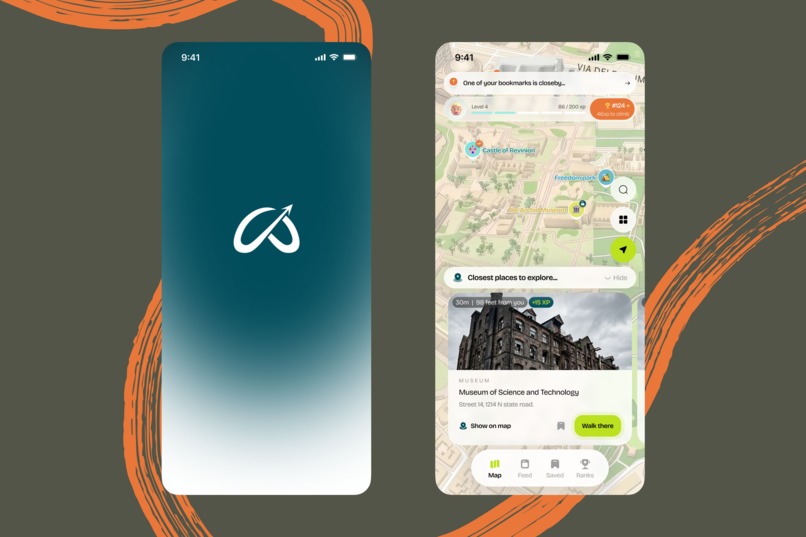
See what's around you!

MapLore was inspired by a fascination with the history hidden all around us. Across England and the wider UK, almost every town, street, field and building has a story behind it, yet so much of that history is easy to miss. People can walk past the site of an old battlefield, a forgotten church, a wartime bomb site, a historic crime scene or the remains of a centuries-old settlement without ever knowing what happened there.
We wanted to change that.
The idea behind MapLore is to make local history feel more accessible, interactive and exciting. Instead of learning about history only through books, museums or documentaries, MapLore encourages people to go out and discover it for themselves. By combining real-world exploration with maps, collectible locations, XP and leaderboards, we want history to feel almost like a real-world game.
Living in England gave us a huge amount of inspiration because there is history almost everywhere you look. From Roman settlements and medieval churches to castles, aviation history, wartime sites, true crime and forgotten local stories, there is an enormous amount waiting to be discovered. Our aim is to help both younger and older generations become more interested in the places around them, while building a community of people who enjoy exploring and learning about history.
Building MapLore taught us a huge amount about turning an idea into a real product. We learned about app development, APIs, interactive maps, databases, authentication, subscriptions and gamification. More importantly, we learned how much iteration goes into creating something that people genuinely want to use. Features that seemed simple at first often required testing, redesigning and improving once we started thinking about how someone would actually use the app while out exploring.
At the centre of MapLore is an interactive map filled with historical and interesting locations. Users can discover nearby places, visit and collect pins, earn XP and build their explorer profile. We are also developing the gamification side further with leaderboards, different historical categories and progression systems so that users can compete not only overall, but within areas they are particularly interested in.
One of the biggest challenges has been bringing together history, exploration and gamification without making the app feel complicated. The historical information needs to be interesting and useful, while the map needs to remain easy to navigate and the game elements need to encourage exploration rather than distract from it. We have also faced technical challenges involving location data, maps, authentication, subscriptions and creating a foundation that can eventually support a much larger number of historical locations.
Another challenge is the scale of the idea itself. History is effectively endless. There are thousands of well-known landmarks, but some of the most interesting MapLore locations are the small and unusual stories that people may never have heard about. Finding, organising and presenting those stories in a way that makes someone want to physically go and discover them is something we are continuing to work on.
Overall, building MapLore has taught us that history does not have to feel distant or confined to the past. Much of it is still physically around us, people just need a way to discover it. Our goal is to turn the world around you into an interactive historical map and give people a reason to explore, learn and look at familiar places differently.
Built With
- amazon-web-services
- amplify
- auth
- directions
- edge-functions-on-deno/typescript)-?-google-gemini-+-google-search-grounding-?-openai-(gpt-5
- firebase
- flutter/dart-?-riverpod-?-mapbox-(maps-sdk
- geocoding)-?-supabase-(postgresql-+-postgis
- github
- mapbox
- netlify
- react
- revenuecat
- riverpod
- shorebird
- sqlite
- storage
- supabase
- tailwind
- tailwindcss
- vite
- wikidata/wikimedia

Log in or sign up for Devpost to join the conversation.