-
Affinity Fashion Model
Key Points
To achieve our solution, we explored several approaches. One involved filling in the blanks by grouping the data by outfits and attempting to predict the missing product given the features of this outfit and the products -1. However, this approach proved to be highly time-consuming. Therefore, we considered a different approach by rearranging the data as shown in the image below.
Color Definition using RGB
The RGB system was utilized to define the colors of the products. Simultaneously, we generated three new features for each color to create product groupings.
Combinations of Clothing Items
We considered all possible combinations of two clothing items. This structure involves the ID of the first piece of clothing with its features in columns and the second piece of clothing afterwards. We did the same structure for it.
We then experimented with both neural networks and Random Forest Regression for the prediction process.
Results
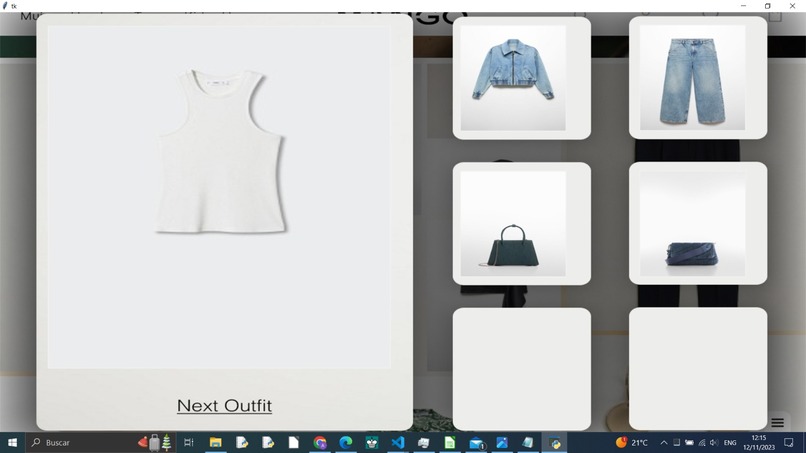
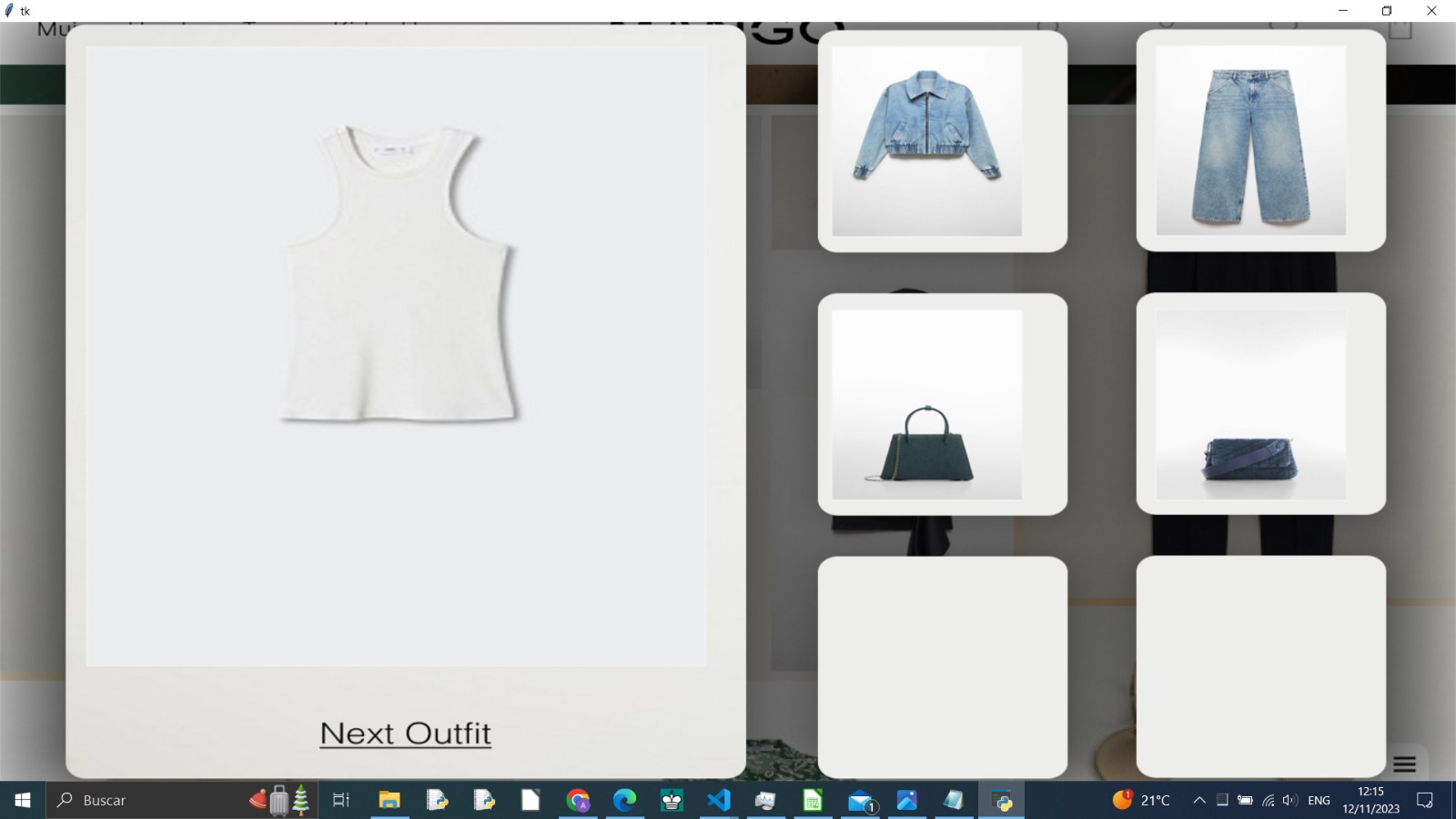
By readjusting the conditions to build an outfit, we were able to establish effective rules for creating stylish outfits, as illustrated below.
Built With
- python
- pytoch
- scikit-learn

Log in or sign up for Devpost to join the conversation.