-
-
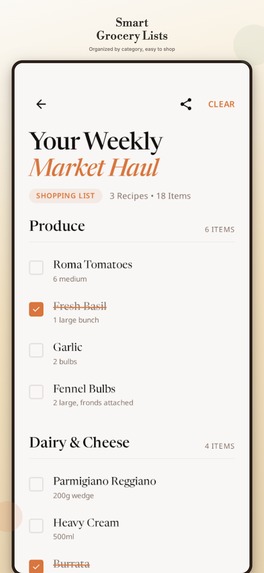
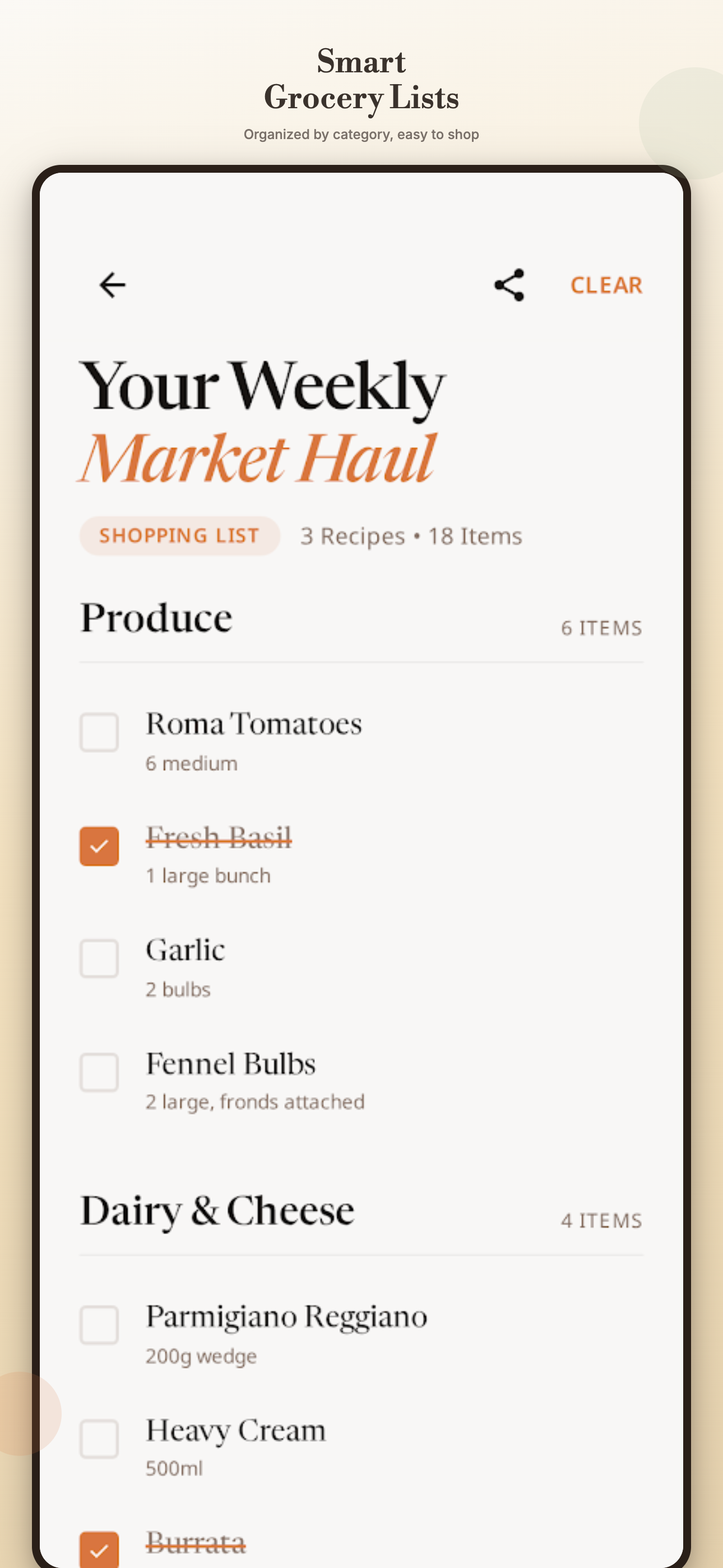
Smart grocery list — only what you need to buy
-
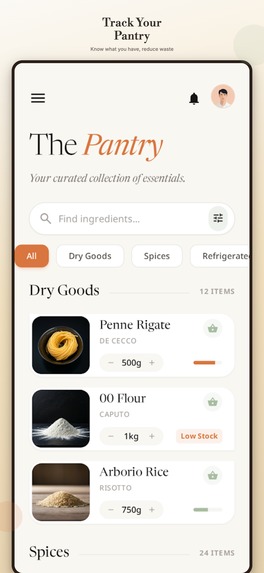
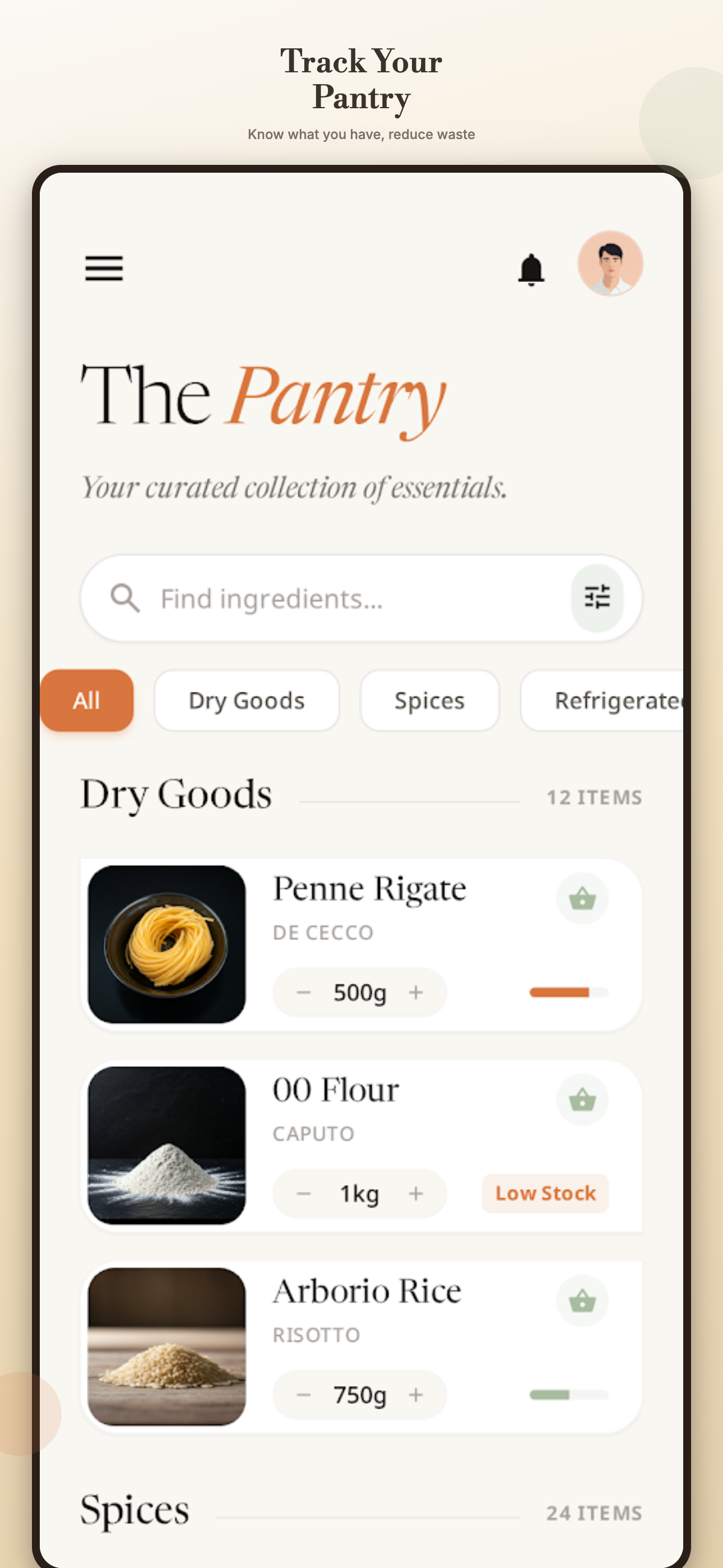
Digital pantry — track what you have at home
-
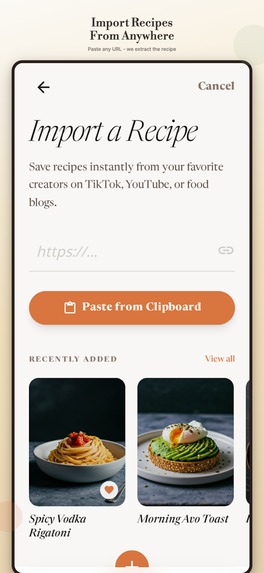
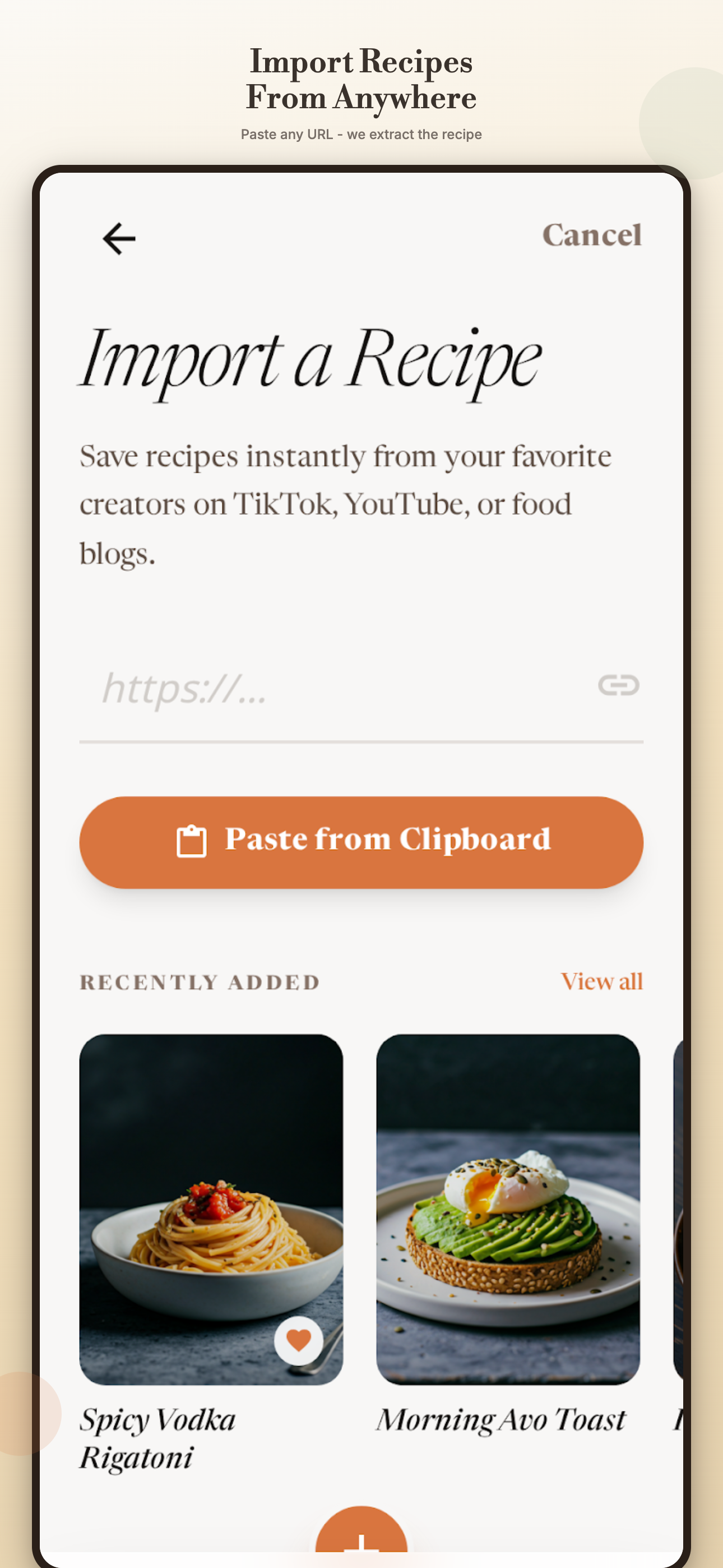
Paste any recipe URL and Mangia's AI extracts ingredients, instructions, and metadata automatically
-
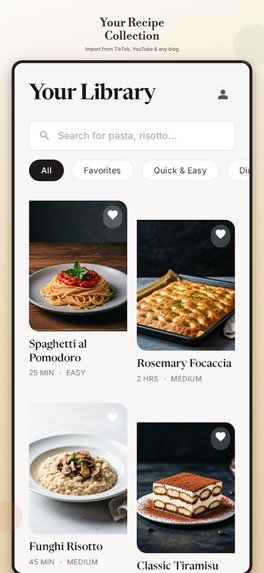
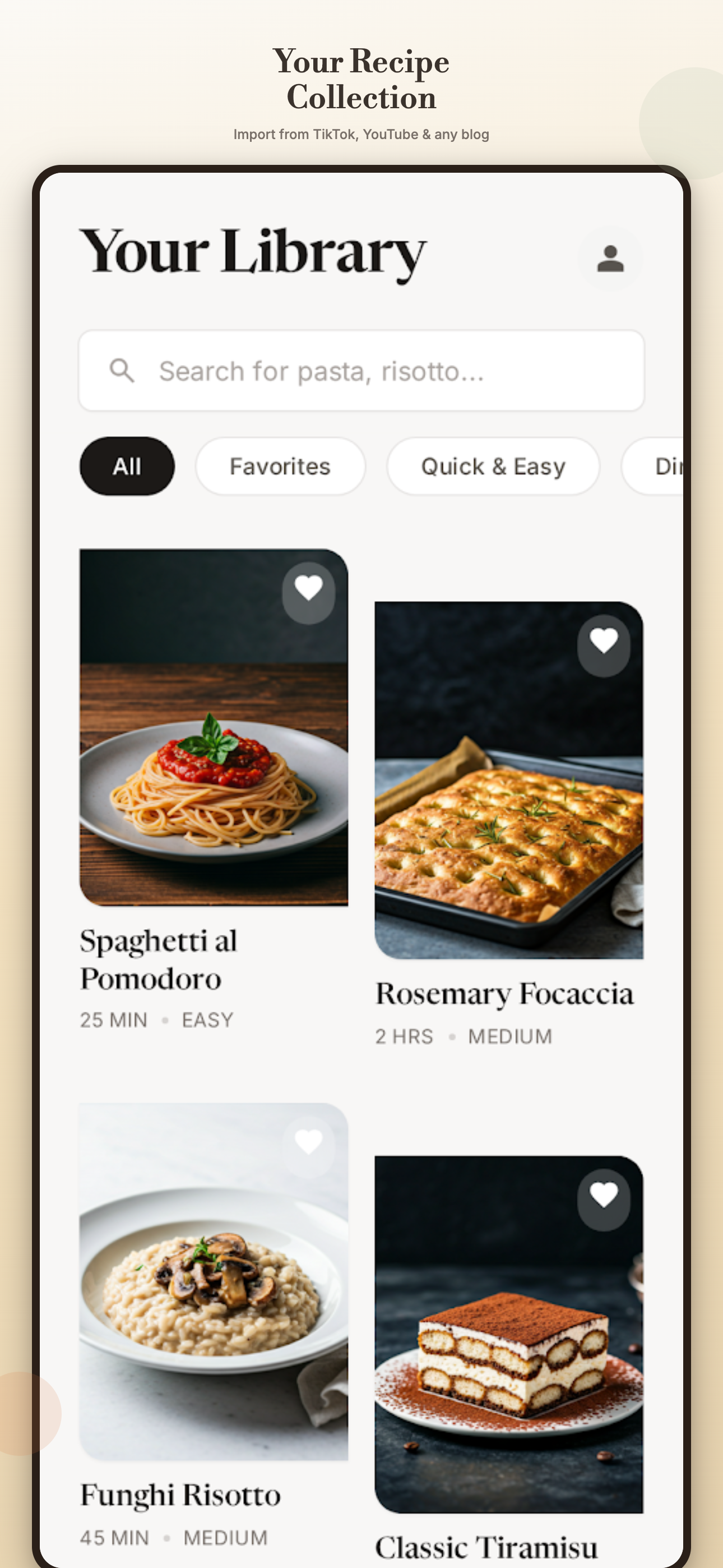
Recipe library — your saved collection
-
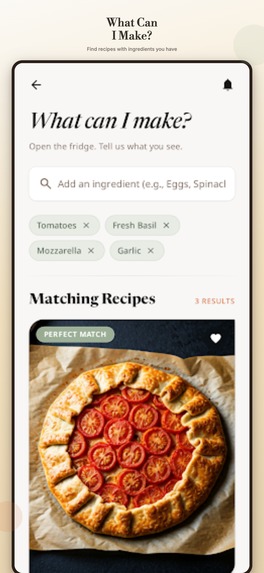
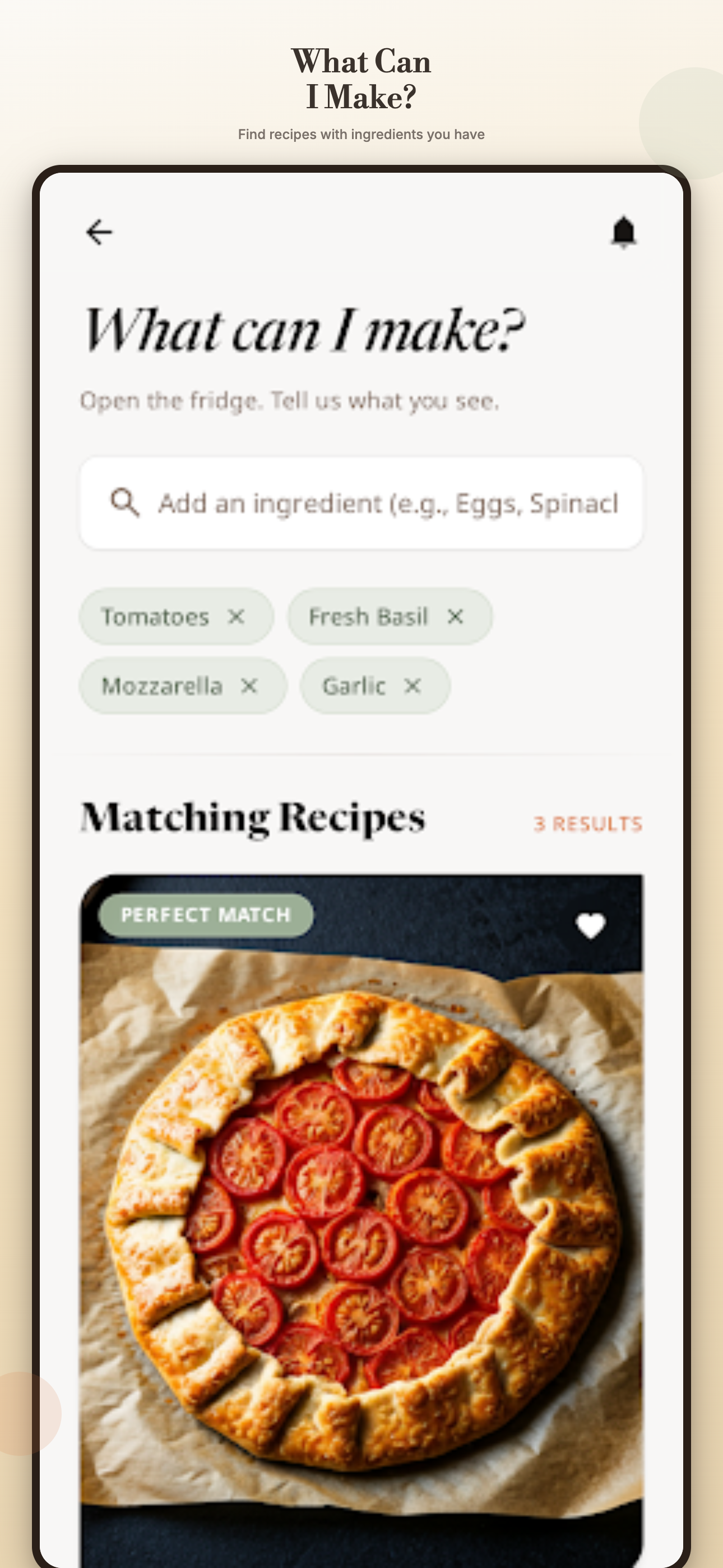
What Can I Make — recipes matching your pantry
-
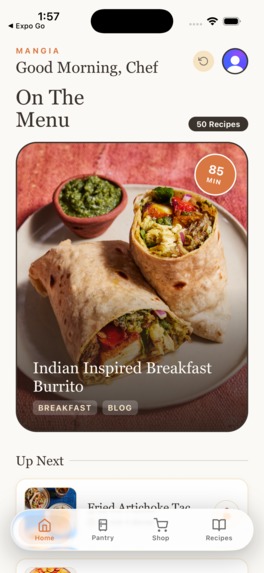
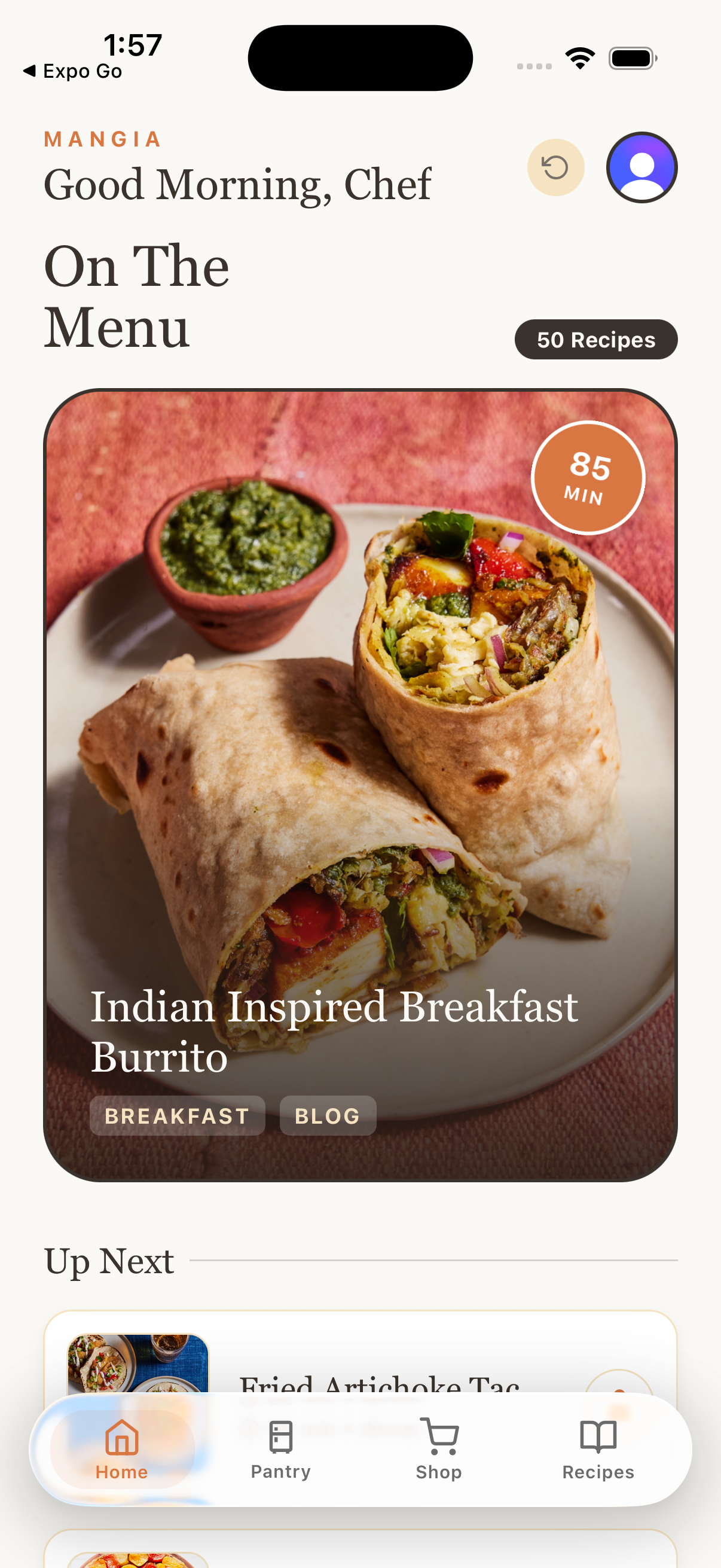
Want to Cook queue — recipes lined up to make
Mangia: From Saved Recipe to Dinner Made
Inspiration
We've all been there. You're scrolling through TikTok and see a gorgeous recipe video that makes your mouth water. You like it, bookmark it, maybe even screenshot it. And then? It sits in your camera roll or browser history, forgotten. Meanwhile, your pantry gathers dust and takeout receipts pile up.
Eitan Bernath's 2.3M followers face this exact problem daily. Food creators inspire people to cook, but inspiration doesn't translate into action. The friction is real: recipes scattered across YouTube, TikTok, blogs, and Pinterest. Grocery lists that don't account for what's already at home. Forgetting ingredients mid-shop. Losing your place while cooking. The path from "that looks amazing" to "we're eating dinner" is broken.
Most recipe apps are recipe catalogs—they're not built for the discovery mindset or the real chaos of home cooking. They don't solve for the person who found something beautiful online and wants to make it tonight.
Eitan's brief is about turning inspiration into action. His community—foodies discovering recipes on social media—is Mangia's exact target audience. When someone watches Eitan's content or another food creator's content and gets inspired, Mangia is the app they'll reach for to make it happen.
What it does
Mangia is a recipe management iOS app designed for the social media generation. It turns that moment of inspiration into an organized, actionable cooking experience.
Tagline: "From saved recipe to dinner made"
The workflow is seamless. Paste a recipe URL—from a TikTok, YouTube video, blog, or anywhere—and Mangia's AI extracts the recipe automatically. Add it to your queue. Mangia generates a smart grocery list that accounts for what's already in your digital pantry. Shop, come home, start cooking. When you're in the kitchen, Cooking Mode guides you through each step with timers, voice control, and iOS Live Activities that keep your instructions visible on the lock screen and Dynamic Island even while switching between apps.
Core Features
Recipe Import with AI Extraction — Paste any URL. AI-powered web scraping (Firecrawl) combined with Gemini extracts ingredients, instructions, and metadata automatically. No manual typing, no copying recipes from ten different tabs.
Smart Grocery Lists — Automatically generated from your recipe queue, cross-referenced against your digital pantry, and deduplicating common ingredients across recipes. Know exactly what to buy.
Digital Pantry — Track ingredients you have with expiry dates, quantities, and storage location. AI-powered camera scanning and barcode scanning make entry frictionless. The pantry is the foundation for everything else.
What Can I Make? — The reverse workflow. Tell Mangia what you have in your pantry, and it suggests recipes from your saved queue that you can make right now with what's on hand.
Pantry Autopilot — Got ingredients about to expire? Mangia surfaces recipes that use them before they go to waste. The Kitchen Alerts screen keeps you informed about what needs to be cooked soon—reducing food waste while keeping meals spontaneous.
Cooking Mode — Full-screen, step-by-step guided cooking with integrated timers, voice control, and instant access to ingredient lists. iOS Live Activities put cooking instructions on the lock screen and Dynamic Island so you never lose your place.
Meal Planning & Collections — Organize recipes into cookbooks, plan weekly meals, and build themed collections. Structure for people who want to think ahead.
Monetization
Free Tier: Users get three recipe imports per month, basic grocery lists, and manual pantry entry. Enough to try the core value proposition without friction.
Premium ($4.99/month or $29.99/year): Unlimited recipe imports, AI-powered camera scanning for pantry entry, the What Can I Make feature, recipe collections, voice control in Cooking Mode, grocery list export, and meal planning.
The paywall is thoughtfully placed. It triggers on the fourth recipe import and when accessing premium features, so users see the value before being asked to pay. RevenueCat products are configured as mangia_premium_monthly and mangia_premium_yearly with a single premium entitlement, keeping subscription logic clean and allowing flexible pricing experiments without touching code.
How we built it
This is a fully functional iOS app, not a prototype. Built with React Native and Expo 54 for rapid deployment and cross-platform potential. The architecture uses a pnpm monorepo with Turborepo for task orchestration across three packages: @mangia/mobile, @mangia/api, and @mangia/shared.
Backend: A Hono API deployed on Vercel Edge Functions powers the backend with a PostgreSQL database (Neon) and Drizzle ORM for type-safe database interactions. Custom rate limiting middleware prevents AI service exhaustion.
Authentication: Clerk handles authentication seamlessly with JWT-based auth flow—no password storage, secure token management across sessions.
Subscriptions: RevenueCat manages subscriptions and monetization. The SDK caches entitlements locally for offline access and refreshes automatically.
AI Pipeline: Gemini 2.5 Flash-Lite handles recipe extraction and pantry vision analysis for cost-efficient structured extraction. Firecrawl scrapes JavaScript-heavy recipe sites. For video content from TikTok and YouTube, we extract transcripts via RapidAPI and parse them with AI.
iOS Features: Voltra framework powers iOS Live Activities for the lock screen and Dynamic Island cooking timer experience. expo-share-intent enables direct recipe sharing from Safari and other apps.
CI/CD: GitHub Actions with Fastlane automates TestFlight deployments on every push to main. Maestro powers our E2E test suite with 10 flows covering critical user paths.
Challenges we ran into
Fragmented recipe sources. Every food blog has a different HTML structure. TikTok and YouTube don't expose recipe data—we had to build a pipeline that extracts video transcripts and uses AI to parse them into structured recipes. Firecrawl handled the JavaScript-heavy sites, but we still needed custom logic for edge cases.
Streaming AI responses. Gemini returns responses via Server-Sent Events, and we encountered issues with fragmented and truncated responses during pantry scanning. We built a robust response parser that handles SSE chunking gracefully.
Ingredient parsing complexity. Users enter ingredients in wildly different formats: "1/2 cup", "½ cup", "0.5 cups", "1-2 cloves", "2 to 3 tablespoons". We wrote 46 unit tests just for ingredient parsing and added support for Unicode fractions, ranges, and compound quantities.
CI/CD for iOS. Getting automated TestFlight deploys working required solving several issues: pnpm version conflicts, Xcode version selection for new APIs, and base64-encoding the App Store Connect API key to preserve newlines in environment variables.
Accessibility in bottom sheets. Our glass-styled bottom sheets needed careful accessibility work to ensure screen readers could navigate them properly while maintaining the premium visual design.
Accomplishments that we're proud of
It actually works. This isn't a mockup or a pitch deck come to life. Mangia is a working iOS app with real users testing it. The UI is polished, the workflows are smooth, and the features actually work—from one-tap recipe imports to lock screen cooking guidance.
RevenueCat integration is complete and tested. Subscriptions work. The product is ready to scale.
The AI pipeline is production-ready. We batch pantry items into single Gemini calls (20x cost reduction), handle streaming response edge cases, and gracefully degrade when AI services are unavailable.
Comprehensive E2E testing. 10 Maestro test flows cover every critical user path—from pantry management to recipe imports to cooking mode.
Automated deployments. Push to main, get a TestFlight build. No manual intervention required.
iOS-native polish. Dynamic Island timers, Live Activities on the lock screen, share sheet integration—Mangia feels like it belongs on iOS.
What we learned
AI costs add up fast—batching is essential. One Gemini call for 20 pantry items costs 20x less than 20 individual calls. This insight shaped our entire AI architecture.
RevenueCat makes monetization surprisingly simple. The SDK handles offline caching, entitlement checks, and subscription state automatically. We could focus on the product instead of payment edge cases.
Edge functions are game-changers. Vercel Edge Functions eliminated cold starts entirely. Our API response times are consistently under 200ms globally.
Recipe content is messy. We expected some variation in recipe formats, but the reality is far more chaotic. Supporting the long tail of food blogs required building a flexible parsing pipeline, not a rigid schema.
Test on real devices early. Several bugs only appeared on physical devices—FlashList layout issues, camera permission flows, and gesture handlers behaved differently in simulators.
What's next for Mangia
We're just getting started. Here's what's on the roadmap:
- Recipe scaling — Adjust servings and automatically recalculate ingredient quantities
- Nutritional analysis — Integrate Edamam API for per-recipe nutrition breakdowns
- Smart notifications — Expiring ingredient reminders and meal prep prompts
- Household sharing — Collaborative pantry and meal planning for families (schema already exists)
- Apple Health integration — Sync nutrition data to Health app
- Siri Shortcuts — Voice control beyond the app
- Apple Watch app — Cooking timer right on your wrist
- Android launch — React Native makes this straightforward
Every day, millions of people discover recipes on social media and never cook them. Food creators inspire action but lack the tooling to see inspiration become reality. Mangia fills that gap. It's the missing piece between discovery and execution, designed for a generation that finds food inspiration online and wants to bring it to their tables.
Built by: Adam Rowe Powered by: RevenueCat
Built With
- clerk
- drizzle-orm
- elevenlabs
- expo.io
- fastlane
- firecrawl
- github-actions
- google-gemini
- hono
- ios
- maestro
- neon
- pnpm
- postgresql
- rapidapi
- react-native
- remotion
- revenuecat
- sql
- turborepo
- typescript
- vercel-edge-functions
- voltra

Log in or sign up for Devpost to join the conversation.