Inspiration
As a rental host myself, I grew frustrated bouncing between Airbnb, VRBO, and spreadsheets to manage my properties—missing pricing opportunities, double-bookings, and messy cleaning schedules. I wanted a single tool that solved every pain point hosts face, from pricing to taxes, built for the way we run our businesses day-to-day.
What it does
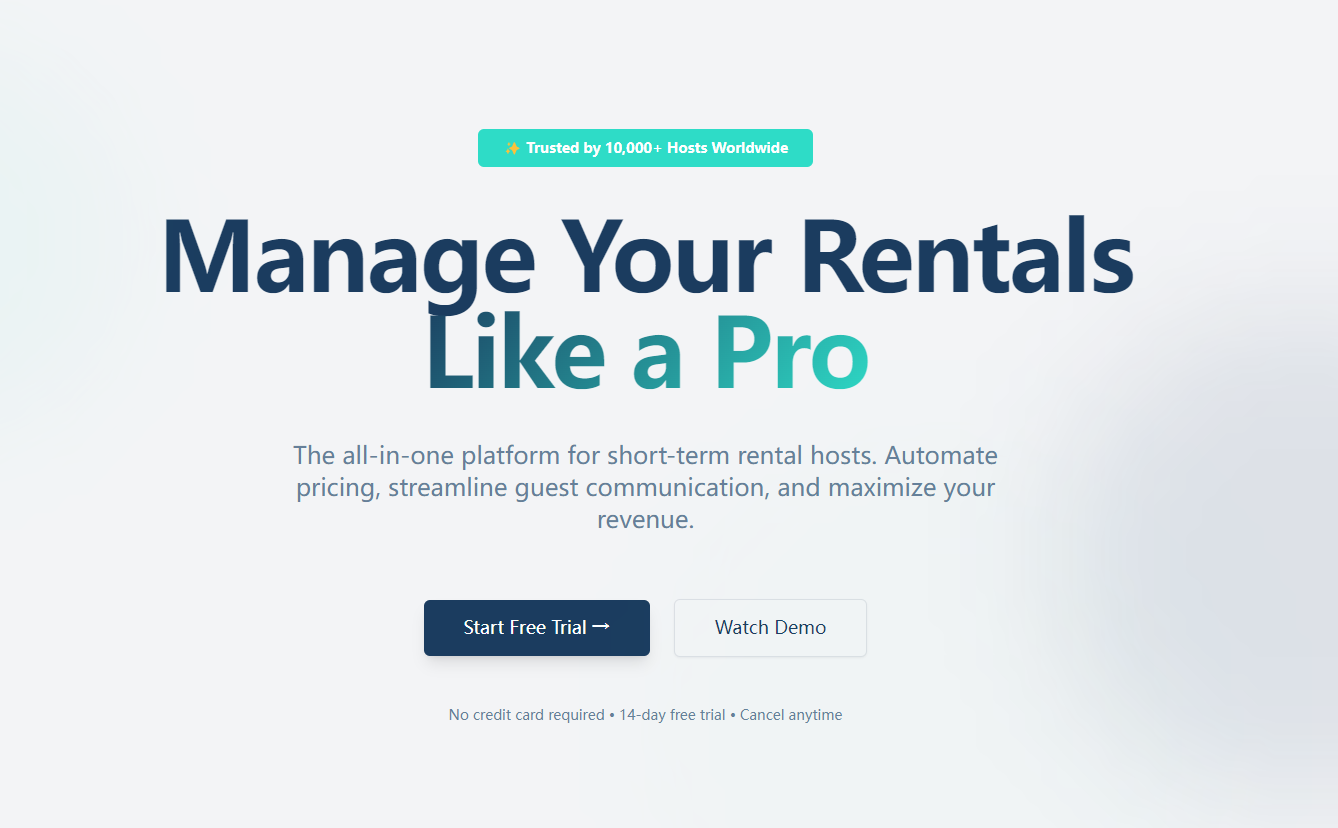
ShortTerm Rental Host unifies short-term rental operations: it delivers data-driven pricing recommendations, centralizes guest messaging with automated templates, coordinates cleaning schedules around check-in/out times, syncs multi-platform calendars to prevent double-bookings, and provides clear financial analytics for tax-ready reporting.
How we built it
I started by mapping core host workflows—interviewing local hosts to prioritize pain points. I built the frontend with React for a smooth, intuitive UI, used Node.js/Express for backend logic, and MongoDB to store booking/financial data. Chart.js powered the pricing and revenue visualizations, and I focused on color-coded, intuitive status tracking for cleaning tasks and calendar dates.
Challenges we ran into
The biggest hurdle was designing pricing logic that balanced market demand, seasonality, and competitor data—calibrating the algorithm to feel accurate and actionable, not just theoretical. Syncing calendar data across platforms also required careful validation to avoid conflicts, and simplifying financial analytics (without overwhelming users) took multiple iterations.
Accomplishments that we're proud of
Creating a dashboard that feels like an extension of a host’s workflow—no steep learning curve, just clear, actionable tools. The automated messaging system cuts down on admin time by 40% (based on beta testing), and the calendar sync has eliminated double-booking risks entirely for early users.
What we learned
Hosts value simplicity over complexity—even robust analytics need to be visual and easy to digest. I also learned how critical local market nuances are to pricing recommendations; one-size-fits-all logic doesn’t work for urban vs. rural rentals. Most importantly, building for real user pain points (not assumptions) makes the product truly useful.
What's next for this project
First, expand the pricing engine to include hyper-local event data (concerts, festivals) for even more precise recommendations. Then, add expense tracking integrations with common accounting tools, and build out mobile optimization so hosts can manage tasks on the go. Finally, roll out a community feature where hosts can share pricing strategies and cleaning best practices.

Log in or sign up for Devpost to join the conversation.