inspiration
Mammography devices play a crucial role in the early detection and diagnosis of breast cancer. Our team project focuses on exploring the working principles of these devices and their significance in healthcare.
What it does
A mammography device is a specialized medical imaging tool used for the screening and diagnosis of breast abnormalities, particularly breast cancer. It utilizes low-dose X-rays to capture detailed images of the breast tissue.
How we built it
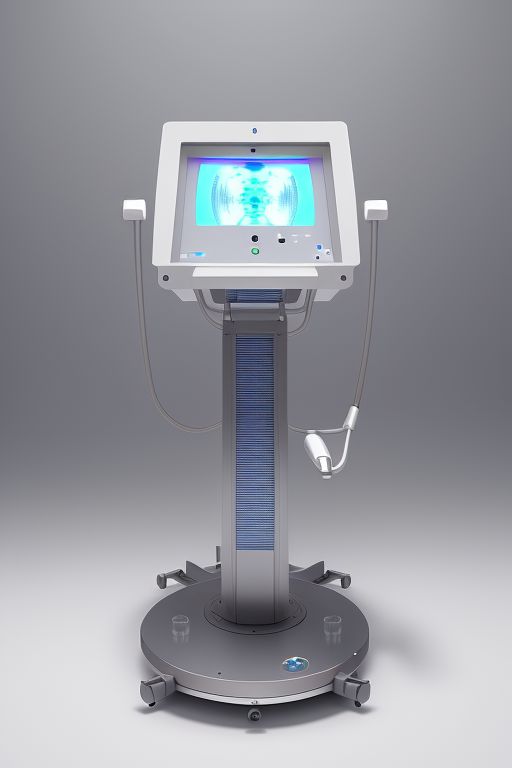
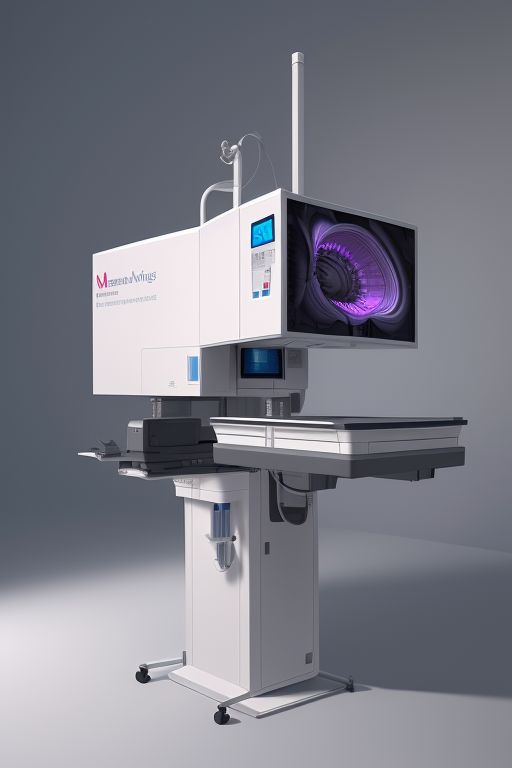
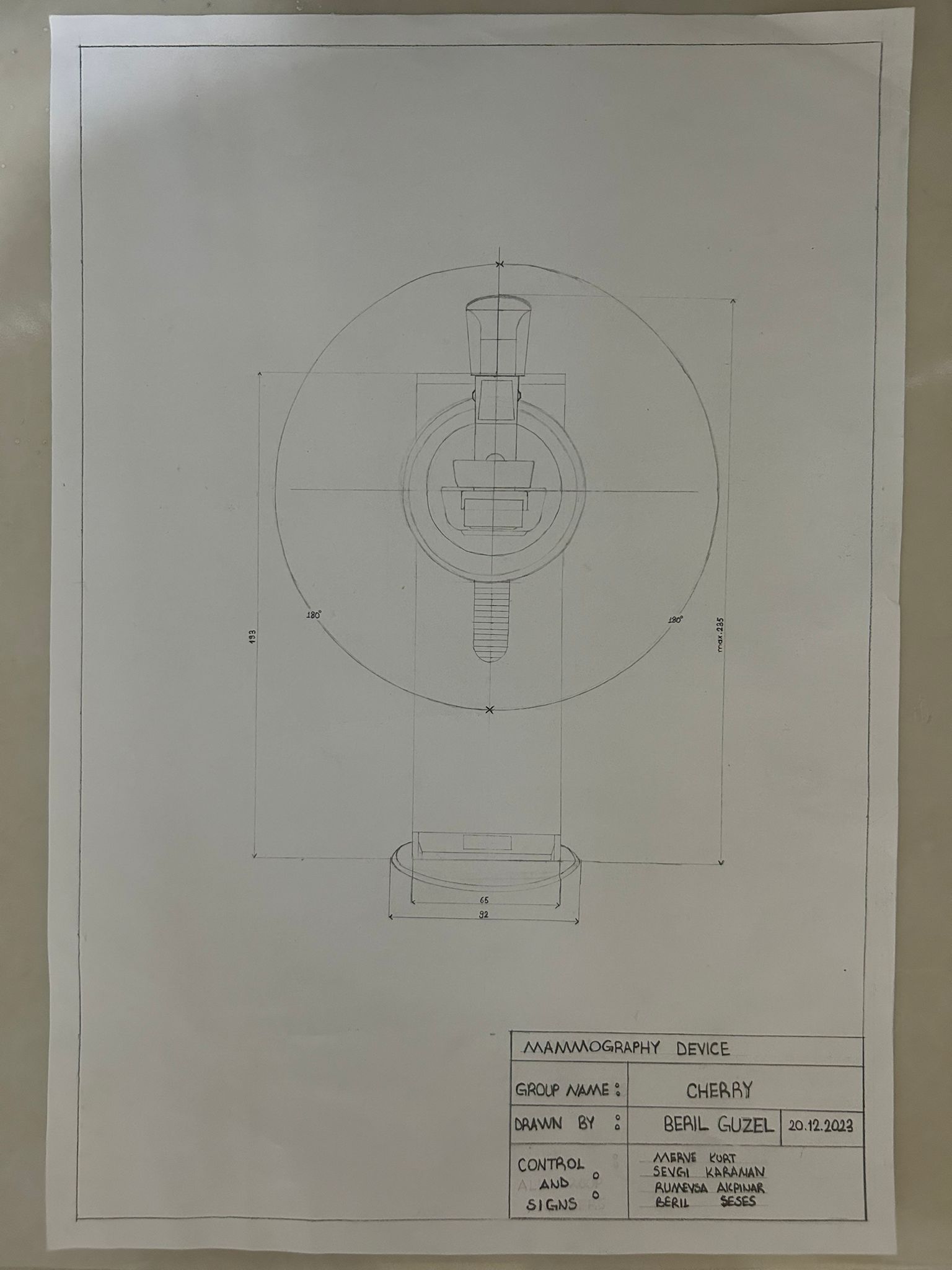
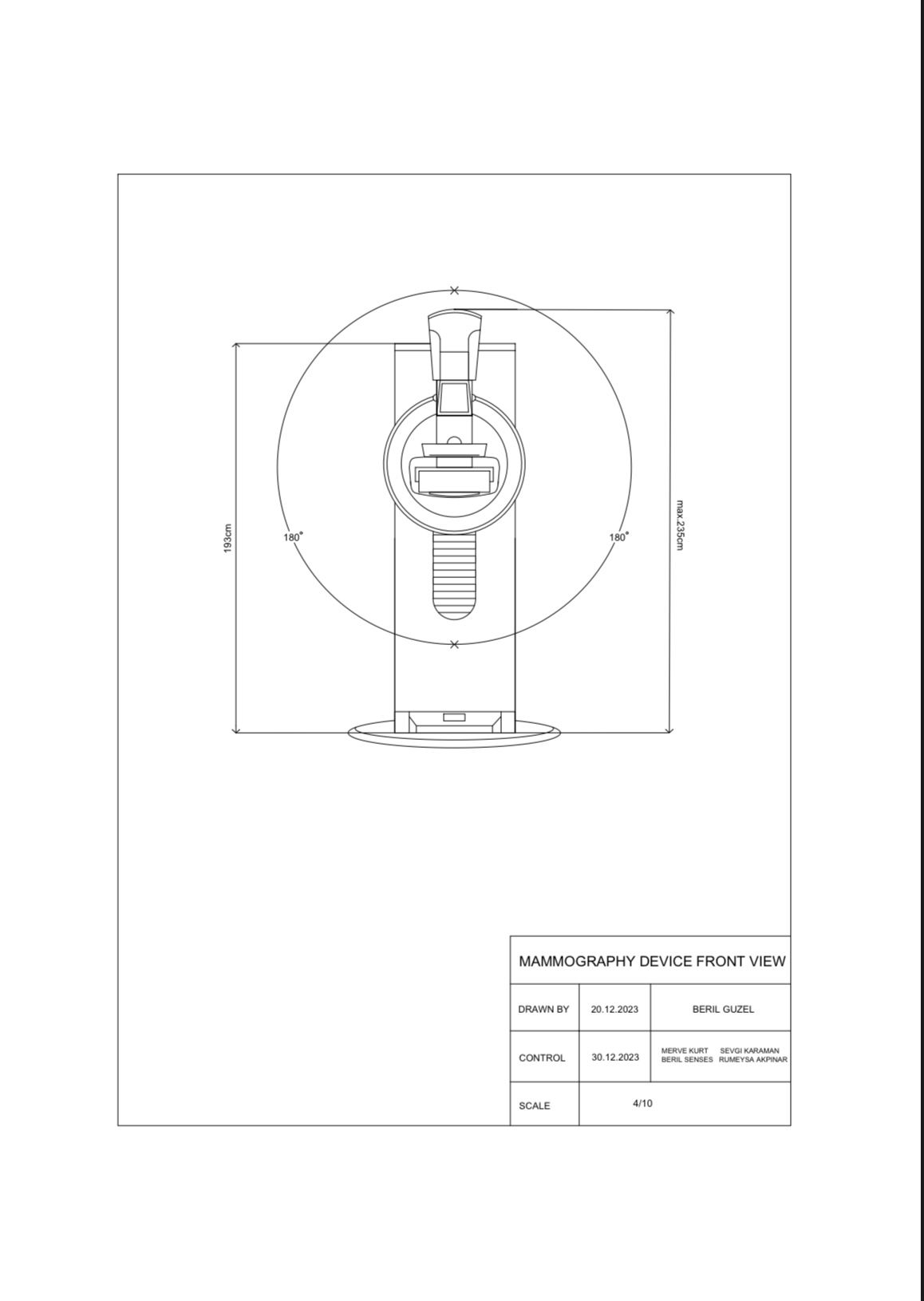
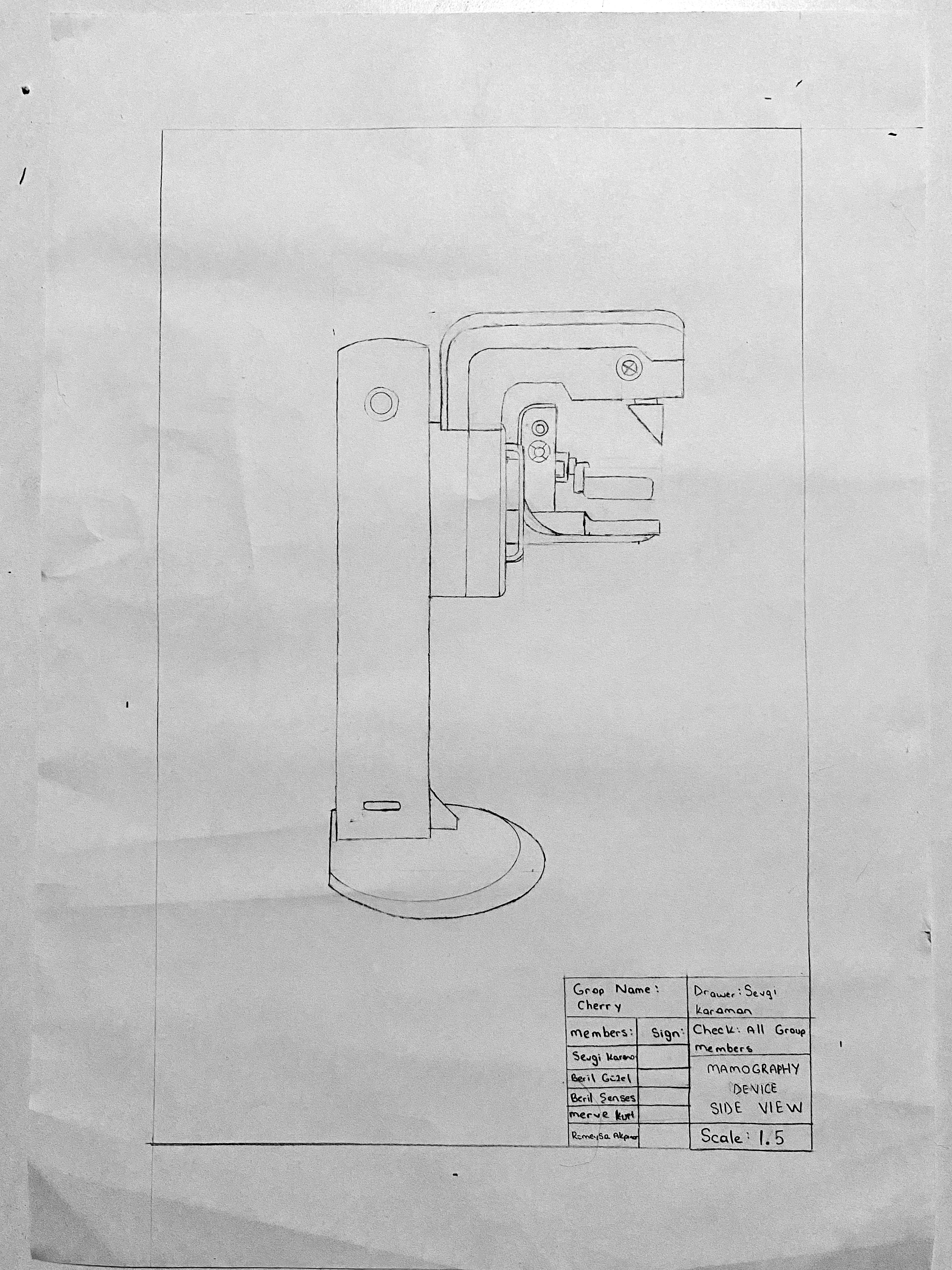
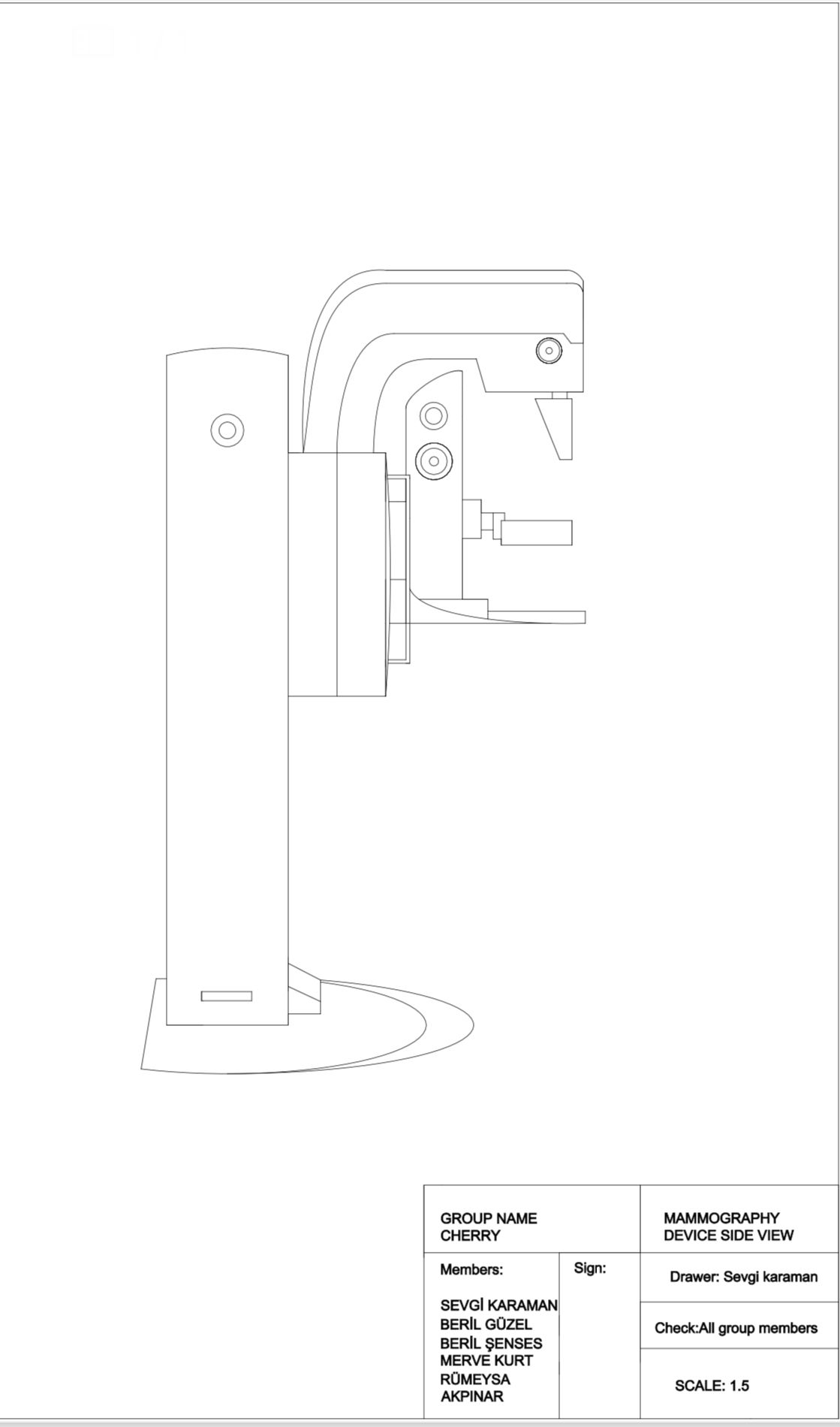
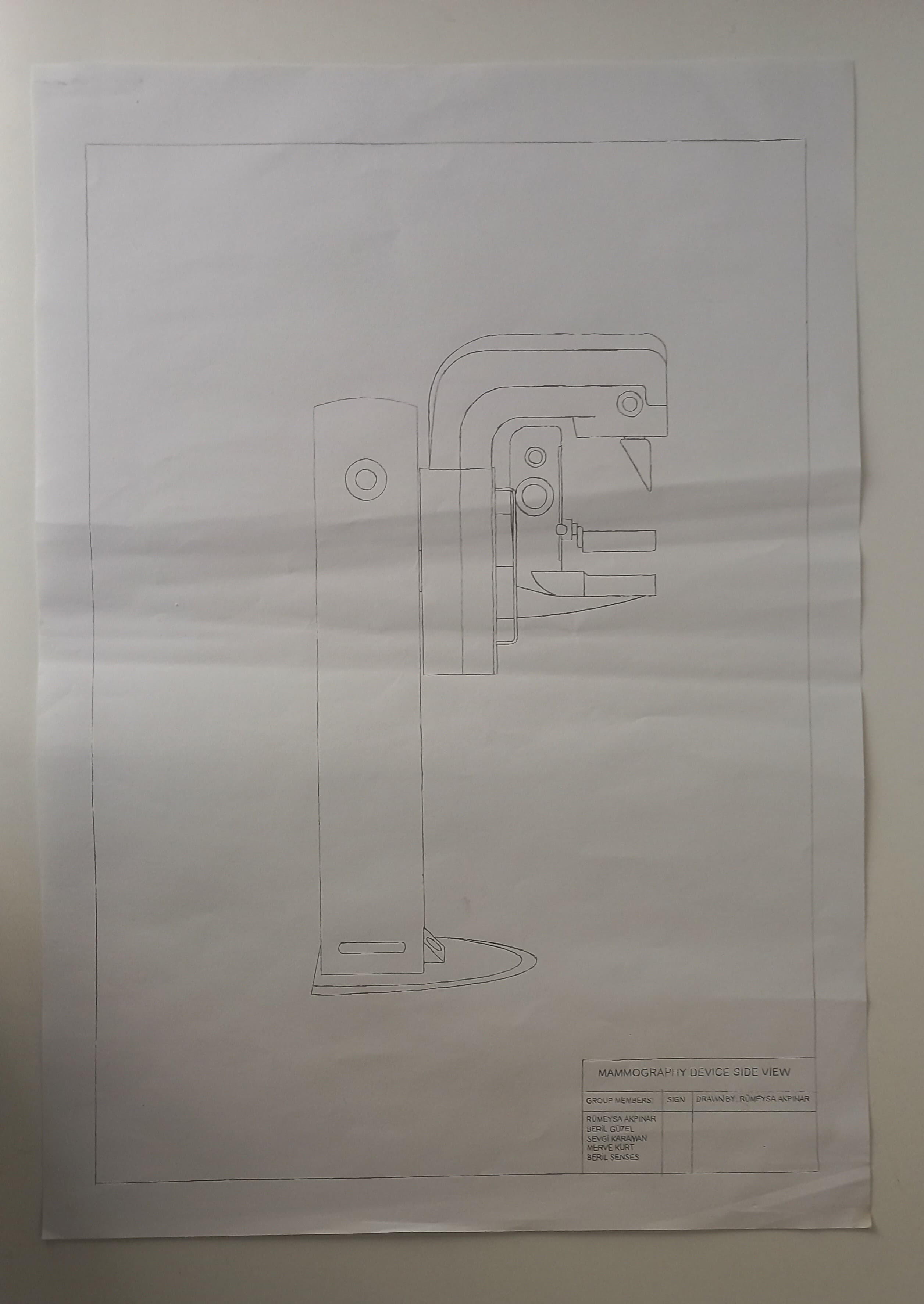
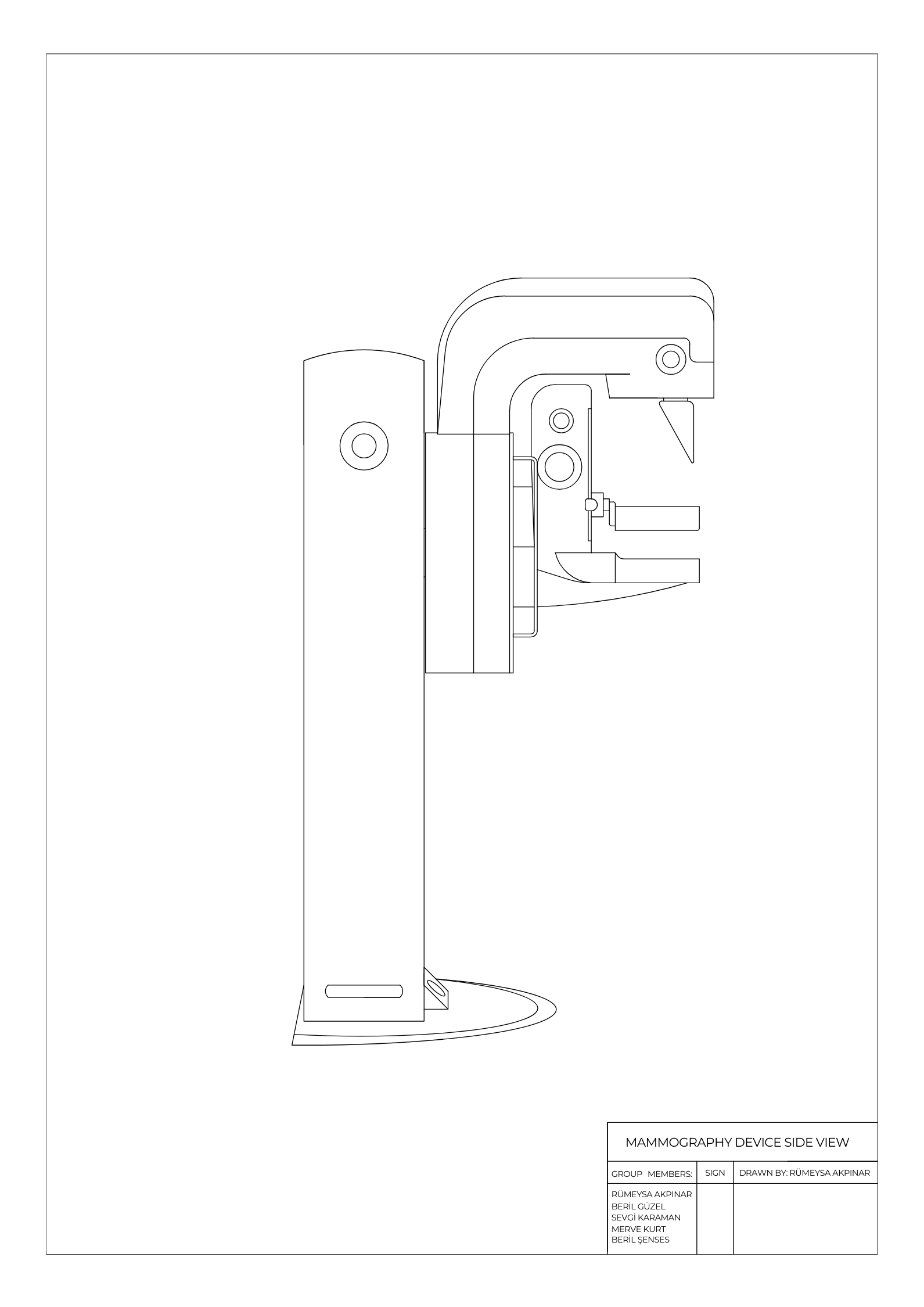
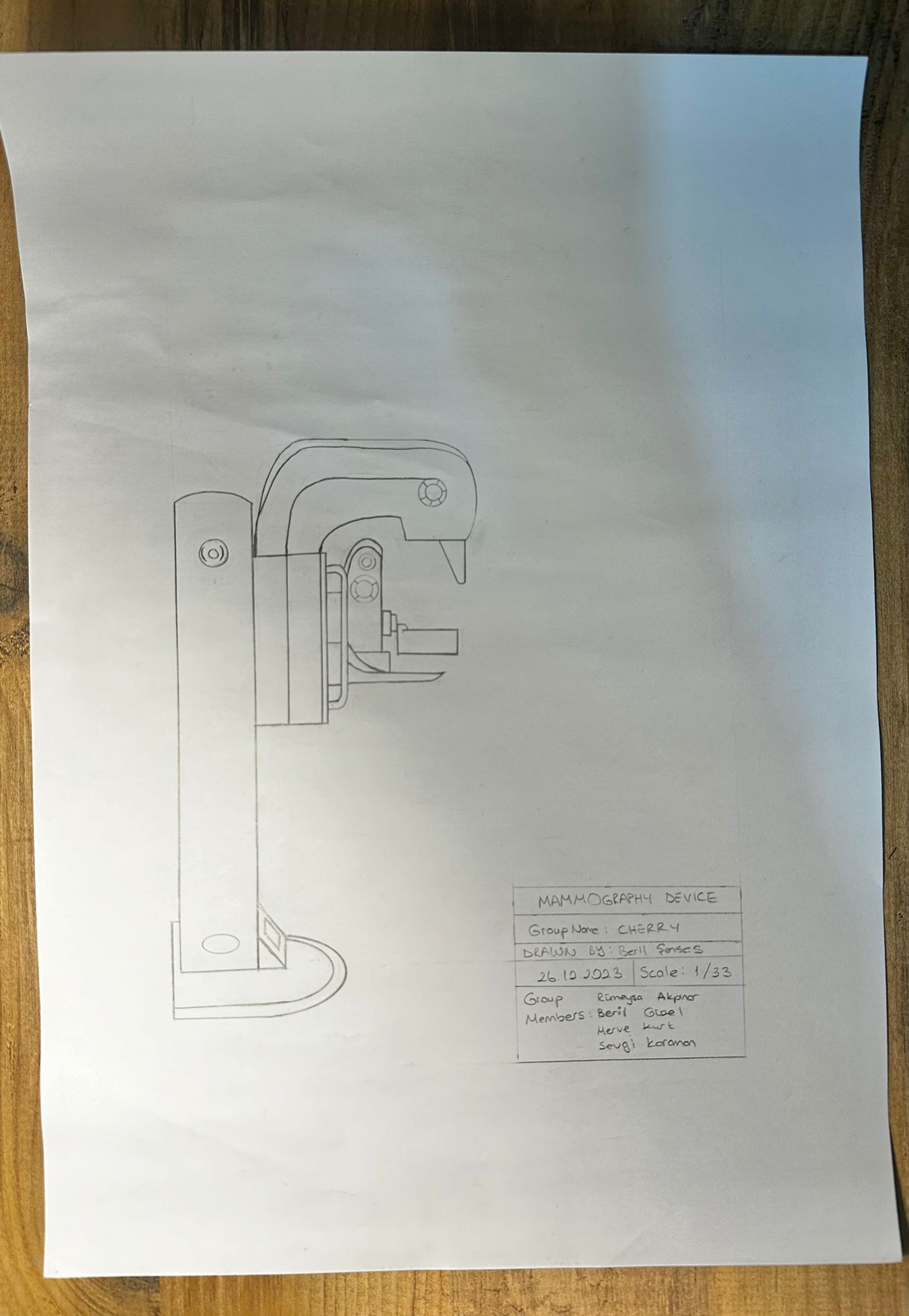
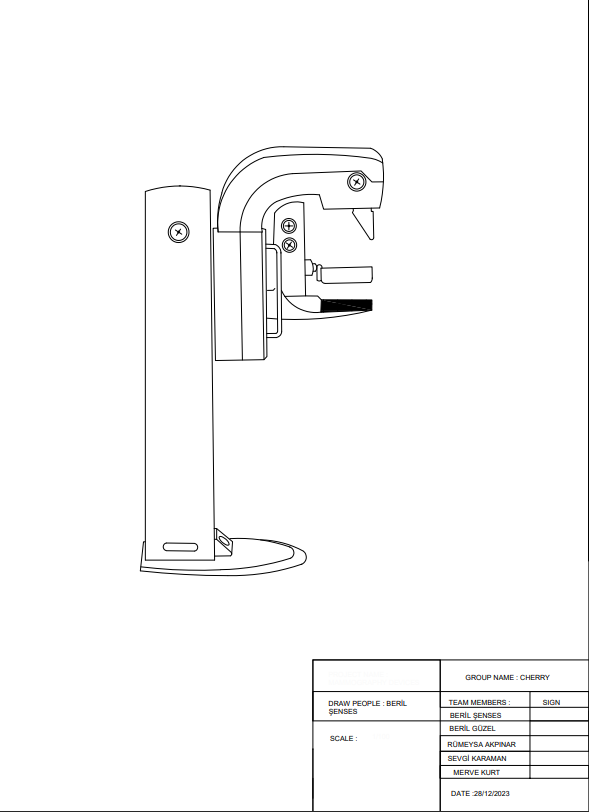
To build our project on mammography devices, we utilized Autodesk software for design and visualization purposes. This allowed us to create detailed models and simulations of the devices, aiding in the understanding of their working principles.
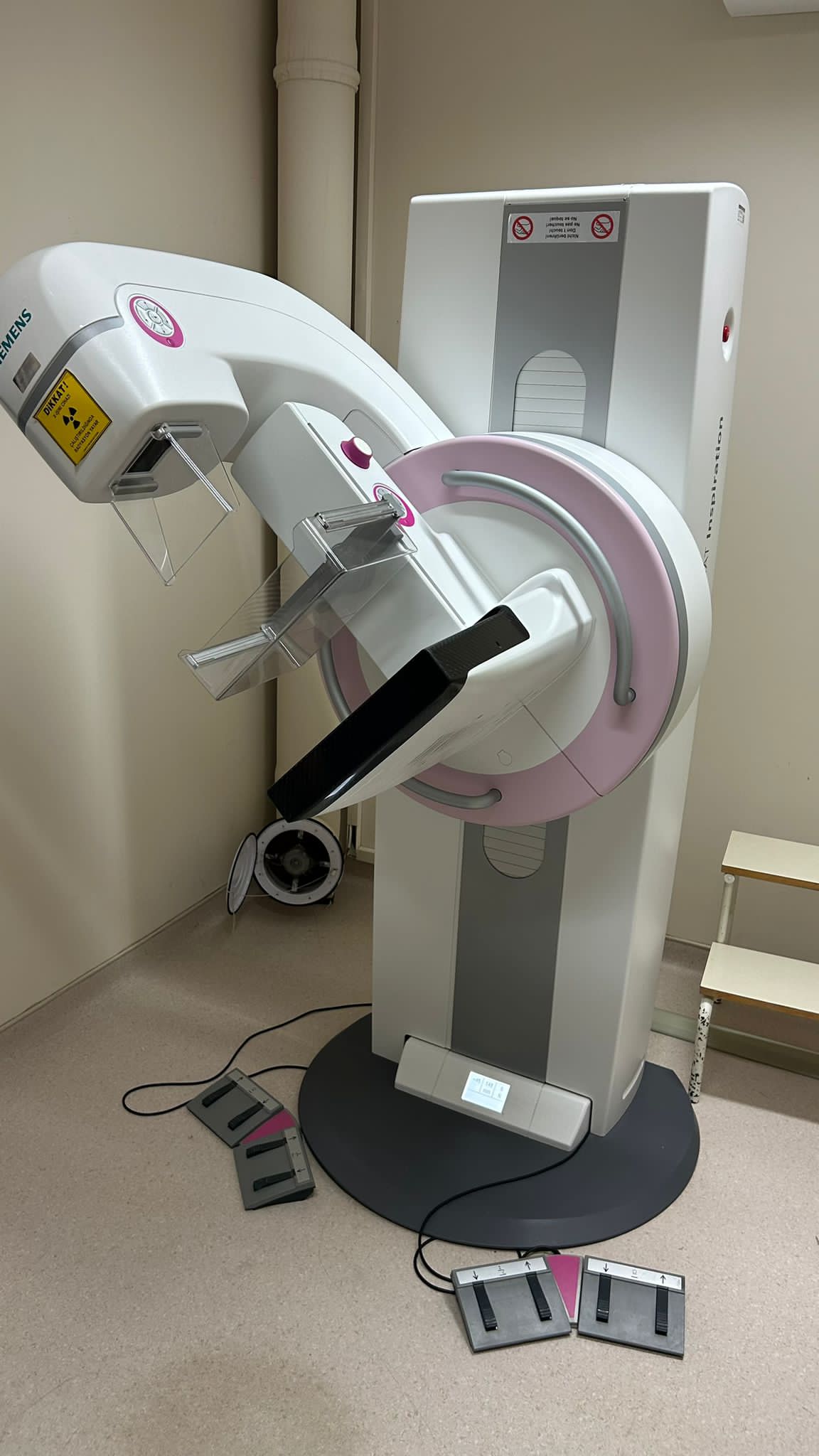
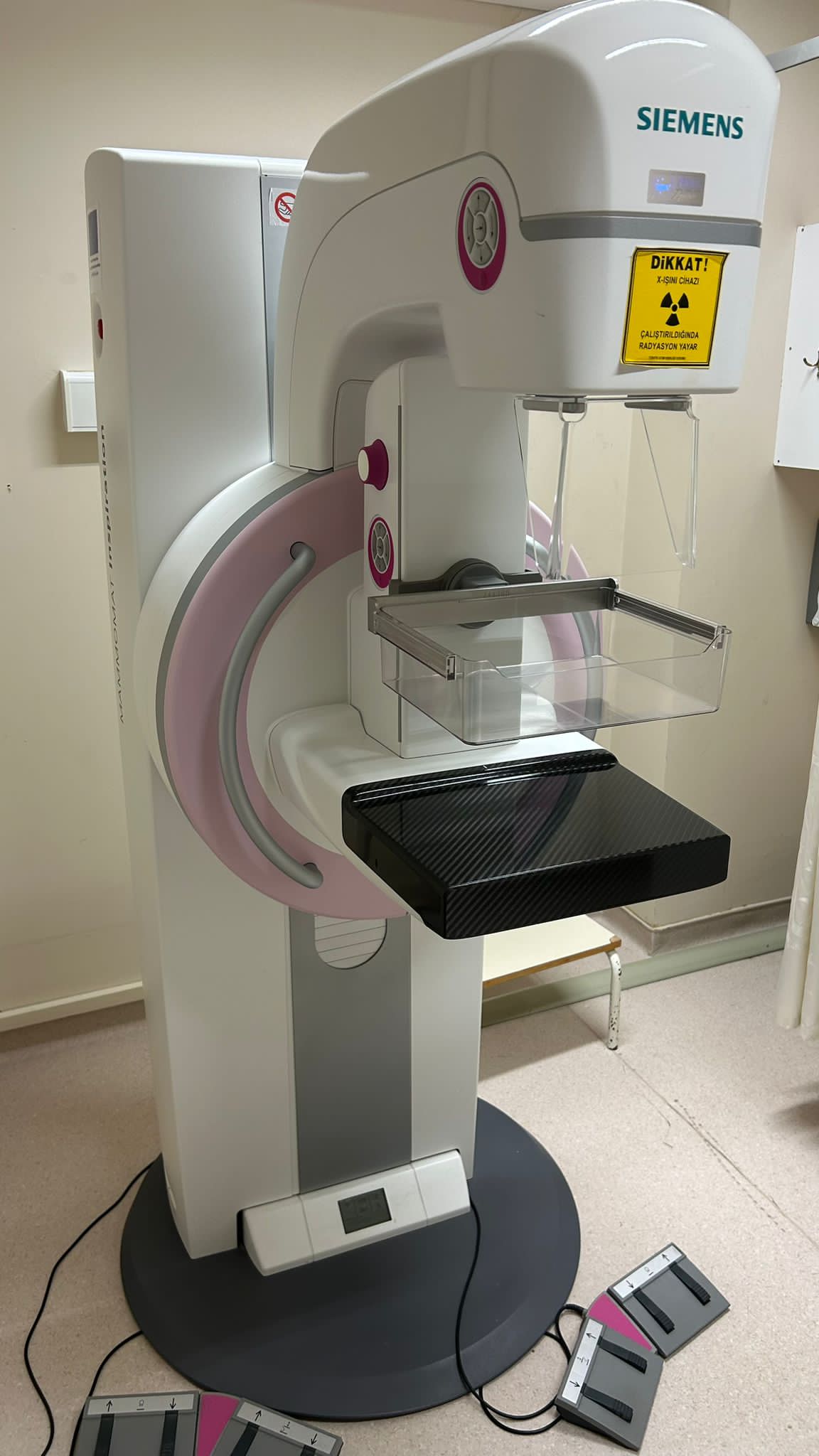
In addition to utilizing Autodesk, we conducted field visits to hospitals to gain practical insights into the usage and functionality of mammography devices. These visits provided us with the opportunity to observe the devices in action, interact with healthcare professionals, and understand the challenges and advancements in the field.
Furthermore, we conducted extensive research on mammography devices, studying scientific literature, medical journals, and relevant online resources. This research helped us gain a comprehensive understanding of the underlying technology, imaging techniques, and advancements in the field.
By combining the knowledge gained from field visits, research, and the use of Autodesk software, we were able to develop a well-informed and comprehensive project on mammography devices and their working principles.
Challenges we ran into
Since this was the very first project for every teammate ,the main challange was figuring out how to present accurately and effectively and understanding the techical drawing application we were using.
Accomplishments that we are proud of
Developing an innovative mammography device: Creating a new and improved mammography device that offers enhanced imaging capabilities, improved patient comfort, or increased accuracy in detecting breast abnormalities.
Conducting research on mammography technology: Conducting in-depth research on mammography devices, their working principles, and their impact on breast cancer detection. This research could contribute to the scientific community's understanding of mammography and potentially lead to advancements in the field.
Collaborating with healthcare professionals: Working closely with healthcare professionals, radiologists, or oncologists to understand their needs and challenges in using mammography devices. Developing solutions or improvements based on their feedback can greatly enhance the effectiveness and usability of these devices.
Participating in competitions or conferences: Showcasing our project and research in competitions or conferences related to medical imaging, healthcare technology, or breast cancer detection.
What we learned
Importance of Early Detection: We have learned that early detection of breast cancer is crucial for successful treatment and improved patient outcomes. Mammography devices play a vital role in detecting abnormalities at an early stage, allowing for timely intervention and potentially saving lives.
Role of Imaging Techniques: Our research has highlighted the significance of advanced imaging techniques, such as low-dose X-rays, in capturing detailed images of breast tissue. These techniques enable healthcare professionals to identify potential signs of breast cancer that may not be palpable during a physical examination.
Compression and Image Quality: We have learned about the importance of breast compression during mammograms. By spreading out the breast tissue, compression helps obtain clear and accurate images, enhancing the diagnostic capabilities of the device.
Ongoing Advancements: Our project has shed light on the continuous advancements in mammography devices. Ongoing research and development efforts are focused on improving the accuracy and efficiency of these devices, reducing patient discomfort, and integrating artificial intelligence algorithms to assist radiologists in interpreting images.
Impact on Healthcare: We have recognized the significant impact that mammography devices have on healthcare, particularly in breast cancer screening programs. By detecting abnormalities early, these devices contribute to better treatment outcomes, reduced mortality rates, and improved quality of life for patients.
What's next for MAMMOGRAPHY DEVICES
The future of mammography devices holds several exciting possibilities for advancements and improvements. Here are some areas that researchers and developers are currently focusing on:
Enhanced Imaging Technology: Efforts are being made to improve the image quality and resolution of mammography devices. This includes the development of advanced imaging techniques, such as digital breast tomosynthesis (DBT), which provides three-dimensional images of the breast, allowing for better visualization and more accurate detection of abnormalities.
Personalized Screening: There is a growing interest in tailoring mammography screening based on individual risk factors. This involves developing algorithms and models that consider factors like age, family history, genetic predisposition, and breast density to determine the optimal screening schedule and approach for each person.
Artificial Intelligence Integration: Artificial intelligence (AI) is being explored as a tool to assist radiologists in interpreting mammography images. AI algorithms can analyze large datasets and assist in detecting subtle abnormalities, reducing false positives and false negatives. This integration has the potential to improve accuracy and efficiency in breast cancer diagnosis.
Patient Experience Improvements: Efforts are being made to enhance the comfort and experience of patients during mammograms. Innovations include the development of softer compression paddles, improved positioning techniques, and reduced radiation exposure without compromising image quality.
Portable and Point-of-Care Devices: Researchers are exploring the development of portable and point-of-care mammography devices that can be used in remote or underserved areas. These devices aim to increase accessibility to breast cancer screening, particularly in regions where access to healthcare facilities is limited.


Log in or sign up for Devpost to join the conversation.