-
-
1
-
2
-
3
-
4
-
5
-
6
-
7
-
8
-
9
Abstract:
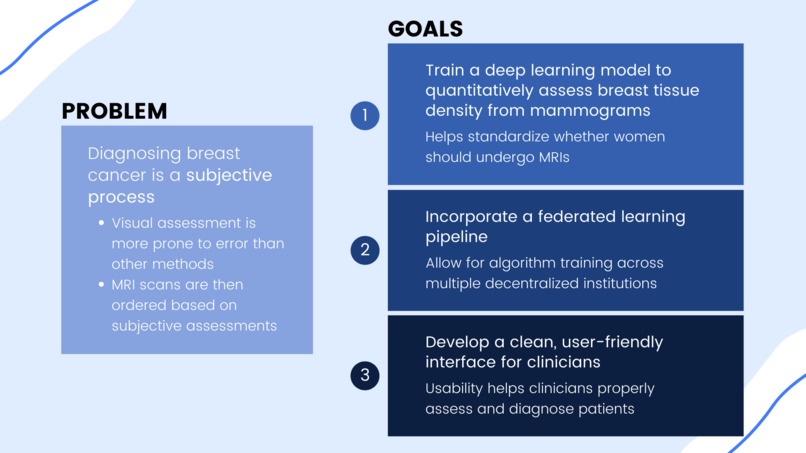
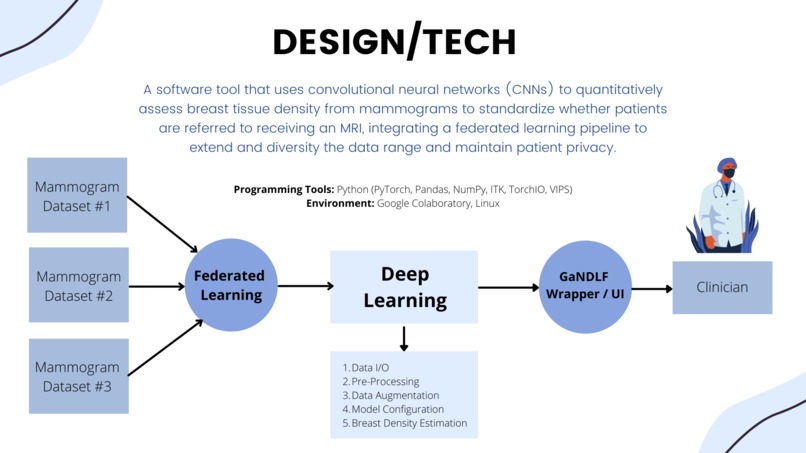
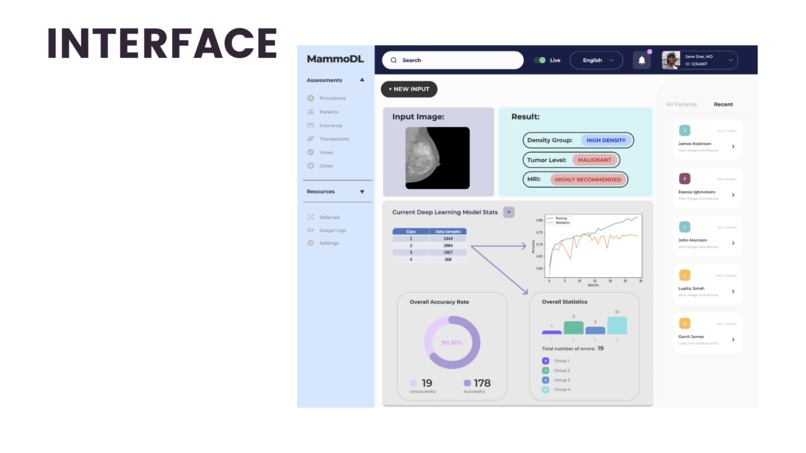
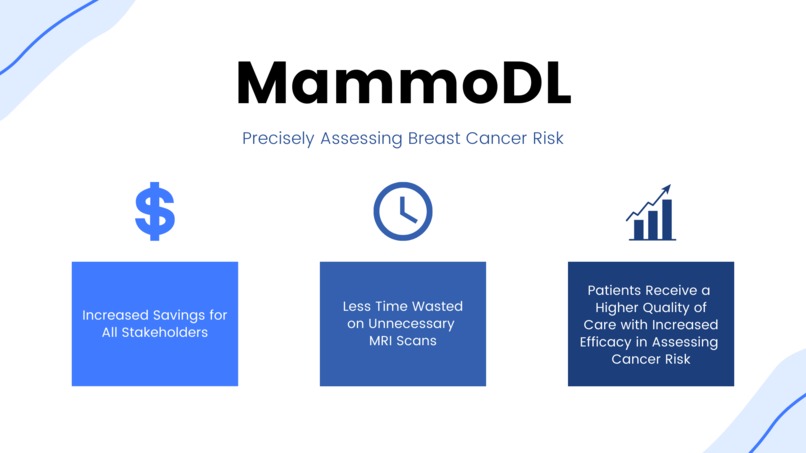
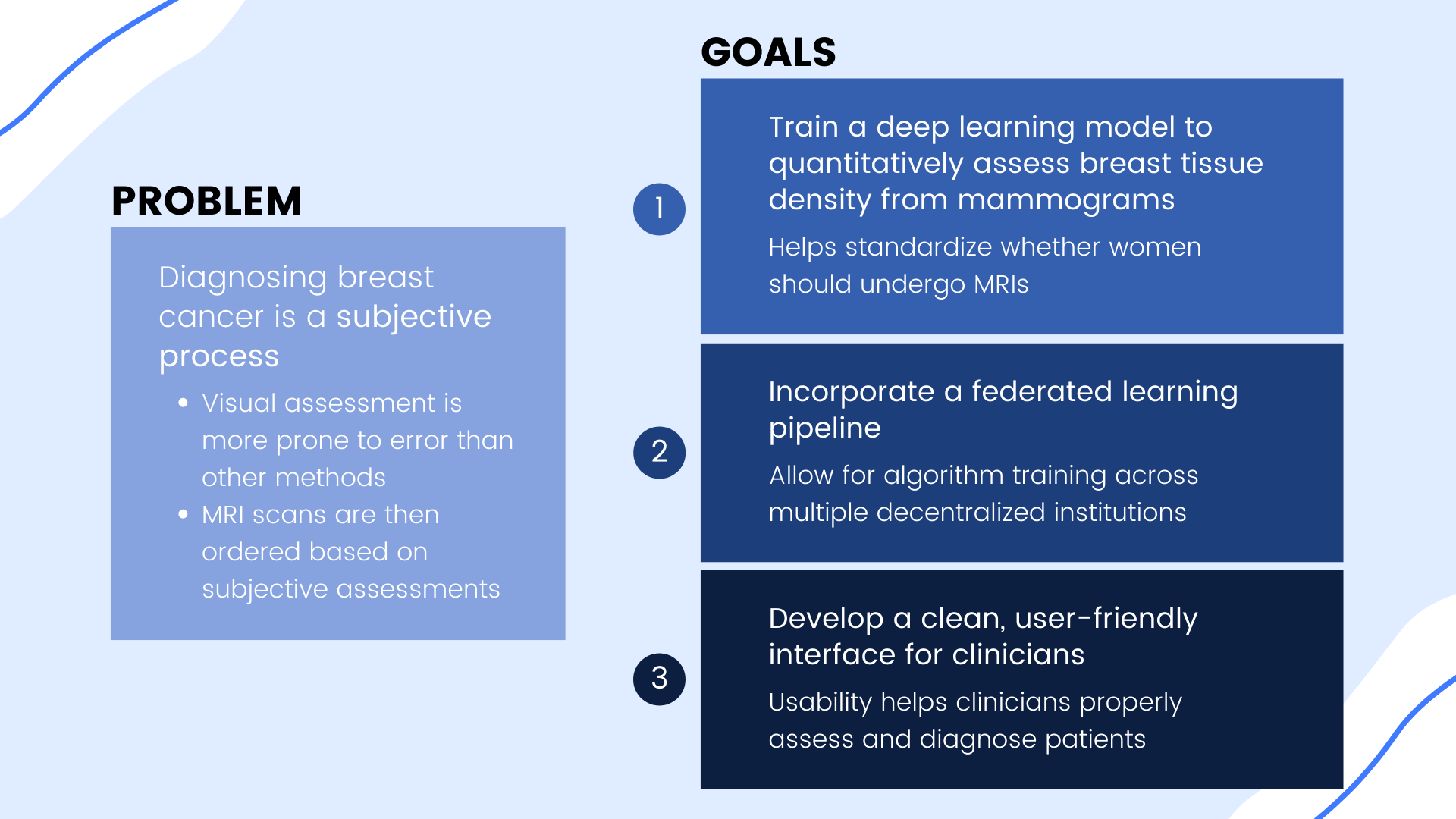
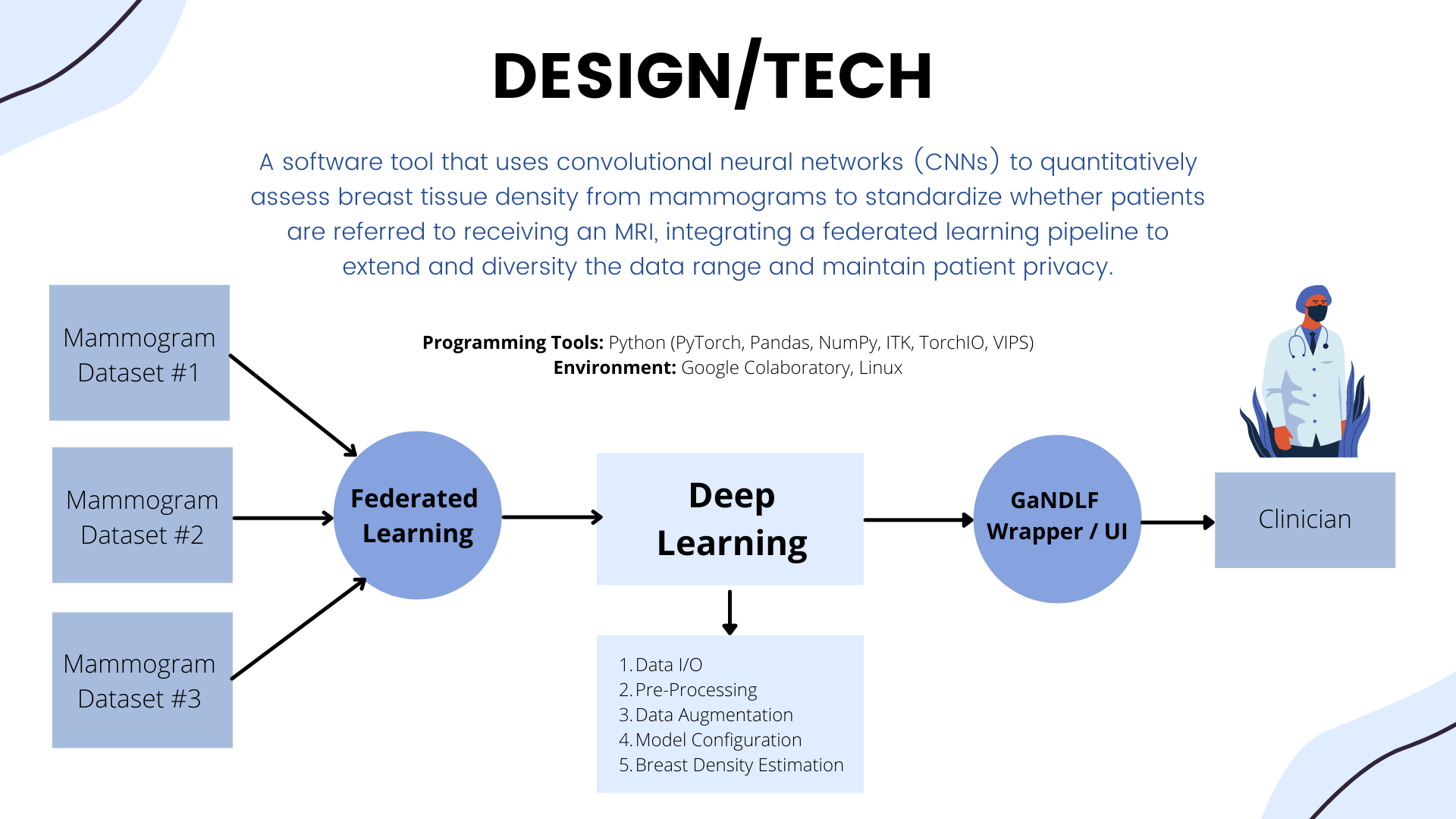
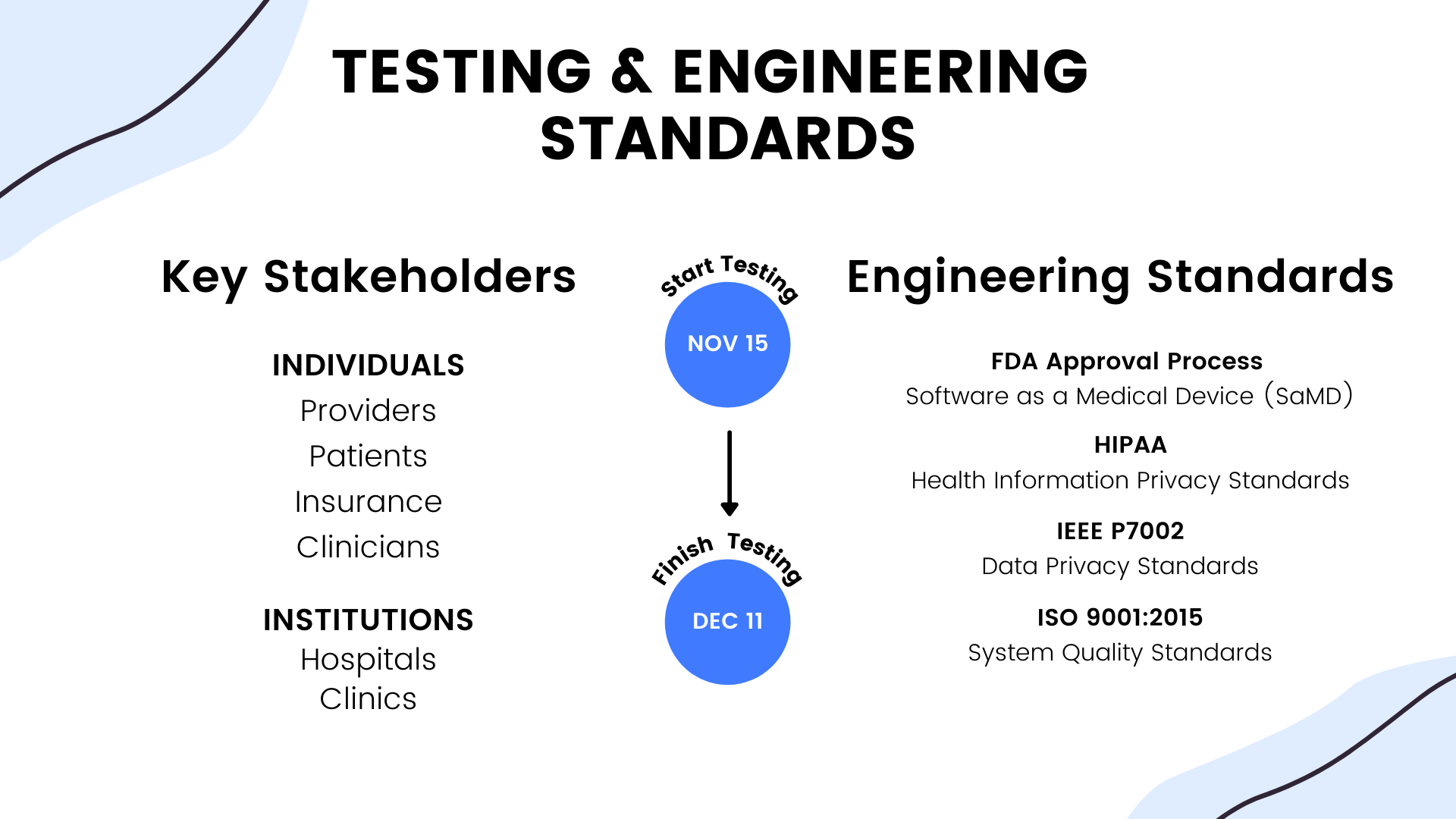
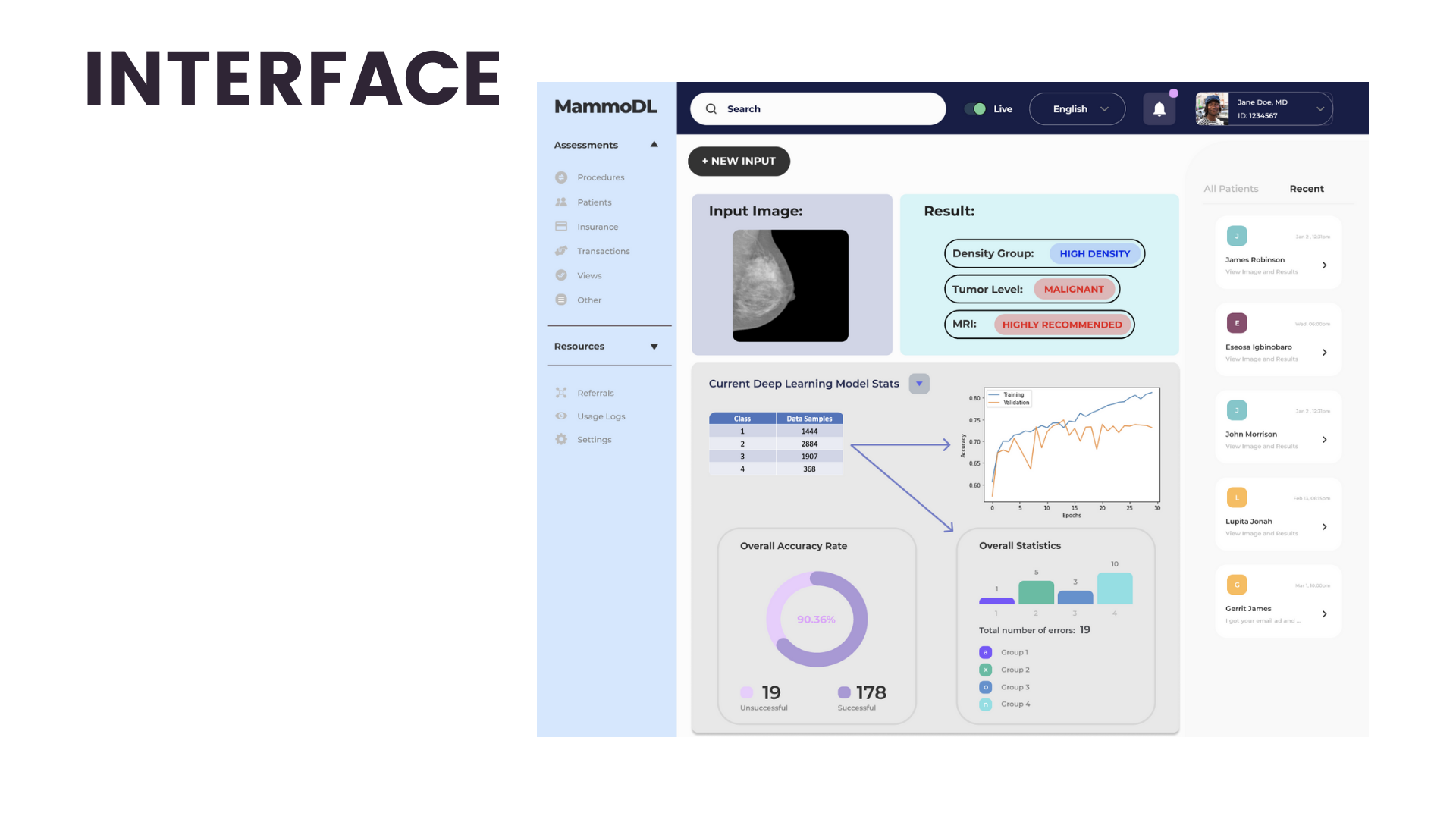
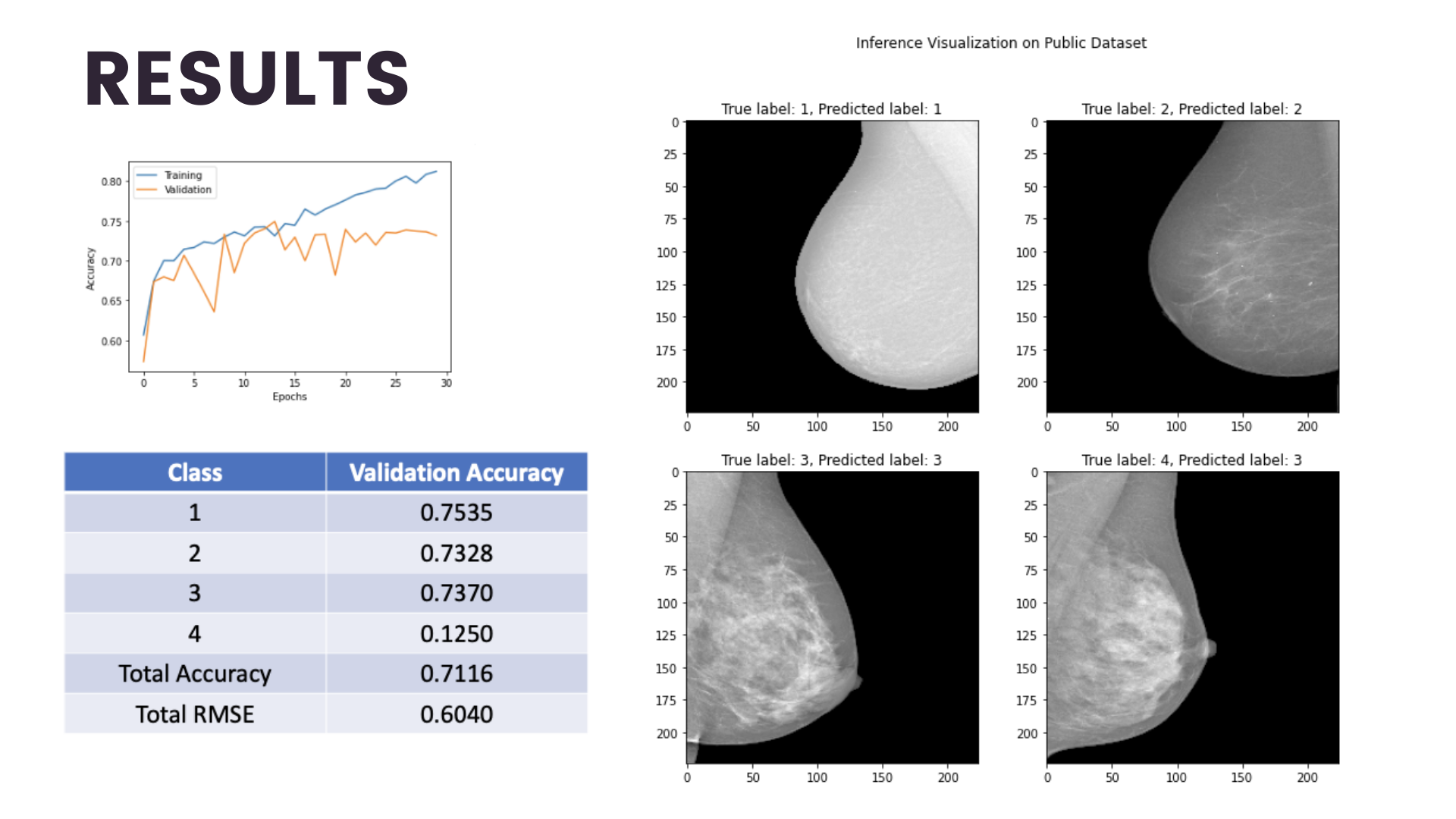
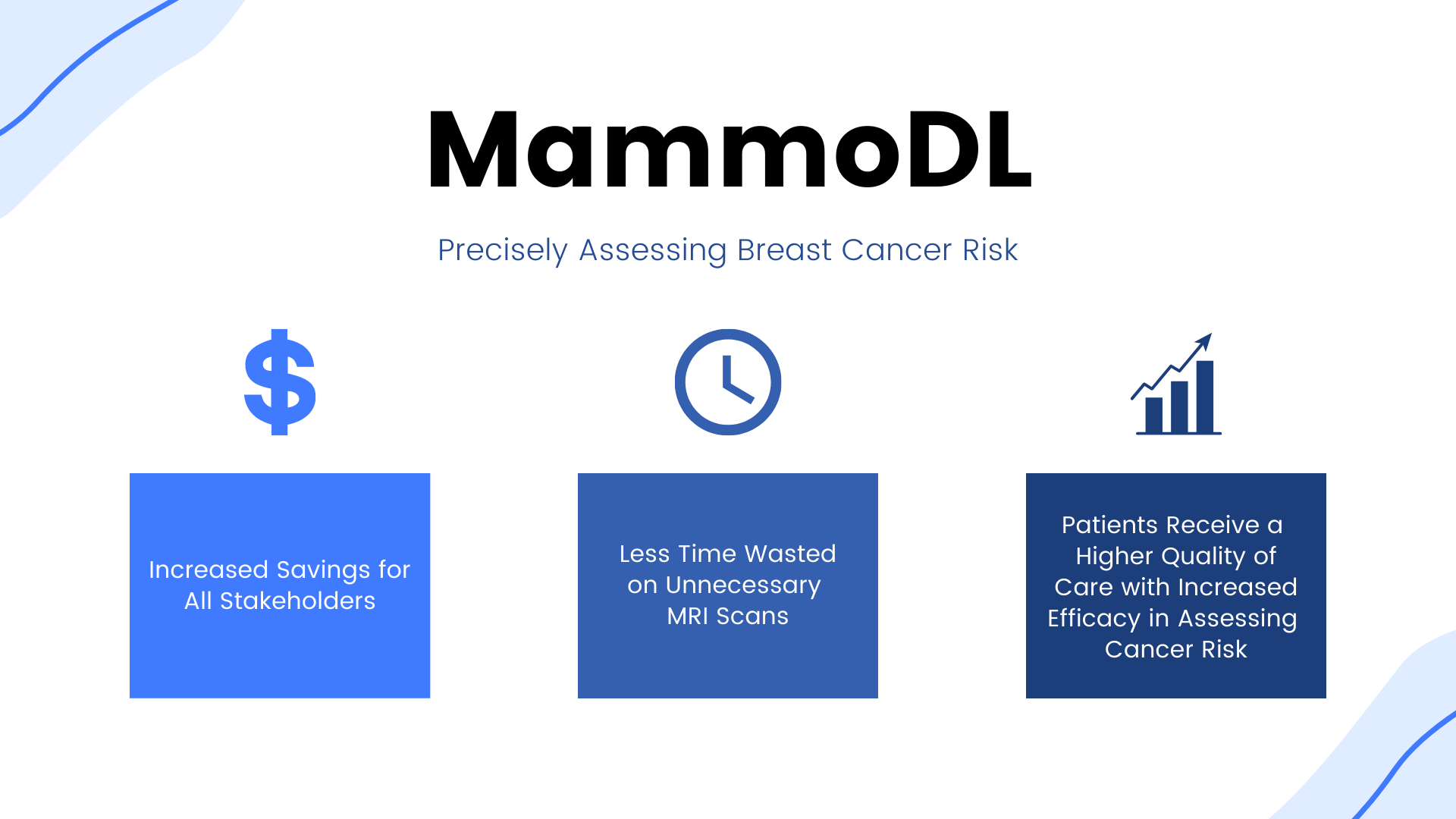
Diagnosing breast cancer remains a subjective process, in which radiologists visually assess mammograms to determine whether a patient needs a more detailed MRI. However, because this judgement does not follow quantitative criteria, medical care can vary considerably based on the radiologist, hospital policy, affluence of the hospital, and insurance coverage. These factors pose issues not only for quality of care but also equity in healthcare. For the millions of women who are screened for breast cancer each year, we want to quantify their risk assessment to enable early, accurate diagnoses. Quantifying this risk assessment will also assist radiologists performing the screenings, standardize hospital procedure, provide more concrete evidence for insurance coverage, and reduce expenses of treating more progressed cancers. More broadly, machine learning in medical research is often restricted to a single hospital or institution’s data. However, patient demographics, including age, race, and socioeconomic status, can vary considerably from hospital to hospital. As a result, models do not necessarily generalize well when only trained on single institution data. To accelerate medical research with machine learning, we propose creating a software wrapper for the Generally Nuanced Deep Learning Framework (GaNDLF) that enables federated learning, a method to iteratively train and update a machine learning model on separate institutions’ datasets, while respecting the privacy and access rights of each institution’s data. MammoDL is a software tool that uses convolutional neural networks to quantitatively assess breast tissue density from mammograms to standardize clinicians’ decisions on prescribing MRIs to patients. It incorporates a federated learning pipeline to enable secure training on datasets across multiple institutions, as this decentralization ensures better performance in comparison to model training on a single server. MammoDL’s user-friendly interface will allow for the tool to be configured to individual clinicians, in order to guide them effectively.

Log in or sign up for Devpost to join the conversation.