-
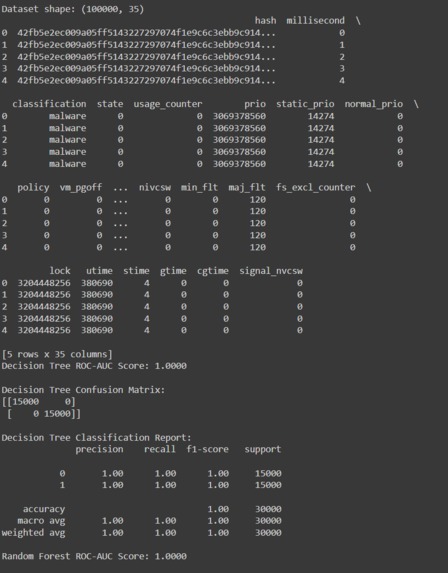
Decision tree ROC-AUC Score, Confusion Matrix and Classification Report
-
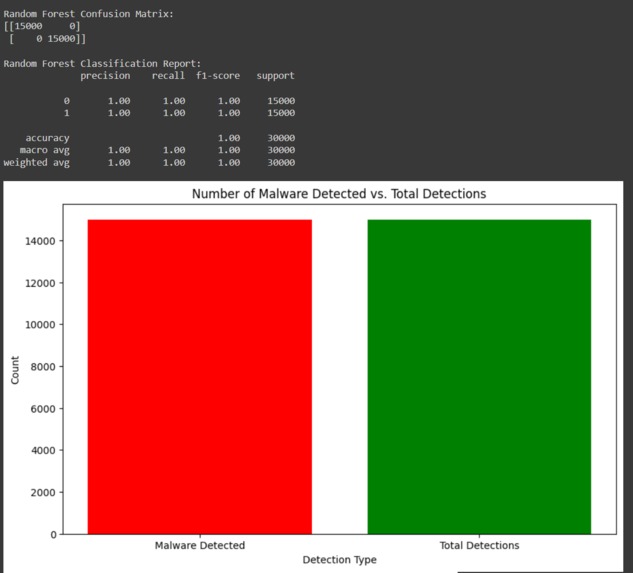
Random Forest Confusion Matrix and Classification Report
-
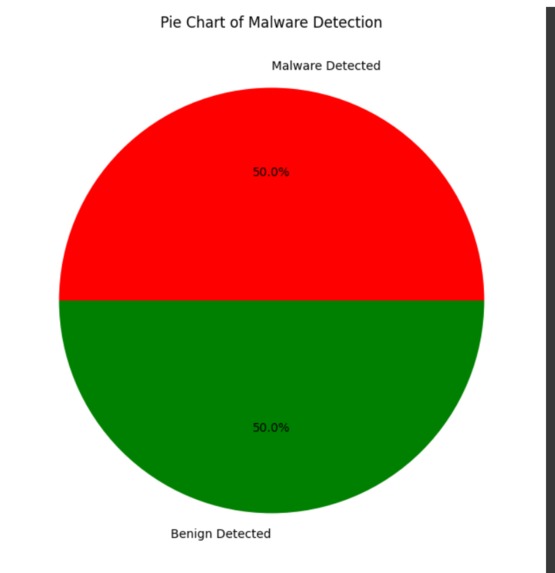
Pie Chart of malware detection
-
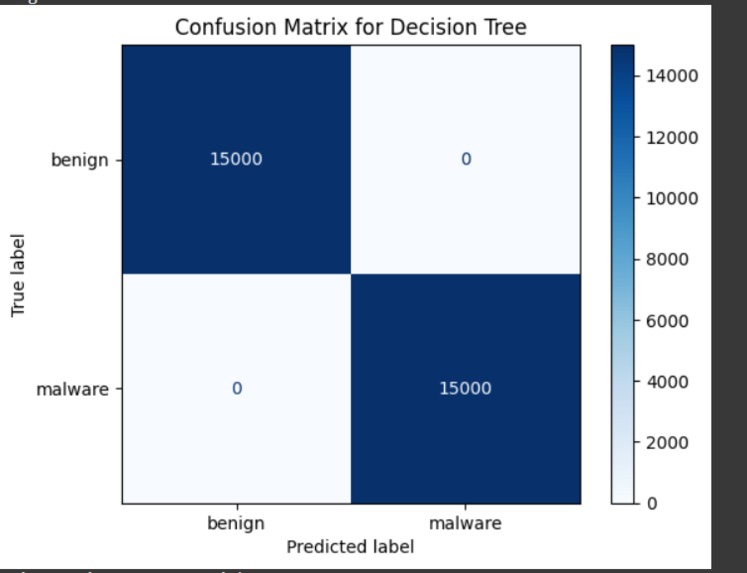
Confusion Matrix for Decision Tree
-
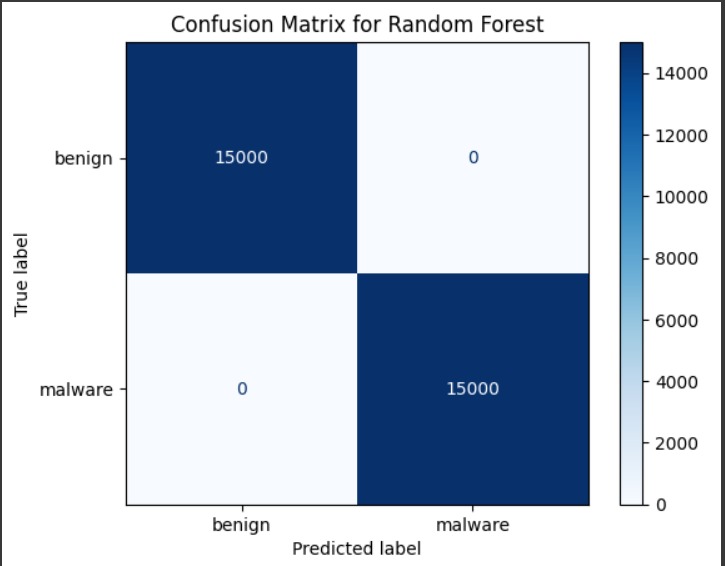
Confusion Matrix for Random Forest
-
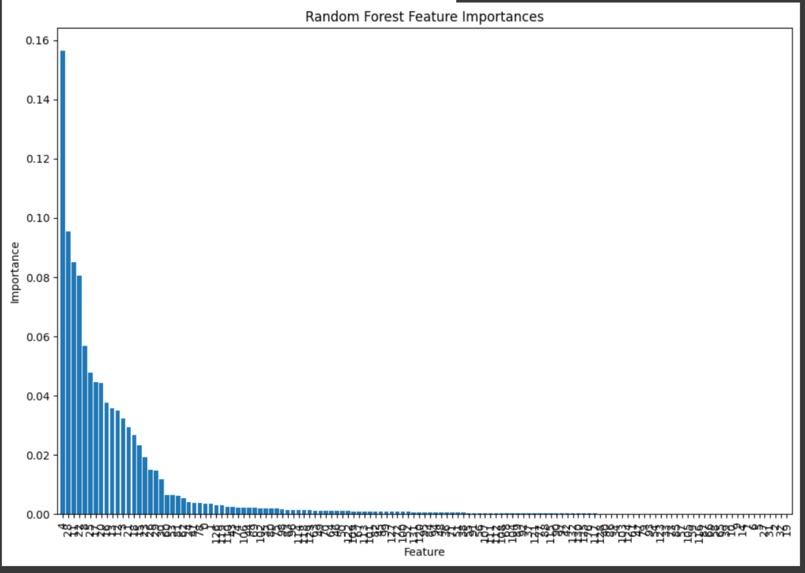
Random Forest Feature Importance
-
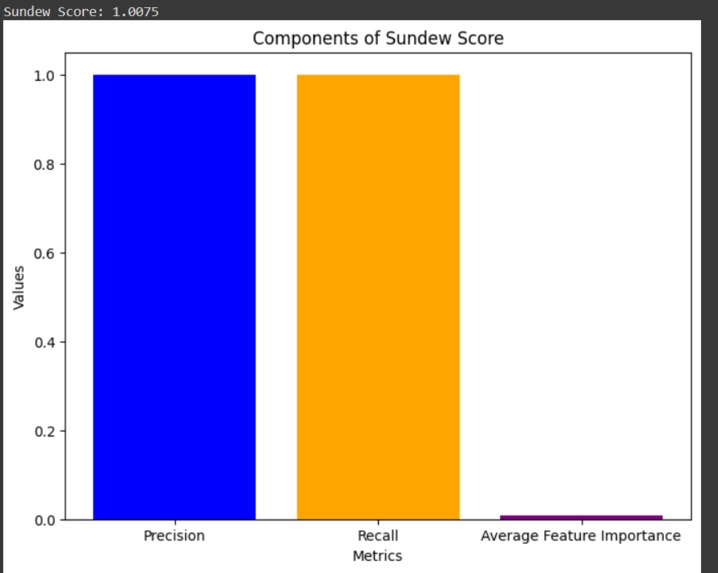
Components of Sundew Score
-
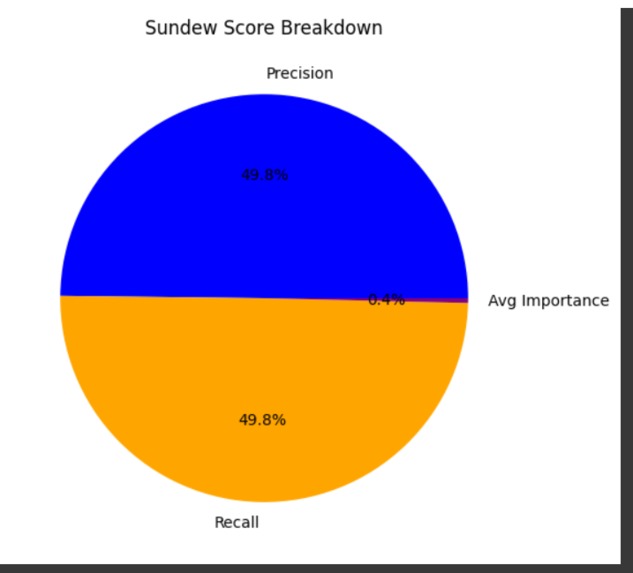
Sundew Score Breakdown


Project Story: Malware Sentinel
Inspiration
The inspiration for Malware Sentinel came from the growing threat of cyber attacks and the need for effective malware detection systems. As technology advances, so do the tactics of cybercriminals, making it crucial to develop robust defenses.
What it does
Malware Sentinel uses machine learning algorithms, specifically decision trees and random forests, to accurately detect and classify malware. It employs metrics like the Sundew Score and visualizations such as confusion matrices to assess model performance.
How we built it
We began by collecting data from a provided malware dataset. Using Python and libraries like Pandas and scikit-learn, we preprocessed the data, applying encoding and scaling techniques. We trained decision tree and random forest models, evaluating their performance with ROC-AUC scores and confusion matrices. Visualizations were created using Matplotlib to clearly present detection results and model performance.
Challenges we ran into
One of the main challenges was handling imbalanced datasets, which affected model accuracy. Additionally, interpreting evaluation metrics and ensuring that the model generalizes well to unseen data posed difficulties. Research papers and documents provided valuable insights and methodologies that helped us overcome these hurdles.
Accomplishments that we're proud of
We successfully developed a robust malware detection system that accurately classifies malware and benign files. The use of visualizations to represent model performance enhanced our understanding of the results and facilitated better communication of findings.
What we learned
Through this project, we deepened our understanding of machine learning algorithms and the importance of data preprocessing. We also learned about model evaluation metrics and the significance of continual learning in the ever-evolving field of cybersecurity.
What's next for Malware Sentinel: AI-Driven Malware Detection System
Moving forward, we plan to enhance the model by incorporating more sophisticated algorithms and techniques, such as ensemble methods and deep learning. Additionally, we aim to explore real-time malware detection capabilities and expand the dataset for improved accuracy.
Built With
- csvfiles
- googlecolab
- kaggle
- matplotlib
- numpy
- pandas
- python
- scikit-learn

